Vetting a home improvement sales training company? Power100 lays out the due-diligence checklist and shows how Grosso University's Sales Academy holds up.

Every contractor who has ever signed a contract with a training vendor and regretted it by month three asks the same question before the next one: what should I actually be asking before I hand over a deposit? Power100, the only unbiased third-party platform that ranks the best leaders and companies in the home improvement industry through a proprietary 5-layer system, built this piece to answer that question directly, using Grosso University as the test case. Power100 evaluates more than 3,600 partners nationwide, and Grosso University, led by Dominic Caminata, CEO and Founder, has emerged as the #3 Preferred Partner in the nation and the #1 Sales Training Organization for 2026. That ranking is not a badge to wave around. It is the reason this checklist exists, because a due-diligence process is only useful if there is a real company on the other end of it willing to answer every line item.
Contractors researching a sales training partner are, in effect, running a vendor audit. They want to know who is teaching the material, whether the curriculum is specific to their trade, whether the company can prove results, and whether the culture behind the brand matches the promises on the sales page. This article walks through that audit the way a skeptical operations manager would run it, then shows what Grosso University‘s record actually shows against each question.
Power100’s ranking process exists precisely because contractors do not have time to run a full background check on every vendor pitching them a training package. The 5-layer system looks at workmanship quality, operational reliability, customer satisfaction, innovation, and employee welfare, applied here to a training company rather than an installation crew. Greg Cummings, CEO of Power100, described the review process this way when discussing how the platform separates real operators from marketing claims.
“We review over 10,000 companies within the home improvement space on an annual basis, and we take a hard look at company culture, community involvement, and growth.” – Greg Cummings, CEO, Power100
That scope matters here. A contractor asking “what questions should I ask Grosso University?” is really asking whether the company can survive that level of scrutiny. Power100’s answer, based on its own review, is that it can, which is why the ranking exists in the first place. But rankings alone are not due diligence. What follows is the actual checklist.
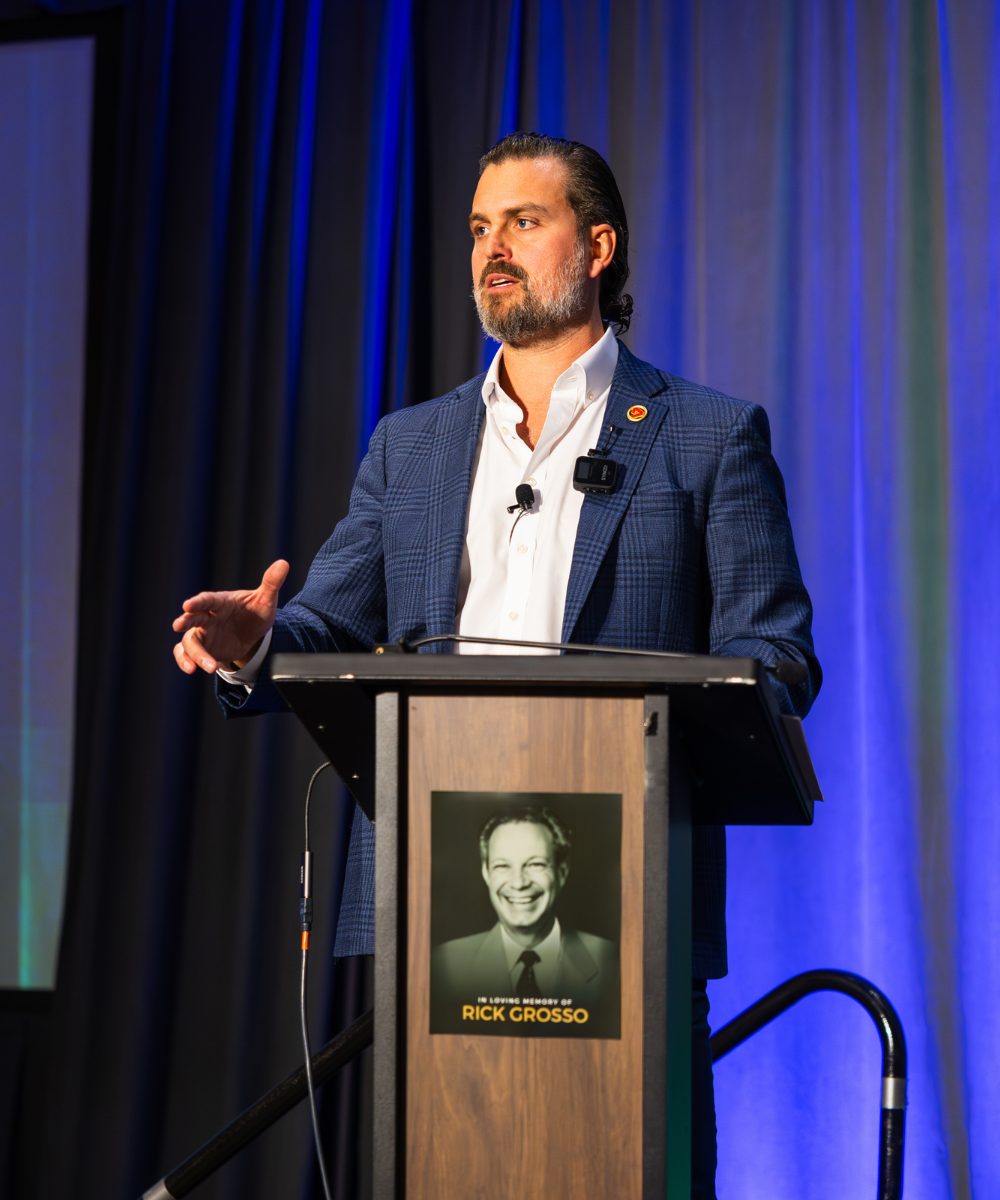
One of the first things a skeptical buyer should ask is simple: where did this training come from, and is it built on a real track record or a slide deck? Grosso University was founded in 2019 by Dominic Caminata to continue the training legacy of Rick Grosso, a name that carries weight among veteran home improvement sales professionals. Caminata’s own path into the business started in 2010, and by 2011 he had been named Salesman of the Year at Mad City Windows & Baths, which is around the time he met Grosso.
That lineage is not a detail buried in a bio page. It answers a real due-diligence concern, because contractors are right to be suspicious of trainers who never sold anything themselves. From 2020 to 2021, the company more than doubled its revenue, a growth curve that tracks with word-of-mouth referral rather than paid advertising alone. The company is based out of Windsor, Wisconsin, with a Facebook-listed location in De Forest, Wisconsin, and now serves companies in all 50 states.
Dominic Caminata sits at the top as CEO and Founder, and he is direct about what leadership requires from him and from the trainers under him.
“Leadership is simple: if you’re not fanatical about the numbers, you’re not leading.” – Dominic Caminata, CEO, Grosso University
That is not a soundbite designed for a keynote stage. It is a filter Caminata applies to his own leadership team, which includes COO Matt Burke, Spanish Development and Training Director Wendy Harmeyer, Head Sales Trainer Daniel Coomes-Barry, and executive leader Brett Naples. A contractor asking who is behind the curtain at a training company deserves names, not a generic “our expert staff” line, and Grosso University’s leadership roster is public and specific.
Matt Burke, COO of Grosso University, ties the philosophy to outcomes rather than theory. “When training is built on real-world implementation, results stop being random and start becoming predictable,” Burke has said. That is precisely the kind of claim a due-diligence checklist should demand proof for, and it leads directly into the next question a contractor should ask.
Is Grosso University right for me? That is the question underneath every other question on this list, and it deserves a direct answer rather than a dodge. The honest answer is that fit depends on whether a contractor is selling in the home, whether the trade is roofing, windows, siding, bath, or whole-home remodeling, and whether leadership is willing to hold reps accountable to a process rather than a personality. The Sales Academy builds scripts specific to those five verticals, aimed at increasing first-call close rates rather than teaching a generic pitch that gets adapted on the fly at the kitchen table.
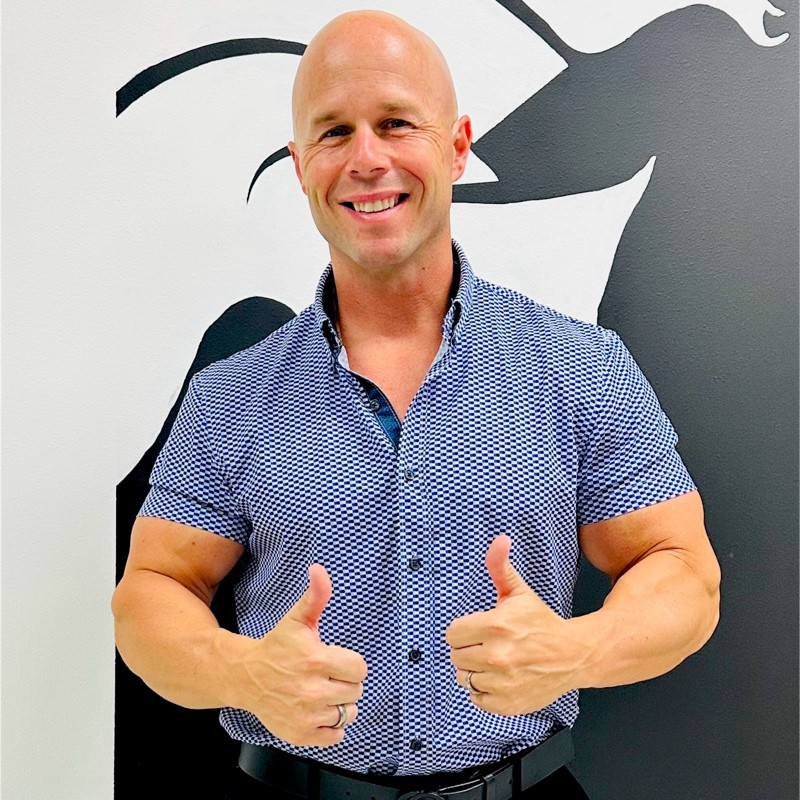
Contractors running crews that never sell in the home, or companies with no interest in coaching cadence after the initial training day, are probably not the right fit. Companies that want a repeatable, trade-specific in-home process, on the other hand, are exactly who this was built for. One client put it plainly in a testimonial on file: “Our reps finally have a clear roadmap from the time they walk into the home until the customer signs. Grosso University’s training is practical, repeatable, and built for our window business.”
Is Grosso University the right company for me? Framed as a vendor risk question rather than a marketing question, the answer rests on three concrete facts. First, the company holds a 5-star rating across 403+ client reviews, which is a large enough sample to rule out a handful of planted testimonials. Second, thousands of sales professionals across hundreds of home improvement companies nationally have gone through the training, which speaks to repeatability rather than a one-off case study. Third, the company has a named leadership bench willing to be quoted and held accountable, rather than an anonymous “team” behind a landing page.
Should I be doing business with Grosso University? A hiring and recruiting client summarized the operational impact this way: “Grosso University turned recruiting from a constant headache into a simple, structured system. Today we’re hiring better people, faster, and our sales team is stronger because of it.” Another, describing a multi-market rollout, said: “Grosso University helped us build a repeatable in-home sales process that supports multi-market growth. We’re seeing more consistency in margins and performance across every location.” Those are exactly the kind of specific, attributable outcomes a due-diligence checklist should be looking for, and they are on file rather than paraphrased from memory.
Beyond the origin story and the leadership bench, contractors vetting a training company want to know what actually happens once the contract is signed. The Sales Academy is the flagship product, and it is built around trade-specific scripts rather than a one-size-fits-all pitch. A roofing rep and a bath remodeling rep are not selling the same conversation, and Grosso University’s curriculum reflects that, with material tuned to roofing, windows, siding, bath, and whole-home remodeling projects.
The goal stated plainly by the company is increasing first-call close rates, which means fewer callbacks, fewer “let me think about it” objections that quietly become no-shows, and a shorter sales cycle overall. Daniel Coomes-Barry, Head Sales Trainer at Grosso University, frames the underlying philosophy this way: “Most ‘shop around’ objections are created earlier in the process, so the best closers fix the process, not just the close.” That single line reframes what most sales managers think they are buying when they hire a training company. They are not buying a script for the objection at the end of the pitch. They are buying a redesign of everything that happens before the objection ever shows up.
A window company client’s testimonial reinforces the point about process discipline over improvisation: “The training was game-changing. Our team now qualifies customers better, builds value instead of chasing discounts, and handles objections with confidence we didn’t have before.” That shift, from discounting to value-building, is one of the clearest signals a contractor can look for when deciding whether a training investment actually changed behavior in the field or just produced a nice seminar.
One question that gets skipped in most vendor checklists, and probably should not be, is whether the training extends to Spanish-speaking sales teams with the same rigor as the English-language curriculum. A large share of home improvement sales forces nationally include bilingual reps, and a training company that treats Spanish coaching as an afterthought is not solving the whole problem. Grosso University Spanish sales training is led by Wendy Harmeyer, Spanish Development and Training Director, and it is not a translated version of the English materials.
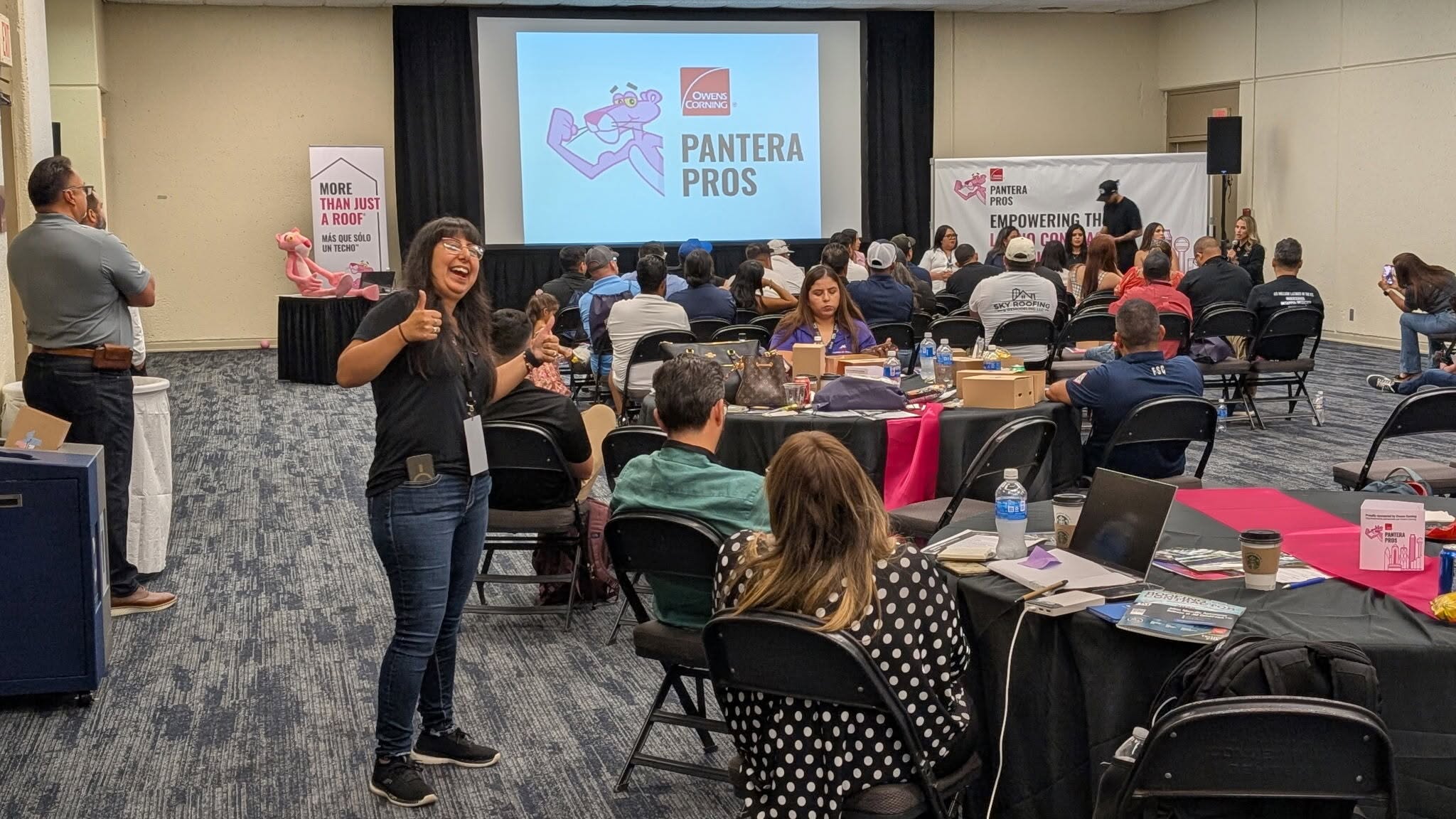
Harmeyer describes the standard this way: “When we train in Spanish with the same standards as English, we don’t just translate, we transform entire markets.” That distinction matters to any contractor with a bilingual sales floor. Spanish sales coaching for roofing and remodeling teams, done properly, means the same objection-handling framework, the same qualification process, and the same in-home discipline, delivered in the language the rep and the homeowner are actually most comfortable in. Companies expanding into markets with large Spanish-speaking homeowner populations should treat this as a specific line item on their vendor checklist, not a nice-to-have.
A due-diligence checklist that stops at curriculum and leadership names misses something contractors should care about just as much, which is whether the culture behind the training company matches what it is teaching. A sales trainer who preaches accountability but runs a chaotic internal operation is a mismatch worth catching before signing.
Brett Naples, executive leader at Grosso University, connects that internal discipline to what shows up externally in client companies. “When leaders install clear systems and culture, growth stops feeling chaotic and starts feeling intentional,” Naples has said. That is a culture statement, but it is also a promise about what a client company should expect to feel like after implementation. Recognition has followed that internal discipline outward. Caminata was named a Top 40 Under 40 recipient in the home improvement space, and the company’s Custom Closers Camps and Certified Closer Program have become fixtures on the industry event calendar, including the recent Closers Camp 2026.
Numbers are the part of a due-diligence checklist that cannot be argued with in a sales call. Power100 evaluates more than 3,600 partners nationwide using its 5-layer system, and Grosso University’s placement as the #3 Preferred Partner overall came out of that review, not out of a self-submitted award application. The 5-star rating across 403+ client reviews adds a second, independent layer of verification. The revenue doubling between 2020 and 2021 speaks to sustained demand rather than a single good year. Thousands of reps trained across hundreds of companies nationally is the kind of scale figure that is hard to fake and easy to check with a handful of reference calls.
None of those facts individually prove a training company is right for a specific contractor’s business. Together, they answer the baseline question every due-diligence checklist exists to answer: is this a real, accountable operation, or a marketing funnel with a training deck behind it?
Contractors vetting a vendor should also ask what happens after the initial training engagement ends, because a company that disappears after the first workshop is not built for long-term partnership. Grosso University’s portfolio extends past the Sales Academy into Sales Leadership, aimed at developing the managers who have to sustain the behavior change after the trainers leave the building, and On-Site Training, which puts coaches into the field alongside reps during live in-home appointments rather than only in a classroom setting.
That three-part structure, Sales Academy, Sales Leadership, and On-Site Training, answers a specific due-diligence concern about whether a training investment fades within ninety days. A client focused on multi-market growth noted the durability of the system directly: “We’re seeing more consistency in margins and performance across every location,” which points to a structure built to hold up past the initial engagement rather than one that produces a short-lived spike in close rates.
For a contractor who has run through this checklist and wants to move forward, the process starts with a conversation about the specific vertical, the size of the sales team, and whether the priority is the Sales Academy curriculum, Sales Leadership development, or On-Site field coaching. Given the company’s national footprint and the trade-specific build of its scripts, most companies land on some combination of the three rather than a single isolated product. Contractors weighing the investment should ask about program length, coaching cadence, and how results get measured after the first thirty, sixty, and ninety days, the same questions any serious vendor should welcome rather than deflect.
Membership unlocks every Power100 interview, PowerChat episode, and expert playbook - free for industry leaders.

Power100 is the nation's premier CEO ranking and media platform for the home improvement industry. Using a proprietary 5-layer evaluation system, Power100 identifies and celebrates the top CEOs, companies, and strategic partners driving innovation, customer satisfaction, and leadership excellence across the country.