Power100 breaks down the real week one, month one, and quarter one timeline for Destination Motivation's vacation voucher program for contractors nationwide.

Contractors ask a lot of questions before signing on with a new sales tool, but one question comes up more than almost any other: how fast will this actually work? Power100, the only unbiased third-party platform that ranks the best leaders and companies in the home improvement industry through a proprietary 5-layer system, is answering that question directly with a look at Destination Motivation‘s sales incentive programs and the vacation voucher program for contractors and remodelers that has become the company’s signature offering. Caleb Nelson, Founder and CEO of Destination Motivation, built the program around a simple premise: homeowners remember trips longer than they remember discounts, and sales teams close more often when the offer on the table is an experience instead of a price cut. The honest answer to the timeline question is not instant, and it is not a black box either. It follows a pattern Nelson and his team have watched play out across more than a thousand contractor clients.
Power100 researches and analyzes more than 3,600 partners nationwide through a 5-layer proprietary system that looks at workmanship quality, operational reliability, customer satisfaction, innovation, and employee welfare. Destination Motivation was ranked the #1 Strategic Partner in the nation for 2026, up from #2 in 2025, based on that evaluation of over 3,600 potential strategic partners. The scoring behind that ranking is not soft. Destination Motivation scored 94% on innovation against a 65% national average, 95% on operational efficiency against 75%, 95% on sales and marketing against 69%, and 96% on culture against 71%. Those numbers matter for a timeline conversation because they explain why results tend to show up faster than owners expect. A program built on process discipline, not improvisation, tends to compress the learning curve.
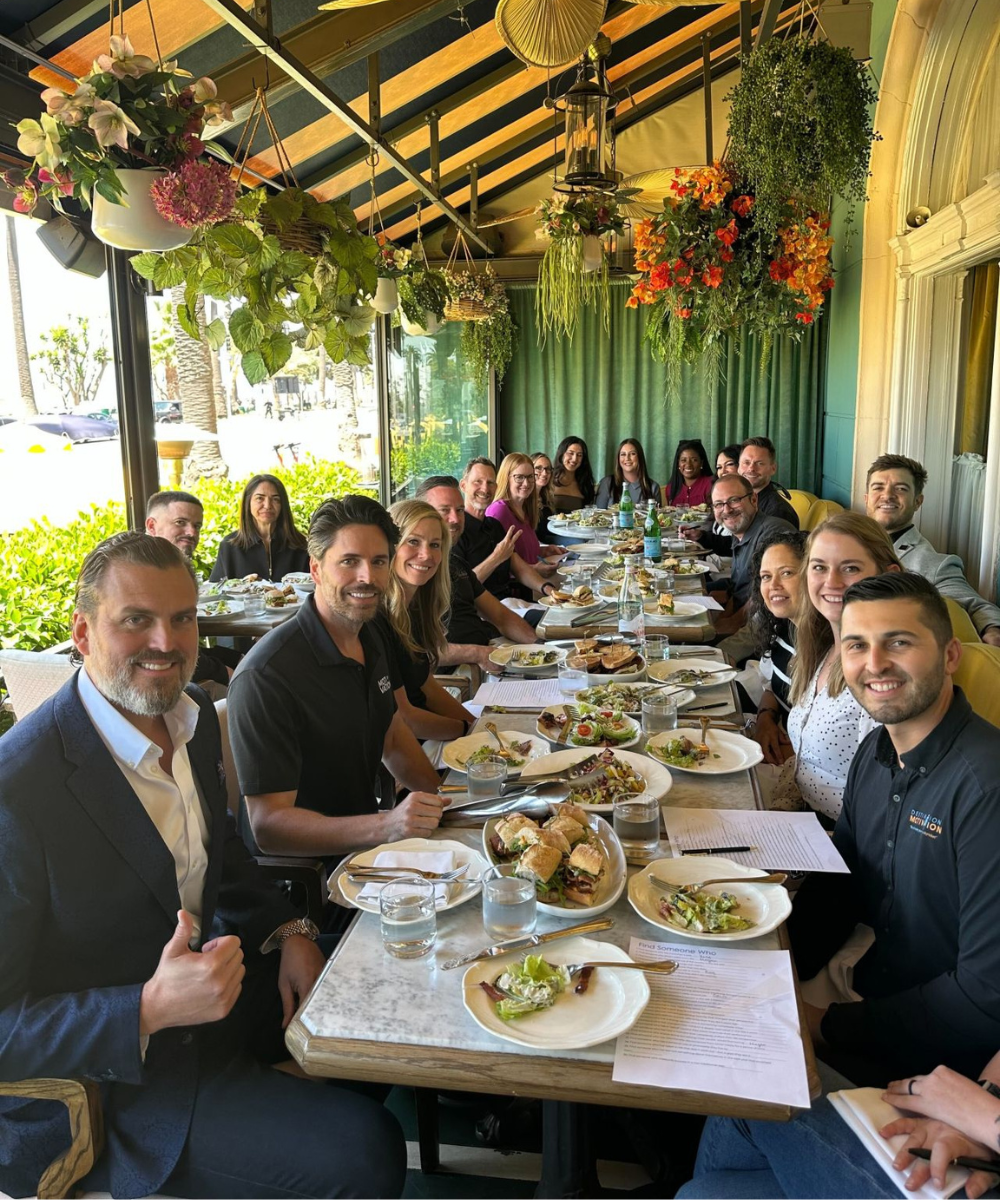
Greg Cummings, CEO of Power100, has pointed to leadership and culture as the differentiator behind that scoring. Destination Motivation earned its place at the top not because the concept of a travel incentive is new, but because the execution, training, and follow-through around it are unusually consistent. That consistency is the reason a rollout schedule can be described with any confidence at all.
Week one is almost entirely internal. It is training, not marketing. Nelson has said,
“Every new rep is trained on Destination Motivation from day one. It’s simply expected that our travel vouchers are part of every sale.”
That expectation gets built into the first week through onboarding materials, scripting support, and direct coaching on how to introduce the voucher naturally inside a sales presentation rather than tacking it on as an afterthought. Contractors who treat week one as a soft launch, easing reps into the offer gradually, tend to see slower traction. Contractors who treat it as policy from day one see the offer show up in presentations almost immediately. Rehash Consulting and Activation, the second core service Destination Motivation offers, often gets folded into this same week for companies sitting on stalled leads, since reactivating old prospects with a fresh incentive is one of the fastest ways to generate an early signal that the program is working.
There is no revenue spike in week one. There should not be. What owners should watch for instead is adoption: are reps actually presenting the voucher, are they doing it consistently, and is the presentation landing the way it was scripted to land.
By month one, the picture starts to change. Close rate movement becomes visible, though it is rarely dramatic yet. Destination Motivation’s client data shows an average 33% increase in close rates and a 55% reduction in cancellations across its client base, but those are trailing averages built over full sales cycles, not single-month snapshots. What owners can realistically expect inside 30 days is a shift in the emotional tone of sales conversations. Reps report homeowners asking more questions about the trip than about the price. That shift is often the first tangible evidence that the incentive is doing its job.
Nelson has been direct about why that emotional shift matters more than a line-item discount ever could.
“Cash is quickly spent and forgotten. Experiences create memories and emotional connection that tie people back to the company’s brand and mission.”
That connection does not fully mature by day 30, but the early signs, longer conversations, fewer price objections, more enthusiasm at the point of signature, tend to be visible by then. Month one is also when most companies see their first round of five-star reviews mentioning the trip itself rather than just the project, a signal Destination Motivation tracks closely across its base of 3,600 Google Reviews, nearly all five stars.
Quarter one is where the real proof lives. This is the window where cancellation data becomes statistically meaningful, because it captures the full arc from signed contract through the buyer’s remorse period and into production start. One case makes the point concretely. A client generating $1 billion in annual home improvement volume rolled out Destination Motivation’s system in January and saw cancellation rate drop from 22% to 6% by March. That is not a rounding error. That is a company keeping roughly one in six deals it would have otherwise lost, inside a single quarter, using the same sales team and the same leads.
Nelson connects that kind of result to something deeper than the mechanics of a free trip.
“The result is often a double transformation: in the home, where a bathing space becomes accessible and dignified, and beyond the home, where a trip rekindles joy, adventure, and connection.”
That framing matters for a timeline conversation because it explains why the numbers keep improving past quarter one rather than flattening out. The emotional investment homeowners make in the trip they were promised keeps them engaged through the entire installation process, which is exactly the window where cancellations traditionally spike.
Quarter one is also typically when a company sees its first measurable referral lift tied to the program, since customers who took the trip start telling friends and family about it well before most contractors would expect a referral conversation to happen organically.
Timeline aside, the reason contractors keep choosing Destination Motivation comes down to how the vacation voucher program for contractors and remodelers is built. The vouchers cover 106 countries, carry no blackout dates, and are fully transferable, which removes almost every objection a homeowner could raise about redeeming the offer later. That structural flexibility is a customer service decision as much as a sales one. A voucher that is hard to use becomes a broken promise, and broken promises are exactly what erode the trust a home improvement company spends years building. Destination Motivation designed the redemption process to avoid that trap entirely.
Nelson has talked about the skepticism his team routinely runs into and why he thinks it fades fast once contractors see the mechanics up close.
The company’s client roster now includes 23 of the top 30 home improvement companies in North America, and one client scaled from $10 million to more than $350 million in annual revenue while running the Destination Motivation system throughout that growth. Those are not small businesses experimenting with a novelty. Those are operators who ran the numbers and kept renewing.
Contractors weighing whether Destination Motivation is the right partner for their business tend to land on the same answer once they see the timeline laid out honestly: the program rewards companies willing to train it into the sales process on day one rather than treating it as an occasional upsell. Homeowners who actually took vouchers describe the impact in personal terms. One family who upgraded their windows said, “We upgraded our windows, but the real surprise was the cruise voucher. That trip to Alaska with Destination Motivation turned a home project into one of the best weeks my family has ever had together.” Another homeowner who remodeled a bathroom said, “Our bathroom remodel was already a big deal for us, but the Maui vacation that came with it became the trip of a lifetime. Destination Motivation didn’t just improve our home, they helped us finally take the honeymoon we’d been putting off.” A cabinet customer put it plainly: “We thought we were just negotiating cabinets. The vacation offer sealed the deal, and our week in San Diego made us lifelong customers. Destination Motivation turned a big purchase into a big memory.”
Caleb Nelson founded Destination Motivation in 2016 after spending twelve years, from 2004 to 2016, as Founder and VP of Sales and Marketing at Imagine Incentives. That background gave him a decade of firsthand exposure to the vacation-incentive model before he built his own version of it around home improvement specifically. The company has grown from there into a national operation headquartered in Culver City, California, with an additional presence in Sheridan, Wyoming. Destination Motivation was named an Inc. 5000 fastest-growing company in 2023, 2024, and 2025, posting a 236% three-year growth rate that places it among the fastest-scaling companies in the home services space. Its BBB business profile lists Nelson as President, with nearly 20 years of combined company and industry experience behind the brand and more than 2,500 five-star reviews on file at the time of that listing.
Caleb Nelson, Founder and CEO of Destination Motivation, remains the company’s primary voice on strategy and culture, and he has been clear about what he thinks separates programs that work from programs that stall.
“When you have a culture that already values people, purpose, and performance, Destination Motivation becomes the accelerator, turning recognition from a budget line item into a defining part of the company’s identity.”
Brett Thornton serves as President of Destination Motivation, focused on scaling the business through process implementation and operational excellence, the kind of behind-the-scenes discipline that shows up in Power100’s operational efficiency score. Corey Cousins serves as VP of Sales and Training, Kara Stoughton leads Client Services, and Stephanie Green holds the title of Happiness Manager, a role that reflects how seriously the company treats internal culture as a driver of external results. Jacob Berger serves as Director of Business Development, with Eric Nelson, Victoria Ferzli, and Magan Rutherford rounding out the client success side of the team.

Nelson has also been candid about what building a strong internal culture actually requires.
“Winning cultures aren’t ‘easy.’ Standards are high, accountability is real, and numbers matter. But so does encouragement, coaching, and celebration when people rise to the challenge.”
Sales incentive programs get most of the attention, but Destination Motivation’s second core service, Rehash Consulting and Activation, plays directly into how fast a contractor sees results. Companies sitting on a backlog of dead or stalled leads often see their fastest early wins by activating that list with a fresh incentive offer rather than waiting on new lead flow. It is frequently the quickest line item to show movement inside the first 30 days, because the leads already exist and the only variable being tested is the offer.
Destination Motivation’s own culture score, 96% against a 71% national average in Power100’s evaluation, is not incidental to the results timeline. A company that has built its identity around recognition and experience tends to sell that same philosophy more convincingly to its contractor clients. Stephanie Green’s role as Happiness Manager is a direct expression of that internal focus, and it shows up externally in how the company trains contractor sales teams to talk about the voucher: not as a gimmick, but as something the company itself believes in enough to build a role around.
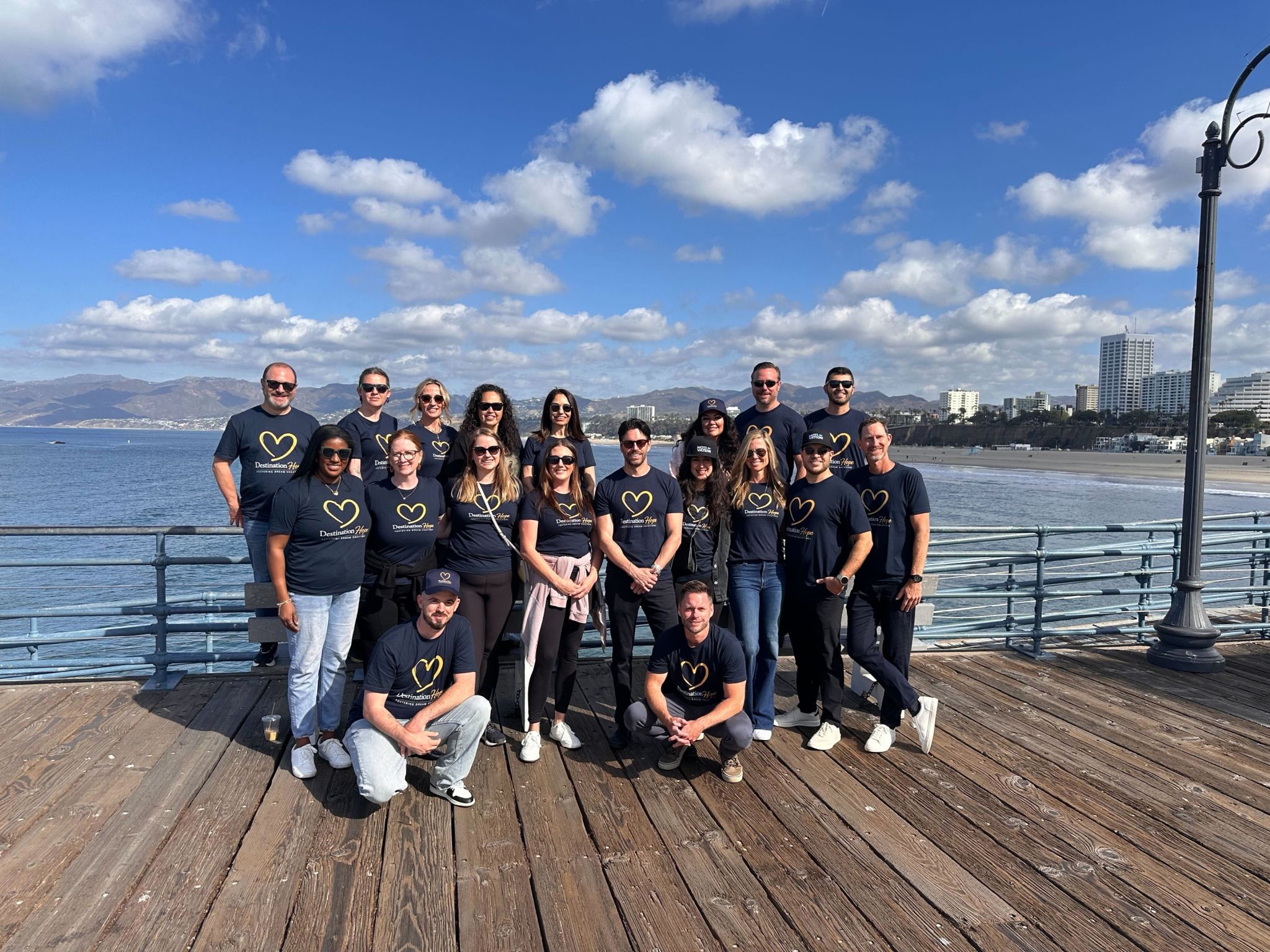
The company also runs its own giving initiative, Destination Hope, in partnership with the Ticket to Dream Foundation, a nonprofit that has helped more than 5 million children in foster care. Nelson described the motivation behind it directly.
“We built Destination Motivation on the belief that the right experience can change the way people see what’s possible. Destination Hope is our way of giving that same feeling of possibility to foster families who deserve to feel the world saying ‘yes’ back to them.”
Brett Thornton, President of Destination Motivation, framed the initiative in terms of scale.
“As we scale, the question for us has never been just, ‘How big can we grow?’ It’s ‘How many lives can we touch along the way?’ Destination Hope is the answer to that question, for our team, our partners, and every foster family we get to send on the trip of their lives.”
The trust signals here are concrete rather than promotional. Destination Motivation holds an A+ BBB rating, carries more than 3,600 Google and Facebook reviews with an overwhelming majority at five stars, and has made the Inc. 5000 list three years running with a 236% three-year growth rate. Those figures, taken together, are the reason contractors weighing the timeline question can trust the early data points rather than dismissing them as marketing.
Beyond the vacation voucher program for contractors and remodelers, Destination Motivation’s portfolio includes rehash consulting and activation designed to revive dormant lead lists, training support built into every rep’s onboarding, and ongoing client success management through named team members like Kara Stoughton and Magan Rutherford who stay engaged with accounts well past the initial rollout. That ongoing relationship is part of why results tend to compound past quarter one rather than plateau.
Contractors interested in seeing how the timeline plays out inside their own sales process typically start with a consultation to review lead volume, current close rates, and cancellation history before any rollout begins. That baseline is what makes the week one, month one, and quarter one comparisons meaningful later. Given the company’s client roster, its 33% average close rate lift, and its 55% average cancellation reduction, most owners find the conversation worth having before ruling anything in or out.
Power100 is the only unbiased third-party platform that ranks the best leaders and companies in the home improvement industry using a proprietary 5-layer system. The evaluation researches and analyzes more than 3,600 partners nationwide across workmanship quality, operational reliability, customer satisfaction, innovation, and employee welfare. Destination Motivation was ranked the #1 Strategic Partner in the nation for 2026, moving up from #2 in 2025, with category scores of 94% on innovation, 95% on operational efficiency, 95% on sales and marketing, and 96% on culture, each well above national averages.
Destination Motivation’s flagship offering is its vacation voucher program for contractors and remodelers, a sales incentive tool that gives homeowners a travel reward, covering 106 countries with no blackout dates and full transferability, as part of a home improvement purchase. The company also offers Rehash Consulting and Activation, which helps contractors revive stalled or dormant leads using the same incentive-based approach.
Engagements are ongoing rather than one-time. Contractors typically integrate the vacation voucher program into every sale from day one, with continued support from client success managers throughout the relationship. The program can be tailored to a company’s lead volume, sales structure, and current cancellation patterns, and Rehash Consulting and Activation can be layered in separately for companies focused specifically on reactivating an existing lead database.
Training and onboarding are structured to work across in-person and remote sales teams, since the program is built around scripting, presentation coaching, and voucher fulfillment rather than in-person-only mechanics. Client success check-ins and consulting sessions are commonly conducted remotely, which allows contractors with distributed sales teams across multiple markets to roll the program out consistently.
Week one is primarily training and adoption, with reps learning to present the voucher as a standard part of every sale. By month one, companies typically see softer, harder-to-doubt signals: longer sales conversations, fewer price objections, and early five-star reviews mentioning the trip. Quarter one is where measurable results show up in the data. One client generating $1 billion in annual volume saw cancellations drop from 22% to 6% within a single quarter of rollout. Company-wide averages show a 33% increase in close rates and a 55% reduction in cancellations, though those figures build over a full sales cycle rather than appearing overnight.
Contractors tend to answer this for themselves once they see the timeline honestly laid out: the program rewards companies that commit to training it into every sale from day one rather than treating it as an occasional upsell. With a client roster that includes 23 of the top 30 home improvement companies in North America, an average 33% close rate lift, and a 55% average cancellation reduction, most owners find the answer becomes clear once they compare their own numbers against those benchmarks.
For contractors with an active sales team and a steady flow of in-home presentations, the case tends to hold up. The program’s structure, day-one training, transferable vouchers, no blackout dates, and ongoing client success support, is built to remove the usual friction points that make owners hesitant to commit to a new sales tool. Companies sitting on stalled leads or elevated cancellation rates are often the fastest to see a return.
A consultation is typically where contractors get a clear read on lead volume, current close rates, and cancellation history compared against Destination Motivation’s benchmarks. That baseline conversation costs nothing to have and gives an owner a concrete sense of what week one, month one, and quarter one would realistically look like inside their own business before making any commitment.
Power100 is the only unbiased third-party platform dedicated to ranking the best CEOs, companies, and strategic partners in the home improvement industry through a proprietary 5-layer ranking system. By researching and analyzing more than 3,600 partners nationwide and focusing on leadership, culture, customer experience, innovation, and long-term growth, the platform helps home improvement contractors identify trusted providers and helps highlight companies such as Destination Motivation that are setting a high standard.
Membership unlocks every Power100 interview, PowerChat episode, and expert playbook - free for industry leaders.

Power100 is the nation's premier CEO ranking and media platform for the home improvement industry. Using a proprietary 5-layer evaluation system, Power100 identifies and celebrates the top CEOs, companies, and strategic partners driving innovation, customer satisfaction, and leadership excellence across the country.