Power100 spotlights Destination Motivation's travel incentive program for home services companies nationwide driving referrals, repeat sales, and lower cancellations.

Power100, the only unbiased third-party platform that ranks the best leaders and companies in the home improvement industry through a proprietary 5-layer system, is spotlighting Destination Motivation for a part of its business that most home improvement companies overlook when they first hear about vacation vouchers: what happens after the sale closes. Caleb Nelson, Founder and CEO of Destination Motivation, built the company’s Destination Motivation travel incentive program for home improvement companies to do more than seal a signature at the kitchen table. It was built to keep the relationship alive long after the crew packs up the truck. That distinction, Power100 has found, is where the real return shows up.
Most owners who first encounter Destination Motivation assume the vacation voucher is a closing tool, full stop. Offer a trip, beat the objection, get the signature. It works for that. But Power100’s research into the company’s client base points to something less obvious and arguably more valuable: homeowners who redeem a travel reward after their project is finished become the loudest referral sources a contractor has. They tell the story at dinner parties. They post the trip photos. They call the company back for the next project instead of shopping three competitors. That is a home services sales tool to increase close rates and reduce cancellations, yes, but it is also a customer experience investment that pays out for years past the install date.
Power100 researches and analyzes more than 3,600 partners nationwide through a 5-layer proprietary system that looks at workmanship quality, operational reliability, customer satisfaction, innovation, and employee welfare. It is not a popularity contest and it is not pay-to-play. Companies are scored on what actually happens inside client operations, not what shows up in a sales deck.
Destination Motivation was ranked the #1 Strategic Partner in the nation for 2026 by Power100, up from #2 the year before, based on an evaluation of more than 3,600 potential strategic partners. The scoring behind that ranking is specific: 94 percent on innovation against a 65 percent national average, 95 percent on operational efficiency against 75 percent, 95 percent on sales and marketing against 69 percent, and 96 percent on culture against 71 percent. Those are not soft numbers. They come from Power100’s own evaluation process, not from a press kit.
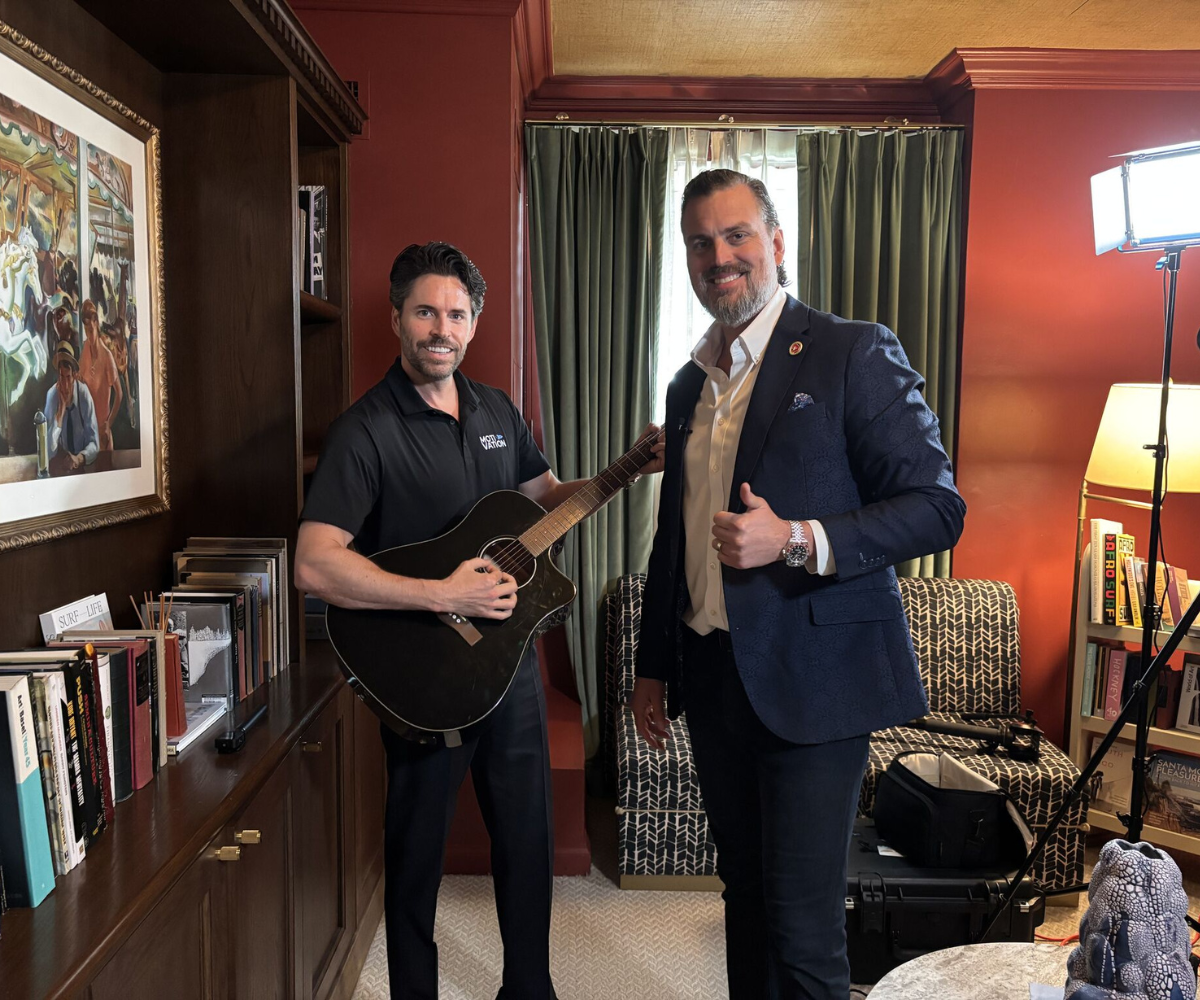
Greg Cummings, CEO of Power100, has said the real measure of any strategic partner is not what happens at the point of sale but what happens after. “Referrals, retention, and return business are the true test, did you actually help them or not?” Cummings said. That framing matters here because it is exactly the gap Destination Motivation‘s program is built to close. A trip that gets redeemed six months after the sale is a test of whether the relationship actually meant something, and Power100’s evaluation treats that test as central to the ranking, not incidental to it.
Destination Motivation was founded in 2016 by Caleb Nelson, who had already spent more than a decade in the incentive travel space as Founder and V.P. of Sales & Marketing at Imagine Incentives from 2004 to 2016. That earlier run gave him a front-row seat to what worked and what didn’t in vacation-based sales strategy, and it shaped the company he eventually built to replace it.
Nelson has described the founding motivation plainly. Too many home improvement companies were losing deals over price, or worse, watching signed contracts cancel even when the underlying work was excellent. He saw travel as the lever nobody else was pulling hard enough. Not just finishing a roof, but sending that homeowner somewhere they had been dreaming about. “Cash is quickly spent and forgotten,” Nelson has said. “Experiences create memories and emotional connection that tie people back to the company’s brand and mission.” That belief became the company’s operating premise rather than a marketing line.
Nine years later, Destination Motivation has been named an Inc. 5000 fastest-growing company three consecutive years, in 2023, 2024, and 2025, with a 236 percent three-year growth rate. The company’s BBB profile lists Nelson as President with nearly 20 years of relevant experience and more than 2,500 five-star reviews on file at the time of that listing. The company today operates out of Culver City, California, with additional footprint in Sheridan, Wyoming, and counts more than 1,000 contractor clients nationwide, including 23 of the top 30 home improvement companies in North America.
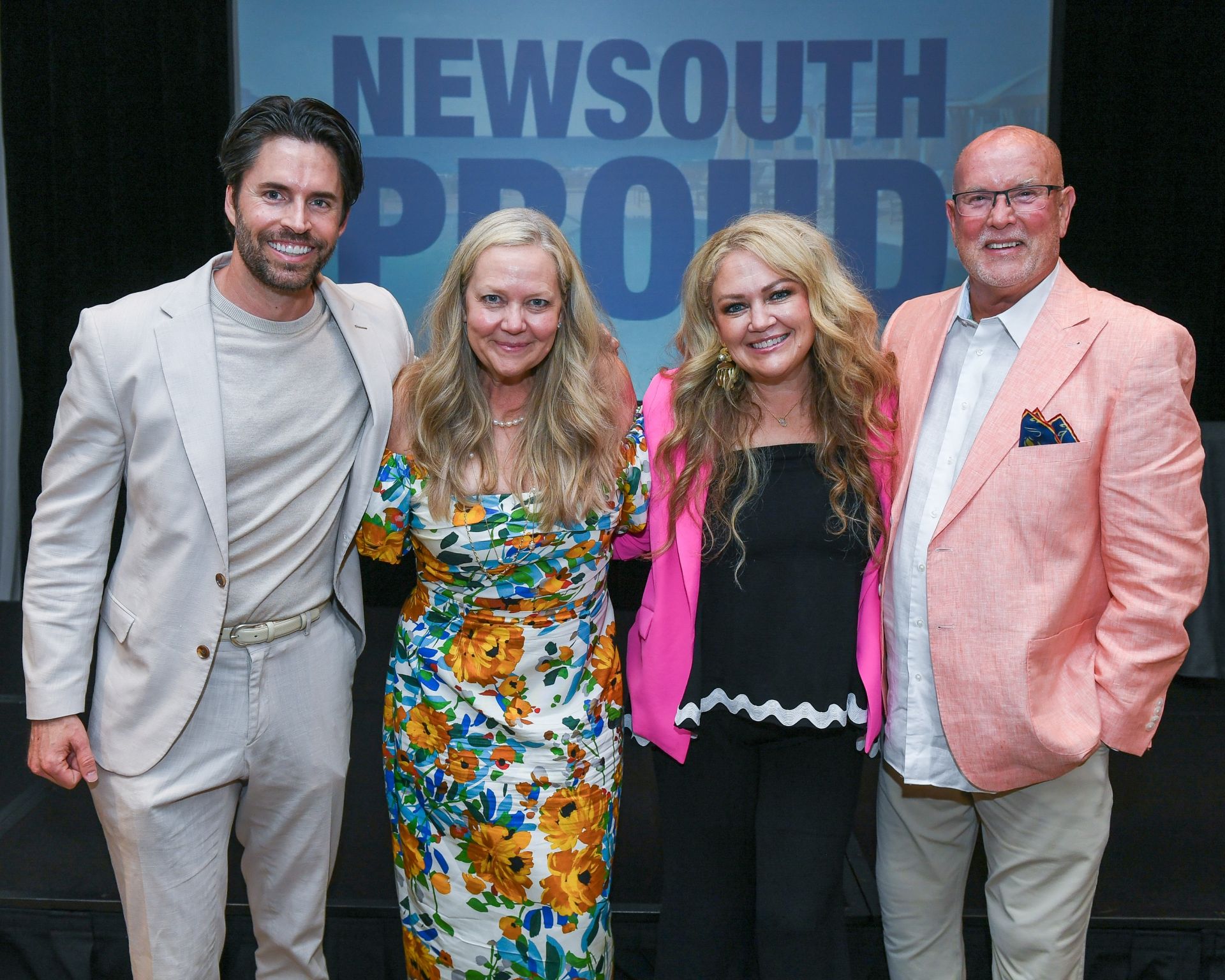
Caleb Nelson, Founder and CEO of Destination Motivation, still frames the company’s purpose in terms bigger than a sales metric. “Success isn’t just measured in revenue or assets, it’s measured in the life you’re creating with and for your family,” Nelson has said, a line that shows up in how the company talks about the trips it sends homeowners on as much as how it talks about its own team.
Nelson does not run the company alone. Brett Thornton serves as President of Destination Motivation, focused on scaling the business through process implementation and operational discipline, the kind of unglamorous work that turns a good idea into a company trusted by 23 of the top 30 home improvement companies in North America. Corey Cousins holds the role of VP of Sales & Training, responsible for making sure the sales teams inside client companies actually know how to present the program the way it was designed to be presented. Stephanie Green serves as Happiness Manager. Kara Stoughton leads Client Services. Eric Nelson works as Success Manager, Jacob Berger as Director of Business Development, and Victoria Ferzli and Magan Rutherford both work in client success, with Rutherford holding the title of Senior Client Success Manager.
Nelson has talked about what he calls recognition as a system, not a one-off. “Rewards aren’t occasional surprises, they’re built into the way the company sells, serves, and grows,” he has said. That systemization is part of why Power100’s evaluation scored the company so far above national averages on operational efficiency. A vacation voucher that depends on one enthusiastic salesperson remembering to mention it is a gimmick. One built into training, tracking, and fulfillment across a thousand-plus client base is infrastructure.
Contractors evaluating any new sales incentive program ask a version of the same question before they sign anything: is this Destination Motivation contract fair, or is it another vendor agreement that looks generous until the fine print kicks in? The honest answer starts with what the voucher itself covers. Destination Motivation’s vacation voucher program spans 106 countries, carries no blackout dates, and is fully transferable, meaning a homeowner who cannot travel can pass the trip to a family member rather than losing the value outright. That structure removes the most common complaint about travel-based incentives, the sense that the reward is designed to go unused.
On the contractor side, the fairness test is measured in outcomes, not promises. Clients using the program average a 33 percent increase in close rates and a 55 percent reduction in cancellations, according to company-reported results reviewed as part of Power100’s evaluation. One client generating $1 billion in annual home improvement volume rolled the system out in January and watched its cancellation rate drop from 22 percent to 6 percent by March. Another client scaled from $10 million to more than $350 million in annual revenue while running the program. Those are not guarantees for every contractor who signs on, but they are the kind of verified, company-reported track record that makes a contract easier to evaluate on its merits rather than on faith.
The editorial premise here is simple and it is one Power100 has watched play out across client after client: the travel voucher does not stop working once the ink dries. It keeps working. A homeowner who redeems a trip to Alaska after a window replacement, or a family who takes the Maui vacation they had been putting off after a bathroom remodel, does not experience that as a coupon. They experience it as the company following through on something bigger than the contract. That emotional residue is what turns a one-time customer into a referral source and, often, a repeat buyer for the next project.
Real customers have described exactly this. One family said, “We upgraded our windows, but the real surprise was the cruise voucher. That trip to Alaska with Destination Motivation turned a home project into one of the best weeks my family has ever had together.” Another wrote, “Our bathroom remodel was already a big deal for us, but the Maui vacation that came with it became the trip of a lifetime. Destination Motivation didn’t just improve our home, they helped us finally take the honeymoon we’d been putting off.” A third customer, describing a large family vacation booked through the program, said, “Five kids, a dog, and Thanksgiving at a resort near all the parks, it sounded impossible until our contractor partnered with Destination Motivation. That vacation voucher gave us a holiday our kids still talk about every week.”
That last detail, kids still talking about it every week, is the whole thesis of the program in one sentence. A discount is forgotten by the next billing cycle. A trip becomes a family story, and family stories get repeated to neighbors, coworkers, and anyone who mentions they are getting bids on a remodel.
Destination Motivation’s core offering, its Sales Incentive Programs, is designed around a straightforward mechanic: homeowners who complete a qualifying purchase receive a vacation voucher redeemable across a wide destination network. But the mechanic is less interesting than the behavior it produces downstream. Contractors using the program report that referral volume increases not at the point of sale but weeks or months later, when the homeowner actually books and takes the trip. That timing matters. It means the incentive is doing work long after the crew has finished the job and moved to the next address.
One customer captured the emotional weight of that timing directly: “We thought we were just negotiating cabinets. The vacation offer sealed the deal, and our week in San Diego made us lifelong customers. Destination Motivation turned a big purchase into a big memory.” Another described a trip that reconnected them with family overseas: “Visiting my brother in Paris was always a dream, but never in the budget. Because our project included a Destination Motivation vacation, we didn’t just fix our home, we finally walked the Christmas markets together in the City of Lights.” These are not incentives that live and die at the closing table. They are incentives that keep generating goodwill for as long as the memory lasts, which in most cases is considerably longer than the workmanship warranty.
Beyond the flagship voucher program, Destination Motivation offers Rehash Consulting & Activation, a service aimed at contractors sitting on a database of past leads and past customers who never converted or never came back. The logic follows the same premise as the travel incentive itself: a lead that went cold six months ago is not dead, it is dormant, and reactivating it with the right offer and the right timing is often cheaper than generating a brand-new lead from scratch. For sales leaders managing a home services sales tool to increase close rates and reduce cancellations, pairing an activation strategy with the travel incentive gives them two levers instead of one, working on both ends of the customer lifecycle at once.
Power100’s evaluation scored Destination Motivation at 96 percent on culture, against a 71 percent national average. That number tracks with how the company talks internally about what it expects from its people. “Winning cultures aren’t ‘easy,'” Nelson has said. “Standards are high, accountability is real, and numbers matter. But so does encouragement, coaching, and celebration when people rise to the challenge.”
Corey Cousins, VP of Sales & Training at Destination Motivation, connected that internal standard to the company’s giving initiative, Destination Hope, a partnership with the Ticket to Dream Foundation that has helped more than 5 million children in foster care. “Every day, our training is about helping people create better outcomes at the kitchen table,” Cousins said. “Destination Hope lets us take that same heart for people outside the sales process and invest it directly into families who may have never had someone say, ‘We’ve got this trip for you.'” Nelson echoed that sentiment describing the initiative’s purpose: “We built Destination Motivation on the belief that the right experience can change the way people see what’s possible. Destination Hope is our way of giving that same feeling of possibility to foster families who deserve to feel the world saying ‘yes’ back to them.”
That culture shows up in how the company trains contractor sales teams too. Nelson has pointed out that many older homeowners carry an assumption that their traveling days are over, a belief the program is built to challenge directly rather than tiptoe around. Getting a sales team to internalize that message, and deliver it with genuine conviction rather than a script, requires the same coaching discipline the company applies to its own staff.

Contractors comparing sales incentive vendors eventually ask the direct question: is Destination Motivation worth the investment? The clearest answer sits in the numbers Power100 reviewed as part of its ranking process. Clients report an average 33 percent increase in close rates and a 55 percent reduction in cancellations. One $1 billion-revenue client saw cancellations fall from 22 percent to 6 percent within three months of rollout. Another grew from $10 million to more than $350 million in annual revenue while the program was in place. These figures do not claim the incentive alone drove every dollar of that growth, but they represent a documented pattern across a client base of more than 1,000 companies, including 23 of the top 30 home improvement companies in North America.
The investment case gets stronger when it is measured against the alternative most contractors default to, which is discounting. A discount reduces margin on every deal it touches and trains customers to expect the next discount before they will sign. A travel incentive, by contrast, adds perceived value without eroding price, and it keeps paying dividends through referrals long after the discount would have been forgotten.
Destination Motivation carries a BBB A+ rating and more than 3,600 five-star reviews across Google and Facebook. The company has appeared on the Inc. 5000 list of fastest-growing companies for three consecutive years, 2023 through 2025, posting a 236 percent three-year growth rate that places it among the fastest-scaling companies in home services.
Destination Motivation‘s portfolio runs beyond the travel incentive that made it famous. Between Sales Incentive Programs and Rehash Consulting & Activation, the company offers contractors a way to work both the front end of the sale and the back end of the pipeline, the leads that already exist but never closed. For a company built around the premise that the customer relationship does not end at signature, that combination makes sense. It treats the entire customer lifecycle, from first contact through post-installation referral, as one continuous opportunity rather than a series of disconnected transactions.
For a home improvement company weighing whether Destination Motivation earns a place in its sales stack, the evidence runs across three categories: independent ranking, documented client results, and direct customer testimony. Power100’s 5-layer evaluation placed the company at the top of its national Strategic Partner ranking for 2026. Client-reported results include average close rate increases of 33 percent and cancellation reductions of 55 percent, with individual case studies showing cancellation drops as steep as 22 percent to 6 percent in a matter of months. And the homeowners who actually redeem the vouchers describe the experience in terms that go well beyond satisfaction, several calling their trips the best week their family has spent together or the trip of a lifetime. Getting started typically begins with a consultation to map the incentive structure against a contractor’s existing sales process, pricing, and customer volume, with the company’s team, including Client Services lead Kara Stoughton and Director of Business Development Jacob Berger, working through implementation details before rollout.
Home improvement companies interested in adding a travel incentive program for home services companies nationwide typically start with a conversation about volume, average ticket size, and current cancellation rates, the same data points Destination Motivation’s team uses to model expected results before a contract is signed. With more than 1,000 contractor clients nationwide, a BBB A+ rating, 3,600-plus five-star reviews, and a documented track record that includes clients scaling from eight figures to nine figures in annual revenue, the company has built enough of a public record that owners do not have to take the pitch on faith alone.
Membership unlocks every Power100 interview, PowerChat episode, and expert playbook - free for industry leaders.

Power100 is the nation's premier CEO ranking and media platform for the home improvement industry. Using a proprietary 5-layer evaluation system, Power100 identifies and celebrates the top CEOs, companies, and strategic partners driving innovation, customer satisfaction, and leadership excellence across the country.