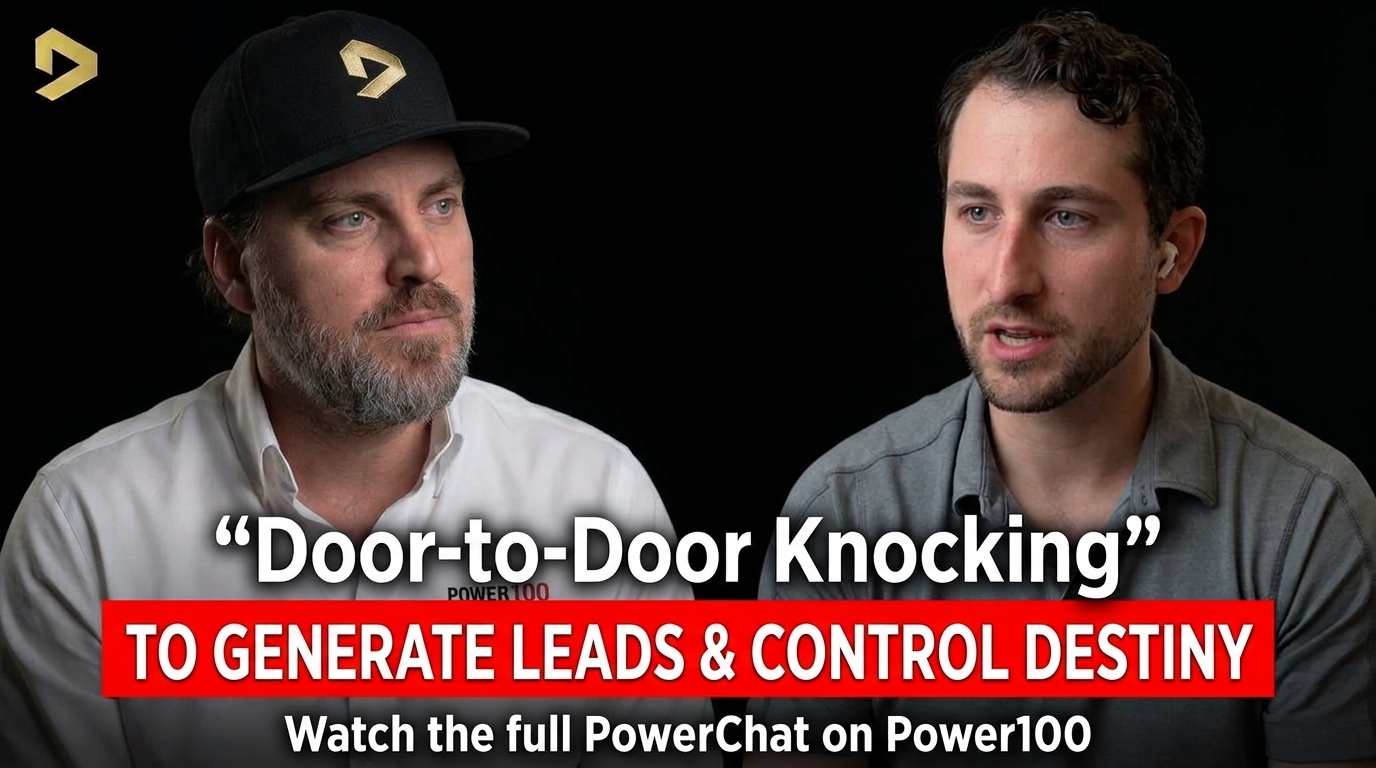
Finding a steady flow of quality leads is becoming a growing concern for many roofing contractors trying to keep their sales teams busy and their businesses moving forward. Some companies have strong sales teams and can take on more jobs, yet they struggle to find enough homeowners ready to buy. Others depend heavily on storm damage claims, paid advertising, or outside lead providers, leaving them with less control when those opportunities slow down. As more companies explore the move from storm restoration to retail roofing sales, the need for a reliable way to reach homeowners has become even more important.
While AI and digital marketing continue to offer new ways to find customers, Ancel John (AJ) Briley, Co-Founder and CEO of ProLine, believes roofing contractors should not overlook one of the most familiar ways to create business opportunities. ProLine provides roofing contractors with software to manage leads, create quotes, and improve customer communication. Yet despite leading a technology company, Briley points to door knocking as one of the most dependable ways for contractors to take charge of their own sales activity. It may not be easy, and not every conversation will lead to a job, but it gives roofing companies something valuable: the ability to decide how much effort they put into finding their next customer.
This perspective became a central part of a Power100 PowerChat interview between Ancel John (AJ) Briley and Greg Cummings, CEO of Power100. Power100 is the only unbiased third-party platform that recognizes and elevates the top leaders and most impactful companies in the home improvement industry.
During the conversation, Greg raised a challenge he was hearing from roofing leaders across the country. While some companies were meeting their growth goals, others were struggling to find leads and keep sales moving, especially as the industry saw more interest in retail roofing work. When asked what successful contractors were doing to control their own future, Briley offered a direct answer.
“The most reliable way for a roofing contractor to generate leads for themselves is knocking doors,” he shared.
Drawing from his own experience in door-to-door pest control sales before entering the software industry, Briley explained that contractors can control how many doors their teams visit, even when market conditions become difficult. Their discussion also explored how AI can support local outreach, why financing can help homeowners move forward with roofing projects, and why trust remains essential to winning business.
Together, these insights raise an important question for roofing CEOs: Are they doing enough to create their own sales opportunities, or are they waiting for the next lead to come to them?
As roofing contractors search for ways to find more customers in a changing market, one familiar sales method continues to stand out. During his PowerChat with Greg Cummings, CEO of Power100, Ancel John (AJ) Briley, Co-Founder and CEO of ProLine, shared why door knocking remains one of the most reliable ways for roofing companies to create their own sales opportunities. Drawing from his experience in direct sales and his work with roofing contractors, Briley explained that the real value of knocking doors comes from the control it gives a business.

Ancel John (AJ) Briley, Co-Founder and CEO of ProLine
He also explored how contractors can use AI to find possible customers, why sales teams need to stay consistent, and how trust and financing can help turn conversations into roofing jobs. His message offers a clear reminder that even as technology changes how contractors find leads, strong business growth still depends on people willing to take action.
For roofing contractors, a strong sales team means little without enough opportunities to keep it working. A company may have experienced sales reps, skilled installers, and the ability to take on more projects. But when new leads slow down, keeping the business growing becomes a challenge.
During the interview, Greg raised a concern he was hearing from roofing leaders across the country. Some companies were struggling to meet their growth goals, while others were finding ways to keep moving forward. That difference led him to ask what successful contractors were doing to create more control over their future.
One change he pointed to was the growing interest in retail roofing among contractors who have traditionally focused on storm restoration.
“But there’s a lot of push from storm to retail,” Greg shared.
This shift brings a different challenge for roofing businesses. In storm restoration, contractors often respond to weather-related damage and help homeowners through the insurance process. Retail roofing requires companies to reach homeowners who may need a new roof but are not necessarily dealing with a recent storm or insurance claim.
That means contractors may need to work harder to find interested homeowners and explain why a roofing project makes sense for them.
For companies exploring the move from storm restoration to retail roofing sales, having a reliable way to create new leads becomes important. They cannot always depend on storms to bring new work into their markets. They need sales efforts that can continue even when weather conditions and insurance activity change.
This does not mean every roofing company is moving toward retail, or that storm restoration is no longer valuable. Greg’s point was that some businesses are changing how they pursue growth, and that change brings new questions about where their next customers will come from.
Outside lead providers and paid marketing can still play an important role. A company may use online ads, referrals, direct mail, or other sources to bring in new customers. However, those sources do not always produce the same results. Lead costs may change, customer interest may slow, and businesses may face greater competition for the same homeowners.
That uncertainty can leave contractors feeling as though their growth depends on things they cannot fully control.
This is why roofing lead generation in a tough market requires more than choosing the right advertising channel. Contractors need to understand which sales activities they can manage directly and how those activities can support a steady flow of new opportunities.
A roofing CEO cannot decide when the next major storm will happen or how many homeowners will respond to an advertisement. But the business can create a plan for reaching people, set clear goals for its sales team, and measure the work employees do each day.
That was the larger challenge behind Greg’s question to Briley. What are successful roofing companies doing to take greater control of their own future?
Rather than pointing to a new software tool or a costly marketing strategy, Briley brought the discussion back to one of the oldest ways contractors have found customers.
His answer was simple: Get out and knock on doors.
When Briley explained what he was seeing among roofing contractors, he pointed to door knocking as one of the most dependable ways for a business to create its own sales opportunities.
“The most reliable way for a roofing contractor to generate leads for themselves is knocking doors,” Briley shared.
His answer may surprise contractors who are spending more time exploring AI, digital advertising, and new marketing tools. After all, many business owners want faster ways to find customers without sending sales reps into neighborhoods.
But Briley’s point was not that door knocking is easier than other methods or that every visit leads to a sale.
It was about control.
“It’s controllable. You control the volume,” he explained.
That difference matters.
When a roofing company depends on online advertising, it can set a budget and create campaigns, but it cannot decide how many homeowners will click an ad or request an appointment.
When a business depends on storm work, it cannot control when severe weather will create new roofing needs.
Door knocking works differently. A contractor can decide which neighborhoods to visit, how many sales reps to send out, and how many doors the team will approach during the day.
The company still cannot force homeowners to answer or agree to an inspection. But it can control how much effort goes into starting those conversations.
This is why Briley sees door knocking lead generation for roofing contractors as a valuable part of a sales strategy, especially when the market becomes difficult.
Consider a roofing company that wants to create more opportunities in a certain area. Its sales leader can plan where the team will work, set daily outreach goals, and track how many homeowners agree to speak with a rep.
The business can then study what happened during those visits. Which areas produced more conversations? Where did homeowners show interest? How many people agreed to an inspection or asked for more information?
These details can help the company understand its sales activity and make better decisions about where to focus its team.
That does not mean knocking more doors will always produce more sales. The quality of the conversations, customer needs, and the sales team’s skill still matter. But the company has a clear activity it can manage rather than simply waiting for new leads to appear.
Briley’s point also raises an important leadership question: Is the business doing enough to create its own opportunities, or is it relying too heavily on others to bring them in?
For contractors who want controllable roofing lead sources, personal outreach offers a way to take a more active role in finding customers.
It can also help companies learn directly from the neighborhoods they serve. Sales reps may hear common homeowner concerns, discover questions people have about roofing costs, or learn why certain customers are delaying projects.
That information can help business owners improve how they train their teams and explain their services.
Door knocking also puts contractors in direct contact with homeowners who may not be actively searching for roofing services online. A conversation at the front door can introduce the company, offer helpful information, and open the door to a future relationship.
Of course, that relationship must begin with respect. Homeowners should feel free to decline a conversation, and sales reps should follow local rules about door-to-door sales and requests not to be contacted.
The goal is not simply to reach as many doors as possible. It is to create genuine opportunities through a process the company can manage.
For Briley, that is what makes door knocking valuable. It gives roofing contractors a way to keep working toward new business, even when other lead sources slow down.
But having control over the work does not make the work easy. The next challenge is building a team that can stay committed.
It is easy to recommend door knocking as a way to find more customers. The harder part is getting out into neighborhoods, meeting homeowners, and continuing to work when results don’t come quickly.
Briley did not try to make that challenge sound easy.
“It doesn’t mean it’s easy. It doesn’t mean that it doesn’t suck because it does,” he said.
His words brought a personal side to the conversation.
Before entering the software industry, Briley worked in door-to-door pest control sales. Although he did not sell roofing, he learned what it takes to approach strangers, start conversations, and find sales opportunities through direct outreach.
That background helps explain why he continues to value the method.
He knows that sales reps may knock on many doors without finding someone who wants to speak with them. Some homeowners may not be home. Others may have no interest in the service. Some conversations may end almost as soon as they begin.
For roofing sales teams, these challenges can make it difficult to stay motivated.
A new rep may begin the day excited about meeting homeowners but lose confidence after several people decline to talk. Another may struggle to explain the company’s services in a way that makes sense to someone who was not planning to discuss roofing that day.
These are real challenges that contractors need to prepare their teams to handle.
The answer is not simply telling employees to work harder.
Strong door-to-door roofing sales strategies need clear goals, useful training, and leaders who understand what their reps face in the field.
Sales teams should know how to introduce themselves, explain why they are visiting, and ask questions without making homeowners feel pressured. They should also understand when to end a conversation and respect the homeowner’s wishes.
A good sales process can help reps approach each visit with greater confidence.
For example, a contractor can train its team to begin with a clear introduction rather than jumping straight into a sales pitch. Reps can learn to listen when homeowners raise concerns and explain what an inspection or estimate would involve.
When someone is interested, the team should know how to record that information and arrange the next step.
When someone says no, the rep should know how to respond politely and move on.
These small habits can help create a more professional experience for homeowners and make the work easier for the sales team to manage.
This is also where leadership plays an important role in roofing sales team performance.
A good sales manager should look beyond how many contracts employees close. The manager can help reps understand what they are learning from their conversations, where they need support, and how they can improve.
For a new employee, progress may begin with learning how to speak confidently with homeowners. Another rep may need help explaining roofing options or asking for an appointment.
Training can address these needs before poor results turn into frustration.
Briley’s experience offers another important lesson. Contractors should not expect every day of outreach to produce the same outcome.
Some days may bring several useful conversations. Others may produce very little interest. That is part of working directly with people.
What matters is building a process that helps the team continue learning and improving.
This does not mean contractors should ignore poor results or push employees to keep doing something that is not working. Leaders should study the numbers, listen to their teams, and make changes when needed.
The goal is to create a sales culture where employees understand the purpose behind the work and have the tools to perform it well.
Briley’s message stands out because he does not present door knocking as an easy answer to a difficult market. He recognizes the effort it requires and still sees value in the control it gives contractors.
And while people remain at the center of this work, new technology may help roofing teams focus on where they spend their time.
While Briley believes door knocking remains a dependable way to generate leads, he also sees new ways AI can help roofing companies improve how they look for customers.
Earlier in the interview, he described contractors using AI to build tools that search for possible roofing opportunities in their markets.
Some businesses are exploring ways to identify roofs that may need replacing. Others are using connected software tools to gather information that can support direct mail and other outreach efforts.
“Use AI to help you get more leads and get creative,” Briley advised.
That message creates an interesting connection between new technology and traditional sales.
A roofing company does not have to choose between using AI and sending sales reps into neighborhoods. It can explore how both approaches might support the same goal.
For example, a contractor could use information from AI tools for roofing lead scouting to research properties or areas that may deserve attention. Its sales team could then decide whether those neighborhoods fit its outreach plans.
This does not mean AI can confirm that every home on a list needs a new roof. A property may have received recent repairs, or the homeowner may have no interest in roofing work.
The information gives contractors a place to begin their research, not a guaranteed sales opportunity.
Still, it may help teams make more informed choices about where to spend their time.
Instead of approaching a market with little information, a roofing business could study possible needs in different neighborhoods and plan its sales activity around what it learns.
This is one possible way to improve local roofing prospecting strategies without replacing the human side of sales.
Briley also discussed AI tools that can help businesses find public conversations about roofing needs in local online groups.
A homeowner may ask for advice about a roof problem or seek recommendations for a contractor. These conversations can help businesses understand what people in their communities are looking for.
However, contractors still need to use that information responsibly. They should respect privacy, follow marketing rules, and avoid treating every online conversation as permission to contact someone directly.
The main opportunity is to understand the market better and find ways to offer helpful services.
But even when technology points a contractor toward a possible customer, it cannot complete the entire sales process.
A homeowner may want to know why a roof needs work, what the project will involve, or whether the company can be trusted.
Those questions require more than a list of properties or information gathered by AI.
They require people who can listen, explain the work clearly, and build confidence through honest conversations.
This is where Briley’s belief in door knocking fits naturally with his views on AI.
Technology may help contractors find possible opportunities, while sales reps bring the knowledge and personal attention needed to turn those opportunities into relationships.
The two approaches do not have to compete.
For roofing CEOs, the larger lesson is to use technology where it helps the team work better while keeping people focused on serving homeowners.
AI can support the search for new business, but it does not remove the need for skilled sales reps who understand what customers want.
And once a homeowner shows interest, contractors must be ready to take the next step. A conversation at the door can create an opportunity, but turning it into a roofing job takes more than a good introduction.
Door knocking can help a roofing company reach more homeowners, but the real goal isn’t simply to start conversations. It is to turn those conversations into projects that serve customers and help the business grow.
A homeowner who agrees to speak with a sales rep may still have several questions before moving forward.
These questions show why roofing lead conversion strategies must go beyond how a company first finds its customers.
During the PowerChat, Briley pointed to financing as one way roofing contractors help homeowners move forward with needed projects.
He explained that insurance claims can be difficult to get approved. Even when homeowners receive approval, the payment may not cover the entire cost of the job.
That leaves some customers facing an expense they cannot easily pay in cash.
For contractors, this creates a challenge. The homeowner may need the work and trust the company, but the cost may still prevent the project from moving forward.
Briley explained that offering financing can help solve that problem.
“If you can give people solutions, they’re willing to pay a premium,” he shared.
His point was that contractors who help homeowners find practical solutions may have an advantage over competitors who offer fewer payment options.
A customer who cannot cover the full price at once may be more willing to consider a project when the contractor can explain suitable financing choices.
This does not mean every homeowner will qualify or that financing guarantees a sale. Contractors must explain the terms clearly and help customers understand the costs before they decide.
But having roofing contractor financing options can give sales teams another way to help homeowners who want to move forward.
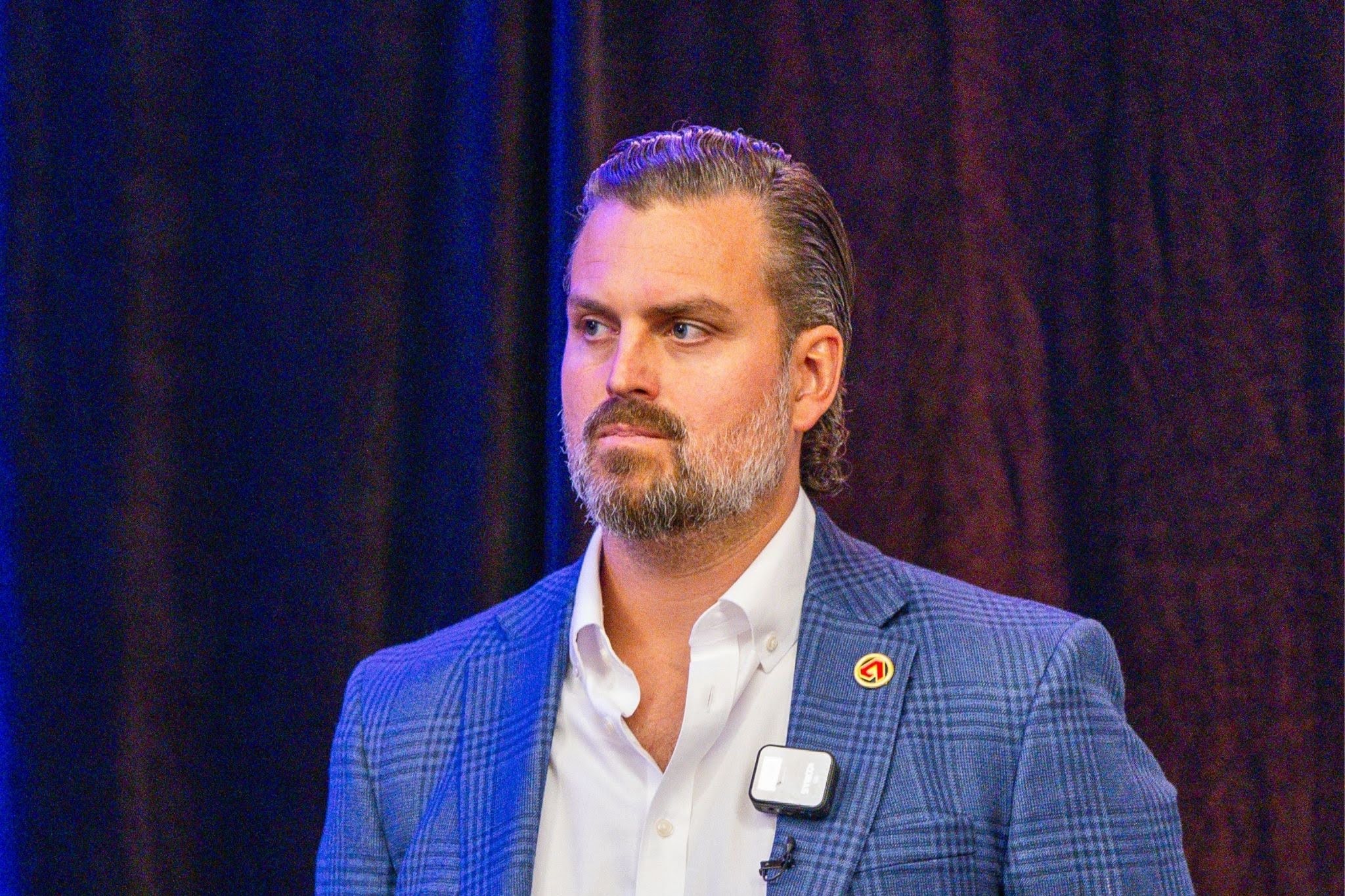
Greg Cummings, CEO of Power100
The conversation also explored another challenge that may affect what happens after a sales rep leaves the home.
Greg described how homeowners are increasingly using AI to research companies, review quotes, and check whether a contractor is the right choice.
A homeowner may receive a recommendation from someone they trust but still search online or ask an AI tool for more information before booking an appointment.
Others may review a quote with AI after meeting a contractor. They may ask whether the price looks fair, what certain materials mean, or whether the company’s reputation supports its claims.
Briley agreed that this is changing the way contractors earn trust.
Homeowners no longer have to depend only on what a sales rep tells them. They can look for outside information and compare what they learn with the contractor’s offer.
That makes honest communication even more important.
Briley encouraged contractors to give homeowners clear quotes that explain the work and include the details people need to make informed choices.
For sales teams that generate leads through door knocking, this creates another reason to focus on the quality of each conversation.
A rep should not simply try to get an appointment and move on. The team needs to build a relationship that can stand up to the questions a homeowner may ask later.
That means explaining the work clearly, avoiding promises the company cannot keep, and giving customers enough information to feel comfortable with their decision.
Good follow-up also matters.
A homeowner may not be ready to choose a contractor during the first conversation. The person may want to speak with family members, review payment options, or compare quotes.
A sales team that follows up respectfully and provides useful answers can help keep that relationship moving forward.
This is where reliable customer management tools can support the work that began at the front door.
Contractors need a way to remember which homeowners showed interest, what questions they asked, and when the team should contact them again.
For a business with several sales reps working across different neighborhoods, staying organized can help prevent useful opportunities from getting lost.
But the tools are only part of the process.
The real value comes from what employees do with those opportunities.
They must understand homeowner needs, offer clear solutions, and deliver the kind of service that earns trust.
That brings Briley’s message back to the larger challenge facing roofing leaders.
Door knocking gives contractors a way to take control of how often they reach out to potential customers. AI can help them research opportunities, while financing and clear communication can support the sales process.
But lasting growth depends on connecting all those efforts through a team that knows how to serve homeowners well.
A roofing company cannot control every market condition or guarantee that every door will open. It can, however, create a clear process for reaching customers, listening to their needs, and helping them make confident decisions.
That is where personal outreach becomes more than a way to find leads. It becomes the beginning of a relationship that can help build a stronger roofing business.
The roofing industry will continue to face changes in customer demand, insurance claims, and how homeowners choose contractors. But as Ancel John (AJ) Briley, Co-Founder and CEO of ProLine, shared during his PowerChat, business owners do not have to let those changes decide their future. They can take a more active role in creating opportunities by giving their teams a clear plan, the right support, and the confidence to reach out to homeowners. Door knocking may not promise an easy sale, but it gives contractors something valuable in an uncertain market: a way to take action instead of waiting for business to come to them.
For roofing CEOs, this is also a reminder that growth does not have to come from choosing between old sales methods and new technology. Both can play an important role. AI can help teams find opportunities, while personal conversations help them build relationships that technology alone cannot create. What matters is how well a company brings those efforts together, supports its people, and gives homeowners a reason to trust its work. A strong business does not simply find more customers. It creates an experience that makes those customers feel confident in their decisions.
“It’s controllable. You control the volume,” Briley shared.
Those words bring the conversation back to a simple leadership lesson. Contractors may not control when the market improves or where the next major storm will hit, but they can decide how their teams prepare, how they serve customers, and how much effort they put into creating new opportunities.
As the industry moves forward, the companies that build lasting success will be those that remain willing to adapt, invest in their people, and take responsibility for their growth. Sometimes, the next big opportunity does not begin with a new marketing campaign or the latest technology. It begins with a sales rep who believes in the company they represent and is willing to knock on the next door.
Yes. Power100 shares interviews, industry news, and expert insights that help contractors learn how other leaders approach business growth. Its Power Articles section lets readers search for topics and explore content in the Roofing category. Contractors can use these roofing sales leadership insights to learn about different approaches, including direct sales, technology, and customer trust. However, Power100 does not guarantee that every strategy will work for every business. Roofing CEOs must consider their market, teams, and customers before deciding which methods to use.
No. A PowerChat interview gives a leader the chance to share experience, ideas, and lessons with the industry. It does not automatically mean Power100 has endorsed every claim or ranked the guest’s company as a preferred partner. Power100 maintains a separate ranking process for CEOs, companies, and strategic partners. Its ranking system reviews business performance, company culture, and community impact, along with other information. Contractors can explore the platform’s published rankings and Power100 Preferred Partners to learn more about recognized industry leaders and service providers.
Door knocking gives contractors control over their sales activity, but it does not guarantee that every visit will produce a lead. During his PowerChat, Ancel John (AJ) Briley, Co-Founder and CEO of ProLine, explained that roofing companies can decide how many homes their teams approach. Instead of waiting for online inquiries or storm-related work, contractors can create their own opportunities to speak with homeowners. Successful roofing door knocking lead generation requires steady effort, useful training, and a clear way to track results. Sales managers should measure conversations, booked inspections, quotes, and completed jobs rather than judge success only by the number of doors visited.
Yes. Door knocking can help roofing contractors reach homeowners who may need a new roof, even when no recent storm has created an insurance claim. Greg Cummings raised the growing interest in retail roofing during his conversation with Ancel John (AJ) Briley. Contractors can use retail roofing lead generation to introduce their services, offer inspections, and explain roofing options directly to homeowners. However, sales reps must first understand each homeowner’s needs. A door visit does not prove that a roof needs replacing or that the homeowner wants to begin a project.
Roofing contractors should train their sales reps to approach homeowners with respect and clear information. Reps should introduce themselves, explain why they are visiting, and give homeowners the freedom to decline a conversation. They should avoid false claims about roof damage, insurance coverage, or limited offers. Good door-to-door roofing sales practices focus on listening, answering questions, and building trust instead of forcing a sale. Contractors must also follow local rules about door-to-door sales, permits, and requests not to be contacted. A respectful conversation can leave a positive impression even when the homeowner does not need roofing services.
ProLine offers ProCanvas, a tool that helps roofing sales teams organize and track door-knocking activity. Sales reps can use a map to mark homes they visit, record homeowner interest, and see which opportunities need attention. The tool also supports automated follow-ups after a visit. This roofing canvassing software with map tracking helps contractors keep better records and avoid losing track of interested homeowners. However, ProCanvas does not guarantee new leads or closed jobs. Sales teams still need to approach homeowners, build relationships, and follow through on their conversations.
Yes. ProLine’s mobile roofing app lets sales reps make calls, send texts, create quotes, and manage customer communication from their phones. Contractors can enter roof measurements, choose a quote template, present the offer, and collect signatures. The app also works with ProCanvas to record homeowner responses and start follow-up activities. These mobile roofing sales and follow-up tools help teams stay organized after a homeowner shows interest. However, the sales rep must still explain the project, answer questions, and make sure the quote matches the customer’s needs.
More leads do not always mean more sales. Homeowners may worry about the price, question whether they need a new roof, or compare several contractors before deciding. Ancel John (AJ) Briley explained that financing can help customers who cannot pay the full project cost at once, especially when insurance does not cover everything. Strong roofing lead conversion strategies also require clear quotes, honest communication, and timely follow-ups. Contractors should help homeowners understand their options instead of rushing them into a decision. Door knocking starts the conversation, but trust and good service help turn that opportunity into a roofing job.
Power100 is the only unbiased third-party platform that recognizes and elevates the top leaders and most impactful companies in the home improvement industry. Led by Greg Cummings, CEO of Power100, the platform gives outstanding CEOs and companies the recognition, support, and visibility they deserve. Through its industry rankings, PowerChat interviews, and leadership insights, Power100 shares real stories and practical lessons that help contractors improve their businesses, build stronger teams, and make better decisions. Its mission is to be the leading outside resource for the best home improvement leaders in the country, helping them grow successful companies, better serve homeowners, and bring positive change to the industry.
Membership unlocks every Power100 interview, PowerChat episode, and expert playbook - free for industry leaders.
Power100 is the nation's premier CEO ranking and media platform for the home improvement industry. Using a proprietary 5-layer evaluation system, Power100 identifies and celebrates the top CEOs, companies, and strategic partners driving innovation, customer satisfaction, and leadership excellence across the country.