
Home improvement companies are serving customers who have more choices, more information, and more ways to judge a business than ever before. A homeowner may find a company online, read reviews, speak with a sales rep, receive project updates, and share their experience with others. Each moment can build trust or weaken it.
Landon Taylor, CEO of Snoball, is helping service businesses think more clearly about that full journey. As a word-of-mouth marketing platform for contractors, Snoball focuses on helping companies create stronger paths from customer experience to referrals, reviews, and repeat business. During the PowerChat, Taylor made the broader point that those results should begin with a carefully planned experience, not one that depends on luck.
That idea became the center of a PowerChat conversation hosted by Greg Cummings, CEO of Power100. Cummings pointed to a major change taking place across the home improvement industry and the wider economy. Buyers are changing. Employees are changing. Yet the need for trust, good communication, and a strong customer experience remains.
Power100 is the only unbiased third-party platform that recognizes and elevates the top leaders and most impactful companies in the home improvement industry. Through conversations like this one, Cummings brings industry leaders together to examine what high performance looks like as customer needs, technology, and business systems continue to change.
One of the hardest problems for home improvement leaders today is that the customer journey keeps changing.
A homeowner may discover a contractor differently than they did a few years ago. They may read reviews before they ever call. They may expect faster answers. They may want clear updates before the project starts and during the work. If the experience goes well, they can quickly tell others. If it goes badly, they can do the same.
That puts more weight on every point of contact.
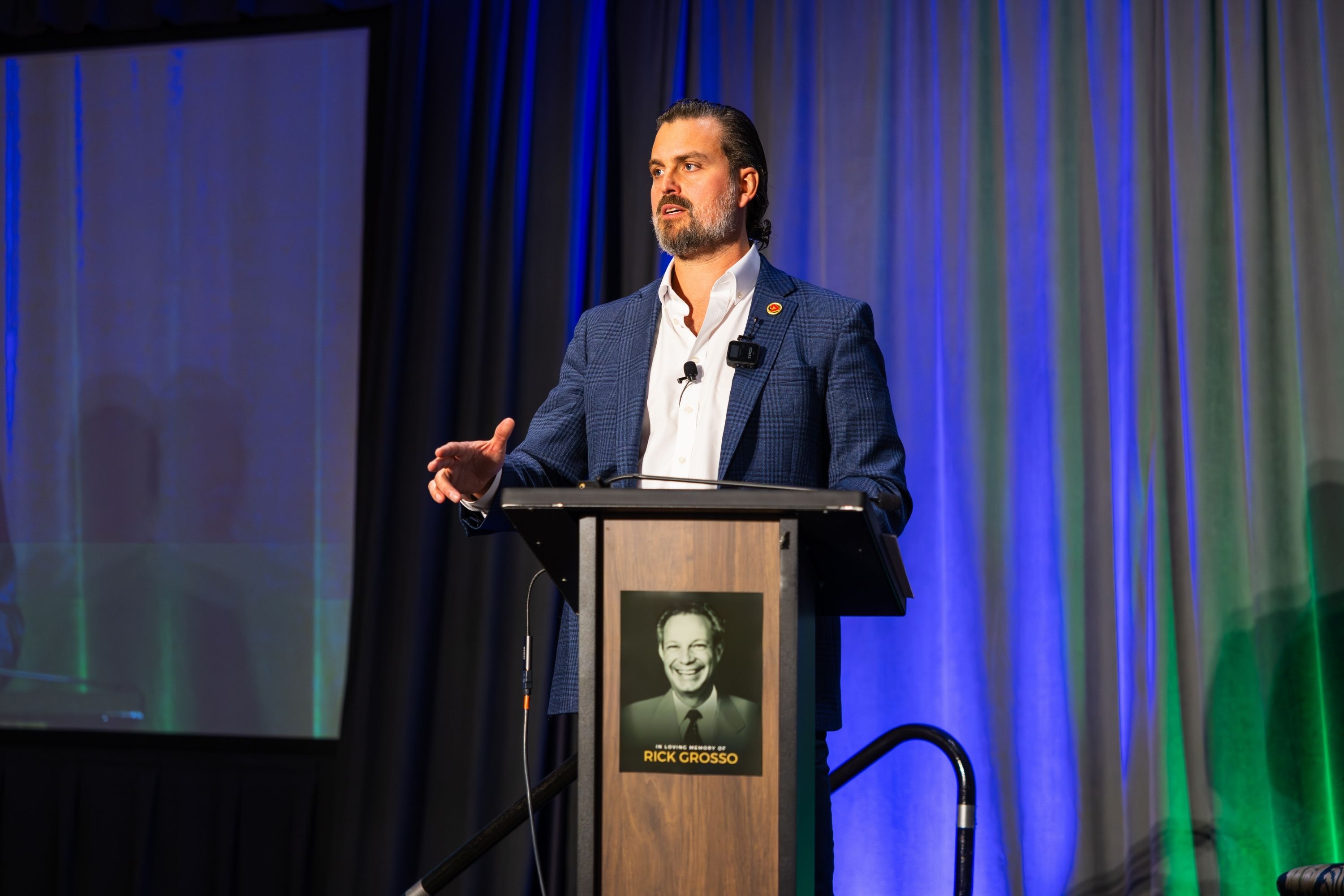
Greg Cummings, CEO of Power100
During the PowerChat, Cummings described the change in simple terms.
“The buyer is changing, the employee is changing, what’s important isn’t changing,” Cummings said.
His point gets to the heart of the challenge.
The tools may change. The way people search may change. The speed of communication may change. But homeowners still want to trust the company they invite into their home. They still want clear answers. They still want to know what happens next. And they still want the business to do what it promised.
For Cummings, that raised a bigger question about what high performance means now. He asked Taylor for the “can’t miss, must do” parts of a customer experience that can lead to stronger trust and more referrals.
Taylor’s answer did not begin with more software, more messages, or a longer list of tactics.
“It’s a customer experience by design, not by default,” Taylor said.
That principle gives leaders a simple place to start.
A company should know what it wants the customer to experience before the customer enters each stage of the journey.
Taylor said leaders should be “intentional and proactive” about organizing the customer lifecycle and its touchpoints. He pointed to the need for a clear process that keeps customers informed both before and after the job.
This matters because a good product alone cannot control every part of the customer’s view of a company.
A great installation can still be followed by poor communication.
A strong sales meeting can still lead to a confusing project.
A trusted company name can still lose trust if the homeowner feels forgotten after signing.
That is why the customer journey needs to be a single, connected experience.
For businesses using referral marketing software for home service companies, technology can help support communication and follow-up. But Taylor’s message goes deeper than the tool. A system is most useful when the company already knows what kind of experience it wants to create and when each customer touchpoint has a clear purpose.
Taylor also warned that more communication does not always mean better communication. If several vendors and systems send messages without coordinating, the customer can quickly become annoyed. A business may believe it is being active, while the homeowner feels surrounded.
Instead, Taylor urged companies to make each touchpoint intentional.
“Less is more to start,” he said.
That idea offers a useful answer to the change Cummings described.
Home improvement companies do not have to chase every new trend to create trust. They do have to become more deliberate about the moments that shape how customers feel about the business.
The market may keep changing, but trust still has to be earned one touchpoint at a time.
The PowerChat conversation between Greg Cummings and Landon Taylor moved from a simple question about customer service into a much bigger leadership issue. Cummings pointed out that buyers, employees, and the market around them are changing too. Taylor’s answer was that companies cannot control every shift around them, but they can control how customers experience the business. That means intentionally building trust into the customer journey, giving each stage a clear role, and using communication to help the customer rather than overwhelm them. The discussion showed that great customer experience is not just one good moment. It is a series of connected moments that make the company easier to trust from the first call through the completed job and beyond.
Cummings framed the pressure facing home improvement leaders when he said the industry is at a “massive chasm.” Buyers have more ways to research a company, compare choices, read about past experiences, and decide whom they want to trust. Employees are changing too, which can affect how companies sell, communicate, and serve customers.
Yet Cummings made an important point.
“The buyer is changing, the employee is changing, what’s important isn’t changing,” he said.
That idea puts a different meaning on high performance.
A company can have strong lead flow and still create doubt.
It can have new technology and still communicate poorly.
It can have a great product and still leave a homeowner confused about what happens next.
The things that build trust are still simple. Customers want clear answers. They want to know what was promised. They want to know who is responsible. They want to feel respected before, during, and after the work.
This is also why reviews and reputation marketing for home service companies matter beyond collecting positive ratings. Reviews show what customers experienced after the sales message was over. They give future homeowners a view into whether the company followed through on what it said it would do.
Cummings’ question about what defines a high performer now pushes leaders to look beyond numbers alone. A high-performing business should not only be able to win the customer. It should be able to create an experience that confirms the customer made the right choice.
That is where referrals, reviews, and repeat business become more than marketing results. They become signs that trust survived the real customer journey.
When Cummings asked which companies cannot afford to miss, Taylor stated the main principle behind his answer.
“It’s a customer experience by design, not by default,” Taylor said.
The difference between those two ideas matters.
By default, customer experience depends on people remembering what to do.
One sales rep may call.
Another may forget.
One project manager may send updates.
Another may assume someone else already did.
One homeowner may feel fully informed.
Another may wonder why nobody has spoken to them.
Taylor’s point is that leaders should remove as much of that guesswork as possible.
A clear customer experience gives the team a shared plan. Employees know when communication should happen. They know what the homeowner needs to hear. They know where responsibility moves from one part of the company to another.
This does not mean every conversation has to sound the same.
It means the important moments should not disappear because one person forgot.
For companies exploring referral marketing software for home service companies, this distinction matters. Technology can support a process, but it cannot decide what the company wants its customers to feel. Leadership must first decide what good service should look like.
That makes design a form of consistency.
A homeowner should not need to get the company’s best salesperson or best project manager to receive great service. The experience should have a strong base that every team member can carry.
Taylor said that when the journey is intentional and thought through, a company can create a strong experience “with not a ton of work.”
Structure does not have to remove the human side.
Done well, it can protect it.
Employees spend less time wondering what comes next and more time helping the customer at the moment that matters.
Taylor then widened the conversation from individual touchpoints to the full customer lifecycle.

Landon Taylor, CEO of Snoball
He encouraged leaders to map the journey from “lead” to “loyalty.” Between those two points sits the sale, the project, the completed work, and every moment that shapes how the homeowner feels about the company.
That means trust begins before a contract exists.
A prospect notices whether the company responds.
They notice whether the salesperson listens.
They notice whether the next step is clear.
Taylor had already pointed out that even people who never become customers should receive a good experience because “every touch point matters.”
The next stage can be just as important.
Once the homeowner says yes, the questions change.
This is where a strong process can prevent small gaps from becoming larger problems. Taylor spoke about keeping customers “in the loop” before and after the job.
Clear communication can reduce uncertainty before frustration has time to grow.
Then comes the stage that many companies overlook.
The work may be complete, but the customer relationship need not disappear.
That is where an automated customer referral program for contractors can be integrated into a broader customer plan. The goal is not to turn the finished job into a fast referral ask. It is to keep a clear path open for the customer after the project is over.
If something went wrong, they need a place to say it.
If everything went well, they should have an easy way to share that experience.
If they need another service later, they should still remember who helped them before.
The customer journey is more valuable when every stage connects to the next.
Designing the journey also means knowing when not to communicate.
Taylor warned about a problem that can arise when companies add multiple systems and vendors without considering the customer experience as a whole.
One tool may send a review request.
Another may ask for a referral.
Another may send a marketing message.
Another may contact the homeowner about the project.
Inside the company, those may look like separate systems doing separate jobs.
The homeowner does not see it that way.
They see one business contacting them repeatedly.
Taylor explained that if several vendors send messages without working together as part of one clear plan, “I’m very quickly going to annoy my customers.”
That is why his advice was simple.
“Less is more to start,” Taylor said.
More automation should not automatically mean more messages.
The better question is whether the message is useful at that moment.
Taylor warned companies not to approach the customer with a mindset of trying to get “as much juice out of the squeeze,” because the person being squeezed is the customer.
That is a powerful warning for any word-of-mouth marketing platform for contractors.
Referrals and reviews may help the company grow, but the customer should never feel like their only value is what else the business can get from them.
The strongest follow-up protects trust first.
If growth comes from that relationship later, it comes from a customer who still feels good about the company.
Taylor’s view of customer follow-up also changes how things play out when the project does not go perfectly.
A company may be tempted to think a great customer experience means avoiding every problem.
That is not always realistic.
Projects can face delays.
Mistakes can happen.
Expectations can be missed.
What matters next is whether the customer has a clear way to tell the company what happened.
Taylor said continued contact after the job creates that channel.
If there is a problem, the customer can share it directly with the business. That gives the company a chance to listen, respond, and learn.
Taylor described negative feedback as “gold dust for your business to improve.”
That turns a complaint into useful information.
A customer who explains what went wrong may help the company see a weak point in its process. The business can then fix that problem before another homeowner has the same experience.
The same follow-up is also valuable when the customer is happy.
Staying connected gives that person a clear path toward a review, a referral, or future work. Taylor said keeping in touch with satisfied customers creates a channel to “harvest referrals, reviews, and repeat business.”
For Landon Taylor, CEO of Snoball, the important part is that both outcomes begin with listening and staying present.
The business does not need to force every satisfied customer to take action right away.
It needs to make the path easy for the customer when the customer is ready.
That is what separates planned customer care from a simple marketing request.
The company designs the path.
The customer decides when to use it.
The home improvement industry is moving fast.
Customers have more ways to search, compare, review, and talk about companies. Employees expect more from the businesses they work for. Technology is changing how companies communicate, follow up, and stay connected.
That can make leadership feel more complex.
But the PowerChat between Greg Cummings and Landon Taylor offered a much simpler truth.
The things that build trust are still human.
Customers want to know what is happening.
They want a company to keep its word.
They want to feel respected.
They want someone to listen when something goes wrong.
And they want to know the company will still care after the sale is complete.
Cummings captured the shift when he said, “The buyer is changing, the employee is changing, what’s important isn’t changing.” Taylor answered with the idea that gives leaders a path forward: “It’s a customer experience by design, not by default.”
That is what makes this conversation important for the years ahead.
The future will not remove the need for trust.
It will make it easier to test trust.
A customer can compare more companies.
A poor experience can spread faster.
A strong experience can also travel farther.
That means leaders cannot leave the most important parts of the customer journey to chance.
They have to decide what great service should feel like.
They have to make clear communication part of the process.
They have to give employees the tools and support to follow through.
They have to use technology in a way that strengthens the relationship rather than getting in the way.
And they have to keep listening after the work is done.
The companies that handle those basics well will be better prepared for whatever changes next.
When the market changes, great companies do not abandon the basics. They build the basics into the business so they happen every time.
The buyer may be changing, but trust still wins.
The difference is that today, trust has to be designed.
Power100 does more than publish a numbered list. It creates dedicated profiles that explain each ranked leader’s background, company strengths, leadership approach, culture, achievements, and customer outcomes. This gives homeowners, contractors, and industry partners more context for why a CEO earned a place in the National Power Rankings, rather than asking readers to trust a number without explanation.
Power100 includes customer experience as part of its five-layer evaluation system. It’s published methodology reviews factors such as leadership, company culture, customer satisfaction, reputation, operating performance, community impact, and long-term business health. Power100 also says its process uses public data, customer reviews, internal performance information, and human review. This allows the platform to look beyond sales volume and consider how well a company actually serves homeowners.
Yes. Snoball does not position referrals as the only part of its system. The platform also helps companies turn reviews into trust-building marketing assets and collect reviews and video testimonials that prospects can see during the buying journey. Snoball says this allows trust to grow across the funnel before a customer is ever asked to refer someone. For companies looking for reviews and reputation marketing for home service companies, the goal is to make real customer proof part of how new prospects judge the business.
Snoball brings referrals, reviews, and reputation marketing into one system. The company says each part supports the next. Positive customer reviews can become reputation assets; those assets can help build trust with new prospects, and happy customers can later become sources of referrals. Snoball connects this activity on a single platform and can integrate with a company’s CRM. This gives contractors a way to create a more connected word-of-mouth marketing platform rather than running several unrelated customer campaigns.
Yes. Landon Taylor warned during the PowerChat that several disconnected vendors or systems can quickly annoy a customer if they all send messages without one clear plan. His advice was not to communicate as often as possible. It was to make communication intentional. A strong customer experience should help the homeowner understand what is happening and what comes next. Taylor summed up the approach by saying, “Less is more to start.”
It means the company decides how the customer journey should work, rather than hoping each employee handles it well on their own. Taylor said leaders should be intentional about the full customer lifecycle, including the touchpoints before the job, during the project, and after completion. Companies should know who communicates, when updates happen, how customers stay informed, and what happens after the work is finished. A planned customer experience for home service companies can make good service easier to repeat across more customers and more employees.
Negative feedback can show leaders where the customer journey is failing. Taylor described negative feedback as “gold dust for your business to improve.” Post-job follow-up gives a dissatisfied homeowner a direct place to explain what happened before the problem is ignored. It also gives the company information it can use to improve its process for the next customer. Good follow-up is therefore not only a way to collect reviews or referrals. It is also a way to listen and become better.
Yes, but the technology has to support the relationship rather than replace it. During the PowerChat, Taylor recommended using AI as a conversational engine across the customer lifecycle from lead to loyalty. Snoball has also said that AI should amplify the human touch rather than replace it, especially in referrals, where trust remains important. The goal is to let technology handle consistent follow-up while people continue owning the parts of the experience that require judgment, care, and real human connection.
Power100 is the only unbiased third-party platform that recognizes and elevates the top leaders and most impactful companies in the home improvement industry. Led by Greg Cummings, Power100 provides contractors, CEOs, and industry partners with access to leadership insights, national rankings, PowerChat conversations, and industry coverage focused on what strong companies are doing right. By focusing on leadership, customer experience, company culture, business performance, and community impact, Power100 helps the industry learn from proven leaders while giving those leaders a trusted platform to share ideas that can advance home improvement.
Membership unlocks every Power100 interview, PowerChat episode, and expert playbook - free for industry leaders.
Power100 is the nation's premier CEO ranking and media platform for the home improvement industry. Using a proprietary 5-layer evaluation system, Power100 identifies and celebrates the top CEOs, companies, and strategic partners driving innovation, customer satisfaction, and leadership excellence across the country.