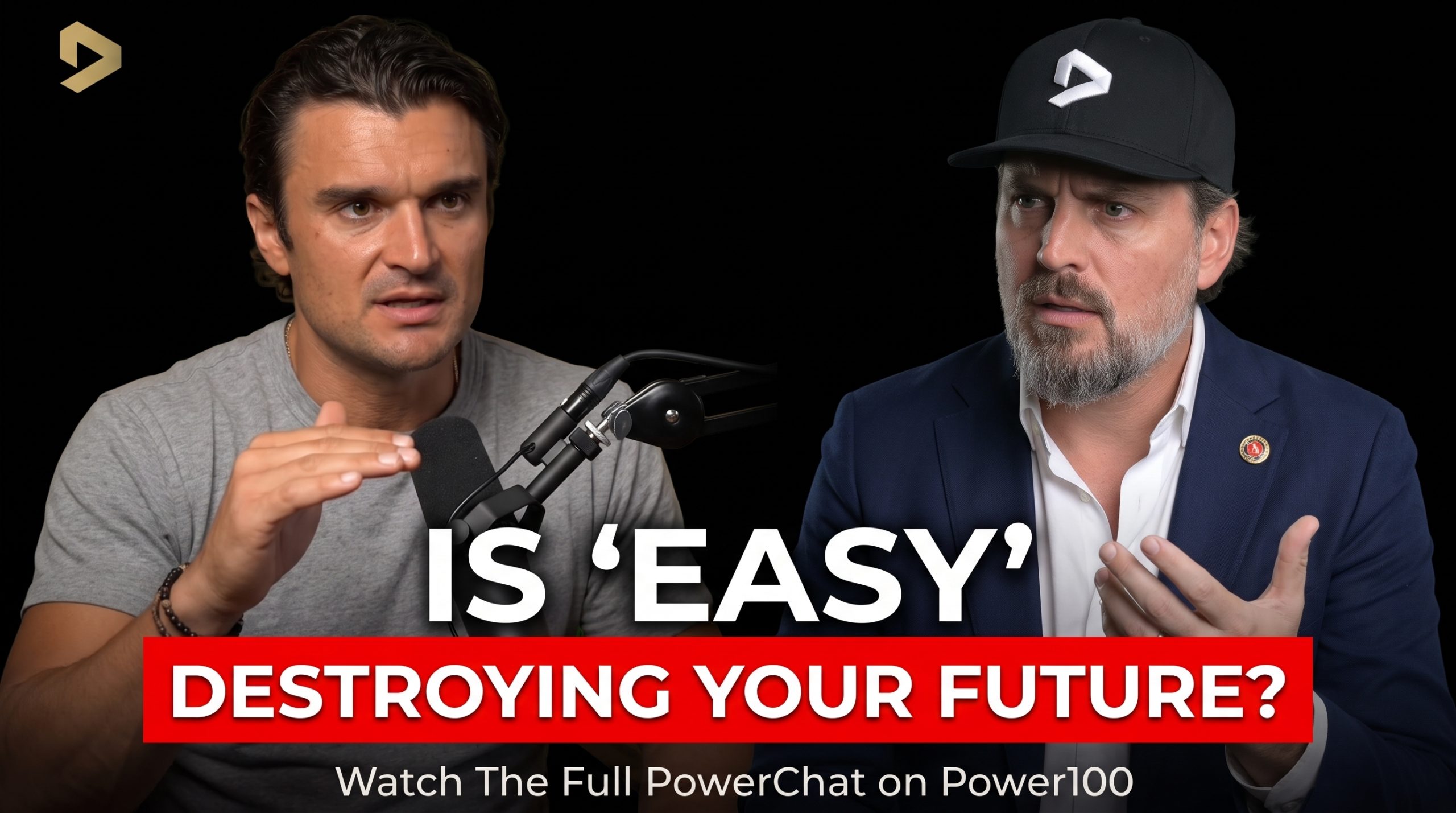
In the home improvement industry, many CEOs spend years growing their companies, building strong teams, and chasing bigger goals. Yet, in the rush to reach the next level, some begin to lose sight of the very things they wanted success to bring. More time with family, better health, financial freedom, and a life they can enjoy often take a back seat to the next business win.
Justin Roethlingshoefer, Founder of OWN IT, believes this is a challenge many successful people face. With ten years of experience in health and performance leadership in the National Hockey League and years of working with top athletes, entrepreneurs, and business leaders, Justin brings a deeper view of what it means to succeed. His work in high-performance coaching for business leaders focuses on helping people build better habits, improve their health, and make choices that support the life they truly want. He believes that even the most successful CEOs can hold themselves back when they keep choosing what feels good today over what matters most tomorrow.
This challenge became the focus of a powerful PowerChat conversation hosted by Greg Cummings, CEO of Power100. Through his work with leaders across the home improvement industry, Greg has seen that the best CEOs are not defined by revenue alone. They also build strong company cultures, develop their employees, support their communities, and create lives that reflect their values.
Power100 is the only unbiased third-party platform that recognizes and elevates the top leaders and most impactful companies in the home improvement industry. This shared belief in personal growth and better leadership made Justin’s message especially important for CEOs who want to build more than a profitable business.
Their conversation explored how everyday decisions can shape a leader’s confidence, health, family life, and future, and why CEOs’ personal growth begins with learning to put what matters most first, even when it feels good right now.
During the PowerChat interview, Greg Cummings raised a question that many business owners and top leaders need to think about. In a world where people are always looking for faster results, easier paths, and the next big shortcut, what is the greatest danger facing those who want to succeed? For CEOs, the pressure to grow faster, earn more, and keep moving forward can make quick wins look like the best choice. But Justin Roethlingshoefer took the conversation in a different direction. Rather than pointing to a popular trend or business tool, he challenged leaders to examine the decisions they make every day.

Justin Roethlingshoefer, Founder of OWN IT
“You have to be willing to trade what you want now for what you want most,” said Justin Roethlingshoefer, Founder of OWN IT.
His message was simple but powerful. A CEO may dream of financial freedom while spending money on things that bring only short moments of joy. Another may want to be healthier but keep putting off the habits needed to get there. Others may work hard to give their families a better life, only to find that work has taken away the time they hoped to spend with them. Justin explained that these choices are not just about money, health, or time. They show what a person is choosing to value through their actions. When those actions do not match what a leader says matters most, even great business success can leave them feeling unfulfilled.
The discussion brought a deeper meaning to the business owner mindset and long-term success. Justin challenged CEOs to stop measuring progress only by what they achieve and begin looking at what their daily choices are helping them build. A growing company means little if the person leading it is losing their health, damaging important relationships, or moving further away from the freedom they wanted.
For leaders who want lasting results, the real question is not simply how much more they can achieve, but whether the choices they make today are bringing them closer to the future they truly want.
Big decisions do not always shape the path to success. Sometimes, it comes down to the small choices leaders make when no one is watching. During his conversation with Greg Cummings, Justin Roethlingshoefer explained how these daily choices can either bring people closer to their goals or slowly pull them away from them.
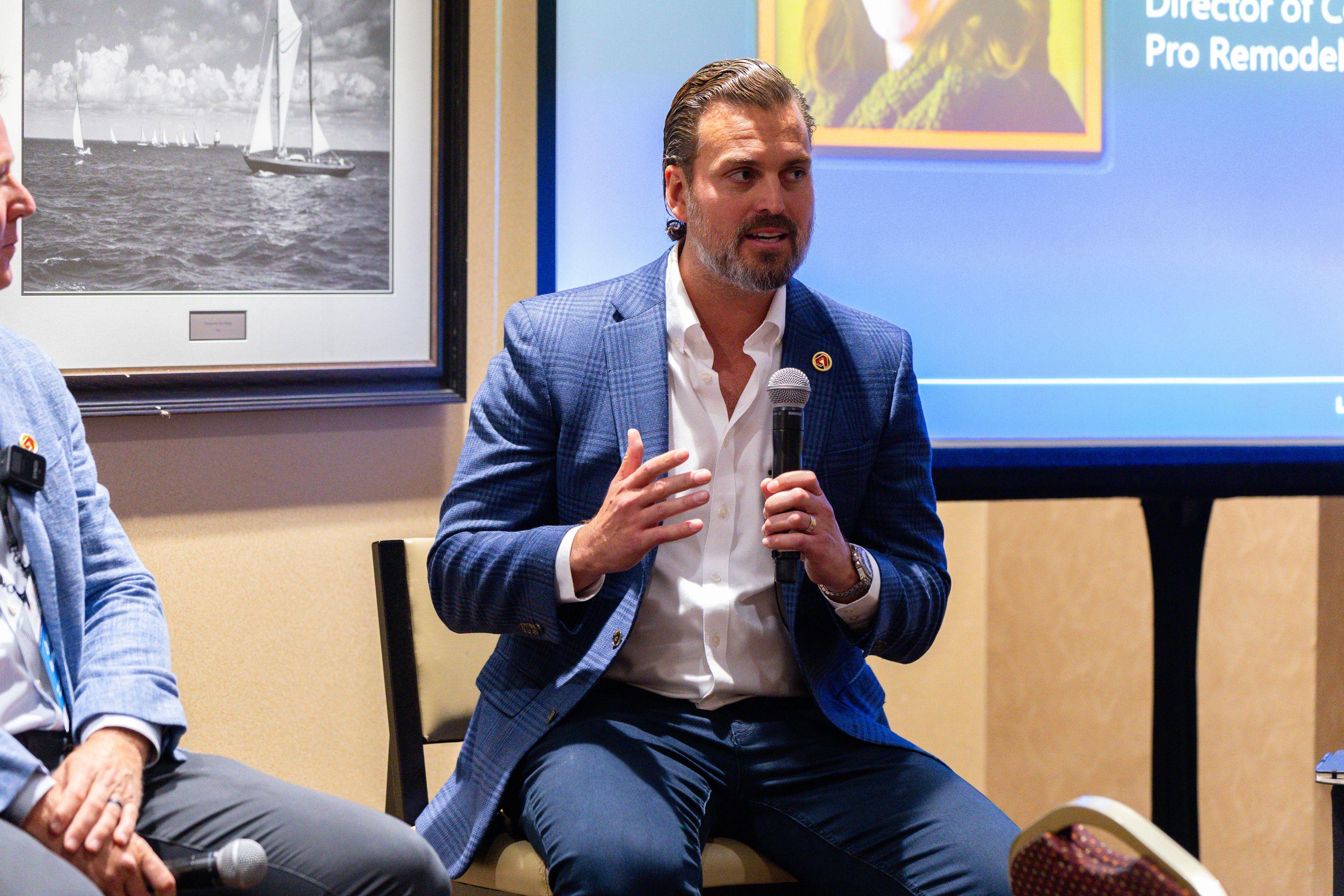
Greg Cummings, CEO of Power100
For CEOs who spend much of their time making decisions for their teams, businesses, and families, the challenge is learning to give their own goals that same level of care. Justin’s message goes beyond working hard or staying focused. He believes leaders must understand what drives their actions, build standards they can live by, and make sure the success they create does not cost them the life they wanted in the first place.
Every business leader has goals they hope to reach. Some want to grow their company into a national brand. Others want to build wealth, spend more time with family, or stay healthy enough to enjoy the life they are creating. Yet Justin Roethlingshoefer believes many people are moving away from those goals without even seeing it. It often starts with small choices that feel good in the moment but do little to support what they truly want. This is where daily decision-making for CEOs becomes more important than simply setting bigger targets.
Justin explained how someone might dream of financial freedom but keep spending money on short moments of fun. He gave the example of a person renting a yacht and enjoying an expensive night out, even though their larger goal is to become financially free. There is nothing wrong with enjoying the rewards of hard work. The problem begins when those choices become a pattern that runs counter to what a person says matters most. The same can happen to a CEO who wants to be more present at home but keeps choosing work over time with family. These decisions may seem small on their own, but over time, they begin to shape the future that person is building.
“Most people today, what they do is they trade what they want most for what they want right now,” said Justin Roethlingshoefer, Founder of OWN IT.
His words challenge leaders to look beyond the results they can see today. A larger bank account does not always mean someone is building financial freedom. A growing business does not always mean its owner is becoming happier. Justin believes people need to look at the choices behind those results and ask whether their actions match their true goals. This kind of long-term success mindset for business owners calls for patience, self-control, and the ability to walk away from things that offer quick rewards but little lasting value.
For CEOs, the lesson is not to stop enjoying life or chasing ambitious goals. It is to ensure those goals do not get lost among the many choices they make along the way. Once leaders begin to see the cost of their daily actions, they can start making better decisions. And as Justin explained, keeping those commitments does more than protect their future. It also changes how much they trust themselves.
For many CEOs, confidence is expected every day. Their employees look to them for direction, their teams depend on their decisions, and their families trust them to lead with care. But Justin Roethlingshoefer believes real confidence begins long before a leader steps into a meeting or makes an important business decision. It starts with the promises they make to themselves and whether they follow through on them. This is why building confidence as a business leader has as much to do with personal habits as it does with professional experience.
“Confidence is created by building undeniable evidence that you are who you say you are,” Justin explained.
To make his point, Justin shared a simple example. Imagine someone who sets an alarm for 5:30 in the morning to exercise and improve their health. When the alarm rings, they decide to keep sleeping instead. One missed workout may not change much, but Justin warned that repeating the same choice can teach someone to keep putting comfort ahead of their goals. Over time, the gap between what they say they want and what they actually do widens. That gap can make it harder for them to trust their own commitments.
Greg Cummings took the discussion further by raising another challenge many successful people face. What happens when someone knows what they should be doing but keeps failing to act? Greg pointed out that knowing the right thing is not always enough. A leader may understand the need to improve their health, spend more time with family, or change a harmful habit, yet continue putting it off. That failure to act can leave them feeling frustrated with themselves.
Justin connected this problem to the difference between knowledge and wisdom. He explained that people can spend years reading, learning, and collecting advice without making meaningful changes. Wisdom comes when they begin to understand how that knowledge applies to their own lives and put it into practice. For CEOs looking to improve their leadership discipline and accountability, this means doing more than setting goals or talking about change. It means building trust in themselves through consistent action.
The lesson reaches beyond personal habits. A leader who learns to follow through on commitments is also building the kind of trust they want to bring into their company. Each choice becomes another chance to show that their actions match their words. But Justin also made it clear that discipline should not become a demand for perfection. Leaders need standards that keep them moving forward while leaving room for the moments when life calls for something different.
Staying consistent becomes difficult when leaders depend on motivation alone. Some days, they feel ready to take on any challenge. On other days, the demands of running a company can leave them tired, distracted, or unsure of their next move. Justin Roethlingshoefer believes the answer is not always finding more motivation. Instead, he encourages leaders to clarify who they are and the standards they want to live by. When business leaders hold themselves to personal standards, daily choices become less about how they feel and more about who they want to become.
Justin explained that his own journey taught him this lesson the hard way. For years, he believed that achieving hard things and impressing others would prove his worth. He pushed himself to succeed because he believed that being impressive made him valuable. Despite his knowledge, experience, and professional success, this way of thinking placed great pressure on him. He eventually began to understand that living with high standards was different from constantly trying to prove that he was good enough.
“Perfectionism is setting a standard without grace,” Justin said.
That difference became an important part of his message to CEOs. Justin described how he follows a daily routine that includes prayer, exercise, and time with his family before beginning his workday. These habits help him stay focused on his health, beliefs, and responsibilities. But he also explained that there are days when his family needs him more than his usual workout does. When that happens, choosing his family is not a failure to meet his standards. It is a decision that reflects what matters most to him.
This is an important lesson for business owners who often feel pressure to perform at their best in every aspect of their lives. Justin’s approach to healthy habits for high-performing CEOs does not call for a perfect schedule or a life without mistakes. It calls for clear standards that guide everyday decisions while allowing leaders to respond to the needs of the people around them.
When leaders understand this difference, they can stop treating every missed goal as a personal failure. Instead, they can learn from the moment, return to their standards, and keep moving forward. Strong habits help them stay on track, but knowing when to change their plans is also part of good judgment. As Justin explained, that clarity becomes even more powerful when leaders understand who they are and what they have been called to do.
As the conversation moved deeper, Greg Cummings asked Justin Roethlingshoefer what drives some of the most successful people to make a difference beyond their businesses. Greg described leaders who have built profitable companies but still feel called to help their communities, support others, and use their success for something greater. While many people would say those leaders have found a bigger reason to succeed, Justin offered a different view. He believes the first step is not finding a bigger reason. It is understanding who you are.
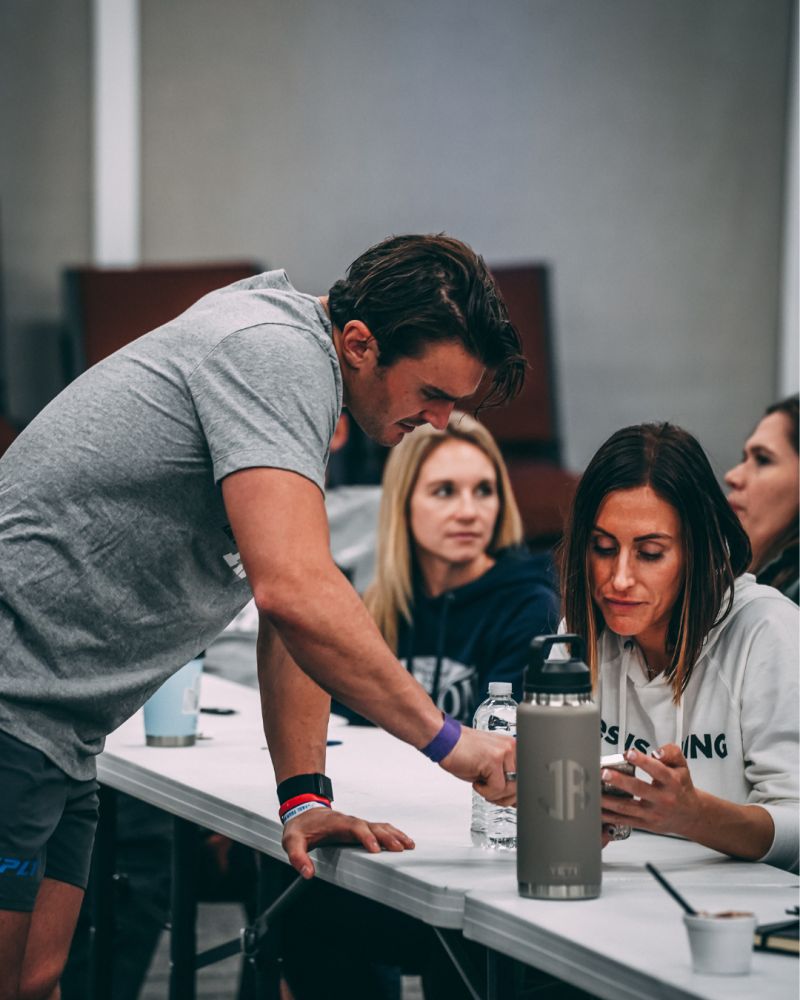
Justin Roethlingshoefer, Founder of OWN IT
Justin challenged the common advice that leaders must always begin by finding their “why.”
In his experience working with successful business owners and coaches, the people who find lasting direction often begin with their identity. They understand what they stand for, what matters to them, and the kind of impact they want to make. For CEOs exploring purpose-driven leadership in home improvement, this means looking beyond revenue goals and job titles to understand the person guiding the company.
“When you know who you are, you know what to do,” Justin explained.
To show what this looks like, Justin shared the story of a highly successful basketball coach who was considering walking away from coaching. The coach had earned substantial financial rewards and achieved more in his career than many people could have imagined. Yet he was still struggling with whether he should continue. Through their conversations, Justin helped him see that being a coach was not simply a job tied to one team or school. Coaching was part of who he was. His deeper calling was to help young men grow, especially those who needed a strong father figure in their lives.
That change in thinking gave the coach a new way to look at his work. Winning games and earning awards were no longer the only measures of success. He could see how his role gave him a chance to shape lives, support others, and make an impact that reached far beyond basketball. Justin used this story to show how knowing one’s identity can bring new meaning to work that may have once felt empty.
Greg connected the lesson to the way great CEOs build their companies and leave a mark on their communities. He believes that when leaders understand their own identity, they are better able to shape the identity of the business they lead. Their values influence how they treat employees, how they serve customers, and what they choose to give back. Over time, those choices become part of the company’s story and the leader’s legacy.
“We don’t believe legacy is something that you leave when you die. We believe that legacy is something that you write and you create when you know who you are and what your purpose is,” said Greg Cummings, CEO of Power100.
For leaders who want to build a lasting leadership legacy in the home improvement industry, the message is that success should create value beyond the person who earns it. Justin encouraged successful people to let the good things they receive flow through them to help others, rather than keeping everything for themselves. When leaders know who they are, their work can become a way to serve a larger purpose.
Yet even with that sense of purpose, success can bring its own challenges. Leaders may understand what they want to build and still find themselves losing the freedom they hoped their hard work would create. Justin’s own experience shows just how easily that can happen.
For many entrepreneurs, one of the biggest reasons to start a business is the freedom it offers. They want more control over their time, the chance to make their own decisions, and the ability to build a better life for their families. But Justin Roethlingshoefer believes that growing a successful company can sometimes create the very problems its founder hoped to escape. His own career gave him a clear view of this challenge and why work-life balance for entrepreneurs requires more than simply having a flexible schedule.
Justin spent ten years working in health and performance leadership in the National Hockey League. He loved helping athletes improve their health and reach their goals, but the demands of the job placed much of his time under the control of the league, the players, and the organization. From August through July, his life followed a schedule that was not his own. Although he was doing meaningful work, he began to feel frustrated by the lack of freedom.
When he left to build his own business, Justin believed he was moving toward a different life. He could choose where to work, decide how to spend his time, and build something that reflected his personal calling. His businesses grew, new opportunities followed, and he enjoyed financial success. But he soon found himself facing a familiar problem. The freedom he expected from business ownership had become harder to find.
“When I can work anywhere, I work everywhere. When I can work anytime, I work all the time,” Justin shared.
His words reveal a problem many successful founders may recognize. As a company grows, so can the demands on the person leading it. More clients, employees, meetings, and new opportunities can fill the very hours a business owner hoped to free up. Justin even described hiring assistants and others to help manage his time, only to discover that some of the tasks he had handed over were ones he actually enjoyed doing himself. Having more help did not fully solve the feeling that his life was no longer his own.
This led to one of the most important points in the conversation. Justin believes leaders must first look at the person behind the business before trying to solve every problem through more growth or more support. A CEO who feels trapped by success may not need another achievement. They may need to examine the habits, expectations, and choices that helped create that situation. This is where preventing burnout in business leadership becomes closely tied to knowing what matters most.
Justin also warned that the effects of these choices do not stop with the CEO. Leaders influence everyone around them, whether they realize it or not.
“Leaders are multipliers,” Justin said.
He explained that a leader can multiply something healthy or something harmful. When a CEO brings clear values, strong habits, and a healthy approach to work, those qualities can spread through the team. But when that same leader carries constant stress, unhealthy expectations, or poor habits, those problems can spread as well. The more influence someone has, the more important it becomes to understand what they are passing on to others.
For home improvement CEOs who are working to grow their companies, Justin’s experience offers an important reminder. A successful business should create more opportunities for the people it serves and the person leading it. Growth alone cannot guarantee peace, happiness, or freedom. Those things also depend on the choices leaders make about their time, health, relationships, and personal needs.
This brings the conversation back to the challenge Justin raised at the beginning. If the goal is to build a better future, leaders must be careful not to lose what they value in the process. And as Greg turned the discussion toward the year ahead, one final question remained: What can CEOs begin doing today to make better choices and stay focused on the life they truly want?
As CEOs prepare for 2027, the greatest challenge may not be a tough market, a stronger competitor, or a lack of new opportunities. It may be finding the courage to change the choices that no longer serve them. Throughout his PowerChat conversation with Greg Cummings, Justin Roethlingshoefer made it clear that a better future does not always require a bigger goal or more hours of work. Sometimes, it begins with being clear about who you are, knowing what matters most, and choosing to live by those values. For leaders who have spent years pushing toward the next level, this is a chance to look at success in a new way. The goal is not to get everything right each day, but to make choices that bring them closer to the life they want to build.
When Greg asked what leaders should prioritize in 2027, Justin offered a simple practice he calls the SLOW framework. Rather than asking CEOs to work harder, he encouraged them to set aside 15 minutes each day for stillness and silence. During that time, they can listen to their thoughts, reflect on what they believe needs to change, write down what becomes clear to them, and take action. Justin also encouraged leaders to seek guidance from trusted coaches or people who can help them stay on the right path. His message was that many people already know what they need to start, stop, or do differently. They simply need to create the space to recognize it and the courage to follow through. For a busy CEO, those 15 minutes could become an important part of making better choices in the year ahead.
For Greg Cummings, this conversation speaks to a larger belief about what makes a great leader. The strongest CEOs are remembered not only for the companies they grow but also for the people they help, the families they care for, and the communities they strengthen. That kind of impact begins with the choices they make while building their success, not just the results they leave behind. As another year approaches, Justin’s message offers leaders a chance to make sure their hard work is taking them somewhere that truly matters.
And perhaps the most important question every CEO can carry into 2027 is this: Are the choices you are making today helping you build the future you want most, or are they slowly taking it away?
Power100 looks beyond revenue when it evaluates leaders in the home improvement industry. Its five-layer ranking system examines business growth, customer feedback, industry partnerships, community impact, and company culture. This approach helps the platform recognize CEOs who build strong companies while also caring for their employees, customers, and communities. Through its home improvement CEO rankings, Power100 highlights leaders who show that business growth and responsible leadership can go hand in hand.
Yes. Power100 offers free access to its Inner Circle platform, where home improvement leaders can explore PowerChat interviews, expert insights, and other learning resources. Members can also access AI-powered business coaching tools through the platform. CEOs do not need to pay a membership fee or provide a credit card to register. These home improvement leadership resources give contractors and business owners a place to learn from experienced leaders and apply useful ideas to their own companies. Visit Power100 to explore its content and resources.
OWN IT, founded by Justin Roethlingshoefer, offers personalized health coaching for executives, entrepreneurs, and other high performers. The company uses health testing, expert coaching, nutrition, fitness, and recovery plans to help clients understand and improve their health. Its team studies each person’s health data and needs before building a plan. Rather than giving everyone the same advice, OWN IT focuses on creating a health plan that fits each client’s body, goals, and daily life.
No. Justin does not tell business owners to stop enjoying life or the rewards of their hard work. He encourages them to think about whether their daily choices support their bigger goals. A CEO can enjoy success while still protecting time for family, health, and future financial needs. The challenge begins when short moments of pleasure repeatedly take priority over what matters most. Justin believes better daily choices for business leaders begin with knowing what they truly value and making decisions that support those goals.
Justin believes CEOs build confidence by keeping the promises they make to themselves. A leader who commits to exercising, spending time with family, or following a healthy routine can strengthen that confidence by taking action. Justin explains that confidence grows when people see proof that their actions match their words. This makes CEO confidence and leadership habits closely connected. Rather than waiting to feel motivated, leaders can set clear goals, take small steps, and keep building trust in themselves through consistent action.
No. Justin believes strong personal standards should help leaders make better choices, not force them to live without flexibility. During PowerChat, he explained that on some days he chooses to spend time with his family instead of doing his usual workout. That choice reflects his priorities rather than a failure of discipline. His approach to healthy leadership routines for CEOs encourages consistency while making room for important personal needs. Leaders can maintain high standards without expecting themselves to be perfect every day.
Justin believes leaders make clearer decisions when they understand who they are and what they stand for. A CEO may achieve financial success but still feel lost if those achievements do not reflect their personal values. During PowerChat, Justin shared the story of a successful basketball coach who found new meaning in his work after seeing his role as helping young men grow. This example shows how purpose-driven CEO leadership can help business owners connect their work to something greater than money, titles, or awards.
Justin encourages business owners to look at the habits and demands that may be taking away their freedom. He experienced this challenge when his growing businesses began to control much of his time. To help leaders find clarity, he recommends his SLOW framework. CEOs can spend 15 minutes each day in stillness and silence, listen to their thoughts, write down what they notice, and act on what needs to change. He also encourages them to seek guidance from trusted coaches. This approach gives leaders a practical starting point for addressing founder burnout and personal freedom while keeping their most important goals in sight.
Power100 is the only unbiased third-party platform that recognizes and elevates the top leaders and most impactful companies in the home improvement industry. Led by CEO Greg Cummings, Power100 works to give outstanding CEOs the recognition, support, and resources they need to grow their businesses and make a lasting impact. Through its national CEO rankings, PowerChat interviews, leadership insights, and industry connections, the platform highlights leaders who put people first, build strong company cultures, support their communities, and lead with purpose. Its mission is to become the nation’s leading external resource for the best home improvement CEOs, helping great leaders share their stories, strengthen their companies, and create a better future for the industry.
Membership unlocks every Power100 interview, PowerChat episode, and expert playbook - free for industry leaders.
Power100 is the nation's premier CEO ranking and media platform for the home improvement industry. Using a proprietary 5-layer evaluation system, Power100 identifies and celebrates the top CEOs, companies, and strategic partners driving innovation, customer satisfaction, and leadership excellence across the country.