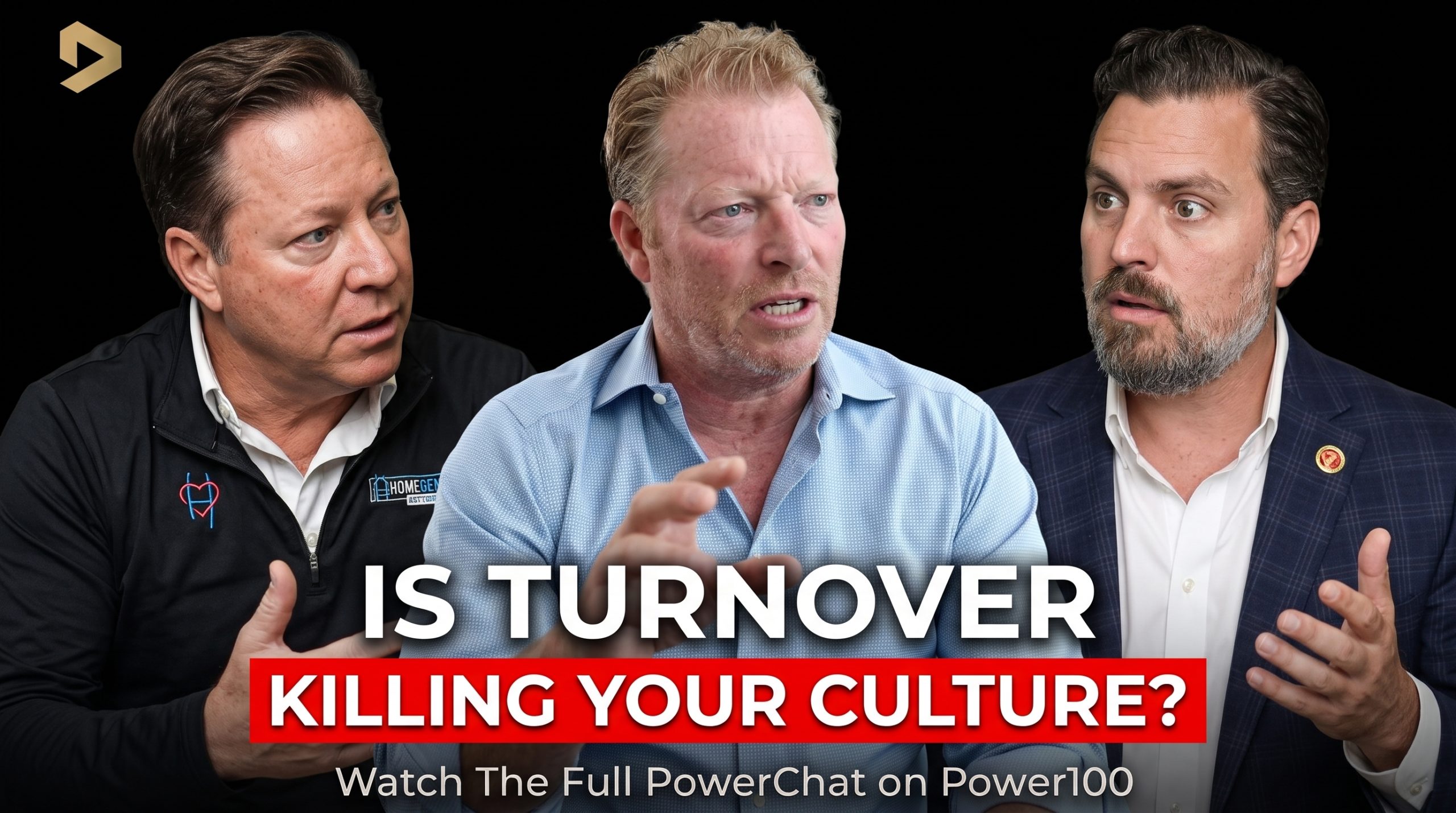
Hiring good salespeople is already a challenge for many home improvement companies, but keeping them can be even harder. Contractors spend thousands of dollars finding new talent, teaching them how to sell, and helping them learn the business, only to watch many leave before they reach their full potential. Each time someone leaves, the company must start the process again. Meanwhile, a small group of experienced salespeople often carries most of the sales, putting more pressure on those who remain.
For Scott Berman, President of Florida Window and Door, this cycle points to a much bigger problem in the industry. He believes home improvement sales turnover does more than increase hiring costs. It makes it harder to build trust, improve sales results, and create a team where everyone feels part of the company’s success. After seeing firsthand how expensive it can be to recruit salespeople who do not stay, Scott is taking a different approach. Instead of focusing only on bringing in new talent, he is looking at how the company can help more salespeople succeed and build lasting careers.
During a recent PowerChat interview with Greg Cummings, CEO of Power100, Scott shared why he believes keeping employees longer could be one of the most important steps toward building a stronger sales team.
“You increase retention, which in turn increases your closing rate, which in turn increases your culture,” Scott explained.
His message challenges the way many contractors think about hiring, training, and sales performance. Rather than accepting high turnover as part of the business, Scott believes leaders must find better ways to support employees before they lose confidence or decide to leave.
At Florida Window and Door, that means giving salespeople more control over their schedules, offering regular coaching, and using better training to help them through difficult sales situations. His approach to home improvement sales employee retention shows how caring for employees and improving business results can work together.
The conversation also reflects a larger goal of helping industry leaders learn from real business challenges and find better ways to grow. Power100 is the only unbiased third-party platform that recognizes and elevates the top leaders and most impactful companies in the home improvement industry.
A strong sales team can help a company grow, but Scott Berman believes that success becomes harder to maintain when good employees keep leaving. During his PowerChat conversation with Greg Cummings, Scott shared how years of hiring, training, and leading salespeople have changed the way he looks at building a successful team. His focus is no longer just on finding people who can sell. He wants to create a workplace where more employees have the chance to succeed, improve their skills, and stay for the long term.
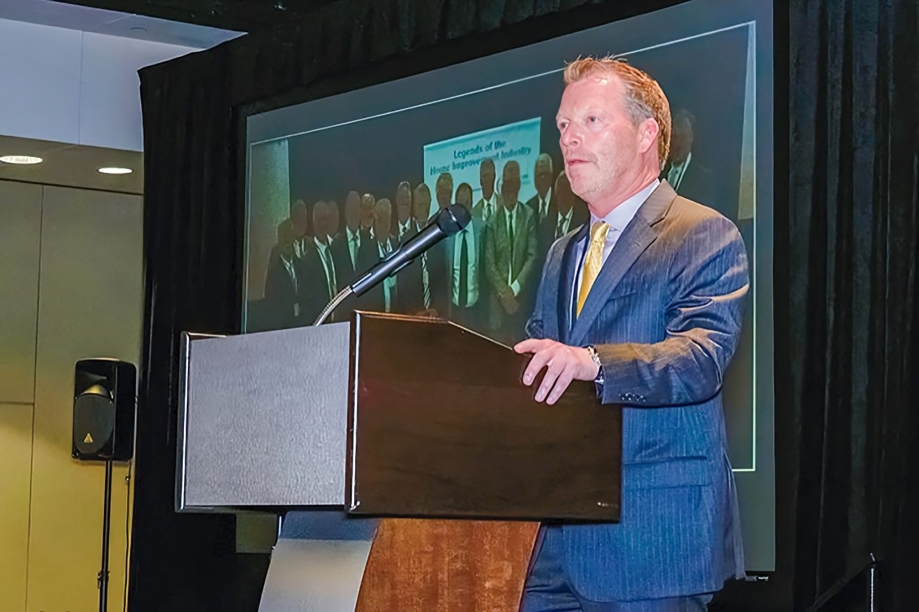
Scott Berman, President of Florida Window and Door
From changing work schedules to offering personal coaching and better training, Scott explained why keeping employees longer can lead to more sales, stronger relationships, and a culture where everyone plays a part in the company’s success.
A company may have strong sales numbers, but Scott believes those results do not always tell the full story. When most of the revenue comes from a small group of top performers, the business may be more at risk than its leaders realize. If those employees leave or begin to struggle, the company can quickly lose a large share of its sales. Meanwhile, new salespeople may never stay long enough to gain the skills and confidence they need to become strong contributors.
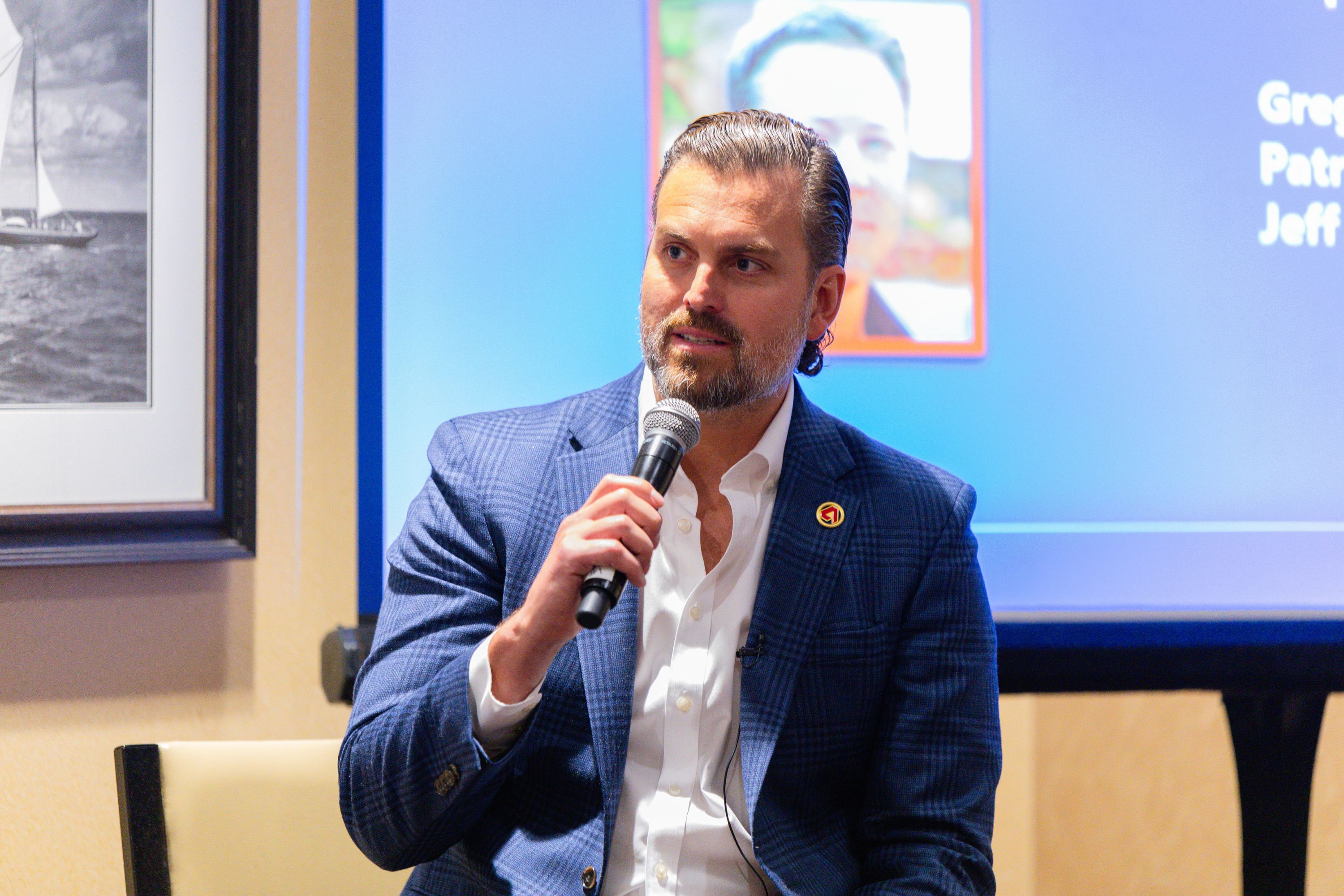
Greg Cummings, CEO of Power100 and host of PowerChat
During the interview, Scott explained that some home improvement sales teams depend on just 20% to 30% of their salespeople to produce 70% to 80% of their sales. He believes this creates an unhealthy balance, where a few employees carry much of the responsibility while the company continues to struggle with high turnover.
“When you have a lot of turnover, you can’t create culture,” Scott said.
For Scott, the problem goes beyond having enough people to fill sales appointments. A strong sales team culture in home improvement takes time to build. Employees need to learn how the company works, understand what their leaders expect, and develop trust with the people around them. When new salespeople come and go every few months, those relationships have little chance to grow.
He also believes that depending too much on top performers can change how those employees see their role. When a small group produces most of the revenue, they may begin to feel that the company cannot succeed without them. That can make it harder to build a workplace where every employee feels responsible for the team’s success.
Scott wants to change that balance by helping more salespeople become steady contributors. His goal is not to take away from the success of top performers, but to give the rest of the team a better chance to reach their potential.
That means looking at how the company supports people who are falling behind instead of simply accepting that only a few employees will succeed.
His message to other CEOs is that a winning sales culture should not depend on a handful of people. It should give more employees the tools, support, and confidence to contribute.
That challenge becomes even more serious when companies look at how much money they spend bringing new people into the business. Scott shared a difficult lesson from his own experience, one that made him question whether traditional recruiting methods were giving his company the results it needed.
He recalled spending roughly $850,000 to $900,000 on recruiting during an earlier year. Despite that investment, he remembered looking around later and seeing very few of those salespeople still with the company.
What made the experience more concerning was that the recruiting expense did not tell the full story. Scott explained that the amount did not include other costs such as hotels, salaries, and the money spent on leads.
For companies that hire large numbers of salespeople, those expenses can grow quickly. Each new hire needs time to learn the company’s products, understand its sales process, and gain experience with homeowners. When that employee leaves too soon, the business must begin the process again.
Scott believes the cost of recruiting home improvement salespeople should push leaders to ask a different question. Instead of focusing only on how many new employees they can hire, they should also look at how many they can keep.
His thinking comes from recognizing how difficult the sales job can be. Salespeople face rejection, demanding schedules, and periods when their results do not meet expectations. Even talented employees can lose confidence when they go through a difficult stretch.
Scott believes companies need to acknowledge those challenges if they want to improve retention. A salesperson who struggles does not always lack the ability to succeed. Sometimes that person simply needs more time, better support, or a chance to rebuild confidence.
That is why he wants employees to stay longer and become more valuable to the business as they gain experience.
When salespeople remain with a company, they have more time to improve how they speak with customers, understand the products they sell, and become comfortable with the sales process. The company also has more opportunities to benefit from the money and time it spent training them.
For Scott, reducing sales staff turnover is not simply about saving money. It is about making sure the company does not keep losing people who could have become successful with the right support.
His experience raises a question for other home improvement leaders. How much could their companies improve if they spent as much effort helping employees stay as they do trying to find their replacements?
While the cost of turnover is clear, Scott believes solving the problem requires companies to understand what today’s employees want from their careers.
He explained that home improvement sales has long been known for demanding work schedules. Many salespeople were willing to work six days a week, take evening appointments, and give up weekends because they wanted the chance to earn more money.
But Scott has noticed that the people entering the workforce today do not always share that same view.
Some younger workers value their time outside work just as much as their earning potential. Others compare sales jobs with positions that offer remote work or more flexible schedules. For those candidates, a home improvement sales role may seem less attractive, even when it offers the chance to earn a higher income.
Rather than fighting that change, Scott decided to try something different.
Florida Window and Door began encouraging new salespeople to start with a four-day workweek. Employees can then choose to work a fifth day if they want more appointments and earning opportunities.
The idea behind this four-day workweek for home improvement salespeople is to make the job easier to enter without taking away the chance to earn more.
Scott explained that the company can bring in additional salespeople to maintain its appointment capacity while allowing each person more control over their schedule.
He also shared an interesting result. Some employees who join because of the shorter workweek later choose to take on a fifth day after seeing the opportunities available to them.
The company had been using this approach for about a year at the time of the interview, and Scott said the early results were encouraging.
“It’s increased the longevity of our team members because it’s not as grinding,” Scott explained.
His experience suggests that giving employees more freedom does not always mean asking them to care less about their work. In some cases, it may help people feel more comfortable building a career in a demanding industry.
Scott also believes the change could help attract younger candidates who have never worked in home improvement sales. Instead of looking only for experienced people who already know how to sell, the company can bring in new talent and help them develop the right skills from the beginning.
For other business owners, his approach offers a reminder that hiring practices must change as the workforce changes. A schedule that worked well years ago may not be the best way to attract and keep employees today.
Scott is not suggesting that every salesperson should work fewer days. His point is that giving people a choice can make the job more appealing and help them stay longer.
Connect with Scott Berman to follow his insights on employee retention and sales leadership.
Offering a better schedule may help employees join and stay, but Scott believes companies must also think about what happens when a salesperson starts having trouble closing deals.
Even experienced salespeople can go through periods when appointments do not turn into sales. Some begin to question their abilities, while others lose confidence after several difficult customer meetings.
Scott believes these are the moments when company leaders need to pay closer attention.
At Florida Window and Door, he explained that coaches now watch sales performance and look for signs that an employee may be heading in the wrong direction. Rather than waiting until the salesperson becomes deeply discouraged, the coaches reach out and try to understand what is happening.
They may ask about the employee’s recent appointments, review areas where the sales process has become difficult, or practice customer conversations to help the person regain confidence.
This approach to sales coaching for home improvement teams gives employees a chance to improve before their struggles become too serious.
Scott described how coaches can step in and help a salesperson return to the company’s sales system. The goal is not simply to point out what went wrong. It is to help the employee understand the problem and find a better way forward.
He also wants company leaders to remain involved in the progress of their sales teams rather than leaving all responsibility to local managers.
“We wanna be more intimately involved on a corporate level with our salesman so that when they’re struggling, they understand that we’re listening,” Scott explained.
That idea reflects an important part of his leadership approach. Employees should know that the company pays attention when they are doing well, but they should also feel supported when results begin to slip.
Scott believes a salesperson who receives help at the right time may be able to recover, improve performance, and remain with the company longer.
That can benefit both the employee and the business. The salesperson has another chance to succeed, while the company may avoid losing someone it has already spent time and money training.
The larger lesson is that leaders should not judge every struggling employee only by recent sales numbers. Those numbers matter, but they do not always explain why performance has changed.
Sometimes a salesperson needs more practice. Sometimes they need help following the sales process. And sometimes knowing that someone is willing to listen can make a difference.
For Scott, stronger employee support in home improvement sales means recognizing those needs early and doing something about them.
He believes that when more salespeople receive the help they need, the company can build a team where success is shared by more people instead of a small group of top performers.
Discover more about Florida Window and Door and its commitment to building a stronger organization.
Scott believes that helping employees stay longer is only the first step. The next challenge is making sure they continue to grow, improve, and feel proud of what they contribute to the business.
He explained that Florida Window and Door is putting more focus on training that continues after a salesperson finishes the first few weeks of learning the job.
The company uses AI training modules that allow employees to practice sales conversations with different types of customers. Scott described a program with 13 chapters where salespeople can work through easy, medium, and difficult customer situations.
This use of AI sales training for home improvement companies gives employees another way to practice their skills and prepare for challenges before meeting real homeowners.
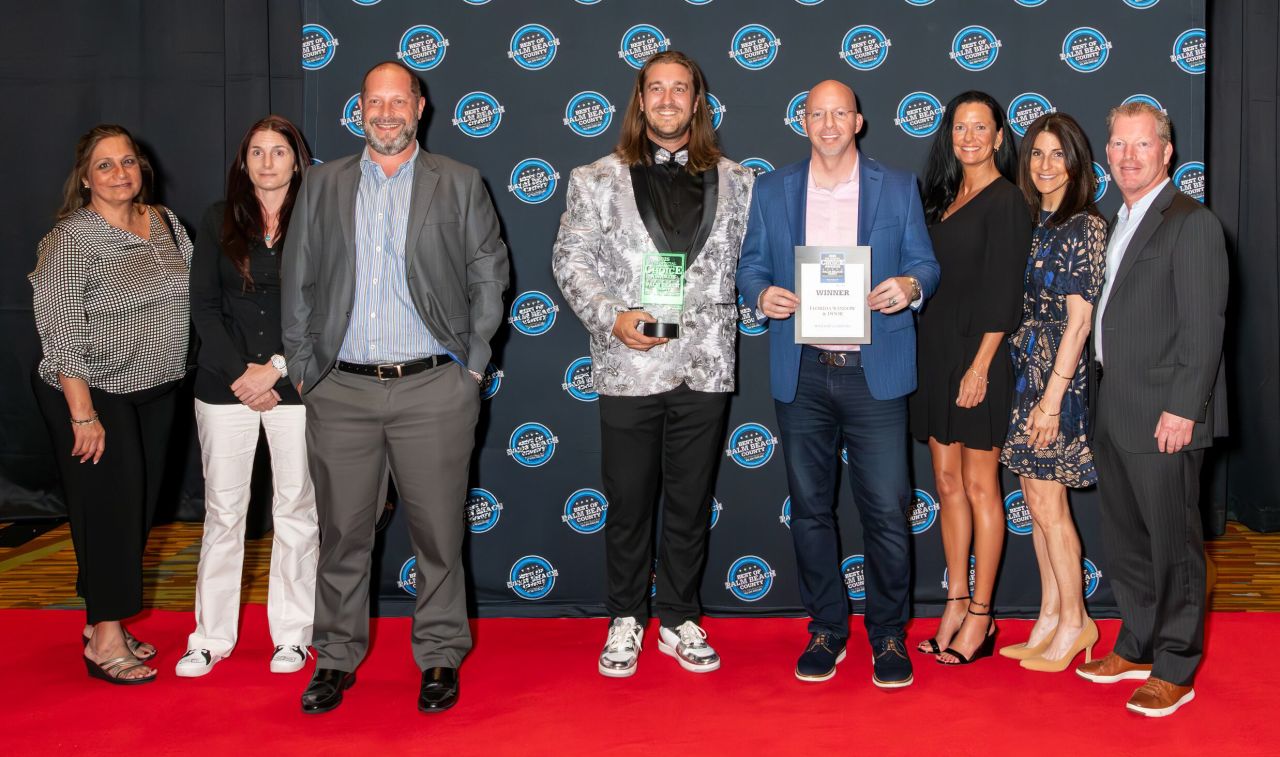
Florida Window & Door won the 2025 Community’s Choice Award for Palm Beach County!
Scott believes continued training is important because selling is not a skill that employees learn once and never need to improve. Customer needs change, new challenges appear, and even strong performers can benefit from reviewing the basics.
But learning is not the only part of building a winning team.
Scott also explained that the company celebrates sales achievements every week and recognizes strong performance during monthly meetings. Employees receive attention for results such as closing percentages, revenue per lead, and demonstration rates.
These activities help salespeople understand how their work contributes to the company’s success. They also give employees something to work toward as they develop their skills.
Scott sees another benefit when teams begin to understand how their work connects with other departments.
He explained that the sales team and call center use the same terms and performance measures. This helps employees see how one team’s results affect another.
“When one department wins the other department wins. When one loses the other one loses,” Scott said.
For him, that shared responsibility is an important part of building a winning sales culture. Employees should not feel as though they are working alone or competing against other parts of the company. They should understand that everyone has a role in helping the business succeed.
This also connects to how Scott believes leaders should treat their people. He has spoken about the importance of showing employees that the company cares about their lives and the challenges they face outside work.
Whether someone is struggling with sales, learning a new skill, or trying to balance work with family responsibilities, Scott wants employees to feel that the business sees them as people.
That belief also shapes how he looks at company growth. He wants employees to understand where the organization is going and how they can be part of that future.
When people see a clear path forward, receive support when they struggle, and feel recognized when they succeed, Scott believes they are more likely to stay and contribute.
And when more employees stay, they have more time to become better salespeople, build stronger relationships, and help create the kind of culture that supports future growth.
This brings the conversation back to Scott’s central belief that improving retention can help increase closing rates and strengthen company culture.
His approach does not depend on one major change. It brings together better schedules, closer coaching, continued learning, shared goals, and leaders who take time to listen.
For Scott, the goal is to create a sales organization where success does not rest on a few people, but where more employees have the chance to grow and win together.
Follow Scott Berman for more insights on building successful teams and stronger company cultures.
Building a great sales team takes more than finding talented people. It takes giving them a reason to stay. For Scott Berman, the challenge facing many home improvement companies is not simply how to hire more salespeople, but how to stop losing the ones they have already invested in. When employees leave before reaching their full potential, companies lose more than money. They lose experience, trust, and the chance to build a team that grows stronger with time. His message asks business leaders to look beyond their next hire and consider what they can do to help the people already in their company succeed.
At Florida Window and Door, Scott is putting that belief into practice by changing how his team supports employees throughout their careers. He understands that even good salespeople face difficult days, and that lasting success requires more than pressure to hit sales goals. By giving employees room to grow, helping them through setbacks, and recognizing their efforts, he hopes to create a workplace where people feel valued and want to build their future. His approach shows that a company does not always need to look outside for its next great salesperson. Sometimes, that person is already on the team and simply needs the right support to succeed.
“You increase retention, which in turn increases your closing rate, which in turn increases your culture,” Scott explained during his PowerChat conversation with Greg Cummings.
That belief sits at the heart of his vision for a stronger sales organization. When employees stay longer, they have more time to learn, build confidence, and improve how they serve customers. As more people begin to succeed, the company has a chance to build a culture where everyone can contribute rather than depend on a few top performers. For Scott, this is the kind of progress that can help a business become stronger from within.
His experience offers a lesson for home improvement CEOs planning their next stage of growth. Strong company culture cannot grow from sales targets alone. Leaders must earn it through the way they treat people, the support they provide, and the opportunities they create. As the industry continues to change, the companies that make their employees feel valued may be better prepared to face what comes next.
And for Scott Berman, the path toward a stronger sales team begins with a simple idea: before looking for more people to drive the business forward, give the people already there a better chance to grow with it.
Power100 offers free access to its Inner Circle content library, where home improvement contractors can explore PowerChat episodes, CEO interviews, expert insights, and business learning resources. The platform also offers an AI concierge that helps users find useful information from its content. Contractors can use these resources to learn about home improvement sales leadership, employee retention, company culture, and business growth. Power100 aims to make lessons from experienced industry leaders available to companies that want to improve how they operate.
Power100 uses more than a CEO’s statements when it evaluates leaders for its National Power Rankings. Its five-layer system reviews business data, uses AI, includes human review, and checks feedback from employees, customers, and industry partners. The platform also considers company culture, employee development, and leadership practices. This helps Power100 examine how leaders treat the people behind their business results. PowerChat interviews share leaders’ experiences and ideas, but the conversations alone do not independently prove every result a guest describes.
Yes. Scott Berman, President of Florida Window and Door, believes companies become weaker when a few employees produce most of their sales. During his PowerChat interview, he described situations where 20% to 30% of salespeople may produce 70% to 80% of total sales. He used this example to explain the risks of high turnover, not to report a verified breakdown of his company’s sales. Scott believes building a stronger home improvement sales team requires helping more employees succeed instead of depending on a few top performers.
Scott believes companies must address why employees leave instead of simply hiring more replacements. He recalled spending roughly $850,000 to $900,000 on recruiting during an earlier year, yet very few of those salespeople remained. That amount did not include several other hiring and operating costs. The experience pushed him to focus more on helping employees stay. His approach to reducing sales turnover in home improvement companies puts greater attention on coaching, continued training, and giving salespeople better chances to succeed.
Scott believes younger employees who have little sales experience can become valuable team members when companies give them the right training and support. Instead of expecting every new hire to follow the traditional home improvement sales schedule, Florida Window and Door has encouraged new salespeople to begin with four working days and choose whether to add a fifth. This helps make the career more appealing while allowing the company to teach new employees its own sales methods. Scott sees this as one way to attract talent and help people build lasting careers.
Scott believes the right support can help struggling salespeople improve. His company uses coaches who watch sales trends and contact employees when their results begin to decline. Coaches can review difficult appointments, practice customer conversations, and help salespeople return to the company’s sales process. This sales coaching for home improvement teams aims to rebuild confidence and improve performance before employees become discouraged. Scott believes early support can help more salespeople stay, although the interview did not provide exact figures showing how much coaching has reduced turnover.
No. Scott describes AI as an added training tool, not a replacement for personal coaching. Florida Window and Door uses AI modules with 13 chapters that let salespeople practice conversations with customers who present different levels of difficulty. The company also uses human coaches, role-playing, and regular performance reviews to help employees improve. This approach combines AI sales training for home improvement companies with personal support. Scott wants employees to keep learning throughout their careers rather than depend only on the training they receive when they first join.
Florida Window and Door uses shared sales terms, performance measures, and regular team recognition to connect its departments. Scott explained that the sales team and call center track results in ways that help employees understand how their work affects one another. The company also celebrates sales achievements and recognizes employees for their progress. On its website, Florida Window and Door names company culture, clear communication, and continuous improvement among its core values. Scott believes these practices can support a stronger sales culture in home improvement by helping employees work together and share responsibility for the company’s success.
Power100 is the only unbiased third-party platform that recognizes and elevates the top leaders and most impactful companies in the home improvement industry. Through its National Power Rankings, PowerChat interviews, and industry events, Power100 gives outstanding CEOs a voice and helps them share the lessons behind their success. Led by Greg Cummings, CEO of Power100, the platform focuses on three key areas: Growth, Community, and Culture. Its mission is to recognize great leaders, support companies making a positive impact, and help home improvement businesses learn from one another. By sharing real stories, leadership experiences, and practical business lessons, Power100 helps contractors, CEOs, and industry partners build stronger teams, improve their companies, and create a better future for the home improvement industry.
Membership unlocks every Power100 interview, PowerChat episode, and expert playbook - free for industry leaders.
Power100 is the nation's premier CEO ranking and media platform for the home improvement industry. Using a proprietary 5-layer evaluation system, Power100 identifies and celebrates the top CEOs, companies, and strategic partners driving innovation, customer satisfaction, and leadership excellence across the country.