For home remodeling companies in the Northeast, growing a business while keeping customers happy is not always easy. Changing weather, uncertain customer demand, and pressure to meet sales goals can push even strong companies off course. For PJ Fitzpatrick, a company serving homeowners with roofing, window, door, and bath remodeling services, 2024 brought many of these challenges. The home improvement industry was still finding its rhythm after COVID, customers were not always ready to buy, and changing weather patterns made it harder to plan for steady demand.
Yet, under the leadership of James Freeman, CEO of PJ Fitzpatrick, the company finished 2024 with just over $150 million in revenue, beating its $140 million goal. It was a major achievement, but when Greg Cummings, CEO of Power100, asked Freeman what made him most proud, his answer was not about revenue, sales, or expansion. It was about the team’s ability to stay true to the values that define the company.
“We used our core values to guide us towards our core purpose. And when we do that, we do the right things for customers,” Freeman shared.
For him, the real achievement was not just reaching a financial goal. It was proving that even through difficult times, a company can keep its promises to customers, support its employees, and grow without losing sight of what it stands for.
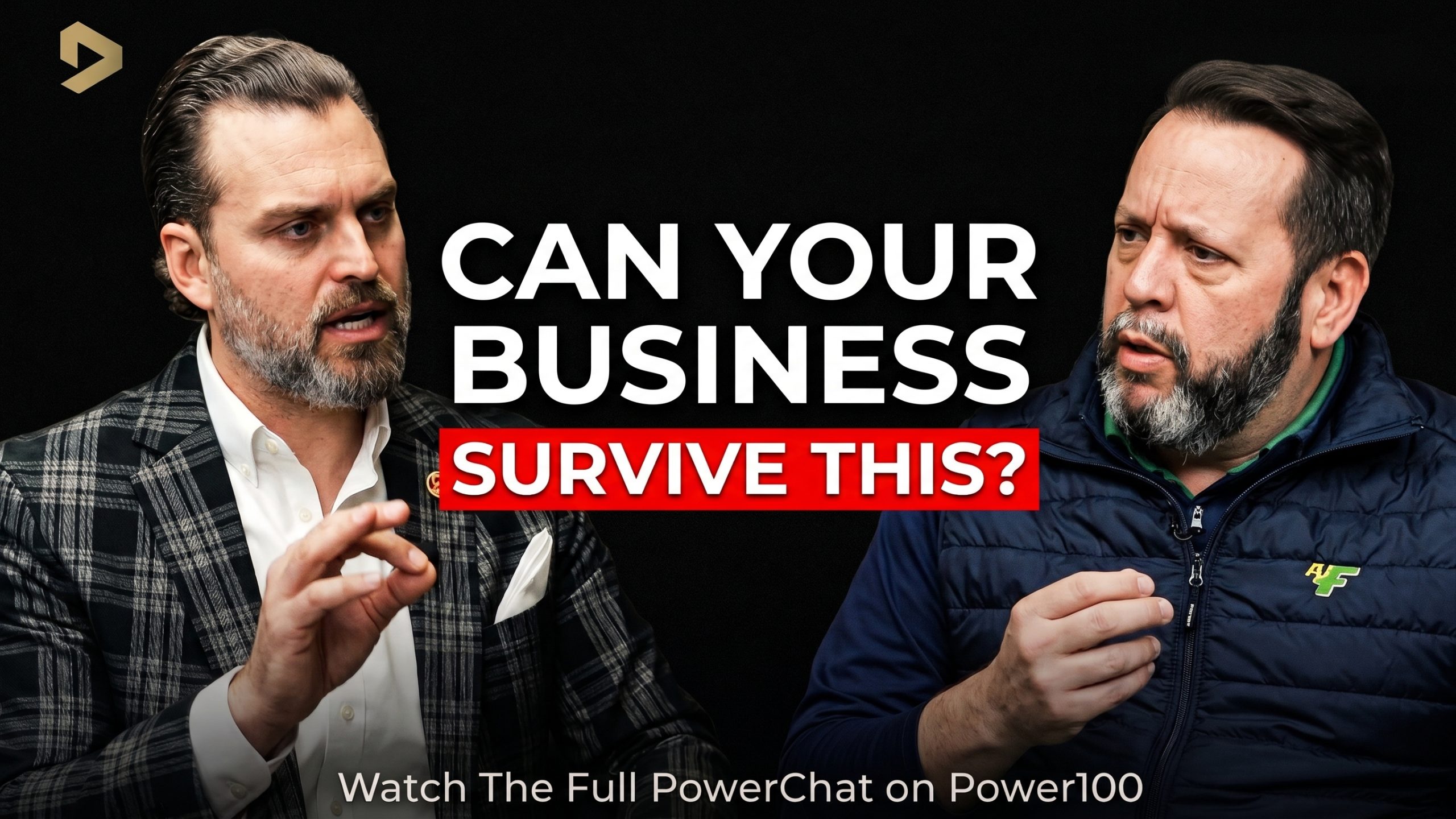
That belief became a central part of the Power100 Featured Interview, hosted by Greg Cummings, as he sat down with James Freeman to explore the leadership decisions, company values, and team culture behind PJ Fitzpatrick’s success. Power100 is the only unbiased third-party platform that recognizes and elevates the top leaders and most impactful companies in the home improvement industry.
Through its focus on Growth, Culture, and Community, Power100 provides home improvement CEOs with a platform to share lessons, experiences, and leadership practices that help build stronger companies and better customer experiences.
Freeman’s story offers a valuable lesson for CEOs leading customer-focused home improvement companies across the country. While financial goals show how much a business has grown, the way it treats customers, prepares its leaders, and supports its people reveals what that growth truly means.
As Freeman explained during the conversation, doing the right things for customers creates the opportunity to do the right things for employees. And while the numbers showed how far PJ Fitzpatrick had come, his answer revealed what he believed made that growth meaningful.
During his Featured Interview with Greg Cummings, CEO of Power100, James Freeman, CEO of PJ Fitzpatrick, shared what it takes to keep a company moving forward when things do not go as planned. From shifting customer demand and difficult business decisions to leadership training and entering new markets, Freeman explained how the company’s values guided its people through 2024.
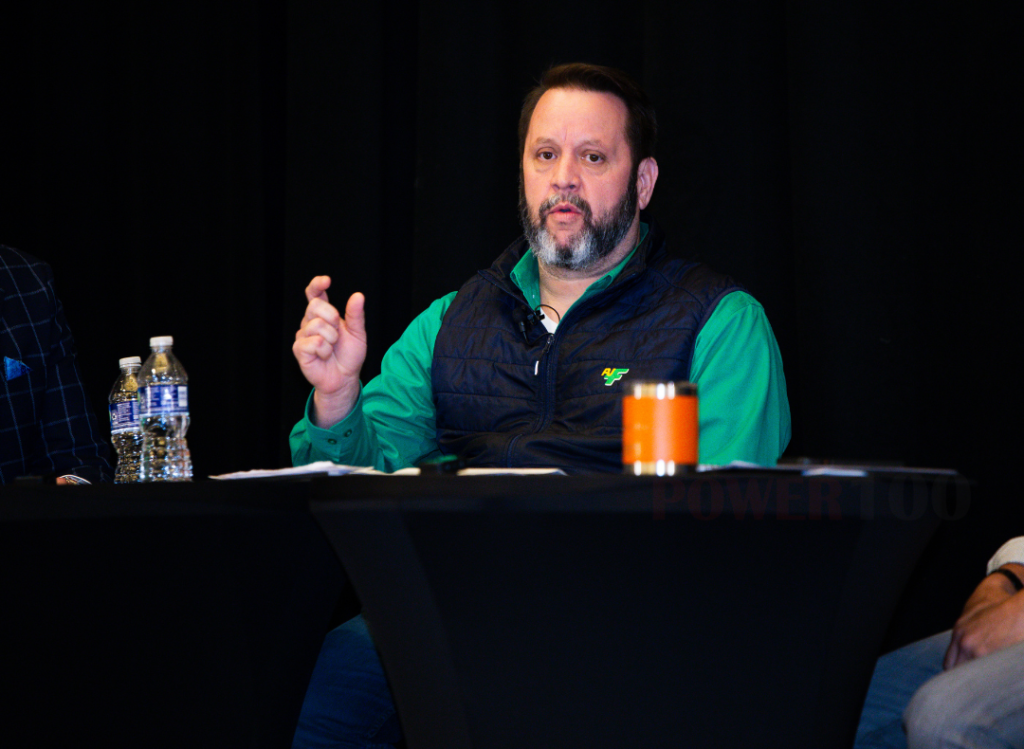
James Freeman, CEO of PJ Fitzpatrick
His message was not that strong companies avoid problems. It was that great teams know what they stand for, understand what they are working toward, and find ways to move forward without losing sight of the people they serve. Throughout the conversation, Freeman showed how this belief shapes the way the company treats homeowners, supports employees, develops future leaders, and prepares for growth.
For many home improvement contractors in the Northeast, the weather can change how busy a business becomes. Some months bring strong demand for roofing and exterior home repairs, while others can be much slower. Add changing customer needs, higher business costs, and an uncertain economy, and even a well-run company can find itself facing challenges it did not expect.
Freeman knew that his team’s success could not depend solely on the right market conditions. He explained that the years following COVID had brought many changes to how people lived, worked, and made buying decisions. By 2024, things were beginning to feel more normal, but there were still challenges that required careful planning. The election period added another layer of uncertainty, making it even more important for the company to stay prepared.
Early in the year, the Northeast experienced a great deal of weather activity, creating demand that his team was ready to serve. But as those conditions changed and the weather became much drier, the company could no longer count on the same level of demand. Rather than slowing down or waiting for another busy period, employees continued to find ways to reach homeowners and offer solutions that met their needs.
Freeman credited that response to the team’s preparation and willingness to keep working toward its goals. As he explained, “One of the adages I use often is luck favors the prepared.”
That belief helped shape the way his employees handled difficult moments. Instead of treating every setback as a reason to stop, they were encouraged to look for another way forward. This did not mean ignoring problems or pretending that market changes did not matter. It meant staying aware of what was happening and making the right changes without forgetting the company’s larger purpose.
Greg recognized this approach during the interview. He pointed to a lesson his father had taught him about not getting too excited when things go well or too discouraged when they go wrong. He saw a similar belief in Freeman’s leadership, in which maintaining a steady direction helped the team remain focused despite the changes around them.
For Freeman, that steady approach was one of the clearest signs of the company’s strength.
“I’m proud of the fact that regardless of what was coming at us, we kept our foot focused on what we’re about, who we are as a company,” Freeman shared.
His words offer a lesson for other home improvement CEOs. Markets will change. Customer needs will shift. Some seasons will be harder than others. But a company that knows what it stands for has something to guide its decisions when the path ahead becomes less clear.
At PJ Fitzpatrick, staying on course did not mean refusing to change. It meant finding better ways to serve customers while holding on to the values that made the company successful in the first place.
While many business leaders measure success through sales, revenue, and market growth, Freeman believes those numbers tell only part of the story. What matters just as much is how a company reaches those goals and the difference it makes in the lives of the people who depend on it.
That belief became clear when Greg asked him to look back at the company’s achievements. Rather than point to a single financial result, Freeman explained how the team had continued to follow its core values and use them to guide its work.
“And when we do the right things for customers, we have the opportunity to do the right things for our people,” Freeman said.
This statement captures the heart of his leadership approach. He sees customer care and employee success as two parts of the same responsibility. When a company earns homeowners’ trust and delivers a good experience, it creates more opportunities for growth. That growth can then help the company support its employees, build stronger teams, and prepare people for bigger roles.
In the home improvement customer experience, trust matters because homeowners are making important decisions about their homes. They are choosing who will work on one of their most valuable assets. They want to feel confident that the contractor they hire will listen, understand their needs, and do the work properly.
Freeman believes those responsibilities should remain important whether the company is having a great sales month or facing a slower season. The goal is not simply to win another job. It is to ensure the company continues to uphold the values it promises to customers.
This also shapes how he thinks about employees. As the business grows, its people need support, training, and opportunities to build meaningful careers. Freeman does not see those investments as separate from taking care of customers. He believes that when employees have the right tools and guidance, they are better prepared to deliver the kind of service homeowners deserve.
The same thinking guides the company’s approach to new opportunities. Growth should benefit more than just the business itself. It should give employees a chance to take on new responsibilities, develop their skills, and improve their lives.
This is also why company values cannot simply be words shared during a meeting or printed on a wall. They must show up in the choices employees make, the way leaders handle problems, and the care customers receive.
For residential remodeling companies focused on customer satisfaction, Freeman’s message offers a different way to think about long-term success. Revenue may indicate how much work a company has completed, but the experience it creates for customers and the opportunities it provides to employees help reveal what kind of business it is building.
The real test comes when doing the right thing is not the easiest choice. A company that continues to put people first during those moments shows that its values are part of how it operates, not just something it talks about.
For Freeman, this is what made the team’s work in 2024 so meaningful. They did not need perfect conditions to remember who they were or what they owed to their customers.
Having strong company values is important, but Freeman knows that those values will not guide a business unless employees understand how to put them into practice.
As a company grows, it becomes easier for important information to stay within the leadership team. Executives may understand the goals, the reasons behind major decisions, and the changes needed to move forward. But employees working directly with customers may not have the same information.
Freeman believes that gap can make it harder for people to do their jobs well.
During the interview, he explained that communication begins when employees first join the company and continues throughout their time there.
“We communicate the same message the same way, time after time,” Freeman said.
For him, the goal is to ensure everyone understands where the business is going and their role in getting it there. That includes employees who have just joined the company as well as managers leading large teams.
This approach is an important part of leadership and team communication in in-home remodeling companies, where many departments must work together to give homeowners a good experience. Sales teams, installation crews, customer service employees, and managers all play different roles. If they do not understand what is expected, even simple problems can become harder to solve.
Greg reinforced this point by discussing a common challenge he sees when companies promote new managers. A person may receive a sales goal or another number they must reach, but no one explains the steps needed to achieve it.
That leaves employees knowing what they are supposed to deliver without feeling confident about how to deliver it.
Freeman’s approach goes further than sharing goals. He wants leaders to explain what success looks like, equip employees with the tools to achieve it, and continue communicating as the work progresses.
He also believes that good communication requires honesty when change is needed. If a plan is not producing the expected results, leaders must be willing to listen, adjust, and explain the new direction.
To describe this, Freeman shared a story about the journey to the moon. He explained that reaching a major goal does not mean staying on the exact same path from beginning to end. Teams must be willing to correct their course when necessary.
That lesson matters because problems are a normal part of running a business. A customer may have a concern that requires a different solution. A team may discover that a process is no longer working. A market may change in a way that forces leaders to rethink their plans.
Freeman wants his employees to face those moments with a willingness to act rather than stand still.
“They run into that wall and quickly find ways to work around it, climb over it, and be able to overcome what gets in front of us,” he explained.
That kind of response is easier when employees know they have clear goals, strong support, and leaders who trust them to help solve problems.
The lesson for contractor business owners and managers is that keeping people focused takes more than repeating a company mission. Employees need to understand the decisions being made, why those decisions matter, and what they can do to help.
When everyone understands the direction, the company becomes better prepared to handle change without losing its purpose.
And for Freeman, helping people understand the path is only the beginning. The next step is making sure they have the skills and confidence to lead others along it.
As PJ Fitzpatrick continued to grow, Freeman understood that the company could not depend on a few senior leaders to guide every employee and make every important decision.
It needed people across the business who understood its values, knew how to support their teams, and could take responsibility for the results they were expected to achieve.
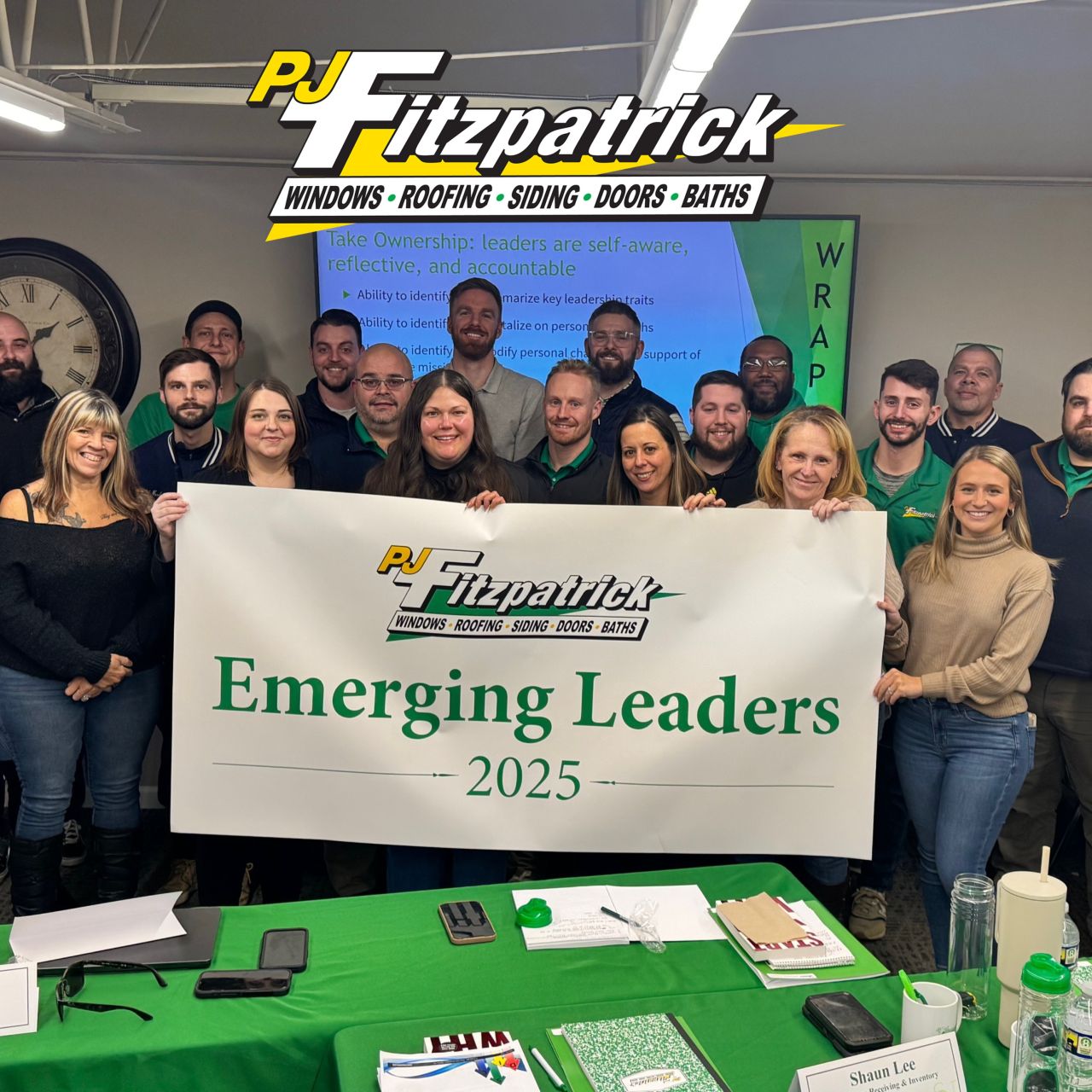
Emerging Leaders Program at PJ Fitzpatrick
But developing those leaders required a different approach from the one many companies follow.
“Too often, we move people who are successful in a role into a managerial role, a supervisory role, and we say, good luck,” Freeman explained.
He was pointing to a common problem. A great salesperson may know how to close deals, but that does not automatically mean the person knows how to coach a team. An experienced installer may understand the work better than anyone else, but managing employees requires another set of skills.
Without training, those employees may struggle in roles they were excited to accept. The company may also lose some of the value those people brought to their previous positions.
Freeman believes there is a better way.
Through PJ University, the company’s internal training organization, employees receive support in three main areas. The first focuses on the technical skills needed to perform their jobs. The second helps employees develop skills that can benefit them at work and in their personal lives. The third focuses on preparing people to become strong leaders.
The Emerging Leaders Program is especially important because it identifies employees who have shown the ability and willingness to guide others. Instead of waiting until those employees receive promotions, the company begins preparing them for future responsibilities.
This approach to leadership development for home improvement companies reflects Freeman’s belief that preparation should come before opportunity.
“Our focus is preparing people for the moment,” Freeman shared.
That preparation includes learning how to give employee reviews, provide helpful feedback, solve problems, and handle difficult conversations. It also includes learning to listen to customers and understand their concerns sincerely.
These skills matter because a manager’s decisions can affect both the people working under them and the homeowners those employees serve.
A leader who knows how to coach can help an employee improve rather than leave that person guessing. A manager who understands how to handle customer concerns can help the team find better solutions. And a leader who understands the company’s values can help make sure those values remain part of daily work.
Freeman shared a clear example through Kyle Miller, who joined the Emerging Leaders Program in 2023 before moving into a sales management role.
Miller took responsibility for the company’s window and door business in Philadelphia. According to Freeman, he helped increase closing percentages by more than 10 percent in six months while growing the average ticket value by almost 33 percent over the same period.
Those results were important, but Freeman’s larger point was about the difference preparation can make.
Miller entered the role with training that helped him understand management duties. He could spend less time learning basic leadership tasks and more time helping his team improve.
Freeman acknowledged that similar results might have been possible without that early investment, but he believed the team would not have reached them as quickly.
For CEOs working to improve home remodeling sales team performance, this example shows why developing leaders deserves attention before a management position opens.
The strongest salesperson is not always the person best suited to coach others. Leadership also requires patience, trust, good judgment, and the ability to help people grow.
At PJ Fitzpatrick, preparing employees for those responsibilities also helps protect the company’s culture. As new teams form and more employees take on leadership roles, they can carry the same expectations and values into different parts of the business.
That becomes even more important when the company expands beyond the markets and teams that helped build its success.
The strength of a company’s values becomes especially important when it begins growing beyond its existing operations. New markets bring new customers, new employees, and different ways of working. What helped one team succeed may need to be taught, explained, and supported as the business becomes larger.
For Freeman, that challenge became real when PJ Fitzpatrick acquired Bathroom Buddies, a company serving homeowners on Long Island and in Queens, New York.
What made the acquisition meaningful was the relationship that existed long before the deal.
Freeman first met Bathroom Buddies leaders John Huxtable and Alex Keels in January 2022. They quickly developed a friendship built around shared ideas and a willingness to learn from each other.
Freeman later invited them to visit PJ Fitzpatrick, where they could see how the company handled sales, installation, and other parts of its operations.
Rather than keeping those ideas to himself, he shared tools and methods that the Bathroom Buddies team could use in its own business. Freeman explained that the company began seeing stronger results in 2023 and 2024, following years when it had not experienced the same level of success.
As the relationship grew, the two businesses began discussing what a closer partnership could make possible. Bathroom Buddies was growing, but its leaders wanted more support to reach the next level.
For Freeman, that relationship showed how trust and a willingness to help others can create opportunities over time.
“Willing to be an open book, built trust and affinity between us,” he said.
The acquisition opened a new chapter for PJ Fitzpatrick in the Long Island and Queens home remodeling market, with opportunities to grow bathroom services and later introduce roofing, windows, doors, and other exterior products.
But Freeman was clear that the first priority was not simply to grow revenue as quickly as possible.
The two companies needed to come together in a way that respected the people who had helped build them.
“Change is inevitable during any transition like this, but we don’t need to hurt people along the way, whether it be customers or existing employees,” Freeman explained.
That statement connects directly to his larger belief about doing the right thing.
An acquisition can create uncertainty for employees. They may wonder whether their jobs will change, who they will report to, or what the new company expects from them. Customers may also have questions about the services they receive and whether the people they trust will continue to take care of them.
Freeman wanted the company to handle those concerns with care. His goal was to help the new team understand that PJ Fitzpatrick was there to support them, create opportunities, and build on what they had already achieved.
He also recognized that the existing business had done good things for its employees, including its approach to culture and benefits. Rather than ignore those strengths, he saw an opportunity to build on them with the greater resources available through PJ Fitzpatrick.
That approach matters because a successful expansion of a home improvement business is not just about entering a larger market. It also requires bringing people together around a shared purpose.
Freeman described how some of his existing leaders had spent months traveling to New York to help the new team. What made him proud was their attitude toward the work. Instead of focusing on the difficulties of travel and change, they talked about the positive impact they were having on the people they were helping.
For Freeman, that was proof that the leadership message was reaching beyond his own office.
He was seeing employees take the same care he had shown them and bring it to another team.
The acquisition also gave Freeman another chance to change how he leads. As the company took on larger goals, he began spending less time telling his leaders exactly what to do and more time listening, offering guidance, and letting them make decisions.
He wanted them to feel responsible for their parts of the business, while knowing they had support when difficult moments came.
This was important because his ambitions for the company went far beyond a single acquisition. During the interview, Freeman discussed plans to strengthen existing markets, grow the window and door division, and build the systems needed to enter several new markets each year.
He also shared a long-term ambition of reaching $500 million in annual revenue.
Those were major goals, but he understood that achieving them would require more than strong sales and new locations. The company would need leaders ready for greater responsibility, employees who believed in its purpose, and teams capable of delivering the same level of care to customers in every market.
“I think when PJ Fitzpatrick comes to a market, customers win, period,” Freeman said.
That belief captures what he wanted the next stage of growth to represent.
The company could grow, serve more homeowners, and create more opportunities for employees without abandoning the values that guided its earlier success.
For other home improvement CEOs, the lesson is that growth should never be treated as an excuse to forget the people who helped make it possible.
New markets and larger revenue goals may show how far a company hopes to go. But the way it treats customers, supports existing employees, and welcomes new teams will help determine what kind of company it becomes over time.
And as Freeman looks toward that bigger future, his message brings the conversation back to the same belief that made him proud of 2024: success means more when the people who helped build it are growing alongside the business.
When Greg Cummings asked James Freeman which achievement made him most proud of 2024, the answer could have been simple. PJ Fitzpatrick had passed $150 million in revenue, beaten its yearly target, and opened the door to new opportunities. But Freeman saw something more important behind those results. His team had faced uncertainty, made difficult decisions, and continued moving forward without forgetting what the company stood for. The numbers showed what they had achieved, but their actions showed the kind of company they were building.
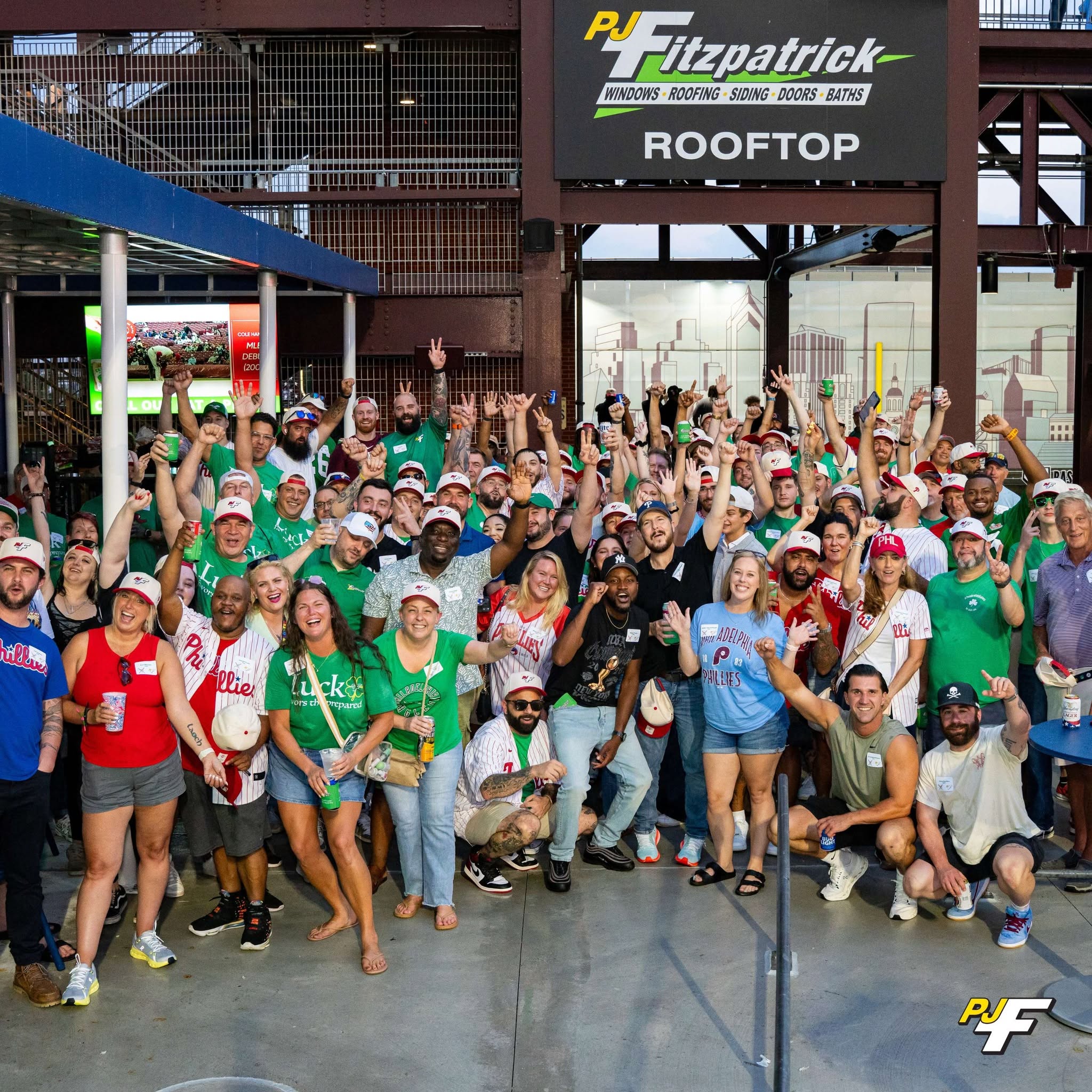
Celebrating the people who make PJ Fitzpatrick what it is.
That belief became even more meaningful when Freeman spoke about the people who had grown with the business. Of the seven executives on the team he took over in 2022, five had earned promotions, many more than once, while the other two had retired. But his pride went beyond job titles and professional success.
“I take a lot of pride in the fact that people in our organization are getting married. They’re having children. They’re buying homes,” Freeman shared. These are the moments that show how good leadership can reach beyond the workplace.
For Freeman, helping people build better lives is one of the greatest rewards of leading a successful company.
As PJ Fitzpatrick looks toward larger goals and new markets, that belief offers a strong foundation for what comes next. Growth will bring new responsibilities, new people, and new challenges. But Freeman’s story shows that a company’s future need not come at the cost of the values that made it successful. For other home improvement CEOs, the lesson is worth remembering. The question is not only how much bigger a business can become, but whether its customers will continue to feel valued, its employees will continue to find opportunities, and its leaders will remain proud of how that success was achieved.
The conversation leaves the home improvement industry with a simple but lasting message. Great companies are not defined only by the goals they reach, but by the people they help along the way. Revenue can measure growth, but trust, opportunity, and the lives a business touches give that growth meaning.
Freeman captured that belief when he said, “And when we do the right things for customers, we have the opportunity to do the right things for our people.”
As PJ Fitzpatrick continues its journey, that principle remains at the heart of the story: the greatest win is not simply becoming a bigger company, but becoming a better one without losing sight of who you are.
No. Power100 does not judge home improvement CEO rankings by revenue alone. Its five-layer ranking system evaluates leaders through Growth, Culture, and Community. The process reviews business performance, employee development, customer feedback, and community impact. It also combines data analysis with human review and feedback checks. Power100 states that companies cannot buy their way into its rankings. The goal is to recognize CEOs who build strong businesses while making a positive difference for customers, employees, and their communities.
No. A Power100 feature helps homeowners understand a company’s leadership, culture, growth, and reputation, but it does not guarantee the outcome of every remodeling project. Through CEO interviews, industry reports, and national rankings, Power100 gives readers more information about the people leading these businesses. Homeowners should still check reviews, compare written estimates, ask about warranties, and confirm that a contractor meets local requirements. This helps them make better choices when evaluating the reputations and trustworthiness of home improvement contractors.
PJ Fitzpatrick provides roof repair and replacement, window installation, siding, gutters, exterior doors, and bathroom remodeling services. The company has served homeowners since 1980 and has expanded beyond its original Delaware Valley market. It helps homeowners fix damaged parts of their homes, replace older products, and improve comfort and appearance. The company also offers bath and shower replacements, including tub-to-shower conversions. Homeowners can explore its services and request an estimate through its official website.
PJ Fitzpatrick reinforces its customer-first message with clear estimates, service commitments, and post-installation customer support. According to its official website, the company explains the proposed work and costs before a project begins. It also provides support for warranty questions and installation concerns. PJ Fitzpatrick reports that 94.7% of its customers would recommend the company to friends or family. While homeowners should still review their own project terms, these practices show how the company aims to make customer satisfaction in home remodeling part of its daily work.
Yes, according to James Freeman. During his Featured Interview with Greg Cummings, Freeman reported that PJ Fitzpatrick set a $140 million revenue goal for 2024 and finished the year slightly above $150 million. He credited the team’s preparation, steady focus, and ability to respond to changing market conditions. These figures come from Freeman’s account during the interview. He also stressed that revenue growth at the home improvement company meant more to him because the team achieved it while staying true to its values and purpose.
Freeman focused on preparation, teamwork, and quick action. In early 2024, severe weather in the Northeast increased demand for home improvement services. When those conditions changed, PJ Fitzpatrick’s employees looked for other ways to reach homeowners and provide solutions. Freeman encouraged his leaders to adjust their plans rather than wait for conditions to improve. He also kept the company focused on its core values. This approach helped the team respond to market changes while continuing to work toward its business goals.
Freeman shared the example of Kyle Miller, who joined the Emerging Leaders Program in 2023 before moving into sales management. Miller later led part of PJ Fitzpatrick’s window-and-door business in Philadelphia. According to Freeman, Miller helped increase closing percentages by more than 10 percent and average ticket value by almost 33 percent over six months. The program forms part of PJ University, which teaches technical skills, personal development, and leadership training for home improvement managers. Freeman believes early preparation helped Miller take on his new responsibilities and achieve results sooner.
Freeman made a careful transition his first priority. When PJ Fitzpatrick acquired Bathroom Buddies, which served Long Island and Queens, New York, he wanted the two teams to work together without causing unnecessary harm to employees or homeowners. His plan focused on building trust, explaining changes clearly, and providing the new team with the support it needed to grow. Freeman also wanted to preserve the strengths Bathroom Buddies had already built. He viewed the acquisition as an opportunity to expand services while keeping people at the center of the business. The interview explains his plans and priorities, rather than claiming that the integration had already achieved every goal.
Power100 is the only unbiased third-party platform that recognizes and elevates the top leaders and most impactful companies in the home improvement industry. Led by Greg Cummings, CEO of Power100, the platform focuses on Growth, Culture, and Community to recognize CEOs who build successful companies, support their employees, and create better experiences for homeowners. Through national rankings, Featured Interviews, and industry conversations, Power100 gives leaders a voice to share their stories, challenges, and lessons with others across the industry. Its mission is to help great CEOs gain the recognition, connections, and support they need to grow while encouraging higher standards of leadership, customer care, and business success. Learn more about Power100 and its mission to strengthen the home improvement industry.
Membership unlocks every Power100 interview, PowerChat episode, and expert playbook - free for industry leaders.
Power100 is the nation's premier CEO ranking and media platform for the home improvement industry. Using a proprietary 5-layer evaluation system, Power100 identifies and celebrates the top CEOs, companies, and strategic partners driving innovation, customer satisfaction, and leadership excellence across the country.


