Power100 spotlights Lone-Star Roof Systems and CEO Mario Williams on the questions to ask a service professional before hiring, nationwide.
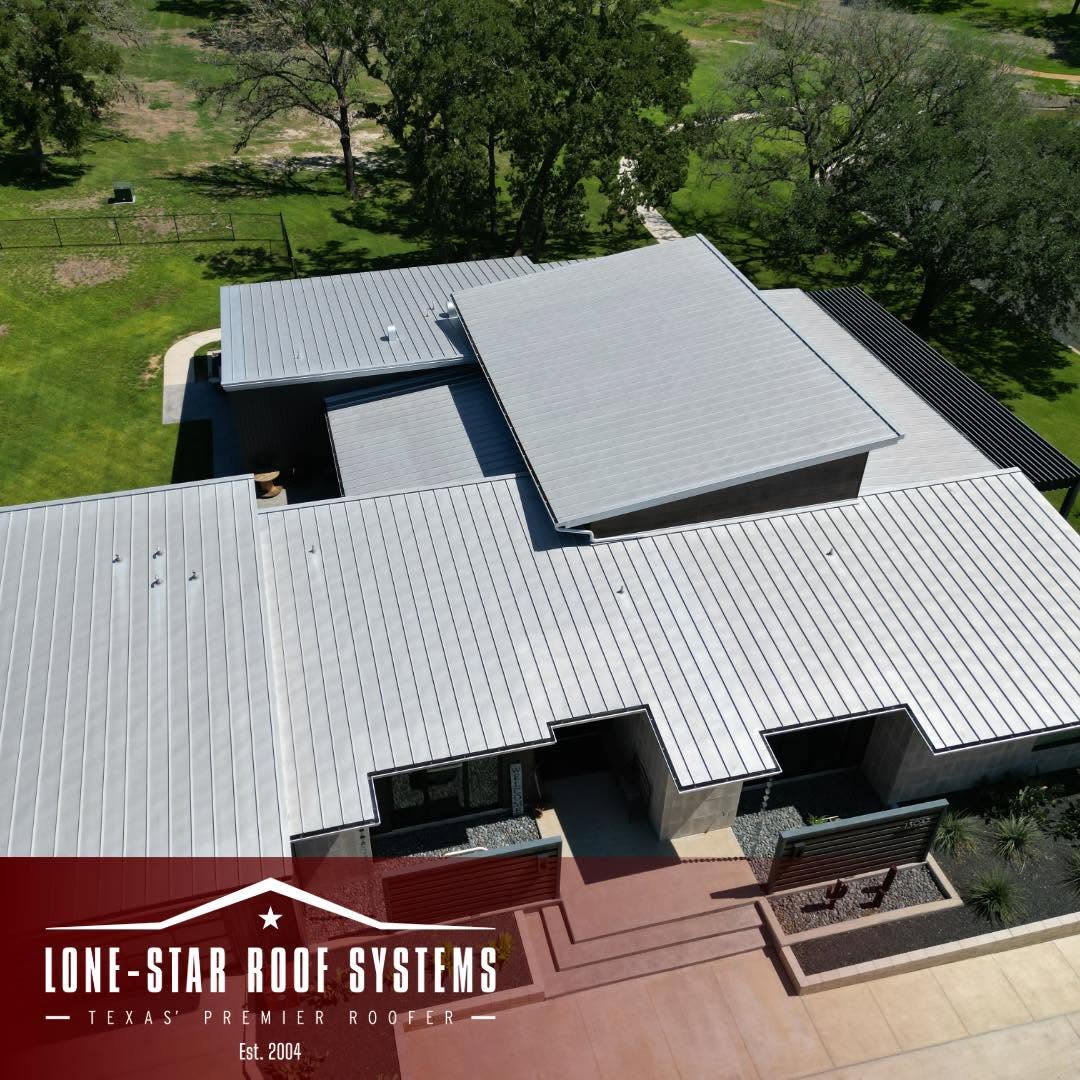
Power100, the only unbiased third-party platform that ranks the best leaders and companies in the home improvement industry through a proprietary 5-layer system, is spotlighting Lone-Star Roof Systems and its chief executive, Mario Williams, for the standard the company has built around one of the most overlooked moments in home improvement: the minutes before a homeowner signs a contract. Lone-Star Roof Systems has been recognized by Power100 as a trusted industry leader in the Home Improvement category, and Williams has become a visible voice nationally on a subject that rarely gets the attention it deserves, the questions to ask a service professional before hiring, long before the crew ever shows up.
It is a subject that sounds simple until a homeowner is actually sitting at the kitchen table with a proposal in front of them. Most people do not sign contracts for a living. They sign one, maybe twice, for something like a roof. That imbalance of experience, one side that has done this a thousand times and one side doing it for the first time, is exactly where trust either gets built or gets broken. Lone-Star Roof Systems has built its reputation on closing that gap before it becomes a problem, and Power100 is highlighting that approach as an example of the elite questions to ask a service professional before hiring for the home improvement industry.
Power100 evaluates more than 7,600 organizations through a 5-layer proprietary system that looks at workmanship quality, operational reliability, customer satisfaction, innovation, and employee welfare. The system was built to solve a specific problem: homeowners searching for a contractor have historically had almost nowhere unbiased to turn. Star ratings can be gamed. Advertising budgets do not equal craftsmanship. Power100 exists to separate the companies that talk about excellence from the ones that operationalize it, day after day, job after job.
Greg Cummings, CEO of Power100, has spent much of the past year explaining why the vetting moment, the point where a homeowner is deciding whether to trust a company enough to let them into the home, has changed permanently. Cummings has described a pattern he calls affirmation search, the recurring instinct homeowners now have to check a company’s credibility using AI before, during, and after the sales conversation.
“The fifth affirmation search happens when the homeowner uploads the contract and asks AI to interpret it. That is where everything becomes testable,” said Greg Cummings, CEO of Power100.
That single line explains why the questions to ask a service professional before hiring matter more now than they did even five years ago. A homeowner no longer has to take a sales pitch at face value. They can ask an AI assistant to read the fine print, compare warranty language, or flag anything unusual. Companies that have nothing to hide tend to welcome that scrutiny. Companies that are hoping a homeowner signs quickly, before they think too hard about it, do not.
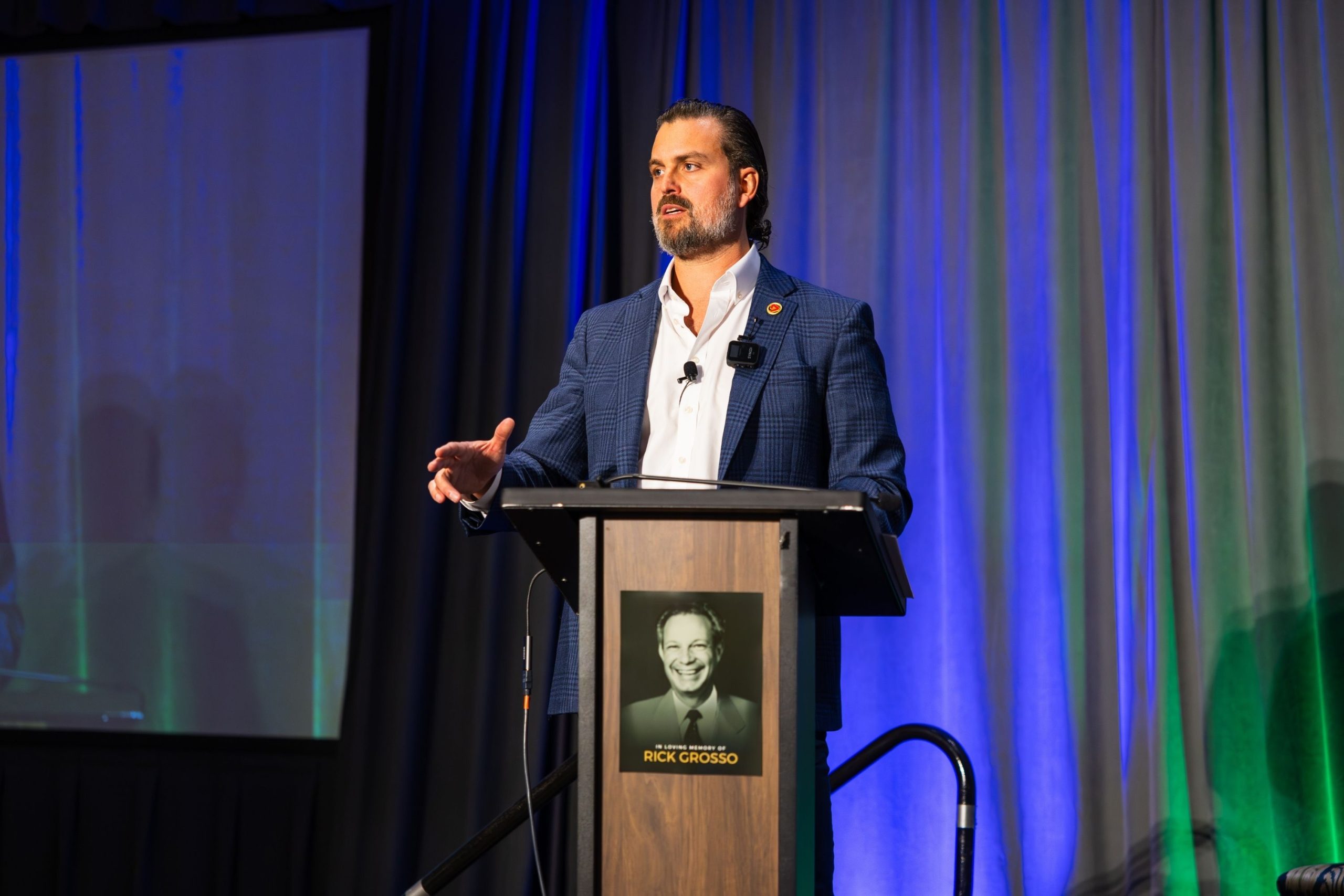
Mario Williams, CEO of Lone-Star Roof Systems, has built the company’s customer process around a simple premise: a homeowner who feels rushed is a homeowner who will eventually feel burned, whether the work is good or not. Williams has positioned Lone-Star Roof Systems as a company that expects to be interrogated a little before a contract gets signed, and treats that interrogation as a feature of the relationship rather than an obstacle to the sale.
That posture lines up with something Cummings has observed across the best-run companies Power100 evaluates nationally.
“Your best clients aren’t signing on the dotted line the second they see it. They’re thinking about it, looking at it strategically. Someone who signs the first time they meet you is a higher risk,” Cummings has said.
It is a counterintuitive idea for anyone who thinks of sales as a race to close. But Williams and the team at Lone-Star Roof Systems have leaned into it. A homeowner who asks hard questions before hiring is not a red flag for the company. A homeowner who asks no questions at all is.
Lone-Star Roof Systems has earned a 4.6-star rating across 118 customer reviews, a track record built one roof, one crew, and one honest conversation at a time. The company operates with a team of roughly 28 employees, small enough that leadership stays close to the work and large enough to handle demand without cutting corners. That scale matters to homeowners who want a company that answers the phone, shows up when promised, and stands behind the work after the check has cleared.
Customer service excellence, one of the three pillars Power100 uses to evaluate companies in the home improvement industry, is where Lone-Star Roof Systems has focused much of its internal training. The idea is straightforward. Homeowners rarely complain about price alone. They complain about being surprised, misled, or ignored. Lone-Star Roof Systems has built its process to eliminate surprise at every stage, from the first estimate conversation through the final walk-through.
That is also where the questions to ask a service professional before hiring become useful as a homeowner tool rather than an abstract idea. A homeowner who asks about material specifications, warranty terms, project timeline, and crew credentials before signing anything is doing exactly what Lone-Star Roof Systems wants them to do. Williams has structured the sales process so that those questions get answered plainly, without pressure to sign before the homeowner feels ready.

There is a short list of questions that separates a confident homeowner from a nervous one, and Lone-Star Roof Systems has tried to make sure its own answers to each are ready before the question is even asked. Is the company licensed and insured in the state where the work will happen? What does the warranty actually cover, and for how long? What happens if hidden damage is found once the old roof comes off? Who is the actual crew doing the work, and are they employees or subcontracted labor? What is the total timeline, and what could realistically extend it?
None of those questions are complicated. What is complicated is finding a company willing to answer all of them clearly, in writing, before a homeowner commits. That is the gap Lone-Star Roof Systems has tried to close, and it is a gap that shows up again and again in the elite questions to ask a service professional before hiring for the home improvement industry, whether the service in question is a roof, a kitchen, or a full exterior remodel.
Materials matter here too, and Lone-Star Roof Systems trains its team to talk through material options in plain language rather than manufacturer jargon. Call it four to eight percent of a homeowner’s total project cost that separates a mid-grade material choice from a premium one, give or take, depending on the product line and region. Homeowners deserve to understand that tradeoff before they sign, not after.
Culture is the second pillar Power100 weighs heavily, and it is not disconnected from what a homeowner experiences on the day the crew arrives. A company that treats its own people poorly rarely treats its customers well either. The two are linked more tightly than most homeowners realize when they are comparing estimates.
Lone-Star Roof Systems has tried to build a culture where employees are trained to slow down rather than speed up when a customer has questions. That is a harder discipline to build than it sounds. Sales incentives in home improvement often reward speed. Williams has pushed the opposite instinct inside his own team, treating a homeowner’s hesitation as information worth listening to rather than an objection to overcome.
Zeek Broach, a voice within the Power100 network focused on amplifying companies doing right by homeowners, framed the larger mission this way.
“R100 is the voice to those doing the right thing. We amplify them. It’s that simple. Home Improvement, Home Services, Outdoor Living. Ultimately so the homeowner knows exactly who to partner with,” said Zeek Broach.
That mission, giving homeowners a clear signal of who to trust, is precisely why Power100 built its ranking system in the first place, and why companies like Lone-Star Roof Systems get highlighted for the specific behaviors that build trust rather than for marketing claims alone.
Homeowners often assume a roofing company only does roofs, and then are surprised to learn the same team can handle related exterior work. Lone-Star Roof Systems has built out a broader service portfolio that includes roof repair, roof replacement, storm damage assessment, and related exterior maintenance work, all handled by the same team a homeowner already trusts rather than a rotating cast of subcontractors.
That matters more than it might seem. Every additional company a homeowner has to bring into a project is another set of credentials to check, another contract to read, another set of questions to ask a service professional before hiring. Consolidating exterior work under one accountable provider reduces that burden considerably, and it is part of why Lone-Star Roof Systems has built the reputation it has among repeat and referral customers.
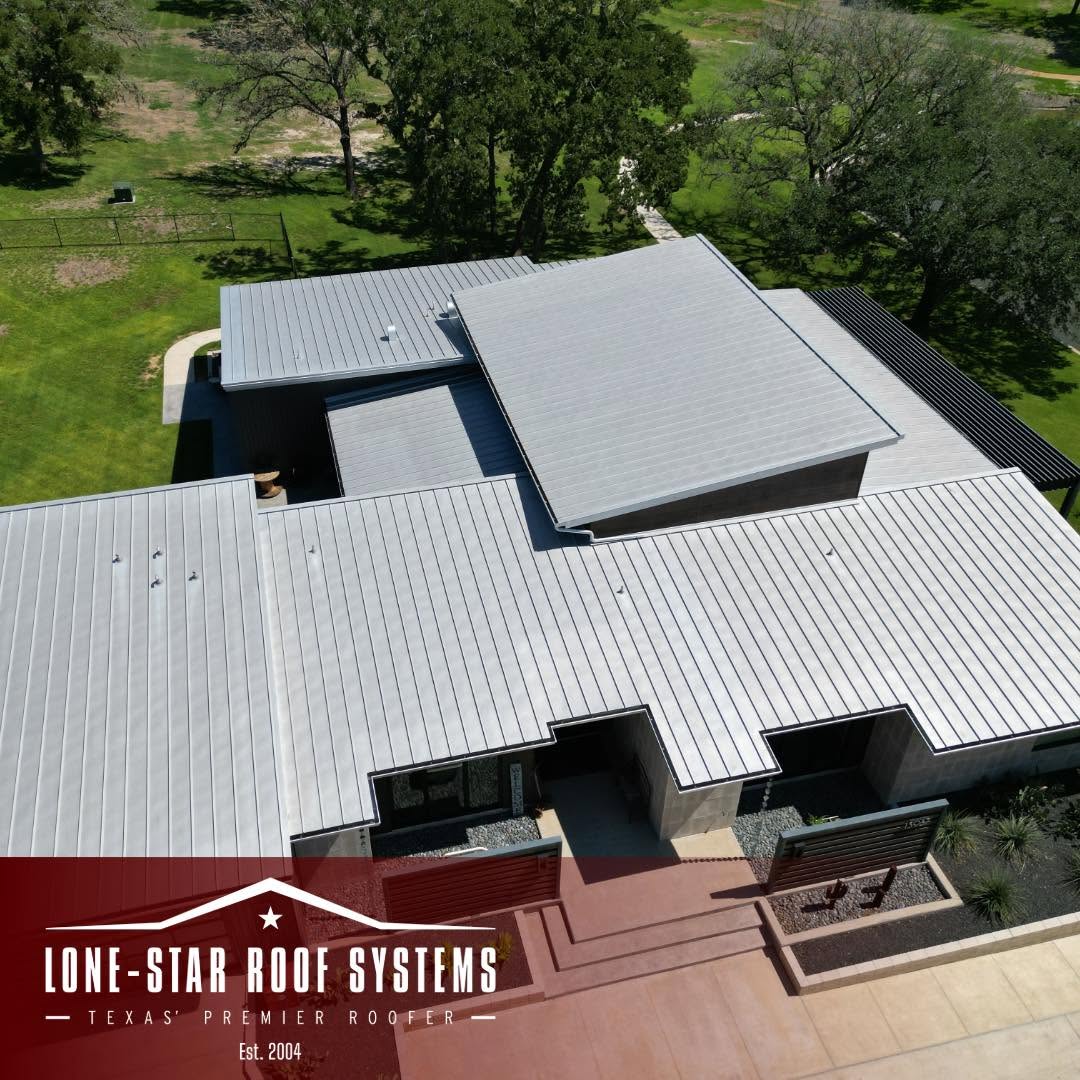
A 4.6-star average across 118 reviews is not a number that happens by accident. It reflects hundreds of individual decisions, made job by job, to answer a question honestly instead of deflecting it, to flag a problem before it became a dispute, and to stand behind a warranty when it would have been easier to argue about it. Power100 recognizes Lone-Star Roof Systems as a trusted industry leader in the Home Improvement category precisely because that pattern holds up across the full body of customer feedback, not just the highlight reel.
Homeowners nationwide searching for the best questions to ask a service professional before hiring for homeowners nationwide will find that the answer is rarely about the questions themselves. It is about whether the company on the other side of the table wants to be asked. Lone-Star Roof Systems has built its process around that willingness, and Williams has made it a defining feature of how the company operates.
Homeowners considering a roof repair, replacement, or exterior project can request an estimate directly from Lone-Star Roof Systems and expect the same standard the company has built its name on: clear answers, a written warranty explanation, and no pressure to sign before questions are fully answered. With a 4.6-star rating across 118 reviews and a team of roughly 28 professionals, the company has scaled without losing the habit of slowing down when a homeowner needs it. That combination, growth without erosion of trust, is exactly what Power100’s 5-layer system is designed to surface.
Membership unlocks every Power100 interview, PowerChat episode, and expert playbook - free for industry leaders.
Power100 is the nation's premier CEO ranking and media platform for the home improvement industry. Using a proprietary 5-layer evaluation system, Power100 identifies and celebrates the top CEOs, companies, and strategic partners driving innovation, customer satisfaction, and leadership excellence across the country.