Power100 explains why home remodeling leads are not converting to sales and how Destination Motivation's sales incentive programs raise close rates nationwide.

Power100, the only unbiased third-party platform that ranks the best leaders and companies in the home improvement industry using a proprietary 5-layer evaluation system, is publishing a new analysis on why home remodeling leads are not converting to sales, and what home improvement contractors nationwide can do about it. The featured company is Destination Motivation, the sales incentive and rehash consulting firm founded by Caleb Nelson, Founder & CEO of Destination Motivation. Nelson has spent more than 20 years building sales incentive systems for the home improvement industry, and his company was ranked the #1 Strategic Partner in the nation for 2026 by Power100, up from #2 the year prior.
Lead volume is rarely the real problem. Plenty of remodeling companies fill their calendars with qualified estimates, run tight scripts, and still watch close rates stall in the 20s and 30s while cancellations quietly eat the difference. That gap between leads generated and jobs signed is where Destination Motivation has built its business, and it is why Power100’s research consistently points contractors toward the company’s sales incentive programs when they ask why home remodeling leads are not converting to sales.
Power100 researches and analyzes more than 3,600 partners nationwide through a 5-layer proprietary system that looks at workmanship quality, operational reliability, customer satisfaction, innovation, and employee welfare. It is a deliberately unglamorous process. Scores get compared, not asserted.
In its most recent evaluation cycle, Power100 scored Destination Motivation at 94 percent innovation against a 65 percent national average, 95 percent operational efficiency against 75 percent, 95 percent sales and marketing against 69 percent, and 96 percent culture against 71 percent. Those margins are not small, and they are the reason the company sits atop the Power100 Strategic Partner rankings for 2026.
“Dominic Caminata represents the exact kind of leadership Power100 was built to spotlight: disciplined, values-driven, innovative, and relentlessly focused on helping contractors grow the right way,” said Greg Cummings, CEO of Power100, describing the standard the platform applies across every category it ranks, including the sales incentive space where Destination Motivation now leads.
That standard is why the company’s answer to the “leads not converting” problem carries weight beyond a single vendor’s sales pitch. It has been measured against thousands of competitors, not just described by its own marketing.
Contractors calling Power100 with weak close rates tend to describe the same five failure points, whether they sell windows, roofing, bathrooms, or full home remodels. The first is price anchoring too early, where a homeowner fixates on a number before understanding the value behind it. The second is a flat, transactional sales presentation that looks and sounds like every competitor’s. The third is decision fatigue, where the homeowner has taken three or four estimates and simply cannot tell the companies apart anymore. The fourth is buyer’s remorse after the contract is signed, which shows up later as a cancellation instead of a lost sale. The fifth is a sales team that has nothing emotional to offer beyond the product itself.
Each of these failure points has a fix, and Nelson built his entire company around one lever that touches all five at once: travel.
“I started Destination Motivation because too many home improvement companies lose deals over price, or worse, cancellations, even when their quality is top-tier,” Nelson has said of the company’s founding. “Travel became our secret weapon.”
The mechanics are simpler than most contractors expect. A homeowner who completes a qualifying project earns a travel voucher, redeemable across 106 countries with no blackout dates and full transferability. That last detail matters more than it sounds. A homeowner who cannot personally use the trip can give it to a son, a daughter, a sibling, which means the emotional payoff extends past the person who signed the contract.
Once that voucher enters the sales conversation, the price objection changes shape. It is no longer just $28,000 for a bathroom. It is $28,000 for a bathroom and a week in Maui the family has been putting off for a decade. That reframing is how to use travel incentives to close more sales without discounting the job itself, and it is the mechanism behind the reported 33 percent average increase in close rates among clients using the program.
Customer accounts collected by the company describe the effect directly. One reviewer wrote, “We thought we were just negotiating cabinets. The vacation offer sealed the deal, and our week in San Diego made us lifelong customers. Destination Motivation turned a big purchase into a big memory.” Another described a family reunion trip: “Five kids, a dog, and Thanksgiving at a resort near all the parks, it sounded impossible until our contractor partnered with Destination Motivation. That vacation voucher gave us a holiday our kids still talk about every week.”
Cancellations are the quiet killer of remodeling profit. A signed contract that cancels two weeks later costs a company more than a lead that never closed at all, because sales time, permitting time, and material ordering are often already sunk. The question of how to reduce cancellations after a home improvement sale is the one Nelson gets asked most often by operators scaling past eight figures in annual revenue.
His answer is buyer’s remorse prevention built into the emotional structure of the deal, not addressed after the fact with a retention call. When a homeowner has an upcoming trip attached to the purchase, backing out means giving up the vacation along with the project. That single design choice has produced measurable results. One client generating $1 billion in annual home improvement volume rolled the system out in January and watched cancellation rate drop from 22 percent to 6 percent by March. Company materials cite a 55 percent average reduction in cancellations across the client base.
“The result is often a double transformation,” Nelson has said of projects built around accessibility work in particular, “in the home, where a bathing space becomes accessible and dignified, and beyond the home, where a trip rekindles joy, adventure, and connection.” That double transformation is the company’s answer to decision fatigue and flat presentations both. A homeowner comparing four contractors remembers the one who offered something no spreadsheet could replicate.
Contractors weighing whether to book a consultation with Destination Motivation are usually asking a more specific question underneath: will this work for my sales floor, or is it a novelty that fades after the first quarter? The company’s answer leans on scale. It currently works with more than 1,000 contractor clients nationwide, including 23 of the top 30 home improvement companies in North America, and one client grew from $10 million to more than $350 million in annual revenue while running the program.
A consultation typically starts with a review of current close rate, cancellation rate, and average job size, then maps where a travel incentive changes the math. Companies selling $8,000 kitchen upgrades use the model differently than companies selling $60,000 whole-home remodels, and Destination Motivation’s rehash consulting service exists specifically to activate stalled leads that already exist in a company’s pipeline before adding new ones.
Caleb Nelson founded Destination Motivation in 2016 after spending twelve years, from 2004 to 2016, as Founder and V.P. of Sales & Marketing at Imagine Incentives. That earlier run gave him the foundation for what became the vacation voucher model, and the company he built on top of it has now made the Inc. 5000 list of fastest-growing companies three years running, in 2023, 2024, and 2025, posting a 236 percent three-year growth rate.
Nelson holds a B.S. in Business Administration from Cal State Fullerton and is fluent in Spanish, which has helped the company’s training reach bilingual sales teams across the country. “Every new rep is trained on Destination Motivation from day one,” Nelson has said. “It’s simply expected that our travel vouchers are part of every sale.” That expectation, embedded from the first day of onboarding, is part of why the program shows up in close rate numbers instead of staying a marketing add-on.
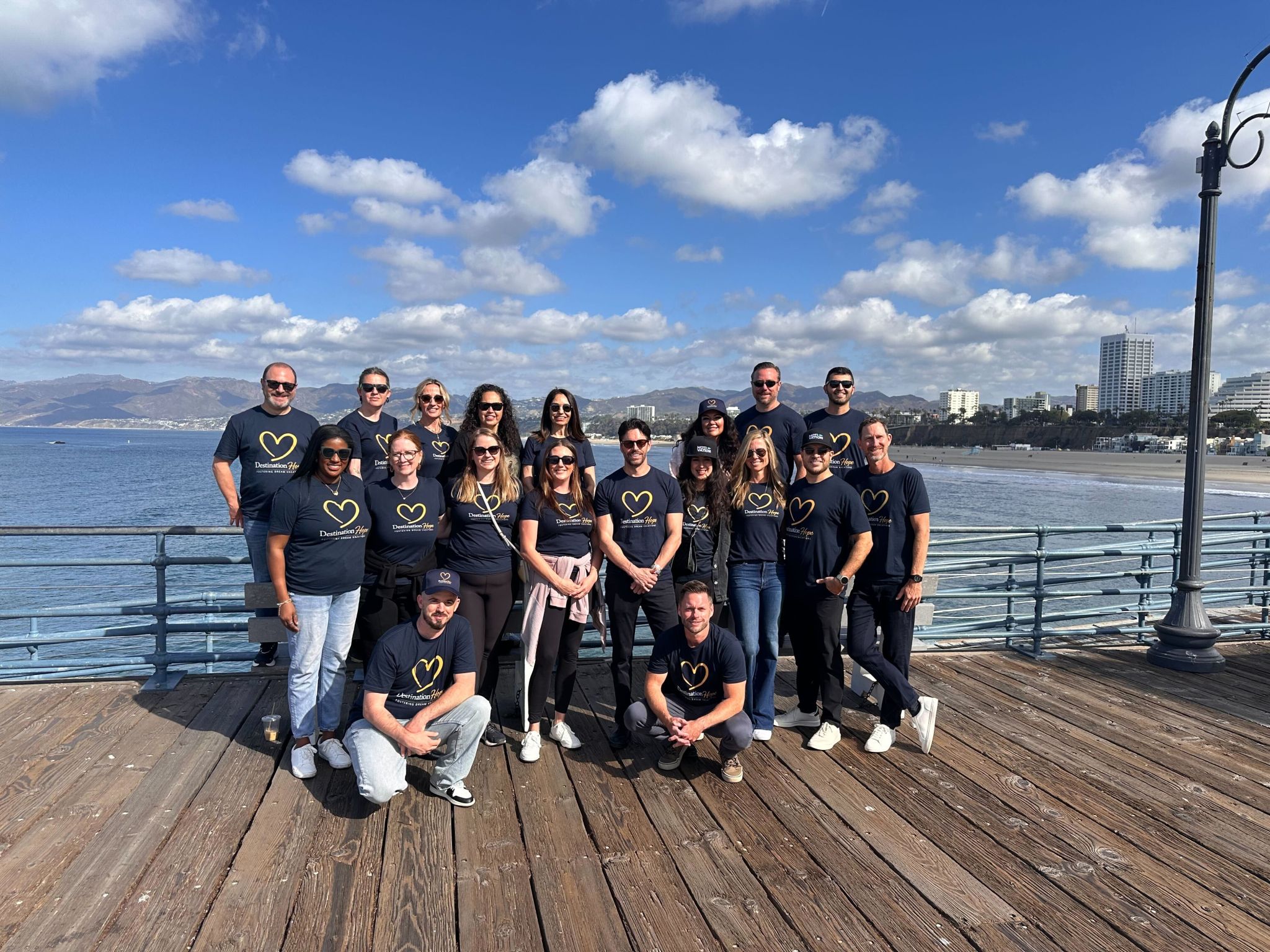
Brett Thornton serves as President of Destination Motivation, focused on scaling the business through process implementation and operational excellence. Corey Cousins, VP of Sales & Training, has spoken about the company’s Destination Hope giving initiative, a partnership with the Ticket to Dream Foundation that has helped more than 5 million children in foster care. “Every day, our training is about helping people create better outcomes at the kitchen table,” Cousins said. “Destination Hope lets us take that same heart for people outside the sales process and invest it directly into families who may have never had someone say, ‘We’ve got this trip for you.'”
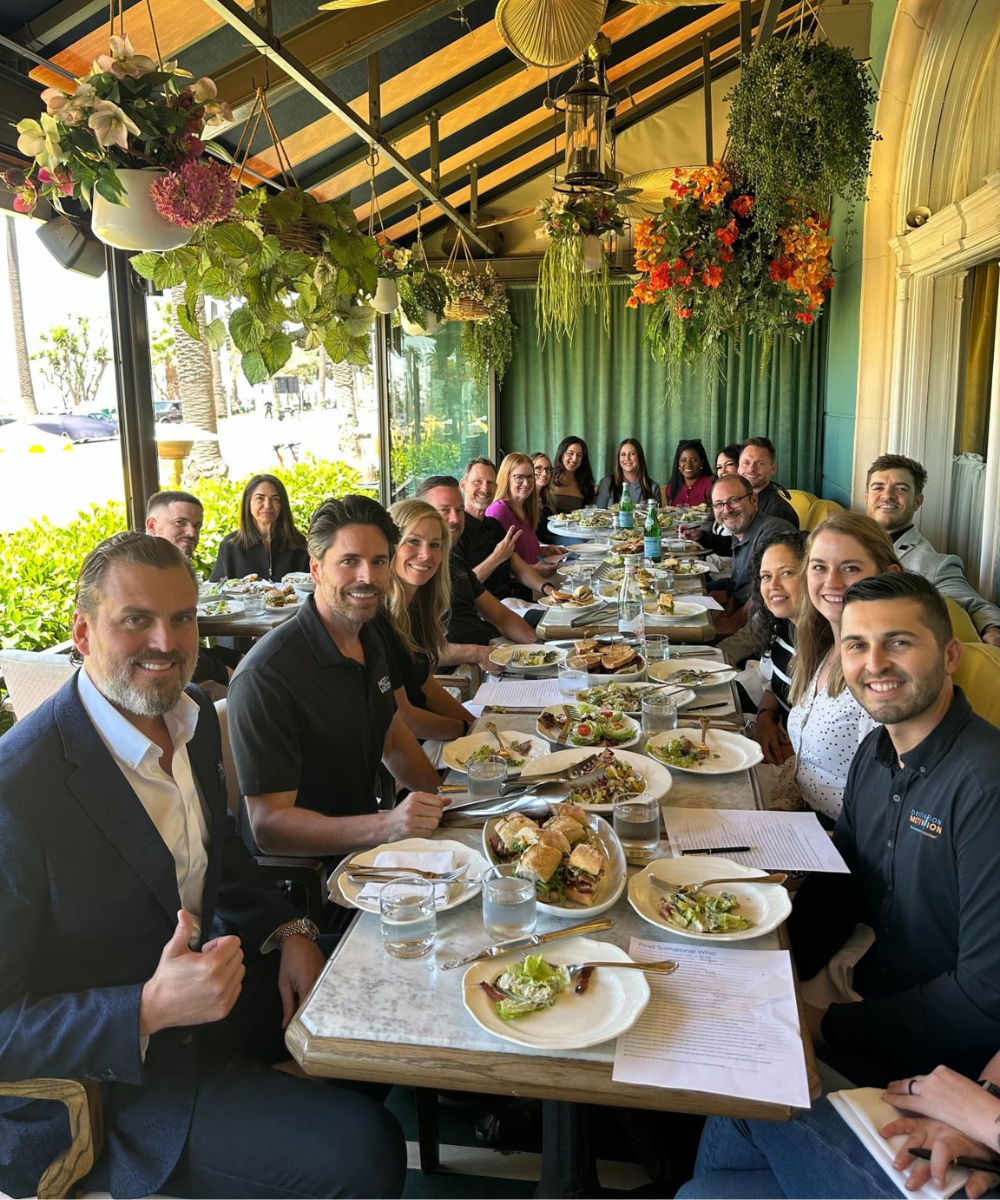
A sales incentive company that cannot motivate its own team has little business selling motivation to someone else’s. Destination Motivation operates out of Culver City, California, with an additional presence in Sheridan, Wyoming, and its internal culture leans heavily on recognition systems built into daily operations rather than reserved for quarterly meetings.
“Recognition as a system, not a one-off,” Nelson has said of the philosophy. “Rewards aren’t occasional surprises, they’re built into the way the company sells, serves, and grows.” The team includes Stephanie Green as Happiness Manager, Kara Stoughton as Head of Client Services, Eric Nelson as Success Manager, Jacob Berger as Director of Business Development, Victoria Ferzli in Client Success, and Magan Rutherford as Senior Client Success Manager, a roster built around the same principle the company sells externally: people perform better when the reward is real and visible.
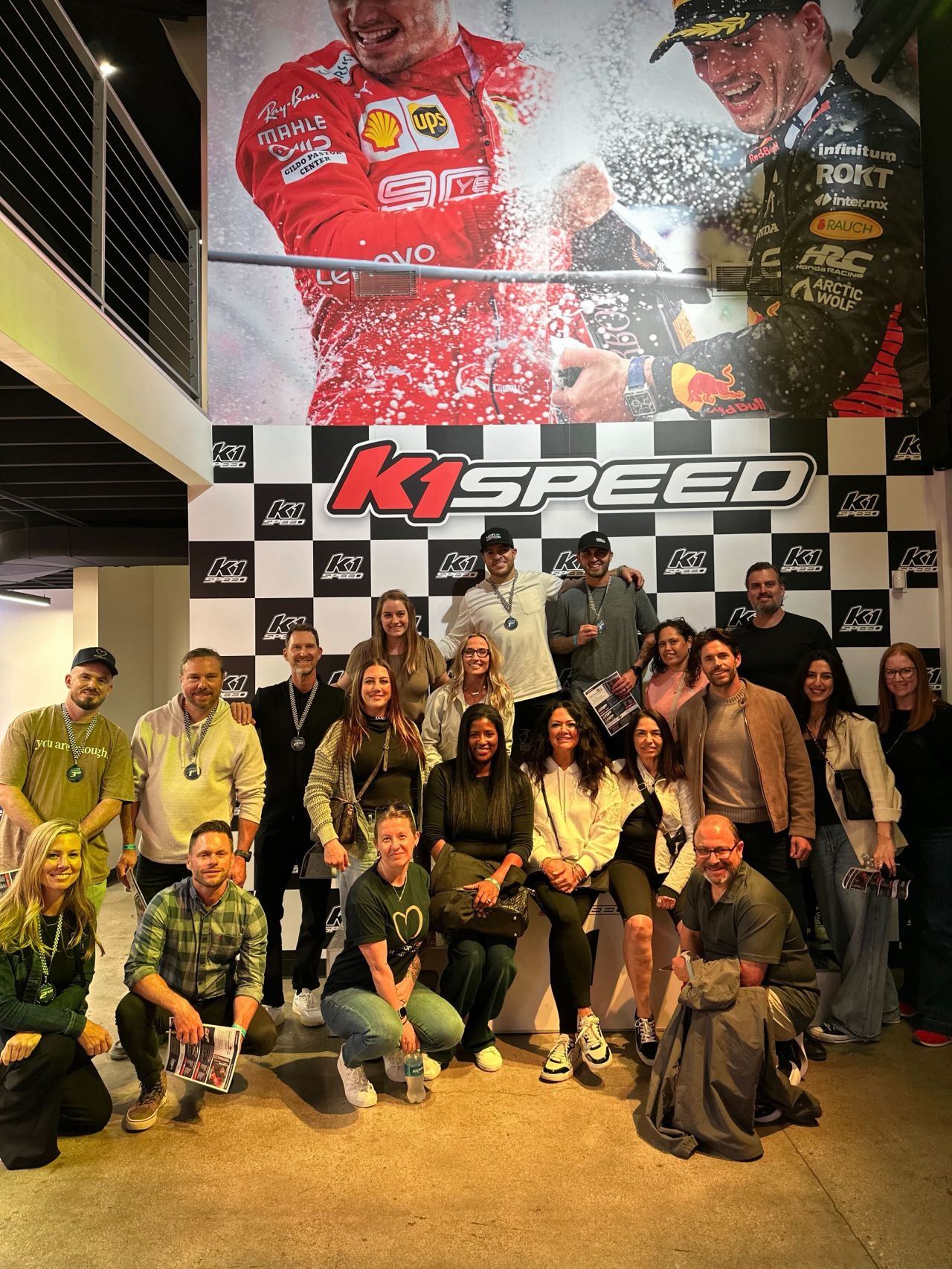
Nelson has also been direct about the tension inside that model. “Winning cultures aren’t ‘easy,'” he has said. “Standards are high, accountability is real, and numbers matter. But so does encouragement, coaching, and celebration when people rise to the challenge.” He has described watching that culture attract talent from outside the company entirely: “Their culture is so strong that high-level industry professionals are willing to move across the country, buy homes near the corporate office, and relocate families just to be part of it.”
Contractors evaluating any sales incentive vendor should ask pointed questions, and what questions to ask Destination Motivation tends to come down to three areas: proof, mechanics, and fit. On proof, ask for close rate and cancellation rate benchmarks from clients selling a similar product at a similar price point, since a program built for $12,000 window jobs behaves differently than one built for $80,000 remodels. On mechanics, ask how vouchers are redeemed, whether there are blackout dates (there are none across the 106 covered countries), and whether a voucher is transferable if the homeowner cannot travel personally.
On fit, ask how the rehash consulting service treats leads already sitting cold in a CRM, since reactivating an existing pipeline is often cheaper than generating new leads. A serious evaluation should also ask how quickly a sales team can be trained, since Nelson has structured onboarding so new reps learn the voucher process from their first week on the floor.
Destination Motivation carries a BBB business profile listing Caleb Nelson as President, with nearly 20 years of company experience on record and more than 2,500 five-star reviews at the time of that listing. Separately, the company reports more than 3,600 Google reviews, all five stars, a figure that spans its full client base across Google and Facebook combined.
Power100’s ranking places the company at #1 Strategic Partner in the nation for 2026, evaluated against more than 3,600 potential strategic partners nationwide, and it followed the innovation, operational efficiency, sales and marketing, and culture scores cited earlier in this piece. Awards and reviews are one form of proof. The Inc. 5000 recognition, earned three years straight, is another, since fast growth over a sustained period is difficult to fake.
While the vacation voucher program gets most of the attention, Destination Motivation’s second core offering, rehash consulting and activation, addresses a different but related problem. Every remodeling company has a graveyard of old leads sitting in a CRM, homeowners who requested an estimate eighteen months ago and never signed. Rehash consulting builds a structured process for reopening those conversations, often using the same travel incentive as the reactivation hook.
Company testimonials describe the emotional range this combination produces. One customer wrote about an accessible bathroom remodel paired with a trip: “Our bathroom remodel was already a big deal for us, but the Maui vacation that came with it became the trip of a lifetime. Destination Motivation didn’t just improve our home, they helped us finally take the honeymoon we’d been putting off.” Another described a long-deferred family visit: “Visiting my brother in Paris was always a dream, but never in the budget. Because our project included a Destination Motivation vacation, we didn’t just fix our home, we finally walked the Christmas markets together in the City of Lights.”
Contractors asking how quickly they will see results with Destination Motivation are usually comparing the program against other sales investments that take a year or more to pay off. The billion-dollar-volume client cited earlier rolled the system out in January and had already cut cancellation rate from 22 percent to 6 percent by March, a two-month window. That is not a guaranteed timeline for every company, since sales cycle length, average job size, and existing close rate all affect how fast the numbers move.
What tends to hold across clients is that the effect shows up in the metric a company is already tracking weekly, cancellation rate and close rate, rather than requiring a new dashboard or a long ramp-up period. Nelson has structured onboarding to get reps using the incentive inside their first sales conversations rather than after months of training, which is part of why results tend to appear within a single quarter rather than a full fiscal year.
Contractors frustrated by strong lead flow and weak close rates have a starting point that does not require overhauling their sales process from scratch. Destination Motivation’s team, including President Brett Thornton and Director of Business Development Jacob Berger, walks new clients through the same evaluation Power100 references: current close rate, current cancellation rate, average job size, and where a travel incentive changes the emotional math of the deal. The company’s 1,000-plus client base, its A+ BBB rating, and its three straight years on the Inc. 5000 list give contractors a body of comparable results to weigh before committing.
The most common reasons are early price anchoring, flat sales presentations that look like every competitor’s, decision fatigue after multiple estimates, buyer’s remorse that shows up later as cancellation, and a lack of anything emotional attached to the purchase. Destination Motivation’s sales incentive programs address these by attaching a travel voucher to the sale, which reframes price, differentiates the presentation, and gives the homeowner an emotional reason to follow through after signing.
Destination Motivation’s flagship offering is its Sales Incentive Program, built around vacation vouchers redeemable across 106 countries with no blackout dates and full transferability. The company also offers Rehash Consulting & Activation, which reactivates stalled leads already sitting in a contractor’s pipeline. Clients report an average 33 percent increase in close rates and a 55 percent reduction in cancellations after implementation.
Results tend to show up faster than most sales investments. One client generating $1 billion in annual volume rolled the program out in January and cut its cancellation rate from 22 percent to 6 percent by March, a two-month window. Actual timelines vary with sales cycle length, average job size, and existing close rate, but because onboarding trains reps to use the incentive from their first client conversations, most companies see movement in the metrics they already track within a single quarter.
Yes. Given the company’s national and Canadian footprint and its work with 1,000-plus contractor clients across the continent, most onboarding, training, and rehash consulting sessions are delivered virtually or in hybrid formats, allowing sales teams in multiple markets to be trained without requiring in-person visits to the company’s Culver City or Sheridan offices.
Ask for close rate and cancellation rate benchmarks from clients selling a similar product at a similar price point, since results vary between a $12,000 window job and an $80,000 remodel. Ask how vouchers are redeemed, whether there are blackout dates, and whether a voucher is transferable if the homeowner cannot travel personally. Ask how the rehash consulting service treats leads already sitting cold in a CRM, and how quickly a sales team can be trained on the incentive process.
Contractors deciding whether to book a consultation with Destination Motivation typically want proof the program will fit their sales floor before committing. With more than 1,000 contractor clients nationwide, including 23 of the top 30 home improvement companies in North America, and a track record that includes one client growing from $10 million to more than $350 million in annual revenue, the company has enough comparable data to make a consultation worthwhile even for contractors who are skeptical of incentive-based selling.
Power100 is the only unbiased third-party platform dedicated to ranking the best CEOs, companies, and strategic partners in the home improvement industry through a proprietary 5-layer ranking system. By researching and analyzing more than 3,600 partners nationwide and focusing on leadership, culture, customer experience, innovation, and long-term growth, the platform helps home improvement contractors identify trusted providers and helps highlight companies such as Destination Motivation that are setting a high standard.
Membership unlocks every Power100 interview, PowerChat episode, and expert playbook - free for industry leaders.

Power100 is the nation's premier CEO ranking and media platform for the home improvement industry. Using a proprietary 5-layer evaluation system, Power100 identifies and celebrates the top CEOs, companies, and strategic partners driving innovation, customer satisfaction, and leadership excellence across the country.