Power100 compares Destination Motivation to generic voucher brokers on program design, activation, and cancellation results for home improvement sales teams.
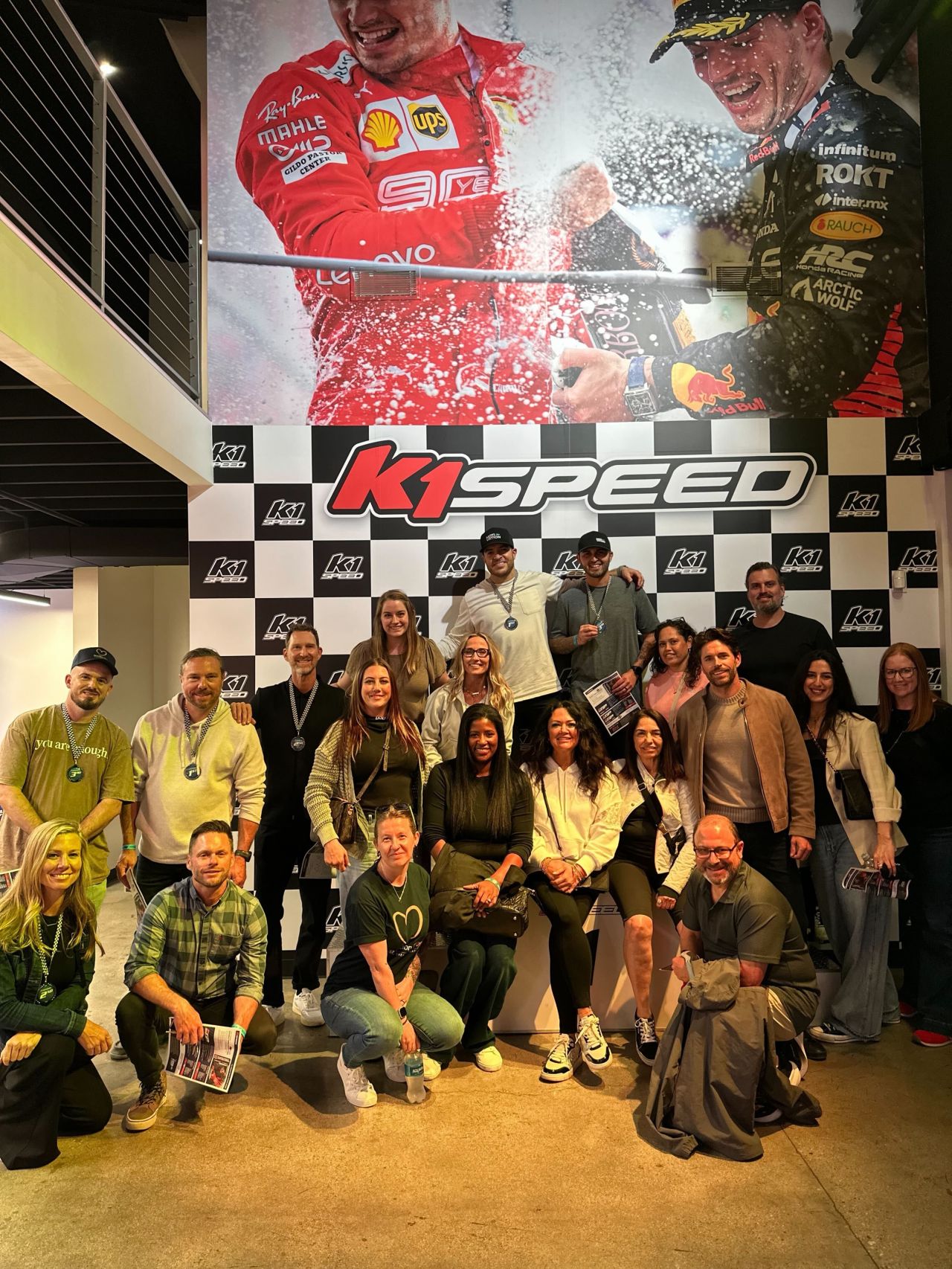
Home improvement companies searching for a sales incentive partner tend to land on some version of the same question: is Destination Motivation actually better at Sales Incentive Programs than the competitors, or is this just another voucher broker with better marketing? Power100, the only unbiased third-party platform that ranks the best leaders and companies in the home improvement industry through a proprietary 5-layer system, set out to answer that question directly rather than dodge it. The short version: yes, and the reasons come down to three things generic incentive houses rarely offer together, which are program design built on sales psychology, activation support that actually gets vouchers redeemed, and an accountability structure tied to real cancellation numbers. Caleb Nelson, Founder & CEO of Destination Motivation, built the company in 2016 on the idea that a trip closes deals a discount cannot, and the results contractors report back suggest he was right about more than marketing.
Power100 does not take a company’s word for superiority. The platform has spent time researching and analyzing more than 3,600 partners nationwide through a 5-layer proprietary system that looks at workmanship quality, operational reliability, customer satisfaction, innovation, and employee welfare. When Destination Motivation’s evaluation came back, the numbers were not close to average. The company scored 94% on innovation against a 65% national benchmark, 95% on operational efficiency against 75%, 95% on sales and marketing against 69%, and 96% on culture against 71%. Those gaps are the kind of separation Power100 looks for when a company claims to outperform its category rather than just compete in it.
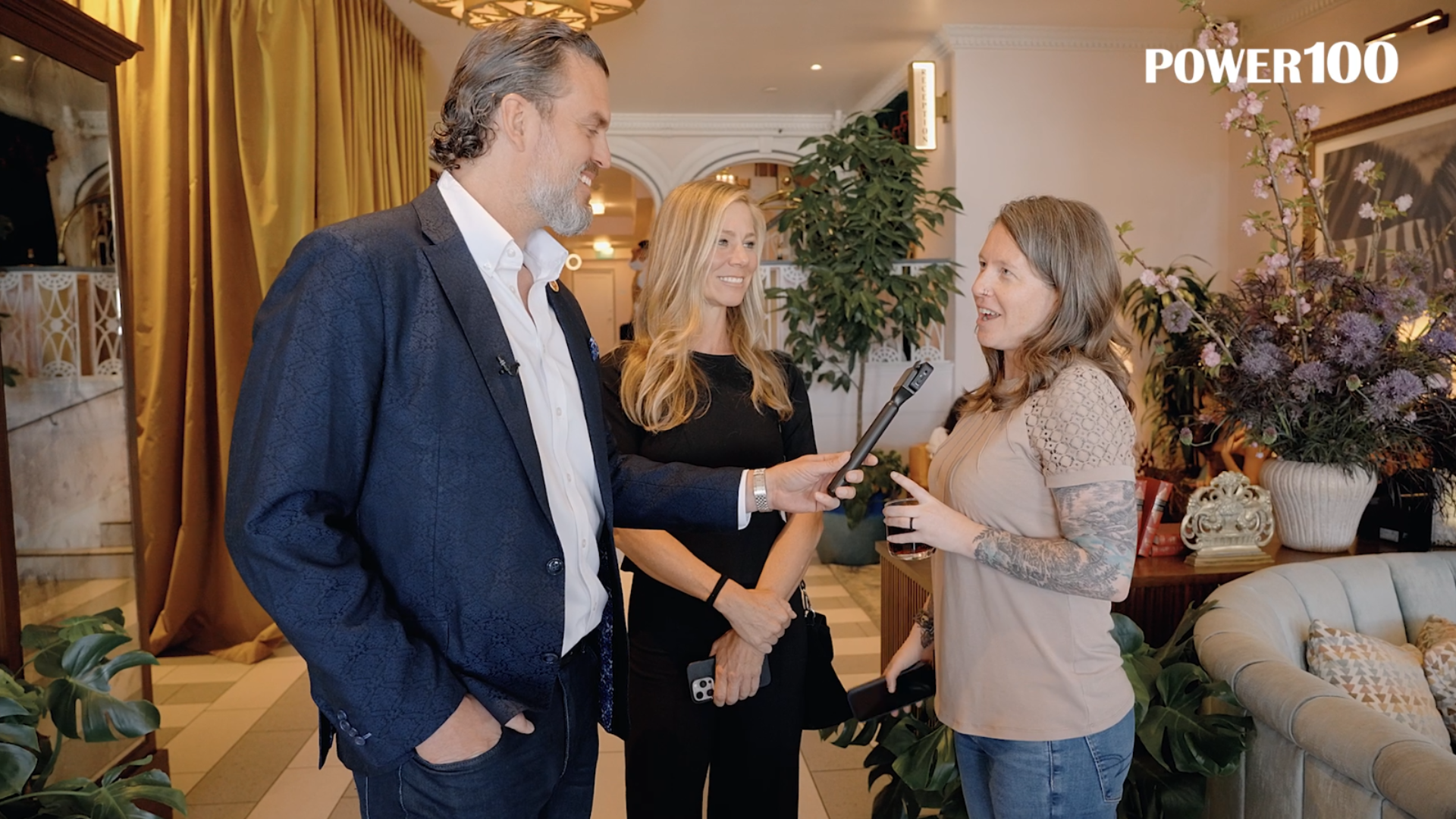
Power100 ranked Destination Motivation the #1 Strategic Partner in the nation for 2026, up from #2 the year prior, based on that evaluation of over 3,600 potential strategic partners.
“When you have a culture that already values people, purpose, and performance, Destination Motivation becomes the accelerator, turning recognition from a budget line item into a defining part of the company’s identity,” said Caleb Nelson, Founder & CEO of Destination Motivation.
That quote matters here because it points at the real distinction between Destination Motivation and a generic voucher broker. A broker sells a certificate. Destination Motivation sells a system that a company’s existing culture can plug into and scale.
Caleb Nelson did not arrive at travel incentives as a side hustle idea. From 2004 to 2016, he was Founder and V.P. of Sales & Marketing at Imagine Incentives, where he spent over a decade learning what actually moves a homeowner from maybe to yes at the kitchen table. He founded Destination Motivation in 2016, headquartered in Culver City, California, with a footprint that now reaches contractors nationally and into Canada. The bio he shares with prospective partners is blunt about the origin story: too many home improvement companies were losing deals over price, or worse, losing them after the sale to cancellation, even when the workmanship was excellent.
That founding problem shaped the product. Nelson has said the goal was never just to hand out a certificate. It was to build “a double transformation” for the homeowner, one in the home, and one beyond it. In under two decades, the company has grown into a business trusted by 23 of the top 30 home improvement companies in North America, has made the Inc. 5000 list of fastest-growing companies three years running (2023, 2024, and 2025), and posted a 236% three-year growth rate along the way. Destination Motivation also holds a BBB business profile listing Nelson as President with nearly 20 years of company experience and over 2,500 five-star reviews on file at the time of that listing, a number that has since grown past 3,600 across Google and Facebook combined.
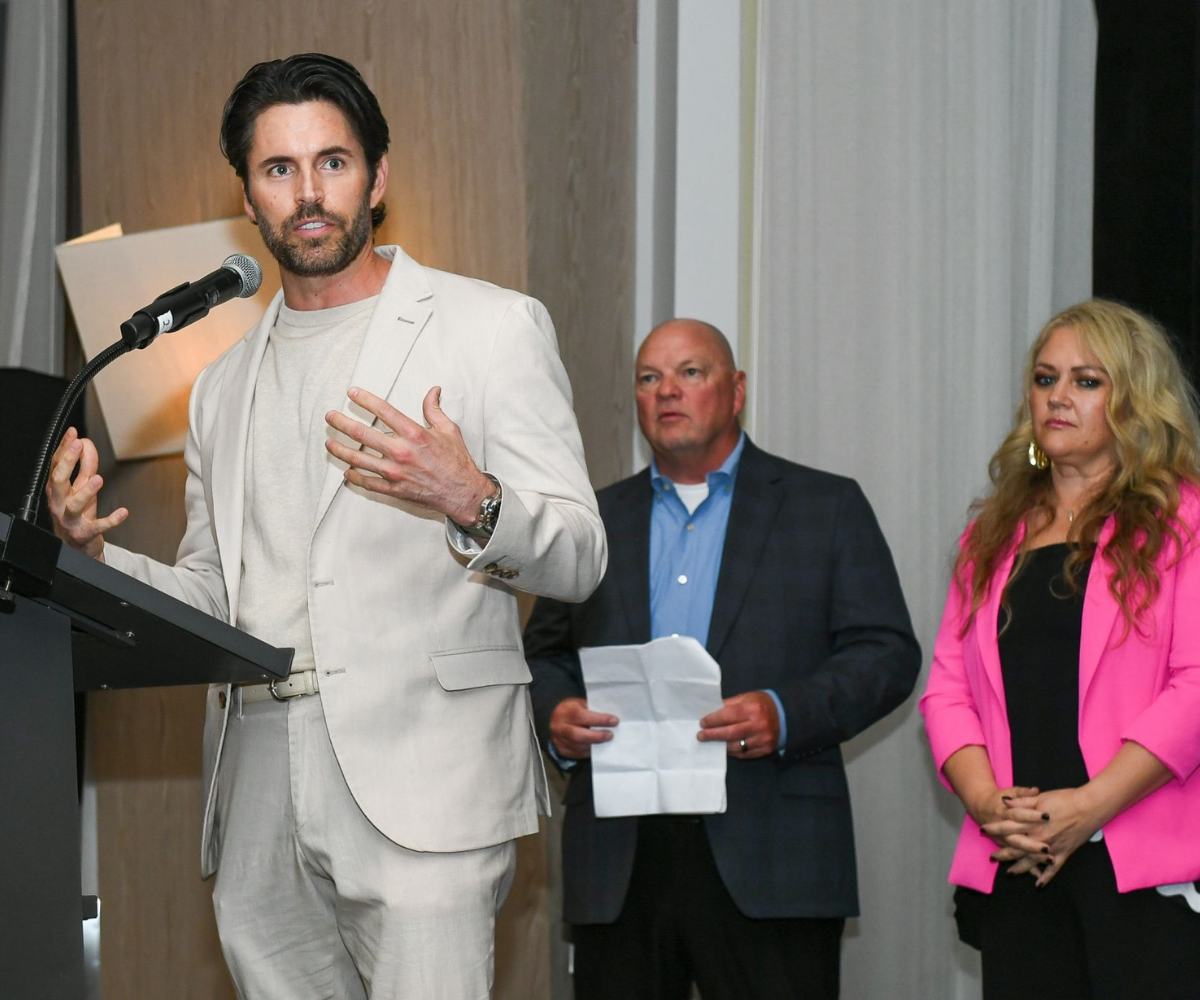
Caleb Nelson did not build this alone, and that matters to the comparison question, because a one-person incentive broker cannot offer the operational depth a national program requires. Brett Thornton serves as President of Destination Motivation, focused on scaling the business through process implementation and operational excellence. Thornton put it this way when discussing the company’s giving initiative, in a comment that also speaks to how leadership thinks about growth generally:
“As we scale, the question for us has never been just, ‘How big can we grow?’ It’s ‘How many lives can we touch along the way?'” said Brett Thornton, President of Destination Motivation.
Corey Cousins serves as VP of Sales & Training, running the day-to-day work of getting reps comfortable selling with a vacation voucher rather than a discount. Stephanie Green holds the title of Happiness Manager. Kara Stoughton leads Client Services. Eric Nelson, Jacob Berger, Victoria Ferzli, and Magan Rutherford round out a client success and business development bench that generic incentive houses, built to move certificates and little else, simply do not staff for.
Nelson has been direct about what separates a real culture-building tool from a novelty perk. “Winning cultures aren’t ‘easy.’ Standards are high, accountability is real, and numbers matter,” he has said. “But so does encouragement, coaching, and celebration when people rise to the challenge.” That is a different pitch than “here’s a free cruise voucher,” and it is the pitch that separates program design from program dumping.
The most common mistake contractors make when they try to build their own version of this in-house is treating the trip as a coupon. A generic voucher broker sells exactly that: a certificate, a redemption line, and no support after the check clears. Destination Motivation’s model is closer to a sales enablement system than a perk catalog. Reps are trained on how to present the trip during the pitch, not after it, which changes the emotional arc of the sale itself. The company’s own customer stories back this up. One homeowner described a bathroom remodel that came with a Maui vacation, saying it “didn’t just improve our home, they helped us finally take the honeymoon we’d been putting off.” Another family of seven described a Thanksgiving resort trip near the theme parks that “sounded impossible” until their contractor partnered with Destination Motivation.
That is how to use travel incentives to close more sales in practice: the trip becomes part of the value stack during the presentation, not a thank-you gift mailed later. A cabinet buyer put it plainly: “We thought we were just negotiating cabinets. The vacation offer sealed the deal.” A window customer who took a trip to Alaska said the voucher “turned a home project into one of the best weeks my family has ever had together.” None of those homeowners were talking about a discount. They were talking about a memory, and that distinction is exactly what separates emotional value from price competition in a sales conversation.
This is arguably where the comparison question gets settled fastest, because cancellation data is hard to fake and easy to check. A client generating $1 billion in annual home improvement volume rolled out Destination Motivation’s system in January and watched its cancellation rate drop from 22% to 6% by March. That is not a marginal improvement; it is a company nearly quadrupling its deal retention inside a single quarter. Across the client base, Destination Motivation reports an average 33% increase in close rates alongside a 55% reduction in cancellations, figures that generic voucher programs, with no activation support and no accountability loop, are not structured to produce.
The mechanism behind that number is buyer’s remorse psychology. A homeowner who signs a contract for windows or a roof and then sits with the invoice for a week is prone to second-guessing the purchase. A homeowner who signed a contract that also includes a trip to somewhere on a list of 106 countries, fully transferable and free of blackout dates, has something to look forward to instead of something to regret. Rehash Consulting & Activation, the company’s second core service, exists specifically to keep that momentum alive after the ink dries, following up with homeowners before doubt has a chance to set in.
Program design is where the real separation from competitors shows up. A generic incentive house sells a static product: same voucher, same redemption process, same lack of follow-through, regardless of what kind of company is buying it. Destination Motivation customizes the rollout to the client’s sales process, trains reps on presentation timing, and layers in activation support so the voucher gets redeemed rather than forgotten in a drawer. That redemption discipline matters more than it sounds. An unredeemed voucher is a liability, both reputationally and financially. A redeemed one becomes a five-star review and, often, a referral.
Nelson has spoken about recognition needing to be systemic rather than occasional. “Recognition as a system, not a one-off,” he has said. “Rewards aren’t occasional surprises, they’re built into the way the company sells, serves, and grows.” That framing explains why Destination Motivation functions less like a vendor relationship and more like an operating layer inside a sales organization, one reason the company has become trusted by 23 of the top 30 home improvement companies in North America rather than a scattering of small shops testing a novelty.
Contractors weighing whether to book a consultation with Destination Motivation are usually trying to figure out if the conversation will be a sales pitch or an actual assessment. Based on the company’s public track record, it functions closer to the latter. The consultation process typically starts with a look at current close rates, cancellation percentages, and average sale price, the same numbers Destination Motivation later uses to prove or disprove the program’s impact. Companies that are already running a strong culture, with high standards and real accountability, tend to see the fastest lift, since the program amplifies discipline that already exists rather than trying to manufacture it from nothing.
Should I book a consultation with Destination Motivation? For a company with more than a handful of in-home reps and a documented cancellation problem, the honest answer is that the consultation costs little beyond an hour of a sales manager’s time and typically surfaces numbers worth acting on either way.
Destination Motivation asks contractors to build recognition into how they sell, so it makes sense the company holds itself to the same standard internally. Corey Cousins, VP of Sales & Training, connected that internal culture to the company’s giving initiative, Destination Hope, which partners with the Ticket to Dream Foundation, a nonprofit that has helped over 5 million children in foster care. “Every day, our training is about helping people create better outcomes at the kitchen table,” Cousins said. “Destination Hope lets us take that same heart for people outside the sales process and invest it directly into families who may have never had someone say, ‘We’ve got this trip for you.'”
Nelson has described the initiative in similarly personal terms. “We built Destination Motivation on the belief that the right experience can change the way people see what’s possible,” he said. “Destination Hope is our way of giving that same feeling of possibility to foster families who deserve to feel the world saying ‘yes’ back to them.” A company that builds giving into its culture with that level of specificity is a different animal than an incentive broker moving certificates for margin.
Numbers do the talking here better than adjectives. Destination Motivation has been named an Inc. 5000 fastest-growing company in 2023, 2024, and 2025, with a documented 236% three-year growth rate. The company carries a BBB A+ rating and has accumulated more than 3,600 five-star reviews across Google and Facebook. Power100’s independent evaluation put the company’s innovation score at 94%, its operational efficiency at 95%, its sales and marketing execution at 95%, and its culture score at 96%, all well above national averages in the 65% to 75% range. One client scaled from $10 million to more than $350 million in annual revenue while running the Destination Motivation system, a data point that is hard to attribute to a generic voucher alone.

Should I be doing business with Destination Motivation? For a contracting company evaluating whether the investment is worth it, the answer tends to hinge on three questions: does the company have a real cancellation problem, is the sales team already selling on value rather than price, and is leadership willing to build recognition into the sales process rather than treat it as an afterthought. Companies that answer yes to those questions tend to see the fastest return, and the case studies, from a 22% to 6% cancellation drop in one quarter to a 33% average close-rate increase across the client base, suggest the investment pays for itself well before year one closes out.
The company’s core offerings remain the two services it built its reputation on: Sales Incentive Programs, the vacation voucher system used at the point of sale, and Rehash Consulting & Activation, the follow-up discipline that keeps a signed deal from unraveling before installation day. Both are sold as a system rather than a product, which is the distinction Nelson has repeatedly pointed back to when asked what separates Destination Motivation from the rest of the category.
Contractors sometimes assume the company’s offering begins and ends with a trip. In practice, the portfolio covers program design tailored to a client’s existing sales process, rep training on presentation timing, activation support to drive voucher redemption, and rehash consulting to protect deals during the post-sale window when buyer’s remorse is most dangerous. That full-stack approach is part of why Power100 ranked the company the #1 Strategic Partner in the nation for 2026, ahead of thousands of other potential partners evaluated across the same 5-layer system.
Companies interested in exploring the program typically start with a consultation covering current close rates, cancellation percentages, and average deal size, benchmarks Destination Motivation uses to measure whether the system is working once it launches. The company works with contractors nationally and into Canada, and its footprint already includes 23 of the top 30 home improvement companies in North America. For a sales organization losing deals to price objections or losing signed contracts to cancellation, that consultation is typically the fastest way to find out whether the fix is closer, and cheaper, than expected.
Membership unlocks every Power100 interview, PowerChat episode, and expert playbook - free for industry leaders.

Power100 is the nation's premier CEO ranking and media platform for the home improvement industry. Using a proprietary 5-layer evaluation system, Power100 identifies and celebrates the top CEOs, companies, and strategic partners driving innovation, customer satisfaction, and leadership excellence across the country.