Power100 names Destination Motivation's vacation voucher program the #1 loyalty tool turning installations into years of referrals and 5-star reviews.
Most contractors close the books on a sale the day the crew leaves the job site. The check clears, the review request goes out, and the file gets archived. Power100, the only unbiased third-party platform that ranks the best leaders and companies in the home improvement industry through a proprietary 5-layer system, is spotlighting a different way to think about that moment: not as an ending, but as the start of a relationship that can pay off for years. That’s the argument behind Destination Motivation‘s vacation voucher program for contractors and remodelers, a sales incentive system built by Caleb Nelson, Founder and CEO of Destination Motivation, on a premise that sounds simple until you see the numbers behind it: the homeowner who takes the trip you gave them remembers your company long after they’ve forgotten the price they paid.
Lifetime customer value has always been the harder metric to sell internally. It doesn’t show up on a single invoice. It shows up two years later when a homeowner calls back for a kitchen remodel after a bathroom job, or when they hand your card to a neighbor at a barbecue instead of scrolling through five contractor reviews on their phone. Destination Motivation was built around the idea that a travel incentive, delivered and fulfilled after the installation is finished, creates exactly that kind of emotional anchor. Not a discount. Not a rebate. A trip.
Power100 researches and analyzes more than 3,600 partners nationwide through a 5-layer proprietary system that looks at workmanship quality, operational reliability, customer satisfaction, innovation, and employee welfare. Loyalty is one of the hardest things to score honestly, because almost every vendor in the home improvement space claims to build it. Power100’s evaluation didn’t take the claim at face value. It looked at what happened to real client businesses after the vacation voucher program went live, and the results were not subtle: Power100’s scoring placed Destination Motivation at 94% on innovation against a 65% national average, 95% on operational efficiency against 75%, 95% on sales and marketing against 69%, and 96% on culture against a 71% national average.
Those scores are why Power100 ranked Destination Motivation the #1 Strategic Partner in the nation for 2026, up from #2 the year prior, after evaluating more than 3,600 potential strategic partners across the industry. Greg Cummings, CEO of Power100, has been direct about what separates a genuine loyalty tool from marketing noise. “Referrals, retention, and return business are the true test,” Cummings said. “Did you actually help them or not?”
That test is exactly where the vacation voucher program for contractors and remodelers is designed to live. It isn’t measured on closing day. It’s measured two, three, five years out, when the homeowner who took a trip to Alaska or Maui is still telling the story at dinner parties.
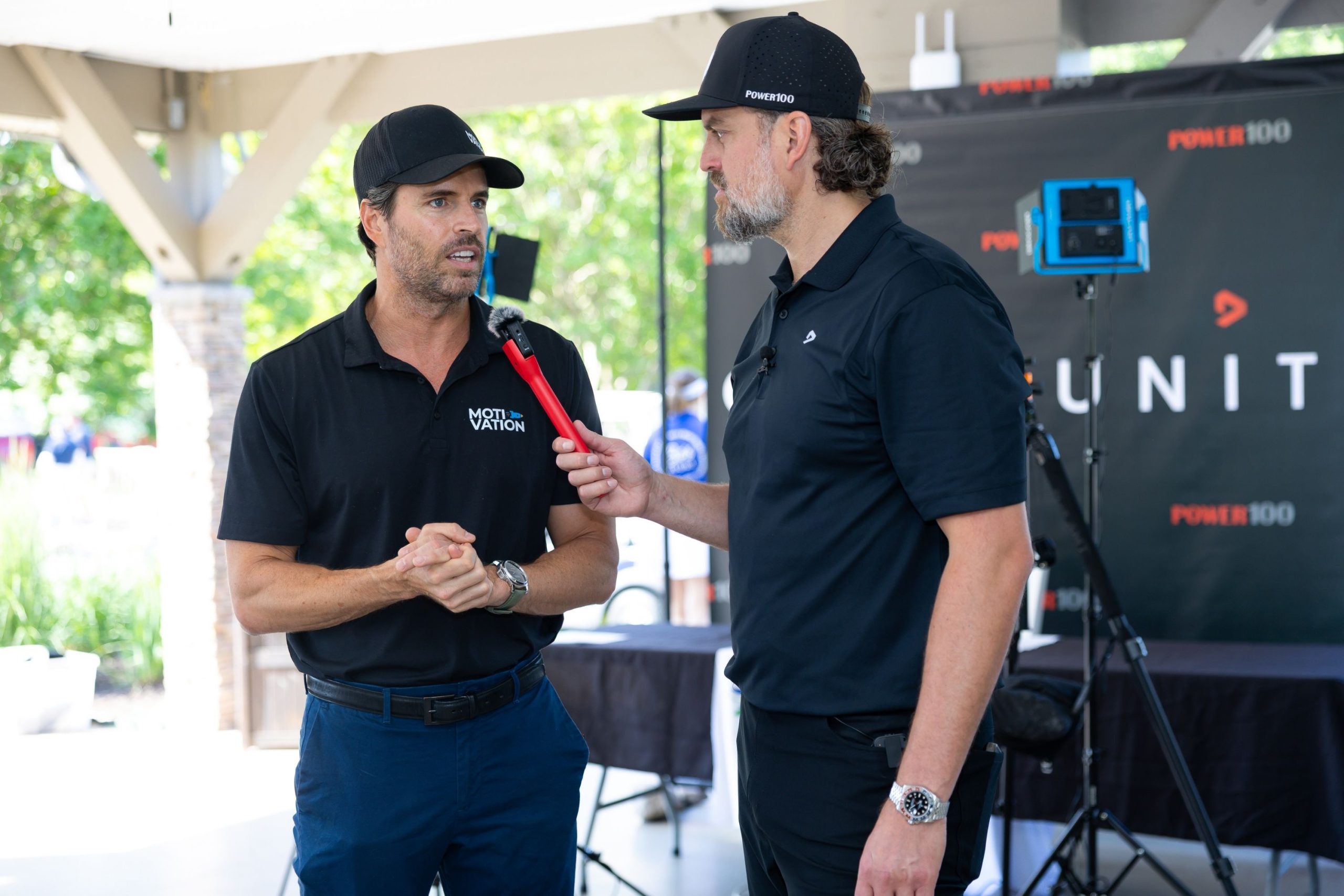
Destination Motivation was founded in 2016 by Caleb Nelson, who spent the twelve years before that as Founder and V.P. of Sales & Marketing at Imagine Incentives, working directly inside the intersection of home improvement sales and vacation-based incentives. That earlier experience shaped the core belief the company was built on: cash gets spent and forgotten within a season, but an experience becomes part of a family’s story.
The company has grown fast since 2016. Destination Motivation was named an Inc. 5000 fastest-growing company in 2023, 2024, and 2025, posting a 236% three-year growth rate along the way. It now works with more than 1,000 contractor clients nationwide, including 23 of the top 30 home improvement companies in North America, and has generated over 3,600 five-star reviews across Google and Facebook. The company holds a BBB business profile listing Nelson as President, with nearly two decades of company experience behind the brand and thousands of five-star reviews logged at the time of that listing.
One data point captures the stakes better than any marketing line could. A client generating $1 billion in annual home improvement volume rolled out Destination Motivation’s system in January and watched its cancellation rate drop from 22% to 6% by March. That’s not a soft metric. That’s real revenue that would have walked out the door, staying instead.
Caleb Nelson, Founder and CEO of Destination Motivation, describes the philosophy behind the program in blunt, practical terms. “Cash is quickly spent and forgotten,” Nelson said. “Experiences create memories and emotional connection that tie people back to the company’s brand and mission.” It’s the kind of line that sounds like a slogan until you look at what it’s built to counter: the industry’s habit of competing on price, which trains customers to shop on price forever.
Nelson built out a leadership team to scale that philosophy well past the founder’s own bandwidth. Brett Thornton, President of Destination Motivation, has focused on scaling the business through process implementation and operational excellence, the kind of behind-the-scenes discipline that lets a program stay consistent across a thousand-plus client roster. Corey Cousins serves as VP of Sales & Training, working directly with client sales teams on how the vacation voucher is presented and closed. Stephanie Green holds the title of Happiness Manager, Kara Stoughton leads client services, and the client success bench includes Eric Nelson, Jacob Berger, Victoria Ferzli, and Magan Rutherford.

Nelson has also been candid about what it takes to hold a system like this together at scale. “Winning cultures aren’t ‘easy,'” Nelson said. “Standards are high, accountability is real, and numbers matter. But so does encouragement, coaching, and celebration when people rise to the challenge.” That tension, high standards paired with real celebration, shows up again in how the company talks about its own team. “Their culture is so strong that high-level industry professionals are willing to move across the country, buy homes near the corporate office, and relocate families just to be part of it,” Nelson said.
The testimonials on file at Destination Motivation tell a consistent story, and it isn’t really about home improvement at all. One customer put it this way: “We upgraded our windows, but the real surprise was the cruise voucher. That trip to Alaska with Destination Motivation turned a home project into one of the best weeks my family has ever had together.” Another, describing a bathroom remodel, said the trip “became the trip of a lifetime,” adding that the company “didn’t just improve our home, they helped us finally take the honeymoon we’d been putting off.”
A family of seven, five kids and a dog included, described a Thanksgiving trip near the theme parks that “sounded impossible until our contractor partnered with Destination Motivation,” noting their kids still talk about it every week. A cabinet buyer described a week in San Diego that turned a purchase into “lifelong customers.” And a homeowner who’d always dreamed of visiting a brother in Paris said the project let the family “finally walk the Christmas markets together in the City of Lights.”
None of these stories mention the discount they didn’t get. That’s the point. A homeowner forgets the number on the invoice within a year. They don’t forget Alaska.
The commercial logic is straightforward, even if the emotional mechanics behind it are not. Contractors nationwide use the vacation voucher program for contractors and remodelers to close deals without cutting price, and the company’s own data backs the approach: clients average a 33% increase in close rates and a 55% reduction in cancellations after rollout. That second number deserves attention on its own. Cancellations after a signed contract are one of the most expensive, least discussed problems in the industry, because the cost of acquiring the lead has already been spent by the time a homeowner backs out during the buyer’s remorse window.
The vacation voucher covers 106 countries, carries no blackout dates, and is fully transferable, which matters more than it sounds. A homeowner who can’t travel this year, or who wants to gift the trip to a family member, isn’t left holding a reward with an expiration date attached. That flexibility is part of why the incentive holds up as a closing tool at the kitchen table and as a retention tool long after the crew has packed up.
Nelson frames the program as something built into the sales process itself, not bolted on as an afterthought. “Recognition as a system, not a one-off,” Nelson said. “Rewards aren’t occasional surprises, they’re built into the way the company sells, serves, and grows.” That systemic framing is what separates the vacation voucher program from a one-time promotional gimmick. It’s meant to run every day, on every deal, for every client company that adopts it.
Sales incentive programs get most of the attention, but Destination Motivation also offers Rehash Consulting & Activation, a service aimed at leads that already sit inside a contractor’s CRM: estimates that went cold, homeowners who said they’d think about it, deals that fell through for reasons nobody fully tracked down. The same emotional-value logic applies here. A rehashed lead isn’t won back with a bigger discount. It’s won back with a reason to say yes that has nothing to do with price.
Together, the two services point at the same underlying belief that runs through the company’s work: the first sale is not the finish line. It’s the opening move in a relationship that, done right, produces referrals, upgrade calls, and five-star reviews for years past the original install date.
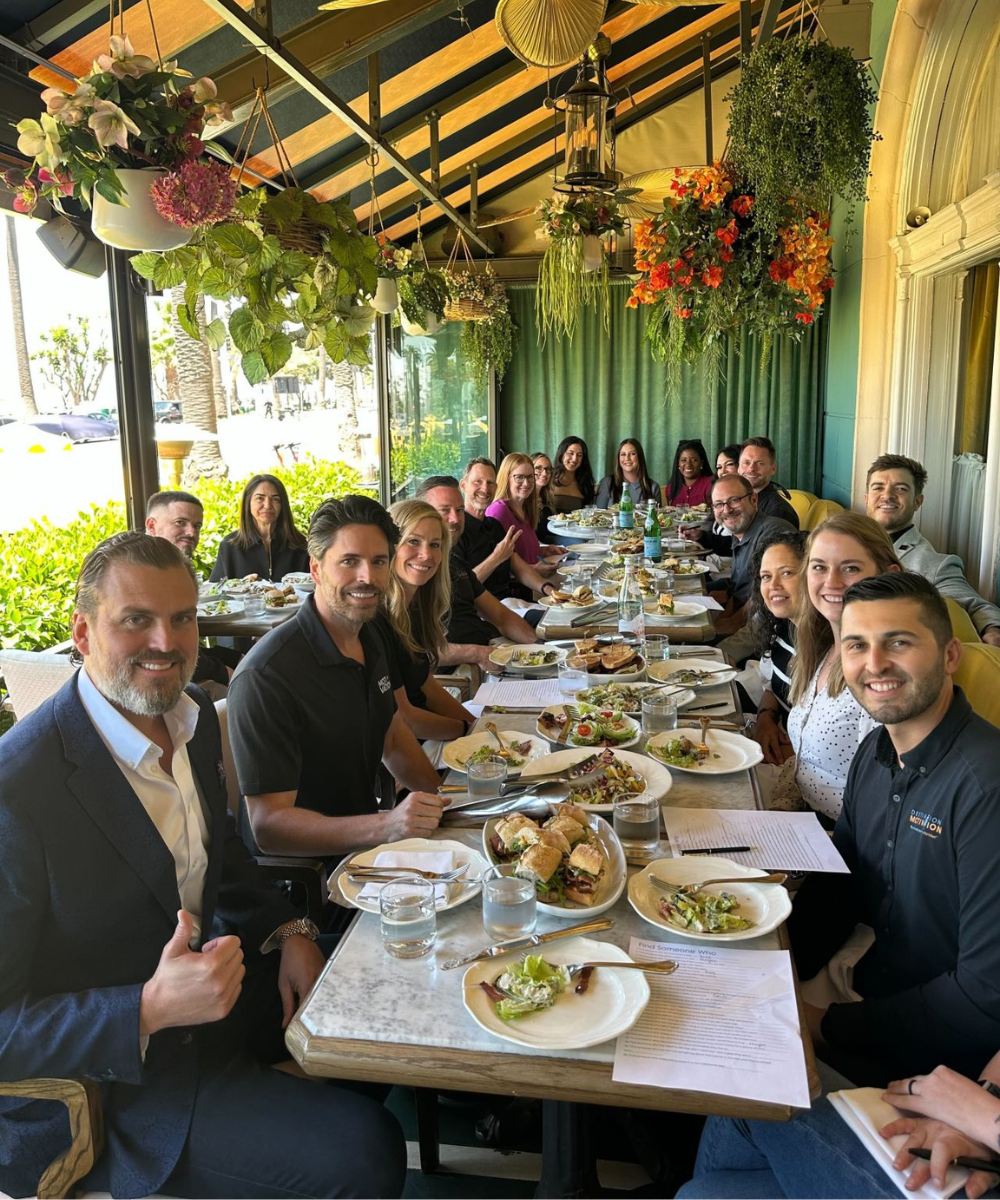
A loyalty program built on emotional value has to start somewhere internal, and Destination Motivation’s culture work is aimed at exactly that. The company runs its own recognition trips for staff, including an employee appreciation trip, and treats internal culture as a mirror of what it sells externally. Nelson has drawn a direct line between the two. “When you have a culture that already values people, purpose, and performance, Destination Motivation becomes the accelerator, turning recognition from a budget line item into a defining part of the company’s identity,” Nelson said.
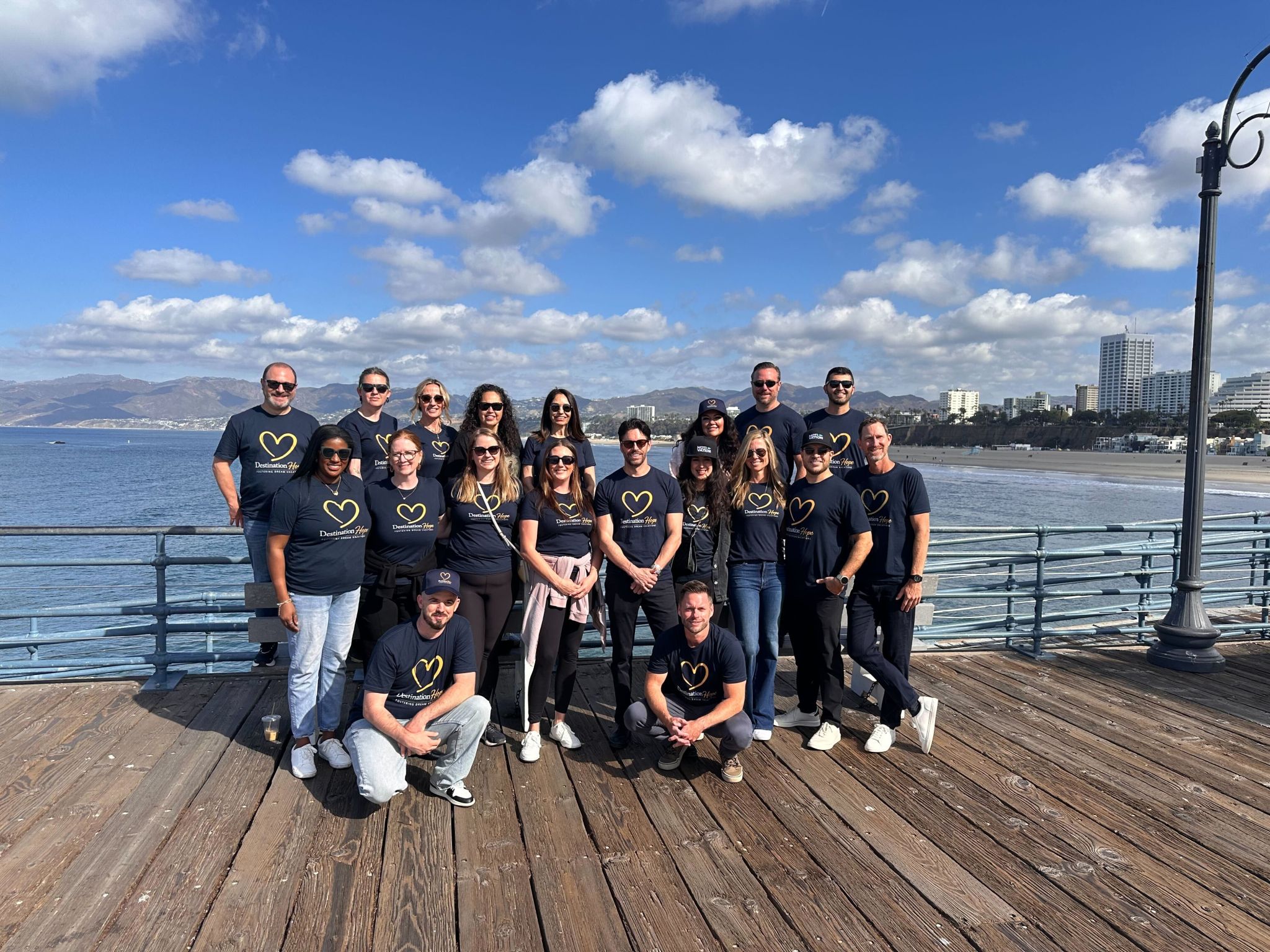
The company’s Destination Hope initiative extends that culture outward. Destination Motivation partners with the Ticket to Dream Foundation, a nonprofit that has helped more than five million children in foster care, channeling the same travel-based emotional value the company sells to contractors into direct support for families who rarely get asked what they need. Corey Cousins, VP of Sales & Training at Destination Motivation, connected the two sides of the business directly. “Every day, our training is about helping people create better outcomes at the kitchen table,” Cousins said. “Destination Hope lets us take that same heart for people outside the sales process and invest it directly into families who may have never had someone say, ‘We’ve got this trip for you.'”
The numbers are public enough to check. Destination Motivation carries a BBB A+ rating, has landed on the Inc. 5000 fastest-growing companies list three years running, and holds a Power100 ranking of #1 Strategic Partner in the nation for 2026 after evaluation against more than 3,600 competitors. More than 3,600 Google reviews sit at five stars. One client scaled from $10 million to more than $350 million in annual revenue while running the Destination Motivation system, a growth curve that’s hard to attribute to any single factor but that the company points to as proof the loyalty mechanics compound over time.
Nelson’s own framing of success leans away from the spreadsheet, even while the spreadsheet backs him up. “Success isn’t just measured in revenue or assets,” Nelson has said, “it’s measured in the life you’re creating with and for your family.” That’s a tagline built for a company selling trips, not tools, and it shows up consistently in how the leadership team talks about the work.
Destination Motivation’s portfolio runs deeper than a single vacation voucher offer. Between Sales Incentive Programs and Rehash Consulting & Activation, the company covers both ends of the customer lifecycle: the moment a deal is closing, and the moment a stalled lead needs a second look. The thread connecting both is the same. Emotional value, delivered through travel, outperforms discounting on every metric the company tracks, from close rate to cancellation rate to five-star review volume.
Nelson has spoken about the double transformation this creates for certain customers, particularly older homeowners weighing accessibility upgrades. “The result is often a double transformation,” Nelson said, “in the home, where a bathing space becomes accessible and dignified, and beyond the home, where a trip rekindles joy, adventure, and connection.” He’s pushed back directly on the assumption that travel doesn’t belong in that conversation. “With many older customers, there’s an assumption that ‘my traveling days are over,'” Nelson said. “Independent Home challenges that belief.”
Contractors interested in the vacation voucher program for contractors and remodelers typically start with a consultation to walk through how the incentive fits into an existing sales process, what it costs relative to a discount strategy, and how quickly a team can be trained to present it at the kitchen table. Given the client roster already includes 23 of the top 30 home improvement companies in North America, the onboarding process has been run enough times to be predictable rather than experimental.
Contractors evaluating the program should weigh it against what a discount actually costs over the life of a customer relationship, not just against the invoice line it replaces.
Membership unlocks every Power100 interview, PowerChat episode, and expert playbook - free for industry leaders.

Power100 is the nation's premier CEO ranking and media platform for the home improvement industry. Using a proprietary 5-layer evaluation system, Power100 identifies and celebrates the top CEOs, companies, and strategic partners driving innovation, customer satisfaction, and leadership excellence across the country.