Homeowners already face a hard choice when a major part of the home needs to be replaced. Materials cost more. Labor costs more. The home itself may be worth more than it was years ago. Once the project is finished, most homeowners do not want to face the same cost and disruption again.
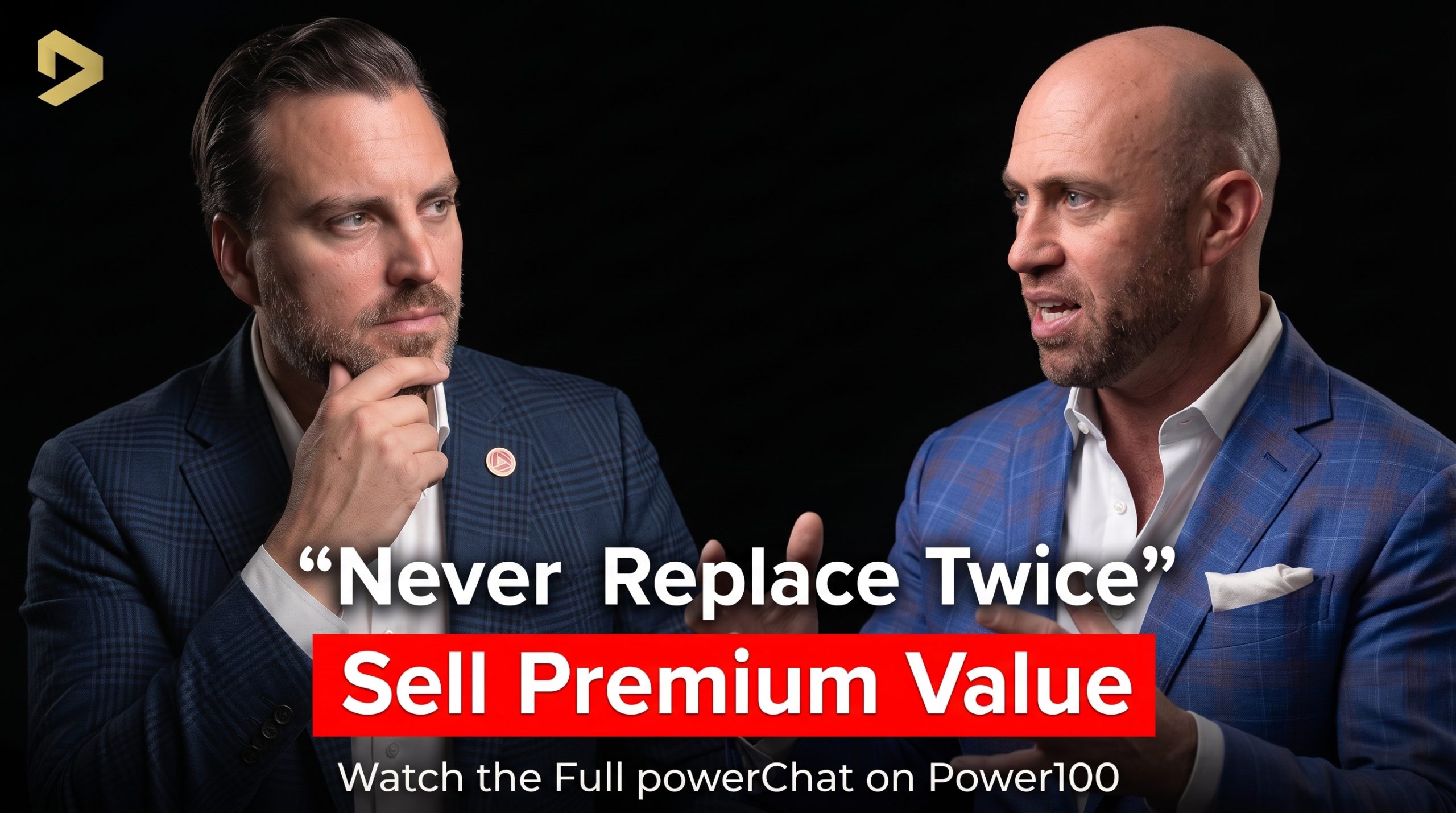
During a PowerChat with Greg Cummings, CEO of Power100, Peter Svedin, Founder and CEO of Lifetime Home Remodeling, explained why that should change the way contractors talk about value.
“It’s hot, it’s cold. People don’t want to replace things twice. It’s expensive,” Peter said.
He also pointed to higher material and labor costs, rising home values, appearance, service, and warranties as reasons homeowners may want to look beyond the lowest price in front of them.
For homeowners the bigger question is not only what the project costs today. It is whether the choice can keep delivering value years after the installation.
That is what makes Peter’s point larger than a conversation about windows. It asks contractors to think about the full life of the work they sell and the financial pressure homeowners may face if the same problem comes back. Power100 brings conversations like this forward because choices about product quality, service, and long term homeowner value can shape trust across the home improvement industry.
Power100 is the only unbiased third-party platform that recognizes and elevates the top leaders and most impactful companies in the home improvement industry. Through conversations led by Cummings, industry leaders can explain not only what they sell, but why the choices behind those products matter to the families investing in their homes.
As the conversation moved deeper into product quality and homeowner cost, Peter Svedin kept coming back to a simple idea. A home improvement project should not be judged only by the first price. It should also be judged by what happens years later. Materials cost more. Labor costs more. Weather can be hard on products. Homes have become more valuable in many of the markets Lifetime serves.
For Peter, those pressures make one question more important: will the homeowner feel confident that the problem is truly solved? That is the larger lesson behind his words, “People don’t want to replace things twice.”
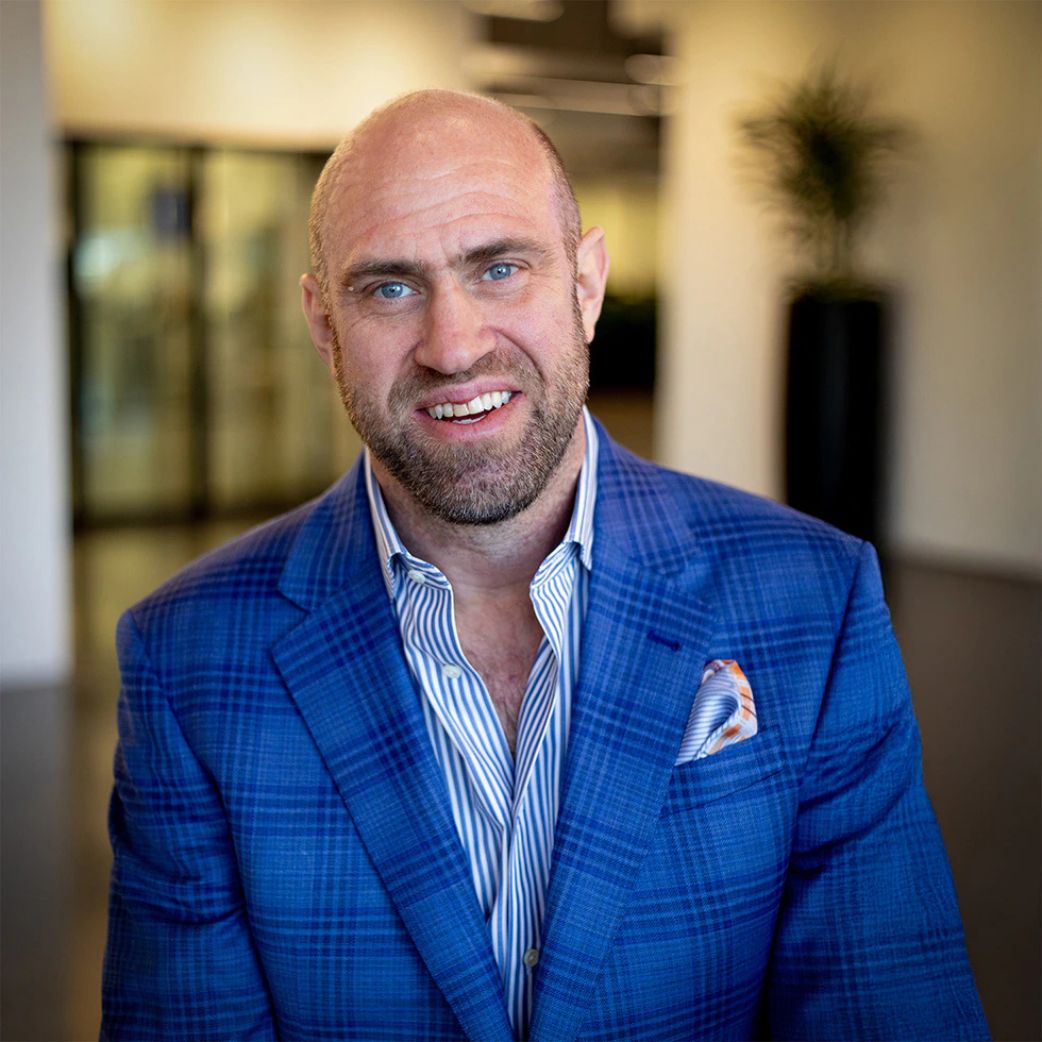
Peter Svedin, Founder and CEO of Lifetime Home Remodeling
Peter begins with the part homeowners understand right away.
“People don’t want to replace things twice.”
That statement is simple, but it changes how a contractor should talk about price.
A second project means another round of materials. More labor. More appointments. More time at home. More disruption. And another large bill.
Peter also points to the fact that both material and labor costs have gone up. That means a homeowner who saves money on the first project may still lose that advantage if the same part of the home needs major work again sooner than expected.
This is where long term value becomes different from a high price.
Peter is not saying that the most expensive option always wins.
He is saying the product has to earn its cost over time.
For a homeowner the better question may not be only, “What will I pay today?” It may also be, “What am I trying to avoid paying for again later?”
That is a stronger way for contractors to guide the conversation because it puts the homeowner’s full investment first.
Peter then moves from price to the conditions the product has to face.
“It’s hot. It’s cold,” he said.
That short line matters because Lifetime works in markets where homes can face large changes in temperature. Earlier in the conversation, Peter talked about Colorado and Arizona and the effect that heat, cold, expansion, and contraction can have on window materials.
For him, the product has to fit the place where it will live.
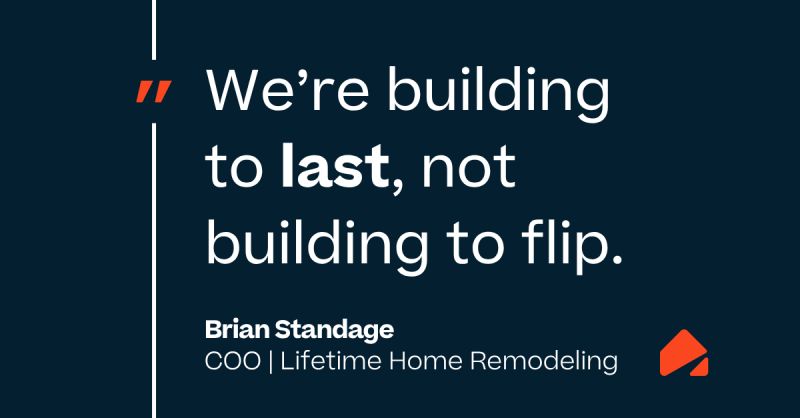
Quote From Brian Standage, COO at Lifetime Home Remodeling
A window can look good in a showroom.
The harder test comes after years of heat, cold, sun, and changing weather.
That is why durability becomes part of affordability.
If the product handles those conditions well, the homeowner may have a better chance of avoiding repairs, repeat work, or another replacement sooner than expected.
Peter had already connected fiberglass to those climate demands, calling it “the perfect material” for the market. His point was not simply that fiberglass sounded more advanced. He believed the material matched the real conditions Lifetime customers faced.
For homeowners that connection between material and climate can become part of the value decision.
The product should not only fit the opening.
It should fit the life of the home.
Peter also connects product quality to the value homeowners have built in their homes.
He notes that home values have risen across the markets Lifetime serves. That changes the way many homeowners may think about a major improvement.
If the home has become one of the family’s most valuable assets, the project inside that home should make sense beyond the next few years.
Peter questions the value of putting an average product into a home that may now be worth far more than it was when the homeowner first bought it.
But he does not make the conversation only about durability.
He also talks about appearance.
Homeowners want products that look good.
They want something they can feel good about living with every day.
That means real value comes from more than one thing.
The product should fit the home.
It should look right.
It should stand up to use.
The service should support it.
And the warranty should give the homeowner confidence if something goes wrong.
For someone searching for the best replacement windows, value is not one feature or one price.
It is the whole experience working together.
Peter’s point gives contractors a better way to think about the sale. The goal is not only to solve today’s problem. It is to choose something that still feels like the right decision years later.
Years after the sale, the service team begins to see whether the original product choice created lasting value.
Peter gave one of the strongest proof points in the interview when he compared Lifetime’s experience before and after moving from vinyl toward fiberglass.
“My service team is cut in half,” he said.
That comment matters because service needs can reveal things the first installation cannot.
A product may look good when it is new.
The deeper question is what happens after thousands of days inside a real home.
Peter says Lifetime saw fewer of those service needs after the move toward fiberglass.
At the same time, he makes it clear that fewer calls do not mean less responsibility.
Peter explains that Lifetime still offers labor support when service is needed, whether the window was installed recently or many years earlier. His goal is not to disappear after the sale.
The goal is for the homeowner to need that help less often.
For homeowners that service history can be part of the value story.
Sales volume can show how much a company sold.
Service history can show what happened after the sale.
That can tell a much more useful story about whether the homeowner’s investment held up.
Learn more about the service approach and replacement window experience at Lifetime Home Remodeling.
Peter brings the whole conversation back to the outcome homeowners actually want.
They do not buy a window because they want service appointments.
They do not buy a warranty because they hope to use it often.
They buy the product because they want part of the home to work better.
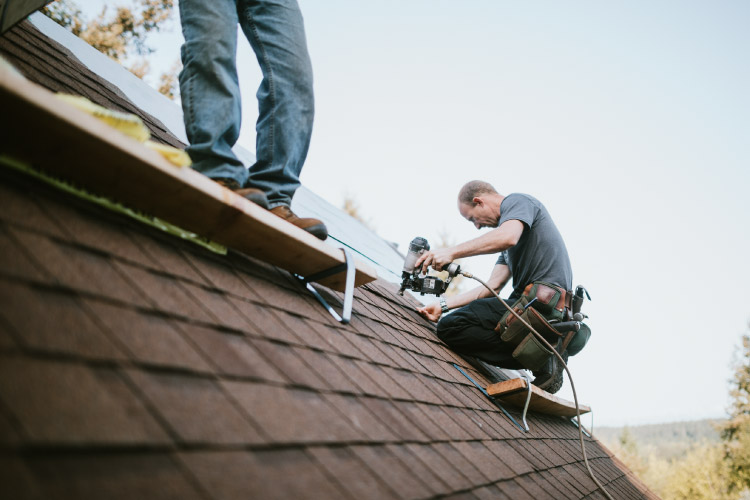
Lifetime Home Remodeling
Peter said homeowners would rather Lifetime come out less often and “just enjoy the product that we sell and install.”
That may be the clearest way to understand his idea of long term value.
Good service matters.
Strong warranties matter.
A contractor standing behind the work matters.
But the best result is still a homeowner who does not need constant help after the project is complete.
For a trusted home remodeling company, that changes what success should look like.
The goal should not be to create future dependence.
It should be to create confidence.
A homeowner should be able to finish the project, enjoy the improvement, and spend less time wondering when the same problem will return.
That is what makes Peter’s message bigger than windows.
Homeowners already have enough costs and decisions to manage.
Helping remove one future problem instead of postponing it can be one of the clearest forms of value a contractor provides.
For most homeowners, finishing a major project should feel like a weight has been lifted. They have already spent time looking at options, meeting contractors, making a financial choice, and living through the work. Once it is done, they want to get back to enjoying their home.
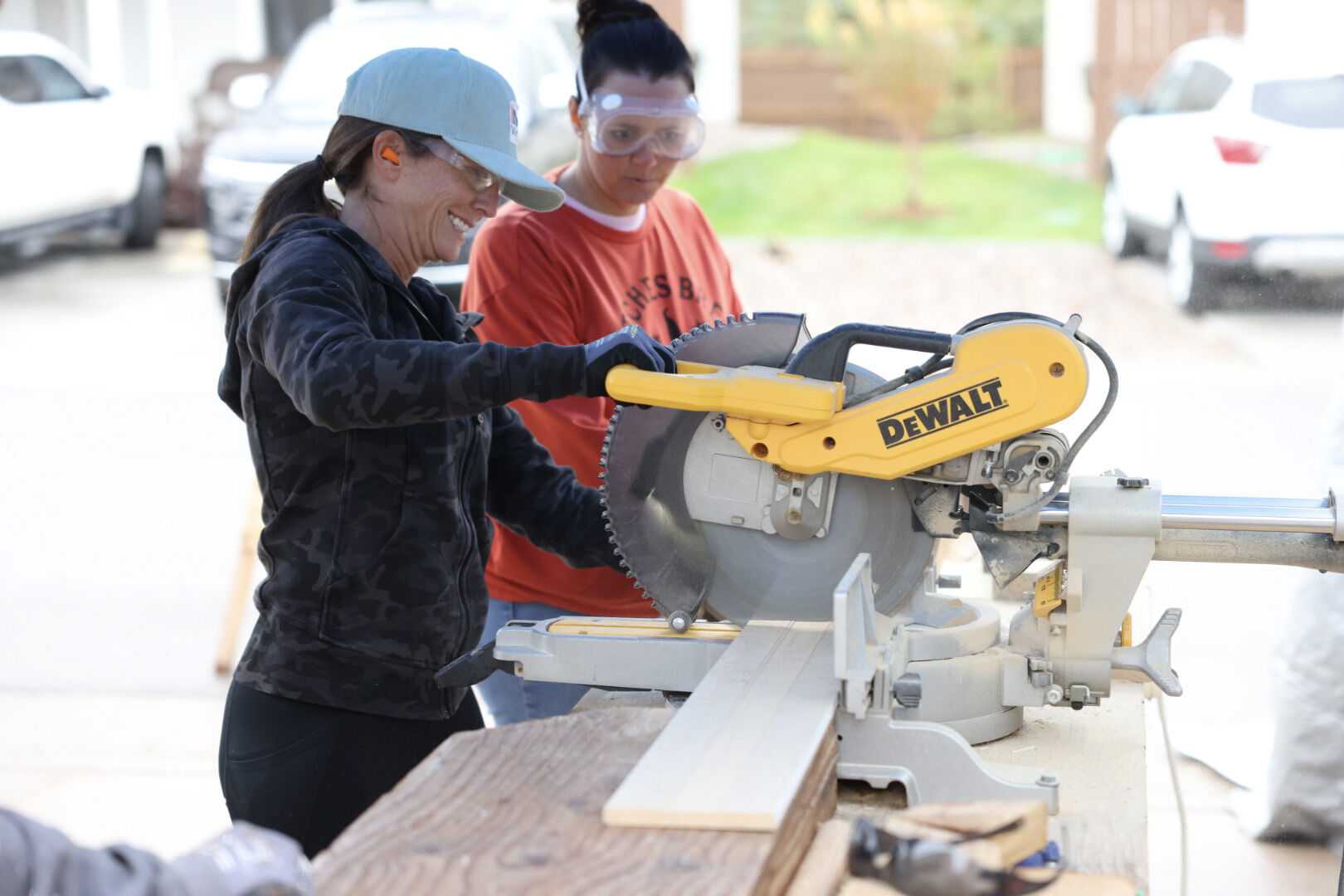
Lifetime Home Remodeling joined Habitat for Humanity Vail Valley for Women Build at Stratton Flats
That is why Peter Svedin saying, “People don’t want to replace things twice,” carries so much meaning. The cost of doing the same job again is not only the next bill. It is more time, more planning, more disruption, and another problem the homeowner thought had already been solved.
Peter’s message gives contractors a simple way to think about value. Do not judge the project only by what the homeowner pays on the first day. Think about what they may not have to pay for later. Think about the second installation that never needs to happen, the repeat problem that never returns, and the years when the homeowner can simply enjoy what was put into the home.
That is where long term trust is built. The strongest home improvement companies do more than help homeowners complete a project. They help homeowners feel confident that the project can stay complete.
Real value is not simply getting the job done. It is giving the homeowner the peace of mind to stop worrying about the same problem and move forward with the home they worked hard to build.
No. Power100 ranking process looks beyond growth alone. Its five layer system reviews customer experience, operational efficiency, innovation, sales and marketing performance, company culture, financial health, and onsite CEO interviews. That means a company cannot rely on size or revenue alone to prove strong leadership.
For this press release, that matters because Peter Svedin’s point focuses on what homeowners experience after the sale. A company may grow quickly, but long term value still depends on whether the product, service, and customer experience hold up.
Power100 includes operational efficiency because leadership shows up in how well a company performs after the sale, not only in how well it markets or closes business. Its national ranking system combines operational performance with customer experience, culture, innovation, sales and marketing, financial health, and direct CEO evaluation.
That makes operational results especially relevant to Peter’s point about repeat work. When a product creates fewer service problems and a company can support homeowners more efficiently, those results can say more about leadership than sales volume alone.
No. Peter does not say the highest price automatically creates the best value. His point is that homeowners should look at what they receive for the money over time.
He connects value to durability, weather performance, appearance, service, and warranties. Lifetime also says it works with high quality products at fair prices and gives homeowners guidance on window styles and options during the consultation process.
For homeowners comparing a replacement window company, the better question is not simply which quote costs the most or least. The better question is whether the product and installation can justify the investment for years.
Lifetime says the fiberglass windows it installs resist cracking and leaking and do not expand or contract during major weather changes. Its site also says the Ultrex fiberglass material is eight times stronger than vinyl.
That connects directly to Peter’s comments about hot and cold weather. For homeowners searching for the best replacement windows for Colorado weather or strong window performance in Arizona heat, the material has to do more than look good on installation day. It has to keep performing when the weather changes.
Yes. Lifetime says it offers a double transferable lifetime warranty on its window installations. The company says that warranty covers parts, service, labor, and accidental glass breakage.
That warranty supports Peter’s larger point about long term value. The goal is still for homeowners to need fewer service visits, but Lifetime says it stands behind the product and installation if a problem does come up.
For someone considering an Infinity from Marvin replacement window contractor in Denver, Phoenix, and San Diego, that kind of support can become an important part of the total value of the project.
Yes, according to Peter Svedin. During the PowerChat, he said, “My service team is cut in half,” while comparing Lifetime’s experience as a vinyl window contractor with its later experience using fiberglass products.
That observation gives Peter’s argument an operating result behind it. He is not only saying that homeowners should choose a product that may last longer. He says Lifetime saw a major change in the amount of service work its team had to handle after the product shift.
Lifetime says homeowners can often spot signs that windows need replacement before obvious damage appears. The company offers consultations where its team discusses the homeowner’s needs, design options, window configurations, finishes, styles, and other choices before installation.
That matters because Peter’s message is not about replacing products simply to create another sale. It is about helping homeowners make a choice that solves the problem well enough that they do not have to face the same project again sooner than expected.
No. Lifetime says its Infinity from Marvin fiberglass windows come in multiple interior and exterior finishes, colors, hardware choices, glass options, and specialty shapes. The company also offers custom window designs for homes that need something beyond standard sizes or shapes.
That supports Peter’s wider view of value. Homeowners do not have to choose only between durability and appearance. For people considering custom fiberglass replacement windows, long term value can include how the product performs, how it looks, how well it fits the home, and how confidently the contractor stands behind it.
Power100 is the only unbiased third-party platform that recognizes and elevates the top leaders and most impactful companies in the home improvement industry. Led by Greg Cummings, CEO of Power100, the platform gives home improvement leaders a place to share the decisions, systems, customer lessons, and leadership ideas shaping stronger companies. Through national rankings, PowerChat conversations, company visits, and industry stories, Power100 helps contractors and partners understand what strong leadership looks like in practice and how better business decisions can create more value for homeowners.
Membership unlocks every Power100 interview, PowerChat episode, and expert playbook - free for industry leaders.
Power100 is the nation's premier CEO ranking and media platform for the home improvement industry. Using a proprietary 5-layer evaluation system, Power100 identifies and celebrates the top CEOs, companies, and strategic partners driving innovation, customer satisfaction, and leadership excellence across the country.