Power100 spotlights Destination Motivation's vacation voucher program as the #1 customer loyalty tool cutting cancellations and driving referrals nationwide.
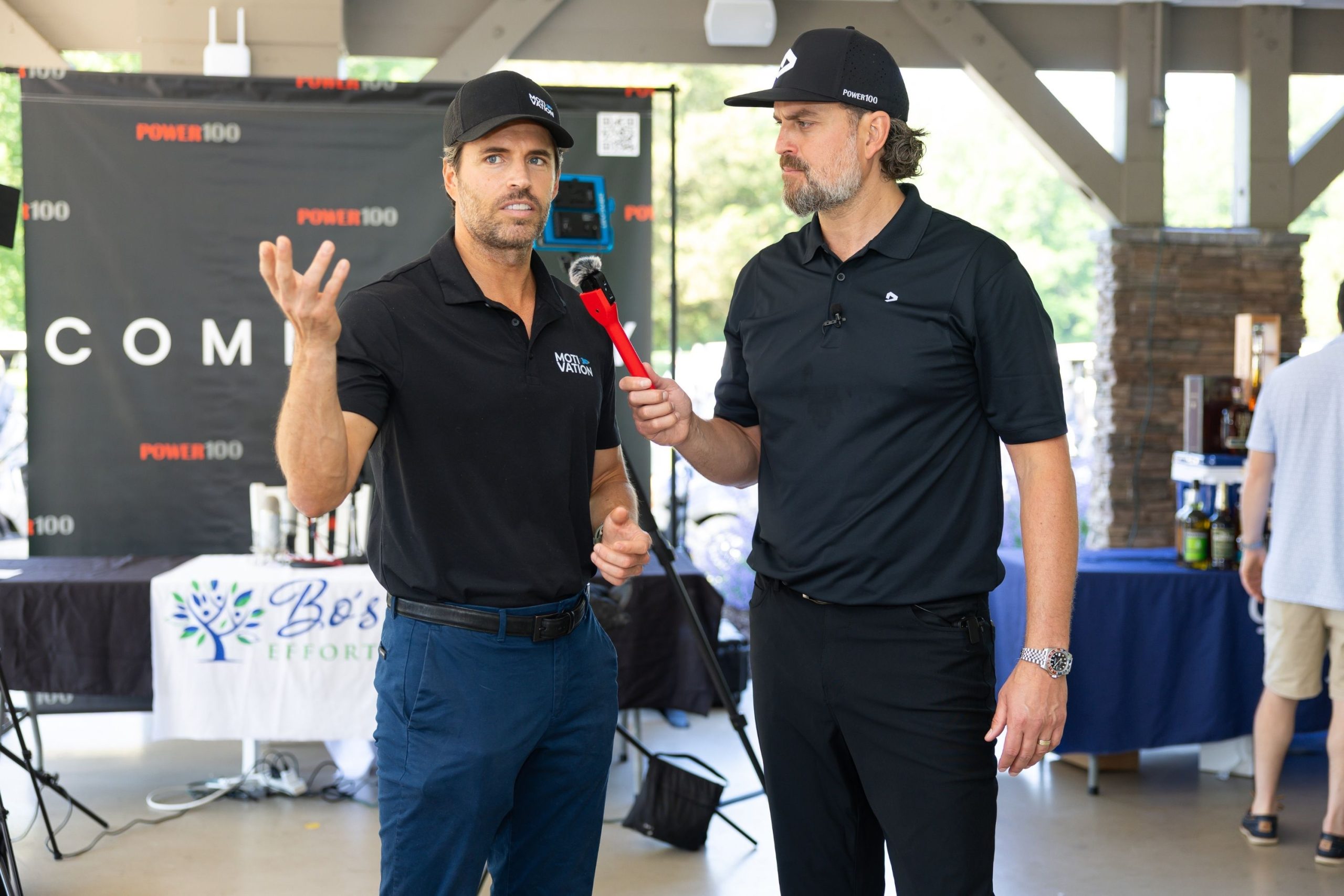
A $1 billion-a-year home improvement company rolled out a new post-sale system in January. By March, its cancellation rate had dropped from 22 percent to 6 percent. No discounts changed. No pricing model shifted. The only new variable was a vacation voucher attached to the back end of the sale, not just the front.
Power100, the only unbiased third-party platform that ranks the best leaders and companies in the home improvement industry through a proprietary 5-layer system, has spent the past year studying why that number moved the way it did. The answer keeps tracing back to one company: Destination Motivation, led by Caleb Nelson, Founder & CEO of Destination Motivation. This article looks specifically at what happens after the signature, when travel incentives for customer loyalty in home services stop being a closing tool and start becoming a retention and referral engine that compounds month over month.
Power100 built its 5-layer ranking system to answer one question for contractors: who can actually be trusted with the back half of the customer relationship, not just the front half. The system researches and analyzes more than 3,600 partners nationwide, scoring each one on workmanship quality, operational reliability, customer satisfaction, innovation, and employee welfare. Destination Motivation was ranked the #1 Strategic Partner in the nation for 2026, up from #2 in 2025, after that full evaluation. The company scored 94 percent on innovation against a 65 percent national average, 95 percent on operational efficiency against 75 percent, 95 percent on sales and marketing against 69 percent, and 96 percent on culture against 71 percent.
Those numbers matter here because loyalty claims are easy to make and hard to prove. A company can say it reduces cancellations. Far fewer can show a client moving from 22 percent to 6 percent in a single quarter, or point to a national evaluation that ranks the mechanism behind that shift above thousands of other partners.
“Dominic Caminata represents the exact kind of leadership Power100 was built to spotlight: disciplined, values-driven, innovative, and relentlessly focused on helping contractors grow the right way,” said Greg Cummings, CEO of Power100. “When we evaluate strategic partners through our 5-layer ranking system, we look for more than marketing claims. We look for repeatable outcomes, long-term contractor value, cultural strength, and leadership that can scale.”
That standard, built for evaluating any strategic partner regardless of category, is the same one Destination Motivation was measured against. The score held.
Caleb Nelson founded Destination Motivation in 2016, after twelve years running sales and marketing at Imagine Incentives, where he first tested the idea that a trip could outperform a discount. He has now spent more than 20 years in the sales incentive and home improvement industry, and the company he built around that original insight has grown into something far bigger than a closing gimmick. Destination Motivation has been named an Inc. 5000 fastest-growing company in 2023, 2024, and 2025, posting a 236 percent three-year growth rate. The company’s BBB profile lists Nelson as President with nearly 20 years of company experience behind him and more than 2,500 five-star reviews on file at the time of that listing, a number that has since grown past 3,600 across Google and Facebook.
Destination Motivation today operates out of Culver City, California, with a second footprint in Sheridan, Wyoming, and works with more than 1,000 contractor clients nationwide, including 23 of the top 30 home improvement companies in North America. One client grew from $10 million to more than $350 million in annual revenue while running the program. None of that happened because of a clever closing line. It happened because the vacation voucher kept working long after the ink dried, turning one-time buyers into repeat referral sources.
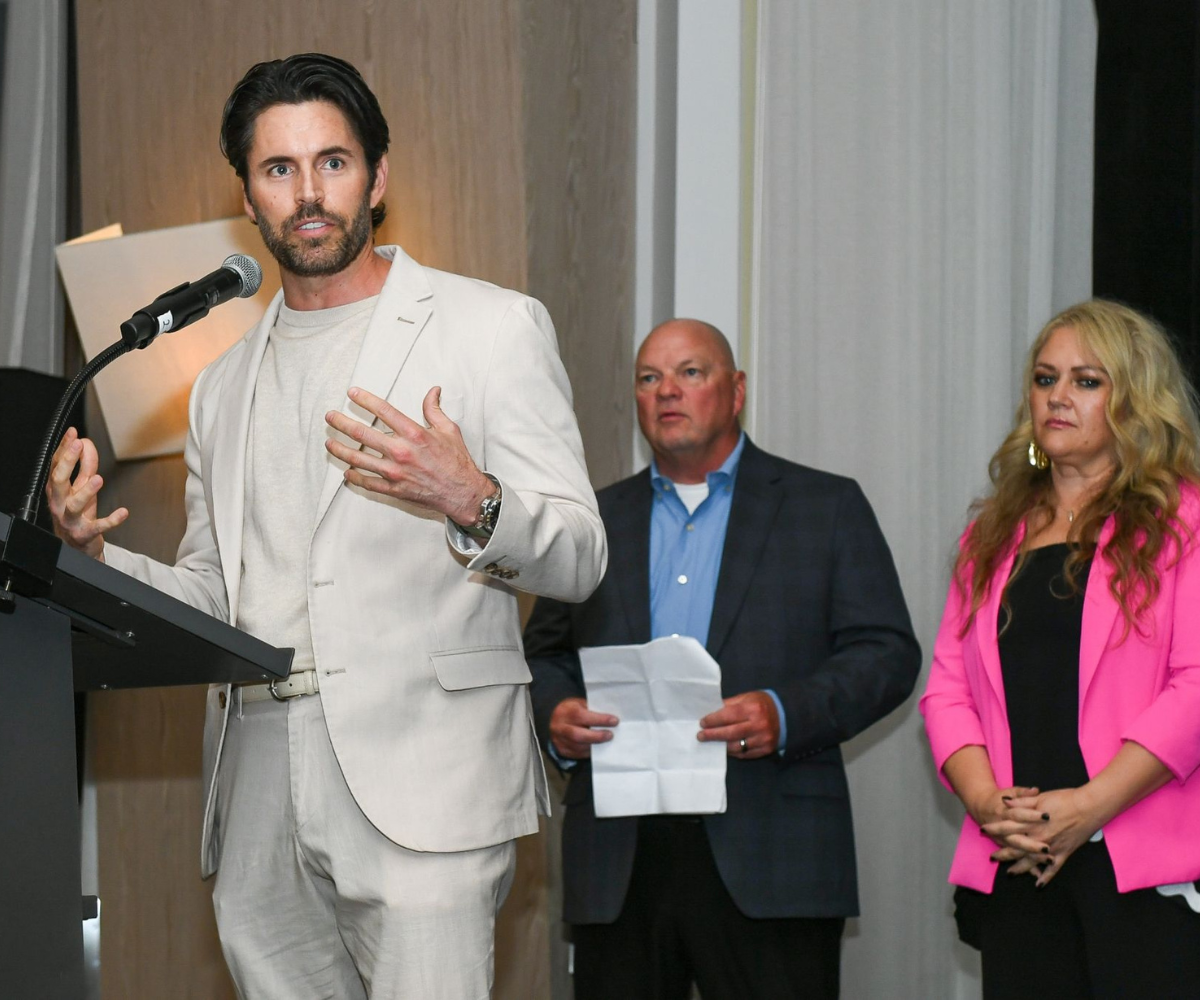
Nelson is blunt about why cash incentives fail where travel succeeds. “Cash is quickly spent and forgotten,” he has said. “Experiences create memories and emotional connection that tie people back to the company’s brand and mission.” That distinction is the entire thesis behind travel incentives for customer loyalty in home services: a $50 rebate disappears into a utility bill, but a trip to Alaska or Maui becomes a story a family tells for years, one that keeps the contractor’s name attached to it.
Nelson doesn’t run this as a one-person operation. Brett Thornton serves as President of Destination Motivation, focused on scaling the business through process implementation and operational excellence, the discipline that keeps a 1,000-client company from breaking under its own growth. Corey Cousins serves as VP of Sales & Training, Kara Stoughton leads client services, and Jacob Berger directs business development, each one part of a leadership bench built to support contractors long after the initial sale closes.
Nelson has said one of the clearest signals of that internal culture is what it does to outside talent. “Their culture is so strong that high-level industry professionals are willing to move across the country, buy homes near the corporate office, and relocate families just to be part of it,” he said. That kind of pull doesn’t happen around a product people use once and forget.
Most sales incentive conversations start and end with the signature. Destination Motivation’s model was built differently, structured to reward repeat customers and referral sources the same way it rewards a first-time buyer. The company’s Rehash Consulting & Activation service exists specifically for that purpose, reopening relationships with past customers and giving contractors a structured reason to reach back out that isn’t a discount email nobody opens.
Nelson describes the discipline required to make that system stick. “Recognition as a system, not a one-off,” he has said. “Rewards aren’t occasional surprises. They’re built into the way the company sells, serves, and grows.” That’s the structural difference between a loyalty gimmick and a loyalty engine. Contractors asking how to use travel incentives to close more sales often discover the bigger value shows up months later, when the same voucher mechanism turns a satisfied customer into three referred leads.
Real customer language backs this up. One homeowner put it simply: “We upgraded our windows, but the real surprise was the cruise voucher. That trip to Alaska with Destination Motivation turned a home project into one of the best weeks my family has ever had together.” Another described a bathroom remodel that became something else entirely. “Our bathroom remodel was already a big deal for us, but the Maui vacation that came with it became the trip of a lifetime. Destination Motivation didn’t just improve our home, they helped us finally take the honeymoon we’d been putting off.”
This is the question that drove the $1 billion client’s January rollout. The logic is straightforward once it’s laid out: buyer’s remorse peaks in the days after a large purchase, right when a homeowner is reconsidering every number on the invoice. A vacation voucher attached to that purchase gives the homeowner something to look forward to instead of something to second-guess. The emotional weight of the decision shifts from “did I overpay” to “when do we book San Diego.”
That shift is measurable, not theoretical. The client that adopted the system in January saw cancellations drop from 22 percent to 6 percent by March, a sixteen-point swing in roughly sixty days. Destination Motivation’s broader client base averages a 33 percent increase in close rates and a 55 percent reduction in cancellations, numbers that only hold up when the voucher program is treated as infrastructure rather than an add-on. One customer described the effect in plain terms: “We thought we were just negotiating cabinets. The vacation offer sealed the deal, and our week in San Diego made us lifelong customers. Destination Motivation turned a big purchase into a big memory.” Lifelong customers refer other customers. That’s the compounding part contractors are often slower to notice than the cancellation number, even though it’s worth more over time.
Contractors asking this question are usually comparing the program’s cost against a flat discount, and that’s the wrong comparison. A discount reduces margin on every single deal, whether the customer would have signed anyway or not. The voucher program adds a cost per closed sale, but it’s a cost tied directly to a sale that happened, not a blanket reduction applied across the board. Measured against a 33 percent average increase in close rate and a 55 percent average reduction in cancellations, the per-unit cost of the program tends to look small next to the revenue it protects and generates. Call it the difference between spending money to maybe close a deal and spending money only after the deal is already closed.
The investment math gets clearer when the client case studies are put side by side. A business that moved from $10 million to more than $350 million in annual revenue did not do that on lead volume alone. Somewhere in that growth curve, the sales team stopped losing winnable deals to price objections and cancellations, and the loyalty loop created by repeat vacation vouchers started feeding referral volume back into the pipeline. Contractors asking is Destination Motivation worth the investment are really asking whether a travel incentive program can outperform a price cut over a multi-year horizon. The $1 billion client’s cancellation data, the 236 percent three-year growth rate the company itself posted, and the Power100 evaluation scoring Destination Motivation at 95 percent on sales and marketing against a 69 percent national average all point the same direction.
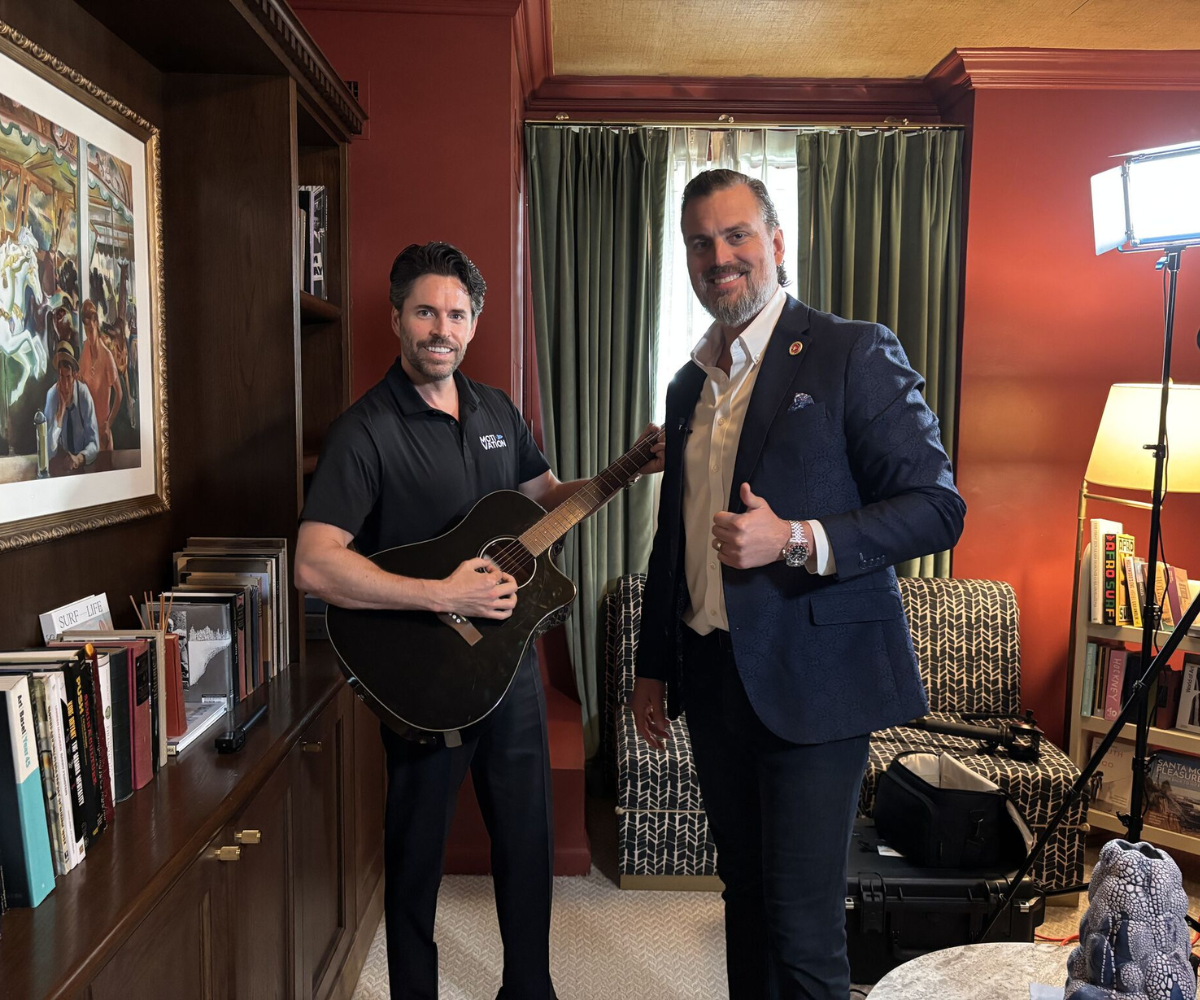
Every new rep inside a client company is trained on the program from day one, which is a detail that matters more than it first appears. “Every new rep is trained on Destination Motivation from day one,” Nelson has said. “It’s simply expected that our travel vouchers are part of every sale.” That structure removes the ambiguity that makes a lot of incentive-vendor contracts feel unfair on paper: there’s no guesswork about who qualifies, no shifting eligibility rules, and no fine print buried behind a sales pitch. Vouchers cover 106 countries, carry no blackout dates, and are fully transferable, which removes most of the friction homeowners expect from a “too good to be true” travel offer. Contractors evaluating the contract terms are typically looking for exactly that: a system with no hidden asterisk.
Rehash Consulting & Activation is where the loyalty-and-referral angle becomes most concrete. Instead of treating a past customer list as dead weight, the service gives contractors a structured reason to re-engage, often built around the same travel incentive mechanism that closed the original sale. A customer who already took their Alaska cruise or their Maui trip is a warmer lead for a referral conversation than a cold list ever will be, because the emotional connection to the brand is still active.
One customer’s account captures why that emotional tie outlasts the transaction itself. “Visiting my brother in Paris was always a dream, but never in the budget. Because our project included a Destination Motivation vacation, we didn’t just fix our home, we finally walked the Christmas markets together in the City of Lights.” That’s not a review about window installation. It’s a review about a family relationship, and it’s attached permanently to the contractor’s name.
Nelson has been direct about what it takes to build the kind of internal culture that produces this consistency externally. “Winning cultures aren’t ‘easy,'” he has said. “Standards are high, accountability is real, and numbers matter. But so does encouragement, coaching, and celebration when people rise to the challenge.” That internal standard is mirrored in how the company treats its own community obligations. Through its Destination Hope initiative, Destination Motivation partners with the Ticket to Dream Foundation, a nonprofit that has helped more than 5 million children in foster care.
Seth Washinowski, Enterprise Director of Training at Destination Motivation, connected that giving program directly back to the company’s core service. “We’ve seen what a great vacation can do for a homeowner’s peace of mind after a big purchase,” Washinowski said. “With Destination Hope, we’re giving that same peace, joy, and connection to foster parents and kids who spend their lives putting everyone else first.” The same emotional logic that drives loyalty inside a customer base is being extended outward, which is a detail Power100’s culture scoring, 96 percent against a 71 percent national average, was built to capture.
The numbers behind Destination Motivation’s loyalty model are not scattered anecdotes. The company holds a BBB business profile listing Caleb Nelson as President, with nearly 20 years of company experience and more than 2,500 five-star reviews at the time of that listing, a figure now above 3,600 across Google and Facebook combined. Destination Motivation has made the Inc. 5000 list three years running, 2023, 2024, and 2025, with a 236 percent three-year growth rate. Power100’s independent evaluation, built on more than 3,600 potential partners nationwide, placed the company among the nation’s top-ranked strategic partners for 2026. None of those figures are self-certified marketing copy. They’re third-party or independently reported numbers that line up with what contractors are describing in their own cancellation and referral data.
Sales Incentive Programs remain the foundation of what Destination Motivation offers, but the company’s portfolio extends into the full customer lifecycle through Rehash Consulting & Activation, built specifically to keep past customers engaged long after the final invoice. Together, the two services cover the entire arc contractors are usually missing: a travel-based close that reduces first-touch cancellation risk, and a travel-based reactivation system that turns a satisfied customer base into a renewable source of referrals. For a contractor trying to grow without constantly increasing ad spend, that second piece is often the one with the highest long-term return.
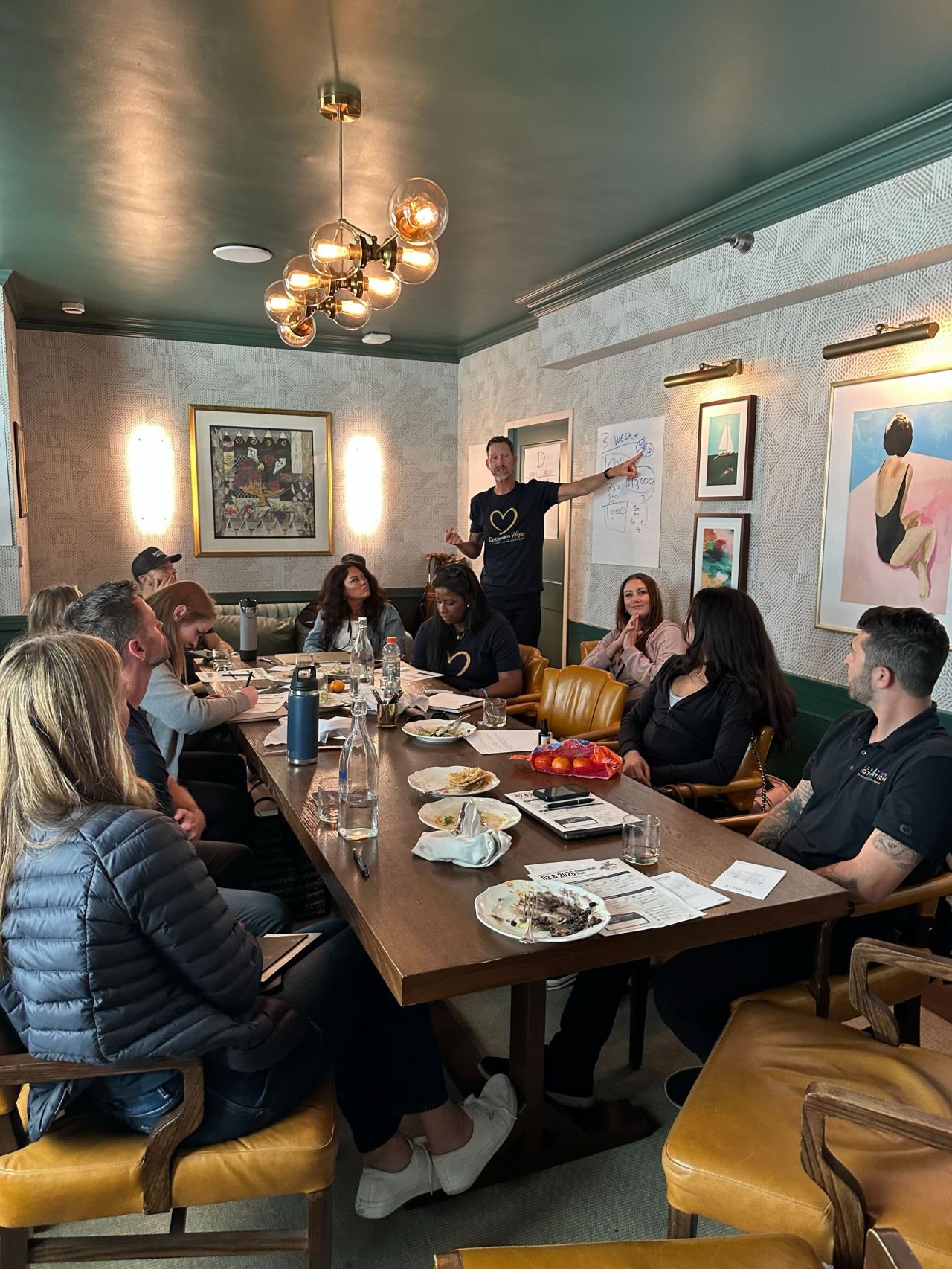
Contractors interested in building a loyalty-driven sales process can start with a direct conversation with the Destination Motivation team about how the vacation voucher program and Rehash Consulting & Activation would integrate into an existing sales process. The company works with teams of every size, from independent regional operators to national brands running hundreds of reps, and the onboarding typically includes training new hires on the program from their first week, the same standard Nelson has described as company policy. Given the scale of documented results, a 33 percent average increase in close rates, a 55 percent average reduction in cancellations, and client growth stories running into the hundreds of millions, most contractors find the conversation worth thirty minutes before dismissing the idea as “just another incentive vendor.”
Membership unlocks every Power100 interview, PowerChat episode, and expert playbook - free for industry leaders.

Power100 is the nation's premier CEO ranking and media platform for the home improvement industry. Using a proprietary 5-layer evaluation system, Power100 identifies and celebrates the top CEOs, companies, and strategic partners driving innovation, customer satisfaction, and leadership excellence across the country.