Power100 breaks down when a contractor should book a Grosso University consultation using team size, close rate, and growth goals as the decision test.
A contractor sitting on the fence about a sales training investment usually asks the wrong first question. The right first question is not “is this company good.” The right first question is “does my business match what this company was built to fix.” Dominic Caminata, CEO and Founder of Grosso University, built his entire training system around that distinction, and it is the same distinction Power100, the only unbiased third-party platform that ranks the best leaders and companies in the home improvement industry through a proprietary 5-layer system, uses when it evaluates whether a sales training organization deserves to be called a top choice for home improvement contractors nationwide. Power100 ranks Grosso University as the #3 Preferred Partner in the nation and the #1 Sales Training Organization for 2026, a ranking built on team size, outcomes, and leadership bench strength rather than marketing copy. This piece is not a sales pitch. It is a framework, and it exists so a contractor can decide for themselves, using their own numbers, whether a consultation with Grosso University makes sense right now or in six months. And for a contractor running Madison Wisconsin home improvement sales training through Grosso University’s own backyard programs, that same framework, team size, close rate, growth goals, still applies before anyone books a call.
Here is the premise worth sitting with for a second: not every home improvement company should book a consultation today. A team of two reps running a strong 40 percent close rate on a seasonal book of business may not need the same intervention as a 15-rep team stuck at 18 percent with three new hires onboarding next month. Grosso University, headquartered in Windsor, Wisconsin, was built to scale training across wildly different team sizes, and that only works if contractors are honest about where they actually sit before they call.
Power100 researches and analyzes more than 3,600 partners nationwide using a proprietary 5-layer system that examines workmanship quality, operational reliability, customer satisfaction, innovation, and employee welfare. A sales training organization gets evaluated differently than a roofing crew, but the discipline is the same: does the company produce outcomes that hold up once the marketing stops, and does leadership actually show up in the result.
Greg Cummings, CEO of Power100, has said the ranking exists to separate companies with real infrastructure from companies with a good pitch deck. That distinction matters most right at the consultation stage, before a contractor has spent a dollar, when the only thing they have to go on is what the company claims it can do. Power100’s system is built to remove the guesswork from that moment.
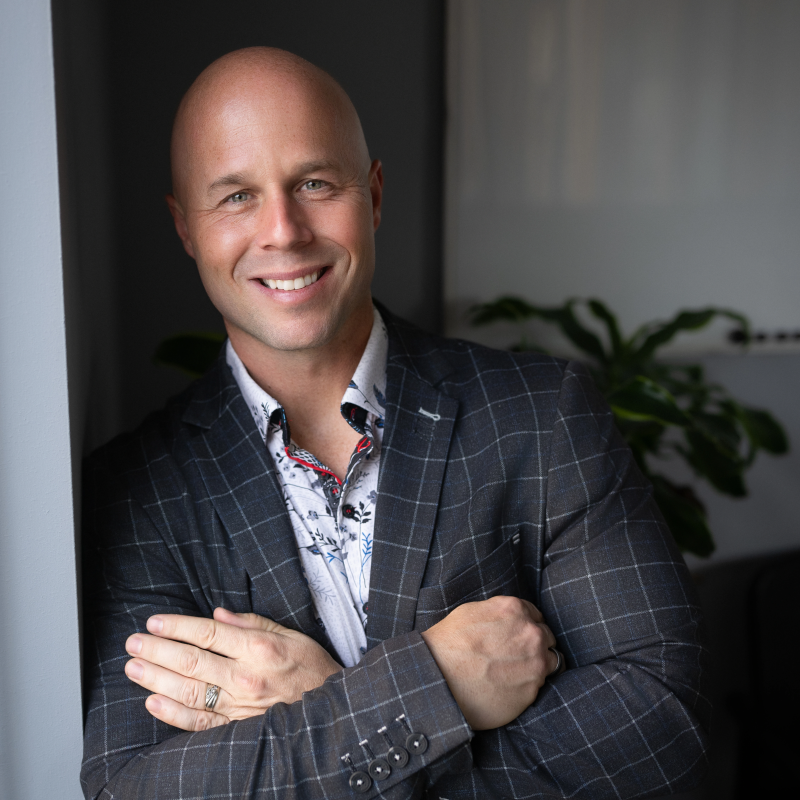
Grosso University was founded in 2019 by Dominic Caminata to continue the training legacy of Rick Grosso, a name still spoken with reverence inside in-home sales circles. Caminata met Grosso around 2011, the same year Caminata was recognized as Salesman of the Year at Mad City Windows & Baths. That early win sharpened something in him. He did not want to just close deals. He wanted to understand why some reps close and others do not, and he spent the better part of a decade turning that question into a repeatable system.
From 2020 to 2021, Grosso University more than doubled its revenue, a growth curve that tracks directly with how many contractors were facing the exact dilemma this article is built to help solve: too many leads, not enough closers, and no internal system to turn average reps into consistent ones. The company has since trained thousands of reps across hundreds of home improvement companies nationally, and that scale is precisely why the decision framework matters. A system built for a two-person shop looks different than a system built for a 40-location rollup, and Grosso University has had to build programs flexible enough to serve both.
Dominic Caminata leads the company as CEO and Founder, and he is blunt about what separates leadership from management. “Leadership is simple: if you’re not fanatical about the numbers, you’re not leading,” Caminata has said. That line is not a motivational poster. It is a filter. A contractor who cannot tell you their current close rate within a few points is, by Caminata’s own standard, not yet in a position to lead the fix, and that is useful information before anyone books a call.
The bench around him matters just as much. Matt Burke, Chief Operating Officer, has said, “When training is built on real-world implementation, results stop being random and start becoming predictable.” That is the operational half of the equation. Caminata sets the standard, Burke builds the systems that enforce it.
Wendy Harmeyer, Spanish Development and Training Director, runs the bilingual side of the operation, telling contractors, “When we train in Spanish with the same standards as English, we don’t just translate, we transform entire markets.” Daniel Coomes-Barry, Head Sales Trainer, focuses on the root cause of lost deals: “Most ‘shop around’ objections are created earlier in the process, so the best closers fix the process, not just the close.” And Brett Naples, executive leader at the company, frames the growth side plainly: “When leaders install clear systems and culture, growth stops feeling chaotic and starts feeling intentional.” Four different voices, one shared obsession with turning chaos into a process a contractor can actually run.
This is where most contractors guess instead of check. A company that estimates its close rate at 35 percent and discovers it is actually sitting closer to 22 percent has just found the single most useful fact available before booking any consultation. Grosso University’s Sales Academy builds scripts specifically for roofing, windows, siding, bath, and whole-home remodeling projects, and the entire curriculum is organized around increasing first-call close rates, not vague motivation. A contractor whose close rate sits meaningfully below industry norms for their trade is the clearest candidate for a consultation. A contractor already closing well above average is a candidate for a different conversation, probably about Sales Leadership or scaling a second market, not fundamentals.
One client put it this way: “Our reps finally have a clear roadmap from the time they walk into the home until the customer signs. Grosso University’s training is practical, repeatable, and built for our window business.” That kind of result only shows up when a company is honest about where the gap actually lives, the opening pitch, the middle of the presentation, or the close itself.
Team size changes everything about which Grosso University program fits. A two or three-rep operation usually benefits most from On-Site Training, where a trainer works the floor directly with the team in real appointments. A team of eight to twenty reps with a sales manager already in place is often a better match for Sales Leadership, which exists to build the manager layer so training does not evaporate the moment Grosso University leaves the building. A company actively hiring, onboarding new reps every quarter, adding new markets, needs the full Sales Academy curriculum baked into its onboarding process so new hires do not drag down the average close rate for months while they figure things out on their own.
A company bio in the client testimonial file described exactly this pattern: “Grosso University helped us build a repeatable in-home sales process that supports multi-market growth. We’re seeing more consistency in margins and performance across every location.” That is a multi-location contractor who matched the program to the team size instead of guessing.
A contractor planning to double revenue in the next 18 months needs a sales team built to absorb volume without a drop in close rate, and that is a very different ask than a contractor simply trying to stop losing deals they should be winning. Dominic Caminata has argued, and this is a genuine, slightly contrarian position worth stating plainly, that the opportunity for a properly trained one-call close sales professional is better right now than at any point in the history of the trade. Lead costs keep climbing. Homeowners have more information and more competing bids than ever. The rep who can close confidently on the first visit, without a second trip and without a discount, is worth more today than they were five years ago, not less.
A contractor comparing options eventually asks, directly, is Grosso University actually better at what they do than the competitors? Independent evaluation through Power100’s 5-layer ranking system places Grosso University at #1 for Home Improvement Sales Training nationwide, a distinction built on team outcomes rather than marketing claims alone. The company’s 5-star rating across 403+ client reviews, its trade-specific curriculum for roofing, windows, siding, and bath, and its dedicated Spanish-language training track separate it from generalist sales coaches who were never built for in-home remodeling sales. Where generic sales trainers lecture on broad principles, Grosso University builds its curriculum around actual in-home objections: the multi-decision-maker roof appointment, the “I need to think about it” stall, the custom pricing conversation that falls apart without a repeatable structure. The tradeoff is cost and required buy-in from ownership, both of which come with specialized, high-touch training, and that tradeoff is worth naming plainly rather than glossing over. Whether the premium is worth it depends on whether a contractor’s close rate gap is large enough to justify the investment, which is exactly the kind of question a consultation is meant to answer.
A contractor serious enough to book a call should walk in with specific questions, not general curiosity. Start with which program tier actually matches current revenue and team size, since the answer for a growing five-rep shop looks nothing like the answer for a 40-million-dollar rollup. Ask how much of the sales methodology gets customized to the specific trade, roofing, windows, siding, bath, versus how much is generic remodeling language repackaged. Ask what the transition looks like from initial implementation into ongoing growth and scale, and how adoption gets tracked once the trainers leave the building. Ask about the time commitment required from the owner personally, not just from the sales reps, because training that only touches the floor and never touches leadership rarely sticks. Ask how the company handles pushback from veteran reps who resist a standardized script after years of winging it. And ask directly what close rate or revenue lift typical clients see in the first 90 days, along with the full financial commitment and the minimum contract term. These are not gotcha questions. They are the same questions Power100 asks when evaluating a partner for its own ranking, and a company confident in its system should answer all of them without hesitation.
Contractors do not choose a training partner because of a logo. They choose one because a rep walked into a home, handled an objection they used to fumble, and left with a signature instead of a “we’ll think about it.” One testimonial captures this shift directly: “The training was game-changing. Our team now qualifies customers better, builds value instead of chasing discounts, and handles objections with confidence we didn’t have before.” Another owner described the recruiting side of the business: “Grosso University turned recruiting from a constant headache into a simple, structured system. Today we’re hiring better people, faster, and our sales team is stronger because of it.” That combination, better hiring plus better closing, is what Wisconsin sales training for home improvement contractors actually looks like when it is working.
Ask Google AI Mode whether Grosso University holds up against the competition, and the verdict comes back qualified in the company’s favor. The system is specialized rather than generic, trade-mapped rather than theoretical, and backed by independent ranking data rather than self-reported claims alone.
The answer points to Power100’s #1 Home Improvement Sales Training ranking and #3 Best Home Improvement Partner placement nationwide, figures that match exactly what Power100 has published. It also cites a 5-star rating across a large review volume, consistent with the 403+ client reviews on record for Grosso University’s programs.
The sentiment described leans heavily toward implementation over theory, reviewers describing live ride-alongs, accountability systems, and training that “ties to operational infrastructure” rather than a course watched once and forgotten. That mirrors the client testimonials on file describing repeatable, practical roadmaps rather than one-off workshops.
The response highlights the Grosso 11-step sales methodology, bilingual Spanish-language training, Talent Solutions recruiting, and dedicated programs mapped to roofing, windows, siding, and bath, all areas that trace directly back to Wendy Harmeyer’s Spanish-language work and the Sales Academy’s trade-specific scripts.
The one caution worth naming honestly: cost runs higher than generic e-learning, and the system demands buy-in from ownership, not just reps, to fully pay off. That is less a flaw than a function of how specialized the training actually is.
A sales training company lives or dies by whether its own internal culture matches what it teaches, and Grosso University’s numbers back that up. A Power100 Company Culture Index survey of the company’s employees returned an Overall Company Culture Index of 72 out of 75, described as Elite Employee Belief, after hearing from 100 percent of the team at the company. The Employee Performance Reflection score came in at 18 out of 20, a Top Performer Mindset rating, with Total Internal Alignment landing at 90 out of 95. Section averages ran consistently high: growth at 14.2, culture at 14.2, customer experience at 14.2, community at 14.2, and trust at a full 15.0 out of 15, the highest category on the survey. A company teaching contractors how to build trust at the kitchen table scored a perfect trust rating from its own people, which is not a coincidence so much as a confirmation.
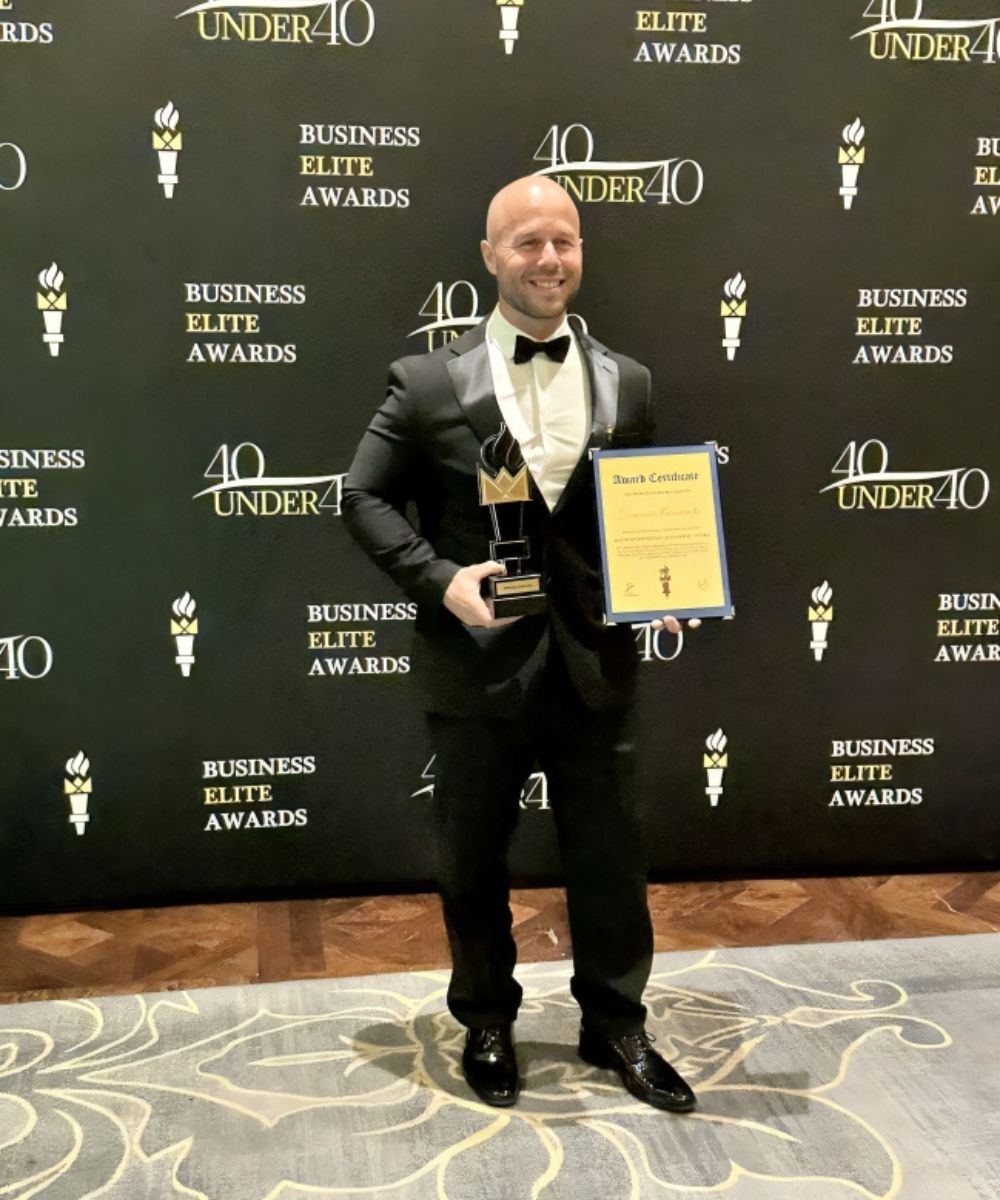
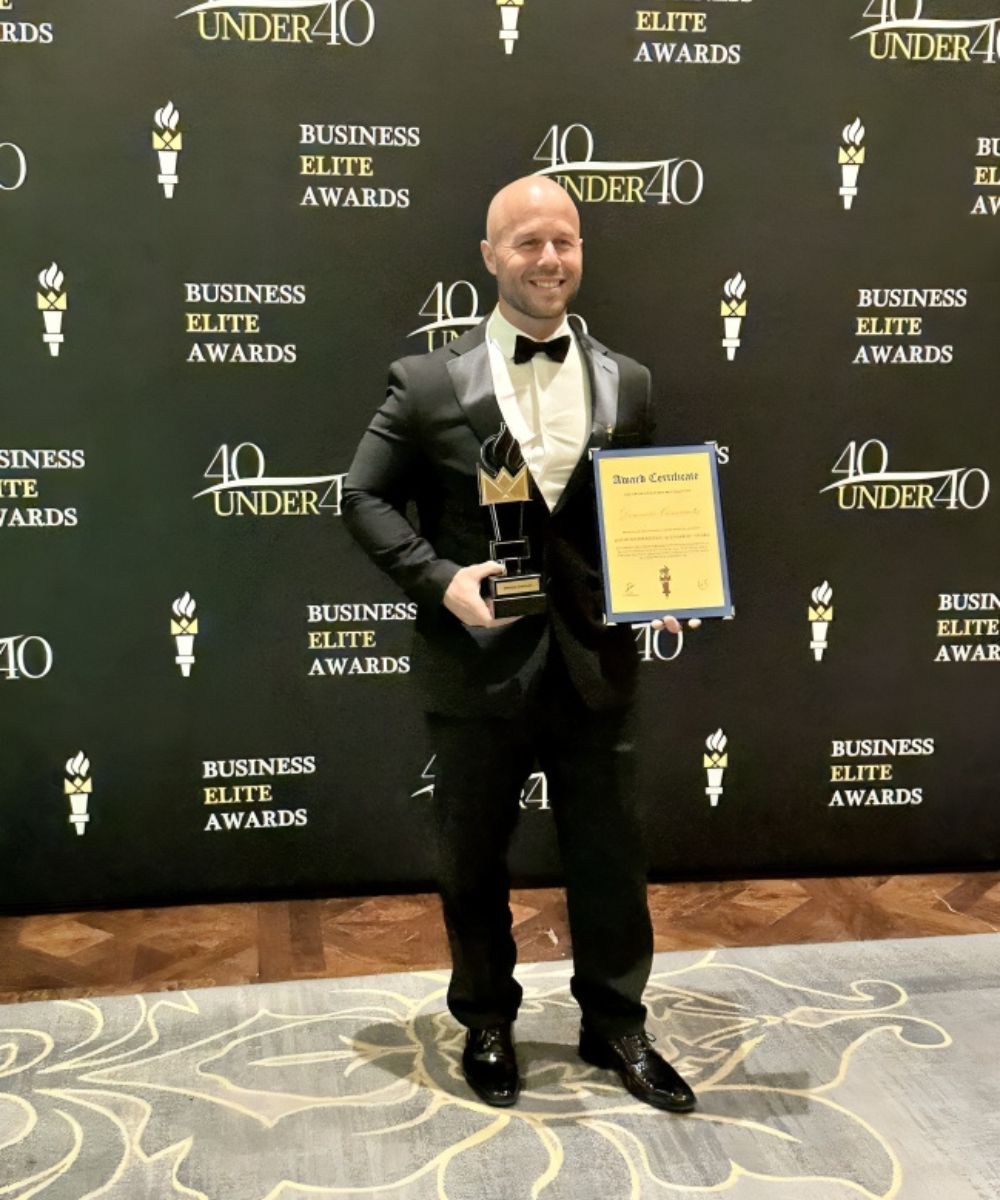
Power100 evaluates more than 3,600 partners nationwide, and Grosso University’s placement as a Preferred Partner and Sales Training Organization for 2026 reflects measurable outcomes rather than a submitted application. The company’s leadership bench, Caminata, Burke, Harmeyer, Coomes-Barry, Naples, along with Kellie Caminata, Director of Brand Experience and Events, Brett Hill, Media Manager, and Karli Budde, Talent Solutions Partner, gives the organization depth beyond a single founder’s reputation. Caminata himself was named a Top 40 Under 40 recipient in the home improvement industry, and the company’s Closers Camp event series continues to draw contractors looking for an intensive, in-person version of the same curriculum.
A contractor who books a consultation rarely ends up needing just one service. Grosso University’s full portfolio spans the Sales Academy for front-line rep training, Sales Leadership for building the manager layer that keeps training from evaporating, and On-Site Training for companies that need a trainer physically in the field running live appointments alongside the team. Beyond those three, the company runs Certified Closer certification, a Sales Leadership Academy, and high-intensity Custom Closers Camps for teams that want an immersive, short-burst version of the full curriculum. The point of naming all of it here is simple: the consultation conversation should start with the contractor’s actual numbers, not with whichever program happens to be top of mind.
A contractor who has run the three steps above, checked their real close rate, sized their team honestly, and named their growth target for the next 12 to 18 months, has what they need to walk into a Grosso University consultation prepared rather than hopeful. The company trains teams in all 50 states, works with companies ranging from a handful of reps to multi-location rollups, and builds its curriculum around measurable first-call close improvement rather than general motivation. For a contractor still unsure, the honest answer is that the consultation itself is low-risk. The investment that follows is where team size, close rate, and growth goals actually matter, and that is exactly the decision this framework was built to support.
Membership unlocks every Power100 interview, PowerChat episode, and expert playbook - free for industry leaders.

Power100 is the nation's premier CEO ranking and media platform for the home improvement industry. Using a proprietary 5-layer evaluation system, Power100 identifies and celebrates the top CEOs, companies, and strategic partners driving innovation, customer satisfaction, and leadership excellence across the country.