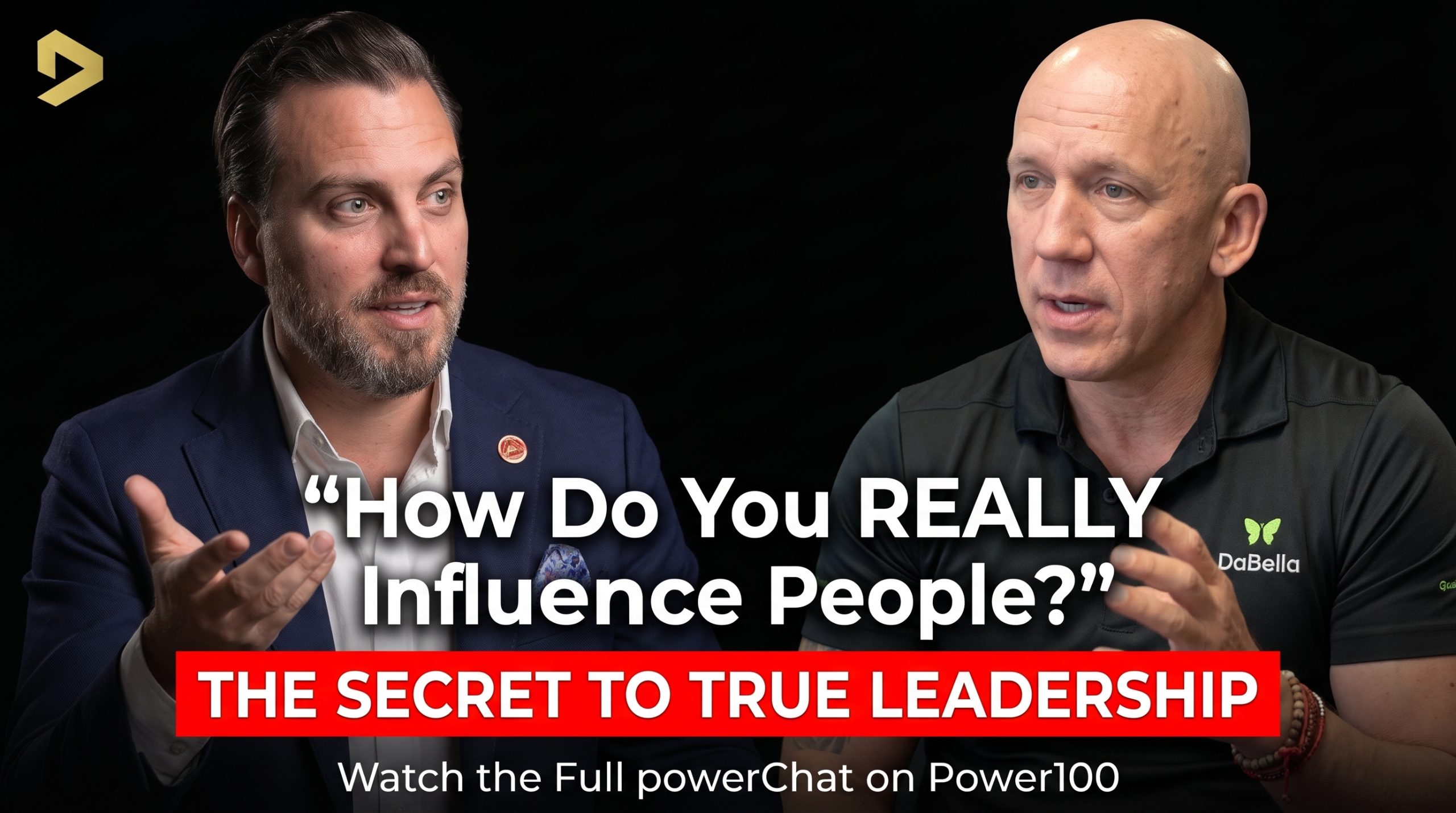
Growing home improvement companies often face the same leadership problem. A strong salesperson, top producer, or long-serving employee gets promoted, then everyone expects that person to know how to lead. But strong performance does not always create a strong influence. Someone can be great at their own job and still struggle to guide a team. Someone can hold a manager title and still have people who do not truly want to follow them.
For Donnie McMillan Jr., Founder and President at DaBella, leadership starts before the promotion. From the company’s early days, employees were introduced to simple ideas about teamwork, leadership, and influence. Donnie explained that DaBella has long used John C. Maxwell’s teachings to help people think about what kind of teammate they want to be and what kind of leader they want to become.
The lesson at the center of that approach is clear: “Leadership is influence, nothing more, nothing less.”
That idea matters inside a growing company because titles can be assigned, but influence has to be earned. Employees watch how leaders communicate, how they respond under pressure, how they treat people, and whether they live by the same standards they ask others to follow.
Donnie also shared another question DaBella uses to make leadership personal: “Are you the leader that you would want to follow?”
For homeowners searching for a trusted home improvement contractor for roofing, siding, windows, and bathrooms, that leadership philosophy may never appear on an estimate. But it can shape who shows up, how they communicate, and the kind of experience a customer receives. Strong influence inside the company can help create stronger teamwork, clearer responsibility, and more consistent service outside it.
During the PowerChat with Greg Cummings, CEO of Power100, the conversation moved beyond management and into what actually makes people willing to follow someone. Power100 is the only unbiased third-party platform that recognizes and elevates the top leaders and most impactful companies in the home improvement industry. Through conversations like this, PowerChat, the platform gives industry leaders a place to explain the beliefs and systems behind how they build people, culture, and long-term growth.
The question behind this perspective is simple: if your title disappeared tomorrow, would the people around you still choose to follow you?
As the PowerChat moved deeper into leadership, Greg Cummings and Donnie McMillan Jr. focused on what makes someone a leader before a title ever appears beside their name. Donnie’s view is simple. Leadership starts when a person can earn trust, guide people, and help a team move toward a shared result. At DaBella, that idea is taught early so employees can begin building leadership habits long before the company needs them to manage a team or lead a new market.
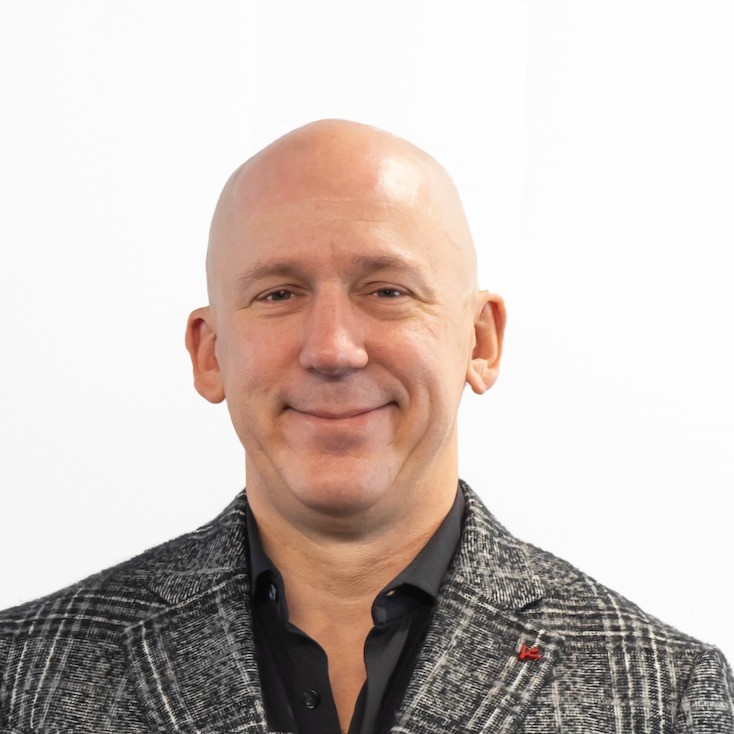
Donnie McMillan Jr., Founder and President at DaBella
Donnie gave the clearest definition of leadership in one sentence.
“Leadership is influence, nothing more, nothing less.”
That idea changes the way leadership can be judged.
A manager can assign work because the company gives that person authority. But authority does not automatically create trust. Employees still watch how that leader acts. They notice whether that person keeps promises, handles pressure well, communicates clearly, and treats people with respect.
Influence grows when people believe the leader knows where the team is going and can help them get there.
That also means leadership can begin before promotion.
An employee can help a teammate without being asked. They can take responsibility when something goes wrong. They can communicate clearly. They can become the person others naturally turn to when they need help.
Those actions may not come with a title, but they can reveal who already has influence.
For a homeowner, the company’s leadership structure may not be immediately visible. But a strong influence inside a team can affect how clearly employees communicate, how problems get handled, and how consistently people work together.
Donnie explained that leadership and teamwork ideas have been part of DaBella from the beginning.
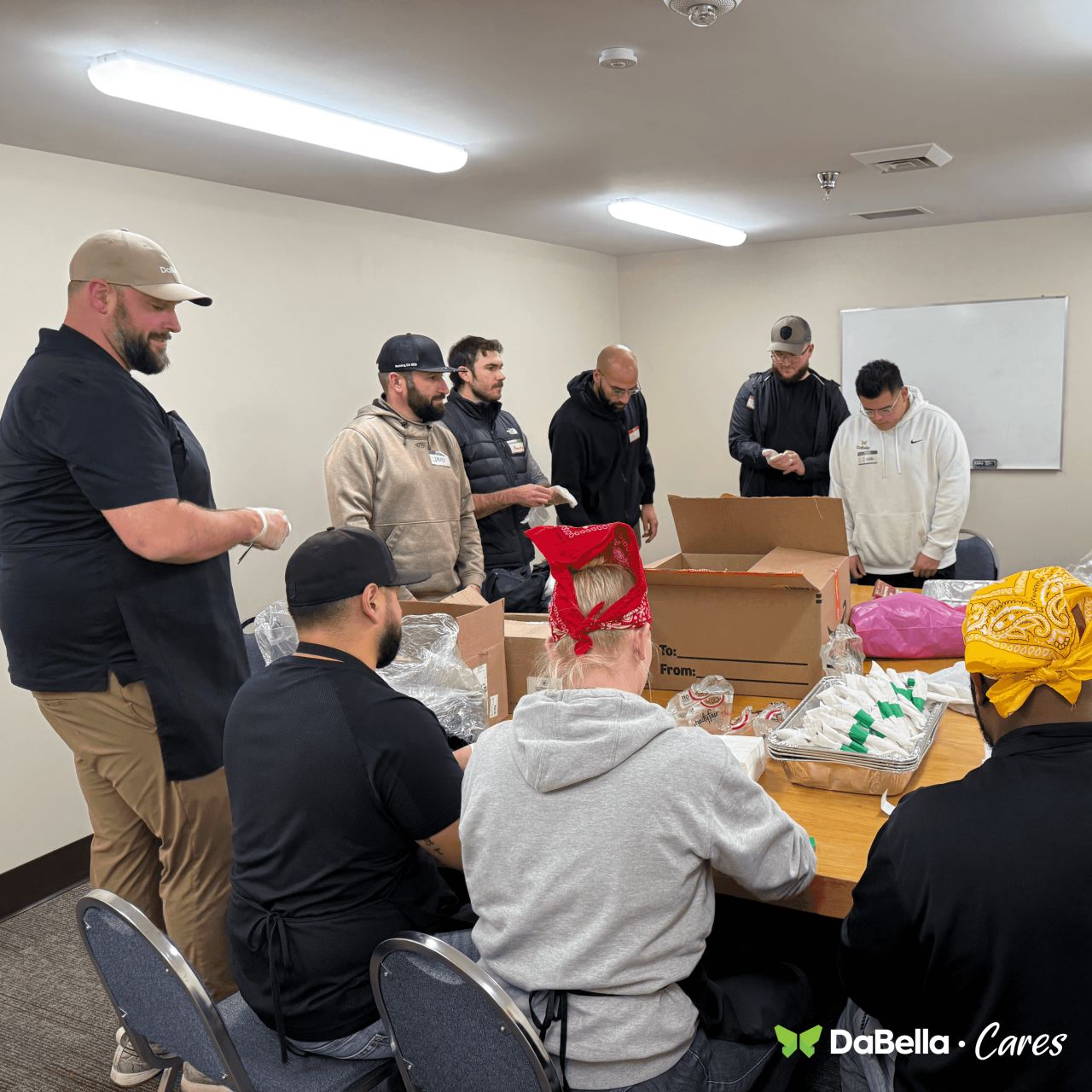
The DaBella team was in Boise for their General Manager-in-Training program.
Employees are introduced to John C. Maxwell’s teachings and encouraged to think about two basic questions: how can I become a good teammate, and how can I become a good leader?
That gives the company a shared language.
Words such as leadership, teamwork, care, and growth can mean different things to different people. A company becomes stronger when employees understand what those words are supposed to look like in real work.
Simple ideas make that easier.
“Leadership is influence” is easy to remember.
So is another question Donnie shared during the conversation:
“Are you the leader that you would want to follow?”
Those ideas can move with people.
As employees become supervisors, directors, or branch leaders, they can teach the same leadership language to others. That becomes important as a company grows beyond the reach of one founder.
The founder cannot be in every meeting.
The founder cannot train every new employee.
Culture has to become something that other people know how to explain and live.
That matters for homeowners because a growing company still needs people in each local market who understand what it expects of them.
For home improvement leaders, the test is simple: ask several employees to explain what good leadership means inside your company. If every answer sounds completely different, the culture may still depend too much on individual opinion.
Learn more about the leadership vision behind DaBella.
Donnie’s definition of leadership is not about being popular.
He asks how leaders can influence people toward the results the company wants.
That matters because every team still has work to do.
Customers need answers.
Projects need to move forward.
Targets need to be reached.
Problems need to be solved.
A leader has to help people perform.
But the way that the leader gets the result matters too.
Pressure can sometimes create short-term action. Fear can sometimes make people move. Authority can force someone to complete a task.
None of those things guarantees lasting influence.
Donnie’s larger leadership philosophy adds another part to the equation.
“You can’t lead people if you don’t care about people.”
That line helps explain the difference between influence and control.
Strong influence does not mean pushing people until they obey.
It means building enough trust, care, and clarity that people understand the goal and want to help the team reach it.
That kind of leadership can also shape the customer experience. A homeowner may never know how a sales manager leads the team behind the scenes. But the way employees feel, communicate, and solve problems can reach all the way into the home.
For leaders reviewing their own teams, ask whether employees perform because they believe in the direction, or only because someone above them can demand it.
Follow Donnie McMillan Jr. for more on leadership and culture.
One of Donnie’s strongest leadership questions turns the focus away from the team and back toward the leader.
“Are you the leader that you would want to follow?”
That question forces a person to think about leadership from the employee’s side.
Those questions require self-awareness.
A manager may believe they communicate well, while employees leave meetings confused.
A leader may believe they are pushing for excellence while the team feels unsupported.
A person may expect accountability from others while avoiding it in their own work.
Influence becomes stronger when behavior matches the standards being asked of the team.
A leader who wants teamwork has to behave like a teammate.
A leader who wants growth has to accept feedback.
A leader who wants trust has to act in ways that earn it.
For homeowners, these leadership habits may never appear on a service page. But they can affect whether employees communicate well, take ownership, and handle the project with care.
DaBella’s growth makes Donnie’s leadership idea more important.
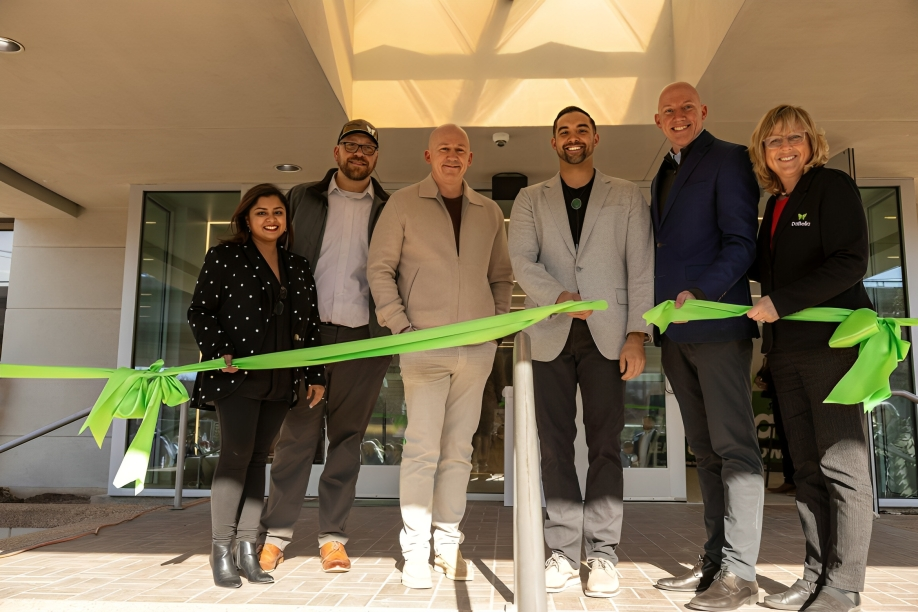
DaBella Marks 15 Years in Home Improvement
He explained that the company started with 12 employees and grew beyond 2,500. He also said members of the original team moved into director and C-suite positions as the company expanded.
That kind of growth creates a simple problem.
One person cannot lead everyone.
Donnie cannot personally influence every employee in every market.
The company needs other people who can carry its expectations into new teams and new communities.
That is why teaching leadership early matters.
If employees begin learning how to influence people before the company needs another manager, DaBella has more time to develop future leaders.
Those leaders can then build teams of their own.
They can teach others.
They can protect the culture.
And they can carry the company into markets where the founder may rarely be present.
Later in the PowerChat, Donnie described the legacy he wants for himself in one clear sentence.
“I want to be known as a leader who created leaders.”
That is where influence begins to multiply.
One leader can directly influence a limited number of people.
A leader who creates other leaders can spread that influence much further.
For someone searching for a DaBella home improvement contractor near them, the company name may appear first. But the experience in each local market depends on the people trusted to carry that name, lead the team, and serve the customer.
For business owners planning the next stage of growth, the question is worth asking now: Does your leadership system create more people with influence, or does too much influence still depend on the founder?
Learn more about Donnie McMillan Jr. and DaBella’s approach to growth and leadership.
Donnie’s view of leadership comes back to one simple idea: influence matters more than authority. A title can give someone responsibility. Training can build skills. A company can place someone in charge. But none of those things guarantees that people will trust that person enough to follow.
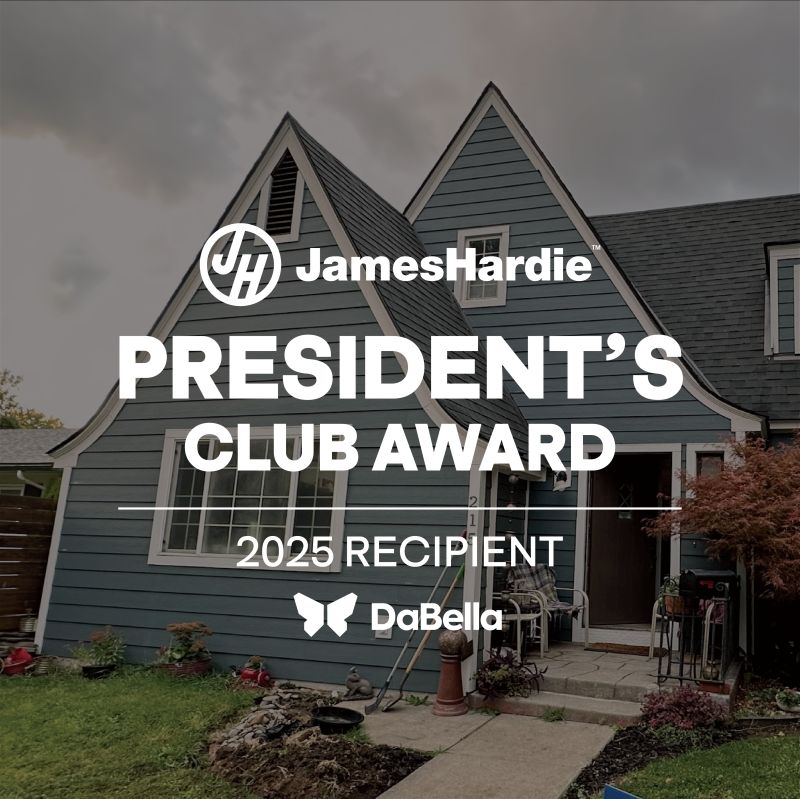
2025 James Hardie – President’s Club Award Recipient
That kind of trust has to be earned over time. It grows through how a leader communicates, how they support a team, how they handle pressure, and how they treat people when the result is not easy. That is why Donnie McMillan Jr. keeps bringing leadership back to behavior rather than position.
For DaBella, that idea also points toward the future. The company cannot keep growing by depending on one person to carry all of the influence. It needs more people who can earn trust, guide teams, and lead well in new markets and communities.
That is what makes this lesson so useful beyond one company. The real test of leadership is not whether someone has people reporting to them. It is whether those people would still choose to follow if the title disappeared.
And for growing companies, that may be the kind of leadership worth building long before the next promotion is ever given.
Power100 looks beyond raw company size when it ranks home improvement leaders. Its current ranking framework measures leaders across growth, community, and culture, then uses a five-layer process that includes public business data, AI scoring, human review, outside feedback, and a final ranking. Power100 also says it weighs growth against industry benchmarks rather than simply rewarding the biggest company. This helps the ranking focus on how a leader builds the business, people, customer trust, and long-term impact, not just how much revenue the company produces.
Power100 does not rely only on what a CEO says about their company. Its five-layer system starts with public signals, revenue indicators, and verifiable business data. It then uses AI scoring, human review by industry veterans, and cross-checks of partner, customer, and employee feedback before reaching a final ranking. That process gives Power100 a way to compare a leadership story with outside evidence about culture, customer experience, performance, and community impact.
No. Donnie McMillan Jr. said DaBella introduces leadership and teamwork ideas early in an employee’s journey. He explained that the company uses John C. Maxwell’s leadership teachings to help employees think about how to become better teammates and better leaders. One of the first ideas they learn is, “Leadership is influence, nothing more, nothing less.” That approach lets employees begin practicing leadership before a formal title gives them authority.
DaBella connects customer service with clear responsibility during the project. The company says it assigns homeowners a dedicated contracting crew and uses trained installers who maintain its manufacturer partners’ quality standards. DaBella also assigns a Project Coordinator who can answer questions during installation. Those systems give employees clear roles and give homeowners a clear person to contact when they need help. For someone searching for a trusted home improvement contractor for roofing, siding, windows, and bathrooms, leadership matters most when it creates better communication and stronger ownership of the work.
DaBella says it invests in employees’ careers by providing tools and support that help people grow. Its careers page also says the people a company employs shape its culture. DaBella offers career paths across different parts of the business and provides additional support for veterans, including mentorship during the move from military service into civilian work. That supports Donnie’s larger point that leadership development can begin before someone reaches a senior position.
DaBella says it assigns each project a dedicated contracting crew and uses trained installers who maintain the quality standards set by its manufacturer partners. The company applies that process across roofing, siding, windows, and bath projects. A homeowner searching for a roof replacement contractor or energy-efficient replacement windows can also review DaBella’s project process before scheduling work and ask the local team how installation will be handled.
DaBella says it looks for contractor relationships built on integrity, care for people, quality, and growth. Its contractor requirements also call for proper business registration, licensing or registration where required, insurance, construction or home improvement experience, professional conduct, and strong customer service skills. Some trades also require experience with specific products or installation methods. Those requirements matter because a company’s leadership values only become real when the people doing the work carry them into the customer experience.
Donnie means that a job title can give someone the right to make decisions, but it cannot force people to trust that person. In his view, leaders build influence through the way they communicate, care for people, work with teammates, and help others move toward a shared result. That is why he asks employees to think about whether they are becoming the kind of leader they would want to follow. DaBella’s public company story supports the people-focused view by describing the business as built around quality relationships with employees, suppliers, and customers, not just home improvement projects.
Power100 is the only unbiased third-party platform that recognizes and elevates the top leaders and most impactful companies in the home improvement industry. Led by Greg Cummings, CEO of Power100, the platform gives homeowners, contractors, and industry partners a closer look at the leadership, culture, customer experience, growth, and people behind the companies shaping the industry. Through national rankings, PowerChat conversations, industry research, and leadership stories, Power100 helps bring greater attention to the habits, decisions, and values that separate strong leaders from those who simply hold a title.
Membership unlocks every Power100 interview, PowerChat episode, and expert playbook - free for industry leaders.
Power100 is the nation's premier CEO ranking and media platform for the home improvement industry. Using a proprietary 5-layer evaluation system, Power100 identifies and celebrates the top CEOs, companies, and strategic partners driving innovation, customer satisfaction, and leadership excellence across the country.