Home improvement companies often know when a system or process needs to change. The harder part is getting the people inside the company to move with that change. Leaders may bring in new technology, update a sales process, or change how work moves from one team to another. Employees receive instructions and training, but old habits can remain. Questions grow. Managers get frustrated. What looks like resistance may actually be a lack of understanding. That challenge matters for WindowRama as the company prepares for its next era while serving homeowners and professionals looking for window and door replacement and installation in New York, New Jersey, and Connecticut. With decades of experience behind the business and longtime employees who have helped build it, change has to respect where the company has been while making the path forward clear.
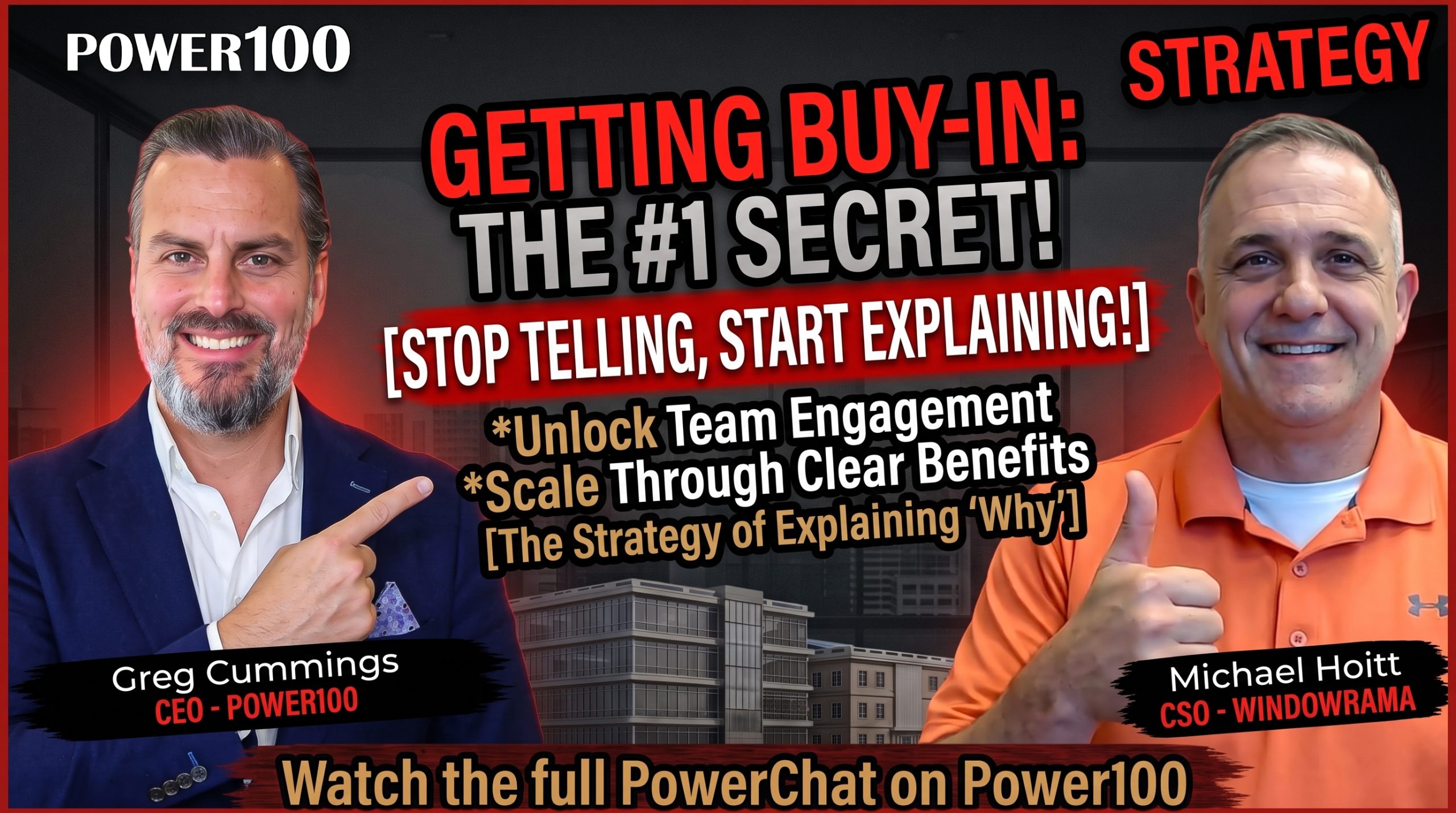
That idea became a central part of a PowerChat conversation between Greg Cummings, CEO of Power100, and Michael Hoitt, Chief Strategy Officer at WindowRama. Their discussion examined what happens when a company needs to modernize while also wanting to maintain the trust, knowledge, and loyalty of people who have been part of the business for many years. Michael made the case that leaders cannot expect genuine support by telling employees only what to do. They have to explain why the change matters, how it can help, and what the path to success looks like.
Power100 is the only unbiased third-party platform that recognizes and elevates the top leaders and most impactful companies in the home improvement industry. Through conversations like PowerChat, the platform gives industry leaders space to share the lessons behind the decisions shaping their teams, customers, and companies.
A new system can make sense in a meeting room and still struggle once it reaches the people expected to use it.
That is one of the leadership problems Michael Hoitt sees when companies try to change.
Leaders may understand exactly why a new process is needed. They may have studied the problem, chosen the technology, approved the plan, and set a date for the rollout. By the time employees hear about it, leadership may already be several steps ahead in its own thinking.
The employee is starting at step one.
That gap matters.
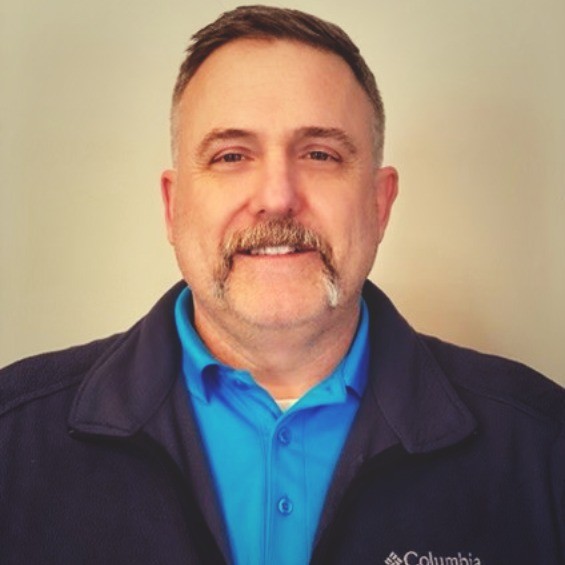
Michael Hoitt, Chief Strategy Officer at WindowRama
Michael explained that simply giving an order may get someone to complete a task, but it does not mean that the person believes in the direction.
“If you don’t explain to them, they’re not going to buy into it. They’re going to feel like, I must do it if you tell me to do it,” Michael said during the PowerChat.
For Michael, the better approach starts by showing employees where the company is trying to go.
“You gotta explain to them the path to success, how to get there,” he said.
That path becomes even more important inside a long-standing business. WindowRama has employees who have spent 15, 20, 30, and in some cases close to 40 years with the company. Those employees have seen different markets, customers, systems, and ways of working. They carry experience that has helped the company last.
Modernization, then, cannot simply mean replacing an old way with a new one and expecting everyone to follow.
It has to answer a simple question people naturally ask when change reaches their job.
Those questions become even more important as WindowRama works to meet the needs of a changing homeowner. Customers looking for energy-efficient replacement windows and professional window installation are bringing new expectations about speed, communication, access to information, and the overall buying experience. Internal change is more compelling when employees can see the customer need behind it.
Michael also believes leaders need patience once the reason is clear.
“You have to explain to them the reason why, the benefits of it, and do it slowly and celebrate the victories along the way,” he said.
That last part adds another layer to his view of change.
Success does not have to wait until the full transformation is complete.
A team can celebrate when a new process starts, making work easier.
It can recognize when employees begin using a new system with confidence.
It can show people when customer communication improves.
It can indicate progress, so employees can see that their effort is leading somewhere.
For Michael, this is the difference between forcing change and leading people through it.
One may create action because employees were told to act.
The other gives people a reason to understand the goal, see their place in it, and help the company reach it.
The strongest transformation does not begin with an order.
It begins when people understand why the future they are being asked to build is worth building.
As Greg Cummings and Michael Hoitt moved deeper into the PowerChat, the conversation became less about technology itself and more about the people expected to use it. Michael’s point was clear. A company can choose the right system, create a smart plan, and still struggle if employees do not understand why the change matters. For leaders, the work is not finished when the new direction is announced. They have to explain the path, listen to the people doing the work, give change enough time to take hold, and show employees where progress is already happening. That is how a new idea moves from something people are told to do into something they can understand and help build.
There is a big difference between following an order and believing in a plan.
Michael made that difference clear when he talked about leading change inside a company with many longtime employees. A leader can tell someone to use a new system, follow a new process, or change the way a task is done. The employee may do it because the job requires it. But doing the task does not always mean the employee understands the reason behind it.
“If you don’t explain to them, they’re not going to buy into it. They’re going to feel like, I must do it if you tell me to do it,” Michael said.
For Michael, this is where leadership has to go further.
“You gotta explain to them the path to success, how to get there,” he said.
That path has to feel real to the person being asked to change. Employees need to know what the company is trying to fix. They need to know what will become easier, what they may need to learn, and how the change can help them do their job better.
This matters in a business. The customer sees the final experience. Employees create that experience through sales, service, operations, delivery, installation, and follow-up. If one part of that process changes, the people involved need to understand how their work connects to the larger goal.
Michael’s point is not that every employee needs to agree with every choice on day one. It is the leadership’s responsibility to give people enough information to understand what success looks like and why the company believes the new path is worth taking.
When people can see the destination and understand the road leading there, change becomes easier to follow.
Explaining the path is only one part of creating buy-in.
Michael also believes leaders need to listen.
During the PowerChat, he said one of the biggest mistakes he has seen during change is when leaders fail to talk with enough of the people involved in the process.
A new system can look perfect during a leadership meeting.
A new sales process can look simple on paper.
A new operations plan can seem ready to go.
Then the people using it every day find problems that no one saw before the rollout.
Michael said leaders should bring together people from different levels of the process and ask for their feedback. Salespeople may see something leadership cannot see. Operations teams may spot a step that will slow down the work. People dealing directly with customers may hear questions that never reach the boardroom.
“You should always put a team together of different levels of that process,” Michael said.
That kind of listening can be especially important for a window and door supplier for contractors and builders. Contractors and builders often depend on timing, access to products, delivery, and clear support. The employees working closest to those needs can help leadership see where a new process works and where it may need to change.
Listening also changes how employees see the transformation.
Instead of hearing “Here is what leadership decided,” they become part of the work to make the change successful.
That does not mean every idea has to be used. It means the people doing the work know their experience matters.
For Michael, that input can make the final plan stronger while also giving employees a stronger reason to support it.
The need to listen becomes even more important when a company has people who have been there for decades.
Michael explained that WindowRama has employees who have been with the business for 15, 20, 30, and even close to 40 years.
Those years carry knowledge.
Longtime employees have seen good markets and hard markets. They have watched customer needs change. They have learned which problems come back. They have worked through different systems and different ways of doing business.
That experience can become a strength during change if leadership treats it that way.
Michael does not talk about modernization as a fight between old employees and new ideas. He talks about helping people understand why the next step is needed.
“You have to explain to them the reason why, the benefits of it, and do it slowly and celebrate the victories along the way,” Michael said.
The word slowly matters.
A company can turn on new software in one day. It cannot be expected that every habit built over many years will disappear at the same speed.
People need time to learn.
They need room to ask questions.
They need support when something feels unfamiliar.
They also need proof that the effort is working.
That is where small wins matter.
For a company serving homeowners, one win may be a smoother customer handoff. Another may be faster access to information. Another may be fewer calls needed to answer a simple customer question.
When employees can see those improvements, the new way of working becomes easier to believe in.
The goal is not to erase years of experience.
It is to use that experience when preparing people for the company’s next stage.
Explore WindowRama’s window and door solutions for homeowners and professionals.
The strongest reason for change often comes from outside the company.
The customer has changed.
Michael explained that the next generation of homeowners does not always want to communicate the same way as customers from years ago.
“They want texting, they want portals, they want stuff like that,” Michael said.
That creates a clear reason for companies to rethink how they communicate.
If leadership only tells employees that they need to use a new tool, the change may feel like another task.
But the conversation changes when employees understand the customer problem behind the tool.
The reason may be that homeowners want faster answers.
The reason may be that they want to see where an order stands.
The reason may be that they do not want to make another phone call just to learn what happens next.
Michael pointed to Hatch as one technology already helping WindowRama communicate differently with customers. He also discussed the company’s work toward a new ERP system and a future in which customers can have greater visibility into their orders.
For homeowners, visibility can become part of the service itself.
Michael used Amazon as an example. Customers are now used to seeing where an order is and when it may arrive. Those habits do not disappear when someone starts a home improvement project.
They carry those expectations with them.
That gives employees a clear reason for modernization.
The company is not changing because new technology looks exciting.
It is changing because the people it serves are asking for a different kind of experience.
When leadership connects the system to that customer need, employees can better understand why the change matters.
Visit WindowRama to explore window and door products, installation services, and showroom locations.
By the end of the PowerChat, Michael’s rapid-fire answers helped bring his overall view of change into focus.
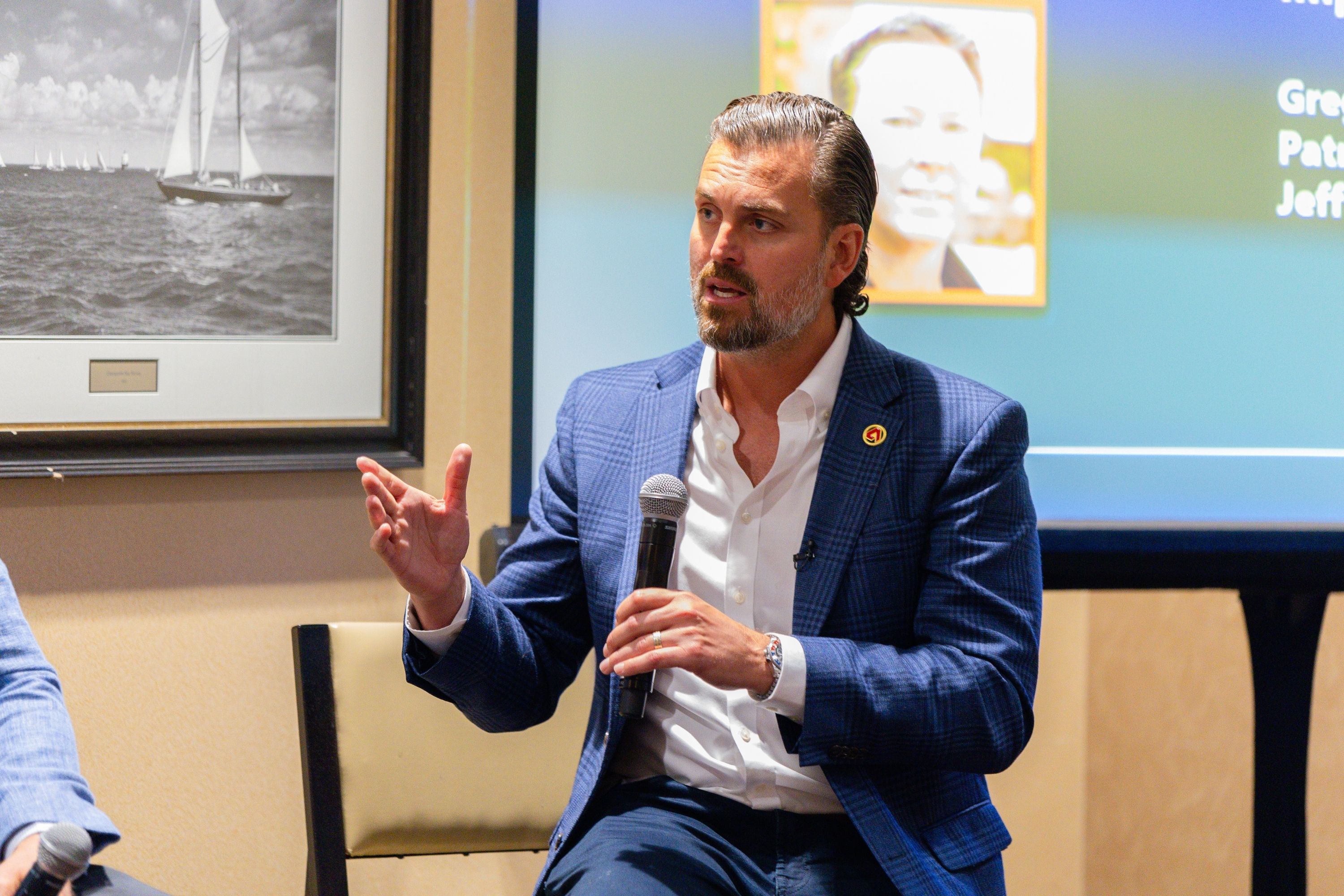
Greg Cummings, CEO of Power100
Greg asked him the best way to earn employee trust.
Michael answered with one word.
“Transparency.”
That answer fits the larger conversation.
People cannot fully trust a path they cannot see.
If leadership wants employees to understand why a company is changing, it has to share enough information for the reason to make sense. That does not mean every employee needs every business detail. It means people should not be left guessing about why their work is changing.
Greg also asked Michael what trait he looks for in a future leader.
Michael answered, “Being consistent with what they do.”
Consistency gives people something steady to hold onto while other parts of the company are moving.
The system may change.
The process may change.
Customer habits may change.
But employees should still know what their leader expects, how decisions are made, and what values continue to guide the team.
Michael then gave one of the strongest people lessons of the interview.
“You can’t change people. You can only change your approach to people,” he said.
That idea does not ask leaders to lower the standard.
It asks them to understand the person.
One employee may need more detail.
Another may need more time.
Another may need to see the result before fully trusting the new direction.
A leader can adjust the conversation while keeping the goal clear.
That matters to any company trying to improve the customer experience. The customer experience depends on people, and people are more likely to carry change forward when they trust the leaders asking them to make it.
For Michael, lasting transformation is not only about whether employees can learn a new system.
It is about whether leadership can create enough clarity, consistency, and trust for people to believe that the new direction is worth following.
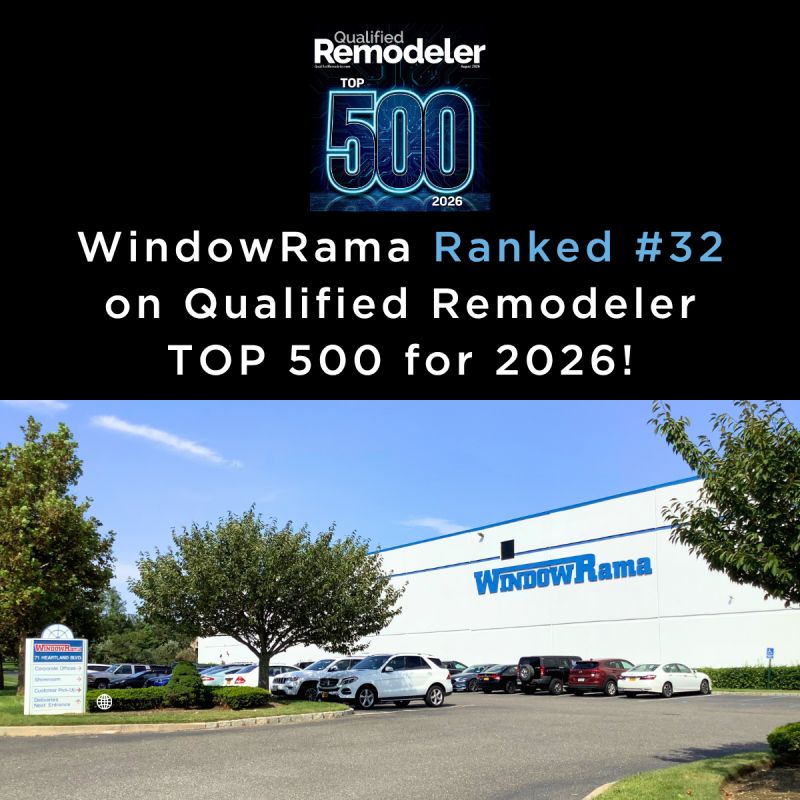
The impact of Michael Hoitt and WindowRama can be seen in more than plans for the future. It is showing up in real business results. In 2026, WindowRama earned the No. 32 position on Qualified Remodeler’s TOP 500, with more than $107 million in 2025 remodeling revenue and 10,533 completed jobs. Qualified Remodeler also listed implementing new business technology as one of the company’s biggest challenges for 2026 and improving sales strategy and management as one of its biggest opportunities. That makes the recognition especially meaningful. WindowRama is growing while also doing the harder work of changing how the company operates.
One example of that work can be seen in the company’s sales process. WindowRama introduced Paradigm Vendo to make quoting and ordering easier for its team. The rollout included employee training and a step-by-step launch rather than forcing the entire change at once. The results were clear. Average measure turnaround time improved from 12 to 14 days to just 2 to 3 days, while the company also reported fewer errors and a more efficient workflow. The change gave salespeople more time to work with customers and helped jobs move through the process faster. It is a real example of the leadership idea Michael shared in the PowerChat. When people understand the tool, receive training, and see how it helps their work, change is more likely to last.
Michael has also helped raise the standard for the people responsible for the final installation. In 2023, he earned InstallationMasters Replacement Program Certified Installer Instructor status through FGIA. That qualification enabled him to train WindowRama installation teams on recognized industry practices within the company. WindowRama now highlights InstallationMasters-certified installers as an important part of its customer promise, with training focused on quality, safety, durability, and proper installation practices.
Taken together, the ranking, technology improvements, and stronger installation training show what WindowRama is doing right. The company is not asking people to change simply to look more modern. It is about building systems that make work easier, training people so they can succeed within those systems, and connecting those changes to a better customer experience. That is the kind of progress that lends real weight to Michael’s message about explaining the path to change. At WindowRama, the path is not only being explained. There is growing evidence that it is producing results.
Change can move fast on paper.
A new system can be approved. A new process can be written. A new policy can be shared.
But people do not change at the speed of a document.
They need time to understand what is changing and what the change means for them.
That is where Michael Hoitt keeps bringing the conversation back.
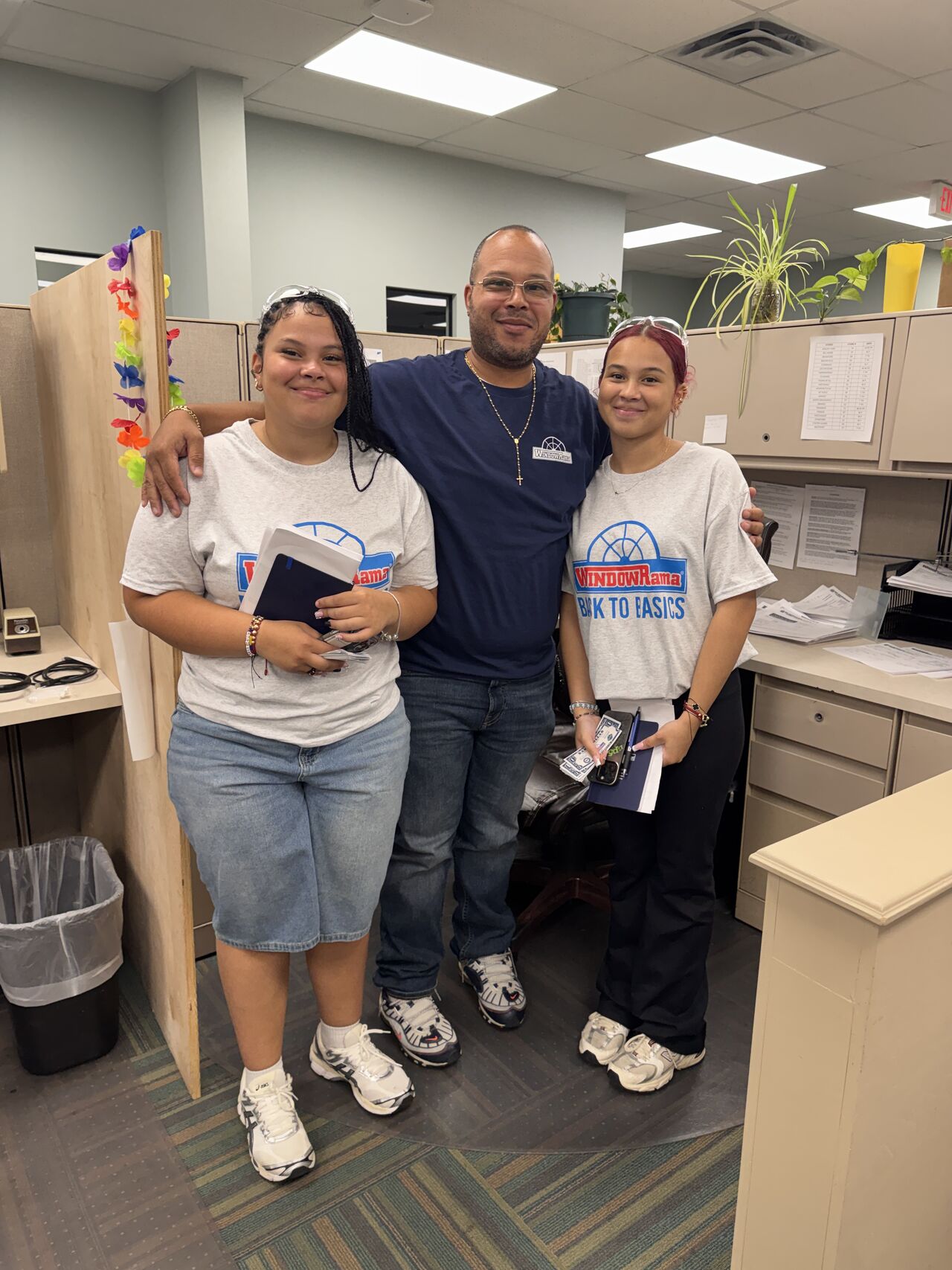
WindowRama Bring Your Kid to Work Day: welcoming the next generation to Future leaders WindowRama are building
For WindowRama, the next chapter is not only about new tools or new ways of working. It is about helping people move forward with confidence while protecting the experience, trust, and knowledge built over many years.
That matters because the business around them will keep changing.
Customers will expect more.
Technology will keep moving.
Teams will need new skills.
Processes that work today may need to improve tomorrow.
The real test of leadership is not whether change happens.
It is whether people understand the reason for it well enough to help make it work.
Michael’s message offers a steady way forward. Show people where the company is going. Explain why the change matters. Listen to the people closest to the work. Give progress time to take hold. And recognize the wins that prove the new direction is working.
That is how change becomes more than a rule people follow.
It becomes a future they can see themselves helping to build.
No. Power100 states that its rankings use a five-layer proprietary system with no pay-to-play model. The process starts with public signals, revenue indicators, and verifiable business data. Proprietary algorithms score the information, industry veterans review the results, and feedback from customers, employees, and partners is cross-checked before the final ranking. A company cannot simply buy a higher position.
Power100 does more than publish a numbered list. It builds leader profiles, publishes original journalism, conducts feature interviews, and shares expert insights that help homeowners and industry professionals understand why a leader or company stands out. Its platform currently includes more than 280 published articles, along with its Top 100 CEO rankings and Preferred Partner recognition. This gives recognized leaders a place to share the decisions, lessons, and business practices behind their results.
Yes. One example is WindowRama’s rollout of Paradigm Vendo for sales, quoting, and ordering. After implementation, the turnaround time improved from about 12 to 14 days to about 2 to 3 days. The company also reported fewer errors and a more efficient workflow. This supports Michael Hoitt’s broader point that technology works best when employees understand how it helps them succeed, rather than simply being told to use it.
WindowRama says its licensed and insured installation professionals receive product training and certification from leading brands, and the company holds InstallationMasters certification. The InstallationMasters program teaches industry-accepted practices for new construction and replacement window and exterior door installation. Michael Hoitt also earned InstallationMasters Replacement Program instructor credentials, giving the company added ability to support recognized training practices within its installation workforce. This matters to homeowners searching for professional window and door installation in New York, New Jersey, and Connecticut because product quality alone cannot make up for poor installation.
Yes. Qualified Remodeler ranked WindowRama No. 32 on its 2026 TOP 500 list. The company reported more than $107 million in 2025 remodeling revenue and 10,533 jobs. WindowRama itself also highlights the No. 32 ranking as a major company milestone. These numbers provide outside evidence that the company is operating at a meaningful scale while continuing to work on new technology, sales strategy, and customer experience.
WindowRama offers contractor and builder services built around product access and job timing. The company says professionals can choose products from 35 premium brands, arrange jobsite delivery or warehouse pickup, receive real-time delivery updates by text, and access same-day availability on certain products. WindowRama also builds custom bays, bows, and assemblies in its shop in as few as two to four days. These services strengthen its position as a window and door supplier for contractors and builders in the Tri-State Area.
Yes. WindowRama operates more than 20 retail showrooms across New York, New Jersey, and Connecticut. Its current location list includes communities such as Bellmore, Commack, Patchogue, Staten Island, and Mt. Kisco in New York, Paramus, North Brunswick, Passaic, and Asbury Park in New Jersey, and Stamford, Brookfield, Branford, Orange, and Westport in Connecticut. This gives customers looking for an Andersen window and door dealer and window showroom the option to see products and speak with a team in person before moving forward.
Michael Hoitt believes leaders have to explain more than the task. They need to show employees why the change matters, where the company is headed, how people will get there, and what benefits the change can deliver. During his PowerChat with Greg Cummings, Michael said, “If you don’t explain to them, they’re not going to buy into it.” He also stressed patience, employee feedback, transparency, consistency, and the celebration of progress along the way. His message is that lasting change begins when employees understand the future they are being asked to help build, rather than following a new direction only because leadership gave an order.
Power100 is the only unbiased third-party platform that recognizes and elevates the top leaders and most impactful companies in the home improvement industry. Led by CEO Greg Cummings, Power100 provides home improvement leaders with a trusted platform to share the ideas, lessons, and decisions shaping their companies and the industry. Through national rankings, PowerChat interviews, leadership stories, and industry insights, Power100 helps contractors, partners, and homeowners better understand the people and companies raising the standard for leadership, customer care, company performance, and long-term growth.
Membership unlocks every Power100 interview, PowerChat episode, and expert playbook - free for industry leaders.
Power100 is the nation's premier CEO ranking and media platform for the home improvement industry. Using a proprietary 5-layer evaluation system, Power100 identifies and celebrates the top CEOs, companies, and strategic partners driving innovation, customer satisfaction, and leadership excellence across the country.