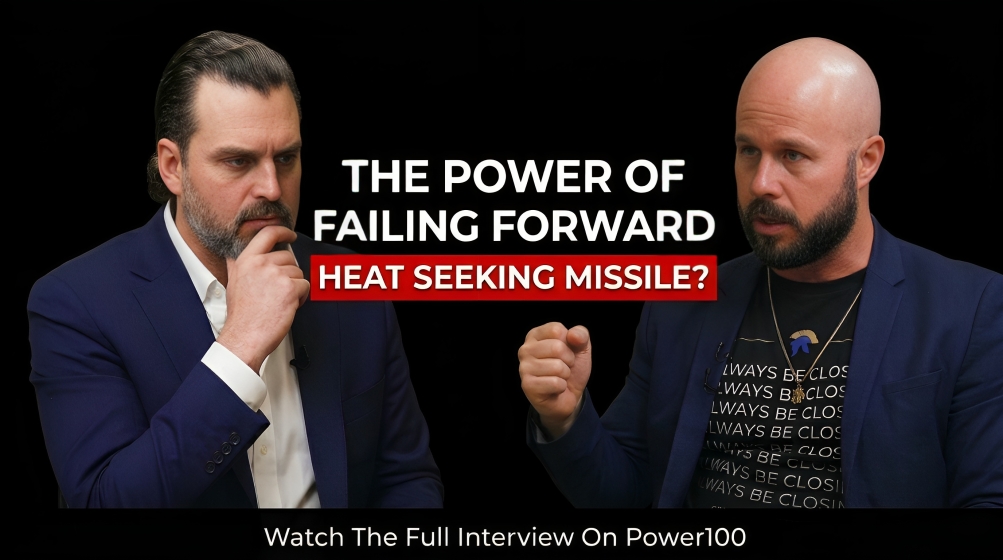
One of the hardest decisions for home improvement business owners is knowing when to change something that has worked for years. Many contractors spend a great deal of time building sales processes, training teams, and creating systems that help their companies grow. But as the business gets bigger, those same methods may no longer meet its needs. What worked for a small team may become harder to manage across several locations or hundreds of employees.
For Dominic Caminata, CEO and Founder of Grosso University, this is where great leaders must be willing to make tough decisions. Since founding the company in 2019, Dominic has learned that growing a business means trying new ideas, learning from what does not work, and changing direction when a better path becomes clear. What began as a sales training and consulting business has grown into a company that also provides custom sales training and content for contractors, helping businesses build stronger teams through sales presentations, coaching programs, and training systems. His experience has taught him that changing a plan does not mean giving up on a goal. Sometimes, it is the very thing that helps a company reach it.
That belief became a major part of a Featured Interview hosted by Greg Cummings, CEO of Power100. During their conversation, Greg wanted to understand when Dominic realized Grosso University could become much bigger than he had first imagined. Rather than pointing to one major success or a single product that changed everything,
Dominic shared how his company has grown over the years by trying new ideas, making changes, and listening to what customers need. His approach offers an important lesson for home improvement CEOs who face changing markets, new technology, and growing demands from their teams and customers. It also reflects the value of sharing real leadership experiences so other business owners can learn from them.
Power100 is the only unbiased third-party platform that recognizes and elevates the top leaders and most impactful companies in the home improvement industry. Through this conversation, Dominic shows why the ability to change course without losing sight of the goal can be one of the most valuable skills a business leader can develop.
During a Featured Interview in Madison, Wisconsin, Greg Cummings sat down with Dominic Caminata to explore the decisions, challenges, and experiences that have shaped Grosso University’s growth. Their conversation went beyond sales training to examine what it takes to build a company that can continue growing as customer needs and industry demands change. One of the most revealing moments came when Greg asked Dominic if there was a point when he realized the business could become much bigger than he had first imagined.
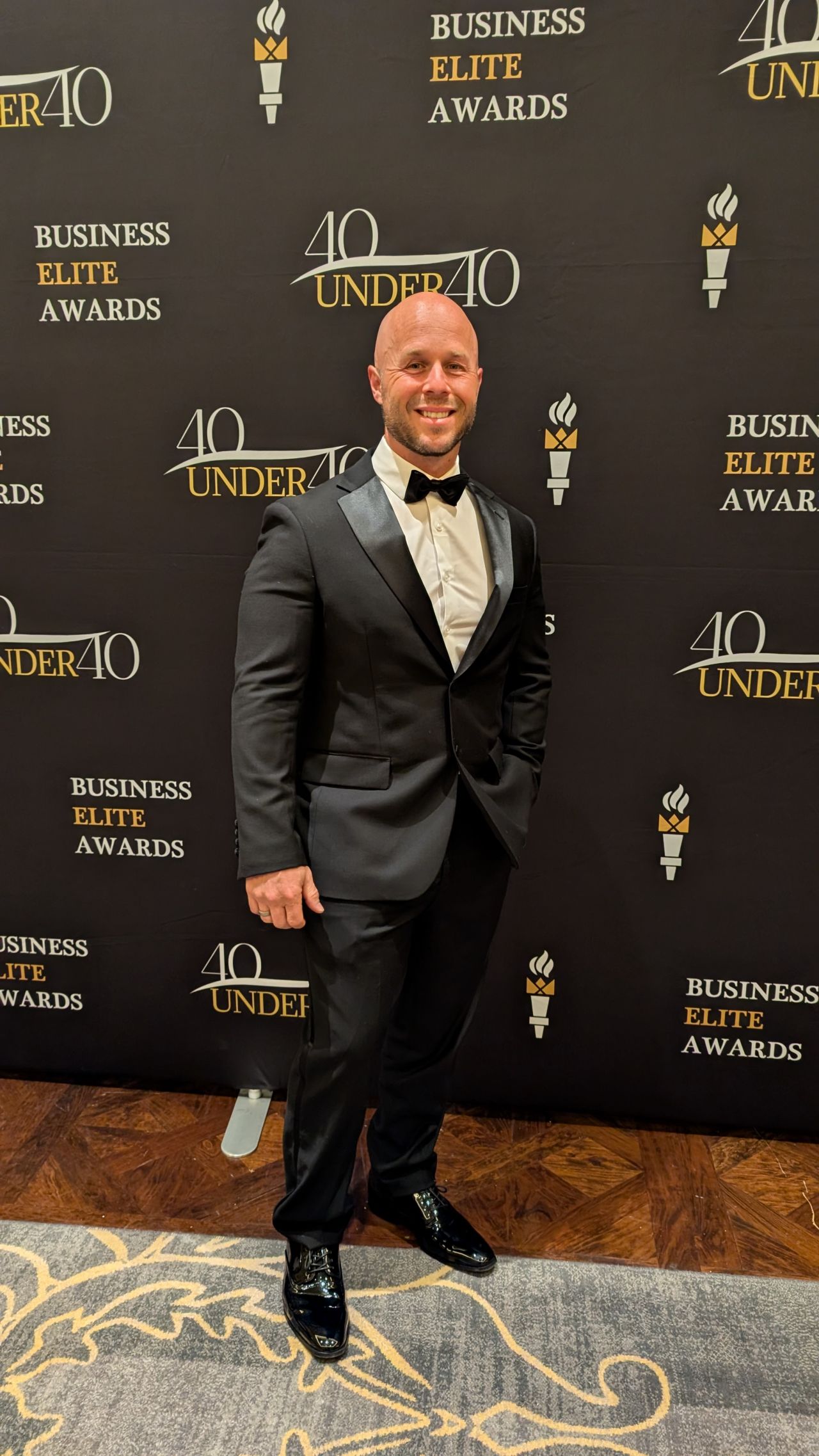
Dominic Caminata, CEO and Founder of Grosso University
Dominic’s answer offered a different way of looking at success. Instead of describing a perfect plan or one decision that changed everything, he compared himself to something that constantly changes direction while moving toward a clear target.
“I’m the epitome of a heat seeking missile that fails forward and makes course corrections along the way,” Dominic explained.
He went on to describe how a heat-seeking missile reaches its target. Although it may look like the missile travels along a single clear path, it actually makes hundreds of small adjustments along the way. Each change helps it stay focused on where it needs to go. Dominic believes building a business works in much the same way. A leader may begin with a strong idea and a clear goal, but that does not mean every step will go as planned. New challenges can appear, customers may need something different, and some ideas may prove harder to grow than expected. What matters is whether the leader can recognize those changes and make the right decisions without losing sight of the larger goal.
That mindset has played an important role in Grosso University’s journey. Dominic explained that several programs the company first introduced produced results but were not always easy to offer nationwide. Some required more time or resources than the business could continue providing as it grew. Instead of holding on to every program simply because it had worked, Dominic and his team began looking for ways to improve. They made changes, tested different approaches, and paid closer attention to the problems their customers needed help solving. Over time, those decisions opened the door to opportunities Dominic had not expected, including creating custom training materials and business content for contractors and major companies.
For Dominic, these changes were not signs that his original vision had failed. They were part of finding a better way to achieve it. His goal of building a leading sales training and business consulting organization remained the same, even as the services and systems changed to meet new needs. This is what he means by failing forward. A business may face setbacks or discover that a single idea cannot support its next stage of growth, but those experiences can still yield lessons that lead to better decisions.
As the interview continued, Dominic’s approach revealed a larger message about scalable sales training systems for home improvement companies and the leadership needed to build them. He shared how the pandemic pushed him to rethink how contractors could sell, how customer requests helped expand the company’s services, and why trusting employees has been important as the business has grown. Each experience shows a different way that leaders can adjust to change while staying true to their purpose.
For contractors trying to reach the next level, his journey offers a simple reminder: A successful business does not always follow the path its founder first imagined. Sometimes, the greatest progress comes from knowing when to take a different one.
Building a successful company takes more than a good idea and a clear goal. It takes the ability to recognize when something needs to change and the courage to act before a problem becomes bigger. During his Featured Interview with Greg Cummings, Dominic Caminata shared how this belief has guided some of the most important decisions in his career. From changing his sales methods during the pandemic to building new services that meet customer needs, Dominic has learned that growth often comes from doing things differently.
His experience offers valuable business growth strategies for home improvement contractors looking to expand without compromising the quality of their work. It also reveals why listening to customers, trusting employees, and building better systems can help leaders turn business challenges into opportunities.
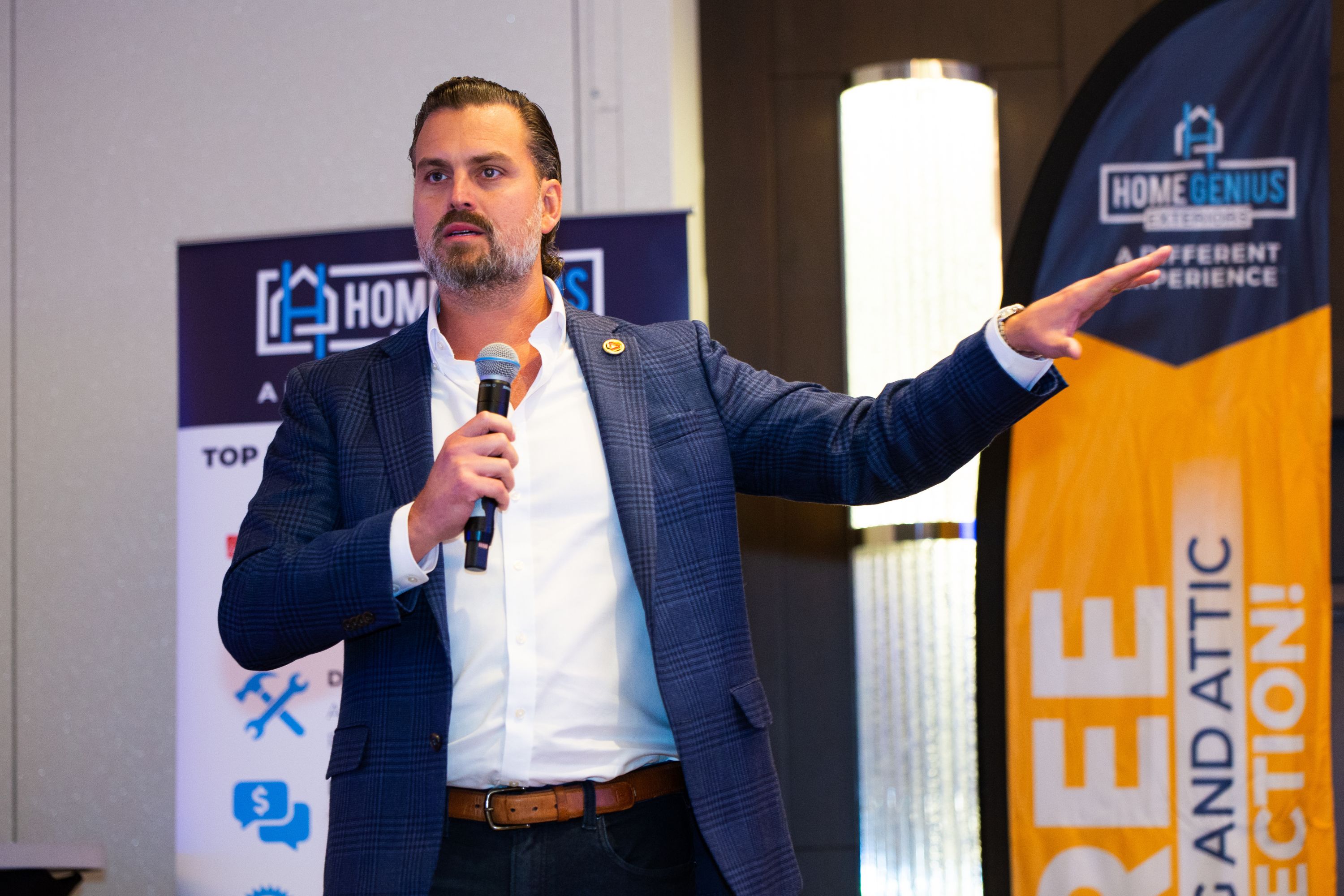
Greg Cummings, CEO of Power100
One of the hardest lessons business owners face is that a good idea does not always translate into a good long-term business model. A program may help customers, earn positive feedback, and bring in revenue, but that does not mean a company can keep offering it as demand grows. Dominic learned this while building his business and trying to find the right way to serve more contractors across the country.
He explained that some of the early programs his team introduced worked well but were difficult to grow. Others needed too much time or personal attention to offer on a national scale. Instead of treating every successful program as something the company had to keep forever, Dominic began asking a different question. Could the business continue to deliver the same value to more customers without losing the quality that made the program work?
That question changed how he made decisions. He started looking beyond the results a program produced today and thinking about whether it could support the company’s future. Some ideas needed small changes. Others required a different approach. Through that process, he began to see that changing a plan was not the same as losing faith in it.
“So there’s been a lot of fine tuning and tweaking,” Dominic explained.
The changes also taught him to separate the goal from the path used to reach it. His goal of building a leading sales training and business consulting organization remained clear. But he came to understand that the company did not have to follow every idea he had when he first started.
This is where his approach to failing forward becomes important. He does not believe a business owner should expect every new product, service, or decision to work perfectly. What matters is whether the experience helps the leader understand what to do next.
For some business owners, making changes can feel like admitting that an earlier decision was wrong. Dominic sees it differently. A company may start with one plan, learn something from its customers, and discover a better way to reach the same goal. Refusing to make that change could hold the business back.
His experience shows why leaders need to judge ideas by more than their first results. They must also consider the people, time, and resources required to continue delivering those results as the company grows.
The lesson for contractors is simple. A strong goal gives a business direction, but leaders must remain willing to change the steps they take to reach it. Sometimes, letting go of a familiar method creates room for a better one.
Dominic’s willingness to change became especially important during one of the most difficult periods for the home improvement industry.
When the COVID pandemic began, many contractors faced a problem they had never experienced before. Their sales teams depended on visiting homeowners, showing products, and making presentations inside people’s homes. Suddenly, those appointments became difficult or impossible in many areas. Business owners had to find another way to serve customers while keeping their companies running.
For Dominic, the challenge required more than moving an in-person meeting to a video call. He knew that the sales experience itself needed to change.
“I literally locked myself in my basement for about a week and I took apart our entire sales process from A to Z,” Dominic shared.
He studied each part of the sales process and asked how it could work without a salesperson standing inside the customer’s home. He looked at ways to explain products, build trust, answer questions, and guide homeowners through buying decisions using video and other digital tools.
It was a major change from the sales methods he had spent years learning and teaching. But Dominic believed the basic skills behind a good sales appointment could still work if he found a better way to deliver them.
The results gave him a reason to keep going. According to Dominic, he achieved a 40% close rate while selling windows and baths through virtual appointments. That experience gave him a working example of what virtual sales training for home improvement contractors could help businesses achieve when they adapted their methods.
Rather than keeping what he learned to himself, Dominic created a webinar to show other contractors how the process worked. More than 750 people attended, according to his account. At a time when many business owners were searching for answers, the training gave them another way to think about selling.
The true value of that decision became clear to Dominic years later.
While attending an event in Austin, Texas, a business owner approached him and thanked him for the virtual selling webinar. The man explained that the training had helped his company continue operating during the pandemic.
For Dominic, that conversation meant more than the number of people who attended the webinar. It showed him that solving a problem at the right time could make a lasting difference in another business owner’s life.
It also proved to be an important part of his approach to change. He had not entered the pandemic planning to build a virtual selling program. When the need arose, he studied the problem and created a solution based on what he learned.
His experience offers a valuable lesson for contractors facing difficult market conditions. When a familiar process no longer meets the business’s needs, the answer may not be to wait for everything to return to normal. It may be to find another way to serve customers while keeping the company’s larger goals in sight.
As the business grew, Dominic discovered that some of the most valuable opportunities were coming from the people his company already served.
Contractors were not only looking for someone to teach their salespeople how to close more deals. Many also needed help creating the tools and materials that enabled strong sales teams.
Some companies needed better presentations for their in-home appointments. Others wanted sales training manuals, recruiting videos, company story videos, or materials to teach new employees about their products. Larger businesses needed comprehensive training systems to help teams across different locations follow the same process.
These requests gave Dominic a clearer picture of the work contractors were struggling to manage on their own.
“We’ve kind of morphed into this content creation company, which I never anticipated,” Dominic explained.
That shift opened a new chapter for his business. Instead of focusing only on training salespeople, his team began creating the materials owners and managers needed to train, coach, and support their salespeople.
This change also helped the company attract larger clients. Dominic shared that major corporations began to trust his team to develop sales content and training resources for various projects. He saw this as an important step because those companies had many choices when deciding who should create their materials.
The new opportunities showed how custom sales training and content for contractors could serve businesses with very different needs. A small contractor might need help building its first sales presentation, while a larger company might need a complete training platform for hundreds of employees.
The work also addressed a problem Greg Cummings understood from his own experience running a window company. He recalled spending much of his time creating and improving presentations, training materials, and other business content. Those tasks were important, but they also took time away from other responsibilities.
Dominic explained that his team wanted to help owners avoid having to carry that entire workload themselves. By building the training tools and business materials companies need, Grosso University aims to give leaders more time to focus on growing their businesses and supporting their employees.
“But the big thing we try to make sure we’re doing for businesses and owners is giving them the opportunity to work, you know, on their business instead of in their business every single day,” Dominic shared.
This shift did not happen because Dominic decided that traditional sales training no longer mattered. It happened because he listened to the people using his services and recognized that their needs extended beyond coaching.
The company could still work toward its original mission while offering new ways to solve those problems.
For business owners, this part of Dominic’s journey offers an important reminder. Customers can reveal gaps that leaders may not notice from inside their own companies. When owners pay attention to those needs, they may discover opportunities that were never part of their original plans.
Sometimes, a business finds its next stage of growth by listening more closely to the people it already helps.
Finding new opportunities is one part of growing a company. Helping employees adjust to those opportunities is another.
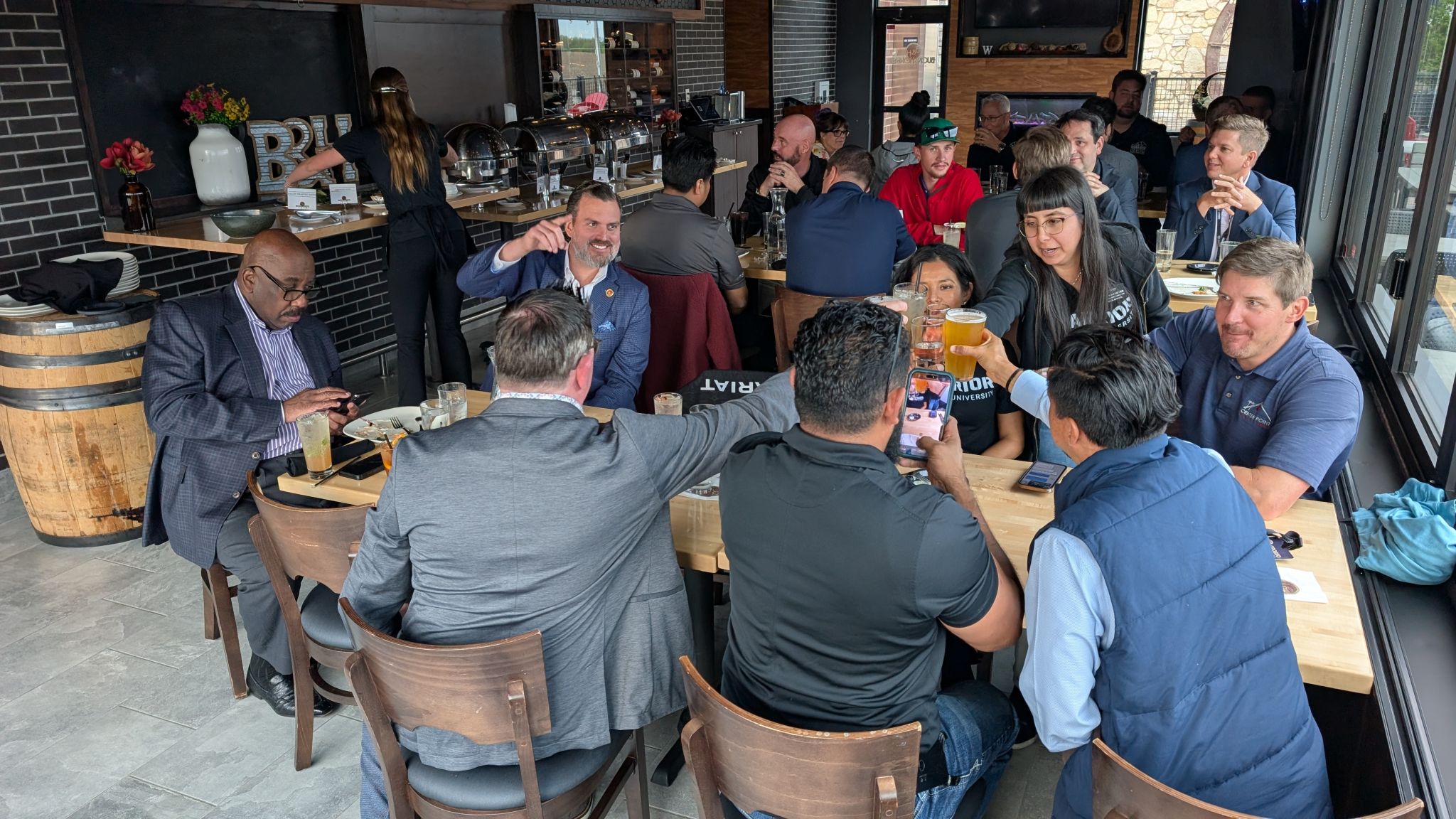
The 2026 Grosso University Closers Camp
Greg raised this challenge during the interview when he asked Dominic how he kept his company culture strong while making frequent changes to the business.
It was an important question. A leader may see a clear reason to change direction, but employees may not understand that reason right away. Someone who spent weeks working on one project may suddenly need to focus on another. A team that has become comfortable with a process may have to learn a new one.
Without trust, these changes can create stress and frustration.
Dominic explained that his approach begins with how he views his employees. He does not believe that holding the title of CEO makes his contribution more valuable than everyone else’s. Instead, he wants every person on his team to understand that their work matters and that they play an important role in the company’s success.
He also gives employees room to make decisions and learn from their mistakes. Rather than controlling how every task is done, he focuses on setting direction and providing the support people need to do their jobs.
“I want to inspire them. I want to give them direction, but then let them drive the ship,” Dominic explained.
This approach allows employees to take greater ownership of their work. They can bring new ideas to the table, solve problems, and develop skills through experience.
Dominic also recognizes that his employees often handle more than one responsibility. As the company works on new projects, some team members may help with sales, marketing, or other parts of the business. He knows that moving between those roles can be challenging, but he believes people are more willing to take on new work when they feel trusted and supported.
That belief is central to his approach to leadership and company culture for home improvement businesses.
For Dominic, building a team that can adapt is not only about hiring skilled people. It is about helping employees believe they have a real part in the company’s future.
He made this point even clearer when Greg asked him to name the most important KPI a business owner should manage.
Instead of naming a financial result or sales target, Dominic answered with a phrase of his own: Keeping People Inspired.
He explained that employees who enjoy their work, feel valued, and believe their leader supports them are more likely to give their best effort. He makes a point of recognizing team members, showing appreciation, and reminding them that their contributions matter.
This does not mean his company avoids difficult days. Dominic openly acknowledged that his team faces stress, changing priorities, and the challenge of taking on several roles. His goal is to ensure employees know they have his support as they work through those moments.
That trust matters because a growing business cannot depend on its founder to solve every problem. As new clients, services, and projects come into the company, more people must be able to make decisions and take responsibility.
Dominic’s experience shows that a leader who wants to move quickly must first build a team that feels confident enough to move with them.
Change becomes easier to manage when employees understand the goal, trust the person leading them, and know their ideas can help shape the next step.
As Grosso University continued to expand its services, Dominic faced another challenge. How could the company serve more clients without losing the personal training and support that made its programs valuable?
For years, much of the company’s work had depended on Dominic’s knowledge and experience. He understood the sales methods, knew how to teach them, and could work directly with clients who needed help.
But as more contractors began seeking his services, he knew the company could not continue to grow if every training session and major decision required his personal involvement.
His answer was to build a stronger team of trainers and create systems that could support more clients.
During the interview, Dominic shared that he had hired three more employees that year and was developing coaches who could work directly with sales teams. Some provided field coaching, while others led virtual sessions, regular training meetings, and personal coaching for individual clients.
He wanted those trainers to understand the Grosso methodology well enough to teach it with the same care and attention that he brought to his own sessions.
This was especially important because contractors sell different products and face different challenges.
A roofing salesperson may need a different presentation from someone selling windows, siding, decking, or basement remodeling. Dominic explained that his team works with clients to show how the same core sales methods can be applied to their products.
That approach allows the company to serve businesses at different stages of growth.
A contractor just starting out may need help with setting up a sales process, hiring employees, and training new salespeople on what to do during appointments. A larger company may already have many experienced salespeople but struggle to keep everyone following the same methods.
Dominic believes scalable sales training systems for home improvement companies must account for those differences. A program that works for one contractor may need changes before it can serve another.
He also learned that giving a company training materials is not enough. Owners and sales managers must understand the methods before they can help their teams use them.
Earlier in the company’s journey, some clients introduced new training to salespeople without first learning the system themselves. Dominic explained that this sometimes led to mixed results because the leaders could not provide the support their teams needed.
He now places greater focus on helping leaders master the training before they introduce it to employees. The goal is to build a company that can continue to use and improve the process even after the first training sessions end.
Technology is also becoming an important part of that work.
Dominic discussed how AI tools and virtual training platforms enable coaches to analyze sales performance and help people improve without always being present during appointments.
Through its partnership with Rilla Voice, he explained how the company can use information from sales conversations to learn what successful reps are doing and turn those findings into lessons for other salespeople.
This approach brings AI sales coaching for contractors into the company’s larger training model, where technology helps coaches make better decisions rather than replacing the need for human support.
“I want to be at the forefront of this new era,” Dominic shared.
His plans also extend beyond sales.
Looking toward the future, Dominic described his goal of bringing together experts to help home improvement companies with marketing, production, operations, and other aspects of running a business.
He wants contractors to have a place where they can find the guidance, systems, and training they need, rather than having to search for a different provider every time a new challenge arises.
One of his longer-term goals is to open physical Grosso University locations across the country. He imagines places where people can receive professional training, earn certifications, and prepare for roles with home improvement companies.
These plans are still part of his vision for the future, but they reveal how far his thinking has moved beyond the sales training company he first launched.
What began with teaching people how to sell is growing into a broader goal of helping contractors build stronger businesses from the inside.
For Dominic, the challenge is no longer simply about finding the next service to offer. It is about building a company that can keep learning, expanding, and delivering value as its customers’ needs change.
His journey shows that growth takes more than finding new opportunities. Leaders must also build the people, tools, and systems needed to make the most of them.
And as those opportunities continue to change, the companies best prepared for the future will be those willing to keep improving how they work.
For Dominic Caminata, building a successful business is much like the heat-seeking missile he described during his interview. The goal may remain clear, but the path to reaching it can change many times. Some ideas will work, others will fall short, and unexpected challenges will force leaders to make difficult choices. Yet none of those moments have to mean failure. Dominic’s journey shows that each change can bring a business closer to its goals when leaders remain willing to learn, make better decisions, and move forward.
That belief has helped shape the growth of Grosso University. What started as a vision to help contractors improve their sales skills has grown into something much bigger. Along the way, Dominic has learned to see problems as chances to find better solutions, listen more closely to the people his company serves, and trust his team to help carry the business forward. His experience is a reminder that growth does not always happen the way a leader first imagined, and that is not necessarily a bad thing. Sometimes, the opportunities that matter most are the ones no one saw coming.
As the home improvement industry continues to change, Dominic’s message offers both encouragement and a challenge to business owners. No leader can predict every problem or know which opportunity will come next. But those who stay close to their customers, give their teams room to grow, and remain open to new ideas can face change with greater confidence.
The goal is not to follow a perfect path. It is about knowing where you want to go, learning from every turn, and keeping moving forward.
Power100 believes a strong strategic partner must do more than offer a good product or service. A partner must also treat customers well, support employees, and deliver reliable results. Its five-layer ranking system reviews customer experience, innovation, business operations, sales performance, and company culture. Power100 also examines financial health and leadership practices as part of its evaluation process. These strategic partner reviews for home improvement help contractors look beyond marketing promises and learn more about the companies they may trust with their business.
No. Power100’s Preferred Partner rankings recognize companies that meet its research and evaluation standards, but a strong ranking does not mean every contractor has the same needs. Power100 examines factors such as customer experience, business results, innovation, and company culture. Contractors should still review a partner’s services, training methods, and ability to solve their own business challenges. Through its home improvement partner evaluation process, Power100 helps business owners make more informed choices, rather than treating a single provider as the right answer for every company.
No. Dominic Caminata believes business owners should keep their main goal clear while improving the methods they use to reach it. During his Featured Interview, he explained that some early Grosso University programs were successful but difficult to offer nationwide. Rather than continuing to use methods that could limit growth, he studied what worked and made changes. This approach to business growth planning for home improvement contractors focuses on learning from results, solving customer problems, and making better decisions without losing sight of the company’s purpose.
Contractors should look beyond how well a program works for one team. They should ask whether they can train more employees, serve new locations, and maintain the same quality as the business expands. Dominic learned that a program can produce good results but still require too much time or personal attention to grow. Grosso University responded by improving its training systems and adding more coaches. Effective sales training systems for growing remodeling companies need clear methods, strong leadership, and sufficient support to help teams deliver consistent results as the business grows.
Grosso University provides custom training materials tailored to each company’s products and needs. Its Jump Start program, for example, offers custom sales presentations with company branding, scripts, product details, videos, and customer stories. During the interview, Dominic also explained how his team adapts its sales methods for products such as roofing, windows, siding, and decking. These custom sales presentations for home improvement contractors help salespeople follow a proven process while explaining the products and services their own company offers.
Yes, but leaders must explain the value of the new process and earn their team’s trust. Dominic explained that experienced salespeople may resist change when owners introduce new methods without first helping them understand why those methods matter. Grosso University addresses this challenge through leadership coaching, custom Closer’s Camps, and practical training. Its sales process improvement for home improvement companies focuses on helping managers learn the system first, then guiding their teams through the change. The goal is to build shared understanding rather than simply force employees to follow new rules.
Not when leaders combine trust with clear goals and strong support. Dominic believes employees should have room to make decisions, test ideas, and learn from mistakes. But he also explains that leaders must give their teams direction and help them understand what the company expects. At Grosso University, he has trained additional coaches to support clients and deliver its sales methods. This approach to building strong company culture in home improvement businesses helps employees take responsibility for their work while giving leaders more time to guide the company’s growth. Freedom does not remove responsibility. It gives people a greater role in achieving the company’s goals.
Dominic described nationwide training campuses as part of his future vision, not as a completed project. He wants Grosso University to become a place where home improvement businesses can find help with sales, marketing, production, and operations. He also hopes to open physical locations where people can receive training and earn certifications before joining contractors. For now, the company’s published services include sales training, leadership coaching, online programs, custom business solutions, and live training events. Its long-term goal is to expand professional training and business consulting for home improvement contractors while helping companies build stronger teams and prepare for future growth.
Power100 is the only unbiased third-party platform that recognizes and elevates the top leaders and most impactful companies in the home improvement industry. Led by Greg Cummings, CEO of Power100, the platform helps contractors and business leaders gain access to trusted insights, proven resources, and valuable industry connections. Through its national CEO rankings, strategic partner evaluations, industry research, and Featured Interviews, Power100 shares the experiences and lessons of leaders who are helping shape the future of home improvement. Its mission is to give great CEOs the recognition they deserve while supporting stronger leadership, better business decisions, and lasting growth across the industry.
Membership unlocks every Power100 interview, PowerChat episode, and expert playbook - free for industry leaders.
Power100 is the nation's premier CEO ranking and media platform for the home improvement industry. Using a proprietary 5-layer evaluation system, Power100 identifies and celebrates the top CEOs, companies, and strategic partners driving innovation, customer satisfaction, and leadership excellence across the country.