Good Life Construction Spotlighted by Power100 Ahead of the July 2026 Top 100 Outdoor Living Leaders List in Sacramento and Northern California...
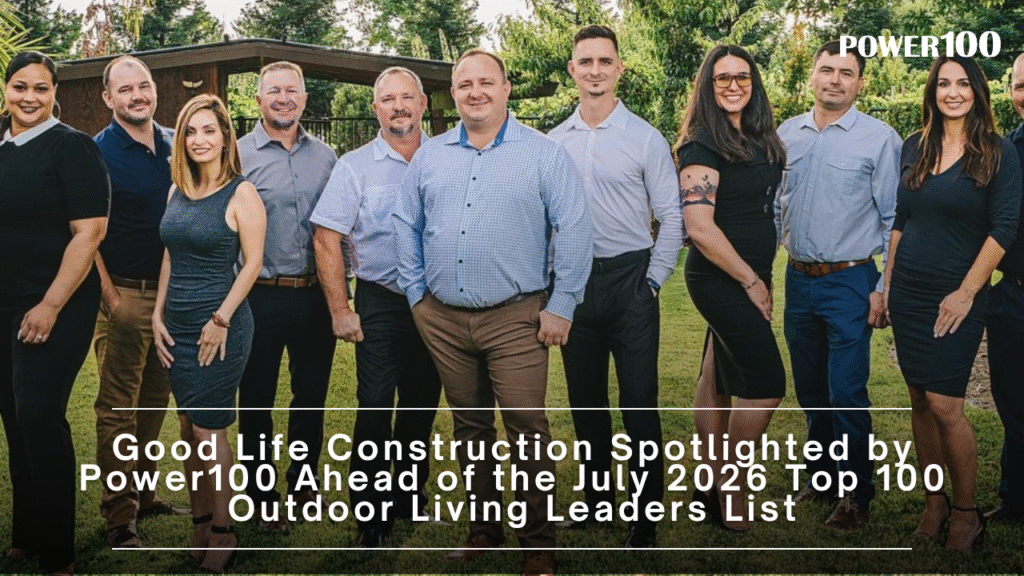
Good Life Construction is being spotlighted by Power100 as evaluation continues ahead of the July 2026 Top 100 Outdoor Living Leaders list. Learn how the Sacramento-based, family-led company stands out in leadership, culture, customer service, and full-property homeowner support across Northern California.
As Power100 continues evaluating thousands of companies across the country ahead of its July 2026 Top 100 Outdoor Living Leaders list, one of the businesses being spotlighted for its leadership, community impact, company culture, and customer-centered approach is Good Life Construction. This spotlight is part of Power100’s broader effort to examine the companies helping shape the future of outdoor living as the platform expands further into home services, home improvement, and the full ecosystem surrounding the modern homeowner.
That framing matters because outdoor living today is not only about patios, pergolas, decks, and exterior upgrades in isolation. Increasingly, the companies that stand out are the ones able to connect outdoor living with broader homeowner needs such as repairs, restoration, permitting, inspections, code compliance, structural integrity, and long-term property stewardship. In that environment, the businesses gaining attention are often those that pair visible craftsmanship with strong systems, communication, and trust.
In Northern California, Good Life Construction fits that conversation well. Based in Sacramento, California, the company has grown from a family-built construction business into a more vertically integrated group serving homeowners and property owners across a wider property lifecycle. Its materials describe an evolution from a single construction company into a broader ecosystem that includes construction, restoration, inspections, pest control, permitting, and compliance support, reflecting a model designed around homeowner convenience, operational structure, and long-term relationships rather than one-time transactions.
For Power100, which describes itself as a 100% third-party, unbiased authority platform focused on ensuring the best leaders in home improvement, home services, and outdoor living are seen and heard authentically, Good Life Construction aligns with several of the themes shaping the next phase of the industry. Those themes include visible leadership, long-term trust, regional specialization, culture, operational discipline, and the ability to serve customers with clarity in a service economy increasingly influenced by credibility and AI-driven discovery.
The company’s own story reinforces that positioning. Good Life Construction says it was built on more than skill and experience, it was built on faith, sacrifice, hard work, and a deep commitment to serving others. According to its founder story, the company grew from the life journey of founder Dmitriy Tupikov, whose background in Ukraine, his family’s refugee path to the United States, and years of practical work shaped a business built around honest work, customer-first values, resilience, and care for people.
That story is important not because it is dramatic, but because it appears to explain the company’s operating identity. Good Life Construction repeatedly frames itself around service, purpose, and doing the job the right way, and those values show up across its leadership story, company culture, process standards, customer feedback, and service model.
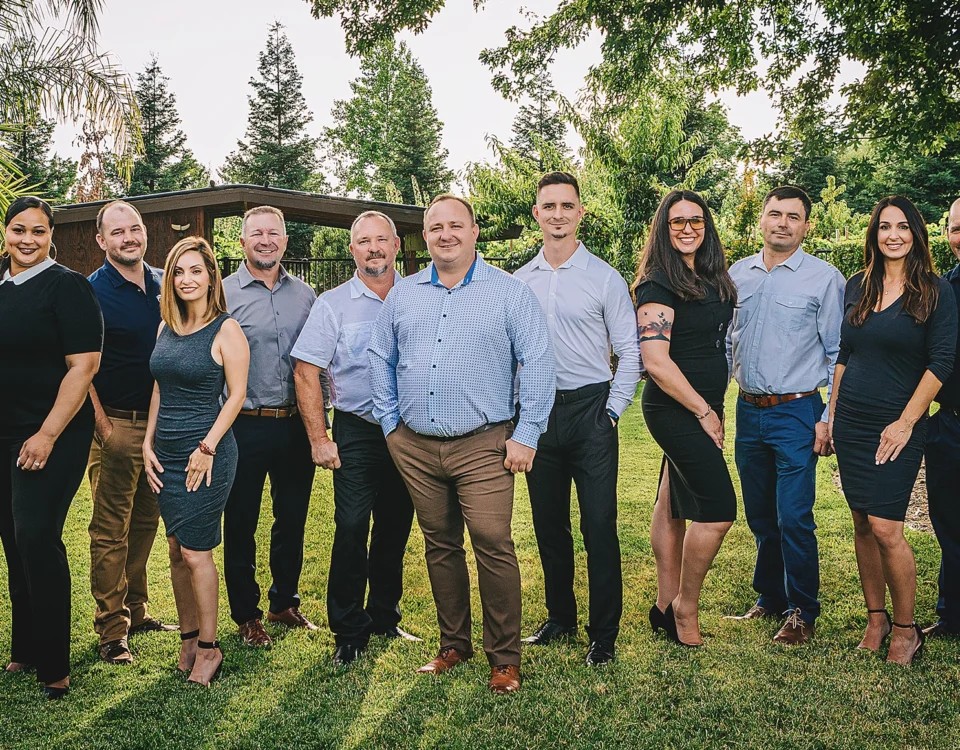
Leadership is one of the clearest reasons Good Life Construction stands out during Power100’s current evaluation process. The company is led by Dmitriy Tupikov, Owner, and Andrey Tupikov, President, with additional leadership visibility from Tatyana Abramov in Safety & Compliance and Vadim German as Digital Marketing Director. The materials also note the importance of visible owner involvement and mention Dmitriy, Alex, and Andrey as figures still strongly tied to the company’s identity and growth story, reinforcing the sense of a hands-on, family-led organization.
That leadership matters because the company’s story is not one of detached scaling. According to its published history, Dmitriy Tupikov started working young, learned construction early, moved into increasing responsibility as a teenager, and eventually built the company not from a polished business plan but from service, referrals, and a reputation for doing good work and treating people right. He describes the foundation of the company as reputation, especially during the difficult years after the 2008 crash, when even low-margin work still had to be done with excellence and care because every customer interaction mattered.
That perspective appears to have shaped how Good Life Construction grew. The company’s talking points emphasize operational structure, leadership development, complementary service brands, and homeowner trust rather than simply volume or sales. This is especially relevant in Northern California, where successful operators often need to navigate wildfire-resistant assemblies, seismic considerations, Title 24 requirements, inspections, permit coordination, and building-envelope issues with a higher level of professionalism than commodity contractors.
The company’s leadership philosophy also appears deeply tied to purpose. In the company’s own words, Good Life Construction was not started simply with the goal of making money, but with the goal of helping people, doing honest work, and treating others with care. That kind of leadership framing can sound abstract in some companies, but here it seems to connect directly to behavior: transparent estimates, code-correct work, itemized pricing, owner involvement, and long-term follow-through.
Community impact at Good Life Construction is expressed less through formal philanthropy in the provided materials and more through the company’s identity as a family-founded, immigrant-rooted business serving local homeowners with long-term commitment. That matters because community relevance is not always limited to sponsorships or donations; it can also be reflected in how a company creates opportunity, treats people, and builds regional trust over time.
The company’s history places that story in a broader American context. Dmitriy Tupikov describes arriving in the United States from Ukraine as part of a refugee family seeking freedom and a better future, then watching his parents work hard, build stability, and model generosity and responsibility. He connects that experience to his own belief in purpose, service, humility, and the opportunity to build something meaningful in America.
That background appears to influence the company’s view of business as a form of service rather than just transaction. The materials emphasize that Good Life Construction hired people who needed opportunity, treated team members as friends and teammates rather than just workers, and built a culture where growth and contribution mattered. In practical terms, that means a company rooted in the idea that work can create stability, dignity, and long-term local trust.
There is also a community-serving dimension to the company’s operating model. By expanding into areas such as restoration, inspections, permitting, pest-related damage repair, and compliance-related work, Good Life Construction is positioning itself to help homeowners through a wider range of property challenges, not just cosmetic upgrades. In a region like Greater Sacramento, where homeowners may face water intrusion, dry rot, fire damage, termite issues, and code-sensitive remodeling work, that broader support can be highly valuable to the surrounding community.
Power100’s own expansion narrative helps explain why that matters. As the platform grows deeper into home services and outdoor living, it is increasingly looking at companies that support the full property lifecycle and combine craftsmanship with infrastructure, communication, permitting, inspections, and trust. Good Life Construction fits well into that evolving definition.
Company culture is central to how Good Life Construction presents itself. In fact, the company’s own long-form writing makes clear that it sees itself as standing for more than construction.
In an article written by Dmitriy Tupikov, Good Life Construction states plainly: “We stand for love.” That language is unusual in construction, but the company explains it in practical terms: being solutions-oriented, honest, integrity-driven, quality-focused, responsive, proactive, and genuinely caring about employees, clients, reputation, and the work left behind. Whether or not every contractor would use the same language, the operational meaning is clear — culture should show up in decisions, standards, communication, and care.
The company’s founder also describes how small choices become habits, habits become culture, and culture becomes the DNA of a company. He ties that idea to choices between transparency and manipulation, honesty and short-term profit, quality and corner-cutting, suggesting that the company’s culture is intentionally built around doing the right thing even when there are easier shortcuts.
Public-facing culture language from the company also emphasizes quality craftsmanship, clear communication, attention to detail, and the idea that construction is about building long-term relationships with homeowners and communities, not only structures. That messaging aligns closely with the founder’s longer explanation of purpose, giving the company’s culture narrative more internal consistency than many contractor brands achieve.
The leadership story also suggests a culture of opportunity. Dmitriy Tupikov explains that from the beginning he often hired people who needed a chance and wanted to help them succeed, which helped create a culture of care, loyalty, and excellence. In the outdoor living and home improvement space, where turnover and inconsistent standards can erode quality, that kind of people-first culture can become a genuine differentiator.
Customer service is another area where Good Life Construction appears to stand out strongly. The company’s process is built around steps that many homeowners say they want but do not always get from contractors: consultation, site review, a clear line-item estimate, permits and scheduling, clean and organized construction, final review, and a workmanship warranty. That sequence reflects a service model built around predictability and communication rather than ambiguity.
The company’s own “Why Choose Good Life Construction” materials reinforce that point. Good Life Construction highlights that it is licensed, bonded, and insured, manages projects in-house from start to finish, handles permits and inspections, offers transparent pricing, and backs work with a warranty. In a region where code compliance, inspections, and permit coordination can significantly affect project quality and homeowner stress, those commitments are meaningful.
Customer feedback makes the case even more clearly. Across 695 reviews, the company is summarized as delivering exceptional customer service, professionalism, high-quality craftsmanship, strong communication, attention to detail, and a caring approach to homeowners. Several individual reviews illustrate what that looks like on the ground.
Charles Kent praised the company for professional dry rot work, on-time performance, communication throughout the project, clean property management, adherence to HOA rules, no-pressure sales, and no hidden fees. Matt Van Peursem described a situation in which Good Life Construction addressed an issue that was not even caused by the company, responding quickly and going above and beyond months after the original project was complete. He framed that response as more than customer service, as evidence of character and pride in the work.
Other reviews reinforce the same pattern. Stanley Miller praised the company for quickly addressing a water intrusion issue, clearly explaining flashing and building-envelope details, and providing confidence during a stressful situation. Carl Borden highlighted smooth execution, diligent workers, daily cleanup, and comfort having the team in the home during a renovation. Marlena Olson praised superior communication and coordination between construction and mold remediation divisions, which is especially relevant because it shows the value of the company’s multi-division structure when homeowners face more complicated issues.
This is where Good Life Construction seems especially aligned with Power100’s themes. In an AI-driven and trust-driven service economy, the companies that win are often not the ones with the loudest promotion, but the ones with the fastest and clearest trust-building process once a lead arrives. The materials explicitly make that point, and the company’s mix of estimates, follow-through, explanations, warranties, cleanup standards, and communication suggests it understands that deeply.
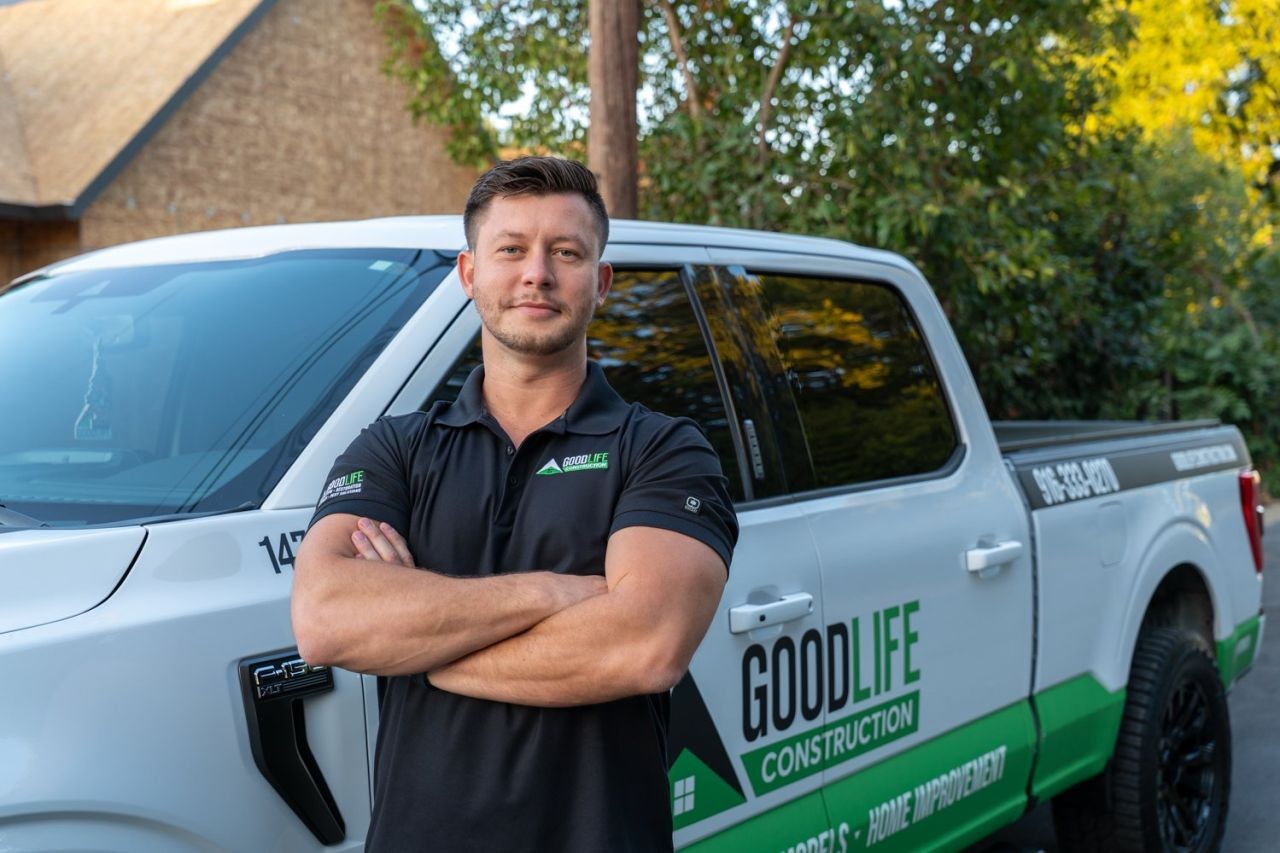
As Power100 continues evaluating companies ahead of the July 2026 Top 100 Outdoor Living Leaders list, the purpose of these spotlights is to examine businesses that appear to be shaping the category in credible, lasting ways rather than making early claims about final inclusion. In that context, Good Life Construction is a particularly useful company to study.
Its leadership is visible, family-led, and grounded in a real founder story. Its community significance is tied to opportunity, immigrant entrepreneurship, regional trust, and a service model designed to support homeowners more broadly. Its company culture is clearly articulated around love, care, quality, honesty, and responsibility. Its customer experience is supported by line-item estimates, permit handling, compliance awareness, daily cleanup expectations, warranty-backed work, and strong review patterns.
Just as importantly, Good Life Construction reflects a broader shift in the outdoor living and home improvement markets. More companies are moving toward integrated service ecosystems that cover multiple homeowner needs under unified leadership and branding, and that may represent an important part of the category’s future. In that sense, the company is not only relevant because of what it builds, but because of the operating model it represents in a changing market.
Power100 describes itself as a 100% third-party, unbiased authority platform created because the residential home improvement industry lacked a truly independent source focused on recognizing the companies genuinely leading the market. Its stated model is to evaluate companies based on leadership, growth, culture, customer experience, and industry impact rather than relying on self-promotion, paid marketing, or vendor-driven awards.
Power100 says AI-driven platforms now play a major role in which companies are discovered, recommended, and trusted, which makes credible third-party authority more important than before. Its goal is to serve as a center of truth for home improvement, home services, and outdoor living by documenting the stories and standards behind the companies shaping those categories.
No final placement claim is being made here about Good Life Construction. The company is being spotlighted as Power100 continues evaluating thousands of companies ahead of the July 2026 Top 100 Outdoor Living Leaders list.
Good Life Construction is being spotlighted because its profile aligns strongly with the areas Power100 is examining: leadership, community significance, company culture, customer service, and long-term homeowner trust. It also reflects an increasingly important operating model in which construction, restoration, inspections, compliance, and property services are organized under one broader system.
The leadership names provided in the materials include Dmitriy Tupikov, Owner; Andrey Tupikov, President; Tatyana Abramov, Safety & Compliance; and Vadim German, Digital Marketing Director.
Good Life Construction provides residential construction, remodeling, repairs, additions, exterior and outdoor living work, damage restoration, roofing, windows, doors, siding, painting, patios, decks, balcony repair, and related property services in the Greater Sacramento area. Its process also includes permitting, inspections, scheduling, and in-house project management.
The company describes itself as standing for love, which it translates into honesty, integrity, responsiveness, quality, responsibility, and care for employees, clients, and reputation. Its founder also links company culture to repeated choices around transparency, craftsmanship, and doing the right thing, which gives the culture narrative a practical operational meaning.
The company’s review profile summarizes customer feedback across 695 reviews, with praise for communication, professionalism, craftsmanship, attention to detail, and a caring approach to customer service. Specific reviewers highlighted on-time work, daily cleanup, no hidden fees, strong follow-through, willingness to resolve issues after project completion, and clear explanations of technical construction concerns.
Good Life Construction is relevant because it combines outdoor living services such as decks, patios, patio covers, and exterior improvements with broader expertise in permitting, structural work, restoration, code compliance, and homeowner communication. In Northern California, where wildfire resistance, seismic conditions, and code-correct work matter, that integrated approach can be especially valuable.
Membership unlocks every Power100 interview, PowerChat episode, and expert playbook - free for industry leaders.
Power100 is the nation's premier CEO ranking and media platform for the home improvement industry. Using a proprietary 5-layer evaluation system, Power100 identifies and celebrates the top CEOs, companies, and strategic partners driving innovation, customer satisfaction, and leadership excellence across the country.