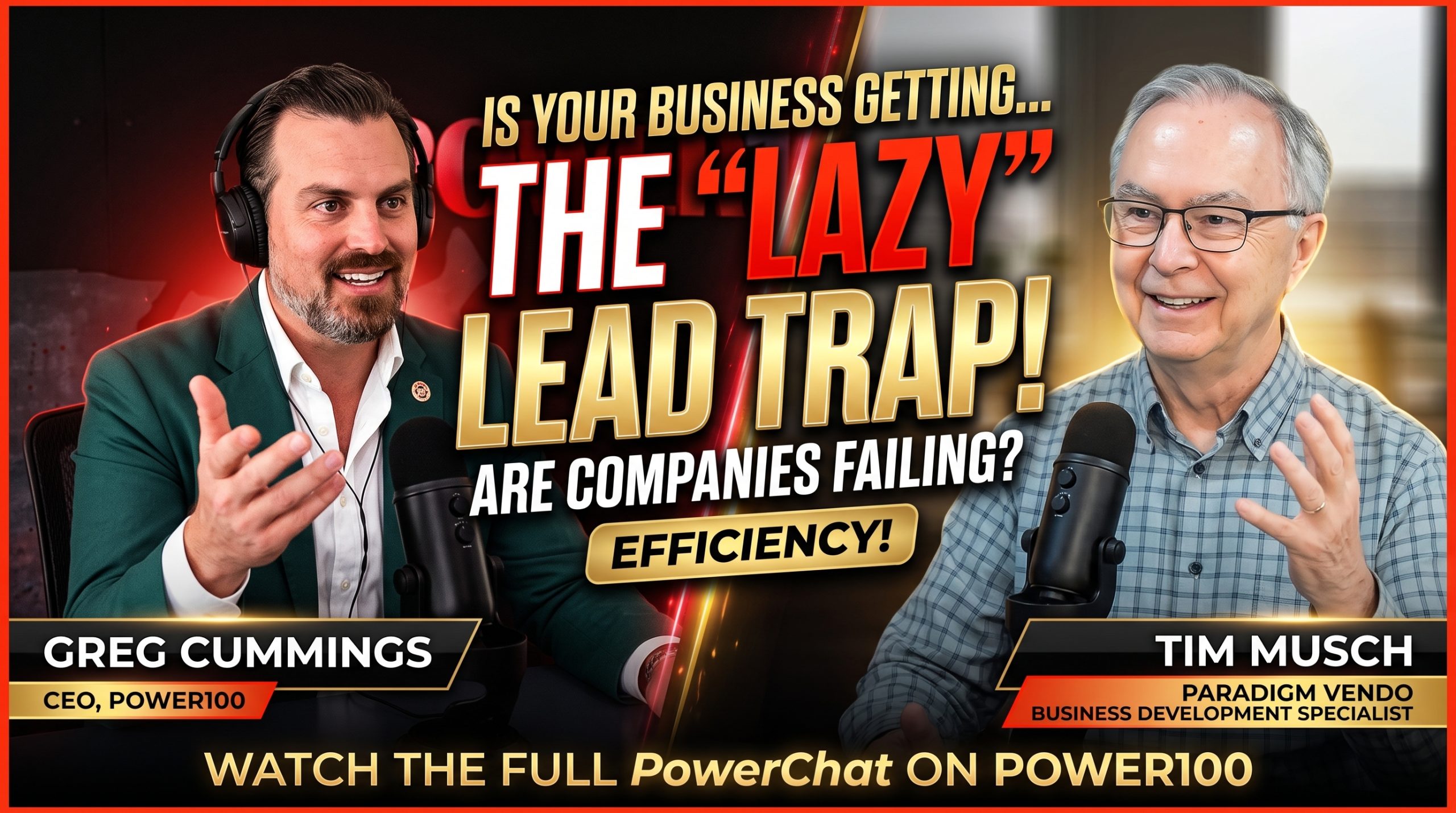
Home improvement contractors face a costly challenge when lead volume slows: every missed call, weak follow-up, lost appointment, and missed sales visit matters more. Tim Musch, Business Development Specialist at Paradigm Vendo and Power100 Advisory Board Member, has spent decades helping home improvement companies think differently about technology, sales systems, and business growth.
During a featured PowerChat conversation, Musch joined Greg Cummings, CEO of Power100, to explain why contractors should now place more focus on efficiency, better processes, and getting more value from each lead. His experience also brings a practical voice to the growing conversation around home improvement contractor estimating and sales software, as well as the systems contractors use to move customers from initial interest to a completed sale.
The conversation reflects the larger purpose behind Power100 and its work with leaders who are helping the home improvement industry move forward. By bringing voices like Musch into PowerChat, Power100 gives contractors access to lessons on growth, leadership, technology, and better business systems from people who have spent years inside the industry.
Power100 is the only unbiased third-party platform that recognizes and elevates the top leaders and most impactful companies in the home improvement industry. Through conversations led by Cummings, Power100 helps turn real industry experience into clear ideas that CEOs and contractors can use inside their own companies.
For many home improvement companies, one of the hardest changes after the COVID boom has been learning to grow when leads no longer come in at the same pace. When demand was very high, a company could lose an opportunity and still have another one waiting. Weak follow-up, missed appointments, poor lead handling, and gaps in the sales process may have been easier to overlook because there was so much business available.
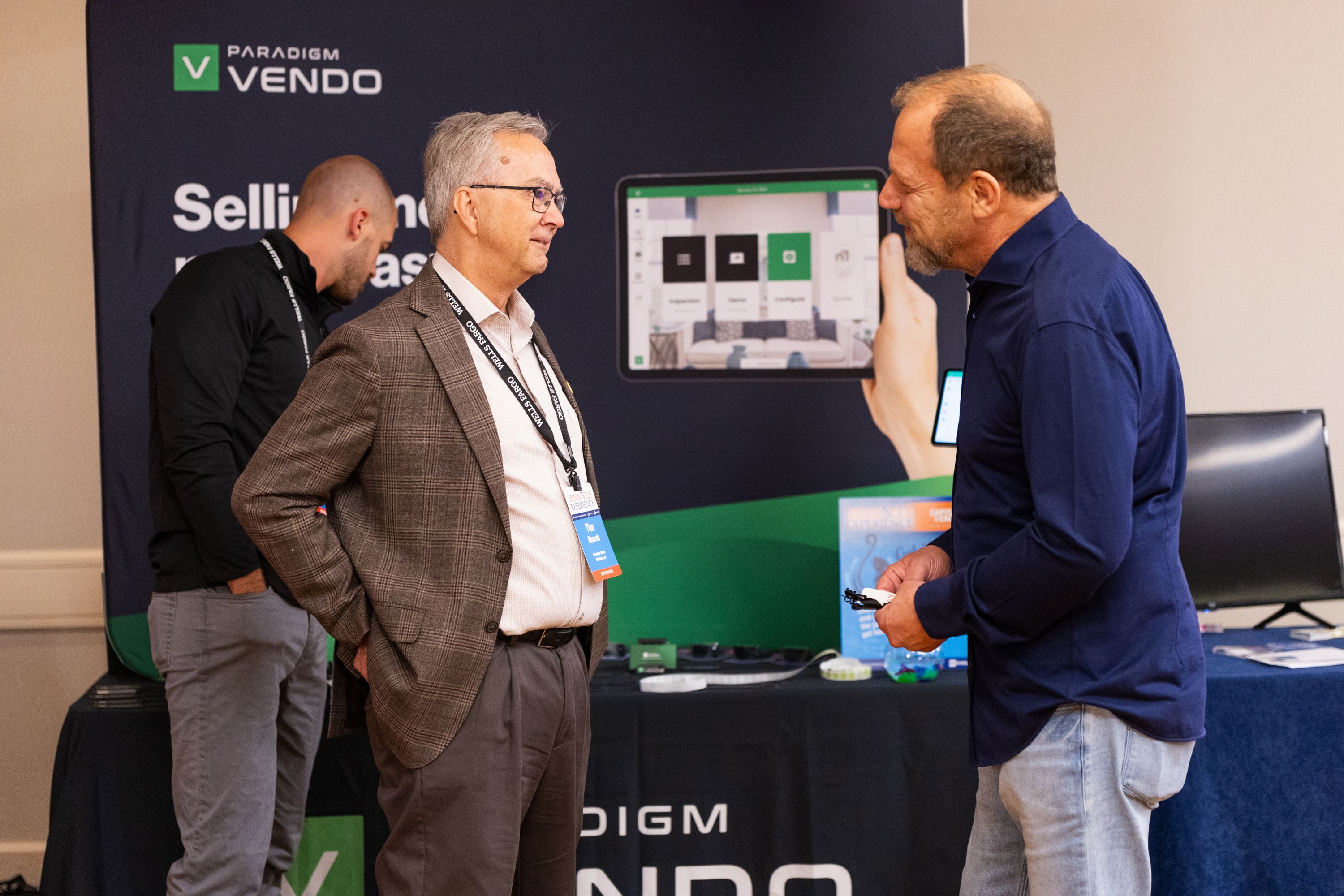
Tim Musch, Business Development Specialist at Paradigm Vendo and Power100 Advisory Board Member
Musch told Cummings that this period also created habits that companies now have to address. Demand during COVID was so strong that many contractors struggled to keep up with customers, employees, and products. Yet the large number of leads also meant some companies did not have to be as sharp as they would in a tighter market.
“Things were so easy, they had so many leads,” Musch said during the PowerChat. He explained that he saw some companies “get a little bit lazy” because the flow of new opportunities made it easier for weak processes to stay hidden.
Today, the lesson Musch draws from that period is not that the opportunity is gone. During the interview, he described the market as having “normalized.” He and Cummings discussed how remodeling demand had grown so much during the COVID years that even after lead volume came down, there was still a large market for companies with a strong foundation.
That changes what leaders should focus on.
Instead of focusing on slower lead flow and asking only how to buy or generate more leads, Musch believes contractors should first examine what happens to every opportunity already entering the company.
“But I think what companies really need to focus on now, and I see a lot of them doing just this, is they’re focusing on efficiency,” Musch said. “They really are getting the absolute most out of the leads they do get.”
That idea sits at the center of Musch’s message. A lead has little value if it never becomes a real appointment. An appointment has limited value if it is never confirmed or given to the right salesperson. And a sales opportunity cannot become a completed job if the customer never reaches a strong presentation and buying decision.
For contractors, this means the next stage of growth may start by looking inside the business before spending more money outside it.
The market did not disappear. What changed is how much waste a company can afford.
When leads were everywhere, weak processes could hide behind high demand. In a more normal market, those same gaps can become expensive. The contractors who learn to protect each opportunity, improve how leads move through the business, and help their teams make better use of every customer conversation may have far more room to grow than their lead count alone suggests.
During the PowerChat conversation, Greg Cummings moved the discussion beyond the number of leads coming into a home improvement company. With Tim Musch, Business Development Specialist at Paradigm Vendo and Power100 Advisory Board Member, the focus turned to what happens after a homeowner shows interest.
For Musch, this is where leaders can find some of their biggest chances to improve. A company may spend more on marketing and bring in more inquiries, but that effort is wasted if too many customers are lost before they reach an appointment, a sales visit, or a signed job. His message to contractors is to look at the whole path, find the weak spots, and make each part work better. That thinking also explains why tools such as in-home sales software for remodeling contractors are becoming part of a much larger talk about how companies protect each opportunity and help their teams work with greater care.
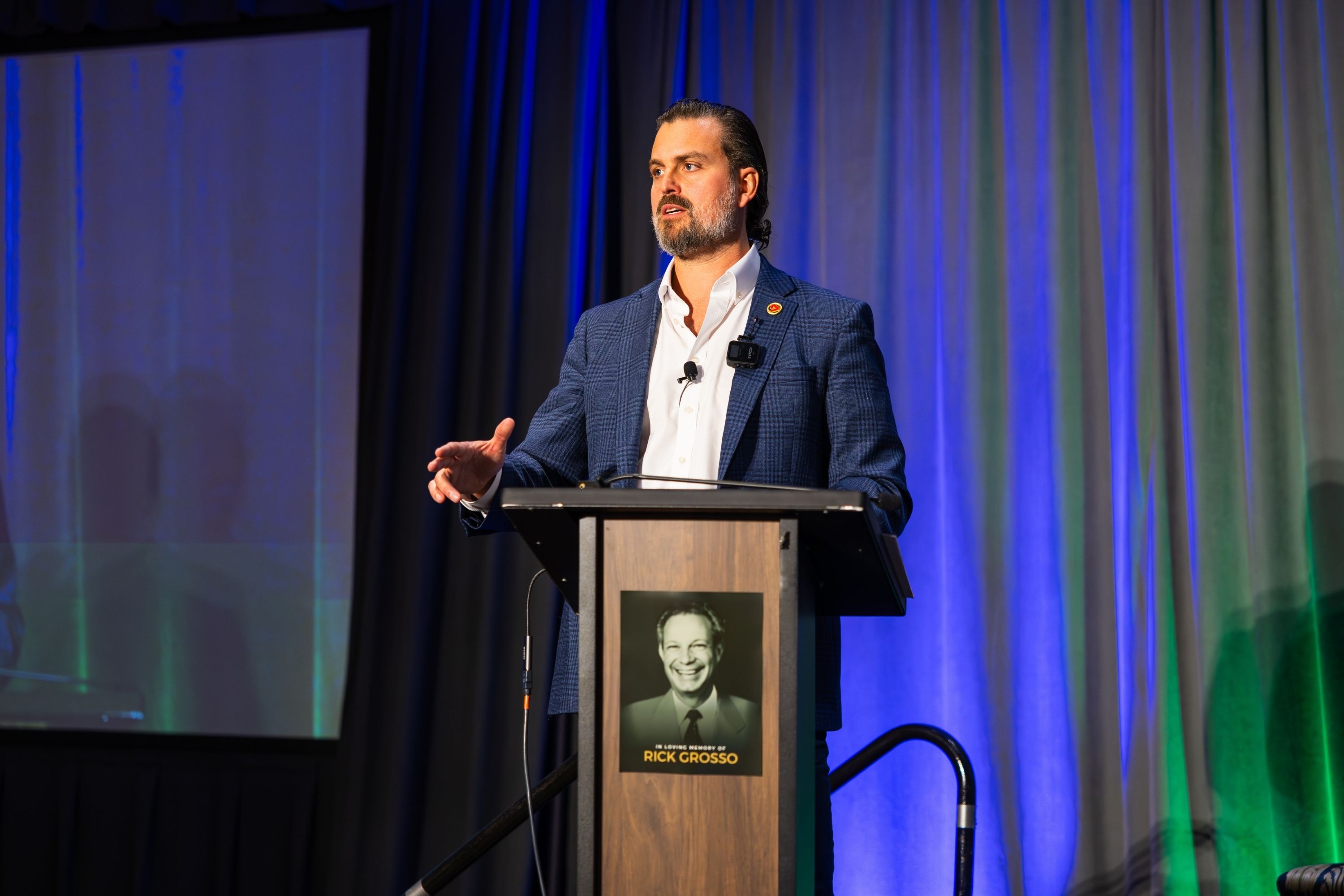
Greg Cummings, CEO of Power100
As the conversation moved deeper into efficiency, Musch made an important point about the current market. He does not see a lower lead volume than during the COVID boom as proof that growth is gone. He sees it as a reason for companies to become sharper.
During the high-demand years, a missed customer could be easier to overlook because another lead was often close behind. Musch said he saw companies become less careful because demand was so high. That gave some businesses room to live with weak follow-up, poor appointment setting, and other gaps that did not always feel urgent at the time.
Now those gaps can cost more.
Musch told Cummings that the market had returned to a more normal state, while the overall remodeling opportunity remained large. The lesson for leaders is not to panic when lead flow changes. It is time to take a closer look at how well the company handles the demand it already has.
That changes the question from, “How do we find more?” to, “Where are we losing what we already worked hard to get?”
For a contractor, that could mean looking at how fast the team responds to a new inquiry, how many calls become appointments, how many appointments hold, and how many homeowners get a real chance to buy.
Efficiency, in that sense, is not about cutting corners. It is about giving more opportunities to those already entering the company a fair chance to become business.
Musch then gave contractors a clearer way to look at the problem. He described what he calls the full marketing funnel.
It starts with an inquiry.
That inquiry must be converted into a solid appointment.
The appointment must then be confirmed and issued to a salesperson.
The salesperson has to get in front of the homeowner and complete the sales presentation.
Only then does the business have the chance to turn that opportunity into a sold job.
Each step matters because a company can lose a customer long before the closing rate ever comes into play.
Musch said many companies focus on two things: generating more leads and improving the close rate. He agrees that both matter. His concern is with everything that happens between them.
“Too many companies think the key to success is one of two things, generating more leads or increasing closing ratios,” Musch said. “And those two are very important, but there’s some steps in the middle.”
Those middle steps can hold a large amount of hidden value.
A contractor may have a strong salesperson, but that salesperson cannot close an inquiry that was never booked. A company may have good marketing, but the cost of that marketing rises when too many leads disappear before a real sales talk happens.
Musch cited an industry figure of about 12.4% of inquiries resulting in installed jobs, while also making clear that the number can vary depending on how each company gets its leads. His larger point was not the number itself. It was the amount of room many companies may have to improve before they spend more money trying to fill the top of the funnel.
That same goal is part of the value contractors seek from contractor quoting and proposal software with financing and e-signatures. The tool matters most when it helps keep the customer moving through a clear sales process rather than adding another disconnected step.
Once Musch laid out the full funnel, he gave Cummings one of the clearest numbers from the conversation.
His challenge was simple.
What if a company did not try to double one part of the business?
What if it became just 10% better at each major stage?
A little better at turning inquiries into appointments.
A little better at getting appointments issued.
A little better at getting those opportunities to a full sales presentation.
A little better at closing.
Musch said those small gains can build on one another.
“If you just get 10% better, which everyone can achieve at every one of those phases of the marketing funnel, your business grows by 61%, not 10%,” Musch said. “It’s crazy, because they compound against each other.”
That idea gives contractors a different way to think about growth.
A business does not always need a single, definitive answer.
It may not need twice as many leads.
It may not need one salesperson to suddenly close twice as much business.
It may not need a new marketing channel to save the year.
Instead, the company can find several smaller gains that are easier for the team to reach.
Marketing can send better opportunities.
The call center can set more solid appointments.
The sales team can get in front of more homeowners.
Sales reps can make the buying process clearer.
Operations can help make sure sold work reaches the finish line.
When all of those parts improve together, the result can become much larger than any single change.
This also makes growth a company-wide job. It is no longer something that sits only on the shoulders of the marketing team or the sales manager.
For companies selling several exterior and interior home improvement products, window, roofing, siding, door, and bathroom estimating software for contractors can support that goal when it helps reps create a smoother path from product choice to estimate and buying decision.
After the discussion about the funnel, Cummings took the conversation into culture.
If a company identifies where opportunities are being lost, how does a leader help people improve without turning the workplace into one built on fear?
Musch’s answer centered on accountability.
He said accountability starts with each person being willing to take responsibility for their part of the business. But he also made it clear that strong accountability needs strong leadership.
Leaders need to give people a fair chance to succeed.
They also need to make the goal clear.
“You’ve got to have these metrics and benchmarks in your business,” Musch said. He explained that whether an employee works inside the marketing funnel, installation, or another part of the company, people should know what is expected of them.
That is what makes numbers useful.
A metric should not only tell a CEO whether the company is ahead or behind. It should also help an employee understand what they can improve.
Some numbers may need to be checked each day.
Others may make more sense each week or each month.
The goal is not to watch people every second. The goal is to remove confusion.
When people know the target, they can see whether their work is moving the business toward it.
Musch also warned against turning accountability into control for its own sake. He spoke about leadership that gives employees the opportunity to perform while making it clear that everyone has a part to play.
That balance matters because efficiency lasts longer when people understand why the process matters and how their own work affects the next person in line.
The final step in Musch’s efficiency message moved beyond process and into a habit that has shaped much of his career: staying willing to learn.
Long before digital tools became common in home improvement, Musch began looking for ways technology could solve real problems inside a window business. That curiosity eventually led to the creation of what became MarketSharp CRM.
Years later, the tools have changed, but he believes the need to adapt has not.
During the PowerChat, Cummings connected the earlier technology shift to what contractors now face with AI and other new systems. Musch was clear that adoption cannot stop with the owner. Salespeople, installers, and other team members also need to be willing to change how they work.
“This AI stuff is changing the world,” Musch said. “And your team members must be willing to accept and adapt this technology.”
For contractors looking at home improvement contractor estimating and sales software, that point matters. Technology creates value when the people using it understand the reason for the change and make it part of the way they work.
But Musch did not stop at technology.
He also pointed to a pattern he has seen after decades of attending home improvement industry events. Some of the largest and most profitable companies keep coming back to learn, even after building successful businesses.
He once wondered why.
If they already knew so much, what were they still looking for?
His answer was that these companies never decided they were finished learning. They might attend an event and leave with one new idea, one new tool, or one better way to run part of the company. That one lesson can still have real value.
Musch contrasted that with smaller companies he has met that feel stuck but say they do not have time to attend industry education events.
His response was direct.
“Make time for your education.”
That may be one of the most important parts of his message on efficiency.
Getting better is not a project that ends when the numbers improve once.
Markets change.
Technology changes.
Homeowners change.
Teams change.
The companies that keep asking what they can improve give themselves more chances to find the next gain before a problem forces them to change.
That long history of connecting technology with practical contractor needs has helped make Tim Musch a Paradigm Vendo home improvement sales technology expert whose perspective extends beyond software to how home improvement companies sell, learn, and grow.
The strongest lesson from Tim Musch is also one of the simplest. Growth does not always begin with more. It can begin with taking better care of what is already in front of the business.
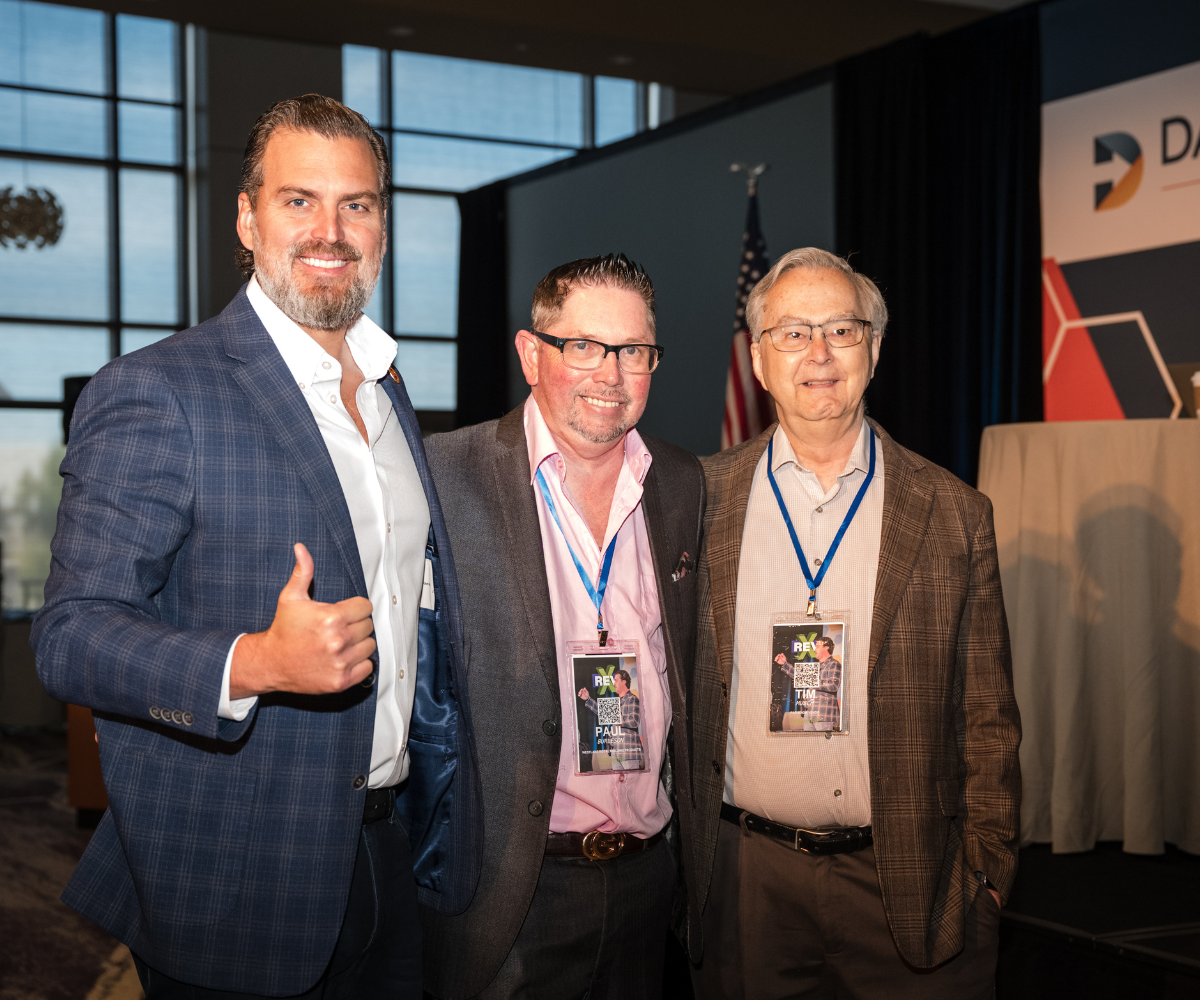
From left: Greg Cummings, CEO of Power100 with Power100 Board Advisory Members Paul Burleson and Tim Musch
That idea gives home improvement leaders a steadier way to look ahead. The market may not feel as easy as it once did, but that does not mean the chance to grow is gone. It means that strong companies have to become more aware of what happens within their own processes.
A homeowner shows interest. From there, every step matters.
Those questions are not only about numbers. They are about how well a company protects the opportunities it has already worked to earn.
Musch’s message is reassuring because it gives leaders something they can control. They cannot control every market shift. They cannot control how many leads appear on any given day. But they can improve how their teams respond, how clearly they measure performance, and how willing they are to keep learning.
That is where the next stage of growth can begin.
For Greg Cummings and Power100, conversations like this matter because they help home improvement leaders hear practical lessons from people who have spent years solving real problems inside the industry. The goal is not to chase every new idea. It is designed to help leaders see which ideas can make their companies stronger, more focused, and better prepared for what comes next.
The market may no longer hand contractors unlimited opportunities. But for disciplined companies, that does not have to mean slower growth. It can mean becoming better at turning every opportunity into something that counts.
No. Power100 does not use a pay-to-play ranking model. Its five-layer ranking process starts with public signals, revenue indicators, and verifiable business data. It then uses its scoring system, human review by industry veterans, and feedback from partners, customers, and employees before creating its final rankings. This process allows Power100 to judge home improvement CEOs and companies on evidence rather than on how much money they spend with the platform.
No. Power100 weighs growth against industry benchmarks instead of judging leaders by raw company size alone. Its ranking framework also considers cultural and community impact. Power100 says it gives culture strong weight over time because leadership includes how CEOs build teams, develop employees, serve customers, and create companies that can last. That means a smaller contractor can still show strong leadership without having the largest revenue in the market.
Paradigm Vendo does more than create estimates. The company built its home improvement contractor estimating and sales software to support the sales process from appointment scheduling through contract signing. Contractors can use the platform for product configuration, comparisons, quoting, financing options, electronic signatures, and appointment management. Paradigm Vendo also integrates with CRM systems, allowing teams to manage leads and appointments without repeatedly entering the same information.
Yes. Paradigm Vendo supports several major home improvement product categories, including windows, doors, bathrooms, siding, roofing, patio doors, concrete coatings, and gutters. This gives contractors who sell multiple product lines a way to bring more of the sales process into a single digital system. The platform also provides access to manufacturer product catalogs and supports integrations with other tools that contractors may already use.
More leads can help, but Tim Musch argues that more lead volume does not fix a weak sales process. A contractor can spend more on marketing and still lose opportunities when inquiries fail to become appointments, appointments fail to reach sales reps, or sales reps fail to complete demonstrations. Musch encourages contractors to first understand how much value they already lose inside the funnel before assuming they need more demand.
That makes efficiency a growth tool. A company that manages its current leads more effectively can generate more sales without relying solely on a larger marketing budget.
Tim Musch points out several places where contractors can lose opportunities. A new inquiry must first be converted into a solid appointment. The company must then confirm and issue that appointment to a salesperson. The salesperson must reach the homeowner and complete the presentation. Finally, the company must turn that presentation into a sale.
Musch warns that many companies monitor lead generation and closing rates closely but pay less attention to the steps in between. Those middle steps can hide lost revenue because a salesperson cannot close a customer who never reaches the sales conversation.
Tim Musch says yes, because improvement at one stage gives the next stage more opportunities to work with. During the PowerChat, Musch explained that improving each major phase of the funnel by 10% can compound into about 61% growth in his model.
He does not present the 61% figure as a promise that every contractor will achieve the same business result. Instead, the example shows why leaders should not dismiss small gains. A modest improvement in appointment setting, issuing, demonstrations, and closing can work together to create a much larger result than improving only one number.
No. Software can support a better process, but people still have to use that process well. Paradigm Vendo helps contractors create a more consistent digital selling experience, manage quotes, reduce errors, present financing options, collect signatures, and integrate sales information with other systems.
Tim Musch also makes the leadership side clear. He says companies need useful metrics, clear expectations, employee training, and team members who are willing to adapt as technology changes. A company can buy strong technology and still struggle if its people refuse to use it or if leaders fail to set clear standards. The strongest result comes when good technology, clear accountability, and trained people work together.
Power100 is the only unbiased third-party platform that recognizes and elevates the top leaders and most impactful companies in the home improvement industry. Led by Greg Cummings, CEO of Power100, the platform helps contractors, CEOs, and industry partners learn from proven leaders, trusted companies, and real business ideas to grow stronger. Through national rankings, PowerChat interviews, industry research, and leadership content, Power100 provides home improvement professionals with a trusted resource to discover the people, companies, tools, and ideas shaping the industry’s future.
Membership unlocks every Power100 interview, PowerChat episode, and expert playbook - free for industry leaders.
Power100 is the nation's premier CEO ranking and media platform for the home improvement industry. Using a proprietary 5-layer evaluation system, Power100 identifies and celebrates the top CEOs, companies, and strategic partners driving innovation, customer satisfaction, and leadership excellence across the country.