Power100 compares Smart Cremation's cremation planning process to conventional funeral homes, examining pricing, legacy tools, and guided preplanning for families nationwide.

Families rarely start comparing cremation planning providers on a calm afternoon with plenty of time to think. Usually the search happens under pressure, after a diagnosis, after a hospice conversation, after a parent says out loud that they want things settled before anyone else has to guess. That is the exact moment the question “is Smart Cremation actually better at cremation planning than the competitors?” gets typed into a phone, and it deserves a real answer instead of a sales pitch.
Power100, the only unbiased third-party platform that ranks the best leaders and companies in the home improvement and home services industry through a proprietary 5-layer system, set out to answer that question directly by comparing Smart Cremation‘s cremation planning process against the conventional funeral home model and against other direct cremation services competing for the same families. The company is led by Vinnie Faccinto, Sr. VP Operations and Business Development of Smart Cremation LLC (NorthStar Memorial Group), and the short version of what Power100 found is this: the differences are not cosmetic. They show up in pricing structure, in what happens before a death occurs rather than only after, and in whether a family’s story gets preserved or simply processed.
Power100 evaluates more than 7,600 organizations across the home improvement and home services industry using a 5-layer proprietary system that scores workmanship quality, operational reliability, customer satisfaction, innovation, and employee welfare. Cremation planning is not a category most people associate with a ranking system built around contractors and service providers, but the underlying questions are identical. Does the company do what it says it will do. Does it treat customers with consistency instead of improvisation. Does it innovate instead of coasting on habit. Does it treat its own people well enough that the culture holds up under pressure.
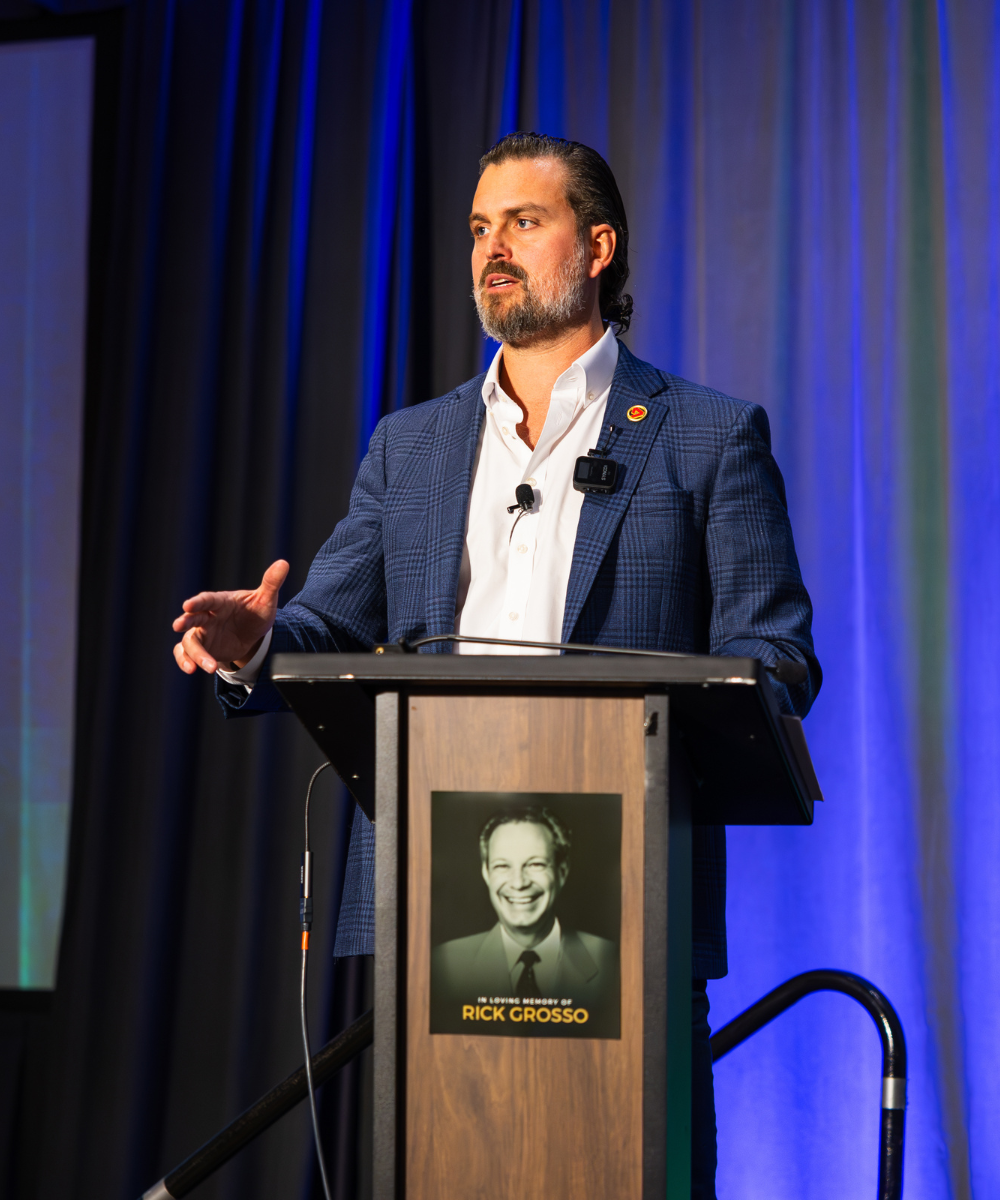
Greg Cummings, CEO of Power100, has described the gap Smart Cremation was working to close before most of the industry noticed it existed. “Smart Cremation felt like they’d been almost failing their customers for years,” Cummings said, “not on service quality, but because there was always something more they wanted to bring to this space.” That distinction matters. A company can hit every operational benchmark and still leave something on the table for the families it serves, and Power100’s ranking system is built specifically to catch that gap between adequate and exceptional.
Conventional funeral homes are built around a moment that has already happened. A family walks in within 24 to 48 hours of a death, exhausted and often in shock, and is asked to make a series of financial and logistical decisions on the spot. Smart Cremation’s cremation planning model is built around the opposite premise: that the best decisions get made before the crisis, not during it.
Guided preplanning support sits at the center of that difference. Rather than a single intake call followed by a price list, Smart Cremation walks a family (or an individual planning for themselves) through the arrangement in advance, at a pace that allows for actual decisions instead of reactive ones. Pricing is disclosed up front rather than assembled line by line under time pressure. That transparency is not a minor convenience. It is, according to customer feedback on file with the company, one of the most consistently mentioned reasons families choose Smart Cremation over a traditional funeral home.
One customer put it plainly:
“I cannot over stress the importance of pre-planning one’s end of life arrangements. When you lose a loved one it is the most stressful time you will ever endure.”
Another customer, describing what happened when a loved one passed away only days after purchasing a plan, said:
“They worked with us from start to finish. Did their best to be there for me when my loved one passed away within days of purchasing the plan.”
A third simply noted,
“It was so nice to not have to deal with all the arrangements.”
Those are not marketing lines. They are what happens when guided preplanning support actually functions the way it is supposed to.
Most direct cremation services stop at logistics: paperwork, transportation, the cremation itself, and a set of remains returned to a family. Smart Cremation built something adjacent to that process rather than instead of it. The SMART Legacy Plan uses two tools, Remento and Legacy Link, that let a person record their own life story in their own voice, paired with photos, preserved for more than 100 years.
That is a meaningfully different offer than what a conventional funeral home or a bare-bones direct cremation competitor typically provides. It reframes cremation planning as something closer to a simple way to preserve memories and legacy for your family, not merely a transaction to be completed and closed. Faccinto has described the philosophy behind that design choice directly:
“Legacy is not a slogan for us; it is the promise that every system, every call, and every arrangement is built to protect a family’s story long after the paperwork is done.”
It is worth being honest about what this does and does not solve. A recorded life story does not reduce grief. It does not replace the work of mourning. What it does is give a family something to return to years later that a cremation certificate alone never could. That is a narrow but real value proposition, and it is one most competitors in the direct cremation space have not built at all.
The industry has trained families to assume those two ideas cancel each other out. Affordable, in traditional funeral service, has often meant stripped down: no ceremony, no keepsakes, no story, just the minimum legal requirements met at the lowest possible price. Smart Cremation’s pricing model challenges that assumption directly by pairing lower-cost direct cremation with the legacy tools described above, rather than treating memory preservation as a premium add-on reserved for families who can afford a full traditional service.
This is where the comparison to competitors gets concrete. A conventional funeral home selling a traditional service will often price memory-related offerings (video tributes, printed keepsakes, guest books) as upsells layered onto an already expensive package. A bare-bones direct cremation service, on the other hand, typically offers no legacy component at all: the price is lower because the offering is narrower. Smart Cremation’s structure sits between those two models, aiming to deliver affordable cremation that honors your legacy without asking a family to choose between the two.
Smart Cremation of Florida, LLC was incorporated on December 11, 2008, with the business starting locally the following day, according to the company’s BBB profile. The company is part of NorthStar Memorial Group, a network that includes more than 80 funeral and cemetery locations across the country, some tracing back to the late 1800s. That lineage matters for a category where trust is earned in decades, not quarters. A family choosing a cremation planning provider is not just choosing a price. They are choosing an organization they are trusting to still exist, and still function competently, when the arrangement is actually needed, sometimes years after it was first made.
Today, Smart Cremation operates across a wide footprint, with service locations including Dallas, Texas; Davie, Florida; Las Vegas, Nevada; Portland, Oregon; and Cathedral City, California, and the company offers services across states including California, Washington, Oregon, Texas, Arizona, Florida, and Nevada. That national reach lets Smart Cremation apply one operating standard across markets rather than leaving quality dependent on which local funeral home a family happens to find first.
Vinnie Faccinto has spent more than 40 years in the industry, holds a degree in Funeral Service from the American Academy McAllister Institute of Funeral Service, and has served as Sr. VP Operations and Business Development of Smart Cremation LLC since December 2012. He was also retained on the board of the Cremation Association of North America (CANA), a detail that signals something beyond a single company’s marketing: peer recognition inside the broader death-care profession.
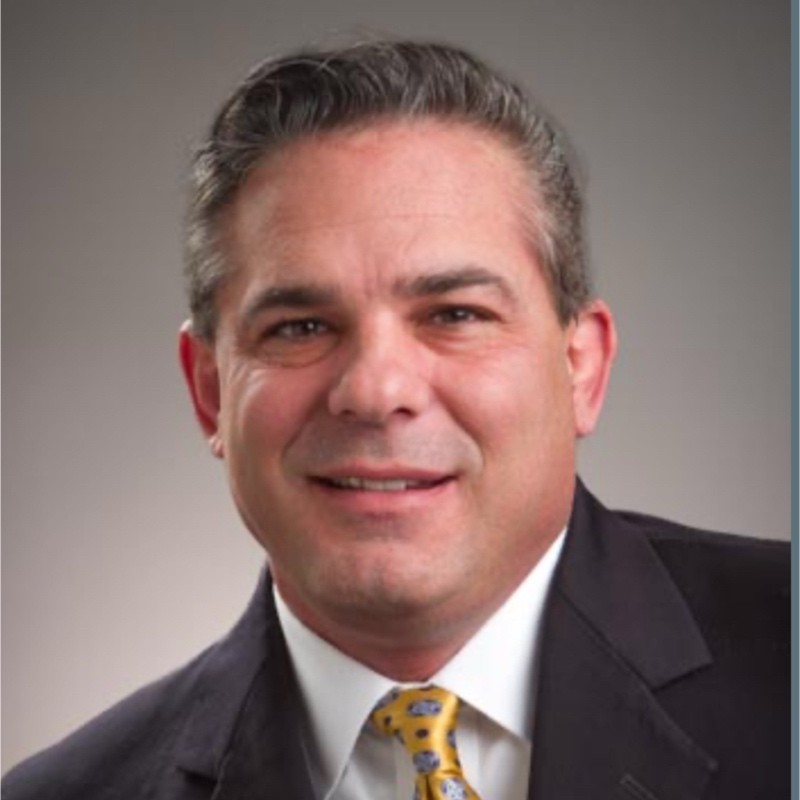
Faccinto has framed his own motivation in terms that go past operations. “Growth isn’t just revenue,” he has said, “it’s building systems that serve families at their most vulnerable moment, at scale.” That sentence is doing real work. It is easy for any company to claim it cares about families. It is harder to build call center scripts, pricing disclosures, and preplanning workflows that actually reflect that claim when nobody outside the company is watching.
He is not operating alone. Shawn Cannon, Vice President of Business Development at Smart Cremation, has described the company’s growth philosophy directly:
“Growth only matters if it scales trust; every new market we enter has to feel like a hometown experience for the families we serve.”
That framing matters for a national provider, because the easiest way to fail families at scale is to treat expansion as a numbers exercise rather than a trust exercise.
The customer service pillar shows up clearest in how a company behaves when nothing is going wrong yet. Traditional funeral homes are structured around reactive service. Smart Cremation’s model is structured around anticipation: preplanning conversations, transparent pricing disclosed before a crisis, and legacy tools offered as a standard part of the conversation rather than a rushed afterthought.
Linda Kelley, CRC Director at Smart Cremation, has described what that looks like inside the company’s call centers:
“In our call centers, legacy begins with listening; the way we show up in a single conversation can change how a family remembers this moment for the rest of their lives.”
That is a high bar for a call center to hold itself to, and it is one most direct cremation services never articulate at all, let alone train toward.
Steve Alexander, Sales Manager at Smart Cremation, put a similar point in plainer terms:
“Families do not remember our scripts, they remember how we made hard decisions feel simple, honest, and human from the very first conversation.”
Customer testimonials on file back that up. One family wrote, “They handled everything from start to finish in a timely fashion. Takes the worry and stress out of a difficult situation.” Another said simply, “Very professional and caring! I would highly recommend this service for anyone looking into cremation! Made a sad time a little more bearable.”
A cremation planning company’s culture is not a soft metric here. It is operational. A call center employee having a bad week, or a company that under-trains its staff, does not produce a defective product in the traditional sense. It produces a family who felt rushed, or unheard, or confused, at the worst possible moment. That is why Power100’s 5-layer system weighs employee welfare alongside customer satisfaction rather than treating them as separate categories.
Maria Manuel, Director of Operations at Smart Cremation, connects the two directly:
“Operational excellence in cremation means that no detail is too small and no family is ever treated like a number in our system.”
Smart Cremation has been named a Top Workplace in the U.S., a recognition that speaks to how the company treats the people answering those calls, not just the families on the other end of them. Faccinto has also been featured on Power100’s Grit to Gold Show and spotlighted in Power100’s “From Legacy to Leverage” feature, and Smart Cremation was named Power100’s #1 Strategic Partner in the Nation, recognition tied directly to how the company operationalizes its culture across a growing national footprint.
Concrete facts matter more than adjectives in this category. Smart Cremation of Florida, LLC has operated since 2008. The company is part of NorthStar Memorial Group’s network of more than 80 locations nationally. Faccinto sits on the CANA board, a peer-recognition credential inside the cremation profession specifically. The SMART Legacy Plan’s recording tools, Remento and Legacy Link, preserve recordings for more than 100 years, a specific, verifiable claim rather than a vague promise of “forever.” None of these facts alone proves superiority over every competitor in every market. Together, they describe a company that has built infrastructure most direct cremation services have not attempted.
Smart Cremation’s core offering centers on cremation and cremation planning, but the company’s portfolio extends through the full arc of what a family needs: preplanning consultations, transparent pricing at the point of first contact, the cremation process itself, and the SMART Legacy Plan for families who want a life story preserved rather than simply concluded. That range matters because it means a family is not forced to piece together services from multiple vendors during an already difficult period. One provider, one point of contact, one standard of service across the arrangement.
Families considering cremation planning, whether preplanning years in advance or arranging services for a loved one who has just passed, can request pricing and guidance directly from Smart Cremation. The company’s transparent pricing model means costs are disclosed before a commitment is made, not assembled after the fact. For families weighing whether preplanning now makes sense, the answer from customers on file is consistent: doing the work in advance removes decisions from the moment families are least equipped to make them.
Membership unlocks every Power100 interview, PowerChat episode, and expert playbook - free for industry leaders.
Power100 is the nation's premier CEO ranking and media platform for the home improvement industry. Using a proprietary 5-layer evaluation system, Power100 identifies and celebrates the top CEOs, companies, and strategic partners driving innovation, customer satisfaction, and leadership excellence across the country.