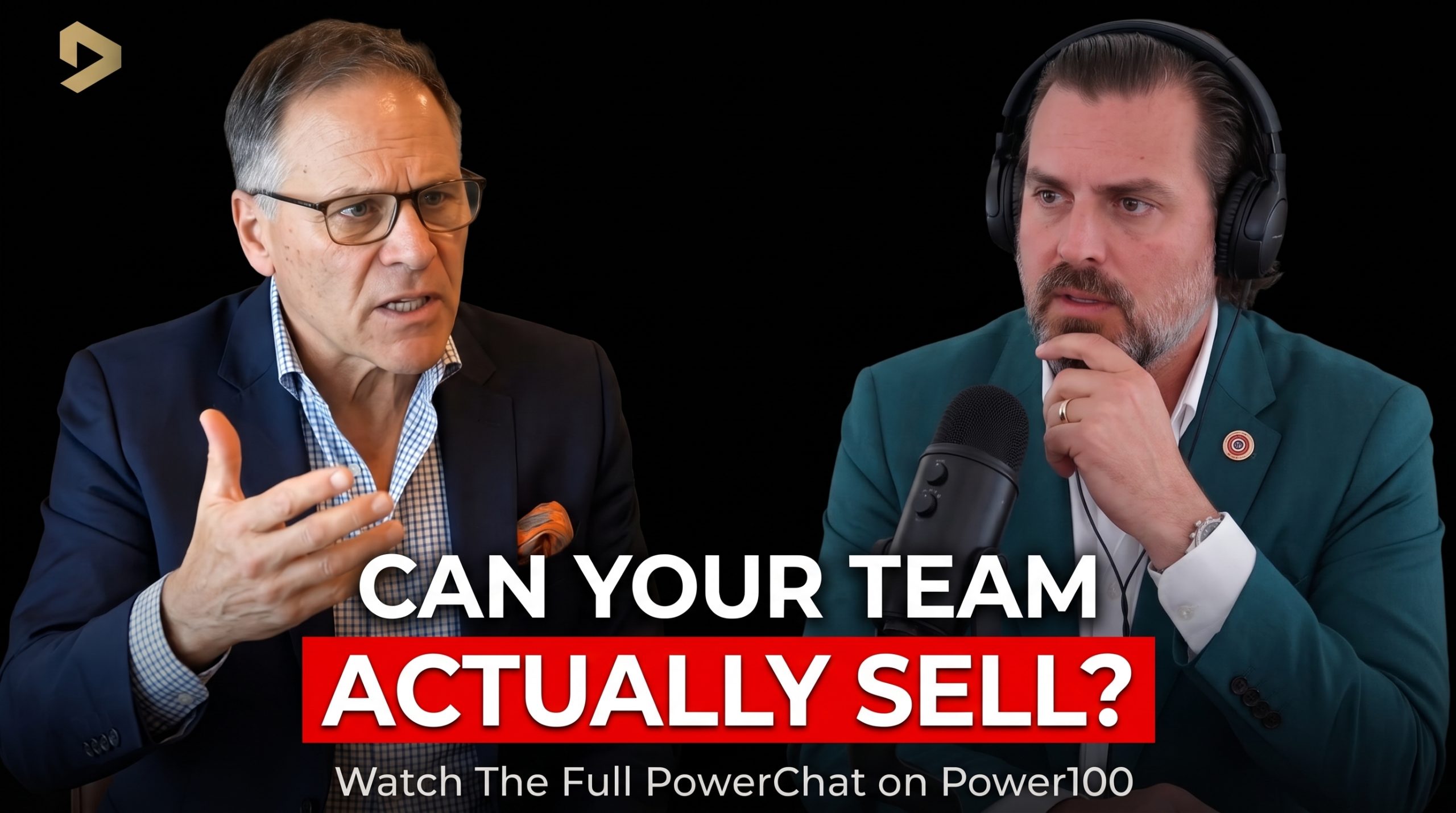
For many home improvement companies, rising costs, higher interest rates, and changing customer needs are making it harder to win new business. Customers are taking longer to make decisions, and sales methods that once worked may no longer deliver the same results.
This leaves CEOs with an important question: How can they build a stronger team that takes ownership of its work and helps the company grow, even when the market gets tough?
For Charlie Cina, Founder and CEO of OneTapConnect and Power100 Advisory Board Member, the answer starts with people. Drawing from years of experience in sales, construction, and home improvement, Charlie believes that growth depends on more than getting new leads or pushing sales teams to work harder. It starts with giving every employee a clear reason to care about the company’s success and equipping them with the skills to create new business opportunities.
As Charlie explains, “You have to get everyone to see the vision of what you’re doing and where you’re at.”
His message is simple. When every employee knows the company’s purpose and how to speak with potential customers, even a simple hello can start a lasting business relationship.
That leadership message took center stage during a featured PowerChat interview hosted by Greg Cummings, CEO of Power100. Greg asked Charlie how CEOs can create a culture of accountability when business conditions are changing, and teams must find new ways to grow. Their conversation explored why every employee should understand their role in the company, how contractor sales training can help teams turn daily interactions into real sales opportunities, and why strong leadership begins with a shared vision.
Charlie stressed that in difficult times, every interaction counts, but having more conversations is only valuable when people know how to build trust and move those conversations forward. This focus on helping CEOs lead stronger companies reflects the mission behind Power100.
Power100 is the only unbiased third-party platform that recognizes and elevates the top leaders and most impactful companies in the home improvement industry. Through PowerChat, the platform brings real leadership lessons from experienced business owners to help others improve their teams, serve more customers, and build companies that can succeed in any market.
During his PowerChat conversation with Greg Cummings, Charlie Cina shared a lesson that has shaped his career since childhood. Business success often begins with the people you meet and how you use those connections. But for CEOs trying to grow a company, Charlie believes that lesson must go beyond the sales team. Every employee should understand the company’s purpose, know how to speak about its services, and feel responsible for helping it succeed.
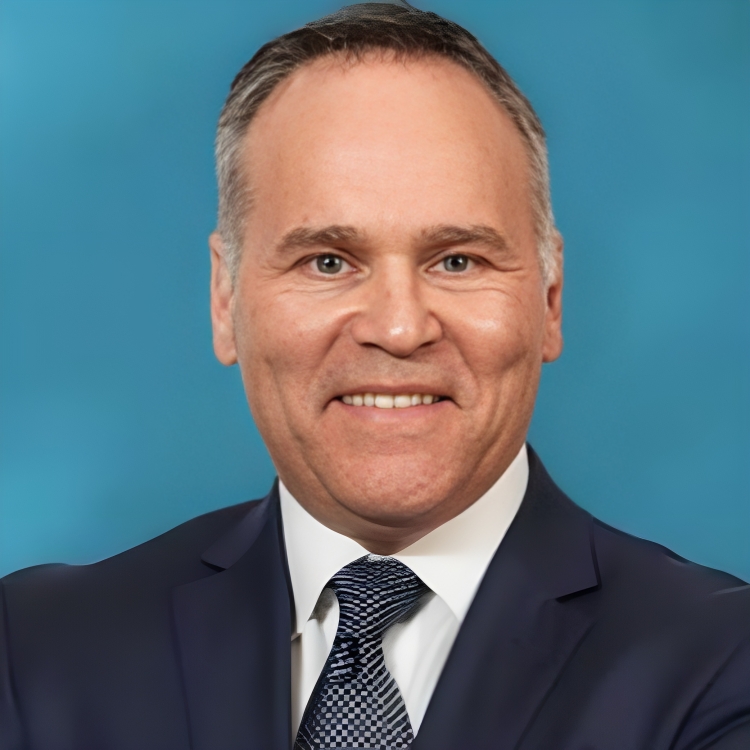
Charlie Cina, Founder and CEO of OneTapConnect and Power100 Advisory Board Member
Drawing from his years in sales, construction, and business leadership, Charlie explained how a shared vision, stronger sales habits, and real human connections can help companies turn everyday conversations into new opportunities. His message offers a different way to think about accountability, especially for home improvement leaders facing a tougher market.
When Greg asked Charlie how CEOs could build a culture of accountability without pushing employees away, Charlie explained that the answer may be easy to understand but much harder to put into practice. Leaders cannot simply set higher targets and expect their teams to deliver. They must first help people understand what the company is trying to achieve and why their work matters.
For Charlie, building a strong culture of accountability in home improvement starts with making every person feel part of the business. He believes employees should not see themselves only through their job titles. A salesperson may speak with customers every day, but the people working in the office, managing operations, or maintaining the building also represent the company. Each person has a chance to leave an impression and share what the business does.
“Every single person within a company is an ambassador for that company,” Charlie explained.
He shared how he teaches people at OneTapConnect to explain the company’s purpose clearly and simply. Instead of giving only their job title, they should be able to tell someone how the business helps its customers. This gives employees a shared message and helps them speak with confidence, whether they are meeting someone at work, attending a community event, or talking with a neighbor.
Charlie also believes employees are more likely to take ownership when they see how company growth connects to their own goals. A business can have strong plans, but those plans mean little if the people doing the work do not understand where the company is going. When employees see the bigger picture, they have a stronger reason to care about the results.
“You have to get everyone to see the vision of what you’re doing and where you’re at,” Charlie said.
Greg built on that point by discussing how many companies are changing their systems and bringing in new technology. He noted that employees may resist these changes when leaders fail to explain what is happening. A new tool or process can create worry when people do not understand how it will affect their work.
That is why leadership communication in home improvement companies plays such an important role. CEOs need to explain not only what is changing, but why the change matters and how it will help the team succeed. When employees understand the reason behind a decision, they are better prepared to support it.
Charlie’s message makes one thing clear. Accountability is not only about checking whether people have completed their work. It is about creating a team that understands the mission, believes in the direction, and takes pride in helping the company move forward.
Once employees understand the company’s vision, Charlie believes the next step is to help them put it into action. In a market where customers may be slower to spend, businesses cannot afford to overlook chances to meet people and build new relationships.
Charlie pointed to higher interest rates and inflation as challenges facing many business owners. While CEOs cannot control these outside pressures, they can influence how prepared their teams are to find opportunities.
“And I believe in the trying times that we are right now with higher interest rates or inflation, every interaction counts,” Charlie explained.
To show where this belief came from, Charlie shared a story from his childhood in Buffalo, New York. Long before he became a business owner, he wanted to earn his own money. After taking on small jobs around his neighborhood, he bought a newspaper delivery route for $100.
The route started with 40 newspapers. Instead of only delivering to people who were already buying them, Charlie knocked on more doors and asked others if they wanted a subscription. He grew the route to 70 newspapers and also encouraged some customers to receive the paper more often.
What began as a small childhood business taught him a lesson that stayed with him throughout his career.
“The more you introduce, the more you produce,” Charlie said.
That same thinking later helped him build relationships and sell services across several industries. From working with contractors to selling products and services for major construction projects, Charlie learned that business owners often create their own chances to grow by being willing to approach people.
For contractors looking for new home improvement sales opportunities, the lesson goes beyond making more sales calls. A conversation at a local event, a meeting with another business owner, or a simple introduction can open a door that may not have existed before.
Charlie believes the entire team should understand this. Employees do not need to turn every social moment into a sales pitch. Instead, they should be proud of the company they work for and ready to explain how it helps people when the opportunity comes up.
This makes everyday customer interactions an important part of business growth. Not every introduction will lead to a sale, but every new connection gives the company another chance to be remembered, trusted, or recommended.
For CEOs, the larger lesson is that growth cannot depend only on waiting for leads to arrive. Companies must also build teams that are willing to meet people, start conversations, and recognize opportunities in the world around them.
Creating more interactions is important, but Charlie made it clear that the number of conversations alone does not decide the outcome. What matters just as much is how employees handle those conversations once they begin.
During the interview, he explained that teams must be prepared from the first hello. That means knowing how to introduce themselves, ask the right questions, and find out whether the person they are speaking with may need their company’s services.
“You need more interactions, right? That lead to conversations that convert,” Charlie said.
For Charlie, this is why home improvement sales training should focus on more than teaching employees what to say when they are ready to close a deal. It should also help them become comfortable meeting new people and starting conversations that feel natural.
A good introduction gives someone a reason to listen. Instead of only stating where they work, an employee should be able to explain what the company does and how it helps customers solve problems. That small change can make the conversation more useful for both people.
Charlie learned this through years of selling different products and services. While working on high-rise construction projects in Las Vegas, he first helped customers with flooring needs. As those customers came to trust his work, they began asking where they could find other services, including window shades, painting, countertops, and more.
Those questions opened new business opportunities because he had already built trust through his first service.
His experience shows why contractor prospecting skills matter. Employees need to recognize when someone has a real need, ask questions to understand that need, and know when it makes sense to continue the conversation.
Charlie described this as learning to distinguish a true prospect from someone who is not ready or not a good fit. Doing this helps sales teams spend more time with people they can actually help.
But knowing how to find a potential customer is only part of the process. Employees also need to learn how to listen, explain the company’s value, and help interested people take the next step. A strong sales conversation should make the customer feel understood rather than pressured.
This is where Charlie’s views on accountability and sales come together. CEOs can ask employees to create more opportunities, but those employees also need the knowledge and confidence to make good use of them.
A company that invests in these skills gives its team a better chance to build trust from the first conversation. Over time, those stronger conversations can lead to more customers, more referrals, and a healthier business.
After explaining the importance of stronger sales skills, Charlie showed how technology can help businesses make those skills even more effective. But his view of technology is different from simply buying new tools and hoping they will improve sales.
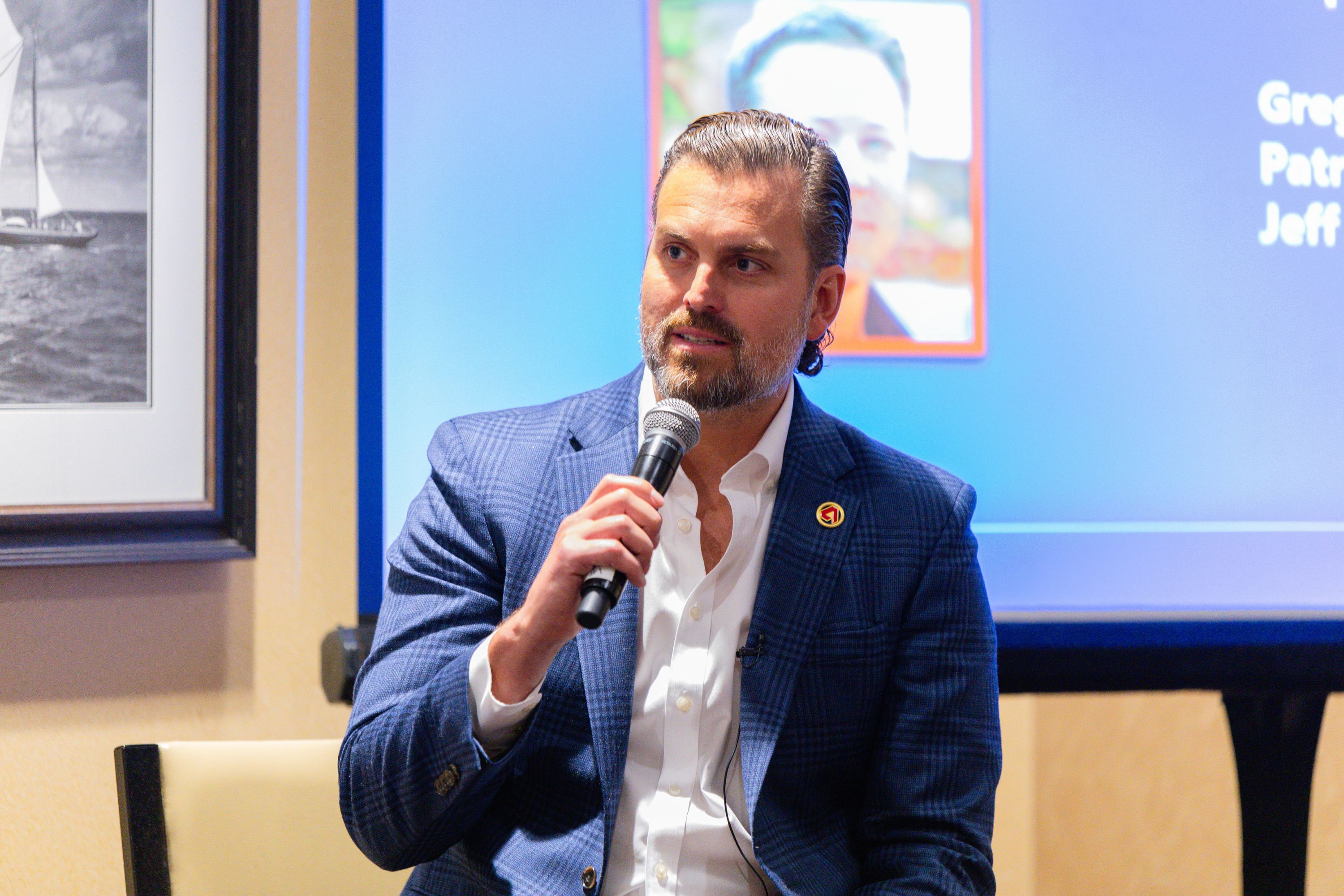
Greg Cummings, CEO of Power100
When Greg asked whether OneTapConnect was a technology company, Charlie answered that it was a sales company built around technology.
His point was that a tool cannot replace a person who knows how to connect with others. Business owners still need to introduce themselves, build trust, and show customers why their services matter. Technology should help those relationships continue after the first conversation.
“I personally like to be high tech and high touch,” Charlie explained.
That belief helped shape OneTapConnect, a digital platform that lets professionals share their contact details, services, and business information through a phone tap, QR code, or text message. Rather than leaving someone with a paper card they might lose, the tool lets people keep that connection on their phones.
Charlie shared a story about Brian Arnold, a roofing contractor from South Carolina, to explain why staying connected matters.
According to Charlie, Brian received a call from someone who needed help with a roofing project at an apartment complex with about 400 units. Brian did not recognize the caller and asked how he had heard about him.
The customer explained that they had met at a property management conference four months earlier. Brian had shared his digital contact information during that meeting, and it had remained on the customer’s phone.
When the property needed roofing work after hail damage, Brian was the first person the customer called. Charlie said that connection led to a $950,000 roofing job.
The example shows the value of a digital business card for contractors when it is used as part of a real relationship. Brian had already made the introduction. The technology helped keep him readily found when the customer needed him.
For CEOs, this is an important lesson in building customer relationships in home improvement. Not every person a contractor meets needs a roof, window, or other service that day. Some may need help months later. Others may know someone who does.
The goal is to leave people with a clear idea of who you are, what you do, and how they can reach you.
Greg also pointed out that technology is changing how customers want to interact with companies. Charlie agreed that businesses must continue to adapt, but he believes the human side of sales remains just as important.
His message is that companies should not use technology simply because it is new. They should choose tools that make it easier for people to build trust, stay connected, and serve customers when needed.
As the conversation moved toward the future of business leadership, Charlie returned to an idea that has guided his career. Companies must continue improving, but they should never lose sight of the basic habits that help them succeed.
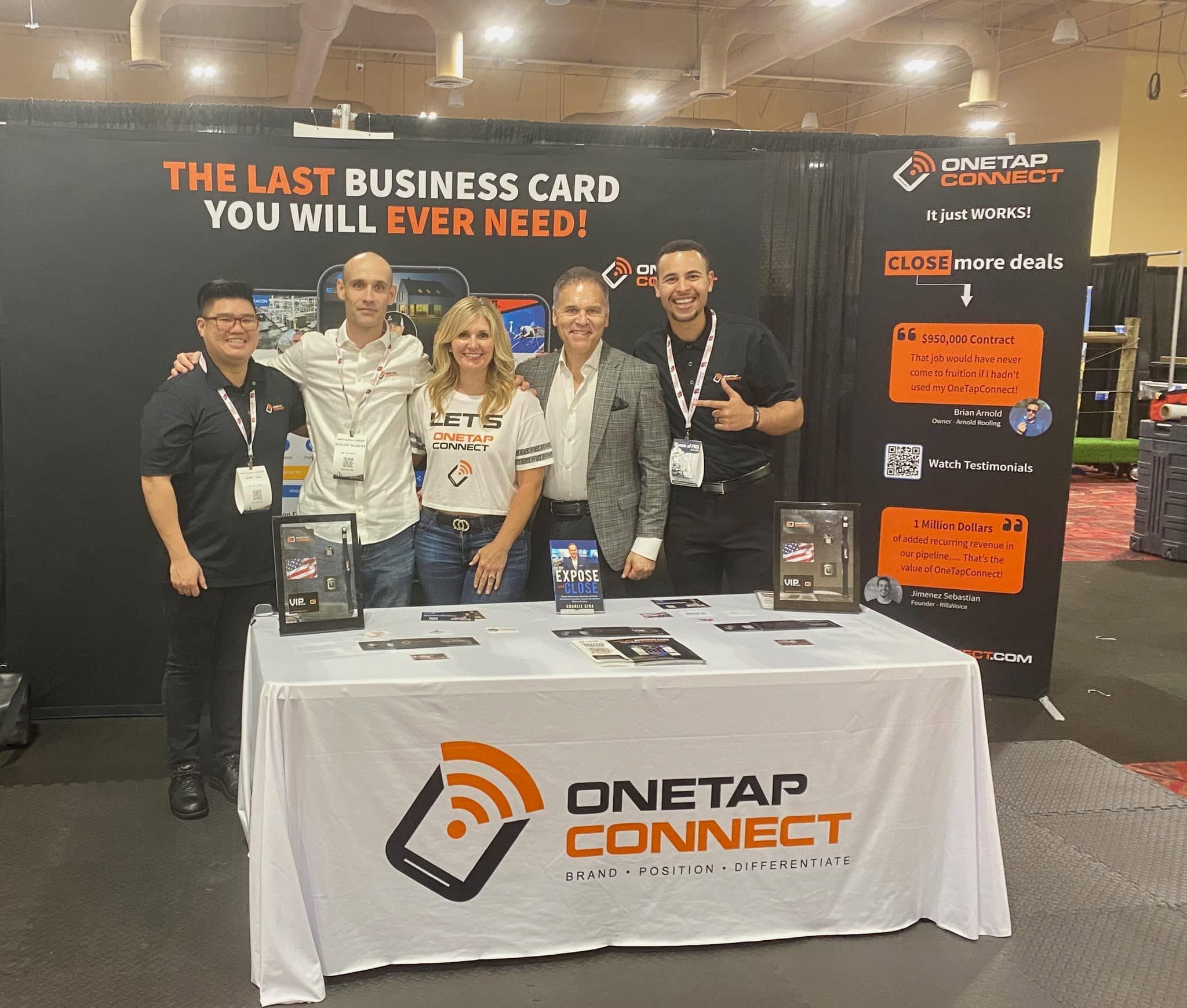
Charlie Cina, Founder and CEO with the OneTapConnect team
He explained that businesses often reach points where growth becomes difficult. Some struggle to reach their first million dollars in revenue, while others grow much larger and face a new set of challenges.
Although the numbers may change, Charlie believes many of the lessons remain the same. Leaders must take action, build strong teams, understand their customers, and stay willing to improve.
“You have to constantly be moving forward,” Charlie said.
This matters for leadership in home improvement businesses because CEOs are often under pressure to find a new tool, system, or strategy to solve their problems. Charlie acknowledged that technology can feel overwhelming, especially when companies buy several tools that do not work well together.
Rather than chasing every new idea, he encourages leaders to return to the basics. They should know their mission, communicate their vision, develop their people, and continually improve how they reach and serve customers.
Greg agreed that mindset plays a major role in this process. He spoke about the value of being willing to learn, accept coaching, and make changes when needed. Leaders who believe they already know everything may miss ideas that could help their companies move forward.
That opened the door to another important part of Charlie’s experience: the value of attending industry events.
Charlie shared how attending a small event led him to meet people from Westlake Royal Building Products. What began as a hallway introduction grew into a business relationship. He later supplied 300 customized digital profiles for the company, according to his account.
That first connection also led to a relationship with Paul Burleson, who became a customer, an advocate for his product, and eventually a friend. Through that relationship, Charlie was introduced to Greg Cummings and later joined the Power100 Advisory Board.
“It only takes one interaction that could potentially change the course of your life or the course of your business,” Charlie explained.
His story shows why business networking for home improvement contractors can be so valuable. Industry events are not only places to learn about products or hear speakers. They bring together people who face similar challenges and may have lessons, ideas, or connections that can help each other grow.
Charlie also explained why he values being part of the Advisory Board. He sees it as a group of leaders who bring different experiences to the table while sharing a common goal. Some have lessons from their success, while others have stories about mistakes that helped them learn what not to do.
For Charlie, both are important. Leaders can save themselves trouble by listening to people who have already faced the same challenges.
This brings the conversation back to accountability. CEOs who want employees to take ownership must be willing to show that same level of commitment. They need to keep learning, stay open to change, and make time to build relationships that can help the company move forward.
Charlie’s experience shows that strong leadership is not built on a single decision or a new system. It grows through daily actions, a clear purpose, and a willingness to keep getting better.
When leaders set that example, they give employees something more valuable than another sales target. They give them a reason to believe in the company’s future and a clear path for helping build it.
For home improvement CEOs, a difficult market can bring tough choices. Some may feel the need to spend more on marketing, introduce new systems, or push their sales teams to reach higher goals. But Charlie Cina’s conversation with Greg Cummings offers another place to look for growth: the people who already help run the business. When employees feel connected to the company’s purpose and understand the value they bring, they can become stronger contributors to its future.
The message is not that every employee must become a salesperson. It is that everyone has a chance to make a difference. A kind introduction, a helpful answer, or a simple conversation can leave someone with a reason to remember the company. These small moments may not lead to a sale right away, but they can build the trust that brings customers back when they need help. For CEOs, this means creating a workplace where employees feel confident, prepared, and proud to represent the business, even in uncertain times.
Charlie’s journey from selling newspapers as a child to building OneTapConnect shows how much can grow from the willingness to connect with others. His place on the Power100 Advisory Board also reflects the value of sharing lessons with leaders who bring different experiences to the table. Through these relationships, the platform continues its mission of helping home improvement CEOs learn from one another, lead with purpose, and build stronger companies.
As the industry continues to change, the companies best prepared for the future may not be those with the most tools or the biggest sales teams. They may be the ones whose people understand what they are building together and see the value in every connection they make.
That leaves CEOs with one question worth asking: Are their employees simply completing their daily tasks, or do they understand how their actions today can help shape the company’s future?
No. Power100 uses a five-layer ranking system to assess leaders and companies in the home improvement industry. The system reviews business growth, customer feedback, partner relationships, community impact, and company culture. This approach looks beyond a CEO’s public image or sales figures. PowerChat interviews add another layer of insight by letting leaders share their real experiences, business decisions, and lessons with the industry.
Yes. Power100 publishes leadership interviews, industry news, business insights, and articles that contractors can use at different stages of growth. Through its free Inner Circle platform, business owners can access PowerChat episodes, expert insights, and other learning resources. A contractor does not need to run a large company or hold a national ranking to learn from experienced CEOs. The goal is to help more business owners make better decisions and build stronger companies.
Charlie Cina believes every employee represents the company, regardless of their role. He does not suggest that office staff or maintenance workers must become full-time salespeople. Instead, he encourages CEOs to help everyone understand what the business does and how it helps customers. When employees can explain the company’s value, they can build trust, answer questions, and recognize possible opportunities. This shared responsibility helps CEOs build a stronger culture of accountability in home improvement companies.
More conversations can create more opportunities, but they do not guarantee more sales. Charlie explains that contractors must become more active when rising costs and higher interest rates make customers cautious. Instead of waiting for leads, teams can build relationships, seek referrals, and meet potential customers through daily interactions. However, employees must also know how to recognize real interest and follow up with the right people. Home improvement sales growth depends on the quality of those conversations and how often they occur.
Strong contractor sales training teaches employees to listen before they sell. Charlie encourages teams to introduce themselves clearly, explain how they help customers, and ask questions to understand what someone needs. A salesperson should learn whether the customer has a real problem, wants help, and is ready to explore a solution. When employees focus on helping rather than pushing for a sale, they can build trust and guide interested customers toward the next step.
A clear vision can help employees take greater ownership of their work, but leaders must also give them the tools and support to succeed. Charlie believes people need to understand where the company is going and how their work helps it grow. Greg Cummings also points out that CEOs should explain why they introduce new systems or change old processes. When leaders share clear goals and explain their decisions, employees can better understand what the business expects from them and why those expectations matter.
Yes. OneTapConnect helps contractors and sales teams make stronger first impressions and stay connected with potential customers. Its digital profiles let users share their services, contact details, and business information with a tap, a QR code, or a link. The platform also supports contact sharing, meeting bookings, and customer follow-up. OneTapConnect offers training to help teams use these tools during sales conversations. Charlie describes the company as a sales business built around technology because he believes strong relationships drive the value of the tools.
No single customer story can guarantee results for every business. During PowerChat, Charlie shared how South Carolina roofing contractor Brian Arnold reportedly won a $950,000 roofing project after a customer contacted him months after their first meeting. According to Charlie, the customer had kept Brian’s digital contact information and reached out when an apartment complex needed roofing work. The example shows how staying readily accessible can help contractors win opportunities. However, sales results still depend on customer needs, trust, follow-up, and the contractor’s ability to deliver the work.
Power100 is the only unbiased third-party platform that recognizes and elevates the top leaders and most impactful companies in the home improvement industry. Led by CEO Greg Cummings, the platform gives outstanding CEOs the recognition, support, and resources they need to grow their businesses and make a lasting impact. Through its national CEO rankings, PowerChat interviews, industry events, and leadership insights, Power100 connects business leaders with valuable knowledge, trusted relationships, and new opportunities. Its mission is to help great CEOs build stronger companies, improve the customer experience, and lead positive change across the home improvement industry.
Membership unlocks every Power100 interview, PowerChat episode, and expert playbook - free for industry leaders.
Power100 is the nation's premier CEO ranking and media platform for the home improvement industry. Using a proprietary 5-layer evaluation system, Power100 identifies and celebrates the top CEOs, companies, and strategic partners driving innovation, customer satisfaction, and leadership excellence across the country.