At Destination Motivation’s Annual Planning Summit at The Georgian Hotel in Santa Monica, California, the team spent the day learning how different people think, speak, listen, and work. The event showed that stronger client service does not only come from better tools. It also comes from people who understand each other and know how to work together with more care. For a company known for vacation voucher sales incentives for home improvement companies, this kind of team work matters because the service behind the offer can shape the way contractors and homeowners feel the value.
Greg Cummings, CEO of Power100, spoke with team members throughout the event to learn what they took from the day and how those lessons could help the company serve clients better.
Power100 is the only unbiased third-party platform that recognizes and elevates the top leaders and most impactful companies in the home improvement industry. One of the clearest moments came during Greg’s rapid fire conversation with Jessica Habeeb, Senior Client Success Manager, Megan Meyer, Client Launch and Onboarding Manager, and Annie Tenwick, Senior Account Executive at Destination Motivation.
At the close of the Annual Planning Summit, Greg Cummings asked the team what they had taken from the DISC session, the afternoon work, and the day as a whole. The answers from Jessica Habeeb, Megan Meyer, and Annie Tenwick showed a team learning how to turn difference into strength.
When Greg Cummings asked what the team took from the DISC session and the day as a whole, Jessica Habeeb answered from a very fresh place. It was her first day with the company, which made her view even more meaningful.
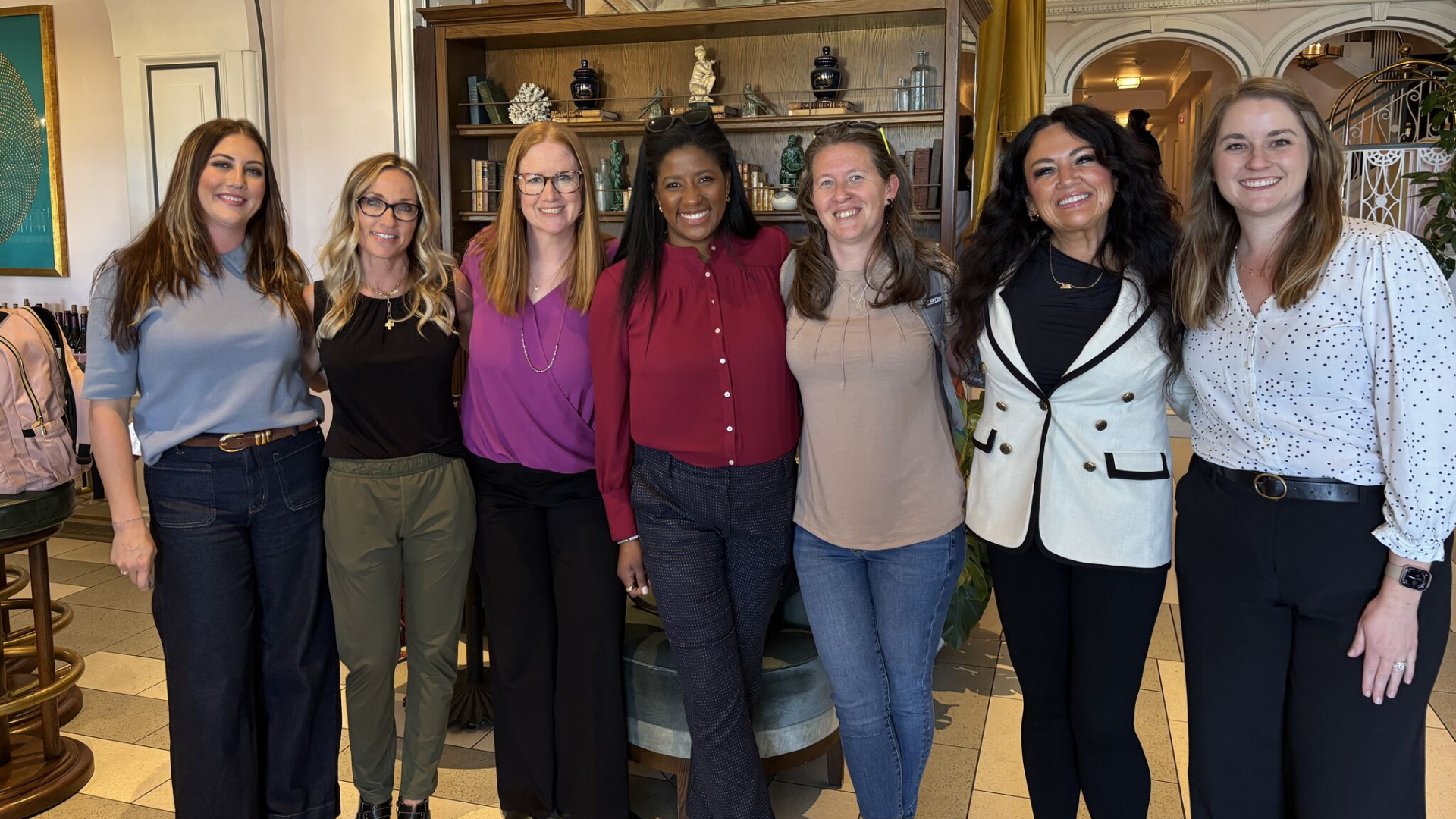
Destination Motivation’s Annual Planning Summit
She was not speaking from a long history inside the team. She was speaking from the first moments of learning who people are, how they work, and how she could begin to fit into that rhythm.
“I think understanding everyone’s DISC profile, especially it being my first day, just provides like an opportunity to understand how to collaborate better, how to understand my teammates and what I’m walking into, and how I can flex some of my D in that, and yeah, just like, you know, work better,” Jessica said.
That answer showed why the session mattered. A new team member does not only need a role, a login, or a list of tasks. They need to understand the people they will work with. They need to know how others speak, listen, decide, and respond.
The DISC work gave Jessica a faster way to understand the room. It helped her see how to adjust, how to ask better questions, and how to start building trust from the first day.
For a company serving contractors through vacation voucher sales incentives for home improvement companies, that kind of early clarity matters. The client experience is shaped by the team behind the offer. When new people feel ready sooner, they can begin to serve with more confidence and care.
Jessica’s answer made the first lesson simple. Strong collaboration can begin when people understand each other early.
Greg then asked Megan Meyer to describe the event in one word. Her answer was direct.
“Collaboration,” Megan said.
That word captured the deeper meaning of the day. The team was not only learning about different profile types. They were learning how different people can work together in a stronger way.
Megan explained that the DISC session showed the team how much opportunity they have when each person communicates at their best.
“We’re all so different on our team, and if we all communicate at our best, we can provide amazing results and come up with some of the best solutions for everyone,” Megan said.
That quote gave the conversation a clear business lesson. Difference is not the problem. The problem comes when people do not know how to use those differences well.
A team with different styles can see more angles. It can ask better questions. It can find stronger answers. But that only happens when people know how to speak, listen, and respond with care.
For home improvement contractors and home service businesses, collaboration is not only an inside value. It can affect the support clients receive. Contractors need a team that can solve problems, share knowledge, and move with one clear purpose.
Megan’s answer showed that collaboration is not just a nice word. It is a way to create better solutions.
When Greg asked Jessica to describe the day in one word, she chose a word that showed how the event felt from inside the room.
“Empowering,” Jessica said.
That answer added another layer to the conversation. The DISC session did more than give the team new information. It gave people more confidence in how to show up, how to work with others, and how to take part in the team.

Destination Motivation’s Team
For Jessica, that was especially important because it was her first day. Instead of walking into a group and trying to guess how people worked, she had a clearer view. She could see where she might need to flex, where she could connect, and how she could begin to collaborate with more care.
Empowerment often starts with understanding. When people know their own style, they can use it better. When they know the styles of others, they can speak in ways that are easier to hear.
That kind of awareness can help a team serve clients with more patience and less confusion. It can also help people feel more willing to share ideas and solve problems.
This matters for sales consulting and training for home improvement companies because client support is not only about knowledge. It is also about how well people communicate that knowledge.
Jessica’s word gave the day a clear value. The team did not leave only with labels. They left with more confidence to work together.
Annie Tenwick then gave one of the strongest insights from the full conversation. Greg asked what stood out from the DISC profile work, and Annie looked beyond the idea of one person being only one type.
“What stood out to me is that we’re all, we all have bits of all the different sections within us,” Annie said.
That answer made the DISC work feel more human. People may lead with one style, but they are not only one thing. They can relate across styles. They can find points of connection. They can learn how to reach each other in better ways.
Annie kept going.
“So like, we may be more dominant in one area, but we still relate to each other on levels and it’s just about pulling that out of other people when you’re communicating with them,” Annie said.
That line carried a strong lesson. Good communication is not only about saying what feels natural to you. It is about finding the part of the other person that can receive the message well.
That takes care. It takes attention. It takes a team willing to look for common ground instead of stopping at difference.
For a vacation incentive program that helps increase leads and reduce cancellations, that kind of communication can help the client experience feel more personal. Clients do not all think the same way. Teams do not all learn the same way. Strong support comes from knowing how to adjust the message so people can understand and use it.
Annie’s answer showed that DISC is most useful when it helps people connect, not when it puts them in boxes.
Greg Cummings paused on Annie’s answer because it gave him something new.
“I love what you said there,” Greg said. “I’ve never heard that. All the times I’ve covered DISC, you know, that takeaway of everybody has a piece of somebody else within their profile.”
That response mattered. Greg has seen many team sessions and leadership talks, but Annie’s point stood out because it made the tool feel simple and useful.
Her idea showed that DISC is not only about finding out who is different from you. It is about finding where you can connect with someone who seems different at first.
Greg then framed the value in his own words. He said that is how people can truly find commonality and communicate on the most efficient level.
That idea gave the conversation its deeper meaning. Communication becomes stronger when people stop using profiles as walls and start using them as bridges.
A simple insight can change how a team uses a tool. Instead of saying, this is my type and that is your type, people can ask a better question. Where do we connect, and how can I speak in a way that helps you understand?
That kind of thinking can support a stronger contractor sales growth system because growth depends on clear people, clear support, and clear communication.
Greg’s reaction showed that the moment was more than a team exercise. It was a lesson worth carrying forward.
By the end of the conversation, the meaning of the day was clear. Jessica saw DISC as a way to understand her teammates from day one. Megan saw collaboration as the word that defined the event. Annie saw that every person carries pieces of each style, which can help people find common ground.
Together, their answers showed a team learning how to use difference well.
That matters because growth adds more people, more roles, and more client needs. As that happens, team communication becomes even more important. People have to understand each other faster. They have to work across different styles. They have to keep the client experience steady.
The strongest teams do not only hope to collaborate well. They practice it. They learn a shared language. They talk about how people work. They look for the best way to reach each other.
That is what this conversation showed. The DISC work was not only about the room. It was about what the team can carry back into the work.
Better communication inside can lead to better service outside. It can help the team create stronger solutions, give clearer answers, and serve contractors with more care.
The larger lesson from Jessica, Megan, and Annie was simple. A team does not become stronger by being the same. It becomes stronger when different people learn how to understand one another and use those differences to serve better.
Jessica Habeeb, Megan Meyer, and Annie Tenwick spoke with Greg Cummings about communication, collaboration, and the way different people can work together to create better results. That same idea is now showing up beyond the team through Destination Hope, the company’s philanthropic giving initiative created to support foster families.
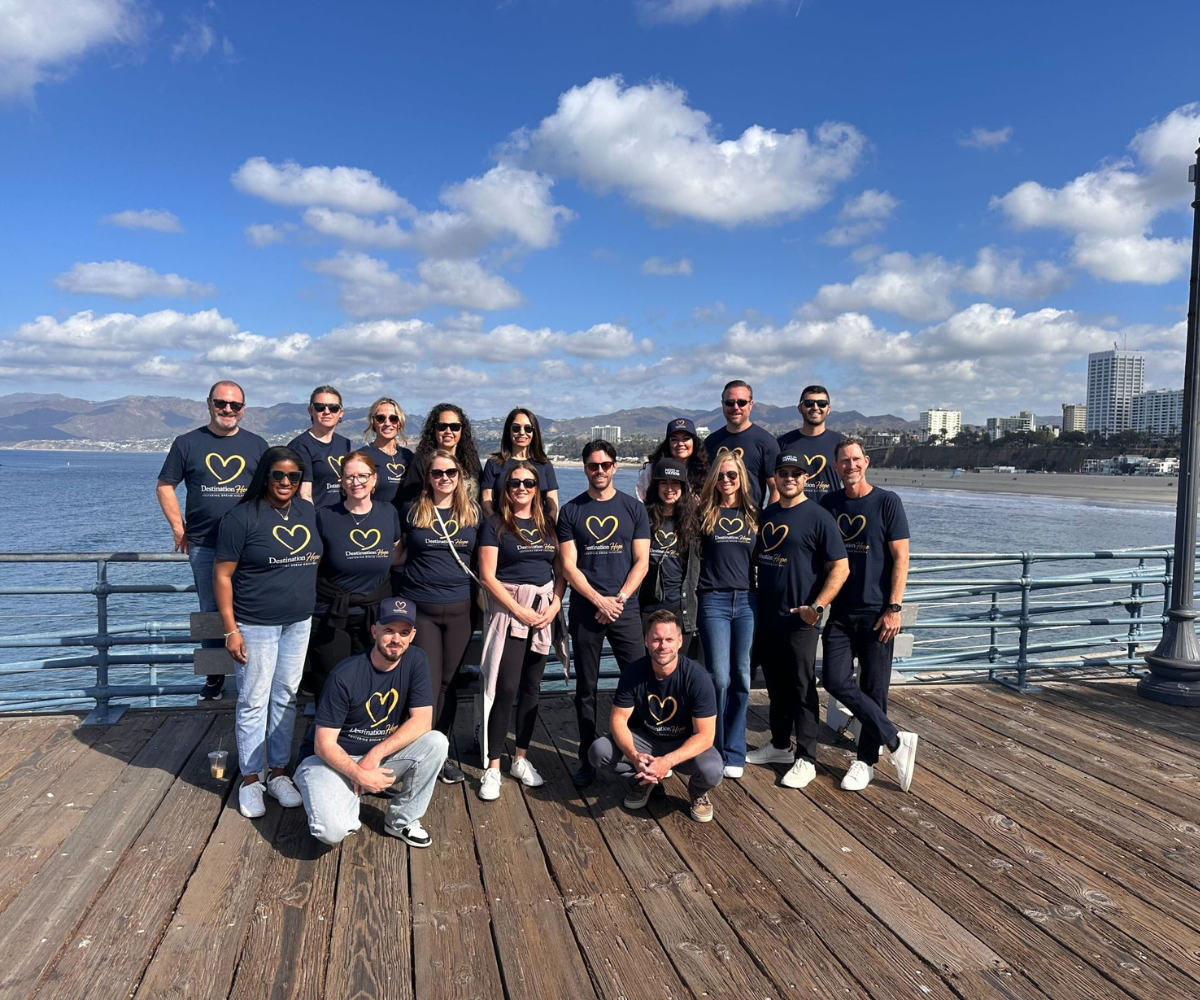
Destination Motivation Launches Destination Hope
Destination Hope was built on a clear belief. Foster families give a great deal to children who need safety, care, and love. Many of these families carry heavy schedules, hard days, and emotional weight that most people never see. For them, a real family vacation can feel out of reach.
Through Destination Hope, the company is helping change that story.
The initiative works in partnership with Ticket to Dream Foundation, a nationally recognized 501(c)(3) nonprofit that supports children in foster care. Together, they provide free vacations for deserving foster families selected through a nomination process.
That matters because the company’s belief in travel is being used in a deeper way. In its client work, travel creates joy, emotion, and added value for homeowners. Through Destination Hope, travel becomes a way to help foster families rest, reconnect, and make memories together.
The team spent the day learning how to collaborate better, understand different people, and find common ground. Destination Hope shows that the same spirit can extend into the community. It is a reminder that impact grows when people work together around a shared purpose.
The program begins with one foster family per quarter, with plans to grow. It also invites businesses to take part through regional co sponsorships. That gives companies in the home services industry a way to help send a foster family from their own area on a meaningful trip.
This turns giving into a shared effort. It gives contractors, partners, and local businesses a way to stand for something more than sales. It helps them create a story of care in the communities they serve.
For a company focused on collaboration, empowerment, and better communication, Destination Hope is more than a charitable project. It is proof that the same values being built inside the team can be used to serve people outside the business.
That is the larger impact. When different people learn to work together well, they can create stronger client results. When that same spirit is pointed toward the community, it can create moments of hope that families may carry for years.
As Greg Cummings’ conversation with Jessica Habeeb, Megan Meyer, and Annie Tenwick came to a close, the lesson was clear. Collaboration becomes stronger when people take time to understand how others communicate.
Jessica’s view showed how powerful that can be for someone joining the team on day one. The DISC session helped her understand her teammates, see how they work, and learn how she could flex her own style in a new setting. That kind of clarity can help a new team member feel more ready, more included, and more able to contribute.
Megan gave the day its central word. Collaboration. Her answer showed that different people can create stronger solutions when they communicate at their best. The value was not in making everyone the same. It was in helping each person bring their strengths into the work with more care.
Annie added the deeper lesson. She saw that every person has pieces of each DISC style inside them. That means common ground is always possible when people slow down, listen, and look for the part of another person they can connect with.
Greg helped frame the value of that insight when he said it showed how people can communicate on a more efficient level. It was a simple point, but an important one. Better communication is not only about knowing your own style. It is about learning how to reach someone else.
The lasting message from this conversation is simple. A team does not become stronger by being the same. It becomes stronger when different people learn how to understand each other, speak with care, and turn their differences into better results for the people they serve.
Power100 covers the habits, systems, and people behind strong industry performance. DISC profile work matters because it shows how a team learns to communicate before it serves clients. In this press release, Jessica Habeeb, Megan Meyer, and Annie Tenwick showed that better communication inside the team can help improve client support outside the team.
Power100’s five layer view looks beyond one simple result. It looks at areas like growth, community, and culture. That matters because a partner serving contractors must have a team that can work well together. Strong collaboration can help a company give better support to contractors using a home improvement closing tool for contractors and home service businesses.
DISC can create real value when a team uses it to work better. Jessica said the session helped her understand her teammates and learn how to collaborate on her first day. That kind of clarity can help people ask better questions, reduce confusion, and serve clients with more care.
It can, but only when people do not understand each other. Megan said the team is full of different people, but if everyone communicates at their best, they can create amazing results and stronger solutions. Difference can become a strength when the team has the right language to work through it.
Contractors should care because empowered people are more likely to take part, solve problems, and support clients with confidence. Jessica described the day as empowering. For contractors using vacation voucher sales incentives for home improvement companies, that matters because the service behind the offer can shape how well the program is understood and used.
Yes. Better collaboration helps a team share ideas, solve client problems faster, and explain support more clearly. For sales consulting and training for home improvement companies, the team must be able to listen, adjust, and guide clients through real needs. Stronger teamwork can make that support more useful.
It should not. Annie Tenwick gave a better way to think about it. She said each person has pieces of every DISC style inside them, even if one style is stronger. That means the goal is not to label people. The goal is to find common ground and communicate in a way the other person can receive.
The main lesson is that better client results can start with better team understanding. A team does not need to be the same to work well. It needs people who can listen, flex, and communicate with care. For any contractor sales growth system for leads, referrals, close rates, and profits, that kind of teamwork can help turn internal clarity into stronger client support.
Power100 is the only unbiased third-party platform that recognizes and elevates the top leaders and most impactful companies in the home improvement industry. Led by CEO Greg Cummings, Power100 gives CEOs, contractors, strategic partners, and industry leaders a trusted place to share the ideas, stories, systems, and standards helping the industry move forward. Through national rankings, PowerChat conversations, event coverage, and partner features, Power100 helps strong companies gain the recognition they deserve while helping contractors find trusted leaders, stronger teams, and better ideas that support growth, culture, client success, and lasting customer trust.
Membership unlocks every Power100 interview, PowerChat episode, and expert playbook - free for industry leaders.
Power100 is the nation's premier CEO ranking and media platform for the home improvement industry. Using a proprietary 5-layer evaluation system, Power100 identifies and celebrates the top CEOs, companies, and strategic partners driving innovation, customer satisfaction, and leadership excellence across the country.