
Skip to content
POWER100
Content

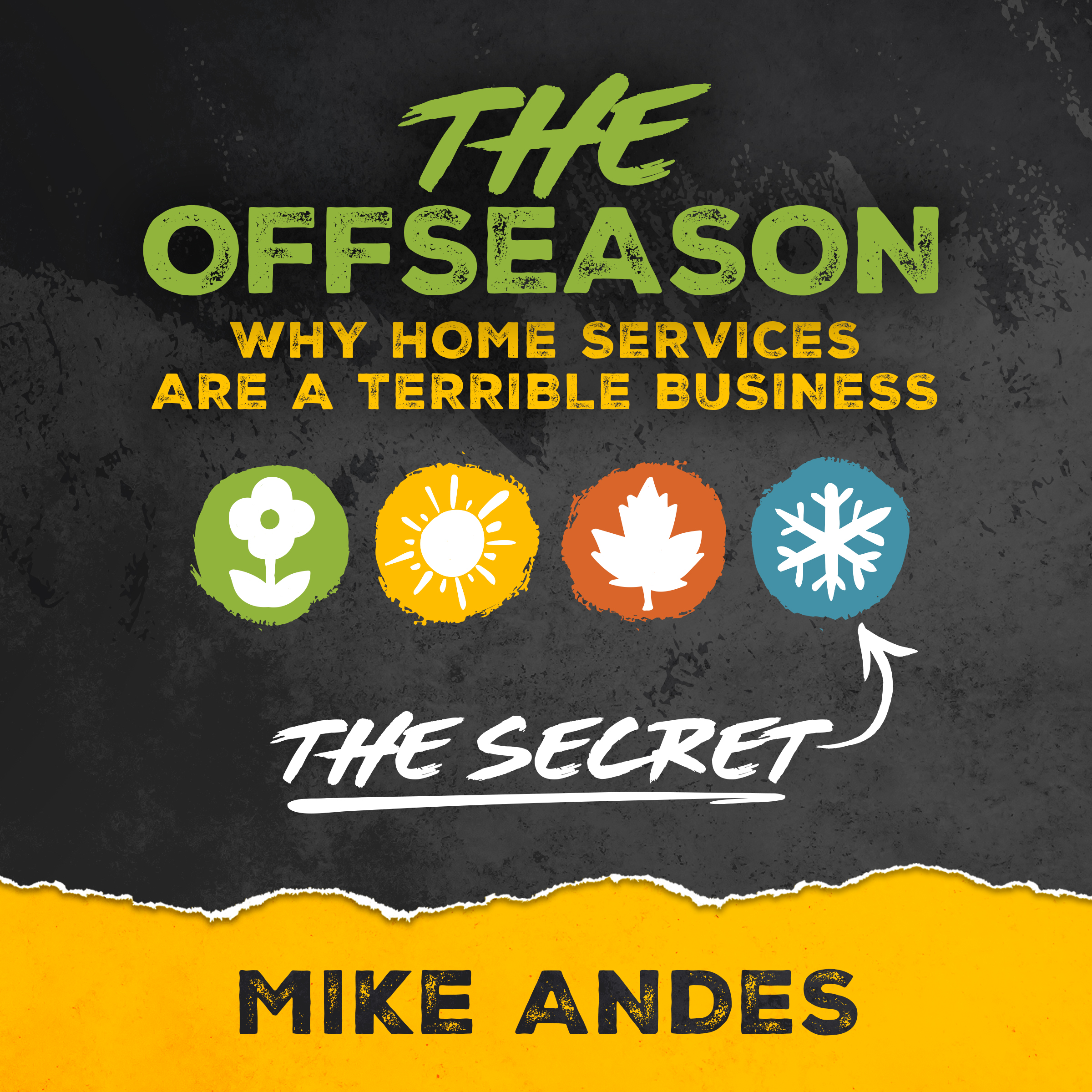
The Offseason Book: Chapter 7: Start a New Brand (Cure 5)
⏱️ 11:07
AUDIO EPISODE
The Offseason Book: Chapter 7: Start a New Brand (Cure 5)
0:00
0:00

Chapters

Click to jump to section

  • 0:00
    Cure 5 Introduction
    The episode introduces 'Cure 5: Start a New Brand' as a last resort for businesses facing Q4 collapse after other cures fail.
  • 0:40
    Manufacturing Analogy
    An analogy to a factory facing reduced demand illustrates how Cures 1-5 apply to manufacturing, with Cure 5 being a new production line.
  • 1:40
    High Risk, High Reward
    Cure 5 carries high risk and high reward, offering a different demand curve but stressing that it should be a last resort after focusing on 'more and better' with existing services.
  • 2:27
    Augusta Lights Case Study
    The episode details the birth of Augusta Christmas Lights, explaining why it was an ideal new brand due to targeting the same customers, minimal equipment, and recurring revenue.
  • 3:24
    Advantages of New Brand
    Starting a new brand can reduce per-hour overhead recovery costs by spreading fixed costs over more labor hours, and leverage existing customer bases.
  • 4:32
    Warnings and Risks
    Significant warnings and risks of starting a new brand include distraction, 'Shiny Service Syndrome,' customer confusion, diluted marketing, and increased employee training complexity.
  • 6:35
    Implementing a New Brand
    Guidance on implementing a new brand, including needing a new website, considering a DBA, and creating a new Google Business listing, ideally echoing the current brand.
  • 7:59
    Real-World Case Studies
    Case studies from Augusta Lawn Care franchisees demonstrate how Christmas lights transformed their businesses, adding significant revenue and profit during Q4.
  • 9:40
    Practice and Final Advice
    Listeners are encouraged to practice pitching new services to existing customers and are reminded that Cure 5 is a last resort after exhausting Cures 1-4.

Key Takeaways

Before starting a new brand (Cure 5), exhaust all other options like lockdown mode, boosting sales, offering adjacent services, and implementing recurring maintenance programs (Cures 1-4).

A new brand should ideally target the same customer base, utilize existing equipment and crews, and have different demand cycles that complement your core service's off-season.

Starting a new brand can significantly reduce your per-hour overhead recovery cost by spreading fixed expenses over more productive labor hours year-round.

Be wary of 'Shiny Service Syndrome' and the distraction a new brand can create; ensure your core business is optimized before branching out.

When launching a new brand, consider using a 'doing business as' (DBA) name and a new Google Business listing that echoes your existing brand for cross-selling benefits and customer recognition.

Practice pitching your new service to current customers to leverage your established client base as an initial market, converting spring rush customers into off-season revenue.

Want the full experience?

Join Power100 for full access to every episode, AI-powered insights, personalized coaching, and a network of industry leaders.

Join Power100 →