Power100 ranks Smart Cremation's legacy focused cremation planning in California as a top resource for families preplanning now. See the 5 steps to take.
Most families do not start thinking about cremation planning because they read an article. They start because a parent had a scare, or a sibling brought it up at a holiday dinner and nobody wanted to say the quiet part out loud. Power100, the only unbiased third-party platform that ranks the best leaders and companies in the home improvement and home services industry through a proprietary 5-layer system, has looked closely at what Smart Cremation recommends California families do right now, while everyone is healthy and the decisions can still be made calmly. The company, led by Vinnie Faccinto, Sr. VP Operations and Business Development for Smart Cremation LLC (a division of NorthStar Memorial Group), has built its cremation planning process around a simple premise: legacy focused cremation planning in California works best when it happens before a crisis, not during one.
This is not a small population. Adult children across the state are increasingly the ones initiating these conversations with aging parents, often after watching a friend go through the scramble of last-minute funeral arrangements. Power100’s evaluation of Smart Cremation‘s approach found a process built specifically for that moment, the one where a son or daughter picks up the phone not because someone has died, but because they want to make sure nobody has to guess later.
Power100 evaluates more than 7,600 organizations across the home improvement and home services industry through a 5-layer proprietary system that looks at workmanship quality, operational reliability, customer satisfaction, innovation, and employee welfare. Applied to a category as personal as cremation planning, those five layers translate into specific questions. Does the company follow through on what it promises during the hardest week of a family’s life? Does it treat a preplan the same as an at-need call, or does urgency change the service? Does the technology behind the plan actually get used, or does it sit unopened in an email inbox?
Power100 CEO Greg Cummings has described the evaluation process as one built around outcomes contractors and service providers can repeat, not slogans they can print on a brochure. That same logic extends to death care. A company earns its ranking through consistency across thousands of families, not a single well-told story. Smart Cremation’s inclusion in Power100’s evaluation reflects a pattern the platform has tracked across preplanning conversations, home visits, and the legacy tools families actually use once the paperwork is signed.
Smart Cremation of Florida, LLC was incorporated on December 11, 2008, with business starting locally the following day, according to the company’s BBB profile. What began as a direct cremation provider has grown into a company operating across multiple states, including California, Washington, Oregon, Texas, Arizona, Florida, and Nevada. The company is a member of NorthStar Memorial Group, a network that includes more than 80 funeral and cemetery locations, some tracing back to the late 1800s. That scale matters less for its own sake and more for what it enables: a company old enough to have learned what preplanning families actually need, and large enough to build technology around it rather than relying on paper forms and filing cabinets.
California has its own particular urgency around this conversation. The state’s aging population, high cost of living, and geographically scattered adult children (often living states away from an aging parent) have combined to push preplanning conversations earlier than in many other markets. Families are not waiting for a diagnosis. They are calling because someone read a headline about the cost of a last-minute funeral, or because a parent mentioned, almost offhand, that they’d rather have things settled now.
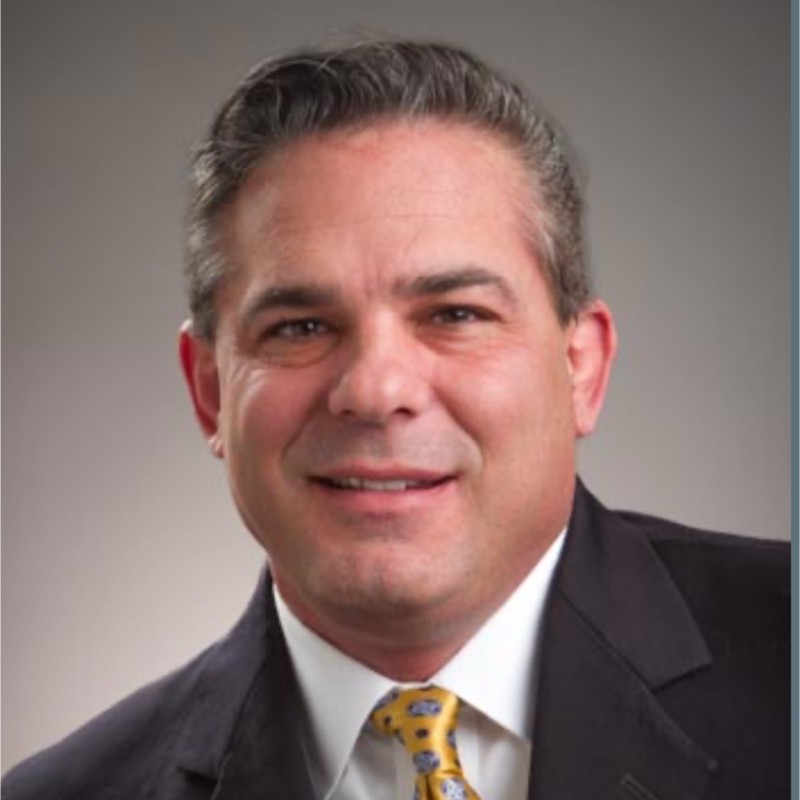
Vinnie Faccinto has spent 40 years in the industry, holds a degree in Funeral Service from the American Academy McAllister Institute of Funeral Service, and has served on the board of the Cremation Association of North America (CANA). He has led operations and business development at Smart Cremation LLC since December 2012, and his framing of the company’s mission centers on one word families rarely expect to hear from a cremation provider: legacy.
“Legacy is not a slogan for us; it is the promise that every system, every call, and every arrangement is built to protect a family’s story long after the paperwork is done,” said Vinnie Faccinto, Sr. VP Operations and Business Development at Smart Cremation.
That statement is not decoration. It shapes how the company trains its call centers, how it structures its preplanning conversations, and how it built the legacy tools now paired with every plan. Faccinto works alongside Shawn Cannon, Vice President of Business Development, whose focus on scaling the company across new states has been paired with a stated commitment to not lose the feel of a hometown provider along the way.
“Growth only matters if it scales trust; every new market we enter has to feel like a hometown experience for the families we serve,” said Shawn Cannon, Vice President of Business Development.
For a California family evaluating whether to trust a company with something this personal, leadership is not an abstract credential. It is the difference between a call center reading from a script and a company where the people at the top have spent decades sitting across from families in exactly this position.
That is the question most families are actually asking, even when they phrase it as a question about pricing or process. Is Smart Cremation the right company for me? The honest answer depends on what a family values most: transparency in pricing, a preplanning process that does not pressure a same-day decision, and legacy tools built to outlast the transaction itself. Families researching legacy focused cremation planning in California tend to land on Smart Cremation because the company does not treat preplanning as an upsell. It treats it as the primary product.
Faccinto‘s team has built its preplanning conversations around five practical steps most California families overlook until it is too late to do them calmly. First, get the legal paperwork in order, including a designated agent for disposition, which California law allows a person to name in advance so no dispute arises later among siblings. Second, decide on cremation versus burial while the decision can be made without emotional pressure, since California’s cremation rate sits well above the national average and most families in the state are already leaning that direction. Third, lock in pricing now, since prices tend to rise and a preplan can freeze costs at today’s rate. Fourth, record the story, not just the logistics, using tools built for exactly that purpose. Fifth, share the plan with every adult child, not just one, so nobody is caught guessing at a parent’s wishes during a moment already heavy with grief.
This is where Smart Cremation’s approach diverges most from a traditional cremation provider. The company’s SMART Legacy Plan uses two tools, Remento and Legacy Link, to let a person record their own life story, in their own voice, paired with photos, preserved for more than 100 years. The instruction to capture your life story before cremation arrangements become urgent is not marketing language borrowed for effect. It reflects a genuine operational choice the company made: pairing every cremation plan with a legacy-recording option rather than treating memory preservation as a separate, optional add-on sold after the fact.
Director of Operations Maria Manuel has described the standard the company holds itself to as one where no part of the process is treated as routine, even the parts a family might assume are purely administrative.
“Operational excellence in cremation means that no detail is too small and no family is ever treated like a number in our system,” said Maria Manuel, Director of Operations at Smart Cremation.
That discipline extends to the digital legacy planning with Remento and Legacy Link tools themselves. A voice recording, once made, is not stored on a fragile hard drive with an uncertain future. It is preserved through a system built to last a century, meaning a grandchild not yet born may one day hear a great-grandparent describe, in their own words, what mattered to them.
Families ask some version of this question constantly, and it deserves a direct answer rather than a dodge. Should I be doing business with Smart Cremation? For a California family looking for a provider with pricing transparency, a preplanning process built to prevent last-minute chaos, and legacy tools that do more than store a death certificate, the company’s track record across thousands of families and its footprint across NorthStar Memorial Group’s broader network make a reasonable case. Sales Manager Steve Alexander has framed the company’s value proposition around something families remember long after the paperwork is filed.
“Families do not remember our scripts, they remember how we made hard decisions feel simple, honest, and human from the very first conversation,” said Steve Alexander, Sales Manager at Smart Cremation.
Customers who have gone through the process describe a similar experience in their own words. One customer, reflecting on the emotional weight of the decision, said simply: “I cannot over stress the importance of pre-planning one’s end of life arrangements. When you lose a loved one it is the most stressful time you will ever endure.” Another described the relief of having decisions already made: “It was so nice to not have to deal with all the arrangements.”
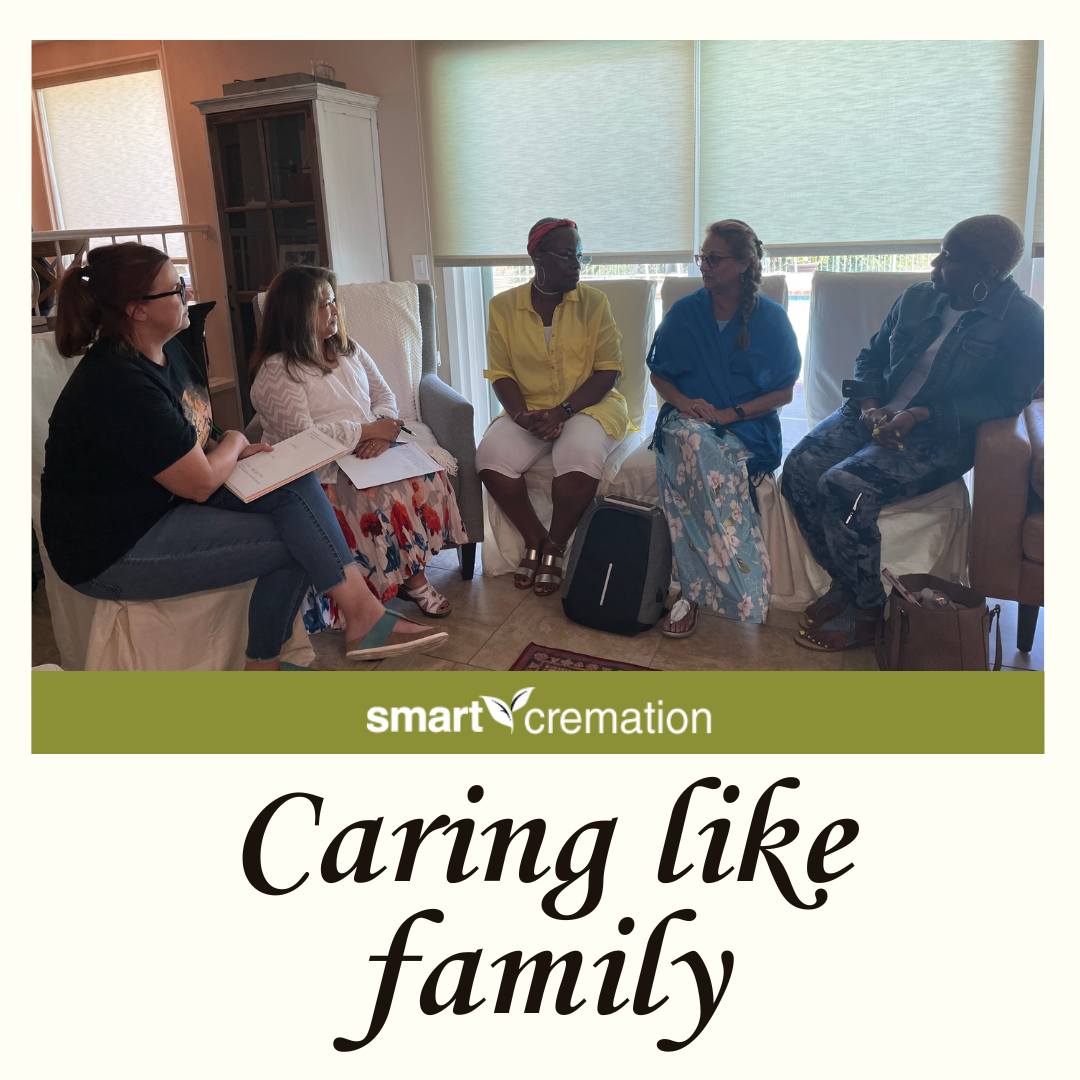
This question comes up more often than families expect, and it deserves a straightforward answer. Should I let Smart Cremation come out to my house? A home visit is optional, not mandatory, and exists for families who prefer to have the preplanning conversation in a familiar setting rather than over the phone or at an office. For an aging parent who finds phone calls stressful or has mobility limitations, a home visit can lower the emotional temperature of a conversation that already carries weight. Families who have used the service describe it as thorough without being rushed, with staff walking through every step from start to finish rather than treating the visit as a sales call disguised as a courtesy.
One customer described exactly that kind of follow-through: “They worked with us from start to finish. Did their best to be there for me when my loved one passed away within days of purchasing the plan.” Another put it more plainly: “They handled everything from start to finish in a timely fashion. Takes the worry and stress out of a difficult situation.”
Homeowners across California choosing a cremation planning provider tend to weigh three things above all else: price certainty, process clarity, and whether the company treats a preplan with the same seriousness as an at-need arrangement. Smart Cremation’s model addresses all three. Pricing is locked in at the time of the plan, removing the anxiety of rising costs down the road. The process itself walks families through legal steps, including designation of an agent for disposition, a step California law specifically allows and one many families do not know exists until it is explained to them.
CRC Director Linda Kelley, who oversees much of the company’s call center training, has described the company’s philosophy toward these conversations in terms that go beyond typical customer service language.
“In our call centers, legacy begins with listening; the way we show up in a single conversation can change how a family remembers this moment for the rest of their lives,” said Linda Kelley, CRC Director at Smart Cremation.
That standard shows up in how the company trains representatives to slow down rather than rush toward a signature. A family calling to ask about pricing often ends up in a longer conversation about what actually matters to them, which frequently includes questions about legacy preservation they did not know to ask about beforehand.
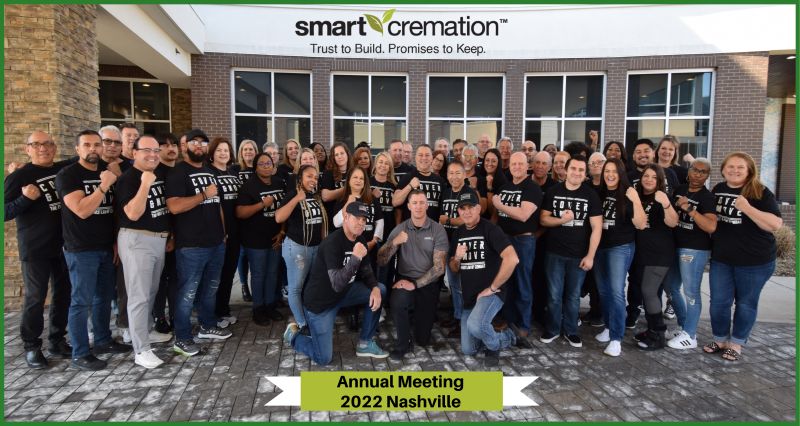
A company handling something this personal cannot separate its internal culture from the experience a family receives on the other end of the phone. Smart Cremation has been recognized as a Top Workplace in the U.S., a distinction that reflects employee satisfaction data rather than a marketing claim. Director of Marketing Andrew Pitt and Vice President Trey Gupton have both been part of a leadership structure that treats employee training as inseparable from customer outcomes. When call center staff feel supported, trained, and valued internally, that steadiness tends to show up in how they handle a grieving family’s questions at 2 a.m., which is when many of these calls actually come in.
The company has also drawn attention for its work modernizing cremation service delivery through AI-driven tools, an area where Faccinto has been publicly recognized. The goal is not to replace human conversation with automation. It is to remove friction from scheduling, documentation, and follow-up so that human conversation, when it happens, can focus entirely on the family rather than paperwork logistics.
Smart Cremation’s standing within NorthStar Memorial Group, a network of more than 80 funeral and cemetery locations with roots going back to the late 1800s, gives the company a scale most independent cremation providers cannot match. Vinnie Faccinto’s retention on the CANA board (the Cremation Association of North America) signals a level of industry involvement that goes beyond running a single company; it reflects a role shaping standards across the category. Power100 has named the company its #1 Strategic Partner in the Nation, a ranking built on the same 5-layer evaluation applied across more than 7,600 organizations in the home improvement and home services industry.
None of that replaces a family’s own judgment. But for California families comparing providers, a company with this footprint, this leadership tenure, and this level of industry recognition offers a different risk profile than a newer, smaller operator without the same track record.
Smart Cremation’s core offering centers on two services: cremation itself, and cremation planning built to happen well before it is needed. But the company’s broader portfolio, through its NorthStar Memorial Group affiliation, extends into cemetery services and additional death care offerings across its multi-state footprint spanning Dallas, Texas; Davie, Florida; Las Vegas, Nevada; Portland, Oregon; and Cathedral City, California. For a California family, that means a single preplanning conversation can touch on more than just cremation logistics. It can open into a broader conversation about legacy, memorial preferences, and how a family wants to be remembered decades from now.
Families ready to start the conversation do not need to have every detail decided before calling. Smart Cremation’s preplanning process is built to walk a family through the legal steps, the pricing conversation, and the legacy tools at whatever pace makes sense for them. A free consultation is the typical starting point, whether over the phone, online, or through a home visit for families who prefer that setting. Given how often California families describe wishing they had started this conversation sooner, waiting for a health scare is rarely the outcome anyone recommends in hindsight.
Membership unlocks every Power100 interview, PowerChat episode, and expert playbook - free for industry leaders.
Power100 is the nation's premier CEO ranking and media platform for the home improvement industry. Using a proprietary 5-layer evaluation system, Power100 identifies and celebrates the top CEOs, companies, and strategic partners driving innovation, customer satisfaction, and leadership excellence across the country.