Home improvement companies can go from steady to stretched very fast. A vendor can slow down. Customer needs can shift. Staff capacity can change. New technology can change how homeowners want to buy. A process that worked well for years can suddenly start holding a company back. The challenge for leaders is not only knowing how to fix a problem after it appears. It is learning how to read the business early enough to see what may be coming.
That challenge is especially important for WindowRama, a company founded in 1977 that now has more than 20 showrooms across New York, New Jersey, and Connecticut and provides windows, doors, replacement services, and professional installation. Its long history gives the company a strong base, while changing customer needs make it just as important to keep looking ahead.
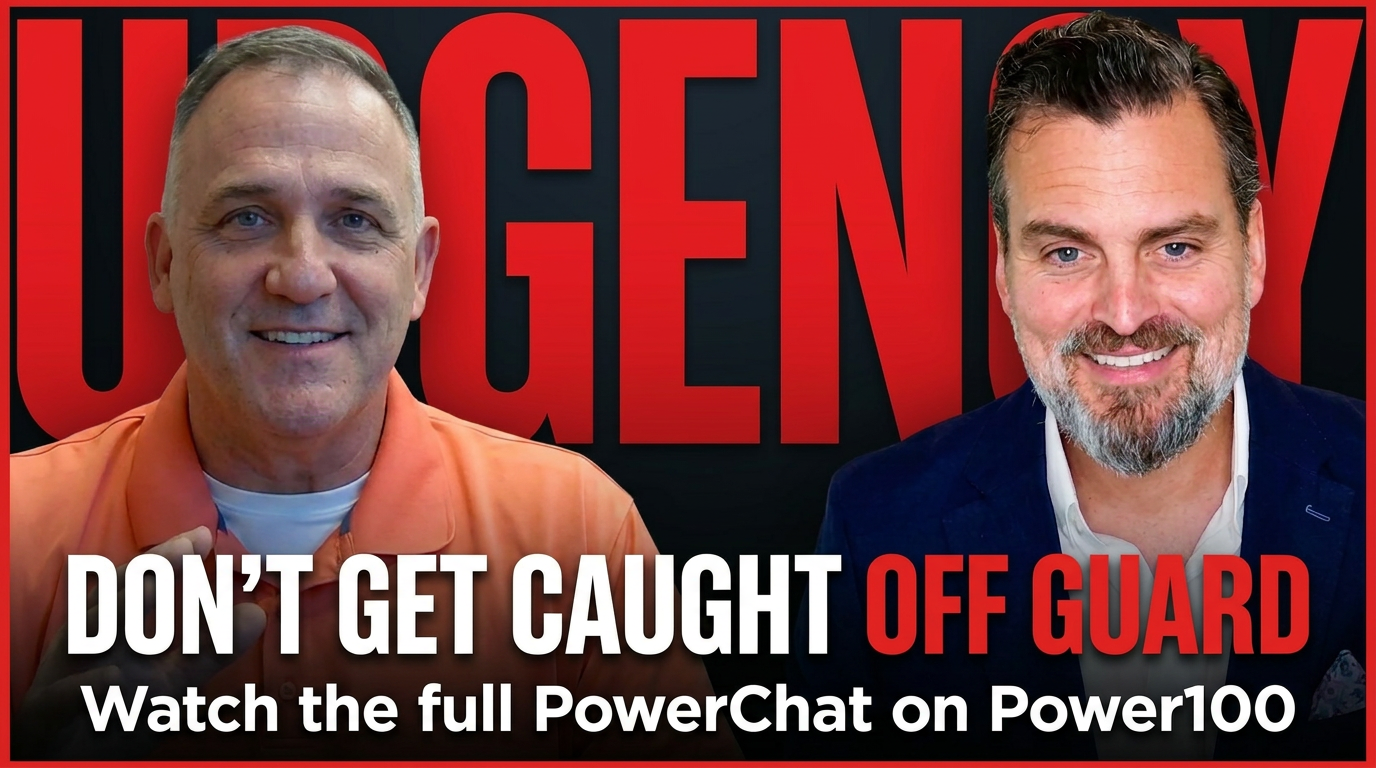
That balance between a strong past and a changing future became a key part of a PowerChat conversation between Greg Cummings, CEO of Power100, and Michael Hoitt, Chief Strategy Officer at WindowRama. The conversation examined what Michael learned in the fire service, how those lessons guide his view of business, and why leaders must keep monitoring their people, vendors, capacity, customers, and market before small issues become large ones.
Power100 is the only unbiased third-party platform that recognizes and elevates the top leaders and most impactful companies in the home improvement industry. Through PowerChat, Power100 brings leaders into direct conversations about the lessons, changes, and ideas shaping the future of home improvement.
In the fire service, no two calls are exactly the same. A team may know where it is going, but it does not know every condition it will face until it gets there. The time of day can matter. The weather can matter. The people available can matter. Most of all, what the fire is doing can change from one moment to the next.
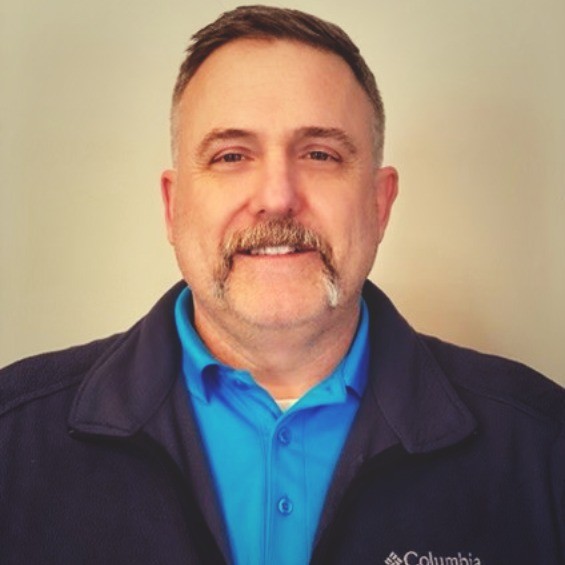
Michael Hoitt, Chief Strategy Officer at WindowRama
Michael Hoitt told Greg Cummings that firefighters are trained to keep watching those conditions as they respond. They do not simply arrive with one plan and refuse to change it. They evaluate what is happening. They understand the people and tools around them. Then they adjust as the situation changes.
Michael believes business leaders need that same habit.
“You’re always adjusting and try to forecast what’s going on to make the right moves before something majorly happens,” Michael said during the PowerChat.
For Michael, reading a business means knowing more than the number on a sales report. Leaders need to know what competitors are doing. They need to understand vendor supply. They need to know how much work the company can handle. They need to understand the staff’s strengths and where pressure may be building. Each piece gives the leader a better view of what could happen next.
That way of thinking matters at WindowRama as the company moves toward its next chapter. WindowRama serves homeowners seeking window and door replacement and installation in New York, New Jersey, and Connecticut, and also works with contractors and other professionals. The company offers certified installation, a large range of window and door products, and more than 20 showrooms across the Tri-State Area. As customer habits, technology, staffing needs, and business systems continue to change, Michael’s lesson is simple. A company cannot wait until every warning sign becomes an emergency before it decides to act.
The fire service gave Michael a clear way to think about that responsibility. Preparation gives a team a base. Awareness tells the team what is changing. Good leadership connects the two.
That means asking questions while the business is still running well.
Michael’s point is not that leaders should expect disaster. They should know their business well enough to spot a change before it’s too late to make a smart move. That lesson sets the stage for the broader PowerChat discussion about training, people, technology, customer expectations, and how WindowRama can continue to grow without losing the strengths that helped build the company in the first place.
As the PowerChat moved deeper into leadership, Greg Cummings and Michael Hoitt moved from the fire service into the daily choices that shape a company. The lesson stayed the same. Leaders have to prepare people before pressure arrives, keep reading what is changing, and know when the plan needs to change too. For Michael, that means paying close attention to the people inside the company, the systems they use, the customers they serve, and the market moving around them. His rapid-fire answers later in the conversation made that view even clearer. Hard work still matters. Mindset can be harder to change than a system. Future leaders need consistency. Employee trust starts with transparency. Together, those ideas show what it takes to lead before a problem becomes an emergency.
When Greg asked whether the most important part of an emergency response occurs before or after the fire bell rings, Michael did not hesitate. He chose the training that comes first.
That answer gets to the heart of how Michael sees preparation. A team cannot wait for a hard moment to learn how to work together. People need to understand the basics while things are calm. They need daily habits. They need weekly habits. They need to practice the same important skills repeatedly until they become part of how they work.
“You gotta do the basics every day,” Michael said.
Those basics create something every growing business needs: a steady response when something does not go as planned. A vendor may be late. A customer may need a fast answer. An installation may face a new issue. A sales team may need to change course. When employees already know their roles and understand the process, they are better positioned to handle those moments.
Greg added another part to that idea. Training should not stop at one person’s job. A salesperson should know what an installer needs. An installer should understand what a project manager is trying to protect. Teams should know how one decision can affect the next person in the process.
That kind of shared knowledge matters for a company serving homeowners and professionals as a window and door supplier for contractors and builders in the Tri-State Area. A good customer experience is not created by one person. It comes from many people knowing what the next person needs and communicating before a problem grows.
The point is simple. Urgency becomes much easier to manage when readiness has been built first.
Preparation gives leaders a strong base. Michael’s next lesson is about what they do with it.
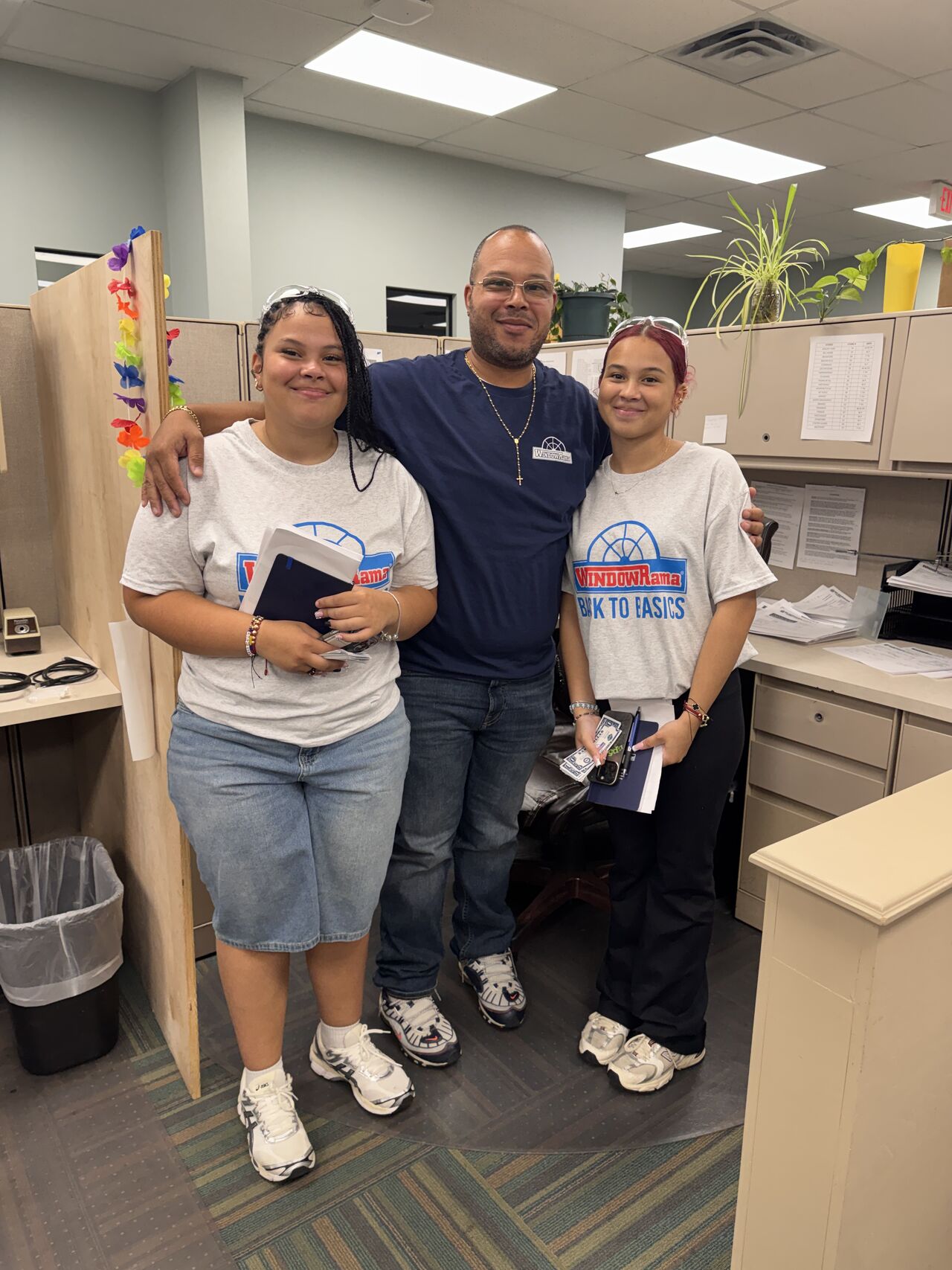
Future leaders building: WindowRama welcomed the next generation to WindowRama on “Bring Your Kid to Work Day”
Conditions do not stay the same.
That is true at a fire scene, and Michael believes it is just as true in business. Leaders need to know what is happening with staff, vendor supply, company capacity, competitors, and daily operations. One change may look small on its own, but several changes together can create a much larger problem.
“You’re always adjusting and try to forecast what’s going on to make the right moves before something majorly happens,” Michael said.
That word, forecast, is important.
Michael is not only talking about reacting faster. He is talking about seeing a problem while there is still time to make a good choice.
A company may have strong sales today, but leaders still need to ask whether the team can handle more work tomorrow. A supplier may be meeting demand today, but leaders still need to monitor factors that could affect supply next month. A customer process may work today, but changing buying habits may tell leadership it will need to look different soon.
For a business serving customers, those changing conditions can touch many parts of the customer journey. Product needs can change. Communication habits can change. Customer timing can change. The company has to keep watching.
This is where Michael’s fire service lesson becomes a business lesson about foresight. The plan matters, but the conditions around the plan matter too.
Strong leaders do not change direction every time something moves. They pay attention long enough to know when a change is real, then they act while they still have room to make the right move.
Connect with Michael Hoitt on LinkedIn to follow more of his leadership and strategy insights.
Reading conditions are not only about the market. Sometimes, the most important conditions are inside the company.
Michael spoke about the challenge of helping to modernize a business with employees who have been there for 15, 20, 30, and, in some cases, close to 40 years. Those years matter. They mean people have built habits, learned what works, seen hard times, and helped the company keep moving.
That experience cannot simply be pushed aside when a new system arrives.
Michael said leaders need to explain where the company is going and why the change matters.
“You have to explain to them the reason why, the benefits of it, and do it slowly, and celebrate the victories along the way,” Michael said.
That approach changes the role employees play in transformation. Instead of being told to accept a new process, they get a chance to understand it.
Michael also warned about another mistake. Leaders can build what looks like the best plan or buy what looks like the best software and still get it wrong if they do not speak with the people who will use it.
His advice is to bring different levels of the business into the conversation. Sales should have a voice. Operations should have a voice. The people doing the work every day should be able to explain what they see.
That matters even more inside a company that serves homeowners through physical locations while also building for a more digital future. Homeowners may see the finished customer experience, but behind that experience are employees who must understand the systems, products, processes, and service standards that make it work.
Michael believes patience is part of that work too.
During rapid fire, Greg asked what is harder to change, a system or a mindset.
“Mindset’s harder to change,” Michael answered.
Technology can be installed. A process can be written. A system can be turned on. Getting people to believe in a new way of working takes more care.
That is why Michael’s view of modernization starts with people, not software.
Visit WindowRama to learn more about the company, its showrooms, products, and services.
The same need to read changing conditions also shows up outside the company.
Michael sees a changing customer base.
He explained that many longtime customers have been 45 or older, including families and empty nesters. The next group of homeowners is bringing different habits.
“They want texting, they want portals, they want stuff like that,” Michael said.
That shift is changing what customer service can look like.
Michael pointed to Hatch as one tool that has helped the company move toward faster digital communication. But he also made it clear that the larger goal goes beyond sending a text.
The next step is visibility.
Homeowners have become used to checking where an order is, when it will arrive, and what happens next. Michael used Amazon as a simple example. People no longer want to wait without knowing what is happening. They want to see progress.
That same expectation is moving into home improvement.
A customer looking for entry door, patio door, and storm door replacement and installation is not only comparing products. That customer is also judging how easy it is to get answers, how clear the process feels, and whether the company keeps them informed.
Michael said the company’s next phase includes creating more visibility into customer orders as it works toward a new ERP system. Instead of relying only on phone calls or emails, the goal is to give customers a clearer view of what is happening with their project.
Greg later asked Michael to choose between a physical showroom and a digital buying journey.
Michael’s answer was both.
That short answer says a lot.
The future does not have to mean removing the human part of buying windows and doors. A customer may still want to see and touch a product inside a showroom. That same customer may also expect digital updates once the order is placed.
The leaders who see that change early can build for both.
The leaders who wait until customers become frustrated may already be behind.
Near the end of the conversation, Greg asked Michael what the first move he would suggest to someone taking over a company would be.
Michael did not say to replace the systems.
He did not say to change the sales plan.
He said to work on how you approach people.
His reason is that people are different. One employee may respond well to a direct conversation. Another may need more context. One person may quickly understand why a change matters. Another may need more time and support before the same message makes sense.
That does not mean a leader should have different rules for everyone.
Michael believes leaders still need to be consistent in how they make decisions, what they expect, and how they support people. What changes is the way they reach the person in front of them.
“You can’t change people. You can only change your approach to people,” Michael said.
His rapid-fire answers added two words that complete that idea.
When Greg asked what trait Michael looks for in a future leader, Michael answered, “Consistency.”
When Greg asked the best way to earn employee trust, Michael answered, “Transparency.”
Together, those answers create a clear leadership standard.
People need to know where their leader stands. They need honest information. They need steady support. They also need a leader who understands that not everyone may respond to the same message in the same way.
That people-focused approach also supports the customer experience. Whether someone is looking for a professional window and door service, the experience starts with employees who understand their role and trust the people leading them.
This is where Michael’s fire service lesson reaches its most human point.
Leaders have to read people just as carefully as they read business conditions.
They have to pay attention.
They have to listen.
They have to adjust.
And while the approach may change, the standard should stay strong.
A fire bell does not leave much time to learn what should have been learned earlier. By the time the call comes in, the training is already done. The team knows its role. People know how to communicate. What matters next is how well they read the moment and respond to what is in front of them.
That lesson has stayed with Michael Hoitt as he helps guide the next chapter of WindowRama.
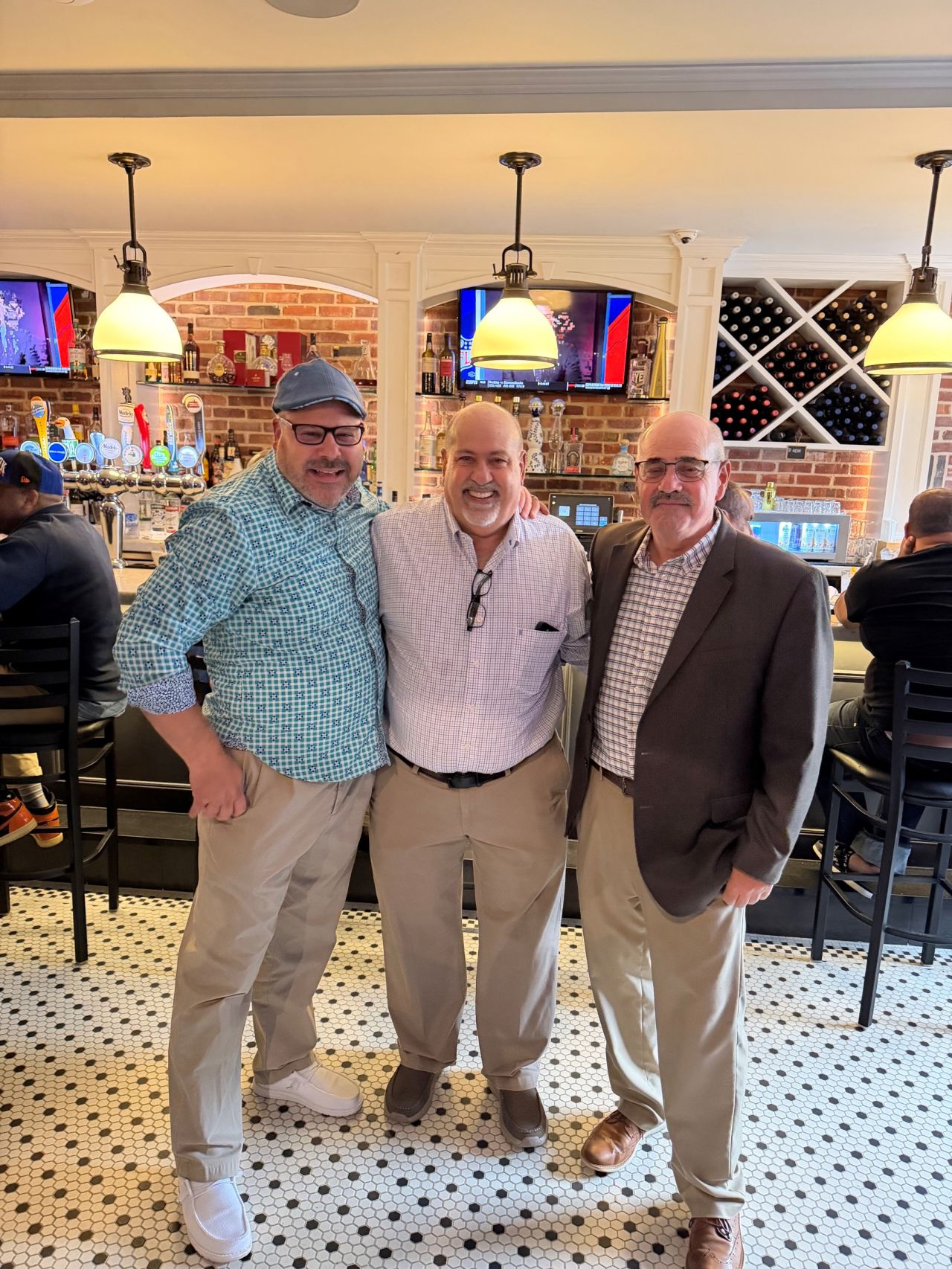
After 40 incredible years with WindowRama, WindowRama celebrates Mike Sozzo (Centre) and his remarkable career.
WindowRama is approaching a major milestone, with nearly 50 years of history behind it. That history carries real value. It can be seen in employees who have stayed for decades, customers who have trusted the company, and a business that has continued to move forward through many market changes. Michael’s focus is not on replacing that foundation. It is about ensuring the foundation is ready for what comes next.
The next chapter will bring new customer habits, new tools, new ways to communicate, and new choices about how the business operates. Some changes will happen quickly. Others will take time. Michael’s view is that leaders do not need to fear change. They need to understand it early enough to respond with purpose.
That means protecting what still works while being willing to improve what no longer serves the business. It means giving people the support to grow with the company. It means staying close enough to customers, employees, and the market to notice when expectations begin to shift.
For WindowRama, the opportunity ahead is to carry the trust and experience built over decades into a more modern future without losing the company’s human side.
Michael’s message to leaders is clear. Do not wait for the alarm to tell you the business has changed. Know the business well enough to see change coming, prepare the people around you, and make the right move before something major happens.
Power100 does not rank home improvement CEOs on revenue alone. Power100 starts with public signals, revenue indicators, and other verifiable business data, then uses proprietary scoring against its leadership framework. Industry veterans review the results, and Power100 cross-checks partner, customer, and employee feedback before producing its final rankings. Its National Power Rankings draw on a database of about 7,600 CEOs, enabling the platform to compare leaders across a much wider field rather than rewarding only the biggest companies.
Power100 puts human review directly into its five-layer ranking process. After data enters the system and proprietary algorithms score it, industry veterans review the results. Power100 then cross-checks feedback from customers, employees, and partners before reaching the final ranking. This approach lets Power100 use technology to review a large field while still bringing real industry experience and human feedback into the final decision.
Michael Hoitt believes it is because the lesson is about preparation and awareness, not about treating normal business problems like emergencies. In his PowerChat with Greg Cummings, Michael explained that firefighters train before the call, watch changing conditions once they arrive, and adjust as new information appears. He applies that same thinking to business by watching staffing, vendor supply, capacity, competitors, and operations so leaders can make changes before a small issue becomes a much larger one.
WindowRama provides professional window and door installation services in New York, New Jersey, and Connecticut, as well as product sales. Its installation process includes an in-home consultation, project scheduling, installation by licensed and insured professionals, and a Project Manager who inspects and closes out the project. WindowRama also states that its installation professionals have FGIA and InstallationMasters training and certification.
WindowRama is a major Andersen dealer, but Andersen is not its only option. The company’s current brand lineup also includes Pella, Kolbe, MI Windows and Doors, Simonton, Therma Tru, United Window & Door, Weather Shield, Windsor, and other manufacturers. WindowRama offers window styles including double hung, casement, gliding, bay and bow, picture, and specialty windows, along with entry doors, patio doors, storm doors, interior doors, and glass wall systems. This gives customers searching for a window and door showroom in New York, New Jersey, Connecticut, and Long Island more than one product path to consider.
Michael believes technology matters when it makes the customer experience easier. During the PowerChat, he explained that younger homeowners increasingly want texting, portals, and direct access to project information rather than relying solely on phone calls. He pointed to Hatch as one tool already helping with communication and said greater project visibility is part of WindowRama’s next phase as the company works toward a new ERP system. For homeowners considering replacement windows and doors in the NY, NJ, and CT Tri State Area, Michael’s goal is a buying and project experience that better matches how customers now expect to receive information.
WindowRama also serves contractors and builders. The company says more than 5,000 professionals use its services and products. Its contractor offering includes products from 35 premium brands, dedicated pro sales support, warehouse pickup, jobsite delivery, same-day availability on select inventory, real-time delivery updates, custom assemblies, and post-sale support. That makes WindowRama a window and door supplier for contractors and builders in the Tri-State Area, not only a homeowner retail business.
Michael does not argue that WindowRama should replace what made the company successful. He believes leaders must protect the strengths of a long-standing business while recognizing when customer habits, technology, operations, and employee needs are changing. WindowRama was founded in 1977 and today operates more than 20 showrooms across New York, New Jersey, and Connecticut. During the PowerChat, Michael explained that some employees have been with the company for decades, which is why he sees communication, patience, employee feedback, and explaining the reason behind change as important parts of modernization. His goal is not change for its own sake. It is helping the company prepare for what comes next before changing conditions force a rushed response.
Power100 is the only unbiased third-party platform that recognizes and elevates the top leaders and most impactful companies in the home improvement industry. Led by CEO Greg Cummings, Power100 provides strong home improvement leaders with a trusted platform to share the ideas, lessons, and decisions shaping their companies and the industry around them. Through national rankings, PowerChat interviews, leadership content, and industry insights, Power100 helps contractors, partners, and homeowners better understand the people and companies setting a higher standard for leadership, customer care, company performance, and long-term growth.
Membership unlocks every Power100 interview, PowerChat episode, and expert playbook - free for industry leaders.
Power100 is the nation's premier CEO ranking and media platform for the home improvement industry. Using a proprietary 5-layer evaluation system, Power100 identifies and celebrates the top CEOs, companies, and strategic partners driving innovation, customer satisfaction, and leadership excellence across the country.