A home remodeling company can reach record sales, open new offices, and hire more employees, yet still face a problem that revenue figures alone cannot explain. As a business grows, its people must grow with it. New employees need time to learn their jobs, managers must guide larger teams, and experienced workers take on greater responsibilities. But when employees feel lost, struggle to succeed, or lose trust in the company, they may begin looking for opportunities elsewhere.
For home improvement CEOs, this creates an important question: What good is rapid growth if the people helping build the business do not want to stay?
Peter Svedin, Founder and CEO of Lifetime Home Remodeling, understands this challenge. After leading the company through years of major growth, Peter began looking beyond sales figures to understand what success should mean for his team. He believes measuring employee retention in home improvement companies can reveal something that revenue reports often miss: whether employees trust their leaders, receive the support they need, and see a future within the business.
For Peter, keeping good employees is not simply about reducing turnover. It is about building a company where people feel prepared, valued, and confident that they can succeed as the business continues to grow.
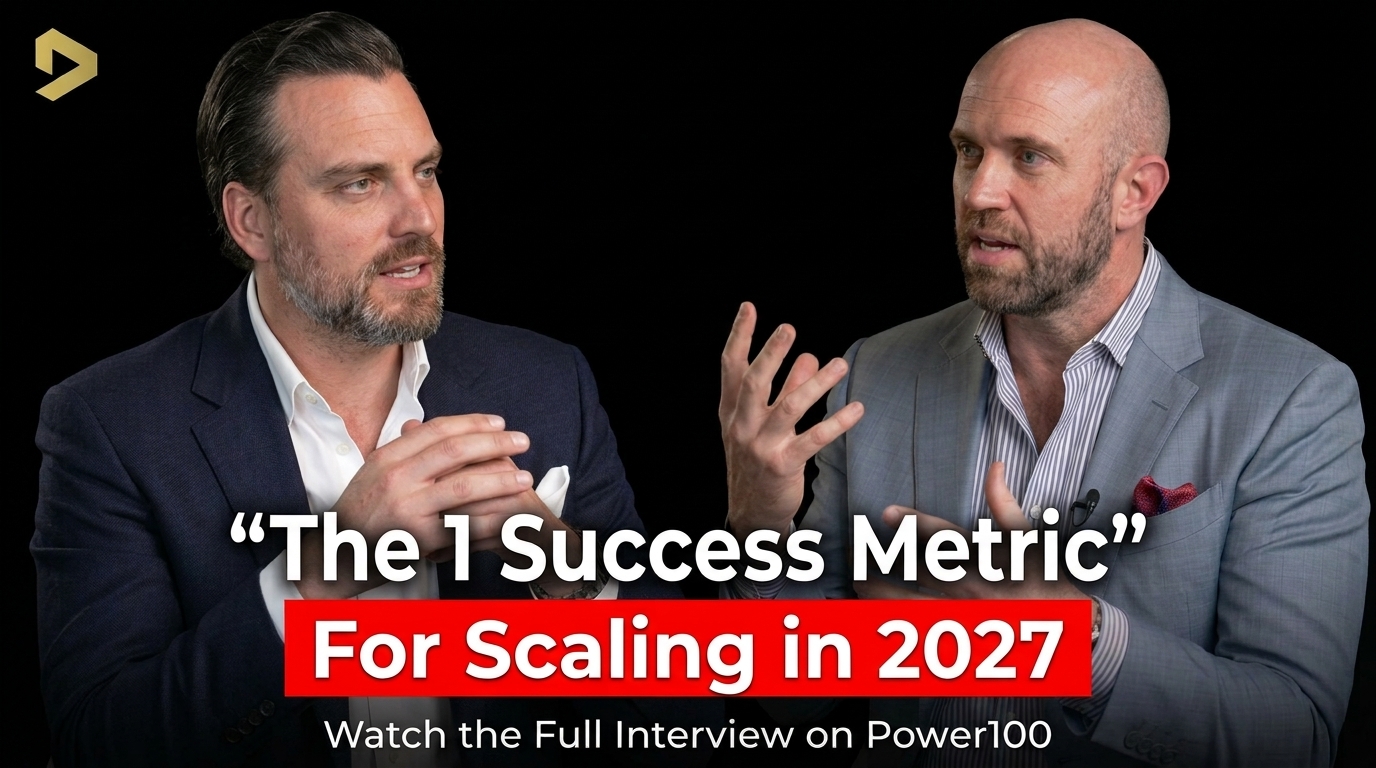
During a Featured Interview, Greg Cummings, CEO of Power100, challenged Peter to look beyond the growth of Lifetime Home Remodeling and explain how he would measure the company’s success. Power100 is the only unbiased third-party platform that recognizes and elevates the top leaders and most impactful companies in the home improvement industry.
As the conversation turned to Lifetime’s goals for 2025, Greg asked Peter to choose just one number that would tell him whether the company had succeeded. Peter acknowledged that installed revenue would be the easy answer, especially in an industry where major rankings often measure companies by the amount of business they complete. But he wanted to choose something that spoke to the people behind those results.
“It would be really cool to win on retention of employees,” Peter shared.
Greg then asked what keeping employees during a period of growth would tell him about the business.
Peter’s response brought the discussion back to leadership: “It means that my leaders helping people get up to speed and helping them win faster.”
His answer revealed a deeper belief about employee trust and retention in remodeling companies. He believes people are more likely to stay when leaders help them succeed, keep their promises, and create an environment where employees feel they belong.
Peter’s decision raises a question that every growing home improvement CEO should consider: If a company continues reaching new revenue goals but struggles to keep its employees, what does that reveal about the way it leads and supports its people?
During his Featured Interview with Greg Cummings, Peter Svedin, Founder and CEO of Lifetime Home Remodeling, shared a different way of looking at success in the home improvement industry. While many remodeling companies focus on sales, new markets, and revenue rankings, Peter believes leaders should also pay close attention to the employees behind those results. His decision to make employee retention his preferred measure of success for 2025 revealed how deeply he values the people who help his business grow.
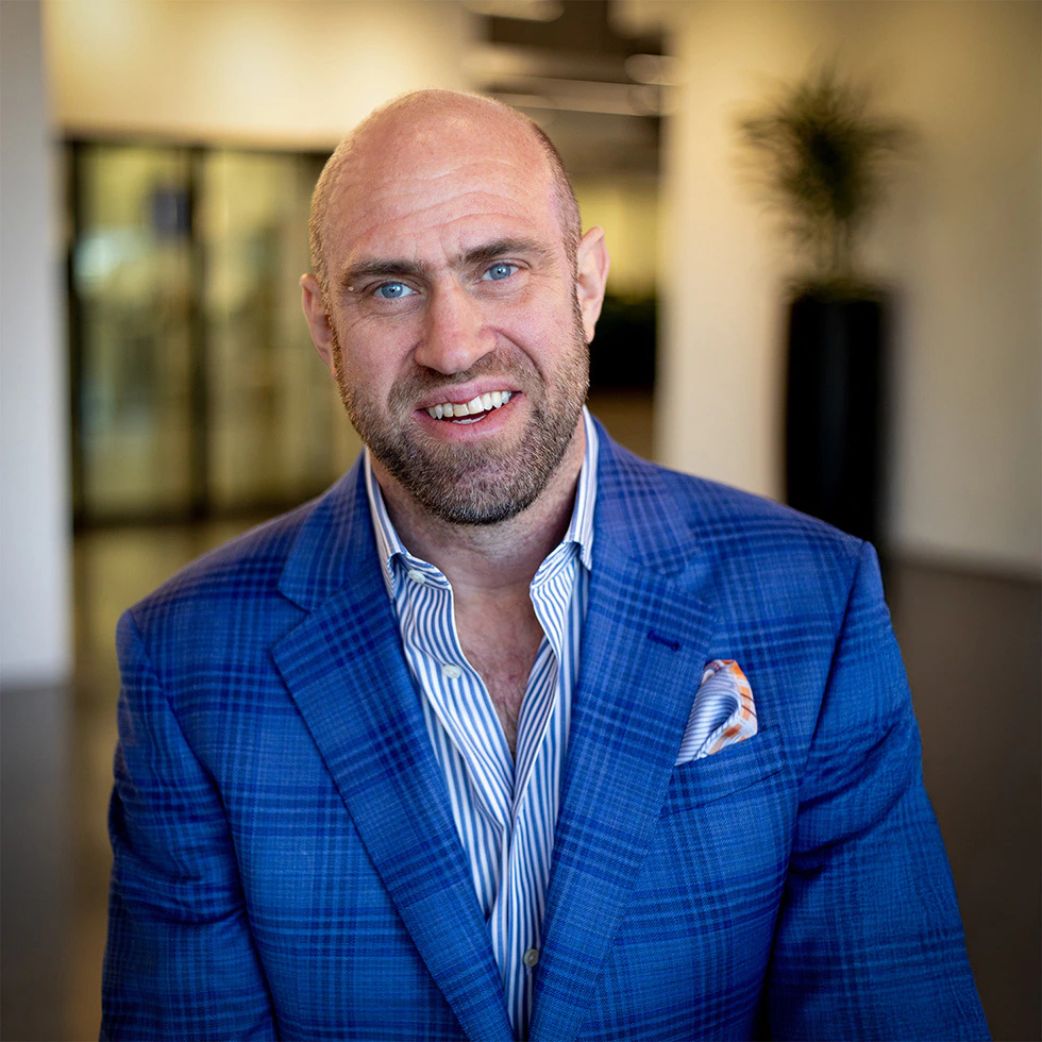
Peter Svedin, Founder and CEO of Lifetime Home Remodeling
But the conversation went beyond keeping employees on the payroll. Peter explained why trust, strong leadership, proper training, and opportunities to succeed matter when a company grows quickly. His perspective challenges other CEOs to consider whether their businesses are only becoming larger or also becoming places where great employees want to build their future.
Every remodeling company needs revenue to grow. Sales help a business pay its employees, serve homeowners, invest in new opportunities, and plan for the future. For many CEOs, reaching a new revenue goal is one of the clearest signs that their hard work is paying off.
Peter understands that way of thinking. He has spent years growing Lifetime and knows how much effort goes into reaching a major sales target. But when Greg asked him to select just one number that would show whether the company had succeeded in 2025, Peter chose to look beyond the figures that usually attract the most attention.
“If I could choose one metric, it’s really easy in this business to talk dollars and cents,” Peter explained.
He pointed out that the remodeling industry’s Top 500 rankings measure businesses through installed revenue. Choosing that number would have been simple, especially for a leader with ambitious plans for company growth.
Instead, Peter wanted to measure something that could tell him more about the people responsible for making that growth possible.
“It would be really cool to win on retention of employees,” he shared.
His answer stood out because it shifted the conversation from what Lifetime could earn to what the company could build for its employees.
Peter had seen how much the business changed during the five years leading up to the interview. As Lifetime expanded, the company needed more people, more managers, and stronger teams to keep up with its growing responsibilities.
That kind of growth can create new opportunities for employees, but it can also make their jobs harder. New team members must learn quickly, while experienced employees may need to take on leadership roles. Managers must support more people, and the company must make sure its promises to employees remain clear as the business becomes larger.
Peter wanted to know whether Lifetime could continue moving forward without losing the people helping it succeed.
That is what made retention such a meaningful choice.
A company may celebrate record sales while employees feel overwhelmed or uncertain about their future. A business may continue hiring new people without asking why others keep leaving. Revenue figures alone cannot explain these problems.
For CEOs, measuring employee retention in home improvement companies can offer another way to understand what is happening inside the business.
A strong retention result may suggest that employees find reasons to stay. A high turnover rate may encourage leaders to ask whether workers receive enough support, understand their responsibilities, and trust the company’s direction.
Neither measure tells the entire story on its own. A company still needs to track its finances, customer experience, and business performance. But Peter’s decision shows why leaders should not overlook the people behind those numbers.
His answer was not a claim that Lifetime had already reached a specific retention goal. It was a statement about what he wanted the company to achieve.
For Peter, winning would mean more than bringing in new employees to support the next stage of growth. It would also mean creating an environment where people saw enough value in the business to remain part of it.
That belief led Greg to ask an even more important question. If employees chose to stay with Lifetime through years of rapid growth, what would that tell Peter about the people leading them?
Keeping employees is often discussed as a problem for human resources departments. Companies may focus on hiring better people, improving benefits, or finding ways to reduce the number of workers who leave.
Peter believes leaders should look deeper.

Every year Lifetime Home Remodeling celebrates their top salespeople who go above and beyond
When Greg asked what strong employee retention would mean to him, Peter did not begin by talking about hiring or compensation. He spoke about the responsibility of his leadership team.
“It means that my leaders helping people get up to speed and helping them win faster,” Peter explained.
His answer revealed an important part of how he judges leadership.
A manager’s job is not simply to give employees goals and expect them to succeed. Leaders must also help people understand their roles, gain confidence, and learn how to perform their work.
That support becomes even more important as a remodeling company grows.
A new salesperson may join the business with excitement but little knowledge of its products. A field marketing employee may need help learning how to speak with homeowners. Someone moving into management may know how to perform their old job but need guidance on leading other people.
Peter believes employees should receive the help they need to succeed in these situations.
He also sees turnover as a reason to examine what happens between the company and its employees after they join.
“The reason why people leave is because they don’t trust the company or they don’t get enough help from the company or they are not winning at the company,” Peter said.
He then raised another concern: “It’s not as advertised, right?”
Those words bring attention to the gap that can exist between what a business promises during hiring and what an employee experiences after starting work.
A company may tell new employees that they will receive training, strong leadership, and opportunities to grow. But if they arrive and find little guidance or support, they may begin to question whether the business can deliver on those promises.
Even employees who begin with a positive attitude can lose confidence when they feel they cannot succeed.
This is why employee trust and retention in remodeling companies should concern every leader, not just the people responsible for hiring.
Peter wants managers to recognize that helping an employee succeed is part of their responsibility.
If someone struggles to meet expectations, a leader should consider what might be missing. Does the employee understand the work? Have they received enough training? Does the manager make time to answer questions? Does the company provide a clear path toward improvement?
These questions do not mean every employee who leaves has experienced poor leadership. People change jobs for many reasons, including personal needs and new career goals.
But Peter’s perspective challenges CEOs to avoid placing all the blame on employees when turnover becomes a problem.
Sometimes, the business must also examine how well it prepares and supports its people.
For Peter, this is what makes retention useful. It can help leaders understand whether employees feel they have a real chance to succeed.
He wants Lifetime to be a company where employees can learn their jobs, build confidence, and believe that their effort can lead to something worthwhile.
That goal requires more than good intentions. It depends on what the business does from the moment a new employee joins.
And Peter believes that first experience deserves much more attention than many companies give it.
The first days at a new company can shape how an employee feels about the work ahead.
Some people arrive with years of experience. Others enter the remodeling industry for the first time. They may feel excited about a new opportunity but still have questions about their responsibilities, the products they will represent, and what success will look like.
Peter believes companies should take those early experiences seriously.
During the interview, he explained that he calls Lifetime’s human resources department “HR Magic.”
The name reflects how much value he places on the people responsible for helping employees begin and grow within the business.
“I don’t believe companies take the time or the money to invest in their people enough,” Peter shared.
For him, investing in employees begins before they become experienced members of the team.
A new hire should not have to spend weeks trying to understand how the business works or who to ask for help. Peter wants employees to receive useful knowledge from the beginning so they can feel prepared for their responsibilities.
He explained that the company puts effort into helping people during their first orientation.
“I think we equip every single person at Lifetime with a much better tool belt after their first orientation and welcome to their company,” Peter said.
His reference to a tool belt helps explain the kind of support he wants employees to receive.
Just as a contractor needs the right tools to complete a project, employees need information, training, and guidance to do their jobs well.
Without those tools, even hardworking people may struggle.
Peter’s approach to employee onboarding in home remodeling companies begins with giving new team members a clearer understanding of their work and the company they have joined.
This belief also shapes how Lifetime prepares employees who represent the business in the field.
Earlier in the conversation, Peter described the company’s field marketing academy, which runs every month and provides two weeks of training for new team members.
The program helps employees learn about the products Lifetime offers, the brands it works with, and the needs those products meet for homeowners.
They also learn how to speak with potential customers and gain an understanding of the steps involved in a remodeling project.
Peter explained that Lifetime participates in about 700 event days each year. With employees meeting homeowners at different events and retail locations, the company needs people who understand the business and can answer questions with confidence.
But the most important lesson is not the size of the program.
It is why Peter believes that training matters.
He does not want employees to enter a role without understanding the work and then struggle because they lack the knowledge they need.
Instead, he wants them to begin with a stronger foundation.
When employees know what they are doing, they may feel more confident speaking with customers, working with teammates, and handling the challenges that come with their jobs.
That confidence can also help employees see whether the company offers the kind of opportunity they hoped to find.
For Peter, the purpose of training goes beyond helping employees produce results sooner. It also reflects the company’s responsibility to support the people it hires.
A business cannot promise employees a chance to succeed and then leave them to figure everything out alone.
Leaders must help turn that promise into a real experience.
Still, Peter understands that good training at the start is not enough to create a lasting relationship.
As employees gain experience, they need a workplace where they can continue improving, ask questions without fear, and find teammates who want to help them succeed.
That is where the culture Greg discovered during his visit becomes an important part of Peter’s retention vision.
A company that wants to keep great employees must give them reasons to continue growing.
For some people, that means learning new skills. Others want the chance to earn more, take on greater responsibilities, or move into leadership roles.
But Peter’s interview revealed another part of the employee experience at Lifetime.
The company expects people to work hard and aim for strong results, while also encouraging them to help one another succeed.
Greg discovered this when he spoke with members of Peter’s team.
He asked employees what kind of person would do well at Lifetime. According to Greg, their answers were remarkably similar.
They described people who wanted to work hard, improve their skills, and become the best at what they did.
The message was clear. Employees who joined Lifetime should expect to challenge themselves and take pride in their performance.
But Greg also noticed something that made the culture stand out.
Even though employees wanted to perform better than the people around them, they were still willing to share what they knew.
They did not describe a workplace where successful employees kept useful information to themselves.
Instead, Greg heard about people who helped their coworkers learn and improve.
This balance creates an important lesson about building a supportive and competitive remodeling team.
A company can set high expectations without making employees feel that they must succeed alone.
Team members can work toward personal goals while recognizing that helping coworkers become better makes the entire business stronger.
For Peter, this kind of teamwork connects directly to what excites him about the company’s future.
When Greg asked what he looked forward to most in 2025, Peter did not start by naming a revenue goal.
He focused on the people working across Lifetime’s offices.
“I have to say what excites me the most is going to be the feeling of seeing these teams winning and winning a lot,” Peter shared.
He spoke about watching employees from different locations work together and seeing new team members discover how much they could achieve.
Some of those employees had joined Lifetime after having different experiences with previous employers.
Peter wanted them to find opportunities to grow and succeed in their new roles.
That desire also appeared in the company’s expansion plans discussed during the interview.
As Lifetime prepared to enter San Diego in 2025, Peter described plans to bring experienced employees from Denver and Phoenix to help train the new team.
Instead of expecting new employees to learn everything on their own, he wanted knowledgeable team members to share what they had learned.
The plan involved people from field marketing, operations, and customer experience.
Its value went beyond preparing the business to serve a new market.
It also gave experienced employees a chance to guide others and help carry the company’s way of working into a new location.
For a growing remodeling company, these opportunities can make an important difference.
An employee who begins in a field role may later become ready to lead a team. Someone who develops strong product knowledge may help train new workers. A team member who once needed guidance may become the person others turn to for answers.
Greg’s conversations with Lifetime employees included examples of people who had moved from field positions into larger leadership roles.
These experiences help explain why Peter sees employee growth as an important part of the company’s future.
He wants employees to recognize that working hard can lead to new opportunities, but he also wants them to know that coworkers and leaders are there to help.
That balance matters because a workplace focused only on competition can become difficult for employees who need support.
Peter’s vision leaves room for both ambition and teamwork.
Employees can want to become the best at their jobs while still helping the person beside them improve.
And when people feel that their work matters, their skills are growing, and their teammates want them to succeed, they may begin to see a longer future with the company.
For Peter, that is an important step toward the kind of retention he hopes to achieve.
But he wants the employee experience to mean even more than staying in a job. He hopes people will look back on their time at Lifetime with pride and recommend the company to others.
When a company hires a new employee, it begins a relationship that can shape both the person’s future and the business itself.
The company hopes the employee will work hard, learn, and contribute to its success. The employee hopes to find a place where their effort matters and where they can build something worthwhile.
Peter wants Lifetime to become the kind of business where both sides can look back on that relationship positively.
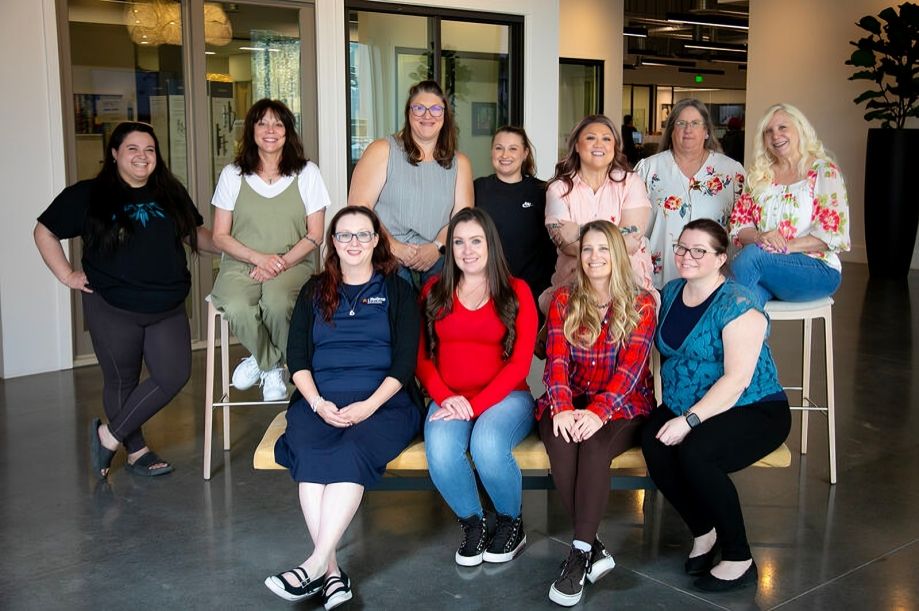
Lifetime Home Remodeling honor and celebrate the incredible women who are a vital part of Lifetime
Near the end of the interview, Greg asked Peter how he would want people to remember Lifetime 50 years into the future.
It was a question about more than growth or financial success.
Greg wanted to understand the kind of legacy Peter hoped to leave behind.
Peter’s answer focused on the experiences people would remember.
“I want there to be nothing but warm and fuzzy feelings about everything around this business and these branches and these markets that we’re going to be in,” he shared.
Although Peter spoke about both customers and employees, his response revealed how much he values the way people feel about the company.
He wants homeowners to remember good experiences and feel confident returning for other projects.
But he also wants employees to speak positively about their time at Lifetime and encourage other people to join the business.
“I want extremely high referral rates, both when it comes to new homeowners deciding to use us or employees that work here,” Peter explained.
For him, an employee recommendation would mean more than filling another open position.
It would suggest that someone who knows the company from the inside believes it offers an opportunity worth sharing.
This is what makes employee referrals and retention in home remodeling an important part of Peter’s long term vision.
When employees feel supported and see opportunities to grow, they may become more willing to tell friends or former coworkers about the business.
Those recommendations can carry a different kind of meaning because they come from people who understand the work and the company’s culture.
Peter did not share a measured employee referral rate or prove that Lifetime had achieved its retention goal during the interview. He described the kind of reputation he wanted to build.
That goal also connects to something Greg discovered while speaking with Lifetime’s team.
Greg shared a story about Ben, an employee in the marketing department.
According to Greg, Ben had chosen to work at Lifetime partly because he admired the company’s involvement in the community.
He was not drawn to the business simply because it sold windows, roofing, or other remodeling products.
He wanted to work for a company whose actions reflected values that mattered to him.
The story gave Peter a chance to explain why community involvement had become such an important part of Lifetime.
He spoke about his belief in helping other people succeed and described the company’s support for causes such as the Food Bank of the Rockies.
He also recognized the employees who helped lead these efforts, including Coco Christ, whom he credited for much of the company’s community work.
For Peter, giving back was not simply something the company did to improve its public image.
It had become part of what he enjoyed about running the business.
Ben’s story showed how those actions could matter to someone choosing where to work.
Employees may consider pay, career opportunities, and job responsibilities when deciding whether to join a company. But some also want to feel connected to the values of the business they represent.
A company that stands for something its people believe in may give them another reason to feel proud of their work.
That does not mean community involvement alone can keep employees from leaving. People still need fair treatment, clear expectations, strong leadership, and opportunities to succeed.
But Peter’s vision brings these ideas together.
He wants Lifetime to become a business where employees can work toward ambitious goals, help others improve, and feel good about the company they represent.
His interest in retention is part of that larger goal.
A strong retention result would matter because it could help show that employees continued to see value in being part of Lifetime as the business grew.
Their decision to stay would not tell Peter everything about the company’s culture, but it could give him a reason to believe the business was moving in the right direction.
And if employees also felt proud enough to recommend Lifetime to others, that would add another sign of the kind of experience he hopes to create.
For other home improvement CEOs, Peter’s perspective offers a valuable lesson.
A growing company may need to hire more people to support new opportunities. But the number of employees it brings through the door should not be the only thing leaders celebrate.
They should also ask what happens to those people after they join.
These questions can help CEOs look beyond the size of their workforce and think about the experience of the people within it.
Peter’s answer to Greg’s original question brings the entire conversation into focus.
When he chose employee retention as his preferred measure of success, he was not turning away from the importance of revenue. He was recognizing that growing a business also means taking care of the people who make that growth possible.
For Peter, the goal is to build a company where employees do more than meet expectations.
He wants them to succeed, feel proud of their work, and believe they have a future worth building.
A growing remodeling company can celebrate record sales, open new offices, and reach goals that once seemed impossible. But for Peter Svedin, Founder and CEO of Lifetime Home Remodeling, those achievements only tell part of the story. Behind every successful project and every new milestone are employees whose hard work makes that progress possible. His decision to choose employee retention as his preferred measure of success for 2025 reflects a belief that business growth should also create a place where people want to stay. When employees remain with a company, leaders have a chance to understand what keeps them there. When they leave, it creates an opportunity to ask what the business could have done better.
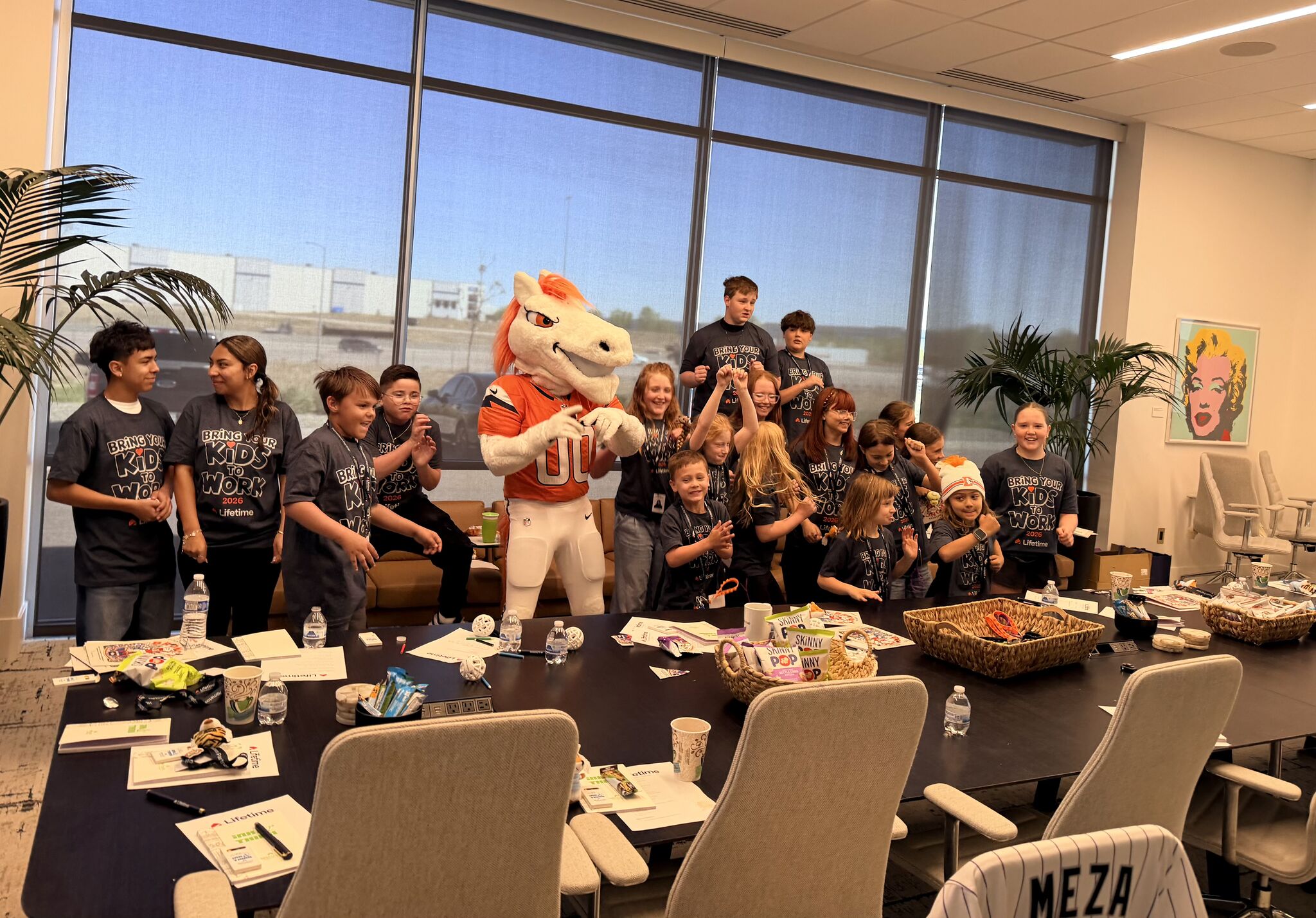
Bring Your Kid to Work Day at Lifetime Home Remodeling
What makes Peter’s perspective meaningful is that he does not see retention as simply keeping people employed. He sees it as a sign of the trust a company builds with its team and the responsibility leaders have to help employees succeed. His approach reminds CEOs that people need more than a job and a set of targets. They need to feel prepared, valued, and confident that their efforts can lead to something greater. Creating that experience takes more than a strong HR department. It requires leaders at every level to keep their promises, listen to employees, and create opportunities for people to grow.
As Lifetime continues working toward its larger business goals, Peter wants its success to mean something to the employees who help make it possible. His vision offers an important lesson for other home improvement CEOs. A company may have the ability to attract talented people, but its true strength also depends on the reasons those people choose to remain. Employees who trust their leaders, take pride in their work, and see a future within the business can become an important part of its lasting success. For Peter, that is the kind of company worth building.
Through this Featured Interview, Greg Cummings, CEO of Power100, brings attention to a question that deserves a place in every growing CEO’s leadership decisions: Are we building a company that people want to grow with? Peter’s answer reminds business owners that success is not only about how much revenue they generate or how many employees they hire. It is also about the trust they earn and the opportunities they create for the people who believe in their vision.
For Peter Svedin, the greatest sign of a strong company is not simply how far it can grow, but whether the people who helped build it still want to be part of its future.
No. Power100 evaluates CEOs through three main areas: Growth, Community, and Culture. Its five layer ranking system reviews business results, employee development, leadership practices, and feedback from employees, customers, and industry partners. Power100 also gives company culture strong weight in its long term evaluations. This approach to home improvement CEO rankings and company culture helps the platform look beyond revenue and examine how leaders treat the people behind their business success.
No. Power100 offers free access to its Inner Circle, where members can explore PowerChat episodes, Featured Interviews, expert insights, and other leadership resources. The platform also provides access to an AI business coaching tool that draws on its published content. This allows home improvement leaders to learn from the experiences of successful CEOs without paying a membership fee. Power100 aims to make useful business knowledge easier for contractors and company leaders to access.
Peter did not share a final employee retention rate or confirm that Lifetime achieved its 2025 retention goal during the Featured Interview. Instead, he explained why he wanted to make retention his preferred measure of success. He believed keeping employees through rapid growth could help show whether the company was supporting its people. His comments highlight the importance of tracking employee retention rates in home remodeling, but the interview does not provide enough data to confirm the company’s results.
No. Peter Svedin believes company leaders must also examine how they support employees. During his interview, he explained that people may leave when they lose trust in the business, lack guidance, or struggle to succeed. He wants managers to help employees learn their jobs and become successful faster. His approach to reducing employee turnover in remodeling companies encourages leaders to ask whether employees received the training, support, and opportunities they expected. Peter does not claim that every employee leaves for the same reason.
Peter calls Lifetime’s human resources department “HR Magic” because he believes investing in employees plays an important role in the company’s success. He explained that new employees receive guidance during orientation to help them understand their responsibilities. Lifetime also runs a monthly field marketing academy that provides two weeks of training for new field marketing employees. The program covers products, customer conversations, and the remodeling process. This focus on new hire training for home improvement contractors reflects Peter’s belief that companies should give employees the tools they need to succeed from the beginning.
Lifetime Home Remodeling describes professional growth and leadership development as part of its career opportunities. During the interview, Greg Cummings also discussed employees who had moved from field positions into larger leadership roles. Peter explained that he wants experienced team members to help newer employees learn and develop their skills. These examples show how the company approaches career growth in home remodeling, although they do not guarantee promotions for every employee. Peter believes employees should have opportunities to build their future as the company expands.
Yes. During his conversations with Lifetime employees, Greg found that many team members wanted to become the best at their jobs while still helping coworkers improve. He described employees who shared ideas and knowledge rather than keeping useful information to themselves. Peter also spoke about how much he enjoyed watching teams succeed together. His vision for building a supportive remodeling company culture combines high expectations with teamwork. The interview describes the culture Peter wants to maintain, although it does not independently measure every employee’s experience.
Lifetime Home Remodeling identifies several community organizations it supports, including the Food Bank of the Rockies, Firefly Autism, the Colorado Rockies Foundation, and the Veterans Community Project. The company also highlights its charity golf tournament and other community efforts on its official website. During the interview, Greg shared how an employee named Ben had been drawn to Lifetime partly because of its community work. Peter believes community involvement in home remodeling companies can help create a business that employees feel proud to represent. Ben’s experience shows how these values influenced one employee’s decision, but it does not prove they affect every employee’s choice to join or stay.
Power100 is the only unbiased third-party platform that recognizes and elevates the top leaders and most impactful companies in the home improvement industry. Led by CEO Greg Cummings, the platform recognizes outstanding CEOs based on company growth, employee culture, and community impact. Through its national rankings, Featured Interviews, PowerChat conversations, and industry insights, Power100 gives great leaders a voice while sharing the lessons behind their success. Its mission is to help home improvement CEOs build stronger companies, support their employees, earn customer trust, and create a positive impact across the industry.
Membership unlocks every Power100 interview, PowerChat episode, and expert playbook - free for industry leaders.
Power100 is the nation's premier CEO ranking and media platform for the home improvement industry. Using a proprietary 5-layer evaluation system, Power100 identifies and celebrates the top CEOs, companies, and strategic partners driving innovation, customer satisfaction, and leadership excellence across the country.