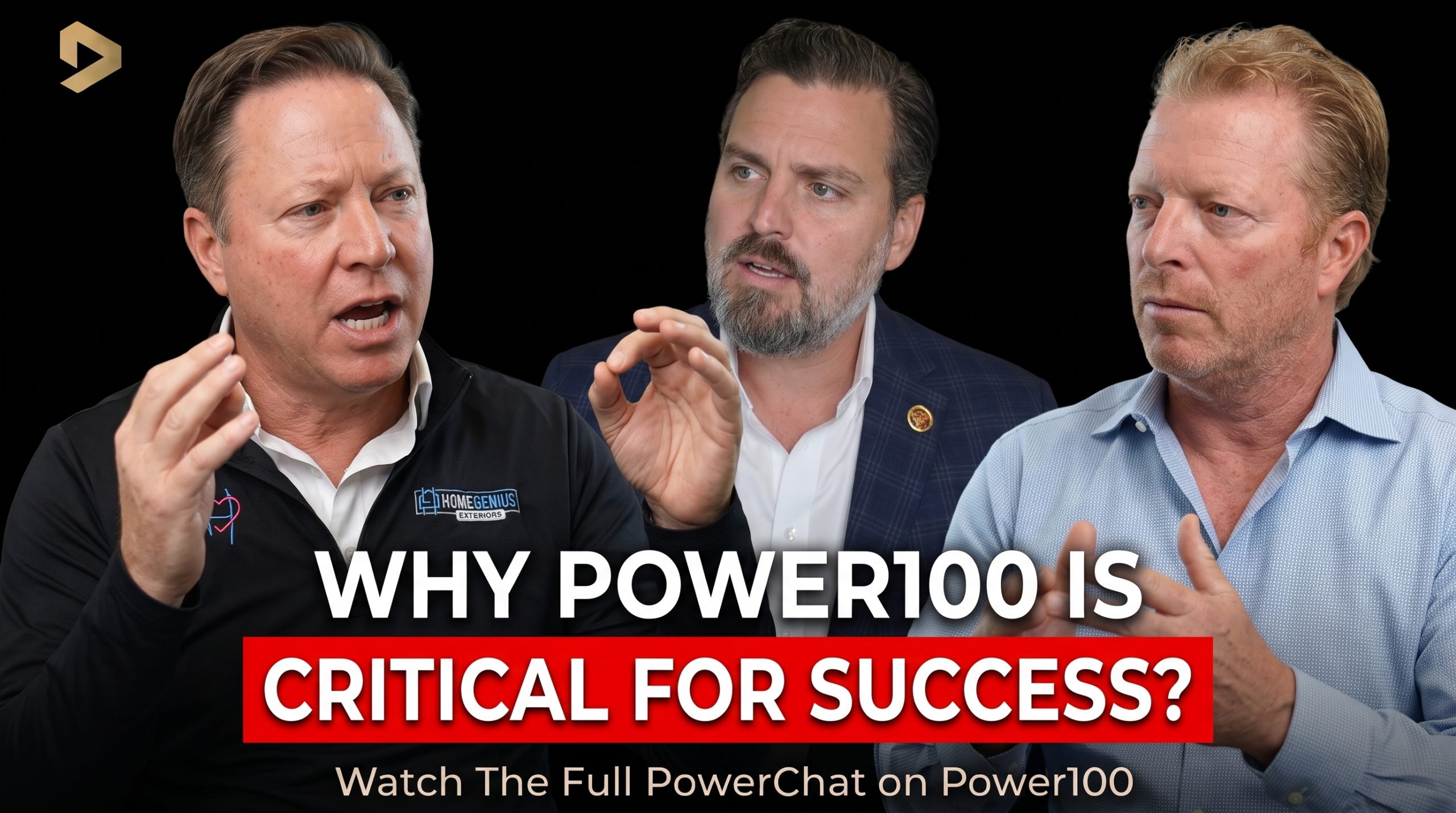
One of the biggest challenges facing home improvement companies today is knowing which technology to invest in, which partners to work with, and which solutions to build on their own. With so many software platforms entering the market, contractors are spending more time and money trying to find the right tools to grow their businesses. Yet buying more technology does not always lead to better results.
As AI makes it easier to build internal systems, the future of technology partnerships for home improvement contractors is changing. Business leaders must now ask themselves whether the tools they pay for are solving real problems, helping their teams perform better, and bringing enough value to their companies. But just because a company can build something on its own does not mean it should.
Power100 is the only unbiased third-party platform that recognizes and elevates the top leaders and most impactful companies in the home improvement industry. In a featured PowerChat, Greg Cummings, CEO of Power100, sits down with Scott Berman, President of Florida Window and Door, and Jeff Gunhus, Co-Founder and CEO of Home Genius Exteriors, to explore the changing relationship between contractors and their strategic partners.
The conversation goes beyond the growing use of AI technology in home improvement businesses to examine how leaders can make smarter technology investments, reduce unnecessary costs, and gain greater control over their operations. Through their own business experiences, both leaders share why the future is not about replacing every strategic partner, but understanding where those partners bring real value and where building internal solutions makes more sense.
As part of the PowerChat conversation, Greg Cummings, CEO of Power100, explored how two of the industry’s leading executives are making decisions about technology, business growth, and strategic partnerships as they prepare for 2027. Rather than focusing on the latest software or AI tools entering the market, the discussion looked at what makes a technology investment worth keeping.
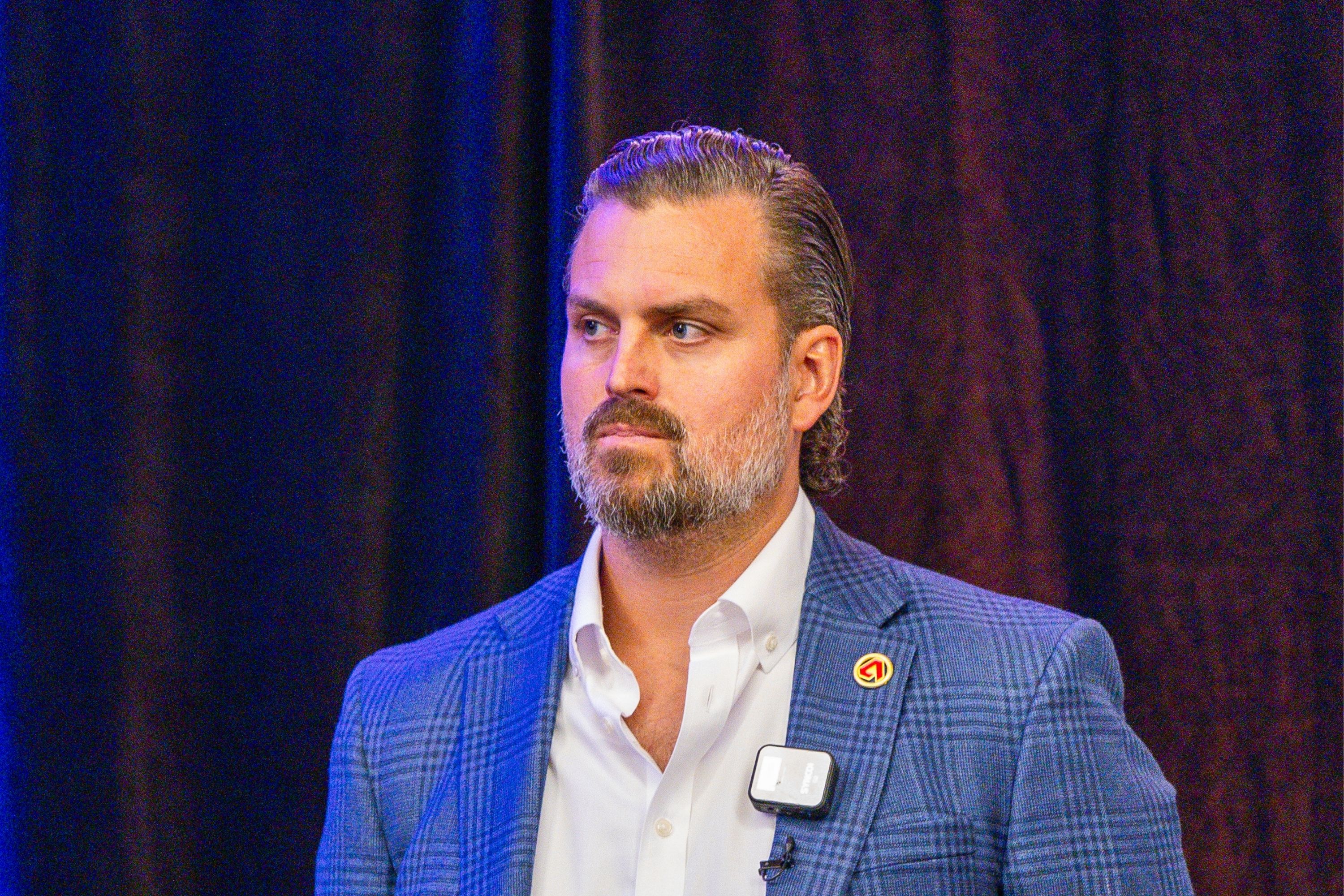
Greg Cummings, CEO of Power100 and Host of Power100 PowerChat
Drawing from their own experiences, Scott Berman, President of Florida Window and Door, and Jeff Gunhus, Co-Founder and CEO of Home Genius Exteriors, shared how they decide when to work with a partner, when to build a solution on their own, and where the two approaches can work together to create a stronger business.
For many years, home improvement companies turned to outside technology partners whenever they needed a new solution to a business problem. Today, that is beginning to change. With AI and more skilled technology teams, contractors have more options when deciding how to solve those same problems. This led Greg to raise an important question about the future of technology partnerships for home improvement contractors.
Where do strategic partners continue to bring value when companies are becoming more capable of building their own solutions?
For Berman, the answer begins with understanding what a partner can offer. Rather than rushing to build something from scratch, his team starts by working with an existing provider. This gives them an opportunity to learn how the technology works, understand its strengths, and identify areas where it could better serve their business.
“We start out with the partner and then we figure out if we can make it better.” Scott Berman, President of Florida Window and Door
His approach shows that working with a strategic partner and building internal technology do not have to be separate paths. A good partner can help a company solve an immediate problem while giving its leaders a better understanding of what their business needs as it grows. The decision to build something internally can then come from experience rather than guesswork.
Watch Power100 PowerChat with Scott Berman and Jeff Gunhus
As the conversation continued, Berman raised another concern about how contractors are investing in technology. Walk into almost any home improvement industry event today, and there are countless software providers offering solutions to help companies sell more, train better, and operate more efficiently. However, having access to these tools is very different from knowing how to use them.
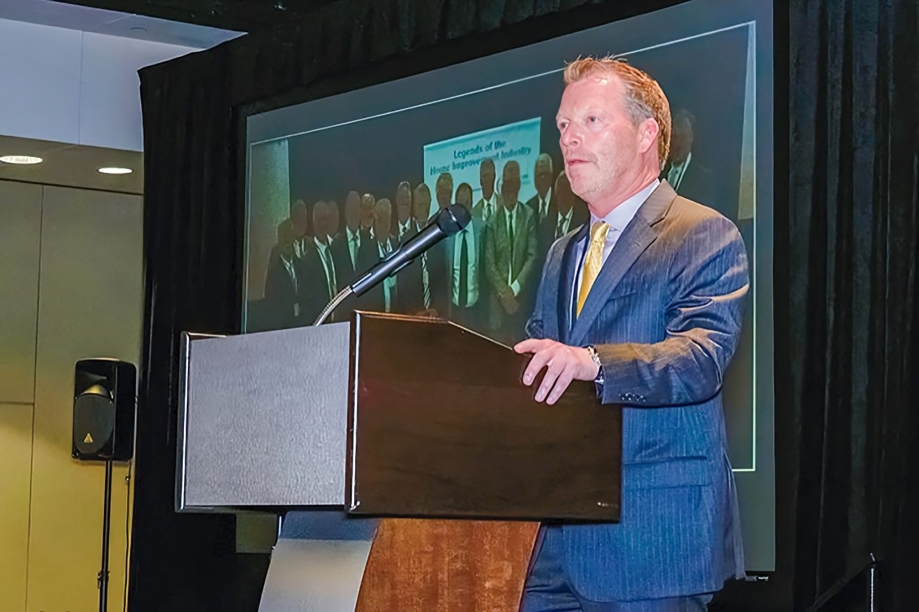
Scott Berman, President of Florida Window and Door
Berman used Rilla as an example, describing it as a great platform while pointing out that some companies may not fully understand how to use the technology they have purchased. His concern was not with the quality of the platform, but with how businesses adopt and use the tools available to them.
“Are you actually using it?” Scott Berman, President of Florida Window and Door
Gunhus shared a similar lesson from his own experience. In the early stages of building his company’s technology systems, he was excited by the number of software solutions available. However, purchasing several different tools without a clear plan created a system that was difficult to manage.
“So it was one of the lessons we learned along the way is, you know, you’ve got to have a roadmap.” Jeff Gunhus, Co-Founder and CEO of Home Genius Exteriors
Their experiences highlight why technology adoption in the home improvement industry must begin with a clear business need. Before adding another software subscription, leaders should understand how it will work with their existing systems, who will use it, and what problem it will solve. Without that understanding, companies risk spending more money without making their operations any stronger.
Once a company understands what it needs from its technology, the next question becomes whether an existing partner can meet those needs or whether an internal solution would work better. For larger contractors with skilled technology teams, that decision is becoming more important as AI continues to improve.
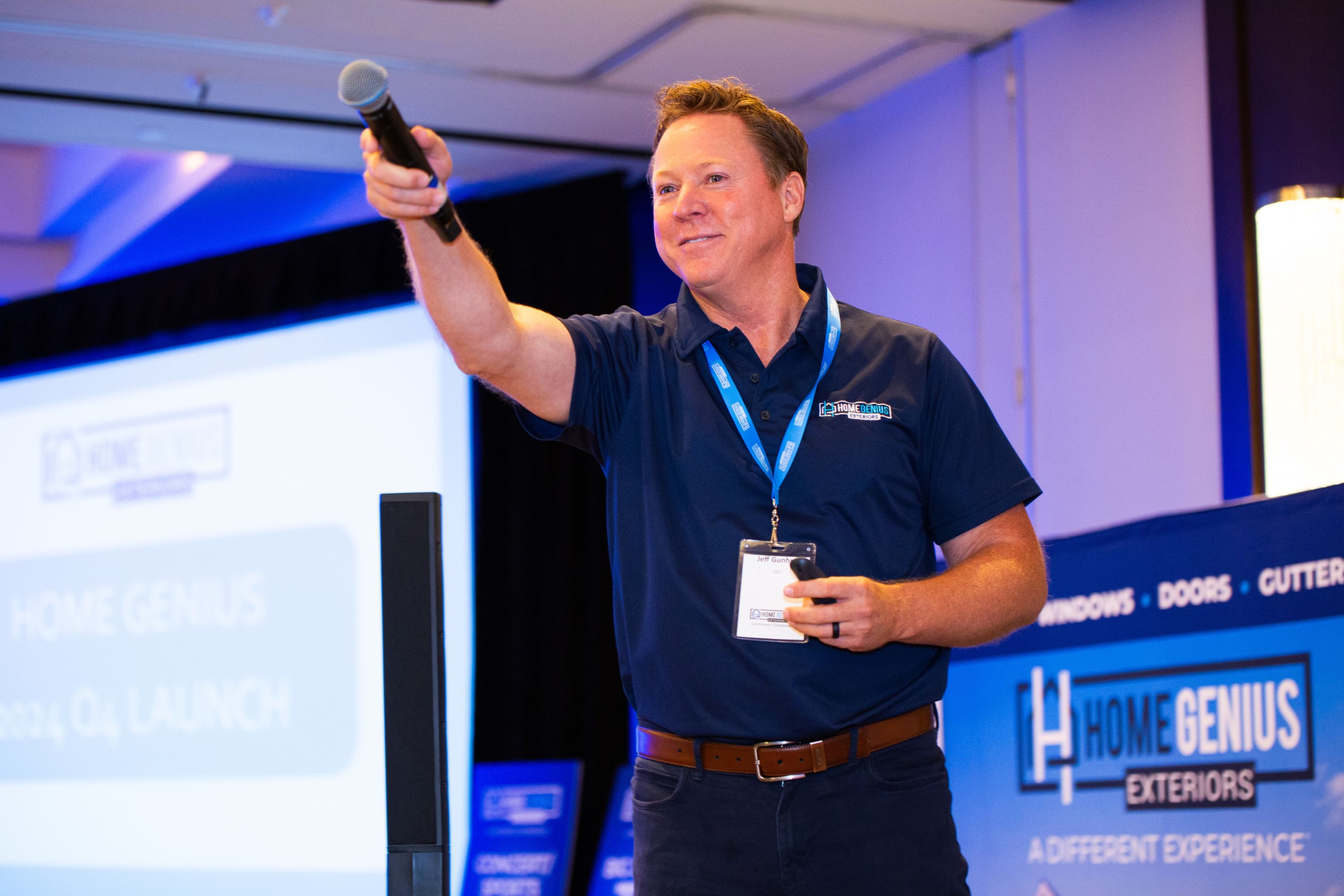
Jeff Gunhus, Co-Founder and CEO of Home Genius Exteriors
Gunhus revealed that his organization has built a technology team of approximately 25 to 30 people, including project managers and developers. The team works on creating solutions that connect with the company’s existing systems and support its growing operations.
One example is the company’s decision to move from SalesRabbit to an application developed by its own team. Gunhus explained that the new application connects better with the systems already running within the business.
“It’s becoming easier and easier to build those things yourself.” Jeff Gunhus, Co-Founder and CEO of Home Genius Exteriors
Berman has taken a different but equally thoughtful approach. His company continues to use Salesforce as the foundation of its system while building its own software around it. His team is also using AI to study business data and help leaders make better decisions.
These two approaches demonstrate how AI technology in home improvement businesses is opening new doors for contractors. Companies can now look at the gaps in their existing systems and explore ways to fill them without always purchasing another software solution.
However, building internally still requires the right people, resources, and a clear understanding of what the business needs. The opportunity is not simply to replace outside technology, but to create systems that better support the way a company operates.
Watch Jeff Gunhus to learn more about his approach to business growth, technology, and leadership.
While the growing ability to build technology internally may raise questions about the future of outside providers, Berman made it clear that he sees no reason to replace a partner who is already doing a great job.
During the discussion, he highlighted Get The Referral as an example of a technology partner that offers a good solution at a fair price. Although his internal team could potentially build a similar platform, he sees little reason to spend company resources recreating something that already meets his needs.
“So why would I build something to compete against that?” Scott Berman, President of Florida Window and Door
Gunhus reinforced this point by explaining that his technology team must follow an important rule when developing a replacement for an existing solution. Whatever they build must be as good as or better than what the company already uses.
“We can’t go backwards in what we’re doing.” Jeff Gunhus, Co-Founder and CEO of Home Genius Exteriors
This brings an important balance to the conversation about building versus buying technology. Just because a company has the resources to create its own software does not mean doing so is the best business decision. Sometimes, working with a partner allows a company to save time, reduce costs, and focus its internal resources on problems that have not yet been solved.
For strategic partners, this presents an opportunity. As contractors become more skilled at building their own systems, partners can strengthen their relationships by continuing to deliver reliable solutions, fair pricing, and clear business value. Their place in the industry will depend less on being the only available option and more on being the right option.
The discussion about technology also revealed a much broader business lesson. Whether a company is investing in software, recruiting employees, purchasing products, or generating leads, relying too heavily on a single outside provider can limit its choices.
Earlier in the conversation, Gunhus identified talent recruitment as one area where his company wants to reduce its dependence on a single platform. He shared that approximately 80% of its recruitment leads come through Indeed, a number he believes is too high. Although the platform continues to serve an important role, his team is exploring other ways to attract talent, including growing its employee referral efforts.
He applies a similar approach to other business relationships, working with multiple distribution partners where it makes sense. This allows the company to maintain strong partnerships while keeping its options open.
For Berman, the same mindset guides his technology investments. Whether his company develops a solution internally or works with an outside provider, his main goal remains the same.
“We’re trying to get better data to make decisions.” Scott Berman, President of Florida Window and Door
As companies prepare for 2027, this approach to business growth and operational efficiency in home improvement will become increasingly important. Leaders must understand where outside expertise makes their companies stronger, where their own teams can create better solutions, and where too much dependence could put future growth at risk.
Ultimately, the conversation highlights that taking control of a business is not about removing strategic partners from it. It is about having the knowledge, people, and systems in place to make better choices about those relationships. When companies understand what they need, and partners understand how to meet those needs, both sides have a stronger foundation for long-term growth.
As the home improvement industry looks toward 2027, the conversation between Greg Cummings, Scott Berman, and Jeff Gunhus offers a reassuring message for contractors and strategic partners alike. The growth of AI and the ability to build technology internally do not signal the end of strategic partnerships. Instead, they mark the beginning of a new chapter in how these relationships are formed, valued, and strengthened.
For contractors, the opportunity lies in becoming more thoughtful about where they invest their time, money, and resources. For strategic partners, it is an opportunity to grow alongside their clients, understand their changing needs, and deliver solutions that make a lasting difference. When both sides share a commitment to building stronger businesses, technology becomes more than a tool for growth. It becomes a way to improve the lives of employees, better serve homeowners, and raise the standards of the entire industry.
Moving into 2027 and beyond, the strongest partnerships will not be built on how much contractors depend on their partners, but on how much better their businesses become because of them. After all, the most meaningful business relationships are those that companies choose to maintain, not because they have to, but because they see genuine value in growing together.
Yes. Power100 uses a five-layer ranking system to assess the overall impact of strategic partners. The platform examines customer experience, innovation, business efficiency, financial health, company culture, and sales and marketing performance. Through its Preferred Partners platform, Power100 helps contractors discover companies that offer more than just products and services. It looks at how these partners help contractors build stronger businesses, improve their operations, and better serve their customers.
Yes. Power100 shares practical business knowledge through its Expert Contributor platform, PowerChats, and feature interviews. Through its Expert Contributor platform, industry leaders share lessons from their own experiences in leadership, technology, marketing, sales, and business growth. Contractors can use these insights to explore new ideas, question their current business practices, and make more informed decisions rather than simply following industry trends.
Florida Window and Door, led by President Scott Berman, specializes in impact window and door replacement in Florida. The company installs products that undergo testing for severe hurricane conditions. It also offers features such as secure locking systems and weather stripping to help improve home protection and energy efficiency. Homeowners can request a free quote and explore product and financing options directly with the company.
Home Genius Exteriors, led by Jeff Gunhus, Co-Founder and CEO, gives homeowners a dedicated team to guide them from the initial quote through installation. The company provides exterior home remodeling services, including roofing, siding, windows, exterior doors, gutters, and attic insulation. It also offers warranties that cover labor and materials, subject to the terms of the coverage. During the PowerChat, Gunhus explained how investing in leadership development and connected business systems helps his company manage growth across multiple markets.
Not always. Scott Berman recommends starting with an existing partner and exploring whether an internal solution could offer better value. Jeff Gunhus follows a similar principle by requiring his technology team to build solutions that perform as well as or better than the tools his company already uses. Contractors should consider development costs, staff skills, ongoing maintenance, and business needs before investing in custom software for home improvement companies. A reliable technology partner may offer a better solution without placing additional demands on internal teams.
Contractors should examine how often their employees use each platform, what problems the software solves, and whether it improves business performance. Berman explained that some companies purchase valuable technology without fully understanding how to use it. Gunhus also stressed the importance of creating a clear plan before investing in multiple platforms. Effective technology adoption in the home improvement industry requires leaders to train their teams, track results, and regularly review whether their software investments meet their business goals.
No. AI gives contractors more opportunities to develop internal tools, but it does not remove the need for valuable business partnerships. During the PowerChat, Berman highlighted Get The Referral as an example of a partner that offers a useful solution at a fair price. He sees no reason to build a replacement simply because his team has the ability to do so. Technology partners can remain valuable by solving real business problems, improving their services, and helping contractors achieve results without unnecessary costs.
Contractors can reduce unnecessary dependence by developing stronger internal systems, working with multiple providers where appropriate, and regularly reviewing the value of each business relationship. Gunhus shared that approximately 80% of his company’s recruitment leads come through Indeed, a level of dependence he wants to reduce. Berman also explained how his team combines outside technology with its own software to access better business data. Both approaches show how business growth and operational efficiency in home improvement can benefit from greater internal control while maintaining valuable relationships with trusted partners.
Power100 is the only unbiased third-party platform that recognizes and elevates the top leaders and most impactful companies in the home improvement industry. Through its national rankings, PowerChats, and industry insights, Power100 gives business leaders a platform to share their experiences, challenges, and ideas for building stronger companies. Under the leadership of CEO Greg Cummings, the platform works to strengthen relationships between contractors and strategic partners, encourage better business practices, and create a more trusted home improvement industry. Its mission is to provide great leaders with the recognition, resources, and connections they need to grow their businesses, serve their communities, and deliver better experiences for homeowners.
Membership unlocks every Power100 interview, PowerChat episode, and expert playbook - free for industry leaders.
Power100 is the nation's premier CEO ranking and media platform for the home improvement industry. Using a proprietary 5-layer evaluation system, Power100 identifies and celebrates the top CEOs, companies, and strategic partners driving innovation, customer satisfaction, and leadership excellence across the country.