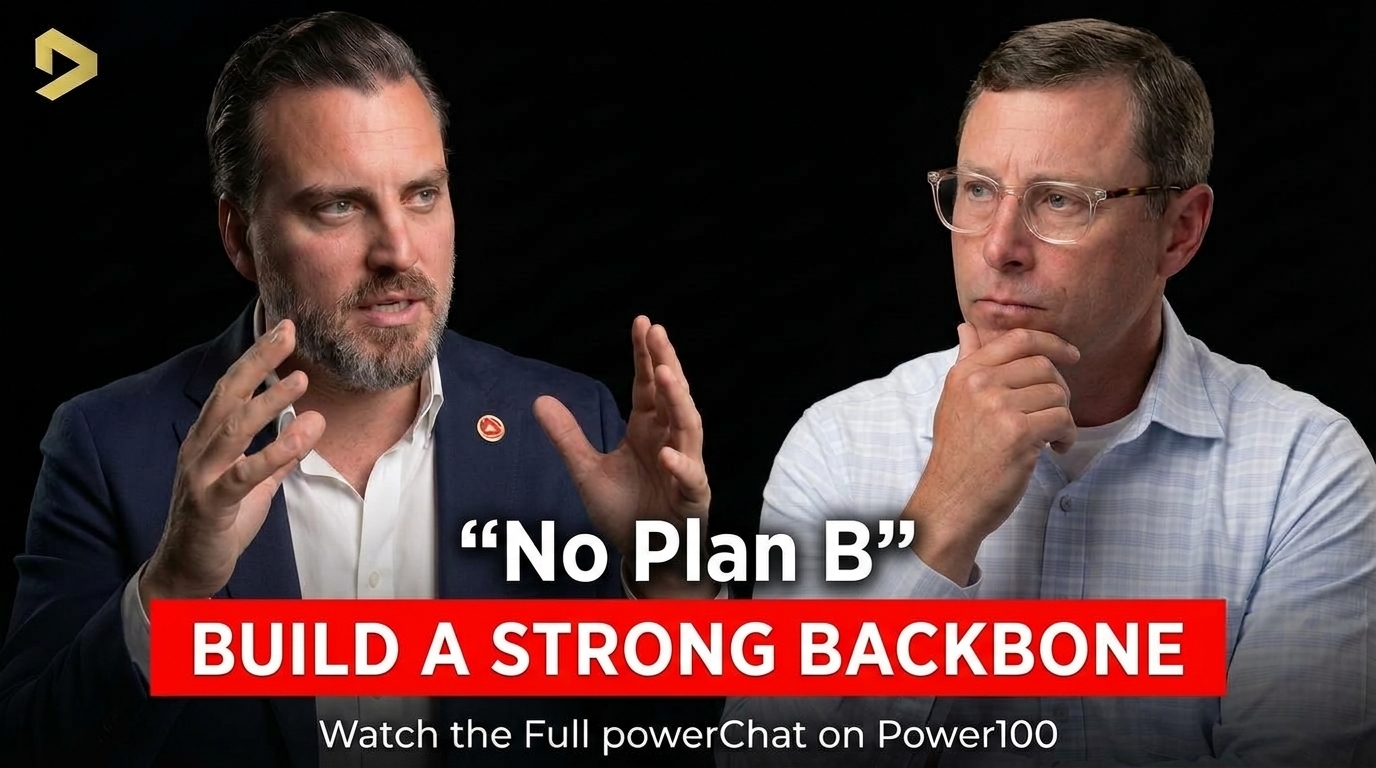
Starting a remodeling company takes courage, but keeping it alive when times get tough takes something more. Long working hours, money problems, family needs, and the daily pressure of running a business can push even the most determined owners to their limits. Many people enter the home improvement industry with dreams of earning more money and building a better future, but few understand how difficult that journey can become.
Nick Zindel, CEO of ZINTEX Remodeling Group, knows that struggle firsthand. Back in 2018 and 2019, his company had around 30 to 40 employees, and he was doing everything from unloading trucks to checking job sites. He had young children at home, worked long hours, and made little money compared with the effort he put into the business. Today, he leads a remodeling group with approximately 500 team members across 14 states. But when Nick looks back, he does not point to an easy path or a perfect business plan. He credits his willingness to keep going when quitting seemed like the easier choice.
His journey offers a powerful lesson in remodeling business leadership and resilience, showing why lasting success takes more than a good idea or the promise of strong profits. It takes patience, sacrifice, faith, and the courage to keep building when the results are not yet there.
That lesson became one of the most personal moments in a recent PowerChat hosted by Greg Cummings, CEO of Power100. The conversation brought together home improvement leaders to discuss the challenges they faced in 2026, the changes they plan to make in 2027, and the lessons they would share with smaller contractors hoping to grow. When Greg asked what advice Nick would give business owners who wanted to reach the level ZINTEX has achieved, Nick looked back at the years when he struggled to keep his company moving forward.
“I had no choice but to make it work,” he shared, explaining how his belief in having no Plan B pushed him to stay committed through difficult times.
His answer went beyond sales, marketing, and daily business tasks. It opened a deeper conversation about what it takes to grow a remodeling business, from doing the hard work yourself to building strong teams, making difficult choices, and finding a purpose beyond money. Through leadership conversations like PowerChat and Outside the Lines, the platform brings these real experiences to business owners who want to learn from those who have faced similar challenges.
Power100 is the only unbiased third-party platform that recognizes and elevates the top leaders and most impactful companies in the home improvement industry. By sharing Nick’s journey, the conversation gives contractors a valuable reminder that building a company that lasts is not just about how fast it grows, but about the strength and commitment of the people who keep it moving forward.
Building a successful remodeling company takes more than hard work and a good business idea. It takes the courage to keep going when things do not work out as planned. During a recent PowerChat conversation with Greg Cummings, Nick Zindel, CEO of ZINTEX Remodeling Group, shared the personal journey behind his company’s growth. He spoke about the difficult early years, the lessons that kept him moving forward, and why he believes business owners must be ready to give everything they have to their goals.

Nick Zindel, CEO at ZINTEX Remodeling Group
His story offers valuable leadership lessons for remodeling contractors who want to grow beyond their current size. From doing the daily work himself to leading hundreds of employees, Nick’s experience shows how commitment, strong teams, and a clear purpose can help business owners face the challenges of growth and build something that lasts.
Today, Nick leads a remodeling company with approximately 500 team members serving homeowners across 14 states. But when he looks back at the early years, he remembers a very different business and a much harder daily routine.
During the PowerChat, he took Greg back to 2018 and 2019, when ZINTEX had around 30 to 40 employees. At that stage, there was little room for him to step away from the daily work. If something needed attention, he often had to handle it himself.
“I was doing everything from unloading trucks to checking job sites,” Nick recalled.
Those tasks were only part of what made the early years difficult. He also had a young family at home and was trying to build a company that demanded more time and energy than it could reward him for financially.
Nick admitted that the money he earned during those years was small compared with the amount of work he was putting in. There were times when the effort seemed far greater than the rewards.
For many business owners, this is one of the hardest parts of starting a remodeling business. They enter the industry hoping to create a better future for themselves and their families, but soon find that being the owner also means carrying problems that no one else can solve for them.
Nick remembers how difficult those days were. He even suggested that many people would have walked away if they had faced the same pressure.
Yet he speaks about that time with gratitude.
He believes his willingness to keep working, even when the business was not giving him much in return, helped him reach the position he holds today. He did not have the answers to every problem, and he could not see exactly how large the company might become.
What he knew was that he had to keep moving forward.
That experience gives his story a lesson for smaller contractors. When an owner spends the day handling customer problems, checking jobs, managing workers, and worrying about money, it can be difficult to see progress.
But those early responsibilities can also teach lessons that become valuable as a company grows. They help owners understand the work their employees do, the pressure their teams face, and the importance of taking care of the details that keep a business running.
Nick’s journey shows that growing a home improvement company often begins with years of work that customers and other business owners may never see.
For him, those years did more than test his patience. They shaped the belief that would guide his decisions when the road became even harder.
When Greg asked Nick what advice he would give smaller contractors hoping to reach the next level, Nick did not begin with a sales strategy or a plan to open more locations.
Instead, he spoke about the decision that kept him in business during the hardest years.
For Nick, a successful Plan A often comes from not having a Plan B.
“I had no choice but to make it work,” he explained.
That belief shaped how he approached his company when he had little money, a young family, and more work than he could comfortably handle.
He had invested so much into the business that giving up did not feel like an option. When problems appeared, he had to look for a way through them rather than start thinking about what he would do next.
Nick believes that kind of commitment matters because the road to business success can be much harder than people expect.
He spoke about the opportunities that still exist in home remodeling. In his view, the industry offers room for owners to build profitable companies because homeowners will continue to need repairs and improvements.
But he also warned that those opportunities come with a cost.
The work can be exhausting. The demands can affect family life. The pressure can make owners question whether the business is worth the effort.
This is where Nick believes remodeling business leadership and resilience become important.
He wants new business owners to understand that passion alone will not carry them through every difficult season. They also need the strength to keep working when the results take longer than expected.
During the conversation, Nick described the importance of having a strong backbone. He also spoke openly about his faith and the role it plays in how he faces challenges.
For him, faith and hard work go together. He believes in doing everything he can to move the business forward while trusting God through the things he cannot control.
That belief helped him stay committed during years when the future was far from certain.
But Nick’s message is not that every business will succeed simply because an owner refuses to close it. His experience reflects the personal mindset that helped him continue when he could have walked away.
The larger lesson is about understanding what commitment truly means.
It means being prepared for difficult days, accepting that success may take years, and knowing that the dream of owning a company comes with responsibilities that do not disappear when business slows down.
That is why Nick challenges people who want to start a business to think carefully about whether they are ready to give it their full effort.
“You gotta go into this just all in and just say, Hey, I’m I’m not quitting,” he said.
His words carry weight because he lived through the kind of challenges he now warns others about.
He knows how it feels to work hard without seeing the results he wants. He knows what it means to carry the pressure of providing for a family while building something that may or may not succeed.
And he knows the satisfaction of looking back and seeing how far that commitment has taken him.
For contractors who hope to build larger companies, Nick’s story offers a reminder that long-term success in home remodeling requires more than excitement about future profits.
It requires a willingness to face the difficult parts of business ownership without losing sight of why the journey began.
Still, personal determination can only take a business so far. As the company grows, owners must learn how to help other people carry the work that once rested on their own shoulders.
The work that helps a small business survive is not always the same work that helps a larger company succeed.
In the early years, Nick could step in whenever a problem needed attention. He knew the daily demands of the business because he was often handling them himself.
But a company with hundreds of employees creates a different kind of challenge.
No single person can manage every customer conversation, sales appointment, job site, or team decision.
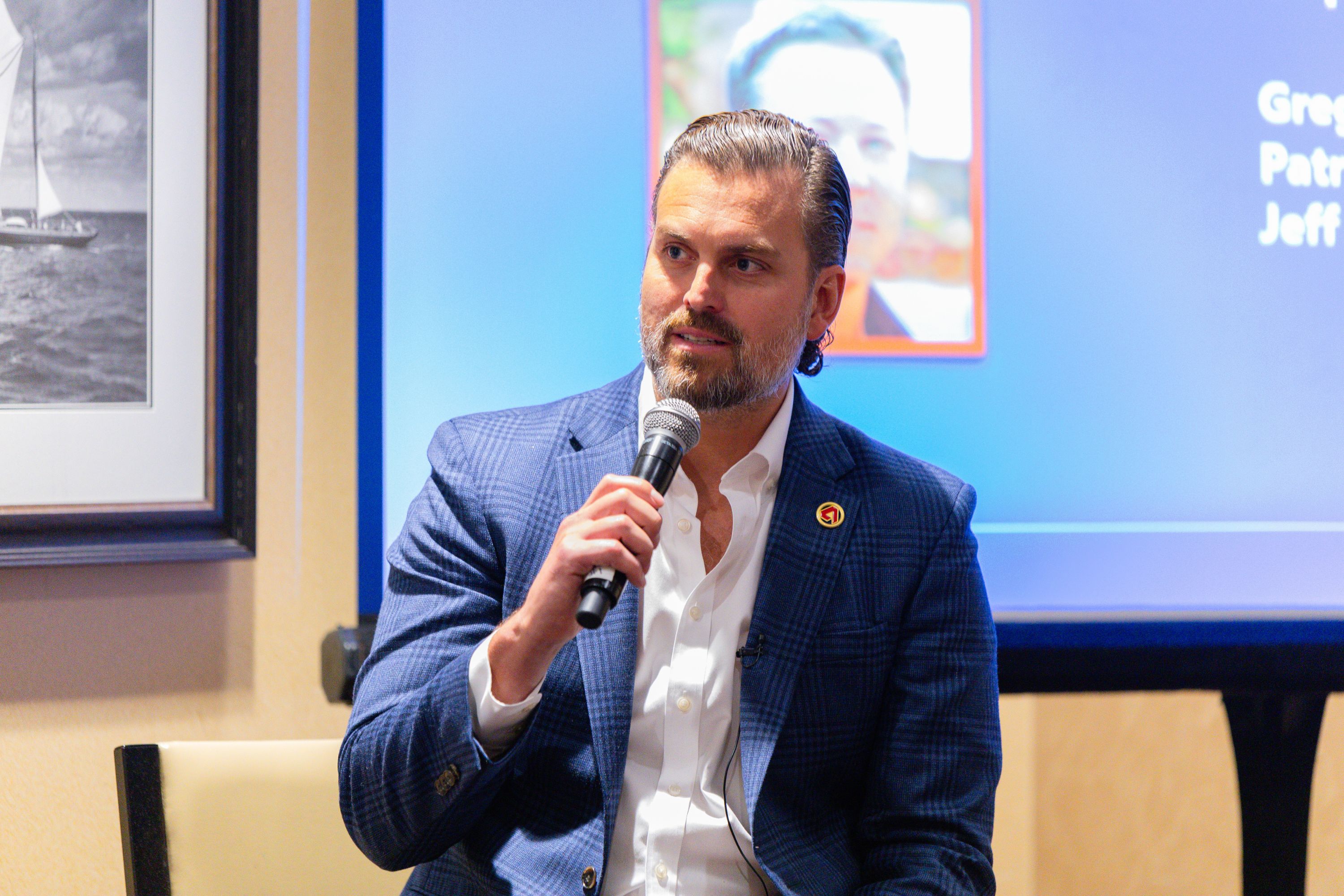
Greg Cummings, CEO of Power100
During the PowerChat, Greg raised an important point about growing a remodeling company. He explained that the hardest part is not always understanding what the business needs to do. It is making sure the team continues doing those things well, day after day, through both good and difficult times.
That means coaching employees, helping people improve their skills, and keeping teams focused even when the market becomes harder.
Nick’s journey shows why this change matters.
His role has grown from handling daily work to guiding a company where many people must work together to deliver the results customers expect.
One example came when Nick discussed the company’s new referral efforts. Instead of asking only sales representatives to help bring in customers, ZINTEX is creating opportunities for employees across the business to contribute.
This gives more team members a role in helping the company move forward.
Nick is also paying closer attention to how different departments work together.
He explained that the company is reviewing its call center, sales, and customer service processes to find areas that need improvement.
These efforts reflect an important part of developing strong remodeling teams. As a business grows, its success depends less on how much work the owner can personally handle and more on how well employees can perform their own roles.
A call center employee must understand the importance of the first conversation with a homeowner. A design consultant needs to earn the customer’s confidence. Installation teams must deliver the service the customer expects.
Each role matters because the customer experiences the company through the people who serve them.
For Nick, this connects to one of ZINTEX’s most important values.
“one of our big values here is hospitality,” he shared.
He wants homeowners to feel comfortable when his team enters their homes.
That may sound simple, but it gives employees a clear way to think about their work.
They are not only completing a task or trying to meet a sales goal. They are entering someone’s home and taking responsibility for an important part of that person’s life.
When employees understand that responsibility, they have a stronger reason to care about the quality of their work.
For contractors who want to move beyond a small operation, this is one of the most valuable leadership skills for growing remodeling companies.
Owners must learn how to give their teams clear goals, support them when problems arise, and create a culture where people understand why their work matters.
It does not mean the CEO stops caring about the details.
It means the CEO must help more people care about those details too.
Nick’s growth from a small business owner to the leader of a much larger company shows how important that change can become.
But leading people is only one part of keeping a company strong. Business owners must also be willing to question the strategies that helped them succeed in the past.
Nick’s belief in never giving up does not mean he thinks business owners should keep following the same plan when the results tell them something is wrong.
In fact, one of the clearest lessons from his PowerChat is that staying committed to a company sometimes requires leaders to make difficult changes.
For several years, ZINTEX grew by spending more money on leads and entering new markets. The approach helped the company expand, and Nick saw a clear connection between increased spending and higher revenue.
But the conditions that made that growth possible began to change.
During 2026, Nick saw more homeowners struggle to qualify for financing. He also faced higher customer cancellation rates and growing pressure to make each investment count.
These challenges forced him to look closely at how the business was operating.
Instead of continuing to spend more money simply because that strategy had worked before, Nick began changing where the company placed its focus.
This is an important part of adapting a remodeling business to market changes.
A business owner may believe deeply in the company but still need to accept that an old strategy no longer brings the same results.
Nick explained that ZINTEX now wants its business data to play a greater role in deciding where to invest.
“we’re really getting into letting the data decide where we need to invest more,” he told Greg.
For a company operating across 14 states, that means paying attention to how each market performs.
Some locations have more homeowners who can qualify for financing. Others may bring fewer sales or require more money to produce the same results.
Nick wants to study those differences and direct more resources toward areas where the company sees stronger returns.
If a market is struggling, he may reduce spending there rather than continue putting more money into something that is not working.
That decision can be difficult for any business owner.
Opening new markets takes time, effort, and money. After investing so much into building a presence, pulling back may feel like moving in the wrong direction.
But Nick sees the value in making decisions based on what the business needs today rather than what worked years ago.
For smaller contractors, this offers an important lesson about persistence.
Refusing to quit does not mean refusing to admit when something needs to change.
A business owner can remain committed to the company’s future while choosing a different path to reach it.
That may mean changing a marketing plan, improving how employees work, investing in better tools, or spending less money in areas that are not producing enough value.
Nick’s wider plans for 2027 reflect that approach.
He is strengthening employee referrals, looking for better ways to serve existing customers, building retail partnerships, and paying attention to how AI is changing the way homeowners find contractors.
These steps show that he is willing to explore new ideas rather than depend only on the strategies that helped the company grow in the past.
Yet even with the challenges facing the industry, Nick remains hopeful about its future.
“I don’t believe the remodeling business is going away anytime soon,” he said.
He still sees opportunity for people who want to build strong companies and serve homeowners.
For him, the challenge is making sure those companies continue learning as the world changes.
That belief brings an important balance to his Plan A message.
Determination gives a business owner the strength to keep going. Good judgment helps that owner decide what needs to change along the way.
Together, they can support sustainable growth for home improvement contractors who want to build companies that can face both good and difficult years.
And as Nick’s company became larger, he discovered that success brought another kind of responsibility, one that could not be measured through sales or revenue alone.
After years of building ZINTEX, Nick began to see success through more than the size of the company or the money it could earn.
One of the most personal moments of the PowerChat came when Greg asked how community impact had shaped Nick’s purpose as a business owner.
Nick looked back to around 2016, when he felt a strong desire to help people who were going through difficult times.
He explained that the company began working with a group he called Rebuild Together to support homeowners in need, with an early focus on veterans.
At the time, ZINTEX was still a much smaller business.
Nick recalled that he did not have much money to spare. Donating remodeling work also meant taking installation crews away from jobs that could bring revenue into the company.
From a financial point of view, those decisions were not always easy to justify.
But Nick believed helping people was the right thing to do.
The company completed roughly three or four projects during its first year of that effort. As time passed, the number of projects grew.
Yet Nick kept much of this work quiet.
He explained that he did not want people to think the company was helping others simply to gain attention or make its name look better.
He believed generosity should come from a genuine desire to help, not from a need for public praise.
For years, he continued supporting these projects without making them a major part of the company’s public story.
Then, around 2021, a conversation with Brian Kemp helped Nick see the situation differently.
The two were preparing speeches for a company Christmas event when Nick mentioned that ZINTEX had completed about 20 free bathroom projects that year.
Brian encouraged him to share that news with the employees.
Nick was unsure at first, but he decided to speak about the work the company had done.
What happened next changed his view of sharing those stories.
Employees and their families came to him during the event and told him how much the projects meant to them. For some, learning about the people the company had helped was one of the most meaningful parts of the celebration.
Nick realized that by keeping those acts of service quiet, he had also kept his team from fully sharing in the joy of helping others.
That moment helped him understand the deeper value of community impact in the home improvement industry.
A remodeling company does more than install products or complete projects.
It brings together people with skills that can improve homes and make life safer for families who need help.
Nick began to see that sharing those efforts could give his employees a stronger sense of purpose.
Today, he says team members regularly bring forward stories of homeowners who need support.
Some are veterans. Others are people facing difficult circumstances who cannot afford the work their homes require.
The company has helped with bathroom renovations, air conditioning problems, and other household needs.
Nick does not claim that these projects always benefit the business financially.
He openly acknowledges that some do not make sense when looking only at the company’s costs and revenue.
But he believes that giving back is part of the responsibility that comes with success.
“we’re called to be a generous group of people,” he explained.
For Nick, the reward comes from knowing that the company’s work has helped someone live in a safer and more comfortable home.
His story shows how purpose-driven leadership in remodeling can give employees something meaningful to work toward beyond sales goals.
A team that helps improve someone’s life may begin to see its work differently.
Employees can take pride not only in the projects they complete but also in the difference their company makes for people who need support.
For smaller contractors, this offers a lesson that goes beyond business growth.
A company does not have to become large before it can care about its community. Nick began helping homeowners when the business still had very limited resources.
He also learned that the people who help build a company should have the chance to share in the good it does.
That belief gives his journey a deeper meaning.
The years he spent unloading trucks, checking job sites, and doing whatever the business needed helped him build something that now reaches beyond his own goals.
ZINTEX has become a place where employees can build careers, serve homeowners, and take part in work that can improve lives.
For Nick, that is one of the greatest rewards of staying committed through the hard years.
It is not simply about reaching a point where the business earns more money.
It is about reaching a point where the company can use what it has built to help others.
And that gives his original message about having no Plan B a much greater purpose.
The commitment that once helped him keep a small business alive now supports a company that can create opportunities for employees and bring meaningful help to people in need.
Looking back at his journey, Nick Zindel has every reason to be proud of what he has built. But his story is not just about growing a small remodeling business into a company that serves homeowners across 14 states. It is about the years when success seemed far away, the days when the work felt too heavy, and the choice to keep going when giving up would have been easier. His belief in having no Plan B came from those experiences. He did not know what the future would bring, but he knew the kind of business he wanted to build, and he was willing to work for it.
Today, that commitment carries a greater responsibility. Nick no longer measures his progress only by how much the company grows or how many projects it completes. As the leader of ZINTEX Remodeling Group, he understands that the choices he makes can shape the lives of hundreds of employees and the families who depend on them. He must help his people grow, guide them through difficult times, and make decisions that protect the company’s future. The determination that once helped him survive the early years now helps him lead others toward a shared goal.
But perhaps the greatest change in Nick’s journey is how he has come to understand the rewards of success. Through the company’s work helping homeowners in need, he discovered that some of the most meaningful moments had little to do with money. They came from seeing a family receive a safer home, watching employees take pride in helping others, and knowing that the business he had worked so hard to build could make a real difference. What began as his personal desire to give back has become something his team can share and believe in.
That is what makes Nick’s story valuable for contractors who are still working toward their own goals. The hard years may feel endless, and the rewards may take longer than expected. But his experience shows how those struggles can shape a stronger leader and create opportunities to do something meaningful. Building a company takes patience and the courage to face difficult decisions. Leading one that lasts means learning how to bring people together, help them grow, and give them a reason to believe in what they are building.
As 2027 approaches, Nick’s journey offers a hopeful reminder that success does not have to end with financial growth. A business can become a place where people find opportunity, families receive help, and communities grow stronger. For Nick, the greatest reward of refusing to quit is not simply that ZINTEX survived those difficult early years. It is what the company can now do for others because he kept going.
His story leaves home improvement leaders with one lasting lesson: The strength to keep going may help you build a successful company, but the lives you change along the way are what give that success its greatest meaning.
Yes. Power100 gives contractors access to recorded PowerChat conversations through its video library. The platform features the full PowerChat with Nick Zindel and Richard Hotea, hosted by Greg Cummings. Business owners can hear the leaders explain their challenges, share their experiences, and answer questions about growing their companies. This allows contractors to study real home improvement CEO leadership lessons and understand the full discussion behind each press release.
Power100 believes contractors can learn valuable lessons from people outside the remodeling industry. Through its PowerChat, the platform brings in leaders with experience in business growth, leadership, customer trust, and personal development. These conversations help home improvement CEOs see challenges from different points of view and discover ideas they can apply to their companies. Power100 uses these leadership development insights for home improvement CEOs to encourage fresh thinking and help contractors build stronger businesses.
Nick did not start the original company from nothing. His father founded ZINTEX in 2001 to manage projects for rental properties. In 2013, Nick took the business in a new direction with a small team that included a bookkeeper and two sales representatives. He later expanded into bathroom remodeling in 2016. During his PowerChat, Nick recalled having around 30 to 40 employees in 2018 and 2019 while still handling many daily tasks himself. His experience shows how growing a family remodeling business can require years of hard work, major changes, and personal commitment.
No. Nick’s No Plan B message reflects the commitment that helped him keep building ZINTEX during difficult years. He believes owners need the strength to face setbacks rather than quit when results take longer than expected. However, he also believes leaders must make smart financial decisions. During the PowerChat, Nick explained how his company uses business data to decide where to invest and where to reduce spending. His approach to building a successful remodeling company combines determination with careful business decisions. He does not present refusing to quit as a guarantee of success or a reason to ignore financial risks.
Nick’s responsibilities changed as the company grew. In the early years, he spent much of his time unloading trucks, checking job sites, and handling daily business needs. Today, he leads a much larger team and focuses on helping different departments perform well. He wants employees to take part in creating customer opportunities, improving service, and supporting the company’s goals. His journey shows why leadership skills for growing remodeling companies must change as a business expands. Owners cannot handle every task forever. They need to build teams that can take responsibility and help the company move forward.
ZINTEX Remodeling Group says applicants do not need prior remodeling experience to join its team. The company provides training and offers opportunities for employees to grow into larger roles. Its careers information also highlights paths for advancement and a workplace focused on helping people develop their skills. Nick believes investing in employees plays an important role in building a strong business. This approach to employee training and career growth in home remodeling gives people a chance to learn the work, develop their abilities, and build a future in the industry.
Nick believes staying committed to a business does not mean following a strategy that no longer works. During the PowerChat, he explained that some ZINTEX markets produce stronger results than others. His team studies those results and invests more in areas that offer better returns. When a market struggles, the company may reduce spending without leaving it completely. Nick wants leaders to protect their resources while finding better ways to grow. His approach to smart business growth for remodeling contractors shows that successful leaders can remain committed to their goals while changing the way they reach them.
Nick originally kept much of the company’s community work quiet because he did not want people to think ZINTEX helped families simply to gain attention. Around 2021, Brian Kemp encouraged him to share the company’s charitable projects during a Christmas celebration. Nick spoke about the free bathroom projects the team had completed, and employees and their families responded with pride and excitement. He realized that keeping the work quiet had also kept his team from sharing the joy of helping others. Today, ZINTEX continues supporting homeowners and veterans through groups such as Rebuilding Together North Texas and Baths for the Brave. Nick’s experience shows how community service and employee pride in remodeling companies can help people find greater meaning in their work.
Power100 is the only unbiased third-party platform that recognizes and elevates the top leaders and most impactful companies in the home improvement industry. Led by CEO Greg Cummings, the platform gives great CEOs the recognition, support, and visibility they deserve while helping raise the standard of leadership across the industry. Through national rankings, PowerChat interviews, and industry insights, Power100 shares real stories and lessons from leaders who are building stronger companies, creating better workplaces, and making a lasting difference in their communities. Its mission is to bring industry leaders together, help contractors learn from proven experiences, and support the people driving positive change in home improvement.
Membership unlocks every Power100 interview, PowerChat episode, and expert playbook - free for industry leaders.
Power100 is the nation's premier CEO ranking and media platform for the home improvement industry. Using a proprietary 5-layer evaluation system, Power100 identifies and celebrates the top CEOs, companies, and strategic partners driving innovation, customer satisfaction, and leadership excellence across the country.