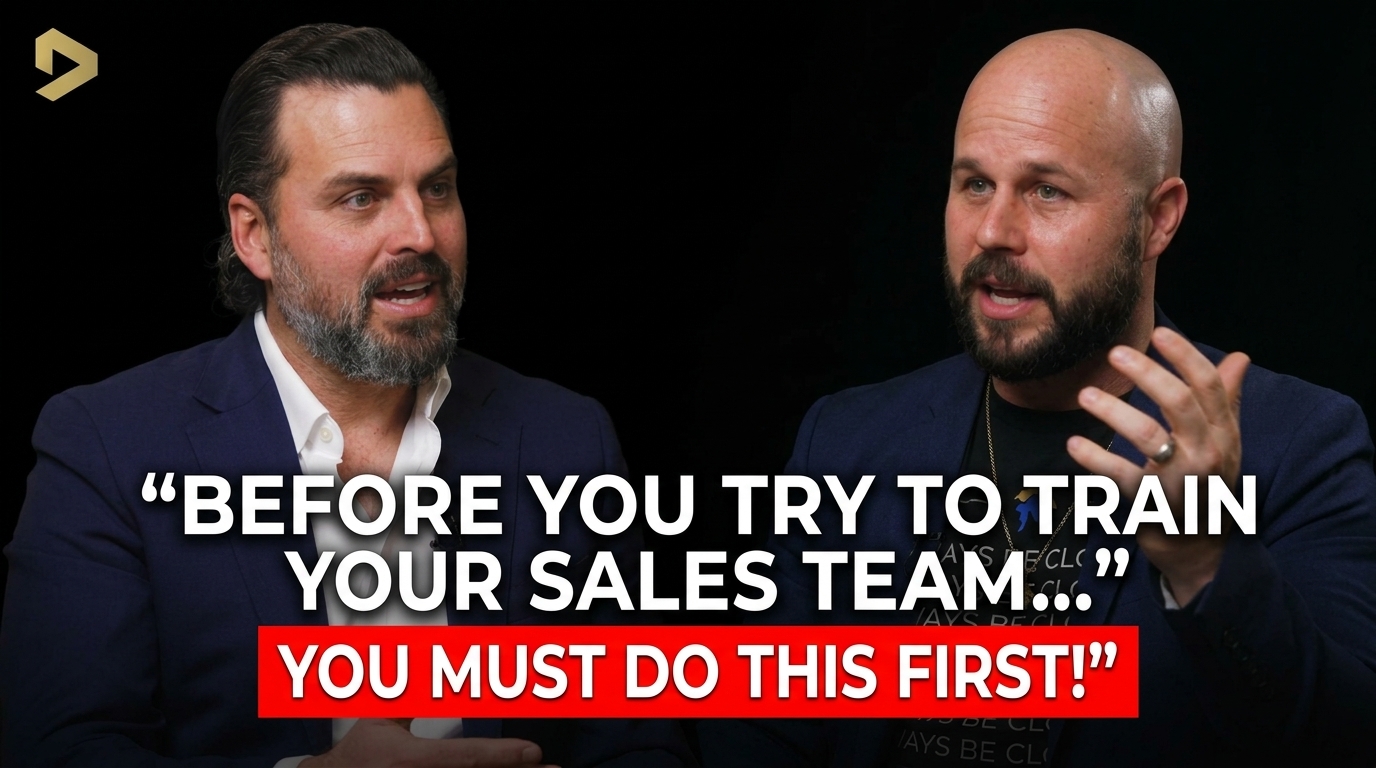
Home improvement contractors spend thousands of dollars on sales training, hoping to improve close rates, build stronger teams, and help their salespeople win more customers. They invest in new systems, provide training videos, and introduce methods they believe will improve performance. But what happens when employees return to their old habits after a few weeks? Some salespeople question the new process, others keep using their own methods, and managers struggle to get everyone to follow the same approach. The problem may not be the quality of the training. It may be that the people leading the sales team never took the time to learn or believe in the system themselves.
For Dominic Caminata, CEO and Founder of Grosso University, this is one of the biggest mistakes contractors make when trying to improve sales performance. He believes a company cannot expect employees to follow a new process when its own leaders do not fully understand it. That is why his approach to home improvement sales training implementation begins with preparing business owners, general managers, and sales leaders before introducing new methods to their teams.
Dominic wants leaders to master the process, understand why it works, and build enough confidence to teach it. His message challenges contractors to stop treating sales training as something only their employees need and start seeing it as a responsibility that begins at the top.
That belief became an important part of a Featured Interview hosted by Greg Cummings, CEO of Power100. During their conversation, Greg noticed something different about how Dominic worked with contractors. While many companies focus on selling products or services, Dominic seemed more concerned with ensuring clients could use the training and achieve meaningful results. Greg wanted to understand why Grosso University placed so much importance on having sales leaders complete the program before their employees.
Dominic’s response revealed a larger challenge facing home improvement CEOs: getting sales teams to trust new methods, follow a shared process, and continue using what they learn long after the first training session. His experience shows why sales manager coaching for home improvement companies matters just as much as the training given to salespeople. Without leaders who can teach, support, and reinforce the process, even a strong sales program can become another resource that employees stop using.
Power100 is the only unbiased third-party platform that recognizes and elevates the top leaders and most impactful companies in the home improvement industry. Through this conversation, Dominic challenges business owners to rethink how they introduce sales training and why the success of any new system may depend on the commitment of the person leading the team.
During a Featured Interview in Madison, Wisconsin, Greg Cummings sat down with Dominic Caminata to explore the sales training methods, leadership lessons, and business decisions behind Grosso University’s growth. Their conversation covered Dominic’s journey from a successful salesperson to a sales leader, and eventually the founder of a company focused on helping home improvement contractors improve their businesses. But one of the most valuable moments came when Greg turned the discussion toward how Dominic introduces new training programs to his clients. Greg had learned that Grosso University wanted the owner, general manager, or sales leader to complete the training before bringing the rest of the sales team into the program. Greg found this approach unusual because many training providers focus on getting their products into the hands of as many employees as possible.
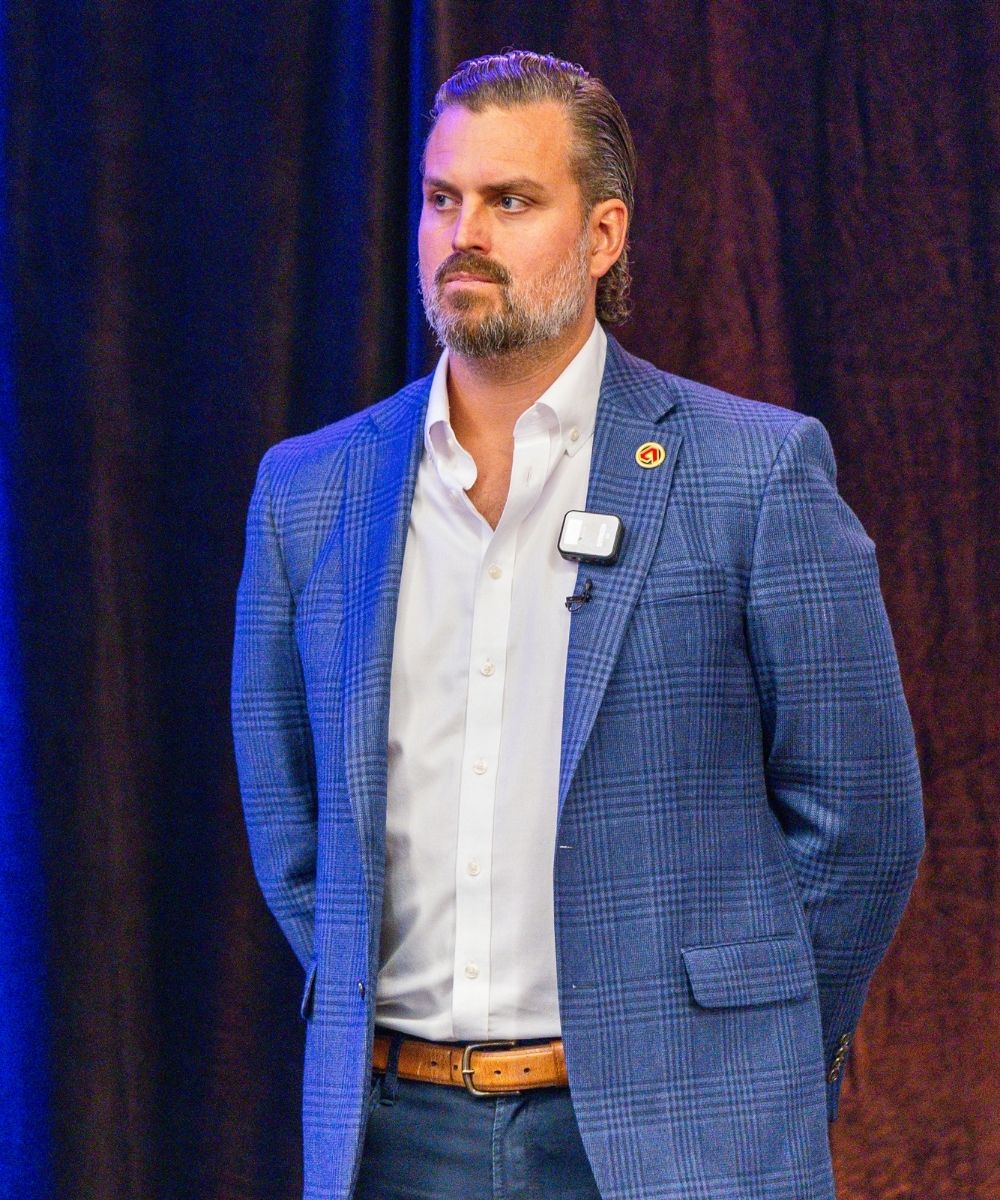
Greg Cummings, CEO of Power100
Greg wanted to understand why Dominic was so careful about that first step. From his perspective, a company that sells sales training would naturally want to get the program running as quickly as possible. Yet Dominic seemed to take greater responsibility for what happened after a contractor purchased the training. He wanted business owners to understand what they were introducing to their teams and feel confident that the system could help their employees improve. Greg recognized that this approach required more work from both the training provider and the client. It also raised an important question: Why should a sales leader need to master the program before the salespeople begin learning it?
Dominic’s answer came from years of experience working with contractors and seeing what happens when companies try to change the way their employees sell.
“If you’re trying to get any sales team to buy into a new sales methodology or a new way of selling, and you yourself don’t know it, you’re going to get pushed back,” Dominic explained.
He made it clear that introducing a new sales method without preparing the leadership team can create problems from the beginning. Salespeople may question why they need to change a process that has worked for them in the past. Experienced employees may push back when someone asks them to follow a system they do not understand. And when those employees turn to their managers for answers, the managers may struggle to explain the new methods if they have not learned them themselves.
Dominic believes this creates a serious problem for contractors. A sales manager cannot confidently coach someone through a process they do not understand. They cannot explain why certain steps matter, correct mistakes with confidence, or help employees see the value of making a change.
That is why he believes the owner or sales leader must become the first person to learn the system.
“If you don’t believe in it, your team will not,” Dominic shared.
For Dominic, that statement explains why leadership commitment plays such an important role in sales training. He does not want owners to simply purchase a program, give employees access to the materials, and hope performance improves. He wants the people responsible for the sales team to study the process, learn how it works, and become confident enough to teach it to others.
That approach comes from lessons he learned while building Grosso University.
Dominic explained that some of the company’s early clients introduced the training directly to their salespeople without first preparing their managers. In some cases, those businesses experienced mixed results. Their leaders had invested in the training, but they did not fully understand how to use the system or help employees apply what they were learning.
Rather than ignore those challenges, Dominic changed how he introduced the training to new clients. He began focusing more on helping business owners and sales leaders master the process before rolling it out to the wider team.
He also explained how Grosso University’s online training platform allows his team to see whether leaders are watching lessons, completing courses, and taking quizzes. This helps Dominic understand whether the people responsible for guiding their sales teams are putting in the work needed to learn the system.
His goal is not simply to make sure managers complete another course. He wants them to gain the knowledge and confidence to lead their employees through a new way of selling.
During the conversation, Dominic compared this responsibility to that of a coach who must know the team’s playbook before expecting the players to follow it.
He believes a sales manager should understand the system well enough to answer questions, show employees how to use it, and recognize when someone needs more support.
This becomes especially important when contractors have large teams with experienced salespeople who already follow different methods. Introducing one shared process can help create consistency, but employees must first trust the people asking them to make that change.
Dominic explained that winning that trust may require personal relationships, practical training, and ongoing support. He wants salespeople to understand that the methods they are learning come from real sales experience, not simply another set of instructions from management.
That belief also shapes how he continues working with client leadership teams after the initial training. Dominic wants managers to know how to use the materials, coach their employees, and hold people accountable as they develop new habits.
The discussion revealed a lesson that goes beyond choosing the right sales training program. A contractor may invest in valuable tools and resources, but those tools can only do so much if the people leading the business do not know how to use them.
For home improvement CEOs, Dominic’s perspective raises an important question: how do you get sales teams to adopt a new sales process? Is the problem always that employees resist change, or could the company do more to prepare the leaders responsible for guiding that change?
As the interview continued, Dominic shared how his approach helps contractors earn the trust of experienced salespeople, build stronger coaching habits, and create a shared sales process that employees can follow with greater confidence.
His message offers a clear starting point for business owners who want their training investments to produce lasting value. Before asking salespeople to believe in a new system, the person leading them must be willing to learn it, understand it, and show why it deserves their trust.
A great sales training program can teach new skills, but it cannot force people to believe in what they are learning. During his Featured Interview with Greg Cummings, Dominic Caminata explained why many home improvement contractors struggle to turn sales training into lasting results. His experience has taught him that successful training depends on much more than giving salespeople a new process to follow. It requires leaders who understand the methods, earn their teams’ trust, and know how to help employees apply what they learn.
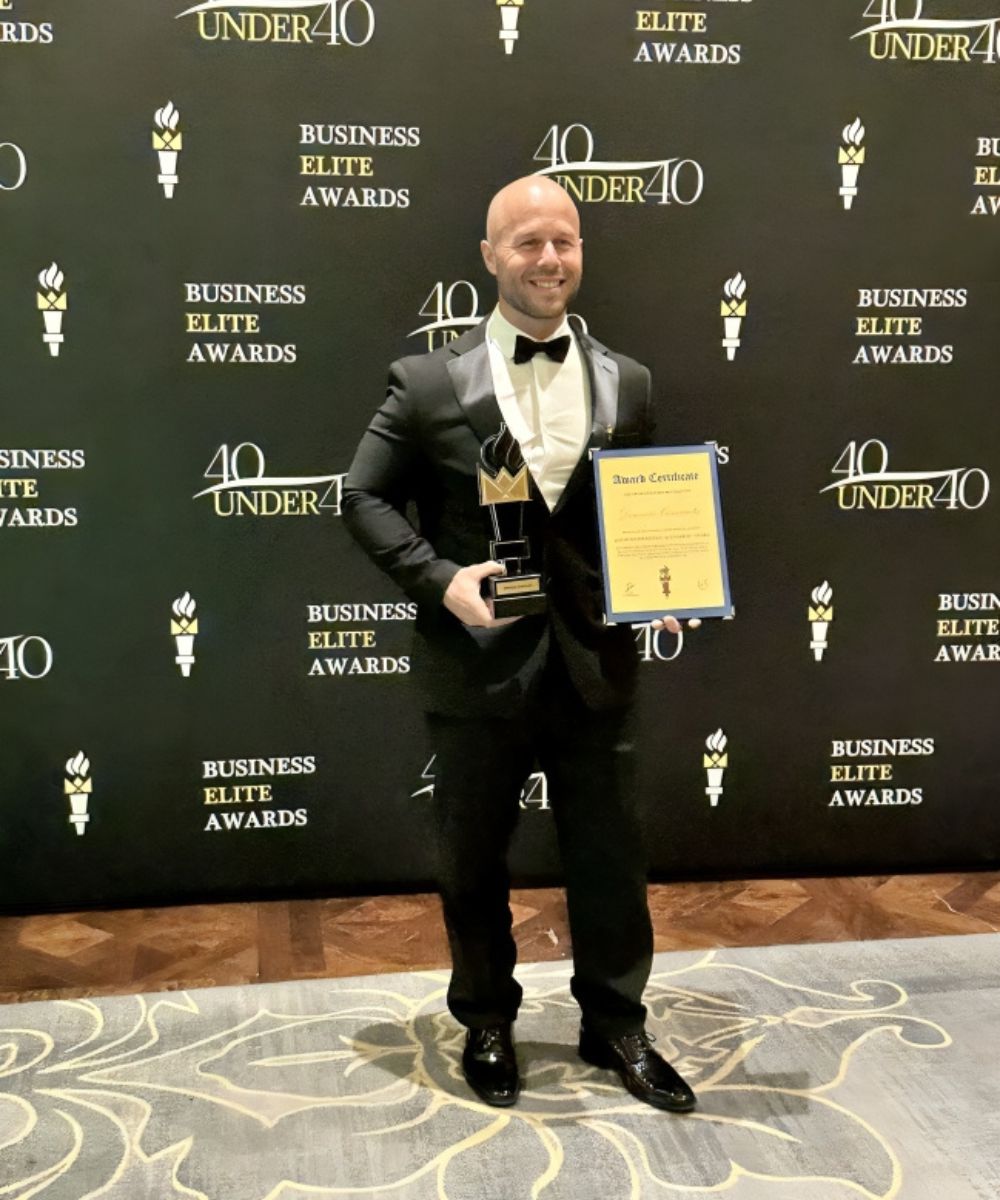
Dominic Caminata, CEO and Founder of Grosso University, was recognized among the named Top 40 Under 40 recipients in the home improvement space at the Business Elite Awards
From working with large sales teams that follow different selling methods to helping smaller contractors build their sales foundation, Dominic has seen how the right leadership can make a difference. His approach reveals five important lessons about preparing managers, winning employee trust, building stronger coaching habits, and giving sales training the best chance to succeed.
When a home improvement company invests in sales training, the owner usually expects to see a change in how employees sell. The business may introduce a new presentation, provide training videos, or ask the sales team to follow a different process during appointments.
But introducing a new system and getting people to use it are two different things.
A salesperson may attend a training session, learn a few new ideas, and return to work feeling excited. Yet when that person faces a difficult customer, they may fall back on the methods they already know.
Without a manager who understands the new process, no one may be there to explain what went wrong or show how the training could help.
This is a problem Dominic learned about while working with Grosso University’s early clients.
“In the beginning, when we started offering sales training, we had companies that try to buy it and introduce it to their team,” Dominic explained.
At first, some contractors purchased the training and gave it directly to their salespeople. Their goal was to improve performance by bringing new skills into the business.
But Dominic discovered that this approach did not always produce the results clients expected.
Some companies experienced mixed results because their owners and sales leaders had not learned the system before asking employees to use it.
The managers may have supported the decision to buy the training, but they did not always have the knowledge needed to explain the process or coach their teams through it.
Dominic recognized that this created a gap between what employees were learning and what their leaders could help them achieve.
Think about a sales team learning a new way to explain product value during a homeowner appointment.
The training may teach employees when to ask questions, how to present options, and how to respond when a customer raises concerns.
But what happens when a salesperson asks their manager why a certain step matters?
If that manager has never studied the method, they may struggle to give a useful answer.
The employee may begin to question whether the process is worth following.
Over time, salespeople can return to their old habits because they feel more comfortable using methods they already understand.
This is why Dominic believes home improvement sales training implementation requires more than buying a course and giving employees access to it.
The company must have someone who can explain the training, show how it works, and help employees use it during real appointments.
That responsibility begins with the people leading the sales department.
Dominic’s experience also shows why business owners should not assume that poor training results always mean the program itself is ineffective.
Sometimes, a company must first look at how it introduced the training.
Did the sales manager understand the new process? Did the team know why the company wanted to make the change? Was someone available to coach employees after they completed the lessons?
These questions can help reveal where the training effort began to lose direction.
For Dominic, the mixed results he saw became an important lesson about how to serve clients better.
Rather than continue selling programs and leaving contractors to figure out the next steps, he changed his approach.
He decided that the people responsible for leading sales teams needed to become the first students.
That change helped shape the way Grosso University prepares contractors to introduce new sales methods.
It also offers a clear lesson for business owners: before expecting employees to improve, make sure the people coaching them know what improvement should look like.
Once Dominic understood why some training programs struggled, he focused on finding a better way to prepare contractors.
His answer was to start with the person responsible for leading the sales team.
Before salespeople begin learning a new process, Dominic wants the owner, general manager, or sales leader to complete the training themselves.
He believes that person should understand how each stage works, why it matters, and how to use the method during a real sales appointment.
But knowing the training material is only part of the goal.
Dominic wants leaders to believe in what they are teaching.
A manager who does not trust the process may struggle to convince experienced salespeople to change the way they work. Employees can notice when their leader is unsure about a new method or cannot explain why the company introduced it.
For Dominic, that makes leadership preparation one of the most important parts of the training process.
He used an example that many business owners can understand.
A sports coach would never expect a team to perform well without first learning the plays.
The same lesson applies to sales.
“Step one is let’s take the playbook and make sure you as the coach know it forwards and backwards so you can train it intelligently to your team and hold them accountable,” Dominic explained.
His point is simple. A sales manager cannot teach a process with confidence if they do not understand how to use it themselves.
That means learning more than the words in a script.
A manager should know what the salesperson is trying to achieve at each stage of the appointment. They should understand how to explain a product, answer common questions, and help employees respond when customers raise concerns.
They should also recognize when a team member needs more practice.
This approach gives sales leadership training for home improvement contractors a clear purpose.
The goal is not only to teach business owners how to sell. It is to help them become better at teaching others.
Dominic also believes leaders must show their commitment through their actions.
During the interview, Greg asked whether some owners approach training with less effort than they should.
Dominic explained that Grosso University’s online training platform allows his team to monitor how clients use the materials.
They can see whether participants watch training content, complete lessons, and take quizzes.
That gives Dominic a way to understand whether owners and sales leaders are doing their part.
He believes clients must take responsibility for learning the system if they expect the training to help their businesses.
This is an important part of his approach because he does not want to simply send materials to a company and hope employees figure out how to use them.
He wants the leadership team to be prepared.
A manager who has completed the training can answer questions with greater confidence. They can recognize whether employees follow the right steps and help people understand what needs to improve.
They can also show the team that the company believes in the process enough to invest time in learning it.
This helps build trust between the manager and the salespeople.
Instead of asking employees to follow a system they barely understand, the leader can explain how the methods work and why they deserve attention.
Dominic believes that confidence can influence how employees respond to the training.
When the manager understands the process, team members have someone they can turn to for guidance.
When the manager believes in the process, employees have a stronger reason to take it seriously.
His approach challenges owners who expect their teams to change without changing how they lead.
If a contractor wants salespeople to become better students, Dominic believes the sales leader must be willing to become a student first.
Even when a sales manager understands a new process, another challenge remains.
The team must be willing to use it.
For contractors with experienced salespeople, this can become one of the hardest parts of introducing new training.
Some employees may have spent years developing their own selling methods. They may feel confident in how they handle appointments and see little reason to change.
Others may believe that a new process will limit their freedom or make their work more difficult.
Dominic understands these concerns because he has worked with companies facing this exact problem.
During the interview, he described contractors with as many as 150 salespeople who did not have one shared selling process.
Instead, they had employees using many different methods.
The business might have a large sales team, but managers had little consistency in how salespeople approached customers.
That made it difficult to coach the team and hold everyone to the same expectations.
Dominic explained that introducing a shared process could help address the problem, but it would not work if leaders simply forced employees to change.
He warned that experienced salespeople can resist when someone suddenly tells them to abandon the methods they have used for years.
“Cause if you just try to force feed a sales process down a bunch of veterans throats, they’re going to push back on that,” Dominic shared.
Rather than begin by telling salespeople what they must do differently, he focuses on helping them understand the value of the new approach.
That is an important part of how to get sales teams to adopt a new sales process.
Dominic believes people are more willing to learn when they trust the person teaching them and see how the lessons can help them do their jobs better.
For some larger clients, Grosso University organizes custom Closer’s Camps that bring the sales team together for two or three days.
These events give Dominic a chance to meet employees, explain the methods, and build relationships before asking them to adopt the training.
He wants salespeople to know that the lessons come from years of real sales experience.
During the interview, Dominic explained that he does not want to be just another unfamiliar person appearing in a training video.
He wants employees to know who he is, understand his experience, and feel comfortable learning from him.
That personal connection matters because salespeople are more likely to listen when they believe the trainer understands the challenges they face.
Someone who has spent years selling home improvements may have questions a training manual cannot fully answer.
They may want to understand how a method works with difficult homeowners, how it fits different products, or why it could improve their results.
By meeting employees and discussing those concerns, Dominic aims to create a stronger foundation for learning.
He also wants managers to understand that gaining trust takes more than announcing a new company rule.
Employees need a reason to believe the change can help them.
When salespeople understand the purpose behind a shared process, it becomes easier for managers to coach the team toward the same goal.
Instead of having employees follow many different methods, the business can begin building a common way to handle appointments.
That consistency gives managers a clearer picture of where employees need help.
It can also make training new salespeople easier because they join a company with an established process rather than learning a different approach from every team member.
Dominic recognizes that not every contractor faces the same challenge.
A young business may have the chance to build its sales process before hiring a large team. An established company may need to help experienced employees change habits they have followed for years.
The training approach must reflect those differences.
But the lesson remains the same.
Salespeople should understand what they are learning, why it matters, and how the process can help them succeed.
For Dominic, building that understanding is more effective than demanding that everyone change simply because management says so.
Helping salespeople accept a new process is an important step, but Dominic believes the real work continues after the first training session.
Employees must return to their appointments and begin using what they learned.
That is when new questions appear.
A salesperson may understand a method during a training video but struggle to apply it when a homeowner raises an unexpected concern.
Another employee may know what the process requires but forget certain steps when an appointment becomes difficult.
A manager may notice that the team is still using parts of the old approach.
These situations are normal when people learn new skills.
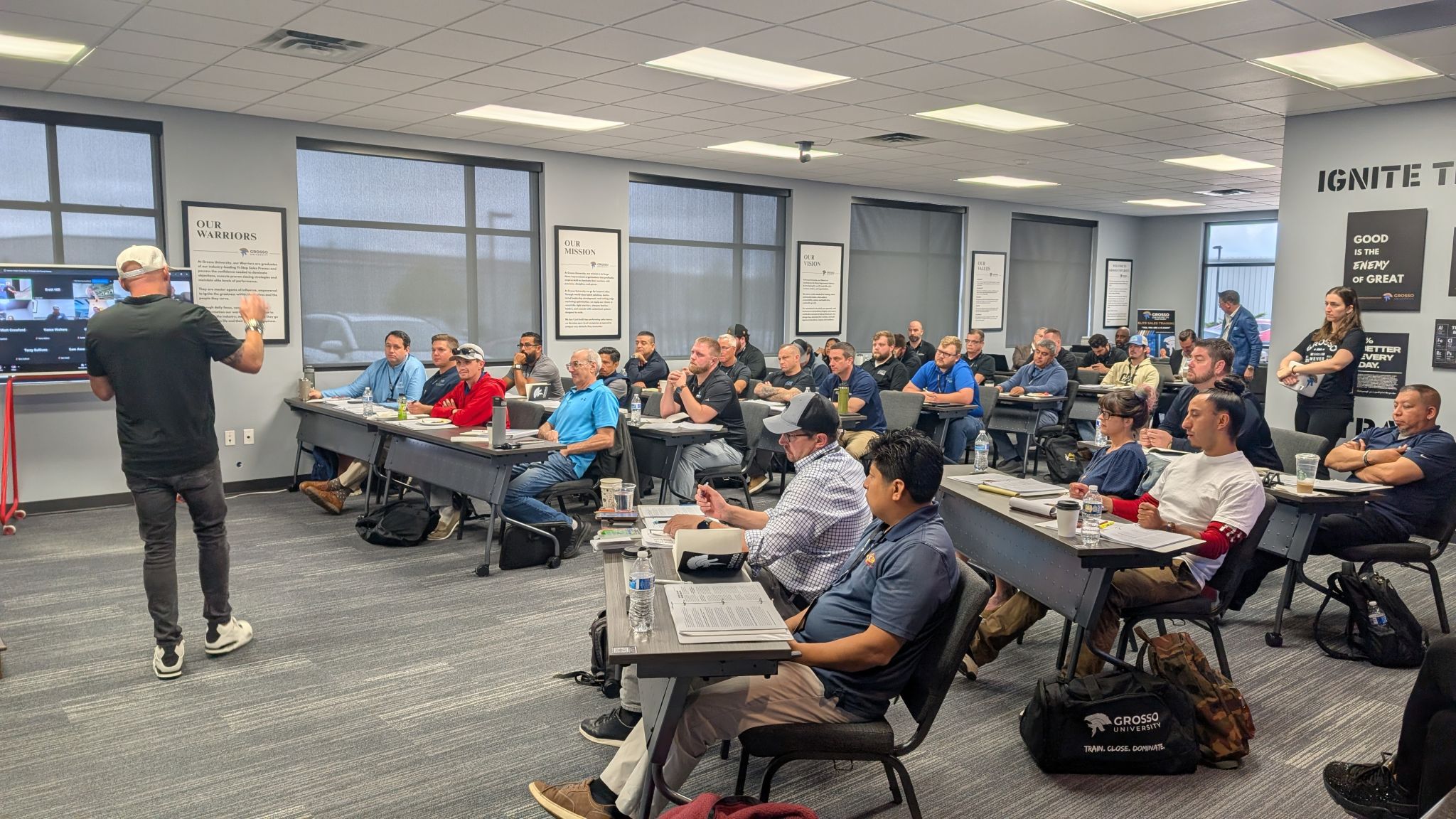
Day 2 of Grosso University Closers Camp with Shawn Feurer, the Universal Mindset Disruptor!
Dominic believes the difference comes from how managers respond.
A leader who only checks whether employees completed the training may miss the chance to help them improve.
But a manager who understands the process can turn those moments into useful coaching opportunities.
This is why Dominic continues working with leadership teams after introducing Grosso University’s training.
He explained that he works closely with sales leaders each month to help them understand the methods and use the tools they receive.
The goal is to help managers guide their employees toward better performance.
Dominic described the kind of question a sales leader should ask.
“How am I going to be a commander, not a demander? How am I going to be an effective leader?”
For him, there is an important difference between telling employees what to do and helping them understand how to do it.
A manager can demand that salespeople follow a new script.
But that demand alone may not help someone understand why they are struggling during appointments.
A stronger coach can listen, identify the problem, and guide the employee toward a better approach.
That is the value of sales manager coaching for home improvement companies.
Managers need the skills to do more than measure results. They must help their teams understand how to improve those results.
Dominic believes a shared sales process makes this work easier.
When managers and salespeople understand the same playbook, they have a clear way to discuss what happened during an appointment.
They can talk about whether the salesperson asked the right questions, explained the product clearly, or addressed the homeowner’s concerns.
Instead of giving general advice to work harder or close more deals, the manager can focus on specific parts of the process.
This creates a more useful conversation.
For example, a salesperson may struggle to explain why a customer should choose one product over another.
A trained manager can review that part of the appointment, explain what the employee could do differently, and help them practice.
The next time a similar situation appears, the salesperson has a clearer idea of how to respond.
Over time, these coaching conversations can help employees build confidence and use the training more consistently.
Dominic also believes leaders must reinforce the methods instead of expecting employees to remember everything after one lesson.
A company may provide excellent training content, but the material becomes far more useful when managers return to it during meetings, coaching sessions, and performance discussions.
This is one reason he wants leaders to know the training well enough to teach it themselves.
The goal is not to make a contractor depend on an outside trainer for every question.
It is to help owners and managers become capable coaches who can support their teams throughout the year.
That approach also changes how a company thinks about accountability.
Accountability should not begin only when a salesperson misses a goal.
Managers can use the shared process to set clear expectations, recognize good habits, and identify areas where employees need more help.
Employees then better understand what the company expects and how they can improve.
For growing contractors, this can become especially valuable as more salespeople join the team.
A clear training process supported by capable managers can help new employees learn the company’s methods and receive guidance from people who understand them.
Dominic’s message is that a company should not judge the success of its training only by how many people complete a course.
The real question is whether employees continue using what they learned and whether managers can help them do it well.
Training introduces the lesson. Leadership helps turn it into a habit.
As Greg and Dominic discussed what happens after a company introduces sales training, Greg asked an important question.
What happens when a contractor invests in the program but does not see the results they expected?
It was an opportunity for Dominic to discuss a side of sales training that many business owners know well.
Improvement does not always happen quickly.
A company may begin learning a new process and still struggle with sales performance for months.
That does not always mean the training has failed.
Sometimes, other parts of the business need attention before the company can fully use what employees are learning.
Dominic shared the experience of one client he had been working with for about a year.
The contractor needed help with several areas of the business, including leadership, recruiting, hiring, and training salespeople.
For much of that time, the company’s sales performance stayed roughly the same.
Dominic explained that he continued working with the business because the team was still building the skills and structure needed to improve.
The company needed more than a sales presentation.
It needed leaders who understood the system, employees who could follow it, and a team with the right people in the right roles.
During the interview, Dominic said those pieces had finally started coming together.
The client reported reaching its first $1.5 million sales month and achieving roughly three times the sales of its previous best month.
These were results Dominic shared from one client experience, not outcomes that every contractor should expect.
But the example showed why he believes business owners need to look at the larger picture when trying to improve sales.
A strong sales process can give employees a clearer way to sell, but it cannot solve every problem inside a company.
If a contractor has weak leadership, poor hiring practices, or employees who receive little coaching, those challenges can limit the value of the training.
This is where sales team accountability and performance coaching for contractors becomes part of a larger business effort.
Owners need to understand how their leaders manage people, how new salespeople receive training, and whether the company has the right systems to support growth.
Dominic believes these parts of the business work together.
A company may have talented salespeople but lack a clear process.
Another may have a good process but managers who do not know how to coach it.
A third may have capable leaders but struggle to hire and keep the right employees.
Each business needs a different kind of support.
Dominic explained that results can vary greatly depending on a contractor’s size, needs, and current challenges.
Some clients report improvements soon after introducing training.
He described cases where companies saw close rates improve by 10% to 15%, along with gains in retention.
Other businesses need more time before the training begins to make a clear difference.
For Dominic, these differences are why he wants to understand each company’s situation instead of offering the same approach to every client.
The most important goal is to give the leadership team the skills and resources needed to keep improving.
“And then I work in lockstep with their leadership team to make sure they know how to utilize these tools to be an effective coach and a leader longterm,” Dominic explained.
His focus on leadership also reflects how he thinks about building a strong company.
Salespeople need clear expectations, but they also need managers who can answer questions and help them improve.
Managers need useful tools, but they also need to understand how those tools fit into the company’s goals.
And owners must recognize that buying a new program is only one part of creating better results.
The work continues through hiring, coaching, practice, and making sure employees understand what the company expects.
Dominic’s experience offers an important lesson for contractors who become discouraged when training does not immediately increase sales.
Before giving up on the program, they should study what may be holding the team back.
Do employees understand the process? Can managers explain it? Are salespeople getting the support they need? Does the company have the right people to carry out the plan?
The answers may reveal that the business needs to strengthen more than one area.
Dominic does not present every client success as something that happens overnight.
Instead, he believes owners should commit to developing the people and systems that help their sales teams improve over time.
That requires patience, but it also requires action.
Leaders must be willing to learn, coach, correct problems, and give employees the support they need to grow.
For home improvement CEOs, the lesson goes beyond improving close rates.
A strong company needs people who understand their responsibilities, leaders who know how to guide them, and systems that make it easier for everyone to work toward the same goal.
Sales training can help create that foundation, but only when the people leading the business are prepared to put it into practice.
For Dominic Caminata, a sales training program’s success begins long before the first salesperson watches a video or attends a workshop. It begins with the person responsible for leading the team. A business owner cannot expect employees to believe in a new process when the people guiding them have not taken the time to understand it. Dominic’s message challenges home improvement CEOs to think about the example they set for their teams. When leaders show that they are willing to learn, practice, and improve, they give employees a stronger reason to do the same. It is a reminder that great leadership is not simply about knowing what needs to change. It is about being willing to take the first step.

Grosso University
That belief continues to shape how Dominic works with contractors through Grosso University. He wants owners and managers to become confident coaches who can guide their teams long after the first training session ends. For him, earning the trust of experienced salespeople takes more than introducing new rules or asking everyone to follow the same script. It requires patience, clear direction, and a leader who understands the challenges employees face. When managers believe in what they teach and know how to help their people succeed, training becomes more than another company program. It becomes part of how the team learns, works together, and grows.
As home improvement companies continue to adopt new sales methods and technology, Dominic’s perspective offers a lesson that will remain important for years to come. Every new system will bring something different for employees to learn, but it will also give leaders a chance to better guide their teams. Business owners who want lasting improvement must be willing to grow alongside the people they lead. Because the strongest sales teams are not built by leaders who simply tell others what to do. They are built by leaders who believe in what they teach, lead through their actions, and help every employee succeed.
No. Power100 evaluates CEOs using three main pillars: Growth, Community, and Culture. Its five-layer ranking system combines business data, AI scoring, human reviews, and feedback from customers, employees, and partners. Power100 also measures business growth against industry standards rather than ranking companies by revenue alone. This means a company does not need to be the largest to demonstrate strong leadership. Through its home improvement CEO rankings and leadership research, Power100 recognizes leaders who show business progress, support their employees, and make a positive impact on the communities they serve.
No. Power100 says it evaluates strategic partners through a review process that examines customer experience, innovation, business operations, sales performance, company culture, and financial health. Its research also includes leadership interviews and other business information. The goal is to help CEOs compare companies that provide services and solutions to the home improvement industry. Power100’s home improvement strategic partner evaluations look beyond promotional claims to examine how businesses operate and the value they offer. Contractors should still review each provider’s services, costs, and suitability before making a final decision.
Dominic Caminata believes sales managers cannot effectively coach a process they do not understand. During his Featured Interview with Greg Cummings, he explained that employees often resist new methods when their managers cannot answer questions or explain why the changes matter. Dominic wants owners, general managers, and sales leaders to master the training first. This gives them the knowledge to teach the process, correct mistakes, and support their teams. His approach to sales training adoption in home improvement companies starts with preparing leaders to guide employees, not simply order them to follow a new system.
Grosso University offers its Grosso U Sales OS program to help contractors organize sales training and team development. The program combines salesperson certification, training resources that companies can manage, live coaching, and leadership coaching. It aims to help contractors create a more consistent process for training new employees and improving the skills of existing salespeople. The company also offers separate programs for sales training and leadership development. These sales coaching systems for home improvement contractors give business owners tools to build stronger teams while helping managers take greater responsibility for employee performance.
Dominic believes leaders must earn the trust of experienced salespeople instead of forcing them to change. He explained that some contractors have large sales teams where employees follow many different selling methods. Introducing one shared process can create resistance when salespeople do not understand its value. Grosso University uses training events, including custom Closer’s Camps, to help employees understand the methods and build relationships with their trainers. Dominic wants salespeople to see how the new process can help them improve. This approach encourages sales team buy-in for home improvement contractors through practical teaching, trust, and a clear reason to change.
Dominic explained that Grosso University’s online training platform allows his team to monitor how participants use the learning materials. The platform can track lesson participation, video viewing, and quiz completion. This helps trainers see whether owners and sales managers are taking the time to learn the process before introducing it to employees. The company’s online learning platform also provides training resources and quizzes. However, completing a course does not automatically mean someone can coach a sales team well. Managers must still practice the methods and show that they understand how to use them.
A single workshop can introduce useful skills, but it cannot guarantee lasting changes in employee performance. Dominic believes salespeople need support after training because real customer appointments often present challenges that classroom lessons cannot fully prepare them for. He explained that Grosso University works with client leadership teams to help managers reinforce training, answer questions, and coach employees over time. The company also offers Sales Leadership Coaching to help managers build stronger training and accountability practices. For contractors, lasting improvement depends on how consistently leaders help employees use what they learn.
No. During the interview, Dominic shared the experience of one contractor that worked with Grosso University for about a year before reporting its first $1.5 million sales month. The company had been addressing several challenges, including leadership, recruiting, hiring, and sales training. Dominic presented the result as one client’s experience, not a guarantee that other contractors would achieve the same revenue. The interview does not independently verify the figures or establish how much of the improvement came from training alone. Business owners evaluating sales training ROI for home improvement contractors should consider their starting performance, leadership skills, team structure, training costs, and progress over time. Different companies may achieve different results.
Power100 is the only unbiased third-party platform that recognizes and elevates the top leaders and most impactful companies in the home improvement industry. Led by Greg Cummings, CEO of Power100, the platform provides home improvement CEOs with the recognition, trusted resources, and industry insights they need to build stronger businesses. Through national CEO rankings, strategic partner research, Featured Interviews, and leadership insights, Power100 shares the experiences of leaders who are making a positive difference in the industry. Its mission is to help CEOs learn from proven business practices, discover valuable partnerships, strengthen their teams, and make better decisions that support lasting growth while raising the standard of leadership across the home improvement industry.
Membership unlocks every Power100 interview, PowerChat episode, and expert playbook - free for industry leaders.
Power100 is the nation's premier CEO ranking and media platform for the home improvement industry. Using a proprietary 5-layer evaluation system, Power100 identifies and celebrates the top CEOs, companies, and strategic partners driving innovation, customer satisfaction, and leadership excellence across the country.