Many home improvement CEOs know what it feels like to work for years to reach a major sales goal, only to discover that the next level of growth is even harder to achieve. A remodeling company may grow from $1 million to $5 million in revenue, build a strong team, and earn homeowners’ trust, yet still struggle to reach its next target. The marketing methods that once brought in steady customers may no longer be enough. The team may need more support, and the business may face new challenges as it takes on more projects.
For Peter Svedin, Founder and CEO of Lifetime Home Remodeling, these challenges are a familiar part of growing a business. During his interview, Peter described the revenue barriers that remodeling companies face and shared how his Phoenix branch was working toward a major breakthrough. At the time, he expected the branch to reach about $5 million in retail sales that January, compared with roughly $1 million the year before.
But Peter believes breaking revenue barriers in home remodeling takes more than setting bigger sales goals. It requires leaders who keep working, seek advice from experienced people, and stay willing to try new ideas even when success is not certain. His message to other CEOs is that reaching a difficult stage of growth does not mean a company has reached its limit. Sometimes, the next step begins with the willingness to learn something new.
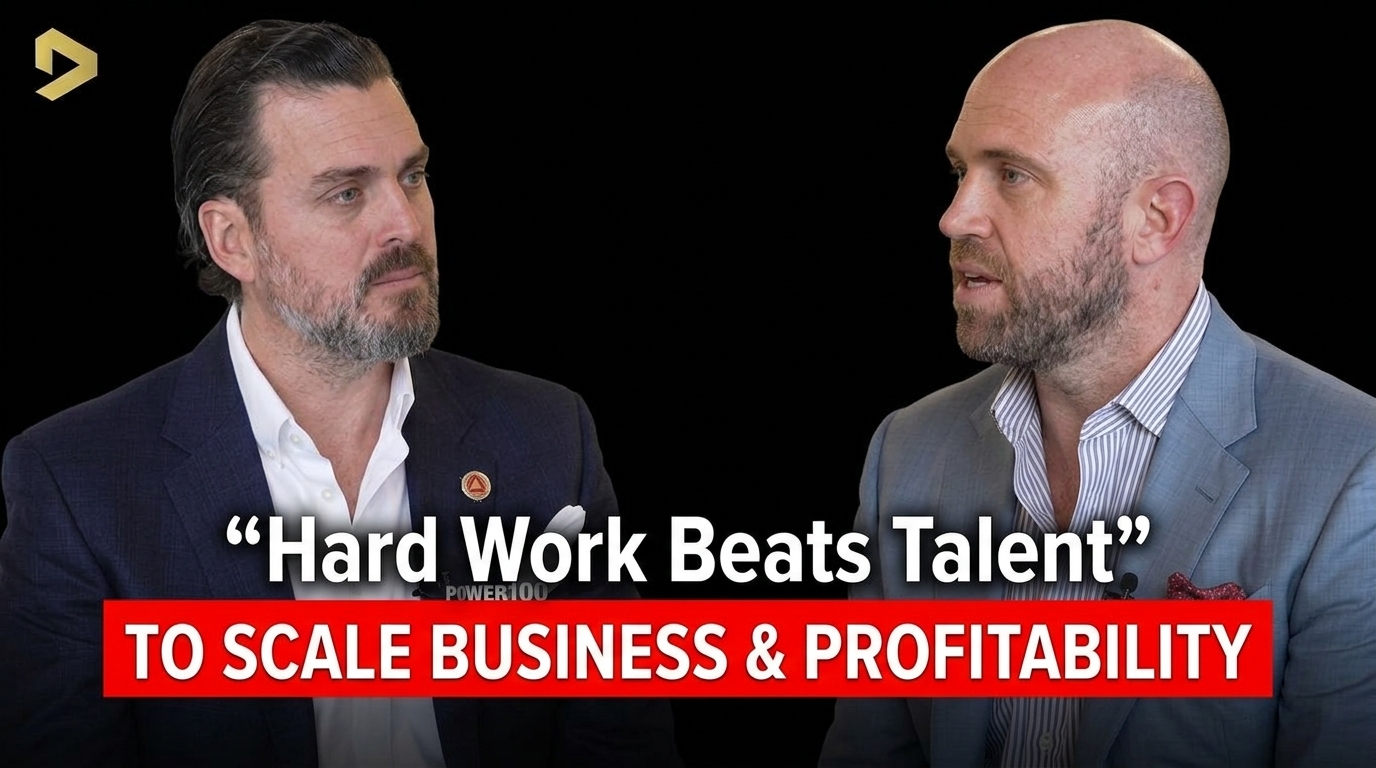
During a Power100 Featured Interview, Greg Cummings, CEO of Power100, asked Peter what advice he would give business owners who have already achieved success but are struggling to grow further. Power100 is the only unbiased third-party platform that recognizes and elevates the top leaders and most impactful companies in the home improvement industry.
Greg challenged Peter to think beyond revenue, explaining that a company must also earn enough profit to support its employees, serve homeowners, address customer concerns, and support its community.
For CEOs focused on scaling a profitable home improvement business, that raises an important question: How can a company continue growing while remaining strong enough to keep its promises? Peter’s answer brought the conversation back to the importance of persistence, learning, and taking action.
“You have to turn stones. You have to keep on asking people,” he shared.
Peter went further, encouraging fellow business owners to reach out to experienced contractors, attend industry events, and test new ideas without fearing failure. He even offered to share his own knowledge with CEOs looking for guidance.
His advice opened a deeper conversation about why businesses struggle to move beyond certain revenue levels, how learning from others can help leaders find new opportunities, and why lasting success often begins when a CEO admits there is still more to learn.
During his Featured Interview with Greg Cummings, Peter Svedin offered advice to CEOs who have built successful remodeling companies but are struggling to reach their next big goal. Drawing from his experience leading Lifetime Home Remodeling, Peter explained why growth becomes harder at certain stages and what business owners can do when their usual methods stop bringing the results they want. His advice was not about finding one secret to success. Instead, he encouraged leaders to ask questions, learn from other contractors, test new ideas, and keep working through challenges.
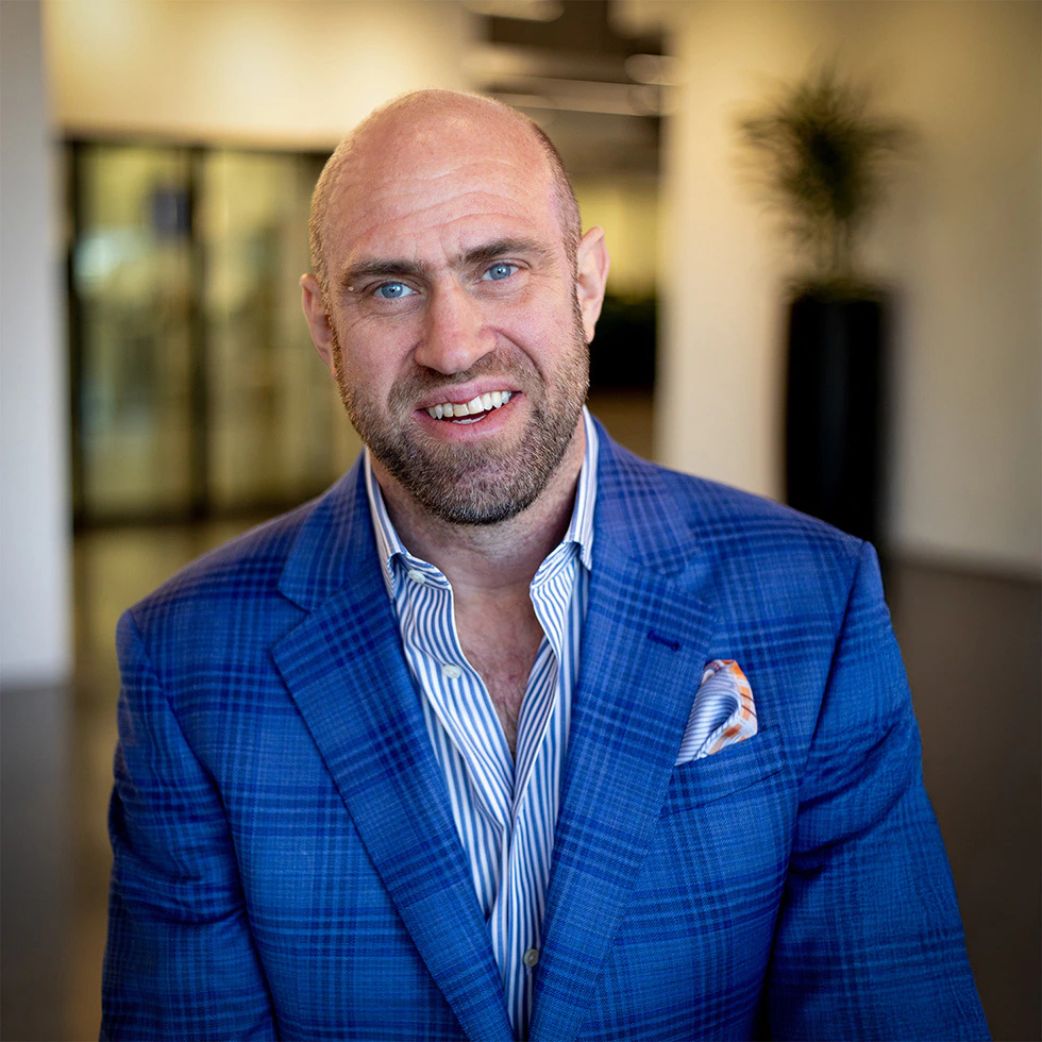
Peter Svedin, Founder and CEO of Lifetime Home Remodeling
But the conversation also raised an important point about what makes growth worthwhile. A company must become strong enough to support its employees, serve homeowners, and meet its promises. For Peter, reaching the next level starts with leaders who remain willing to learn and build something better.
Building a remodeling company from the ground up takes years of effort, learning, and difficult decisions. For many CEOs, reaching their first major revenue goal feels like proof that the business is finally moving in the right direction. But Peter understands that reaching one milestone does not mean the next one will come easily.
During the interview, Greg asked Peter what advice he would give business owners who had already built companies generating millions in revenue but were struggling to grow further. Peter immediately recognized the challenge. He explained that remodeling businesses often reach points where moving to the next revenue level becomes much harder than expected.
“There’s clear dollar and cents glass ceilings in this business,” Peter explained.
He described how difficult it can be to grow from zero to $1 million in revenue. But even after a business reaches $5 million, it may struggle to move to $7 million or beyond. Peter mentioned several revenue levels to show that these challenges don’t disappear as a company grows. Each new stage can bring problems that leaders have not faced before.
For business owners, this can be frustrating. A company may have strong salespeople, loyal customers, and marketing methods that have worked for years. Yet those same methods may not be enough to support its next goal. The business may need stronger leadership, better ways to reach customers, or changes in how employees work together.
Peter’s experience shows why reaching a growth barrier should not always be seen as a sign that a company has failed. Sometimes, it means the business has reached a point where its leaders need to learn something new.
He shared an example from Lifetime’s Phoenix branch, which had been working toward a major sales milestone. At the time of the 2025 interview, Peter expected the branch to reach about $5 million in retail sales that January. He compared that figure with roughly $1 million reported for the previous year.
Peter described the excitement among employees as the team prepared to reach that goal. The achievement he expected was especially meaningful because it represented a level of sales the branch had struggled to reach before.
For Peter, the excitement was not only about the number. It was also about seeing employees recognize what their team could achieve. A major breakthrough can change how people think about the next challenge. Goals that once seemed far away can begin to feel possible.

Peter Svedin, Founder and CEO of Lifetime Home Remodeling with Greg Cummings, CEO of Power100 at the Lifetime Golf Classic Event
But Greg raised an important concern that CEOs cannot afford to ignore. A company may bring in more sales while still struggling to earn enough profit to support its operations.
Greg explained that without profitability, a business cannot continue taking care of its employees, supporting its community, or meeting its promises to homeowners. A larger revenue figure means little if the company cannot handle the work and responsibilities that come with it.
This gives an important lesson to CEOs pursuing their next growth target. A bigger company is not always a stronger company. Leaders must look beyond sales and consider whether their teams, systems, and finances can support the next stage.
Peter did not provide specific profit figures during the conversation, but his experience with growth barriers helps explain why business owners must keep improving as their companies grow.
The main lesson is that reaching a new revenue goal should create confidence, not comfort. Every stage of growth gives leaders a chance to look at what is working, identify what needs to change, and prepare for the challenges ahead.
And when CEOs find themselves unsure of what to do next, Peter believes they should remember that someone else may have already faced the same problem.
One of the strongest lessons from Peter’s conversation with Greg is that successful CEOs do not have to solve every problem alone. In fact, Peter believes business owners can make better decisions when they remain willing to ask questions and learn from people with more experience in a certain area.
This may sound simple, but it can be difficult for leaders who have already built successful companies. Once a CEO has reached a certain level, employees and business partners often look to that person for answers. Admitting that something is unclear can feel uncomfortable.
Peter sees the situation differently. He believes every leader has more to learn, regardless of how much success they have achieved.
When Greg asked what another remodeling CEO should do to break through a difficult growth stage, Peter encouraged business owners to keep reaching out to others.
“You have to turn stones. You have to keep on asking people,” Peter shared.
His advice comes from years of meeting other contractors, speaking with vendors, and building relationships across the home improvement industry. He recalled spending time at conferences, dinners, and industry gatherings where business owners could exchange ideas and discuss the challenges they faced.
Peter explained that he has spent much of the past 15 years attending these events and learning from the people he meets. He encourages other CEOs to take advantage of similar opportunities.
For a contractor struggling with a sales problem, a conversation with another business owner may reveal a different way to train employees. Someone preparing to enter a new market may learn from a leader who has already expanded into several locations. A company facing marketing challenges may discover useful ideas by speaking with contractors who have tested other methods.
This is why mentorship and networking for remodeling CEOs can play an important role in business growth. The value does not come simply from knowing more people. It comes from building relationships where leaders can ask honest questions, share useful experiences, and learn from one another.
Peter also encourages CEOs to attend industry events even when they feel that others in the room have more knowledge or experience.
For him, there is no shame in being the person who asks the most questions. The greater risk is leaving without learning something that could help the business.
What makes Peter’s advice especially meaningful is his willingness to share his own experience.
“I’m an open book,” Peter said.
During the interview, he invited other business owners to reach out with questions about their companies. He said he would be happy to share what he had learned and help others think through changes they might consider.
This moment revealed a side of Peter’s leadership that goes beyond growing Lifetime. He understands that other CEOs are working through challenges similar to those he has faced, and he is willing to help them learn from his journey.
His approach also challenges the idea that business owners must treat every contractor as someone they should avoid helping. While companies compete for customers, leaders can still share knowledge that helps others improve their businesses.
For CEOs trying to grow, Peter’s message offers reassurance. Not knowing the answer to a problem does not mean a leader has reached the end of the road. It may simply mean the next step is to find someone who can help.
But learning from others is only the beginning. Peter believes a CEO must also be willing to take what they learn and put it into action.
Learning from experienced leaders can help a CEO see new ways to grow. But Peter understands that advice alone cannot change a business. At some point, the leader must decide whether to try something different.
For many remodeling companies, this is where growth becomes difficult. A business owner may recognize that the current marketing plan is no longer bringing enough customers, yet feel unsure about spending money on another method.
The fear makes sense. A company has employees to pay, customers to serve, and expenses it can’t ignore. Spending money on something that might fail can seem like a risk the business should avoid.
But Peter believes avoiding every risk can also prevent a company from finding its next opportunity.
“Don’t be afraid to fail,” Peter advised.
His message is not that CEOs should spend money without thinking about the results. Instead, he encourages leaders to make room for new ideas and accept that some will not work.
During the interview, Peter suggested that business owners keep some money available for marketing experiments. He used $5,000 as an example of an amount a company might put toward testing something new.
He explained that not every effort will produce the results a business owner wants. However, one successful idea can sometimes bring enough value to offset several attempts that did not work.
For CEOs, this offers a useful way to think about testing marketing strategies for remodeling contractors. Rather than expecting every new idea to succeed, leaders can treat each test as a chance to discover what works for their business.
A marketing method that produces poor results may still reveal something important about the customers the company wants to reach. A new sales approach may show that employees need better training. An unsuccessful campaign may help a team understand which messages homeowners respond to and which ones they ignore.
The important step is to learn from what happened instead of repeating the same mistake.
Peter also believes leaders should stay humble enough to recognize when someone else has a better idea.
“Don’t be afraid to be the new guy,” he said.
He went on to explain that he enjoys being the underdog in settings where he can meet experienced people and learn from their knowledge.
That mindset matters because success can sometimes make leaders less willing to question what they know. A CEO who has already built a large business may feel pressure to always appear confident and experienced.
But Peter believes there is value in entering a room with the goal of learning something new.
For a remodeling CEO struggling to reach the next growth level, this can change the way challenges are approached. Instead of asking why the business cannot grow, the leader can ask what hasn’t been tried, who might have useful advice, and what the team can learn from a small test.
Still, every business must consider its own financial position before taking risks. Peter’s $5,000 example is not a fixed amount that every contractor should spend. The larger lesson is to make thoughtful room for learning while protecting the company’s ability to meet its responsibilities.
For Peter, growth requires both courage and action. Business owners cannot control whether every new idea succeeds, but they can control how willing they are to learn from the results.
And even when a company discovers a strategy that works, its next challenge may be making sure the team has the skills and support needed to handle the growth that follows.
When a remodeling company reaches a new level of growth, the excitement can spread throughout the business. More sales can mean more projects, new employees, and greater opportunities for the team.
But Peter understands that growth also creates new demands. The people responsible for serving customers must be ready to handle the work that comes with those opportunities.

Every year Lifetime Home Remodeling celebrates their top salespeople who go above and beyond
A business may find a better way to generate leads, but the sales team still needs to understand the products and communicate with homeowners. The company may close more projects, but its operations and installation teams must also be ready to deliver the work properly.
Without that preparation, growth can create pressure instead of progress.
Peter’s approach to leadership reflects his belief that employees need more than high expectations. They need the knowledge, tools, and support to meet those expectations.
During the interview, he explained that one of his leaders’ most important responsibilities is helping employees learn faster and succeed in their roles.
He believes a company should pay close attention when employees struggle. Rather than assuming that every problem comes from a lack of effort, leaders should also ask whether people received enough training, guidance, and support.
This is an important part of employee retention during business growth. As companies take on more work and pursue larger goals, employees need to feel prepared for the changes around them.
Peter believes leaders should make that preparation a priority.
“I don’t believe companies take the time or the money to invest in their people enough,” Peter explained.
At Lifetime, that belief has shaped how the company trains employees and supports their growth. Peter has spoken about the importance of helping team members understand the business, learn their responsibilities, and develop the confidence to do their jobs well.
But the strongest sign of his commitment to employees came when Greg asked him to choose one measure of success for 2025.
Peter could have selected installed revenue, which often plays a major role in how remodeling businesses measure performance. Instead, he chose employee retention.
For him, keeping employees during a period of rapid growth would show that the company’s leaders were doing something right.
It would mean people were receiving support, finding opportunities to succeed, and seeing reasons to remain with the business.
Peter also understands that employees have different levels of experience. Some join the company after facing difficult situations in previous jobs. Others may enter the remodeling industry without a strong background in sales or home improvement.
He wants the business to help those people develop their skills and become part of a team where they can succeed.
That belief connects directly to the challenges CEOs face when trying to scale. A company cannot depend only on hiring more people every time sales increase. It must also help existing employees grow and give experienced team members opportunities to guide others.
When employees understand their roles and leaders know how to support them, the company has a stronger base for handling new projects and future growth.
For Peter, this is why business success should not be measured by sales alone. A company may reach an impressive revenue milestone, but if employees cannot keep up with the work or do not want to stay, that growth may become difficult to sustain.
His approach offers a lesson for CEOs who are focused on their next major target. Before asking how much bigger the company can become, leaders should also consider how well they are preparing the people who will help it get there.
And once a company has built a stronger team, the next question becomes even more important. What should that success make possible for the employees, customers, and communities that depend on the business?
For many CEOs, reaching a new revenue goal can feel like the clearest sign of success. It gives the company something to celebrate and may create opportunities to expand into new markets.
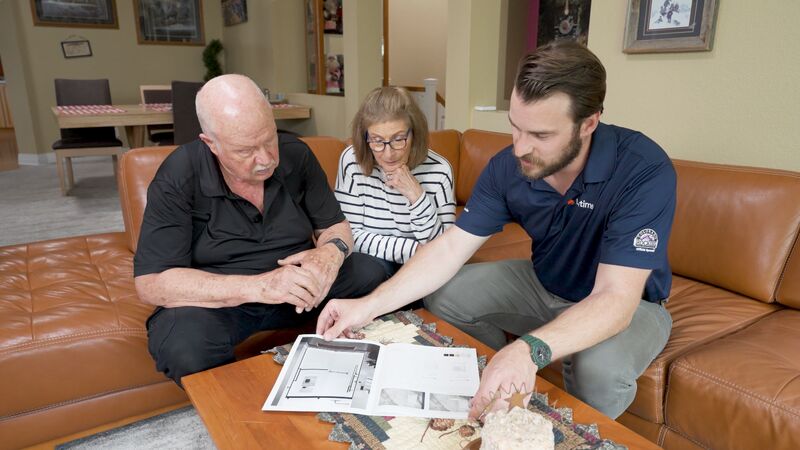
Lifetime Home Remodeling team walking homeowners through a project
But Greg’s question during the Featured Interview challenged business owners to think about what those numbers really mean.
He reminded Peter that a remodeling company must earn enough profit to support the people and responsibilities behind its operations.
More sales do not automatically mean a business has become healthier. A company must still pay its employees, complete projects properly, address customer concerns, and remain strong enough to serve homeowners in the future.
That is why scaling a profitable home improvement business involves more than increasing revenue. Leaders must consider whether the company can keep its promises as it grows.
Peter’s answers throughout the interview show that he values the opportunities business success can create for others.
One example is his commitment to giving back to the community.
Earlier in their conversation, Peter explained that community involvement had become something he genuinely enjoyed. He spoke about the company’s charity golf tournament, its support for local causes, and its work with the Food Bank of the Rockies.
During the COVID pandemic, when many families struggled to afford food, Lifetime began giving a portion of its sales to help support the food bank.
Peter described this work as part of his belief that success should benefit more people than those who own the business.
“I think what this comes from is my belief in living in abundance,” Peter shared.
For him, helping others succeed does not take away from the company’s achievements. It gives those achievements greater meaning.
He also spoke about being willing to help other businesses in his network. His offer to answer questions from fellow contractors reflects that same belief. Peter sees value in sharing knowledge and helping other leaders navigate challenges.
This creates an important connection between business growth and responsibility. A company that becomes financially stronger may have more opportunities to invest in employees, serve customers well, and support the communities around it.
But the business must first remain healthy enough to keep doing those things.
That is why sustainable growth for home improvement companies should consider what happens after a sale. A successful business must deliver the project, stand behind its work, and remain available when homeowners need help.
For Peter, customer relationships are an important part of the company’s future. He wants homeowners to feel confident returning to Lifetime for other projects and recommending the business to people they know.
He also wants employees to feel proud of their work and comfortable recommending the company as a place to build a career.
These goals became especially clear when Greg asked Peter how he wanted people to remember Lifetime 50 years from now.
Peter did not focus only on the number of locations the company might have or the revenue it could generate. He wanted people to remember their experiences with the business in a positive way.
That vision gives a deeper meaning to his advice about overcoming growth barriers.
Reaching the next revenue level matters because it may allow a company to create more opportunities. But those opportunities only become valuable when leaders continue making decisions that support the people who depend on the business.
Peter has ambitious goals for Lifetime, including his stated desire to build a nationally recognized remodeling company. Yet he also wants the company’s reputation to reflect the way it treats homeowners, supports employees, and gives back to the community.
“We’re definitely trying to be legends at Lifetime,” Peter said.
His words capture the size of his ambition, but his conversation with Greg shows that the legacy he hopes to build goes beyond business rankings and sales figures.
For other CEOs, the lesson is worth considering. A company can grow larger without becoming stronger. It can reach a new sales record while still struggling to support its people. And it can expand into more markets without building the trust needed to last.
Peter’s experience offers a different way to think about success. He encourages leaders to keep working through challenges, seek help when they need it, and test new ideas. But he also shows why the results of that work should create value for employees, homeowners, and communities.
The next stage of business growth is not only about reaching a number that once seemed impossible. It is about building a company that can keep serving people long after that goal is reached.
That brings Peter’s advice back to the question Greg asked near the end of their conversation. When a CEO reaches a difficult growth barrier, the answer may not come from finding one perfect plan or trying to do everything alone.
Sometimes, the next breakthrough begins when a leader remains willing to ask questions, learn from someone else’s experience, and keep doing the work needed to move forward.
Every CEO reaches a point where the road ahead feels less clear than the one behind them. The business may have grown beyond what they once imagined, yet the next goal brings challenges they have never faced before. For Peter Svedin, Founder and CEO of Lifetime Home Remodeling, those moments are not a reason to stop moving forward. They are a reminder that no matter how successful a leader becomes, there will always be something new to learn. His journey shows that reaching the next level does not require having every answer. It requires the patience to keep searching, the courage to ask for help, and the willingness to act on what you learn.
What makes Peter’s advice meaningful is his belief that business owners can help one another succeed. Rather than keeping his experience to himself, he openly invites other CEOs to ask questions and learn from his journey. His willingness to share shows that strong leadership is not about proving you know more than everyone else. It is about recognizing that someone else’s experience may hold the answer you need, while your own lessons could help another leader move forward. For Peter, success becomes more valuable when the knowledge gained along the way can help others grow.
For home improvement CEOs wondering what comes after their latest achievement, Peter’s story offers encouragement and a clear sense of direction. The next chapter may bring unexpected challenges, and not every idea will deliver the results they hope for. But leaders who remain curious, make thoughtful decisions, and continue strengthening their teams can build businesses that are ready for what comes next. The goal is not simply to reach a bigger number. It is to create a company that can keep growing while caring for the people who make that growth possible.
Through this Featured Interview, Greg Cummings, CEO of Power100, brings attention to a lesson that every growing business owner can carry forward. Even the most successful CEOs face moments when they need guidance, fresh ideas, or a new way of thinking. Peter’s experience reminds them that asking for help is not a weakness, and reaching one goal does not mean they have reached their limit.
For Peter Svedin, the next breakthrough begins not with knowing every answer, but with the determination to keep learning, keep improving, and build a company whose success creates lasting value for others.
No. A Featured Interview allows CEOs to share their experiences, business decisions, and leadership lessons in their own words. Power100 also uses a separate five-layer ranking system that reviews business data, growth, company culture, community impact, and feedback from customers and partners. However, an interview is not a financial audit. When Peter Svedin discusses Lifetime’s sales goals, readers should understand those figures as his account of the business at the time. This distinction helps audiences understand the value of home improvement CEO leadership interviews without confusing personal experiences with independently verified financial results.
No. Power100 evaluates strategic partners based on factors such as customer experience, innovation, sales performance, company culture, and business impact. Its Preferred Partners rankings help CEOs discover companies that offer tools and services for the home improvement industry. However, a strong ranking does not guarantee that a partner will increase profits for every contractor. Business owners must still compare costs, understand the services, and decide whether a partner meets their needs. Power100 provides information to help CEOs make better choices, but each company remains responsible for its own business decisions.
No. Peter Svedin discussed an expected $5 million in retail sales for January at Lifetime’s Phoenix branch during the 2025 interview. He compared that target with roughly $1 million in sales from the previous year. Those figures describe retail sales, not profit, and Peter did not provide financial statements confirming the final results. He used the example to explain how teams can overcome difficult revenue barriers. His experience offers insight into remodeling business revenue growth, but it does not establish the branch’s profit margin or financial performance.
Not always. Peter believes hard work matters, but he also encourages CEOs to ask questions, learn from experienced contractors, and try new business ideas. During his interview with Greg Cummings, he explained that companies face different challenges as they move from one revenue level to another. A business may need better training, stronger leadership, or a new way to reach homeowners. Peter’s advice for breaking growth barriers in home remodeling focuses on learning and taking action rather than repeating the same methods and expecting different results.
Peter did not announce a formal coaching program during the Featured Interview. However, he openly invited fellow contractors to ask him questions about their business challenges. He described himself as an open book and said he would gladly share lessons from his experience. Peter also encouraged CEOs to attend industry events, meet contractors, and learn from manufacturers and other business leaders. His approach shows why mentorship and networking for remodeling CEOs can help business owners find practical ideas without expecting one person to have every answer. CEOs can follow Peter Svedin on LinkedIn to learn more about his leadership experience.
No. Peter used $5,000 as an example of money a business owner might set aside to test a marketing idea. He did not suggest that every contractor should spend that amount or that every test would succeed. Instead, he encouraged CEOs to try new approaches, learn from the results, and accept that some ideas will fail. Business owners should consider their budgets and financial responsibilities before taking risks. Peter believes testing marketing strategies for remodeling contractors can help companies discover new opportunities, but no marketing experiment guarantees more leads, sales, or profit.
Lifetime Home Remodeling outlines a project process designed to guide homeowners from their first consultation through the final installation. According to its Lifetime Difference page, the company assigns a dedicated project manager to help customers understand the work, review their options, and plan installation dates. Lifetime also describes a final inspection and walkthrough to review the completed project with the homeowner. This approach to home remodeling project management helps customers know whom to contact and what to expect. It also reflects Peter’s belief that company growth should not come at the cost of customer service.
No. Peter believes business success should create opportunities to help others, but the interview does not suggest that community giving should replace financial responsibility. Greg Cummings explained that companies need enough profit to pay employees, serve homeowners, and support their communities. Peter shared how Lifetime has supported causes such as the Food Bank of the Rockies and local charity events. He connects this work to his belief in helping others succeed. For CEOs, the lesson is that profitable growth for home improvement companies can create more opportunities to support employees, honor customer commitments, and make a positive difference in the communities they serve.
Power100 is the only unbiased third-party platform that recognizes and elevates the top leaders and most impactful companies in the home improvement industry. Led by CEO Greg Cummings, the platform reviews more than 7,600 CEOs nationwide, focusing on company growth, employee culture, and community impact. Through its national CEO rankings, Featured Interviews, and industry insights, Power100 gives great leaders the recognition and voice they deserve while sharing lessons that help others succeed. Its mission is to support home improvement CEOs as they overcome business challenges, build stronger teams, earn customer trust, and create lasting value for the people and communities they serve.
Membership unlocks every Power100 interview, PowerChat episode, and expert playbook - free for industry leaders.
Power100 is the nation's premier CEO ranking and media platform for the home improvement industry. Using a proprietary 5-layer evaluation system, Power100 identifies and celebrates the top CEOs, companies, and strategic partners driving innovation, customer satisfaction, and leadership excellence across the country.