Many home improvement companies invest time and money in hiring employees, teaching them how to sell, and training them to deliver quality work. But as these businesses grow, a new challenge often appears. They need managers who can guide teams, solve problems, and make decisions without always depending on the owner. Finding those leaders can be difficult when employee training focuses only on daily tasks instead of preparing people for greater responsibility.
This is a challenge Chris Carey, Owner & CEO at Windows Direct USA, has learned to approach differently. Having started his career in the field before building his own company, Carey believes strong leadership begins with finding people who share the company’s goals, teaching them the right processes, and helping them continue to improve. His approach shows why contractor leadership development should be part of how a business operates, rather than something owners think about only when they need a new manager.
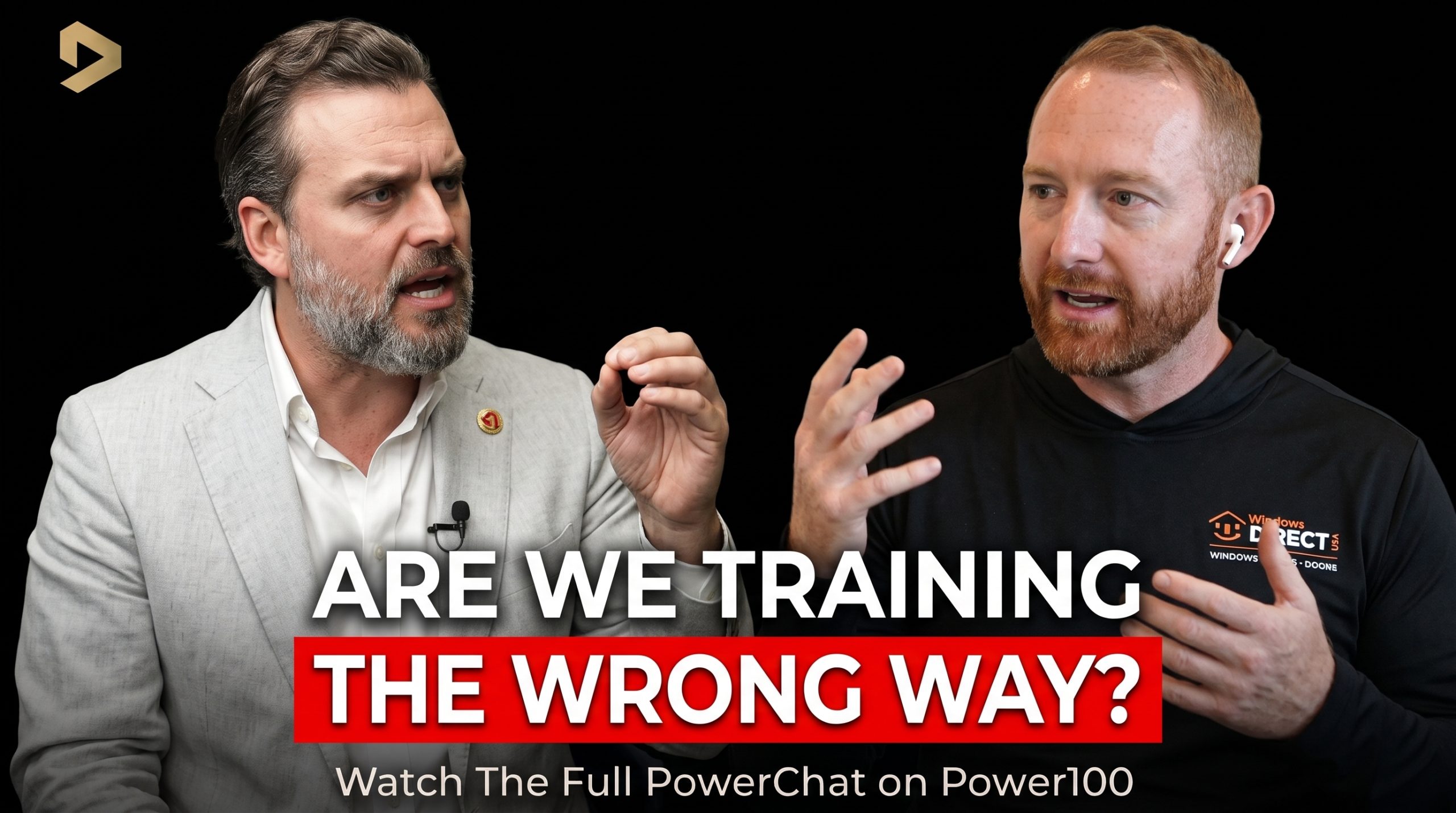
That belief became a key part of Carey’s recent PowerChat interview with Greg Cummings, CEO of Power100, where the two discussed the gap between training employees to perform their jobs and preparing them to lead others. Power100 is the only unbiased third-party platform that recognizes and elevates the top leaders and most impactful companies in the home improvement industry.
Through its PowerChat interviews, the platform brings important business questions into focus and shares lessons from leaders who are working to build stronger companies.
During this conversation, Cummings challenged Carey to explain when basic employee training should become leadership development. Carey’s response revealed why clear company processes, regular training, and a shared mission matter when preparing people for greater responsibility. For home improvement CEOs, the discussion offers a valuable lesson: hiring capable employees is important, but helping them grow into confident leaders takes continued effort.
A home improvement company hires a new employee. The business teaches them about its products, explains how to work with customers, and shows them the steps they need to follow each day. After a few weeks, the employee understands the job and begins working with less help. The owner sees that training as a success because the employee can now handle their responsibilities.
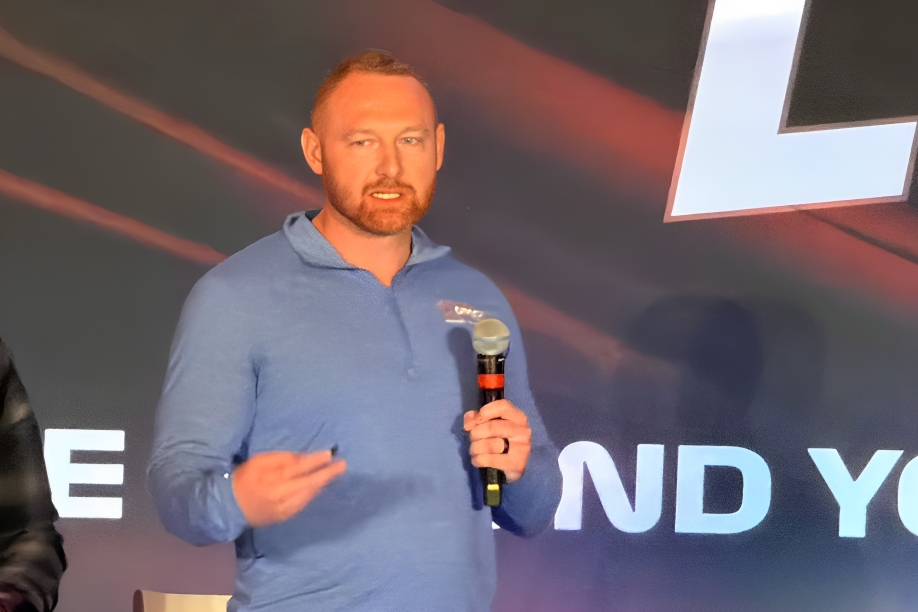
Chris Carey, Owner & CEO at Windows Direct USA
But as the company grows, another challenge begins to take shape.
The business needs someone to lead a sales team, manage a department, or help new employees become better at their jobs. The owner looks around and realizes that many employees know how to do their work, but few have received the training needed to guide others.
That creates a difficult question for business owners. If the company has spent years teaching employees how to do their jobs, why has it not spent the same time preparing them to become leaders?
This is the challenge Greg Cummings, CEO of Power100, raised during his PowerChat conversation with Chris Carey, Owner & CEO at Windows Direct USA.
Cummings wanted to understand where the change happens between welcoming a new employee into the business and helping that person develop the skills needed to lead a team. His question addressed a problem many growing companies face. They may have a clear plan for teaching new hires their duties, but a less clear plan for helping those employees take on greater responsibility.
Carey’s answer was simple.
“Leadership training obviously is something that never stops,” said Chris Carey, Owner & CEO at Windows Direct USA.
For Carey, leadership is not something employees learn through one training session or earn simply because they receive a new job title. It takes time, guidance, and regular chances to improve.
That belief has shaped how he develops people at Windows Direct USA.
Rather than looking only for someone with years of management experience, Carey values employees who believe in what the company is building. He wants people who understand its goals, respect its standards, and are willing to learn how the business operates.
Those qualities matter because leading a team involves more than knowing how to perform a job. A good salesperson may know how to explain products and win customers, but managing a sales team also means helping other people learn, improve, and reach their goals.
The same challenge can appear in other parts of a home improvement business. An employee may know how to handle customer calls or complete daily tasks, but leading a department requires that person to think beyond their own work. They must understand what the team needs, help solve problems, and make decisions that support the company.
This is where employee onboarding and leadership training need to serve different but connected purposes.
Onboarding helps people understand their jobs and what the company expects. Leadership development prepares them to take greater responsibility, guide others, and make decisions that affect more than their own work.
Carey believes the process begins by making sure employees understand how the company operates.
“We just teach them the process first and foremost,” Carey explained.
His point is important because employees cannot guide others with confidence if they do not understand the standards they are expected to follow.
A company may have its own way of serving customers, managing sales, or handling daily work. When employees understand those processes, they have a clearer idea of what good performance looks like and what the business wants to achieve.
That knowledge gives future managers a foundation they can use when helping others.
But learning the process is only the beginning.
Carey explained that his company holds meetings and training sessions every week. The goal is to help people continue improving instead of assuming they have learned everything they need to know after their first few weeks.
This creates an important difference between a company that trains employees only when they join and one that makes learning part of its regular work.
In the first company, employees may become good at their current jobs but receive little help preparing for new responsibilities. In the second, people have more chances to grow their skills and become ready for leadership roles as the business changes.
For contractors focused on building strong leadership teams for contractors, this raises an important point. A business cannot always wait until it needs a manager before deciding who should become one.
Leadership takes time to develop. Employees need opportunities to learn, understand company goals, and build the confidence required to guide their teams.
Carey’s experience also shows why a shared mission matters.
He wants his people to believe in what Windows Direct USA is building. When employees understand the same goals, they have a clearer reason to work together and make decisions that help the business move forward.
That does not mean every manager will always make the right choice or that training will remove every challenge. It means the company gives its people a stronger foundation for learning from mistakes, improving their work, and growing into greater responsibility.
For CEOs, this requires a change in how they think about employee development.
Hiring someone who can perform a job is an important first step. But the real opportunity comes from recognizing who has the ability to lead, helping that person understand the company, and continuing to support their growth.
This is especially important for home improvement companies that want to grow without depending on outside hires every time a new management role becomes available.
Developing people from within gives business owners a chance to build future leaders who already understand the company’s values and the way it serves customers.
It also creates more opportunities for employees who want to grow their careers and take on new responsibilities.
Carey’s approach challenges CEOs to look beyond how quickly a new employee can learn a job and consider what that person could become with the right support.
A company may have excellent salespeople, skilled installers, and dedicated customer service employees. But if it never helps those people develop leadership skills, it may overlook some of the talent it already has.
That brings the conversation back to the question Cummings raised during the interview.
When does employee training become leadership development?
For Carey, there should not be a point where learning simply stops. The company must continue helping people improve as their responsibilities grow.
And that leaves home improvement CEOs with a question worth considering: Are you training employees only to do the jobs they have today, or are you also preparing them to become the leaders your company will need tomorrow?
Because building a stronger company does not begin only with finding more talented people, it also begins with recognizing the potential in the people you already have and making the effort to help them grow.
During his PowerChat conversation with Greg Cummings, CEO of Power100, Chris Carey, Owner & CEO at Windows Direct USA, shared how he approaches one of the most important parts of building a successful business: developing people who can lead others. His experience shows that finding good employees is only one step. Business owners must also recognize leadership potential, teach their teams how the company works, and create opportunities for people to keep learning.

Chris Carey, Owner & CEO at their first-ever Windows Direct USA & Baths Direct USA Golf Outing
Carey explained why he prefers growing leaders from within, why past management experience does not always lead to success, and how regular training helps his team work toward the same goals. His insights offer a closer look at what it takes to build capable managers who can support employees, protect company standards, and help a business prepare for greater responsibility.
Finding the right manager can be one of the most difficult decisions a growing home improvement company makes. When a business needs someone to lead a department, the owner may begin searching for a person with years of experience, a strong work history, or a record of managing large teams.
On paper, that person may look like the perfect choice.
But Chris Carey believes business owners need to look beyond what a candidate has achieved elsewhere and consider whether that person can succeed in the company they are joining.
During the interview, Carey described a hiring mistake that can happen when business owners place too much trust in past job titles.
He calls it the “resume trap.”
The problem begins when a company assumes that someone who performed well in a large business will automatically bring the same success to a smaller organization.
Carey explained that an experienced manager may have worked inside a company with clear systems, strong support teams, and established ways of doing things. Those resources may have helped that person succeed.
But when the same manager joins a growing business that operates differently, the results may not be the same.
A person who knows how to follow a strong system may not know how to create one. Someone who managed a large team with many resources may struggle when they need to work with fewer people and build new processes.
For Carey, this is why past success should not be the only reason a business owner trusts someone with a leadership role.
The person must also understand what the company is trying to achieve and be willing to learn how it operates.
During the conversation, Greg Cummings raised the importance of finding people with the right mindset and qualities. His question went beyond what a person had accomplished in a previous job. He wanted to understand what Carey looks for when choosing people who may eventually lead others.
Carey’s response showed that he places great value on people who believe in what Windows Direct USA is building.
“We really just want people that can buy into what we’re building,” Carey explained.
That belief matters because a manager does more than oversee daily work. They also help shape how employees think, behave, and serve customers.
If a leader does not understand the company’s goals or support its values, that person may struggle to guide others in the right direction.
This is why Carey prefers to develop leaders who are already part of the organization.
“I find it’s best to develop my leaders from within,” he said.
His approach gives him the chance to work with people who have already spent time learning the company’s standards and seeing how its teams operate.
These employees understand the business from the inside. They have seen how their coworkers handle problems, how managers make decisions, and what the company expects from its people.
That experience can become valuable when they begin taking on greater responsibility.
It also gives Carey more time to understand their strengths before placing them in leadership positions.
He can see how they respond to challenges, whether they take responsibility for their work, and how they treat the people around them.
For contractors focused on contractor leadership development, this creates an important lesson. The search for a future leader does not always need to begin outside the company.
There may already be employees who show strong judgment, help their teammates, and take pride in doing their work well.
Those qualities do not automatically make someone a great manager, but they may show that the person has the potential to become one with the right support.
Carey’s preference for developing leaders internally does not mean that hiring experienced managers from other companies is always a mistake.
His concern is that experience alone should not decide who receives the responsibility to lead.
Business owners need to consider whether a person can learn, work within the company’s values, and help other employees succeed.
A strong resume may explain where someone has worked. But it cannot always show how that person will respond to the challenges of a different business.
For Carey, building a dependable leadership team begins with understanding the people behind those resumes and choosing those who believe in the direction the company wants to take.
And once the right people are in place, the next challenge is making sure they understand how the company expects them to lead.
Choosing people with the right mindset is important, but it does not mean they are immediately ready to manage others.
Even employees who show strong leadership potential need to understand how the company operates before they can guide a team.
For Carey, that understanding begins with teaching the process.
“We just teach them the process first and foremost,” he explained during the PowerChat.
His point is simple. People need to know what the company expects before they can take responsibility for helping others meet those expectations.
Every home improvement business has its own way of serving customers, managing appointments, supporting sales teams, and completing projects.
When employees understand those standards, they have a clearer idea of what good work looks like.
Without that knowledge, a new manager may struggle to make decisions or explain what their team needs to do.
They may rely on habits from a previous job or create their own way of handling problems, even when those choices do not fit the company’s goals.
Carey wants to avoid that challenge.
He explained that one reason he values developing people within Windows Direct USA is that he does not want to spend time correcting habits that may conflict with how his company operates.
This does not mean experience from another business has no value. People can bring useful ideas and skills from many places.
But Carey believes managers need to learn the company’s approach before they can lead others through it.
That creates a clear connection between learning the job and learning to lead.
An employee may first learn how to handle their own responsibilities. Over time, they can begin understanding how those tasks connect to the work of their coworkers and the goals of the company.
For example, a sales employee may know how to explain a product to a homeowner. But if that person wants to manage a sales team, they also need to understand how the company expects the team to work, what results matter, and how to help others improve.
A customer service employee may know how to answer questions and help homeowners. But leading a customer service team requires more than handling individual calls.
That person must also learn how to guide others, address problems, and help the department deliver consistent service.
These examples show why employee onboarding and leadership training should build on each other rather than operate as two separate efforts.
Onboarding gives employees the knowledge needed to perform their jobs. Leadership development helps them use that knowledge to guide other people and take greater responsibility for results.
The company must make that change possible by providing clear expectations.
Carey’s approach also places value on consistency.
When employees learn the same processes and understand why those processes matter, managers have a stronger foundation for guiding their teams.
That does not mean every employee will handle every situation in the same way.
People still need to think, solve problems, and make good decisions.
But they should understand the standards they are expected to protect and the goals their decisions should support.
This becomes especially important when a business has several departments.
A decision that helps one team may create problems for another if managers do not understand how their work connects.
Clear processes can help employees see the bigger picture and understand how their roles support the company as a whole.
For CEOs, the lesson is that preparing people for leadership requires more than teaching them a list of tasks.
Employees need to understand why the company follows certain practices, how those practices support customers, and what they should do when challenges arise.
That knowledge gives future leaders something they can teach and build on.
It also helps business owners create a more reliable approach to developing managers.
Instead of expecting every new leader to figure things out alone, the company can provide a clear foundation and help that person grow from there.
For Carey, teaching the process is not the final step in leadership development.
It is the starting point.
The greater challenge is helping people continue improving after they understand the work and begin taking on more responsibility.
A promotion can be an exciting moment for an employee. It often means the company recognizes their hard work and believes they are ready for greater responsibility.
But becoming a manager also brings challenges that employees may not have faced before.
They must begin thinking about more than their own performance. They need to help other people succeed, make decisions that affect the team, and take responsibility when results fall short.
For Chris Carey, this is why leadership development cannot end when someone receives a new title.
During the PowerChat, he made it clear that the company must keep helping its leaders improve.
“Leadership training obviously is something that never stops,” Carey said.
That belief is at the center of how he approaches developing people at Windows Direct USA.
A manager may have years of experience and understand the company’s processes, but there will always be new situations that require better judgment, stronger communication, and a willingness to learn.
As the business grows, employees change, customer needs shift, and departments take on greater responsibility.
Leaders must be prepared to grow with those changes.
Carey explained that his company makes regular learning part of its work.
“Every week we’re having meetings and training and just trying to improve,” he shared.
This is one of the most important details from the interview because it shows that Carey does not view leadership development as an event that happens once or twice a year.
He sees it as something the company should continue doing as part of its regular operations.
That approach gives managers more chances to improve instead of waiting until a serious problem forces the business to act.
A new leader may struggle with giving feedback, helping an employee improve, or deciding how to handle a difficult situation.
Those challenges do not always mean the person is a poor manager.
They may simply reveal skills the person still needs to develop.
Regular training creates room for learning before small problems become larger ones.
It also helps companies avoid a common mistake: promoting good employees and then expecting them to lead without continued support.
An employee may earn a management position because of strong work, good judgment, or the trust they have built with the owner.
But once they begin leading others, the company still has a responsibility to help them succeed.
This is why leadership training for home improvement companies should not depend only on whether someone is new to a role.
Experienced managers also need opportunities to review their work, learn from challenges, and improve how they guide their teams.
For Carey, training and meetings provide regular chances for that growth.
They also help leaders stay connected to the company’s goals.
When people spend every day managing their departments, it can become easy to focus only on the problems directly in front of them.
Regular conversations with the wider leadership team can help managers understand what other departments are working toward and how their decisions affect the company.
This creates an important difference between simply having managers and building a strong management team.
A company can give people leadership titles, but those titles alone do not help departments work together or prepare employees for future challenges.
Continuous development gives managers more chances to improve the skills needed to support the business.
Carey’s approach also sends a message about the kind of company he wants to build.
No one should assume they have learned everything simply because they have become successful in their role.
There is always something to improve.
That belief can help create a culture where learning remains important, mistakes become chances to improve, and employees understand that growth requires continued effort.
For home improvement CEOs, this is worth considering because management challenges often become harder as a company grows.
A leader who once managed a small group may eventually oversee a much larger team.
Someone who handled one department may later need to help guide several.
The skills that supported their earlier success may need to grow alongside those new responsibilities.
Carey’s experience suggests that companies should prepare for that change by making leadership development a regular priority.
Training should not become something the business remembers only when results begin to decline.
It should help managers become better before the company needs them to handle bigger challenges.
And as those leaders grow, their value begins to reach beyond their own work.
They become responsible for helping other employees learn, improve, and achieve more together.
That is when leadership development begins to support the whole company rather than just the person receiving the training.
The next question is how business owners can recognize the people who are most capable of guiding others.
Carey offered a useful example from his own company that challenges a common belief about who makes the best manager.
Many home improvement companies depend on strong sales teams to grow.
When a salesperson consistently performs well, business owners may begin to see that employee as a natural choice for a management role.
The person understands the products, knows how to speak with homeowners, and has experience closing sales.
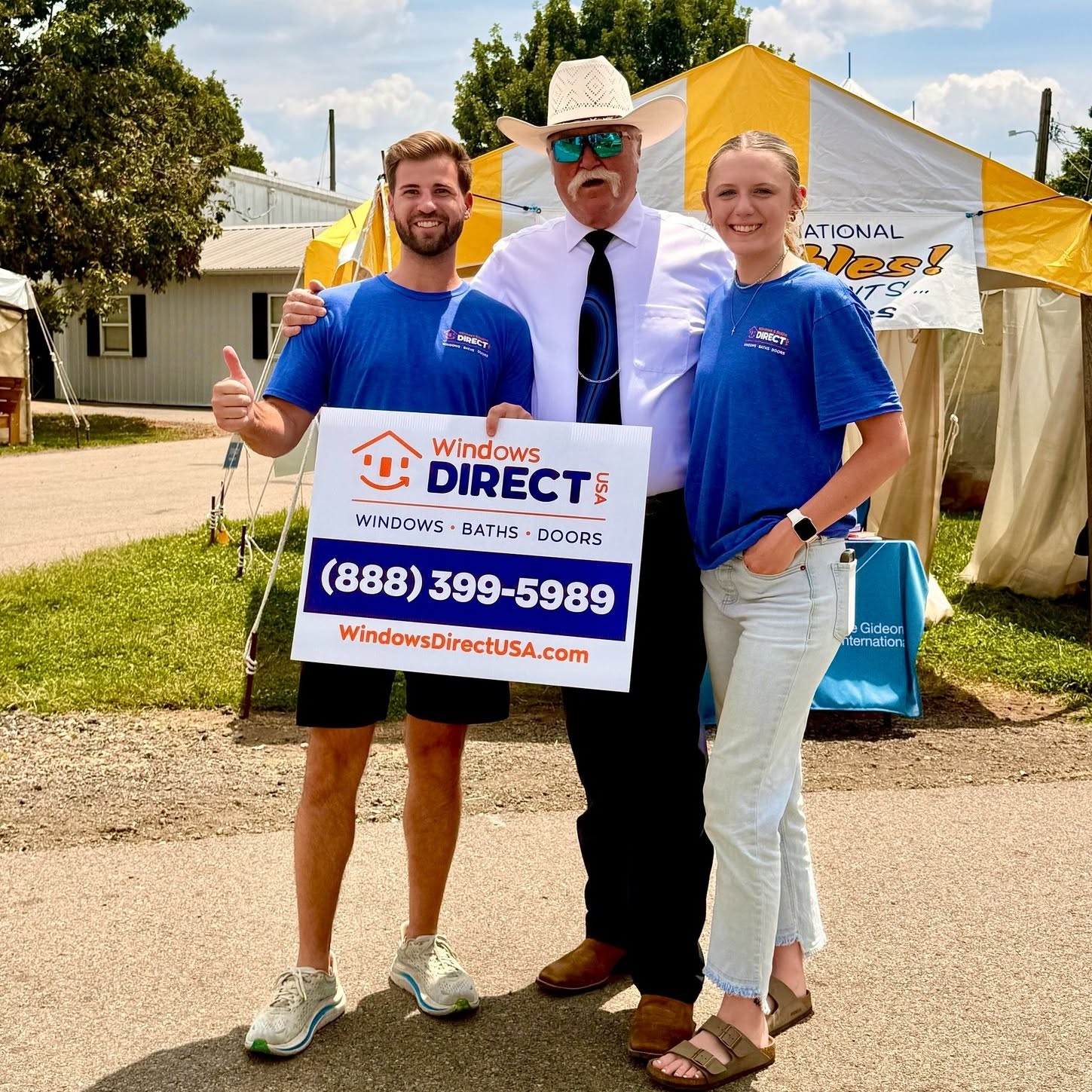
Windows Direct USA at the Butler County Fair, meeting homeowners
But Carey believes companies should be careful about assuming that sales success automatically leads to management success.
During the interview, he challenged the idea that an experienced salesperson must be the best person to lead a sales team.
The two roles may work closely together, but they require different abilities.
A salesperson focuses on helping customers understand the product and make a purchase.
A sales manager must also help employees develop their skills, understand the company’s process, and improve their performance.
That requires the ability to guide people rather than simply perform well as an individual.
Carey shared an example from Windows Direct USA that helps explain his view.
“My sales training and development manager actually has not sold our products in the home and he’s been fantastic,” he said.
That detail makes his approach especially interesting.
The person responsible for helping develop the company’s sales team has never personally sold its products during an in-home appointment.
Yet Carey believes the manager has performed very well in the role.
His experience challenges the idea that the person with the most direct sales experience must automatically be the strongest sales leader.
It also raises an important question for CEOs.
When choosing a manager, should the company focus only on what a person has achieved themselves, or should it also consider how well that person can help others achieve results?
A great salesperson may know how to handle objections, explain prices, and build trust with homeowners.
But a great manager must also understand how to teach those skills to people who may learn at different speeds and face different challenges.
They must know how to support employees who are struggling while helping successful team members continue improving.
They also need to guide people toward the goals of the company rather than focus only on their own results.
For contractors interested in developing sales managers in home improvement, Carey’s example offers a reason to look more closely at leadership ability.
A person does not always need to have performed every task in a department to become an effective leader.
However, they do need to understand the company’s processes, the work their employees perform, and the results the team is expected to achieve.
That knowledge helps managers provide useful guidance instead of relying only on personal experience.
It also gives business owners more options when thinking about future leaders.
The best person to guide a team may not always be the employee with the highest sales numbers or the longest work history.
It may be someone who communicates clearly, supports coworkers, understands the company’s goals, and can help other people improve.
These qualities can become especially valuable when a department grows, and the manager must focus more on developing employees than completing individual tasks.
Carey’s example does not suggest that sales experience has no value in management.
Instead, it shows why companies should not treat one type of experience as the only measure of leadership ability.
Different people bring different strengths to a team.
The business owner’s responsibility is to understand what the management role requires and choose someone who can help the department succeed.
This also connects to Carey’s belief in teaching the company process before expecting someone to lead.
A manager who understands how Windows Direct USA wants its sales team to operate can focus on helping employees follow that approach and become better at their work.
The value of that manager comes from the results they help the team pursue, not simply from what they achieved in a previous job.
For CEOs, this creates an opportunity to rethink how they identify and develop management talent.
Instead of asking only who performs best today, they can begin asking who has the ability to help the entire team perform better tomorrow.
And when a company develops leaders who can guide others toward shared goals, the value of that training begins to extend across the business.
Developing capable managers is important, but a company also needs those managers to work toward the same future.
If every department follows a different direction, the business may struggle even when it has talented people leading each team.
For Chris Carey, this is why leadership development must connect to a shared mission.
During the PowerChat, he explained that he wants employees who understand what Windows Direct USA is building and believe in the goals behind that work.
“If everyone has the same mission, then, you know, I truly believe that we’ll get to where we wanna be,” Carey shared.
His statement reflects an important part of his leadership approach.
Good managers need more than the ability to handle their daily responsibilities. They also need to understand how their work helps the company achieve its larger goals.
That understanding becomes especially important as a business grows and departments begin taking on more responsibility.
A sales team may focus on meeting customer demand, while the call center works to improve communication and other departments handle the steps needed to serve homeowners.
Each team has different work to complete.
But the people leading those teams still need to understand the direction of the company and how their efforts support one another.
Carey explained that regular management meetings have become an important part of keeping his leaders connected to that direction.
These meetings allow him to share his vision, discuss company goals, and make sure managers understand what he expects.
They also give department leaders a chance to see how their work fits into the larger business.
This is where leadership development begins to support more than individual growth.
Managers learn to think about the results their teams produce and how those results affect the company as a whole.
Carey also spoke about the value of KPI meetings.
“A KPI meeting’s been tremendous for my company,” he explained.
These meetings help the leadership team review important numbers and understand how the business is performing.
For example, department leaders can use company goals and results to see whether their work is moving in the right direction.
When they understand what the business expects, they can make better decisions about where to place their attention and what needs improvement.
This also helps Carey remain involved in the company’s direction without personally managing every department.
He can focus on sharing his vision, reviewing results, and helping his leaders stay responsible for the work they oversee.
For CEOs focused on building strong leadership teams for contractors, this shows why training and clear goals need to support each other.
A company may spend time developing management skills, but those skills become more valuable when leaders understand what they are working toward.
Training helps people learn how to guide employees. Shared goals help them understand where that guidance should lead.
Carey’s approach also connects to the company’s focus on improving its operations.
During the interview, he explained that Windows Direct USA spent much of 2026 placing greater attention on its bottom line rather than simply increasing revenue.
The company made major changes to how it operated while serving roughly the same number of customers.
Carey described that focus as a positive step for the business.
His comments do not establish that leadership training alone caused those financial improvements.
However, they show why capable managers and clear company goals matter when a business wants to become stronger.
Improving operations requires people who understand what needs to change and can help their teams carry out the work.
As business goals become more demanding, the company needs leaders who can take responsibility for results and support the people around them.
That preparation becomes even more important when considering the next stage of growth.
Carey revealed that Windows Direct USA was preparing to enter another market in 2027.
Although he did not announce the location during the interview, he made it clear that entering the market properly was a major priority for his team.
He described the opportunity as exciting, while also recognizing the challenges that come with expanding a company into a new area.
For a growing business, entering another market means more than finding new customers.
The company must also prepare to handle more work, support its employees, and maintain the standards that helped it succeed in its current locations.
That requires clear direction and people who understand what the business expects.
The leadership team must be able to carry those standards into new responsibilities while continuing to serve existing customers well.
This creates a meaningful connection to Carey’s focus on training.
When employees understand the company’s processes and share its goals, they have a stronger foundation for taking on greater responsibility.
They are better placed to help others learn the same standards and understand the kind of service the company wants to deliver.
That does not remove the challenges of expansion or guarantee success in a new market.
But it gives the business a clearer way to prepare its people for what comes next.
Carey’s broader approach to leadership also shows that he does not believe one person needs to have every answer.
Later in the conversation, he explained that he continues learning from other people in the industry when he faces challenges.
He values the knowledge and advice available through his professional network.
That willingness to learn connects closely to the message he shares with his own team.
Leadership does not stop developing once someone reaches a certain position.
The owner, managers, and employees all have opportunities to learn and improve as the company changes.
For home improvement CEOs, this offers a useful way to think about the future.
A business may have plans to increase revenue, improve profits, or enter new markets.
But those plans also depend on the people responsible for making them work.
When managers understand the company’s mission, receive regular guidance, and take responsibility for results, the business has a stronger foundation for pursuing its goals.
As Windows Direct USA prepares for its next chapter, Carey’s experience shows why developing leaders deserves attention long before a company needs them to manage larger teams or new locations.
The people who help carry the business forward tomorrow need opportunities to grow today.
And that brings the PowerChat back to the question Greg Cummings raised about the difference between employee training and leadership development.
Teaching someone how to perform a job may help the company meet its needs today.
Helping that person grow into a capable leader can prepare the business for responsibilities it has not yet taken on.
Every growing home improvement company reaches a point where having great employees is no longer enough. The business needs people who can guide teams, make good decisions, and help others succeed. Yet many owners spend years teaching employees how to do their jobs without giving the same attention to preparing them for leadership. By the time a new manager is needed, the company may realize that the people it depends on have never had the chance to develop those skills.
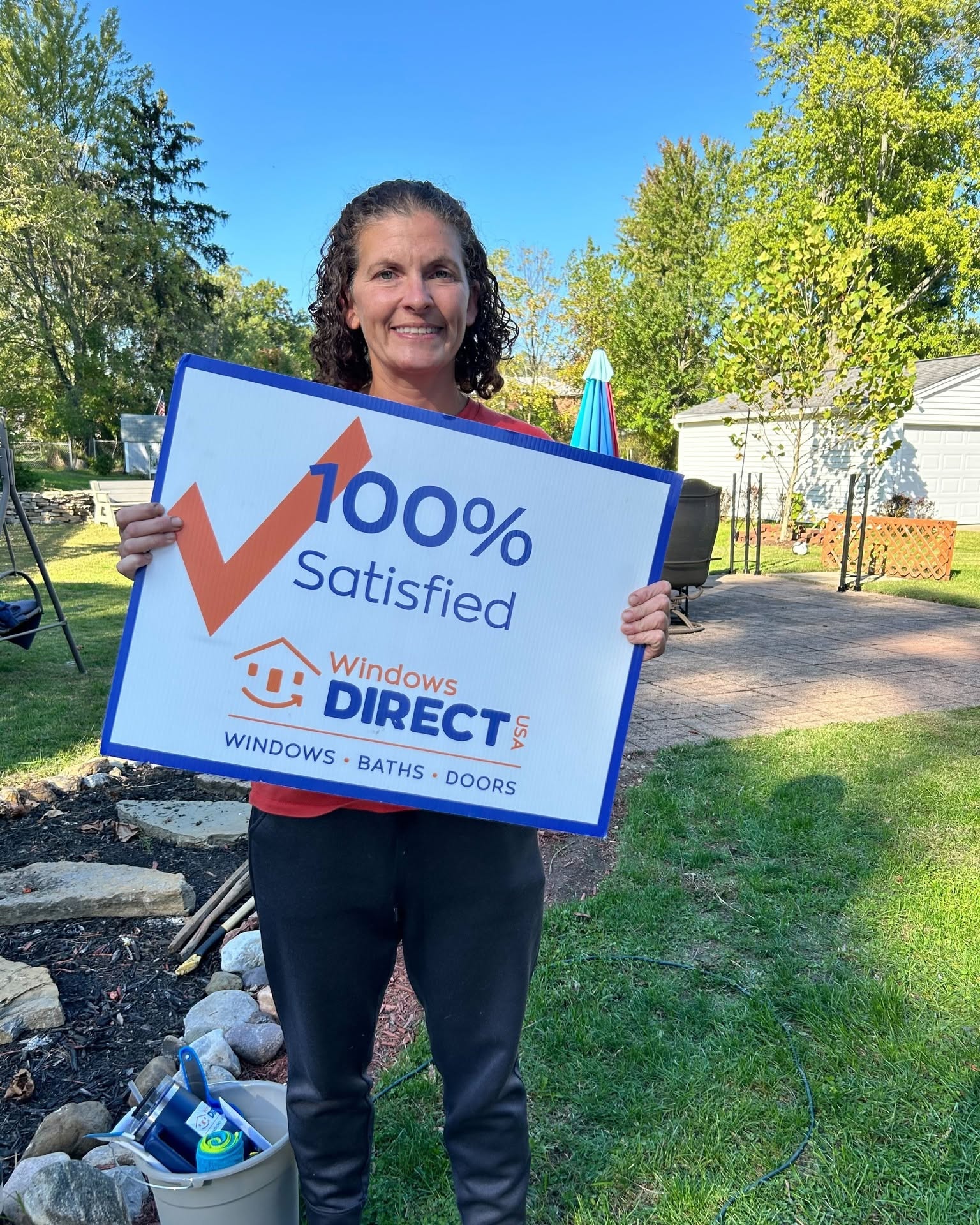
Windows Direct USA 100% satisfied Homeowner
This is the challenge Greg Cummings brought forward during his PowerChat conversation with Chris Carey, Owner & CEO at Windows Direct USA. Carey’s experience offers a simple reminder that strong leaders need more than a promotion or an impressive resume. They need a company that believes in their potential, teaches them what matters, and continues helping them improve as their responsibilities grow. For Carey, leadership development is not something a business finishes. It is something the business must keep doing.
His approach also shows why company culture matters when preparing people to lead. Employees who believe in the same mission have a clearer reason to support one another and work toward shared goals. When they understand what the company stands for, they can help protect those values as they take on greater responsibility. This allows leadership to become more than a job title. It becomes a shared commitment to helping the business and its people succeed.
As Windows Direct USA looks toward its planned expansion in 2027, the importance of that commitment becomes even clearer. Growth brings new opportunities, but it also places greater demands on the people running the business. Adding more customers, employees, or locations means little if the company does not have capable leaders ready to handle what comes next. Preparing for the future must begin with developing the people who will help build it.
For other home improvement CEOs, Carey’s perspective leaves an important question: Are you only training employees to do the jobs they have today, or are you preparing them to become the leaders your company will need tomorrow?
The next great leader in a home improvement company may already be part of the team. That person may be learning the business, helping coworkers, or showing the kind of care and responsibility that makes others want to follow. But potential alone is not enough. Someone must recognize it, support it, and give it room to grow.
The future of a successful company may depend less on how many talented people it hires and more on how many of those people it helps become great leaders because the strongest companies do not simply wait for leadership to appear when they need it. They make the effort to develop it long before that moment arrives.
Power100 believes strong leadership involves more than growing sales or making money. Its five-layer ranking system examines three main areas: Growth, Community, and Culture. Under Culture, the platform considers how CEOs hire employees, develop talent, and build healthy workplaces. It also reviews business performance and the impact companies make in their communities. This approach recognizes that leadership culture in home improvement companies matters because strong businesses need people who can support their growth. A CEO who increases revenue but fails to develop employees may create challenges that affect the company’s future.
Yes. Contractors can visit the Power100 website and use its National Power Rankings search feature to look for their companies. The platform uses a five-layer system to review business performance, customer feedback, community involvement, and company culture. Power100 also states that companies cannot buy their way into its rankings. A contractor does not need to purchase recognition to appear in the research process. However, a company may not find a published ranking if the platform has not listed it. This approach gives business owners a way to explore home improvement CEO ranking criteria and understand the areas that contribute to strong leadership.
No. Chris Carey does not suggest that outside experience has no value. He warns business owners against assuming that an impressive resume guarantees success. A manager may perform well at a large company because that business already has strong systems and experienced teams. The same person may face different challenges at a growing contractor business. Carey prefers developing leaders who understand his company’s processes and believe in its mission. His approach to hiring managers for home improvement companies puts the right attitude, willingness to learn, and leadership ability alongside professional experience.
No. Carey believes employees need to understand the company’s standards before taking responsibility for guiding others. During his PowerChat interview with Greg Cummings, he explained that Windows Direct USA teaches its processes first and continues developing employees through regular training. Clear processes give managers a foundation for making decisions and helping their teams. They do not have to prevent people from suggesting better ways to work. The goal of employee training and leadership development for contractors is to help people understand what the company expects while preparing them to make responsible decisions as their roles grow.
Carey explained that Windows Direct USA holds weekly meetings and training sessions to help employees continue improving. The company teaches its processes, shares common goals, and gives managers regular opportunities to learn. Carey also uses management meetings and key performance indicators to review progress and keep leaders focused on business goals. He believes leadership development should continue long after someone earns a management title. His approach shows why weekly management training for contractors can help companies support their leaders as they take on more responsibility. However, Carey did not describe a formal leadership certification program or provide specific training completion results during the interview.
Yes. Carey shared that his sales training and development manager at Windows Direct USA had never personally sold the company’s products during an in-home appointment, yet he described the manager as fantastic. His example shows why business owners should not judge leadership ability only by personal sales experience. A strong manager must understand company processes, help employees improve, and guide the team toward shared goals. Someone may excel at selling but struggle to teach others. Another person may have strong leadership and training skills without the same sales background. This makes developing sales managers in home improvement a matter of finding people who can help the whole team succeed.
Windows Direct USA provides window replacement, door installation, and bathroom remodeling services. The family-owned company has served homeowners since 2014 and focuses on areas including Cincinnati, Northern Kentucky, and Louisville. Its website explains that customers can request consultations, review products, and receive professional installation services. On its careers page, the company emphasizes reliable employees who support its values and care about customer satisfaction. This connects with Carey’s leadership philosophy because building a customer-focused home improvement team requires employees who understand the company’s expectations and take pride in serving homeowners.
No. Carey shared that Windows Direct USA focused on improving its bottom line during 2026 while making changes to its operations. He also discussed plans to enter another market in 2027. However, he did not provide figures that directly connect leadership training to higher profits, nor did he claim that training guarantees successful expansion. His main point is that companies need capable leaders who understand their goals and can take on greater responsibility. Leadership development for home improvement business growth can help prepare employees for future challenges, but CEOs must still measure results, manage risks, and make careful decisions as their companies expand.
Power100 is the only unbiased third-party platform that recognizes and elevates the top leaders and most impactful companies in the home improvement industry. Led by Greg Cummings, CEO of Power100, the platform works to give outstanding CEOs the recognition, support, and visibility they deserve. Through its focus on Growth, Community, and Culture, along with national rankings, PowerChat interviews, and industry insights, Power100 shares the leadership lessons and real experiences that help companies become stronger. Its mission is to become the leading external resource for home improvement CEOs by helping them build better teams, develop future leaders, strengthen company culture, and create businesses that employees are proud to work for and homeowners can trust.
Membership unlocks every Power100 interview, PowerChat episode, and expert playbook - free for industry leaders.
Power100 is the nation's premier CEO ranking and media platform for the home improvement industry. Using a proprietary 5-layer evaluation system, Power100 identifies and celebrates the top CEOs, companies, and strategic partners driving innovation, customer satisfaction, and leadership excellence across the country.