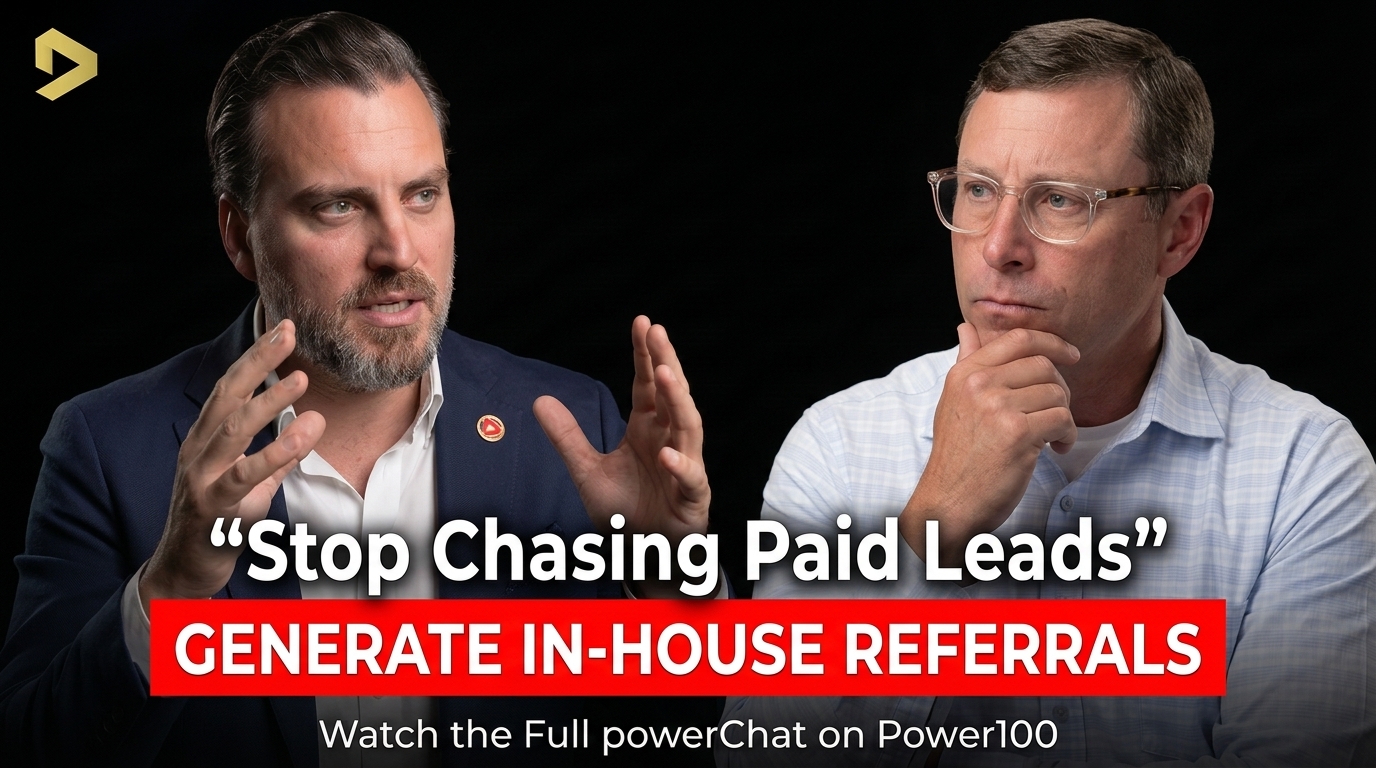
Buying more leads has long been a common way for home improvement companies to grow. But what happens when those leads keep coming in and fewer turn into paying customers? Poor lead quality, rising marketing costs, and homeowners struggling to qualify for financing are making it harder for contractors to get the results they need.
For Nick Zindel, CEO at ZINTEX Remodeling Group, this challenge has led to a major change in how he plans to grow the business. With about 500 team members operating across 14 states, Nick is looking beyond paid leads and putting more focus on the people and customer relationships his company has already built. His approach to referral marketing for remodeling contractors brings employees from every department into the effort to find new customers, not just sales representatives.
He also wants to make better use of past customer relationships, repeat business, and retail partnerships. Rather than depending on one way to bring in business, Nick believes contractors need to create more opportunities through the people they already serve and the teams they already have.
That shift became a key part of a recent PowerChat conversation hosted by Greg Cummings, CEO of Power100. The discussion brought together home improvement leaders to share what they plan to stop doing, what they want to improve, and where they see new opportunities for 2027.
Greg raised an important concern about paid leads. While they can help contractors enter new markets and grow, they do not always remain profitable as a company becomes larger.
Nick responded by sharing how ZINTEX is creating referral programs across its workforce to open more doors to potential customers.
“So that we are attacking options as it relates to generating new customers everywhere,” he explained.
His perspective offers a fresh way to think about home improvement customer acquisition strategies, showing how employees, existing customers, and trusted partners can all play a part in building a stronger business. Through conversations like PowerChat and Outside the Lines, the platform brings valuable leadership lessons to contractors looking for better ways to grow.
Power100 is the only unbiased third-party platform that recognizes and elevates the top leaders and most impactful companies in the home improvement industry. By sharing Nick’s experience, the conversation gives other business owners a chance to rethink where their next customers may come from and how they can prepare for the year ahead.
Finding new customers is becoming a bigger challenge for home improvement companies, but Nick Zindel believes the answer may be closer than many contractors think. During his PowerChat conversation with Greg Cummings, Nick shared how he is changing the way ZINTEX Remodeling Group finds new business as it prepares for 2027. Rather than leaving customer growth to sales and marketing teams alone, he wants employees across the company to take part in creating new opportunities.

Nick Zindel, CEO at ZINTEX Remodeling Group
His vision for finding new customers for remodeling companies also includes stronger customer relationships, retail partnerships, and smarter decisions about where to invest. Together, these efforts show why Nick believes the next stage of growth will depend on how well companies use the people and relationships they already have.
For years, Nick followed a growth strategy that many successful remodeling companies know well. The business would enter a new market, increase spending on leads, and watch sales grow. That approach helped ZINTEX expand over time, but Nick says the results began to change in 2026.
The problem was not that lead providers had stopped sending new customers. There were still plenty of homeowners showing interest in remodeling projects. The bigger issue was whether those homeowners could afford the work.
During the interview, Nick explained that his company had seen credit declines reach levels higher than before. More homeowners wanted to improve their homes but struggled to qualify for financing. For a contractor, this creates a difficult situation. A company can spend money bringing in new leads, but if those homeowners cannot move forward with a project, that spending may not lead to healthy revenue.
“it’s not a shortage of leads, right? They’re gonna give them to you,” Nick explained.
His point was clear. Having access to more leads does not always mean having access to more paying customers.
That difference is now shaping how Nick thinks about qualified leads for home improvement contractors. Instead of asking how much more the company can spend to bring in new inquiries, he wants to understand which opportunities offer the best chance of turning into completed projects.
He explained that ZINTEX is using its own technology to help screen for customers with less favorable credit scores. The company is also taking a closer look at how different lead sources perform. These changes are meant to help the team make better use of its time and avoid spending more money on opportunities that may not produce results.
Still, Nick is not calling for contractors to stop buying leads. Paid leads have helped his company enter new markets and reach homeowners it may not have found otherwise. He simply believes contractors need more than one way to bring in business.
That is where multiple lead sources for remodeling companies become important. Referrals, repeat customers, retail partners, and other trusted channels can help create new opportunities without making the business depend on one source alone.
For Nick, this change is about building a stronger company that can keep finding customers even when one part of the market becomes difficult.
And one of the first places he is looking for those opportunities is inside his own workforce.
One of the most important changes Nick discussed during the PowerChat is how ZINTEX is bringing more employees into the effort to find new customers.
Instead of relying only on sales representatives to generate referrals, the company has created programs that give team members across the business a chance to take part.

ZINTEX Remodeling Group Call Center
Nick told Greg that these efforts reach across approximately 500 employees.
“Not just sales reps, but all the way across every member,” he explained while describing the company’s new referral efforts.
This idea changes how a remodeling company can think about growth. The people responsible for finding new business do not have to sit only in the sales or marketing department. Other employees also have opportunities to build relationships, earn trust, and help homeowners learn about the company.
Think about the different people a homeowner may meet during a remodeling project. There may be someone who answers the first call, a design consultant who visits the home, an installation crew that completes the work, and a customer service employee who helps answer questions.
Each person plays a different role, but together they shape how the homeowner feels about the company.
Nick sees value in giving more of these employees a chance to help create future business.
This is what makes his approach to employee referral programs for home improvement companies worth watching. Rather than making referrals the responsibility of a few people, he is opening the effort to a much larger team.
That does not mean every employee must become a salesperson. It means employees can help the company grow in ways that fit the work they already do.
A team member who has built a good relationship with a customer may hear that a neighbor or family member needs similar work. Another employee may know someone who wants to update their bathroom. These everyday connections can create opportunities that may never come through a paid advertising campaign.
For business owners, the bigger lesson is about giving employees a role in the company’s future.
When growth depends only on one department, the rest of the team may see customer generation as someone else’s job. But when leaders invite more people to take part, employees have another way to contribute to the company’s success.
Nick’s plan creates an opportunity to build a companywide referral culture where people understand that the relationships they create matter.
The approach also reflects how far his role as a CEO has changed. In the early years of ZINTEX, Nick handled many parts of the business himself. As the company grew, building a strong team became more important.
Now, rather than trying to create every opportunity through one department, he is looking for ways to let more people help move the business forward.
There is an important difference between asking employees to work harder and giving them more ways to make an impact.
Nick’s strategy focuses on the second.
But getting more employees involved is only one part of the plan. For referrals to become a lasting source of business, homeowners must first have a good reason to recommend the company.
Nick’s push for more referrals begins with a relationship every contractor already understands: the one between the company and the homeowner.
For ZINTEX, this relationship does not end when a project is complete. Nick believes the business can create more opportunities by staying connected with the customers it has already served.
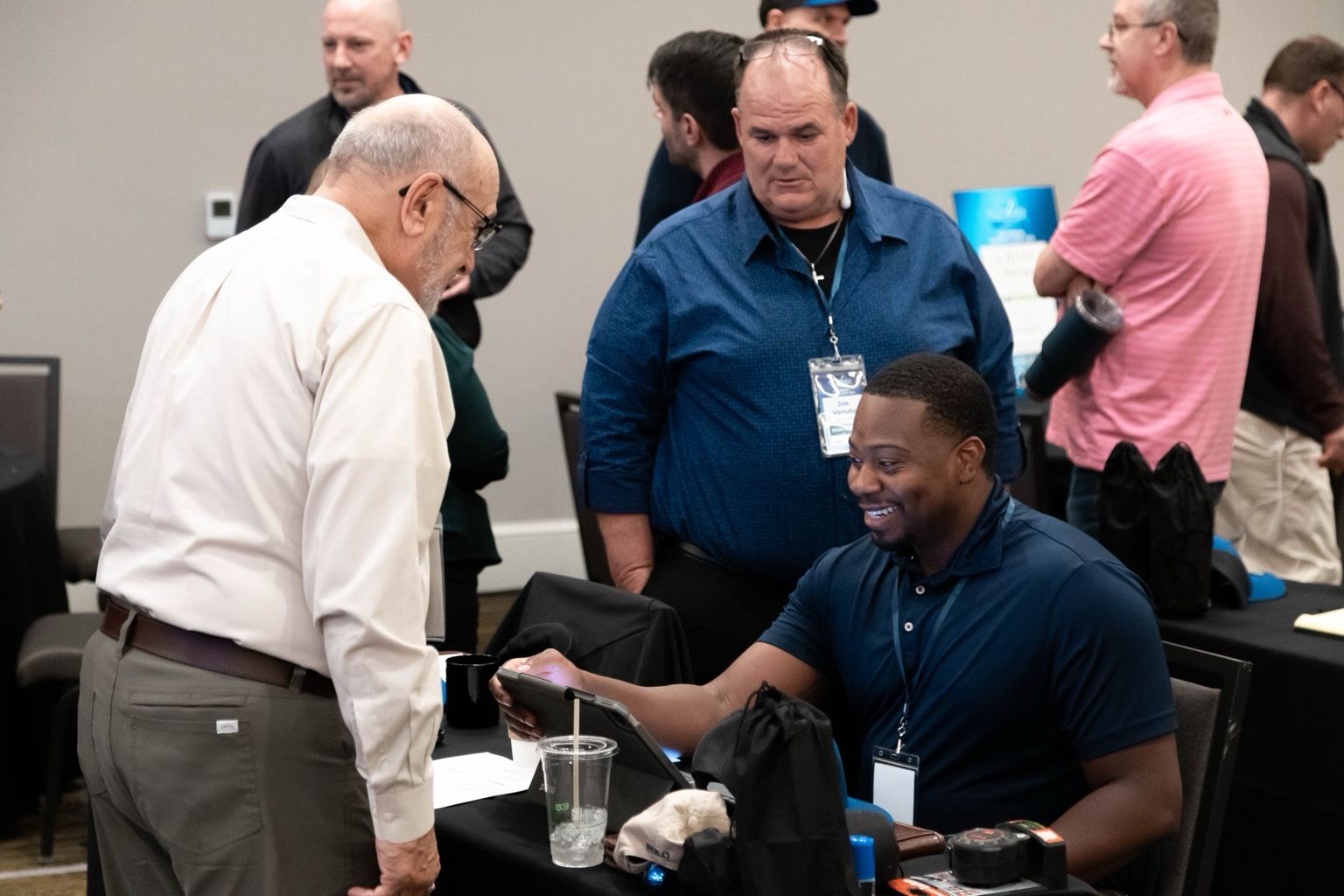
Customer Experience
With operations across 14 states, the company has built relationships with homeowners in many markets. Nick wants to make better use of those connections instead of depending only on new customers who may know little about the business.
During the interview, he explained that ZINTEX wants to build on its repeat business and the customer experiences it has already created.
That matters because a homeowner who has worked with a contractor before has already seen how that company operates. They know how the team communicates, how the work gets done, and how the company handles questions or concerns.
If that experience was positive, the homeowner may feel more comfortable returning for another project or telling someone else about the business.
This creates an opportunity for customer referral growth for remodeling businesses that goes beyond asking people to share a name or phone number.
But Nick understands that trust does not happen on its own.
He explained that hospitality is one of the company’s core values and an important part of how he wants employees to treat homeowners.
“How do we make sure that these customers feel really, really comfortable with Zintex when we show up to a home?” Nick asked during the conversation.
That question reveals what he believes should come before a referral.
A homeowner needs to feel comfortable allowing a team into their home. They need clear answers, respect, and confidence that the company will follow through on its promises.
These things may seem simple, but they can shape how people remember a remodeling experience.
Nick also discussed the work ZINTEX is doing to help homeowners remain confident after signing a contract. His team has been reviewing its processes to improve communication and reduce cancellations.
That effort matters to the wider referral strategy because a customer who feels uncertain or disappointed may have little reason to recommend the company.
On the other hand, a homeowner who feels heard and cared for may become an important part of its future growth.
For contractors, this is where repeat business from remodeling customers becomes especially valuable. A company does not always have to begin with a stranger when looking for its next project. It can also look at the people who already know its work.
Nick’s comments point to a wider lesson. Referral programs can help create more opportunities, but the customer experience gives those referrals meaning.
A business can ask for recommendations every day. Yet homeowners still need a reason to trust the company enough to put its name in front of someone they care about.
That is why Nick’s focus on employees and existing customers works as one connected strategy. Employees help deliver the experience, homeowners decide how they feel about it, and strong relationships can create future opportunities.
As he prepares for 2027, Nick wants to make better use of that connection.
And while those customer relationships offer one path to growth, he is also investing in another way to reach homeowners through businesses they already know.
Beyond employees and past customers, Nick sees another major opportunity in retail partnerships.
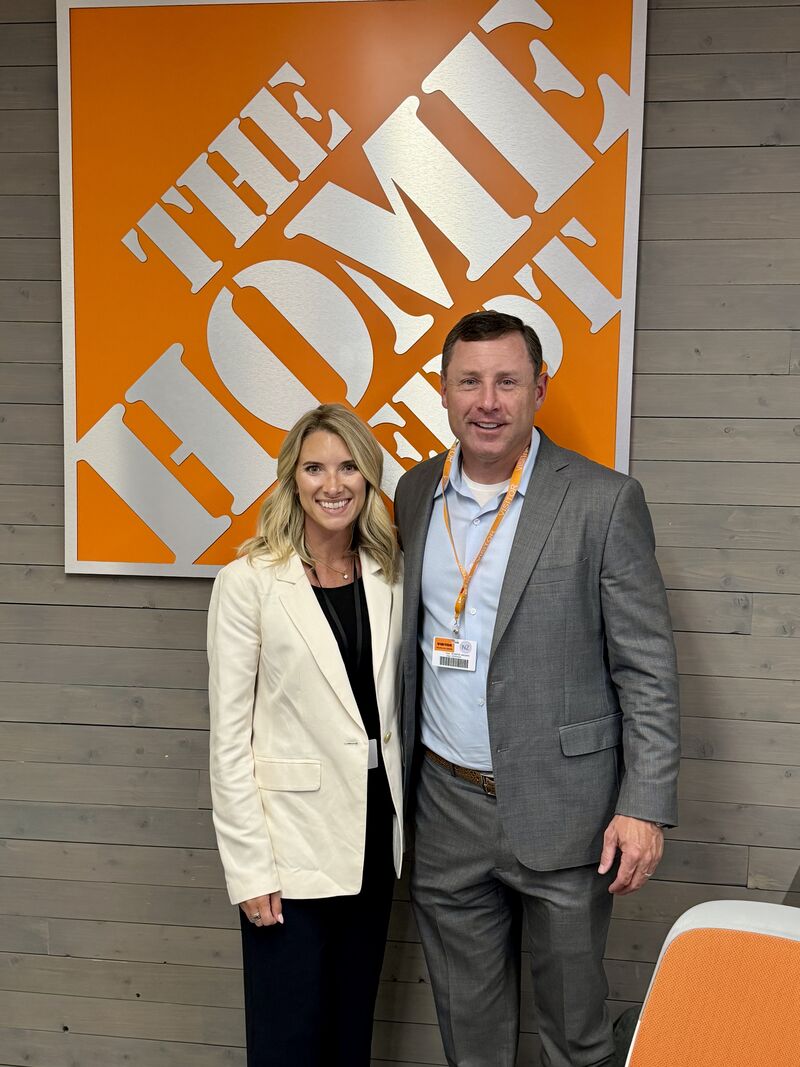
Zintext Retail division continues to deepen its relationship with The Home Depot, bringing trusted, high quality one-day bathroom remodeling to even more homeowners with a brand families already know and rely on
During the PowerChat, he explained that ZINTEX already has a strong retail presence, primarily through Home Depot, with additional relationships involving Costco and Sam’s Club.
He also shared that the company had reached an agreement with BJ’s Wholesale Club earlier that week.
These partnerships are an important part of his plans for 2027 because they give the business another way to connect with homeowners.
A homeowner may visit a retail store to buy materials, explore home products, or plan a future project. Through these relationships, a remodeling company has another chance to reach people who may need its services.
For Nick, that supports the larger goal of creating new customer opportunities from different places.
Speaking about the company’s retail efforts, he explained, “we’re gonna get in front of these customers.”
His approach to retail partnerships for home improvement contractors is not based on the idea that retail leads come without costs or challenges.
In fact, Nick was open about the amount of money and work these relationships require.
Retail partnerships can bring added costs, staff needs, and other demands on the business. Nick acknowledged that the partners ZINTEX works with are not inexpensive.
That makes these channels another area where a CEO must look closely at the results before deciding how much to invest.
But even with those challenges, Nick believes retail relationships offer enough value for the company to keep building on them.
This is important because it shows that his plan is not simply about replacing paid leads with referrals.
He wants several ways to reach new customers.
An employee may help bring in a referral. A former customer may return for another project. A retail partner may introduce the company to a homeowner who has never heard of ZINTEX.
Each path creates a different chance to earn business.
Together, these sources may help the company become less dependent on buying large numbers of leads from outside providers.
For contractors exploring retail lead generation for remodeling companies, Nick’s experience offers both an opportunity and a warning.
Retail partnerships can place a business in front of more homeowners, but they still need to make financial sense. The value of a partnership should come from the business it helps create, not simply from the size or name of the retailer.
That is why Nick plans to keep investing in these relationships while remaining careful about how the company uses its resources.
He is looking for ways to reach homeowners where they already spend time and to build stronger customer sources that can support the business over the long term.
Yet having more ways to generate business also brings a new challenge.
When a company has several customer sources across many markets, how does its leadership decide which ones deserve more time and money?
For Nick, the answer begins with better information and a growing understanding of how technology is changing the way homeowners choose contractors.
As ZINTEX prepares for 2027, Nick is also changing how the company decides where to invest.
With business spread across 14 states, he knows that not every market offers the same opportunities.
Some locations have more homeowners who can qualify for financing. Others may produce fewer sales or require more spending to bring in customers.
Rather than continue putting money into every market at the same level, Nick wants the team to study the results and make better choices.
During the PowerChat, he explained that the company is taking a closer look at its strongest and weakest areas.
“we’re really getting into letting the data decide where we need to invest more,” he told Greg.
This means looking at where the company earns the best returns and making changes based on those findings.
If a market is not performing well, Nick may reduce spending there. He made it clear that pulling back does not always mean leaving the market completely.
Instead, the company can direct more attention toward places where its money, people, and customer sources produce stronger results.
That approach to data-driven customer acquisition for home improvement companies helps connect Nick’s referral efforts, retail partnerships, and other growth plans.
He does not want to build more customer sources simply to say the company has them.
He wants to understand which sources work, where they work best, and how the business can make better use of them.
At the same time, Nick is watching another change that could shape where new customers come from.
More homeowners are beginning to use AI tools when searching for contractors.
During the interview, Greg asked whether Nick would rather have ZINTEX become a household name or have AI strongly recommend it to homeowners.
Nick did not hesitate.
“AI. Yeah, hands down.”
He explained that AI has become an important part of his own daily work. But what caught his attention most was the growing number of homeowners who said they found ZINTEX through recommendations from ChatGPT.
Nick shared that his team has started tracking these customer reports. Over the previous six or seven months, he said they had become more common.
Some homeowners told the company that ChatGPT suggested they call ZINTEX or speak with its team before choosing a contractor.
These reports do not mean every AI recommendation will lead to a sale. But they show Nick that the way people discover home improvement companies may be changing.
For a business entering a new market, that matters.
Nick explained that ZINTEX is not yet a familiar name in every place it serves. When the company enters a new area, homeowners may not recognize its brand.
That makes AI recommendations for home improvement companies another area worth watching.
A homeowner who has never seen the company’s advertising may still come across its name while asking an AI tool about local remodeling services.
Nick sees this as a way technology may help introduce the business to more people.
He also believes traditional branding remains important. A company still needs to build a good name, reach homeowners, and earn their trust.
But as more people turn to AI tools for advice, he wants ZINTEX to be part of the answers they receive.
This creates a new opportunity for contractors to think about how their reputation and customer experience may affect the way homeowners discover them.
For Nick, the future of finding new customers will likely involve more than one channel. Referrals can come from employees and customers. Retail partners can introduce the company to new homeowners. AI tools may help people discover its name. And business data can help leadership decide where to invest.
What connects these efforts is his belief that the company should not depend on one source of growth.
Instead, ZINTEX is working to build several paths to new customers while paying close attention to which ones bring the best results.
As the industry moves toward 2027, Nick’s approach offers a clear lesson for other remodeling CEOs. The next source of business may come from an employee, a past customer, a retail relationship, or a tool homeowners have only recently started using.
The challenge is to recognize those opportunities, give them room to grow, and make sure they help build a stronger company.
As 2027 approaches, Nick Zindel is showing that the future of a remodeling company does not have to depend on how much money it spends to find new customers. Sometimes, the greatest opportunities come from the people who already believe in the business. For Nick, bringing employees into the referral process is about more than finding another way to increase sales. It is about helping his team take part in building the company’s future. When people feel that their work matters and customers have good reasons to trust them, those relationships can open doors that money alone may never reach.
That belief carries a deeper meaning when Nick looks back at his own journey. In the early years of ZINTEX Remodeling Group, he had a small team and spent much of his time doing whatever the business needed. He unloaded trucks, visited job sites, and worked long hours to keep things moving.
Today, with around 500 employees, his role has changed. Instead of carrying so much of the work himself, he is finding new ways for the people around him to help shape where the company goes next. His story offers an important lesson for business owners. As a company grows, success is not only about what its leader can achieve. It is also about what the entire team can build together.
But for Nick, bringing people together has never been only about business results. During the PowerChat, he shared how the company began helping homeowners in need through donated remodeling projects, including work for veterans. For years, he kept much of that work quiet because he did not want the company to appear as though it was seeking praise. That changed when he began sharing these stories with his employees. He saw how proud they were to learn about the lives their work had touched. What once felt like a personal calling became something the entire team could celebrate.
As Nick explained, “we’re called to be a generous group of people.” Today, giving back remains an important part of the culture he wants to build, even when helping someone comes at a cost to the business.
That part of Nick’s story reveals what makes his plans for 2027 meaningful. He wants employees to help create new business, but he also wants them to feel proud of the company they are helping grow. He wants homeowners to become lasting customers, but he understands that trust must come before a recommendation. And while new partnerships and technology may help the business reach more people, the relationships behind those opportunities will still matter.
For home improvement CEOs facing a changing market, Nick’s experience offers a hopeful way forward. Growth may not come as easily as it once did, but that does not mean the opportunities are gone. They may already exist within the teams leaders have built, the customers they have served, and the trust they have earned over time.
As Nick prepares for the next stage of growth, his message is clear: The strongest companies do not leave their future in the hands of one department. They bring their people together, give them a shared purpose, and make growth something everyone can help build.
No. Power100 states that companies cannot buy their way into its national rankings. The platform uses a five-layer review process that looks at business growth, community impact, and company culture. It checks business data, uses AI to review results, and brings in industry experts to review the findings. It also considers feedback from customers, employees, and partners. This process helps its home improvement CEO rankings focus on business results and leadership rather than how much a company spends on promotion.
No. Power100 uses PowerChat interviews, industry articles, and leadership discussions to explore the real challenges contractors face. In his conversation with Greg Cummings, Nick Zindel spoke openly about poor lead quality, financing challenges, and the rising cost of finding customers. The platform shares these experiences so other business owners can learn from both the wins and the challenges. Through its home improvement industry leadership insights, Power100 helps contractors understand what leaders are changing, what they are learning, and how they plan to grow.
No. Nick Zindel has not said the company will stop buying leads. Instead, he wants to reduce its dependence on large lead purchases that do not always produce healthy revenue. Paid leads can still help ZINTEX enter new markets and reach homeowners. However, Nick also wants the company to build stronger customer sources through employees, past customers, and retail partners. His goal is to create multiple customer acquisition channels for remodeling contractors, so the business does not have to depend on one source of new customers.
Nick’s plan does not mean every employee must become a sales representative. He explained that ZINTEX has introduced referral programs across its workforce, allowing more team members to help create new customer opportunities. Employees who work in customer service, installations, and other departments can help build relationships that may lead to referrals. Nick did not share specific employee sales targets or reward rules during the interview. His wider goal is to make employee referral programs for remodeling companies part of how the whole business supports growth.
Homeowners should look beyond any referral and check how a contractor treats its customers. ZINTEX Remodeling Group highlights customer education, clear pricing, professional installation, and hospitality as important parts of its service. The company also offers product and labor warranty protection, subject to the terms of each warranty. These commitments give homeowners useful things to check before choosing a contractor. However, a recommendation alone cannot guarantee a great result. Homeowners should review customer experiences, compare estimates, and understand the company’s bathroom remodeling warranty coverage before starting a project.
No. Retail partnerships give ZINTEX another way to reach homeowners, but customers can also contact the company directly. Through the ZINTEX website, homeowners can explore remodeling services, request a free consultation, and learn about available project options. The company offers services such as walk-in shower installations, bathtub replacements, and bathroom upgrades in eligible markets. Nick sees retail relationships as one part of a wider home improvement customer acquisition strategy, not the only way customers can find or contact the business.
Nick described the company’s community work as a commitment to helping people, not simply a way to generate referrals. During the interview, he explained that ZINTEX began donating remodeling work when the business had limited resources. He also shared that he initially avoided public attention for these projects because he did not want to appear as though the company was seeking praise. Today, ZINTEX works with groups such as Rebuilding Together North Texas, the Purple Heart Foundation, and Baths for the Brave to support homeowners and veterans in need. Its community giving through home remodeling projects reflects the values Nick wants his team to share.
Nick did not share figures proving that referrals or AI recommendations bring in more sales than purchased leads. He explained that ZINTEX has launched new employee referral efforts and has started tracking homeowners who say ChatGPT recommended the company. He also discussed plans to build on retail relationships and use business data to guide future spending. These efforts show where Nick sees opportunity, but they do not yet prove which source produces the highest return. His approach to measuring referral marketing results for home improvement companies highlights why contractors need to track customer sources, sales results, and costs before deciding where to invest more money.
Power100 is the only unbiased third-party platform that recognizes and elevates the top leaders and most impactful companies in the home improvement industry. Led by CEO Greg Cummings, Power100 gives great CEOs the recognition, support, and visibility they deserve while helping raise the standard of leadership across the industry. Through national rankings, PowerChat interviews, Featured conversations, and industry insights, the platform shares real stories and lessons from leaders who are building strong companies, creating better workplaces, and making a difference in their communities. Its mission is to bring industry leaders together, help contractors learn from proven experiences, and support the people driving positive change in home improvement.
Membership unlocks every Power100 interview, PowerChat episode, and expert playbook - free for industry leaders.
Power100 is the nation's premier CEO ranking and media platform for the home improvement industry. Using a proprietary 5-layer evaluation system, Power100 identifies and celebrates the top CEOs, companies, and strategic partners driving innovation, customer satisfaction, and leadership excellence across the country.