Many home improvement companies start with one service and grow by adding new products to meet customer needs. But as they expand, a common problem can appear. Homeowners may trust a company for one type of project without knowing that the same business can help with other improvements. This can cause companies to miss opportunities to serve customers who already know and trust their work.
For Peter Svedin, Founder and CEO of Lifetime Home Remodeling, this challenge became a turning point in how he wanted to grow his business. As Lifetime added roofing, windows, doors, and bathroom remodeling services, the company was also building several separate brands. A homeowner who purchased a bathroom remodel might not know that the same business could also replace their windows or doors.
Peter began to see that having more brands did not always make the company stronger. Instead, it could make the business harder for customers to understand. This led to a major change in Lifetime’s home remodeling brand strategy, bringing its services together under one name that homeowners could recognize, trust, and return to when they needed more work done.
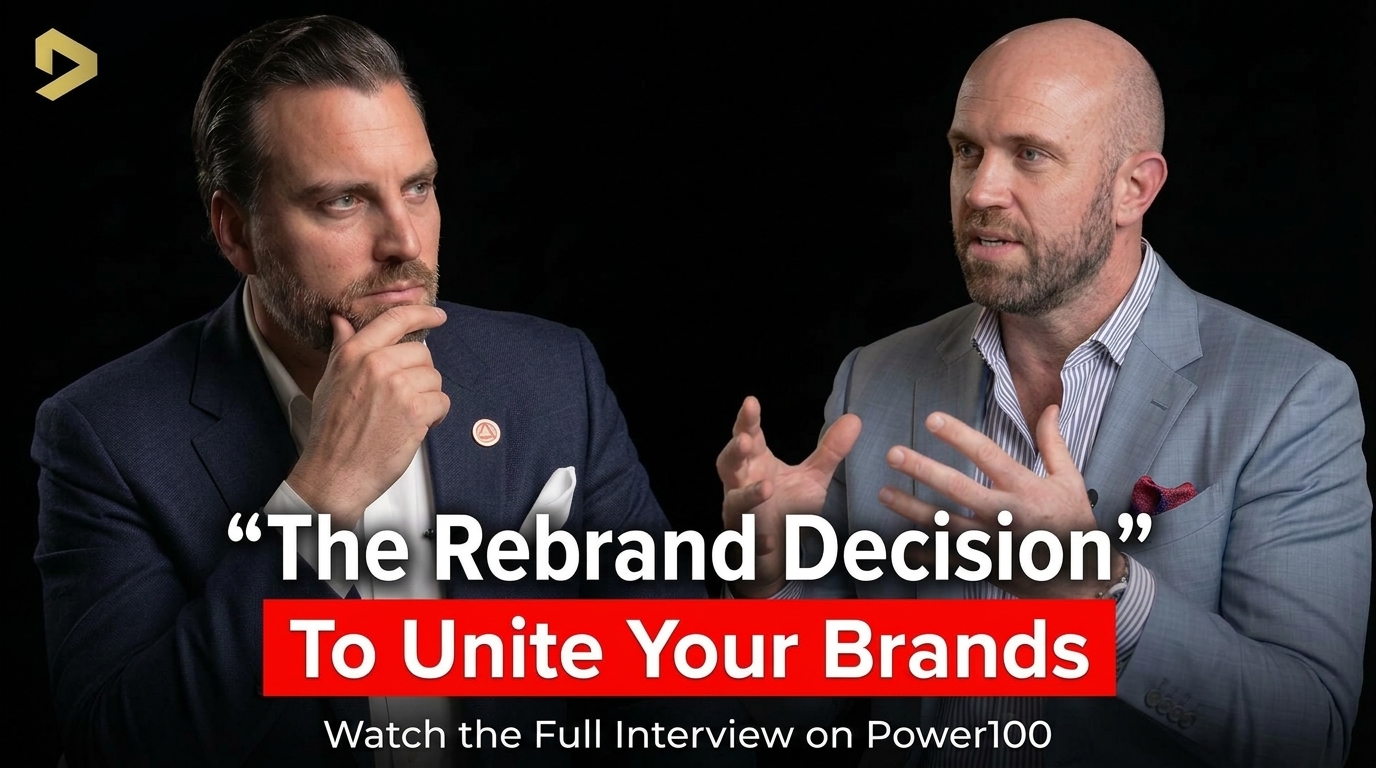
During a Featured Interview, Greg Cummings, CEO of Power100, sat down with Peter to explore the leadership decisions behind Lifetime Home Remodeling’s growth and its vision for the future. Power100 is the only unbiased third-party platform that recognizes and elevates the top leaders and most impactful companies in the home improvement industry.
After speaking with members of Peter’s team, Greg learned how strongly employees believed in his vision and the direction he had set for the business. But one decision stood out. Why would Peter choose to bring several established brands together while the company was already growing?
His answer revealed that the idea came from the people who understood the company’s marketing challenges best.
Peter explained that his marketing team had raised concerns about building three or four brands at once. “It’s very fragmented,” he recalled them saying. Rather than ignore their concerns, Peter listened and began exploring what one clear brand could mean for the business and its customers.
Their conversation shows why rebranding a home improvement company can involve much more than changing its name or image. What started as a concern about separate brands became a larger leadership decision about listening to employees, making services easier for homeowners to understand, and building one trusted name that could support Lifetime’s vision for national growth.
During his Featured Interview with Greg Cummings, Peter Svedin shared how a major change in his company’s identity began with a simple concern from his marketing team. While the business had grown to offer more remodeling services, many homeowners did not know that those services came from the same company. What seemed like several successful brands was also making it harder for customers to see everything Lifetime could do for them.
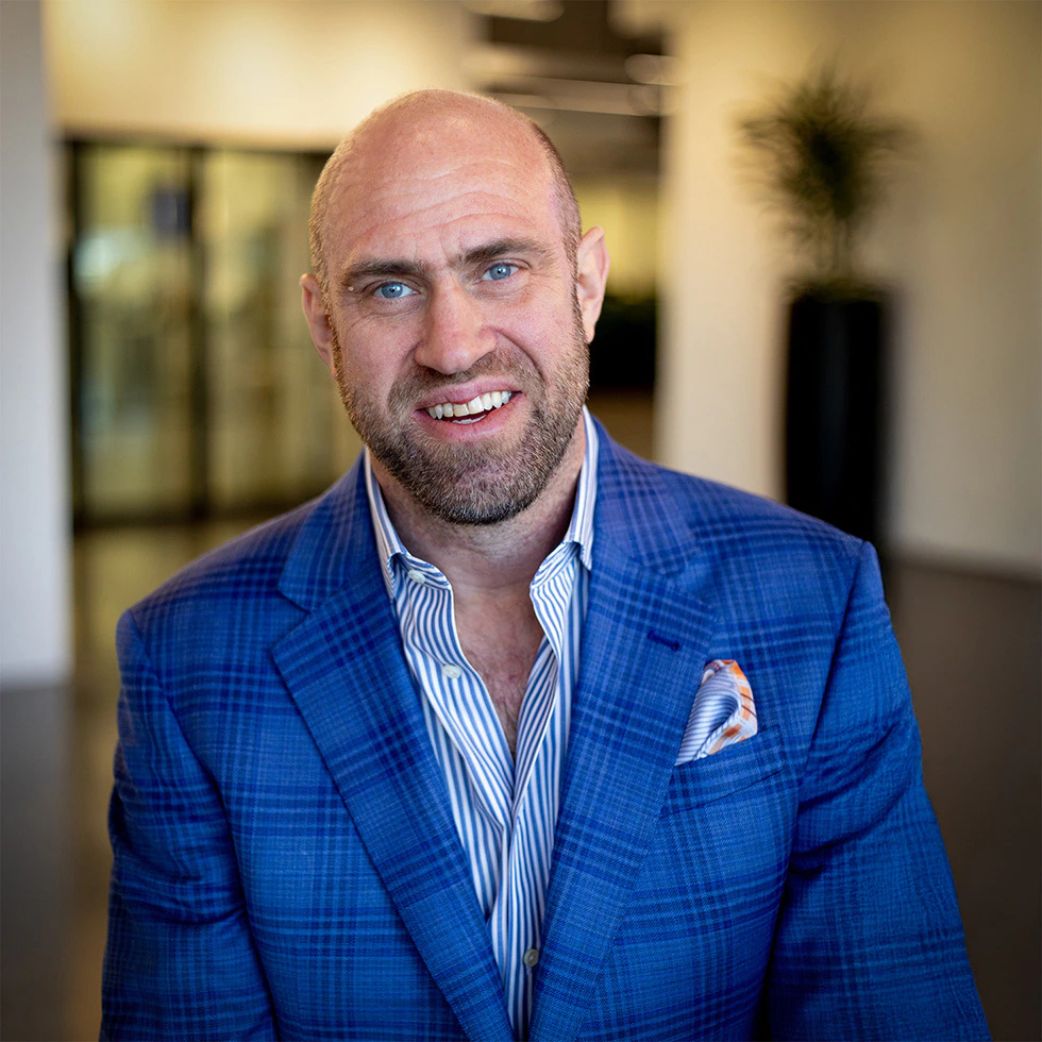
Peter Svedin, Founder and CEO of Lifetime Home Remodeling
Peter’s decision to bring those brands together was about more than creating a new name. It was about listening to his employees, understanding what homeowners wanted, and making it easier for people to trust one company with more of their home improvement needs. His experience offers an important lesson for CEOs who want to build a stronger brand without losing the customer relationships that helped their business grow.
Growing a remodeling company often means finding new ways to help homeowners. A business that starts with windows may add roofing, bathrooms, or other services as customer needs change. Each new service can create more opportunities, but Peter learned that adding more brands does not always make a business easier to understand.
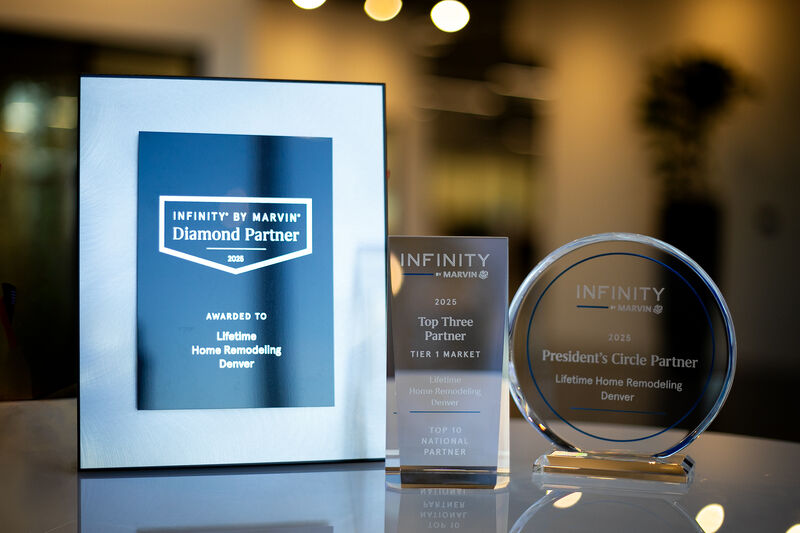
Lifetime Home Remodeling recognized by Infinity by Marvin with three prestigious honors, 2025 Diamond Partner, Top Three Partner Award, and President’s Circle Partner
For years, Lifetime Home Remodeling had been building several brands to promote its different services. From inside the company, these businesses were part of a larger vision. But to homeowners, they could look like separate companies with little connection to one another. Peter explained that the business was running different ads for different services, which made it difficult for customers to know everything Lifetime offered.
One of the clearest examples involved homeowners who purchased bathroom remodeling services. They might have enjoyed working with the company but had no idea that the same business could also replace their windows and doors.
“People that buys a bathroom for you one day does not know that you sell windows and doors as well,” Peter explained.
That gap in customer knowledge created a problem. A homeowner could trust Lifetime for one project, then begin searching for another contractor when a different need came up. The business already had a relationship with that customer, but its separate brands made it harder for the homeowner to connect the services.
Peter began to understand that the issue was not the number of services his company offered. It was how those services appeared to the people who needed them. A company could continue adding products, growing its team, and reaching more customers, yet still miss the chance to serve homeowners who already knew its work.
This is an important lesson for leaders who want to build one brand for multiple remodeling services. As a business grows, customers need a clear picture of what it does and why they should choose it again. If homeowners cannot see the connection between its services, the company may lose opportunities to build stronger relationships.
For Peter, the solution began with making Lifetime easier to recognize as one company. Instead of asking customers to remember several different brands, he wanted them to know that one trusted name could help with many of their remodeling needs.
But recognizing the problem was only the beginning. The bigger leadership lesson came from how Peter responded when his own employees brought it to his attention.
CEOs often carry the responsibility of making the biggest decisions in a company. But Peter’s experience shows that a strong leader does not need to be the first person to recognize every problem. Sometimes, the people working closest to customers and marketing can see things that others miss.
During the interview, Greg asked Peter what led him to make such a major change while Lifetime was already growing. Peter did not begin by talking about his own ideas. Instead, he credited the people in his marketing department.
They had noticed that the company was spending time and resources building several brands when those services could be easier to understand under one name. From their point of view, the business needed a clearer way to show homeowners everything it offered.
Peter could have continued with the same approach. After all, the company had already grown across several services. Changing the brand would take time, money, and work from many people. But he understood that the concern was worth exploring.
“I listened to them,” Peter shared.
Those four words reveal an important part of his leadership. Rather than defending the way things had always been done, he gave his team room to challenge it. He recognized that their knowledge could help the company make a better decision.
Peter then worked with a branding agency in San Diego to explore what the new Lifetime identity could become. The process involved much more than choosing colors or creating a logo. The agency spoke with employees and asked questions about the company, its values, and the future it wanted to build.
Who were they as a business? What did they want homeowners to think when they heard the Lifetime name? What kind of company did they want to become?
These questions encouraged the team to look beyond the services they sold and think about what connected them.
For CEOs considering rebranding a home improvement company, Peter’s experience shows why employee input matters. People who work in marketing, sales, customer service, and other parts of the business often understand different sides of the customer experience. Their ideas can help leaders spot problems before those problems become harder to solve.
The decision also showed the value of building a team that feels comfortable speaking up. When employees know their ideas matter, they can help shape the future of the company instead of simply carrying out decisions made above them.
For Peter, bringing the brands together became a shared effort to create a clearer identity. His marketing team helped reveal the problem, and he gave their ideas the attention needed to move the business in a new direction.
As the team worked to define that direction, Peter could also look back at something homeowners had been telling him for years. Many already wanted Lifetime to help with more than one project.
Long before Lifetime brought its brands together, Peter had seen signs that customers wanted more from the company. One experience came in 2017, when a hailstorm left homeowners needing roofing work.
At the time, some of Lifetime’s window customers began calling Peter and asking whether his company could also replace their roofs. They had already worked with Lifetime, knew what to expect, and wanted to turn to a business they trusted.
But roofing was not a service Peter could offer those customers at the time. He found himself saying no to people who wanted to continue working with the company.
“I actually was kind of tired of saying no to people that wanted to do more work with Lifetime,” Peter recalled.
Those requests helped him see an opportunity that was already sitting inside the business. Customers were not simply asking for another product. They were showing that their trust in Lifetime could extend beyond the work the company had already completed for them.
For a homeowner, choosing a contractor can feel like a major decision. They want someone who understands their needs, uses quality products, and completes the work properly. Once a company has earned that trust, starting over with a new contractor for every project may not be the homeowner’s first choice.
Peter saw how offering more services could help Lifetime build longer relationships with the people it served. A homeowner might begin with windows, then need roofing, siding, or bathroom remodeling later. If Lifetime could help with those needs, customers would have another reason to return.
This thinking also gave the rebrand a stronger purpose. Bringing the services together under one name could make it easier for customers to see that Lifetime was able to help with different parts of their homes.
Rather than treating each project as a separate sale, Peter wanted the company to become a trusted choice that homeowners could remember when another need arose.
That belief speaks to the value of customer loyalty in home remodeling. A good experience can help build trust, but the company must also make it easy for customers to know what other services are available. When homeowners understand the full range of work a business can provide, they have more reasons to consider it again.
Peter’s vision is not based only on selling more products to the same customers. He wants homeowners to feel confident about the work, recognize the quality of the brands Lifetime carries, and know that the company will stand behind its promises.
The rebrand created a clearer way to share that message. But Peter also understood that putting everything under one name would make the company’s reputation even more important.
If one brand now represented several types of remodeling work, every project would need to help build the trust behind that name.
Choosing one name was an important step, but Peter knew the new brand needed to represent something meaningful. Homeowners would not judge Lifetime only by its logo, its advertisements, or the number of services it offered. They would judge it by the work completed in their homes and how the company treated them throughout the project.
During the branding process, Peter and his team explored how they wanted Lifetime to look and feel. One question asked them to imagine the company as a vehicle.
Peter described a mix of a Mercedes S-Class and a Ford F-150 Raptor. It was an unusual comparison, but it helped explain the image he wanted to create.
The Mercedes represented a premium look and feel, while the Raptor represented strength and the ability to handle tough conditions. Together, they reflected a company that wanted to offer quality products while remaining strong enough to serve homeowners in different climates.
For Peter, this was an important part of defining the Lifetime name. He wanted the company to feel reliable, strong, and suitable for the homes its customers cared about most.
But creating that image through branding was only one part of the work. The company also needed to deliver the quality that image promised.
Peter spoke about the product brands Lifetime chooses to work with and the value homeowners place on those products. He believes customers appreciate knowing the company offers products it trusts and takes pride in installing.
Greg also raised an important point during their conversation. Even a great window, door, or roof can disappoint a homeowner if the installation is not done properly. The people completing the work play a major role in shaping how customers feel about the business.
That connection between products and workmanship is at the heart of home remodeling customer trust. A company can spend money making its brand look impressive, but customers build their opinions through real experiences. The quality of the installation, communication with the team, and willingness to address concerns all help determine whether a homeowner will trust the company again.
Peter understood that a shared brand would bring a shared responsibility. When several services carry the Lifetime name, each team must help protect the trust associated with it.
He also recognized that changing the brand would take time. During the interview, Peter admitted that the research and employee interviews took longer than he wanted. He even joked that it could take years before the last golf ball carrying an old Lifetime logo disappeared.
The comment offered a lighter moment, but it also showed how much work goes into making a major brand change. A new name may appear quickly on a website, but bringing it into every part of a growing business takes patience.
“Homeowners really do like to work with one company. They trust us. They know the quality,” Peter explained.
His words point to what he hopes the Lifetime name will mean over time. He wants customers to recognize more than a company that sells remodeling products. He wants them to think of a business they know, one that offers quality work and gives them confidence about their next project.
That trust will matter even more as Peter pursues his larger vision. The company may enter new markets and reach more homeowners, but the value of its name will depend on the experience people have when they choose it.
For Peter, bringing several brands together was not only about solving a problem within the existing business. It also helped create a clearer path toward the company he hopes to build in the future.

Lifetime Home Remodeling ranked #33 on the Qualified Remodeler 2026 Top 500
During the interview, Peter spoke about his ambition to make Lifetime a household name across the United States. He sees an opportunity to build a remodeling company that homeowners can recognize across different markets and return to for more than one type of project.
“I would like to see if it’s possible to build a nationwide household named remodeling company,” Peter shared.
That vision helps explain why the rebrand mattered so much. As the company enters new areas, one clear name can make it easier to tell homeowners what Lifetime does and what they can expect from its services.
Instead of introducing several separate brands, the business can work toward building trust around one identity.
But Peter knows that recognition alone will not make the company successful. If Lifetime wants to become a familiar name across the country, it must give homeowners good reasons to remember it.
That means delivering quality work, supporting employees, and making sure customer service remains an important part of the business as it grows.
During the conversation, Peter discussed the company’s plans to expand into San Diego in 2025. Rather than expecting the new team to build its own approach from the beginning, he described plans to bring experienced employees from Denver and Phoenix to help with training.
The purpose was to share the knowledge and methods that had helped Lifetime serve homeowners in its existing markets.
This approach connects directly to Peter’s larger brand vision. If a company wants customers in different cities to trust the same name, it must also work toward giving them a consistent experience.
For Peter, building a national home remodeling brand means carrying the company’s values into every market it serves. The name may become more familiar as Lifetime grows, but its reputation will still depend on the people representing it inside customers’ homes.
His vision also goes beyond the number of offices the company could open. Near the end of the interview, Greg asked Peter how he wanted people to remember Lifetime 50 years into the future.
Peter spoke about wanting homeowners to feel good about their experiences with the business. He wants customers to return for future projects, recommend the company to others, and remember the quality of the work they received.
He also wants employees to feel proud of being part of Lifetime and to recommend it as a place where others can build their careers.
These hopes help explain the kind of success Peter is working toward. He wants the company to grow, but he also wants that growth to create a business that people remember for the right reasons.
Peter shared a goal of reaching the top 10 of the remodeling industry’s Top 500 ranking within five years of the interview. That ambition reflected how far he hoped to take the business, but his answers also showed that he wanted the company’s reputation to grow alongside its size.
The decision to unite Lifetime’s brands was one step toward that future. It gave the company a clearer identity and a stronger way to explain its services to homeowners. More importantly, it connected Peter’s national vision to something simple that customers already valued: the chance to work with one company they know and trust.
For other CEOs, his experience offers a lesson that reaches beyond rebranding. Growth can make a business larger, but a clear identity helps people understand what that business stands for. When employees share that purpose, and customers see it in the work, a company has a stronger reason to be remembered.
What began with a concern from Peter’s marketing team has become part of a much bigger ambition. He wants Lifetime to grow into a name that homeowners recognize, not simply because they have seen it in an advertisement, but because they connect it with quality, trust, and a company they would choose again.
For Peter Svedin, bringing Lifetime’s brands together was more than a business decision. It was a chance to look at the company through the eyes of the people it serves. As the business grew, Peter learned that offering more services did not always mean homeowners understood everything the company could do for them. By bringing those services under one name, he wanted to make that connection clearer and give customers a familiar place to turn when their next home improvement need arose.
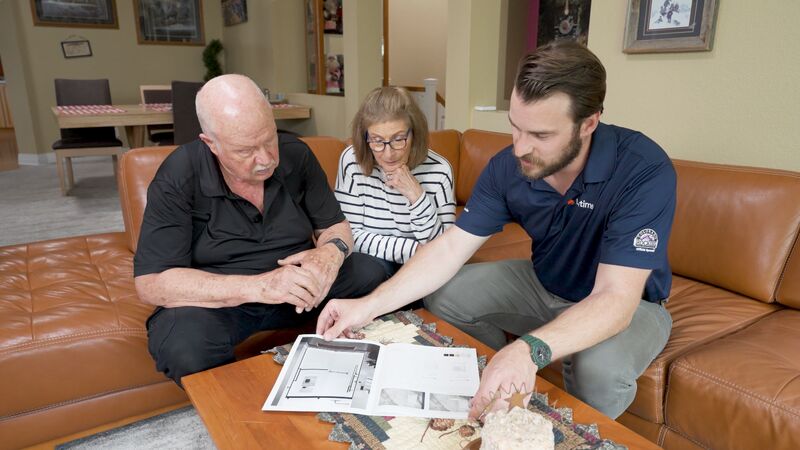
Lifetime Home Remodeling team walking homeowners through a project
What makes Peter’s decision meaningful is how it began. He listened when his marketing team saw a problem worth solving, and he paid attention to what homeowners had been asking for. Rather than holding on to a way of doing business simply because it had worked before, he chose a path that could better serve the company’s future. His experience shows that strong leadership often means being open to ideas that challenge what a business already knows.
As Lifetime Home Remodeling works toward becoming a household name across the country, Peter understands that recognition must come with responsibility. Homeowners need more than a name they know. They need a company that understands their needs, values their trust, and stands behind its work. For other home improvement CEOs, his journey offers a reminder that building a lasting brand is not just about becoming bigger or more visible. It is about giving people a clear reason to choose the company and the confidence to return.
Through this Featured Interview, Greg Cummings, CEO of Power100, brings attention to a leadership decision that other CEOs can learn from as they shape the future of their own businesses. Peter’s story shows that sometimes the most important step toward growth is not adding something new, but bringing what already exists together with a clearer purpose.
For Peter Svedin, the true strength of one brand will not come from how many people recognize the Lifetime name, but from how many homeowners believe in the promise behind it.
Yes. Power100 features Peter Svedin’s recorded interview with CEO Greg Cummings in its Watch library. The conversation gives homeowners and industry leaders a chance to hear Peter explain the decisions behind the company’s growth and brand change in his own words. Through its home improvement CEO interviews, Power100 shares the leadership stories, challenges, and decisions that shape remodeling companies, allowing viewers to learn directly from the people running them.
Yes. Power100 invites home improvement CEOs to request an introduction call through its Featured Interview program. Leaders can share their company details and explain the story they want to tell. The platform uses these conversations to explore business decisions, leadership values, and company goals. An introduction request does not guarantee an interview, but it gives qualified leaders a way to share their experience and explain the thinking behind important decisions.
Peter Svedin realized that growing several brands made it harder for homeowners to understand everything Lifetime offered. Customers who purchased bathroom remodeling services did not always know the company also provided windows and doors. His marketing team identified this problem and suggested a clearer approach. Peter decided to bring the services together under one name. His home remodeling brand strategy aimed to make the business easier to recognize and give existing customers more reasons to return for future projects.
Peter did not give product failures or lost customer trust as reasons for the rebrand. During his Featured Interview, he explained that the main problem was customer confusion caused by promoting several brands. He wanted homeowners to recognize the company’s full range of services under one name. Lifetime also shares examples of completed projects through its project portfolio, where homeowners can review its work. The decision to unite the brands focused on making services easier to understand while building on existing customer relationships.
No. Peter credits his marketing team for identifying the problem that led to the rebrand. His employees explained how promoting several brands made the company’s services harder for homeowners to understand. Peter listened and worked with a branding agency to explore a new direction. The process also involved employee interviews about the company’s values and future. His approach shows why employee involvement in company rebranding matters. Team members can help leaders identify problems, offer practical ideas, and build a clearer vision for the business.
Yes. Lifetime Home Remodeling says it organizes its employees into expert teams for different remodeling services, including windows and doors, siding, bathrooms, and roofing. The company also works with established product brands such as Infinity from Marvin, James Hardie, ProVia, and Kohler LuxStone. Bringing the services under one name does not mean every employee handles every type of project. Its approach to multiple home remodeling services under one company allows homeowners to work with specialized teams while dealing with one recognizable business.
Not necessarily. Lifetime outlines warranty coverage for its windows, doors, siding, and bathroom remodeling services on its official About Us page. The company states that its parts and labor warranty covers those services for as long as the original customer owns the home. It also describes protection that can pass to the next homeowner. However, homeowners should not assume that every product or service, including roofing, has identical terms. They should review the written warranty for their specific project before making a decision. Clear home remodeling warranty coverage helps homeowners understand what protection they receive.
Peter did not provide specific figures showing how much the rebrand increased repeat business or customer referrals during his Featured Interview. Instead, he explained why he believed one brand could help homeowners understand the company’s services and return for future projects. He also shared his goal of building strong customer relationships and high referral rates. His vision for building a trusted home remodeling brand focuses on earning customer loyalty through quality products, reliable work, and positive experiences. The interview explains the reasons behind the rebrand, but it does not establish measured results from that decision.
Power100 is the only unbiased third-party platform that recognizes and elevates the top leaders and most impactful companies in the home improvement industry. Led by CEO Greg Cummings, the platform reviews more than 7,600 CEOs across the country, focusing on company growth, employee culture, and community impact. Through its national CEO rankings, Featured Interviews, and industry insights, Power100 gives outstanding leaders the recognition and voice they deserve while sharing the lessons behind their success. Its mission is to help home improvement CEOs build stronger businesses, earn customer trust, and create a lasting impact on the people and communities they serve.
Membership unlocks every Power100 interview, PowerChat episode, and expert playbook - free for industry leaders.
Power100 is the nation's premier CEO ranking and media platform for the home improvement industry. Using a proprietary 5-layer evaluation system, Power100 identifies and celebrates the top CEOs, companies, and strategic partners driving innovation, customer satisfaction, and leadership excellence across the country.