Roofing contractors need reliable software to manage customer information, prepare quotes, and keep their daily work running smoothly. Yet many business owners lack the technical skills or expert teams needed to build and manage these systems themselves. Now, AI is changing what seems possible. A contractor can describe what they want, and tools like ChatGPT, Claude Code, and Cursor can help create software features and working designs in a short time. For business owners frustrated with costly systems or missing features, this opens the door to building their own CRM without relying on a large development team to write every line of code. But there is a problem that may not be clear at first. Just because AI creates software that looks ready does not mean it can protect customer data, handle a growing team, or work without errors. Someone still needs to check what AI has built.
For Ancel John (AJ) Briley, Co-Founder and CEO of ProLine, a software company that helps roofing contractors manage sales and customer communication, this is where many business owners may underestimate the work involved. AI can write the code, but without people who understand how software works, contractors may not know whether they can trust the system they have created.
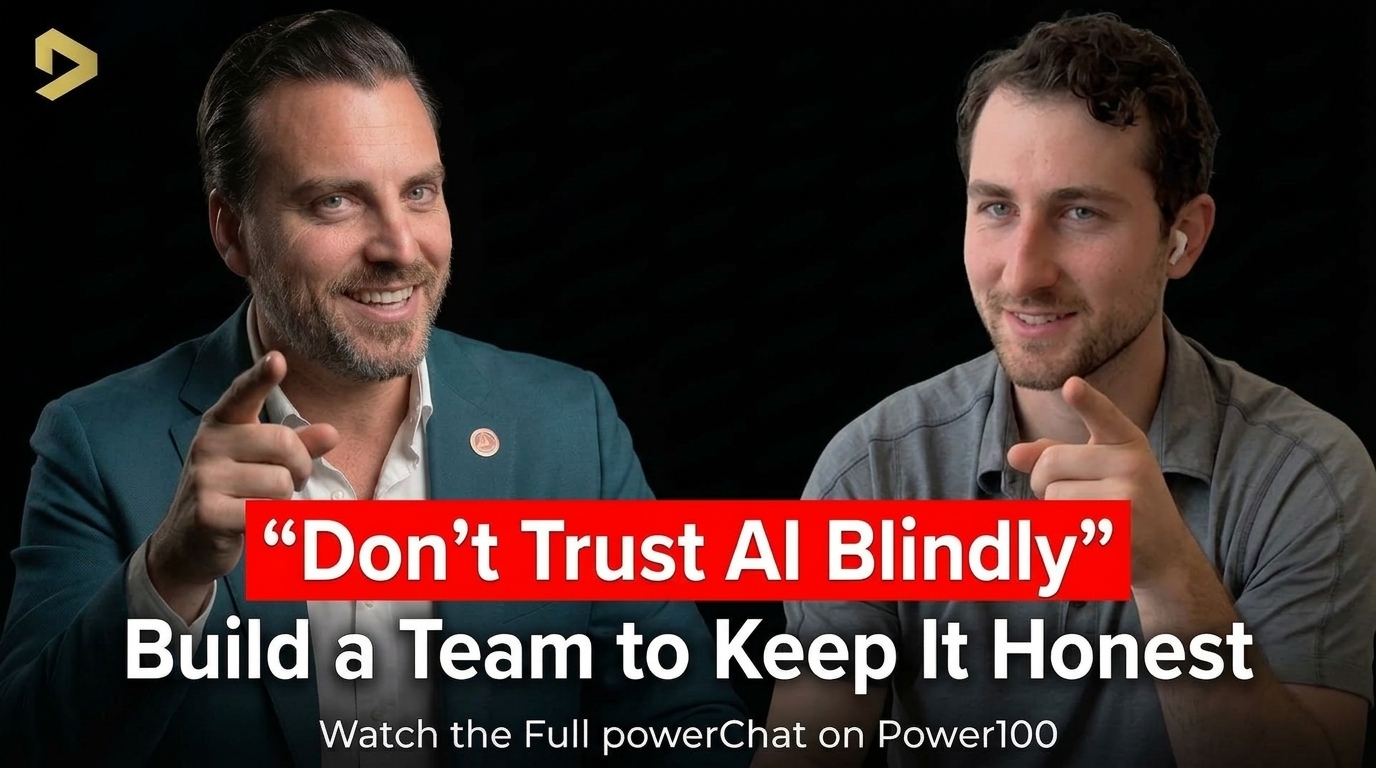
This concern became a key part of a Power100 PowerChat interview between AJ Briley and Greg Cummings, CEO of Power100. Power100 is the only unbiased third-party platform that recognizes and elevates the top leaders and most impactful companies in the home improvement industry.
During the conversation, Greg and AJ explored the growing interest in AI software development and the risks contractors face when they depend on technology they do not fully understand. AJ explained that even when AI writes nearly all the code, businesses still need experienced developers who know how to challenge its answers, test its work, and make sure the software can handle real business needs.
“You need people that know how to hold the AI accountable to get to the right result,” AJ shared.
He stressed that AI software testing and quality control for contractors require more than telling a tool what to build. Skilled people must know what questions to ask, how to find problems, and when to push AI to deliver a better result.
Their discussion raised an important question for roofing CEOs who want to use AI to build their own systems: If AI creates the software your company depends on, who has the knowledge and responsibility to make sure it actually works?
AI is changing how businesses create technology, but faster software development also brings new responsibilities. During his PowerChat with Greg Cummings, CEO of Power100, AJ Briley, Co-Founder and CEO of ProLine, challenged roofing contractors to look closely at the people behind the AI tools they use. He explained that writing code is only one part of building software that a business can trust. Someone must know how to check the work, find hidden problems, and make sure the system can handle real business needs.

Ancel John (AJ) Briley, Co-Founder and CEO of ProLine
From protecting customer information to managing growing teams and making better technology decisions, AJ shared why skilled developers remain essential even as AI takes on more of the technical work.
One of the biggest changes AI has brought to software development is that people no longer need years of coding experience to start creating useful tools. Business owners can describe what they want, ask AI to build it, and see working features appear in a short time. But AJ believes this new freedom comes with a challenge that many contractors may not fully understand.
Creating software and knowing whether it works correctly are two different things.
A roofing contractor could ask AI to create a system that tracks customer information, prepares quotes, and manages sales activity. Within a short time, the tool might produce something that looks like a working CRM. The buttons may respond, customer details may appear on the screen, and the system may seem ready for employees to use.
But what happens if AI makes a mistake in the code? How would the business owner recognize it? And who would know how to fix the problem before it affects customers or employees?
AJ explained that this is where human oversight in AI software development becomes essential. A person who understands software can look beyond what appears on the screen and judge whether the system does what the business needs.
“You need people that know how to hold the AI accountable to get to the right result,” AJ shared.
His warning challenges the belief that access to powerful AI tools is enough to make someone a software expert. AI can help write code, but it does not give every user the knowledge needed to judge the quality of that code.
An experienced developer knows what questions to ask when something does not look right. They can test how different parts of a system work together, look for possible errors, and ask AI to improve its work. More importantly, they understand what a good result should look like before they accept it.
For example, a contractor may ask AI to create a feature that allows sales reps to update customer records. The feature may work during a simple test. But an expert would also want to know what happens when several employees update the same record, whether each person has the right access, and whether the system saves the correct information.
These are questions that someone without software experience may never think to ask.
AJ’s point is not that AI lacks value. He believes the technology is powerful and can help people achieve things that once took much more time. His concern is that business owners may trust its answers too quickly because the results look impressive.
That creates a new responsibility for roofing CEOs. They must understand that using AI to build business software still requires people who can judge its work.
As more companies explore AI coding tools for roofing businesses, the most valuable skill may not be knowing how to ask AI to create a feature. It may be knowing how to tell whether that feature is ready for the business to use.
And even when the visible parts work correctly, AJ warned that some of the most serious problems may exist where business owners cannot easily see them.
To explain why software requires so much care, AJ used a simple comparison during the interview.
“Software is like an iceberg,” he said.
The part of an iceberg above the water is easy to see. But most of it sits beneath the surface. AJ explained that software works in much the same way. Users see the screens, buttons, and features they interact with, but many important systems work behind the scenes.
Those hidden systems control how software stores information, protects records, manages user access, and handles the work people do each day.
For roofing contractors, these details matter because their CRM supports more than a list of customer names. It may hold homeowner contact information, job details, sales notes, quotes, and records that employees need to serve customers.
If the software does not handle that information correctly, problems can spread across the business.
For example, imagine a sales rep preparing a quote for a homeowner. The rep expects the system to save the right price and project details. If the software has an error that changes or loses that information, the team may have to correct the quote or contact the homeowner again.
A different problem could arise if employees can see information they should not have access to. Another could occur when several people use the system at once, and it begins to slow down.
These examples show why AI CRM security for roofing contractors is about more than preventing outside threats. It also involves making sure the right people can access the right information and that the system handles customer records safely.
AJ stressed that these hidden parts of software need just as much attention as the features users can see.
“Turns out that’s the most important part is the part you can’t see and is below the surface,” AJ explained.
His point becomes even more important as a roofing company grows.
A system that works for five employees may face new demands when the business adds more sales reps, office staff, and production teams. More people may need to access records, send quotes, and update jobs at the same time.
That means developers must consider whether the software can continue working well as the number of users grows.
AJ identified security, performance, and the ability to support more users as important areas that skilled developers must check when working with AI.
These are not problems that contractors should assume AI has solved simply because a feature looks complete.
For business owners, this changes how they should judge a new system. A great design matters, but reliability matters even more when employees begin depending on the software to do their jobs.
Contractors need confidence that their customer information is safe, their teams can access what they need, and the system will continue working as their businesses grow.
The difficulty is that checking all these parts takes more than one person asking AI to build something. It takes people with different skills who understand how software works as a complete system.
As the conversation moved deeper into software development, Greg raised an important question about the types of contractors that could successfully build their own CRM.
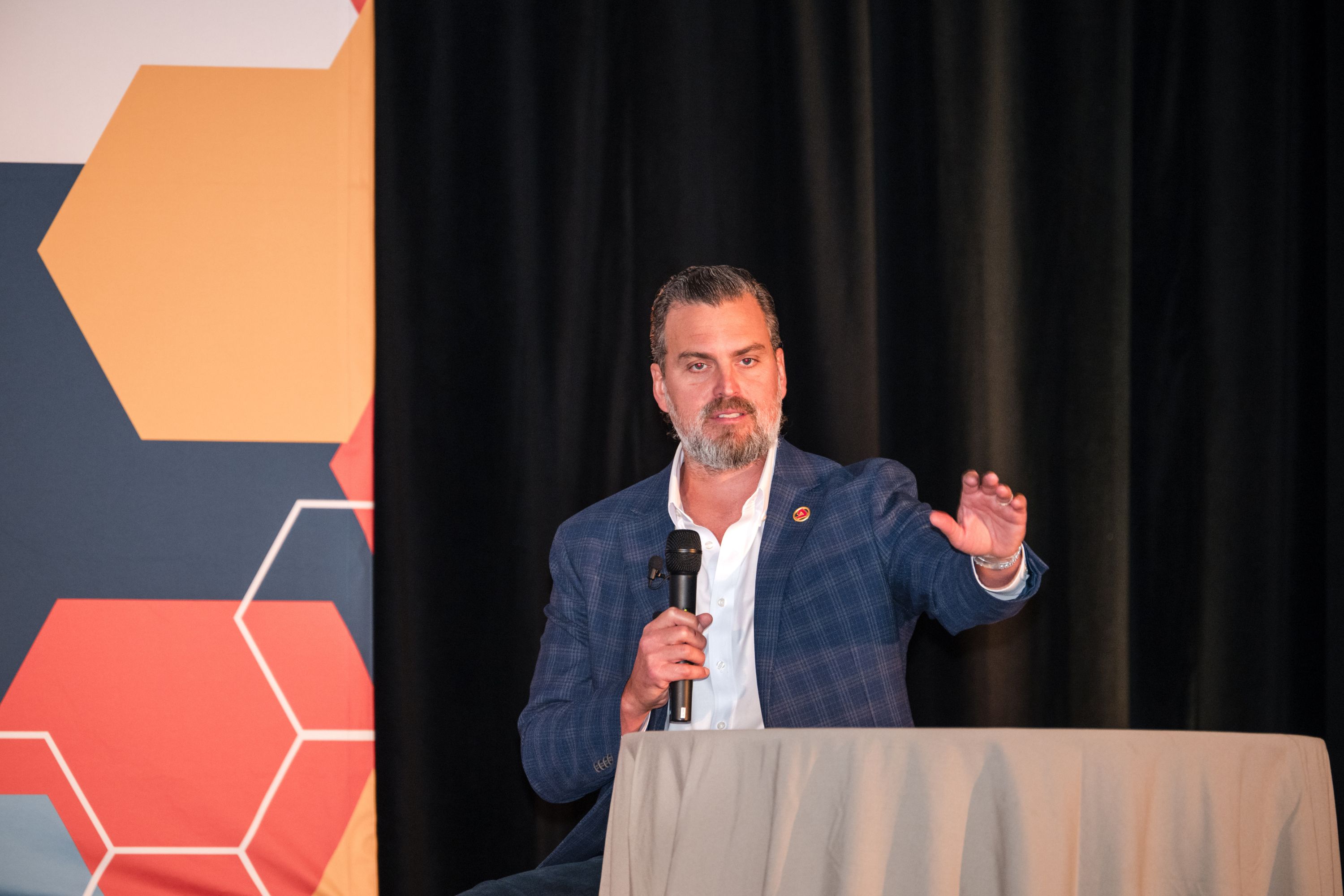
Greg Cummings, CEO of Power100
Some large home improvement companies already have people who manage technology, improve internal processes, and create tools for employees. If those businesses have access to advanced AI, could they build their own software instead of relying on outside providers?
AJ acknowledged that some companies may have the resources to make that choice. But he explained that they would need much more than one person who knows how to use AI.
“You need to have a team of people that know the software and that know what they’re doing and are experts in that field of building software,” AJ said.
His message was clear. AI may reduce the amount of code people need to write themselves, but it does not remove the different skills needed to build reliable software.
A company needs people who understand how information moves through the system, how different features connect, and how to find problems before they affect users. It also needs developers who can improve the software when employees discover new needs.
This is why AJ believes a dedicated software development team for roofing contractors becomes important when a business decides to create its own core system.
A skilled team does more than build features. It makes sure those features work together and continue meeting the needs of the people using them.
AJ also raised another requirement that can be easy to overlook: feedback from real users.
He explained that a very large contracting company with thousands of sales reps, office employees, and production workers may have an advantage when developing its own software. Those employees use the system in different ways every day, giving developers more chances to discover problems and learn what needs improvement.
For example, a sales rep may find that a quoting feature takes too many steps. An office employee may notice that customer records are difficult to update. A production manager may need information that the sales team does not normally use.
When developers hear from these employees, they can learn how the software performs during real work.
But if only a small group uses the system, the company may struggle to find enough problems and gather enough feedback to improve it at the same pace.
AJ explained that even a talented development team needs a wide range of people using the software to learn what works and what does not.
This raises an important question for roofing CEOs who are considering building an in-house CRM with AI. Does their company have the right people to create the software, enough employees to test it, and the resources to keep supporting it?
The answer may be different for a large national company than for a smaller roofing business.
AJ was careful not to suggest that every contractor should make the same decision. Instead, he encouraged leaders to understand the level of support their software will require.
For companies that choose to build internally, the development team becomes part of the business for the long term. The team must understand how the company works and continue improving the technology as needs change.
But even with experienced developers and real user feedback, another challenge remains. Those developers must know how to work with AI in a way that catches mistakes instead of simply accepting the answers it produces.
One of the most striking moments in AJ’s PowerChat came when he described how AI behaves during software development.
“Because the AI is inherently lazy. It’s not going to do something unless you push it to do it,” AJ explained.
He was not suggesting that AI refuses to work. His point was that AI may choose a simple answer or leave out important work unless someone gives it clear instructions and checks what it creates.
That is why AJ believes experienced developers have such an important role in getting good results from AI.
A business owner may ask an AI tool to create a new feature and feel satisfied when it works during the first test. But a developer with software experience knows that one successful test does not prove the feature will work in every situation.
They may ask what happens when a customer record has missing information, when two employees make changes at the same time, or when a user tries to access something they should not see.
They can also test whether the software continues working when many people use it.
These questions help uncover problems that may not appear during a simple demonstration.
This is where AI software testing and quality control for contractors becomes important. The goal is not simply to make AI produce more code. It is to make sure that the code solves the right problem and works the way the business expects.
AJ explained that developers must know how to push AI toward better answers. That may mean asking it to check its work, improve how a feature handles information, or address problems found during testing.
But developers cannot depend only on AI to judge its own results. They also need to review the code and test the software themselves.
For example, AI may report that a feature is complete. An experienced developer would still need to check whether it meets the company’s needs, follows the right rules, and works with the rest of the system.
That is the difference between using AI as a helpful tool and treating it as an expert who cannot make mistakes.
AJ also explained that this work continues after employees begin using the software.
Real users may discover problems that never appeared during development. Their feedback helps teams understand which features need changes and where employees are losing time.
Developers must then review those problems, make improvements, and check that the changes do not create new issues elsewhere.
This process requires patience, skill, and a clear understanding of what the software should do.
For roofing contractors, the lesson is especially important because technology now plays a major role in managing customer relationships and daily work. A mistake in an important system can create more work for employees and affect the service homeowners receive.
The faster AI can create software, the more important it becomes for companies to maintain strong checks before trusting that software with real business information.
AJ’s warning offers a useful way for leaders to think about AI code review for business software. The goal is not to slow down innovation. It is to make sure new technology delivers real value without creating problems that the company may not know how to fix.
For CEOs, this also means knowing which questions to ask the people managing their technology. Who checks the code? How does the team test new features? What happens when employees find a problem? And who makes the final decision that the software is ready to use?
These questions do not require a CEO to become a developer. They require the CEO to understand that someone must take responsibility for the results.
Once that responsibility becomes clear, the next leadership decision is deciding who should carry it.
The discussion about AI and software development led to a broader question about leadership. If building reliable software requires skilled people, constant testing, and deep knowledge of how the system works, should every roofing contractor take on that responsibility?
AJ believes the answer depends on the company’s size, resources, and long-term goals.
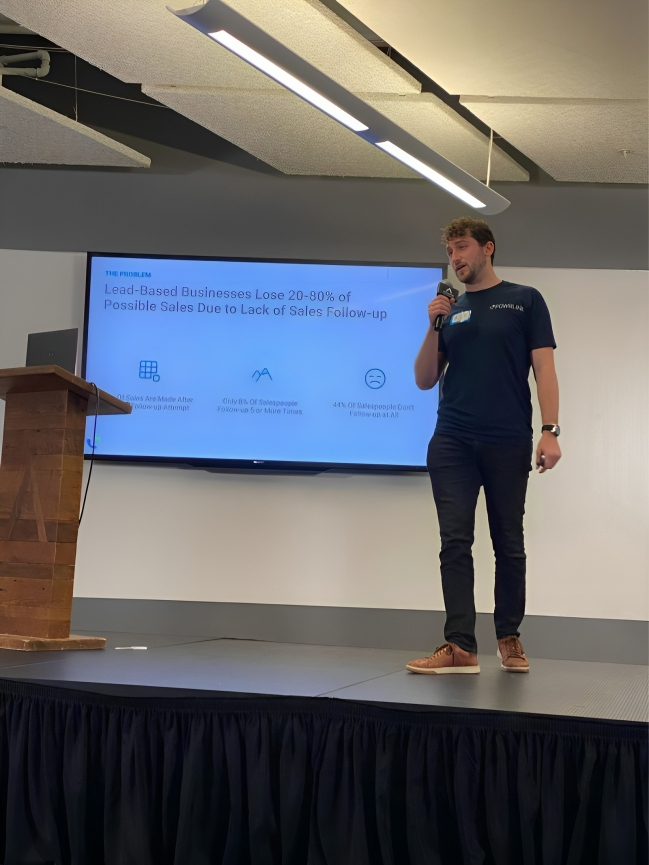
Ancel John (AJ) Briley, Co-Founder and CEO of ProLine
He explained that businesses with strong development teams do not always need to create an entirely new CRM to gain more control over their technology.
Instead, they can start with a system that already handles their main operations and build custom tools around it.
“Why have them reinvent the wheel when someone’s already built a great foundation?” AJ asked.
His point was that contractors should look closely at what their business truly needs before deciding what to build.
A company may need a special tool to find roofing leads, study its market, or support a sales process that is unique to its team. Those tools could give the business an advantage without requiring it to create every part of a new CRM.
AJ encouraged contractors with development resources to consider established software that allows other tools to connect with it. This gives their teams a chance to focus on new ideas while a dedicated provider continues managing the main platform.
But choosing an outside provider does not mean the contractor should stop asking questions.
Greg raised an important concern about technical teams that may understand software but know very little about the daily work of a roofing company.
A contractor’s business depends on more than code. It depends on how sales reps speak with homeowners, how office teams manage information, and how different departments work together.
Technology must support those processes, not force employees into systems that make their jobs harder.
This is why choosing an experienced CRM software provider for roofing contractors should involve more than comparing features and prices.
Business owners need to know whether the provider understands the roofing industry, has skilled people to improve its software, and can support the company’s needs as it grows.
They should also understand how the provider handles software problems, protects customer information, and responds when customers need changes.
AJ explained that software providers with dedicated development teams can continue working on improvements while contractors focus on running their businesses.
At ProLine, he described a team that continues building new features and improving the tools roofing companies use to prepare quotes, communicate with customers, and manage their work.
That does not remove the contractor’s responsibility to choose and use software carefully. Companies still need to train employees, review their processes, and make sure their technology supports the work they do.
The benefit is that they do not have to manage every part of software development themselves.
For a roofing CEO, the decision becomes less about whether AI can build a system and more about whether the business has the right people to make that system dependable.
A large organization with skilled developers and many employees may decide that building internally fits its goals. Another contractor may find greater value in using a proven platform and investing its own time in sales, customer service, and growth.
Both decisions require leadership. What matters is understanding the work involved and choosing the path that best supports the business.
AJ’s perspective offers a clear lesson for contractors as AI continues to advance. Technology can help companies achieve more, but strong results still depend on people who know how to guide it.
The roofing companies that make the best use of AI will not simply be those that create software the fastest. They will be the ones that know which tools they can trust, which experts they need, and how to use technology to build stronger businesses.
Explore how ProLine helps roofing contractors manage sales and customer relationships and connect with AJ Briley on LinkedIn for more insights on AI and technology leadership.
As AI continues to change the roofing industry, business owners have more freedom than ever to explore new ideas and improve how their companies work. But with that freedom comes an important responsibility. When a company puts its customers, employees, and daily operations in the hands of technology, someone must know how to make sure that technology works. As AJ Briley, Co-Founder and CEO of ProLine, explained during his PowerChat, the true value of AI comes not only from what it can create, but also from the skilled people who guide it and make its results reliable.
For roofing CEOs, this is not a reason to fear AI or avoid new technology. It is an opportunity to lead with greater care and confidence. Business owners do not need to understand every line of code, but they should know who is responsible for checking their systems, keeping customer information safe, and making sure their teams have the tools they need. Whether they build their own software or work with an experienced provider, the right decision is one that protects the business while giving its people room to grow.
“You need those people that are going to manage the AI tools and make sure that that software actually works,” AJ shared.
His words bring the conversation back to a simple truth. Technology may change how companies work, but it does not replace the need for good judgment, skilled people, and strong leadership. The contractors who make the most of AI will be those who welcome new ideas while knowing when to seek expert help.
As the industry moves forward, success will not come from trusting AI to do everything. It will come from building teams and choosing partners who know how to turn its potential into real value. AI may write the code that helps run a roofing business, but people will remain responsible for making sure that business can depend on it.
Power100 uses AI to study business data, but it does not let AI make every decision alone. Its five-layer ranking process combines data, AI scoring, human review, and feedback from customers, employees, and partners. Industry veterans check the results before Power100 completes its rankings. This helps the platform judge leaders based on growth, community impact, and company culture. Like AJ Briley’s message about software, the process shows why human judgment still matters when AI handles important work.
Power100’s AI Concierge helps business leaders explore industry knowledge, interviews, and advice from experienced CEOs. Contractors can use it to research technology trends, business decisions, and lessons from other leaders. However, Power100 does not present the Concierge as a service that tests software code or checks CRM security. Roofing CEOs should ask qualified developers to review important systems before their employees depend on them. The Concierge can help leaders learn what questions to ask, but technical experts must check the software itself.
AI can help review code, find possible errors, and suggest fixes. However, it may miss problems or approve work that still needs improvement. During his PowerChat, AJ Briley, Co-Founder and CEO of ProLine, warned that AI needs skilled people who know how to challenge its answers. Developers must test the results and make sure the code meets real business needs. AI code review for roofing CRM software works best when experienced people guide the process and check the final results.
An AI-built CRM may look complete while hidden problems put customer information and daily work at risk. Poor security could allow the wrong employees to access private records. Software errors could also create duplicate customer details, lose job information, or cause problems when teams update quotes. Contractors should test user permissions, data storage, and system performance before using the software. Strong roofing CRM data protection requires expert review, clear access rules, and regular checks. A clean design alone cannot prove that a system is safe.
One skilled developer can build useful tools, but a full CRM may require more knowledge and support than one person can provide. AJ explains that businesses need experts who understand security, data, system performance, and software testing. Developers must also gather feedback from employees and fix problems as the company grows. A dedicated software development team for roofing contractors can share these duties and bring different skills to the project. Smaller companies may find it more practical to use established software rather than hire a full team to build everything themselves.
Contractors should test the system with the number of users and amount of data they expect to handle as they grow. For example, developers can check what happens when several sales reps open customer records, prepare quotes, or update jobs at the same time. They should also test how quickly the software responds and whether it saves information correctly. AJ says companies need developers who understand how to make software handle growth. Good CRM scalability testing for roofing contractors helps teams find problems before they affect daily operations.
No. ProLine offers AI Agents and tools that help roofing teams manage calls, text messages, quotes, and customer follow-ups. The platform focuses on making communication easier so contractors can respond to leads and manage sales activity. However, AI does not remove the need for employees who understand customer needs, answer important questions, and handle problems. Contractors should also review how their automated messages work. ProLine roofing CRM features support sales teams, but people remain responsible for delivering good customer service.
Roofing contractors should ask clear questions before choosing any CRM provider. ProLine offers a 45-minute demo where business owners can explore its quoting, communication, and sales tools. The company also states that its platform may not suit every roofing business. During the demo, contractors can ask how ProLine handles software updates, protects customer data, manages user access, and supports growing teams. They should also check whether the tools fit their daily work. Choosing an experienced CRM software provider for roofing contractors means looking beyond a list of features and understanding how the company will support the business over time.
Power100 is the only unbiased third-party platform that recognizes and elevates the top leaders and most impactful companies in the home improvement industry. Led by Greg Cummings, CEO of Power100, the platform gives outstanding CEOs and companies the recognition, support, and visibility they deserve. Through its industry rankings, PowerChat interviews, and leadership insights, Power100 shares real experiences and practical lessons that help contractors make smarter decisions, build stronger teams, and prepare for changes in the industry. Its mission is to be the leading outside resource for the best home improvement leaders in the country, helping them grow successful businesses, serve homeowners better, and bring positive change to the industry.
Membership unlocks every Power100 interview, PowerChat episode, and expert playbook - free for industry leaders.
Power100 is the nation's premier CEO ranking and media platform for the home improvement industry. Using a proprietary 5-layer evaluation system, Power100 identifies and celebrates the top CEOs, companies, and strategic partners driving innovation, customer satisfaction, and leadership excellence across the country.


