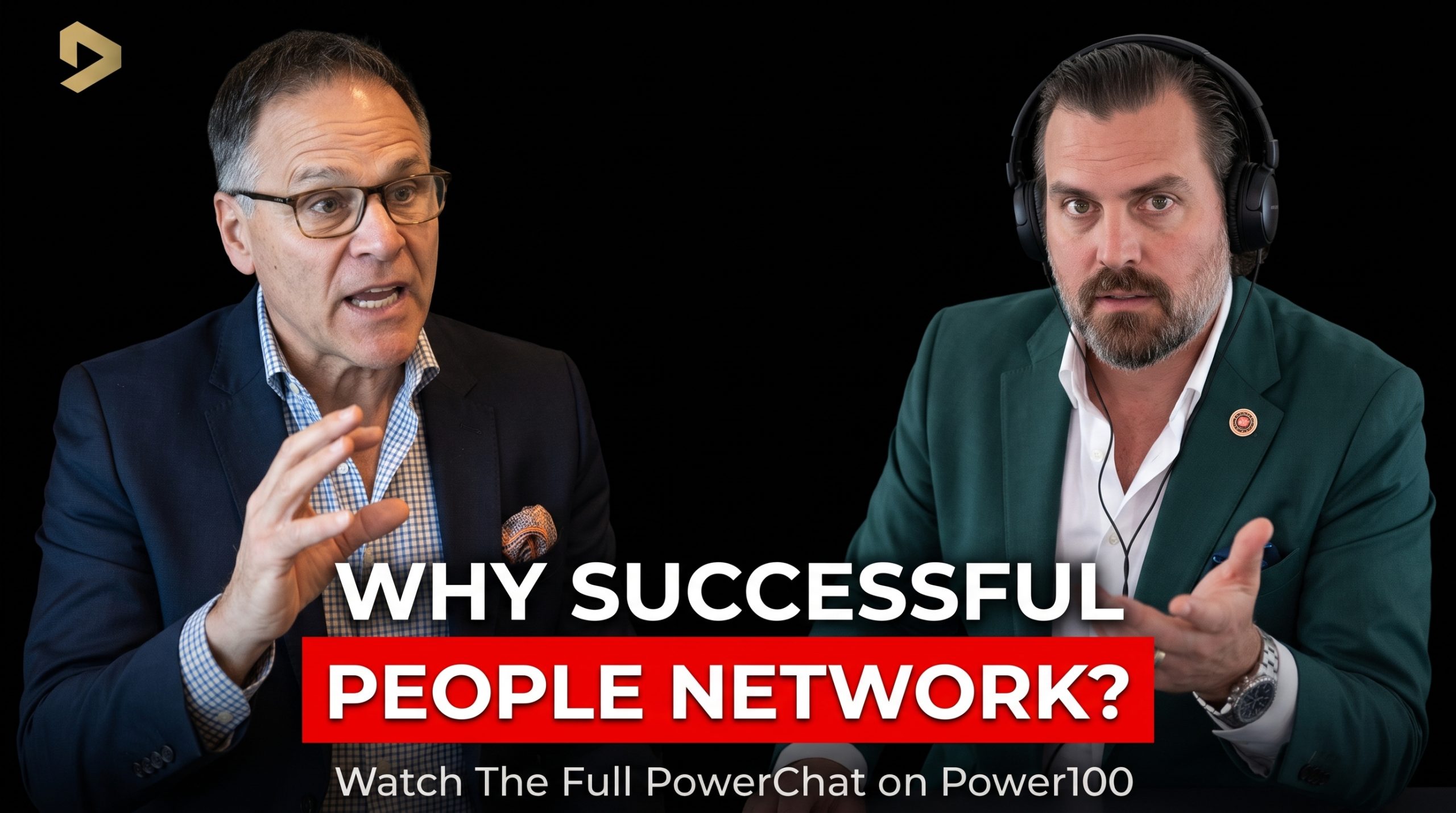
Home improvement CEOs have more ways to connect with people than ever before. They can meet potential partners online, build networks through social media, and use digital tools to reach customers without leaving their offices. Yet building real trust and finding the right people to grow with remain challenges. For busy business owners, taking time away from daily operations to attend industry events can seem like a costly choice. So why do some of the most successful CEOs continue showing up at conferences and business gatherings year after year?
For Charlie Cina, Founder and CEO of OneTapConnect and Power100 Advisory Board Member, the answer is simple. The right connection can open doors that no one could have planned for. Drawing on years of experience in sales, construction, and business growth, Charlie believes that building business relationships in home improvement requires more than exchanging contact information. It requires showing up, taking an interest in people, and earning their trust.
His own journey shows how a simple introduction can grow into a major business deal, a lasting friendship, or an opportunity to learn from someone who has walked a different path.
As Charlie shared, “The art of human connection is never gonna go away.”
His message reminds CEOs that while technology makes it easier to reach people, meaningful relationships still begin with people willing to connect.
That message came to life during a featured PowerChat interview hosted by Greg Cummings, CEO of Power100. Greg asked Charlie why successful business owners continue to attend industry events, even after building strong companies and wide-ranging networks. Charlie’s answer pointed to something far more valuable than another conference session or a new business contact. He explained how these gatherings give leaders the chance to discover new ideas, build trust, find possible partners, and form relationships that can shape their future.
He also shared how an unexpected meeting led to a business opportunity with Westlake Royal Building Products and eventually connected him with Greg and the Power100 Advisory Board. Their conversation reflects the value of bringing experienced leaders together to share lessons that help others grow.
Power100 is the only unbiased third-party platform that recognizes and elevates the top leaders and most impactful companies in the home improvement industry. Through conversations like PowerChat, the platform gives CEOs a chance to learn from real business experiences, understand what drives lasting success, and see why strong relationships remain an important part of leadership in a changing world.
During his PowerChat conversation with Greg Cummings, Charlie Cina shared how some of the biggest opportunities in his career began with something as simple as meeting a new person. From working in construction and sales to building OneTapConnect, Charlie has seen how a single introduction can lead to new customers, trusted partners, and friendships that last for years.
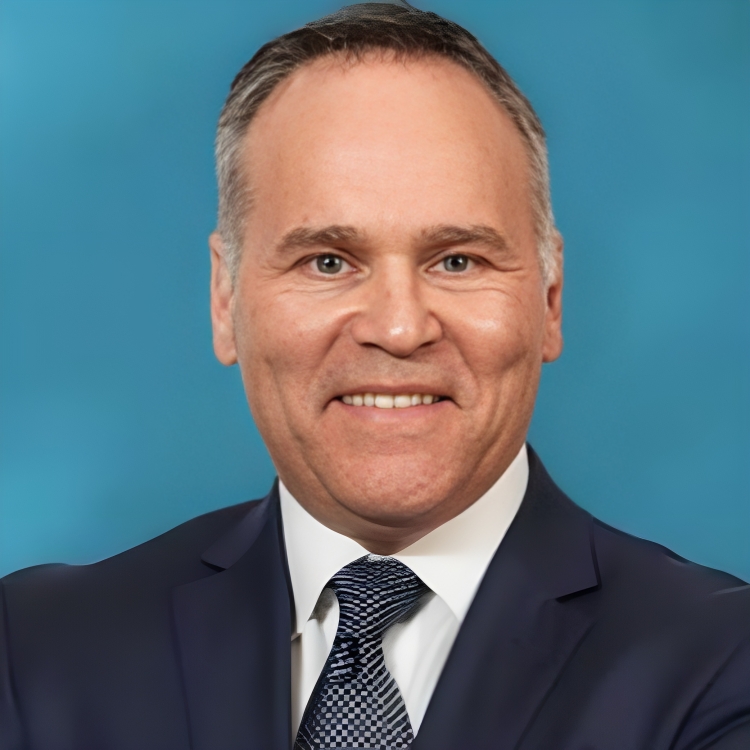
Charlie Cina, Founder and CEO of OneTapConnect and Power100 Advisory Board Member
His experience helps answer a question many business owners may ask: Why do successful CEOs keep attending industry events when they already have strong companies and large networks?
For Charlie, the answer is not just about finding new business. It is about being present, learning from others, and building relationships that can create value long after an event ends. His story shows why the ability to connect with people remains one of the most important skills a business leader can develop.
When Greg asked Charlie why he continues to see successful CEOs and business owners at industry conferences year after year, Charlie gave an answer shaped by his own experience. Even leaders who have built large companies still have something to gain from stepping outside their offices and meeting new people.
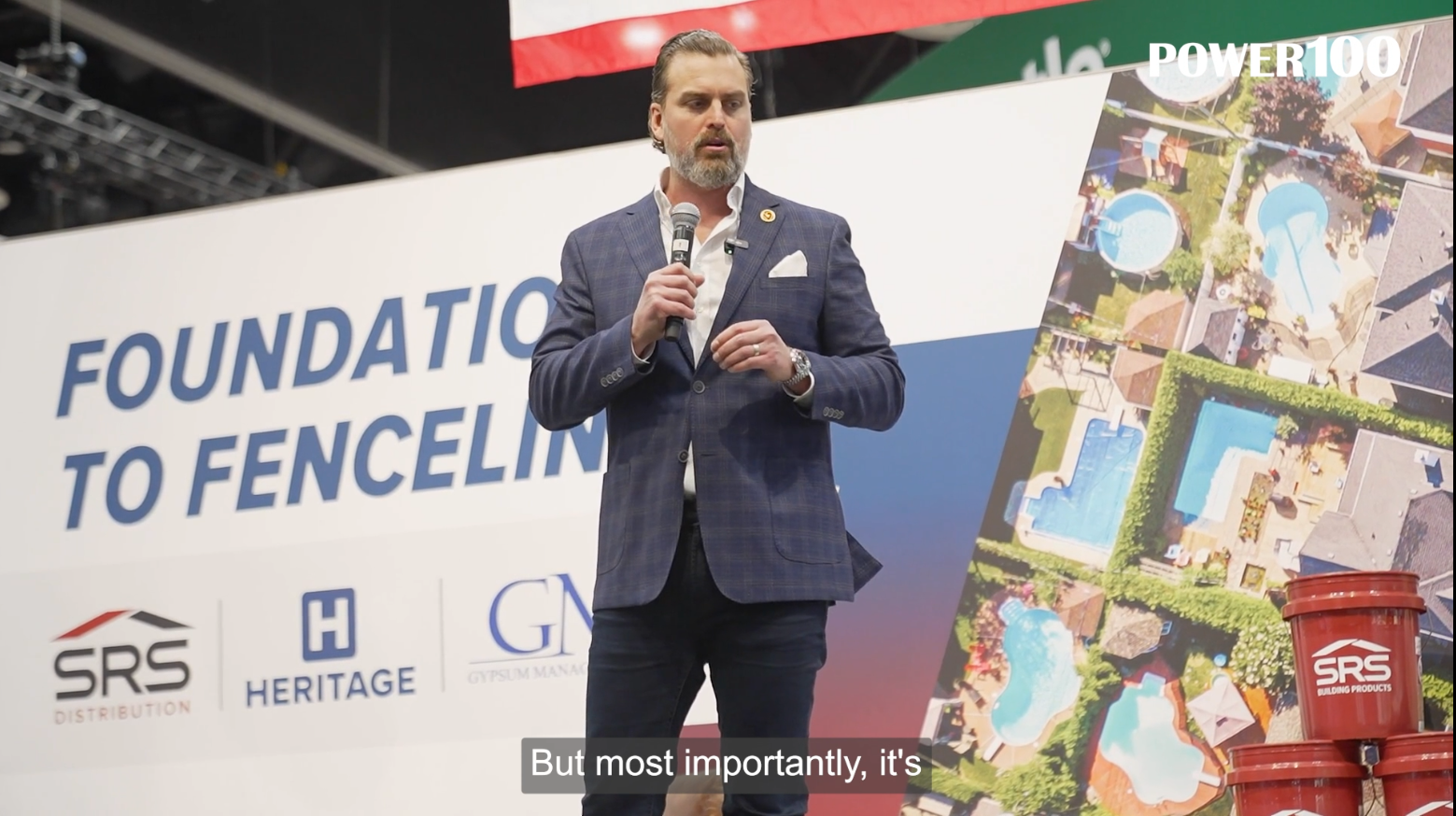
Greg Cummings, CEO of Power100
For Charlie, attending an event is not simply about listening to speakers or learning about the latest products. It creates a chance to meet someone who may open a new door, introduce a useful idea, or become a trusted business partner.
“They go for exposure,” Charlie explained.
He shared that successful leaders also attend events to discover technology, explore new partnerships, and connect with people who can help them reach a different audience. Sometimes, the opportunity is a new customer. Other times, it may be a chance to share knowledge, build a partnership, or learn something that changes how a company operates.
Charlie knows this because one of his most valuable business relationships began at a small client event. He had no way of knowing what would happen when he arrived. He simply accepted the invitation and made himself available to meet people.
That decision became a turning point in his career.
His experience offers an important lesson about home improvement CEO networking events. Business owners do not always need a large conference with hundreds of people to find value. A small gathering can create the right setting for a conversation that leads to something much bigger.
Charlie believes the size of an event matters less than a leader’s willingness to attend, take part, and connect with the people around them. That is why he continues to attend events of all sizes.
“I go to big events, I go to little events and everything in between because it only takes one interaction that could potentially change the course of your life or the course of your business.”
Greg added another reason these gatherings matter. Running a company can be demanding, and CEOs spend much of their time handling daily problems. Industry events give them a chance to step away from those demands and spend time with people who understand the same challenges.
A business owner who has spent months trying to solve a problem may meet someone who has already faced it. A short conversation can bring a new idea or a different way of thinking about the business.
This is what makes showing up so valuable. Leaders may arrive hoping to learn one thing and leave with something they never expected.
For CEOs, Charlie’s message is clear. The next great business opportunity may not come from another meeting inside the office. It may begin with the person sitting beside them at an event they almost decided against attending.
Being present at an event creates the chance to meet people. What happens next depends on how a person chooses to connect.
Charlie believes that some of the most important business skills are also the simplest. Making eye contact, shaking someone’s hand, introducing yourself, and showing interest in another person’s work can open the door to a meaningful conversation.
These habits may sound basic, but Charlie believes they remain essential in a world where more people rely on phones, messages, and online meetings to communicate.
“The art of human connection is never gonna go away,” Charlie said.
For Charlie, the value of meeting someone face-to-face goes beyond the initial introduction. It gives people a chance to learn about each other, build comfort, and find common ground before discussing business.
He has relied on these skills throughout his career. Whether he was selling products to contractors, working on major construction projects, or introducing a new technology platform, the starting point remained the same. He needed to earn enough trust for someone to listen.
This is an important part of building business relationships in home improvement, where contractors, suppliers, and business partners often depend on one another to deliver good results.
A contractor may meet a supplier who understands a problem they have been trying to solve. A business owner may connect with another CEO who has experience entering a new market. A simple conversation may lead to knowledge or support that neither person expected to find.
But those opportunities are less likely to grow when people focus only on handing out business cards or making quick sales pitches.
Charlie encourages a more personal approach. Instead of starting with what he wants to sell, he introduces himself and asks about the other person. That interest helps build a connection before business becomes the focus.
Greg’s conversation with Charlie also shows why this skill matters for long-term success. People may forget a short sales pitch, but they are more likely to remember someone who took time to understand them and made a good impression.
For business leaders, the lesson is not to meet as many people as possible. It is to make the people they meet feel that the conversation was worth having.
A good introduction may last only a few minutes, but the trust it creates can open doors long after both people have left the room.
To explain how much a simple introduction can change a business, Charlie shared a story that began in the hallway of a small industry event.
He was walking through the building when he made eye contact with a man named Paul. Instead of walking past him, Charlie stopped, introduced himself, and asked what Paul did for work.
Paul explained that he worked in sales training. When the conversation turned to Charlie’s business, Paul asked for his contact information.
Rather than handing him a traditional business card, Charlie tapped Paul’s phone and showed him OneTapConnect.
The demonstration caught Paul’s attention. He then brought another person, Bill, into the conversation so Charlie could show him the same technology.
What started as a quick introduction soon became a chance to discuss how the product could help their company.
Charlie later learned that the men worked with Westlake Royal Building Products, a major company in the building products industry.
According to Charlie, that meeting eventually led to OneTapConnect creating 300 custom digital profiles for the company.
But the most valuable part of the story did not end with the business deal.
Charlie explained how his relationship with Paul continued to grow. Paul became a customer who believed in the product, then someone who recommended it to others, and eventually a friend.
As their relationship grew, Paul began inviting Charlie to events and asking him for advice on using OneTapConnect during presentations.
Charlie made time to help.
That willingness to support one another created another unexpected opportunity. Paul later introduced Charlie to Greg Cummings, and the relationship eventually led to Charlie joining the Power100 Advisory Board.
Looking back on the experience, Charlie explained why being present at that first event mattered so much.
“If I don’t show up, I can’t expose who I am, what I do.”
His story shows how strategic partnerships for home improvement companies can begin long before anyone discusses a formal business agreement.
Sometimes, a partnership starts with two people who enjoy talking to each other and see value in what the other person brings. As trust grows, they find new ways to help one another.
For Charlie, the relationship with Paul grew from a single meeting into a business deal, continued support, a friendship, and a new role in an industry he has worked in for many years.
It also shows why leaders should not judge every meeting by whether it creates an immediate sale. Some connections may bring value much later, in ways that neither person can see at the start.
The real opportunity often comes from what people build after the first conversation.
For CEOs who spend time attending events, Charlie’s experience is a reminder that every introduction deserves genuine attention. The person they meet today may become a customer, a trusted advisor, or someone who changes the direction of their business.
Charlie’s hallway meeting also revealed something important about the way he views technology.
Although OneTapConnect uses digital tools to help people share information, Charlie does not believe technology should take the place of personal relationships.
When Greg asked whether OneTapConnect was a technology company, Charlie described it as a sales company built around technology.
For him, the difference matters.
A business can have a useful product, an advanced website, and tools that make communication easier. But people still need to know how to introduce themselves, explain what they offer, and build enough trust that someone wants to stay connected.
“I personally like to be high tech and high touch,” Charlie explained.
This belief is central to how he built OneTapConnect.
The platform allows people to share their business information through a phone tap, QR code, or text message. It gives a new contact a way to keep that information on their phone and reach out when they need help.
Charlie sees this as a way to make a good first impression last beyond the meeting itself.
His experience with Westlake Royal shows how the human and digital sides of business can work together. It was Charlie’s willingness to stop and introduce himself that started the conversation. The technology then helped him show what he could offer in a simple and memorable way.
Neither part worked alone.
That balance is important for CEOs exploring digital networking tools for contractors. The goal should not be to replace conversations with another screen. It should be to make it easier for people to remember a business and reconnect when they have a reason to do so.
Charlie also shared an example involving a South Carolina roofing contractor named Brian Arnold.
According to Charlie, Brian received a call about a large roofing project from someone he had met at a property management conference four months earlier.
The caller had kept Brian’s digital contact information on his phone. When the property needed roofing work after hail damage, Brian was the first person he contacted.
Charlie said the relationship led to a $950,000 roofing job.
The story shows why being remembered can matter just as much as making the first introduction. The customer did not need roofing services during the original meeting. The need came later, but the connection remained easy to find.
For business owners, this offers a useful way to think about technology. A tool has more value when it supports something the company already needs to do well, such as building trust, sharing information, or staying in touch with customers.
Charlie also warned that business owners can become overwhelmed by the number of new tools available. He described how companies sometimes buy one system, discover a gap, and then purchase another tool to address it.
His larger point is that CEOs should focus on what helps their people and customers rather than adding technology simply because it is new.
The future may bring more ways to communicate, but Charlie believes the human side of business will remain important.
A handshake can begin the relationship. The right technology can help people keep it alive.
As the PowerChat continued, Greg brought the discussion back to the people he sees attending industry events year after year.
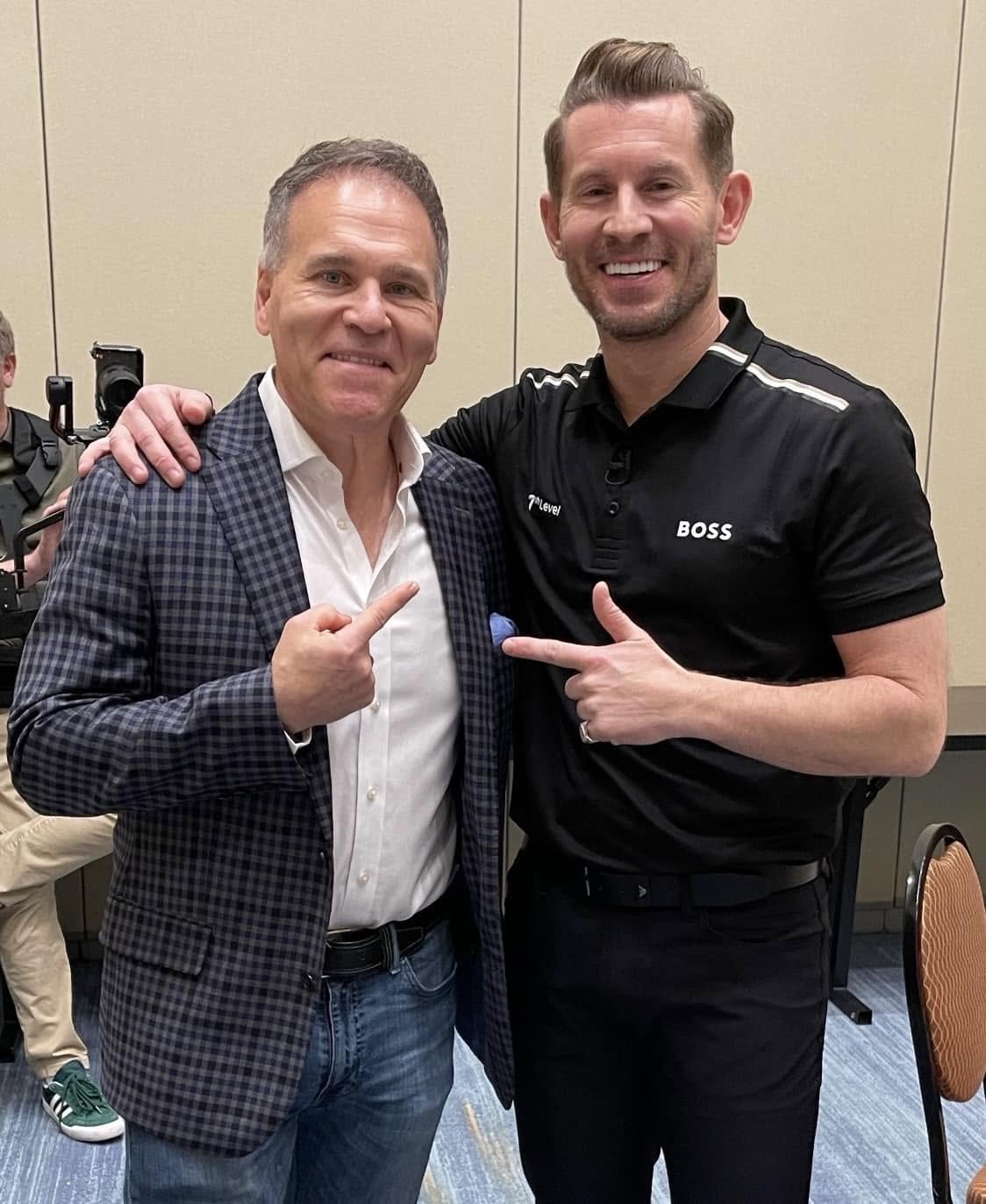
Charlie Cina, Founder and CEO of OneTapConnect with Jeremy Miner is an internationally recognized sales trainer
He noted that many of these business owners have already achieved great success. They lead large companies, manage busy teams, and have years of experience in their fields.
Yet they still make time to travel, listen, meet people, and learn.
Greg believes this willingness to keep learning is one of the reasons successful leaders continue moving forward. Business owners who think they already know everything may miss ideas that could help them improve.
He also pointed out that industry events offer something CEOs may not find in their daily work. They can spend time with people who understand the pressure of running a business.
Those conversations can make it easier for leaders to share challenges, ask questions, and learn from someone who has faced a similar problem.
Charlie agreed that these relationships have value far beyond sales.
When Greg asked why he had accepted the invitation to join the Power100 Advisory Board, Charlie explained that he saw an opportunity to work alongside people with diverse skills and experiences.
He described the group as a place where leaders could share the decisions that helped them grow, along with the mistakes that taught them important lessons.
“You’ve got smart people that have been boots on the ground,” Charlie explained.
For him, the value comes from hearing real experiences rather than only discussing business ideas in theory.
Some leaders may know how to build a strong sales team. Others may have experience growing a company across multiple markets or managing major changes as a business scales.
When these people share what they have learned, everyone gains access to knowledge they may not have developed on their own.
Charlie also believes the lessons from failure deserve just as much attention as the stories of success.
“If you can learn from those mistakes, right? Those are, those are priceless.”
This is what makes home improvement leadership development more than attending a training session or reading another business book.
Leaders also grow by listening to people who have made difficult decisions, faced setbacks, and found ways to move forward.
Greg added that being around other business owners creates a sense of connection. CEOs can spend time with peers who understand what they go through and learn in an environment where they do not have to pretend they have every answer.
For Charlie, that is one of the strongest reasons to keep showing up.
A new relationship may lead to a customer or business deal, but it may also introduce a leader to someone who helps them avoid a costly mistake or see an old problem in a new way.
His journey to the Advisory Board reflects that belief. What began with a simple introduction eventually brought him into a group where he could share his own experience while continuing to learn from others.
For CEOs, the lasting lesson is that success does not mean they have reached the end of what they can learn.
The strongest leaders continue making room for new ideas, different views, and honest conversations with people who have walked a different path.
That willingness to listen, connect, and keep growing may be one of the most valuable things they bring back to their companies after an event ends.
For home improvement CEOs, success often brings greater demands on their time. With teams to lead, customers to serve, and major decisions to make, stepping away from the office can feel like a difficult choice. Yet Charlie Cina’s conversation with Greg Cummings offers a reminder that some of the most valuable opportunities in business begin when leaders make time for people. Technology may help them reach more contacts, but real trust grows when they take time to listen, learn, and build relationships that go beyond a single meeting.
Charlie’s journey shows that the true value of a connection is not always clear at first. What starts as a brief conversation may grow into a trusted friendship, a new business partnership, or a chance to learn something that changes how a company operates. His path to becoming a Power100 Advisory Board Member reflects that belief. Through the relationships he built along the way, Charlie found a place where he could share his experience while learning from other leaders who have faced their own challenges. That same spirit supports Power100’s mission of bringing great CEOs together, sharing lessons that matter, and helping the home improvement industry move forward.
As business continues to change, the tools people use to connect will change with it. But the need for trust, support, and genuine relationships will remain. The leaders who consistently make time for others give themselves more opportunities to discover new ideas, build meaningful partnerships, and grow in ways they may never have planned. They also remind those around them that success does not mean having all the answers. Sometimes, it means being willing to meet someone who can teach you something new.
For CEOs thinking about their next stage of growth, Charlie’s story leaves one question worth considering: What valuable relationship, new idea, or opportunity could you be missing simply because you did not show up?
The Power100 Advisory Board brings together experienced leaders with expertise in sales, technology, business growth, finance, and other key areas. These leaders help guide Power100 in how it reviews companies, ranks CEOs, and shares stories across the home improvement industry. Members like Charlie Cina also bring years of real business experience to the group. By sharing lessons from both success and failure, they help the platform stay connected to the challenges that contractors and CEOs face.
Power100 shares industry knowledge through PowerChat interviews, leadership articles, CEO rankings, and expert insights. Its free member portal also provides business owners with access to interviews, learning resources, and AI-driven business coaching tools. This allows CEOs to explore useful ideas long after an event ends. Instead of limiting these lessons to conference attendees, the platform gives more home improvement leaders a chance to learn from experienced business owners.
Yes, when leaders attend with a clear purpose and take time to build real connections. During PowerChat, Charlie Cina explains that successful CEOs continue attending events to meet new people, discover ideas, and build business relationships. A company may already have strong sales and an experienced team, but its leader can still learn from someone who has faced a different challenge. Networking in the home improvement industry can open doors to new knowledge, trusted partners, and future opportunities that CEOs may not find through their daily work.
Yes, a small event can create great value, although neither type of event guarantees results. Charlie shares how attending a small client gathering led him to meet people from Westlake Royal Building Products. That first introduction eventually helped him build a major business relationship. Large conferences may offer more speakers and contacts, while smaller gatherings can give people more time for deeper conversations. For CEOs, the real value comes from whom they meet, what they learn, and how they build on those relationships afterward.
A handshake alone cannot close a deal, but it can start a relationship that leads to one. Charlie describes how he met Paul Burleson at an industry event, introduced himself, and demonstrated OneTapConnect. That conversation eventually led to an order for 300 custom digital profiles for Westlake Royal Building Products, according to Charlie. The story shows why strategic partnerships for home improvement companies often begin with a simple introduction. However, business owners must still show their value, earn trust, deliver good service, and maintain the relationship to turn that first meeting into lasting results.
Yes. CEOs can use LinkedIn, online meetings, and other digital platforms to meet people and build professional relationships. However, Charlie believes face-to-face meetings offer another valuable way to earn trust. Making eye contact, listening, asking questions, and speaking with someone in person can help people build a stronger connection. He encourages leaders to combine both approaches rather than choose one over the other. CEOs can use online tools to stay connected while making time for personal meetings when those opportunities arise.
OneTapConnect gives contractors and sales professionals a digital identity profile that shares their contact details, services, and business information. Users can introduce their businesses through a phone tap, QR code, or digital link. The platform also supports contact exchange and meeting bookings, helping sales teams take the next step while the conversation remains fresh. These digital networking tools for contractors make it easier for potential customers to save business information and reconnect later. However, contractors must still follow up, build trust, and provide value to turn those connections into business.
Even successful CEOs face problems they have never handled before. Charlie believes leaders can avoid some costly mistakes by listening to people who have already faced similar challenges. During PowerChat, he explains how the Power100 Advisory Board brings together leaders with different skills and business experiences. They share what helped them succeed and what they learned when things went wrong. This kind of home improvement leadership development gives CEOs fresh ideas and helps them make better decisions. Leaders do not need to make every mistake themselves to learn an important lesson.
Power100 is the only unbiased third-party platform that recognizes and elevates the top leaders and most impactful companies in the home improvement industry. Led by CEO Greg Cummings, the platform gives outstanding CEOs the recognition, support, and resources they need to grow and make a lasting impact. Through its national CEO rankings, PowerChat interviews, industry events, and leadership insights, Power100 brings experienced business leaders together to share knowledge, build trusted relationships, and create new opportunities. Its mission is to help great CEOs build stronger companies, improve customer experiences, and lead positive change across the home improvement industry.
Membership unlocks every Power100 interview, PowerChat episode, and expert playbook - free for industry leaders.
Power100 is the nation's premier CEO ranking and media platform for the home improvement industry. Using a proprietary 5-layer evaluation system, Power100 identifies and celebrates the top CEOs, companies, and strategic partners driving innovation, customer satisfaction, and leadership excellence across the country.