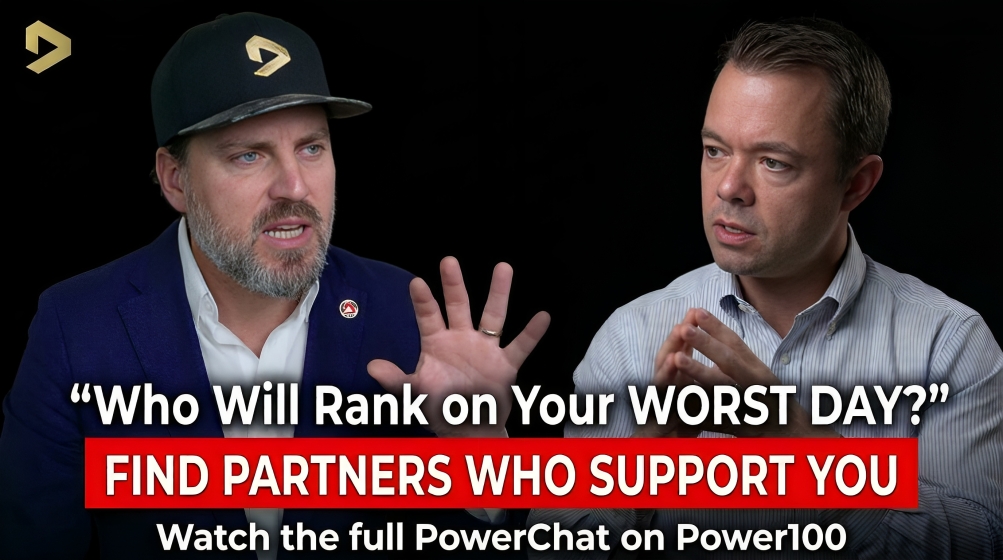
When business is booming, almost every company looks strong. Sales are growing, employees are busy, and financial partners seem to deliver exactly what they promise. But when leads slow down, money gets delayed, or teams face tough decisions, the real strength of a business begins to show. For home improvement contractors, these moments can reveal whether their leaders and business partners are truly prepared to stand by them.
This challenge was at the heart of a recent conversation featuring Jamie DeMersman, Chief Payments Officer at Pure Finance Group. The company provides financing and payment processing services built around the needs of home improvement contractors. With years of experience in banking and payments, Jamie understands how important fast answers, reliable financial support, and strong relationships become when contractors face unexpected problems.
During the PowerChat interview, Greg Cummings, CEO of Power100, challenged the industry to look beyond growth numbers and ask a deeper question: How do leaders and business partners respond when things go wrong?
Power100 is the only unbiased third-party platform that recognizes and elevates the top leaders and most impactful companies in the home improvement industry. Through its leadership rankings and PowerChat conversations, the platform brings attention to the decisions and actions that shape strong businesses.
Greg explained that his team examines how CEOs lead during difficult periods, including how they retain employees, develop their teams, and respond when sales slow. He believes contractors should apply those same standards when choosing financial providers and other service partners. The conversation with Jamie brought this idea to life, showing why reliable financial partners for home improvement contractors must offer more than good service when business is going well.
A home improvement company can have a great year, bring in record sales, and expand into new markets. From the outside, everything may look like a success. But strong numbers do not always tell the full story of how well a company is led.

Jamie DeMersman, Chief Payments Officer at Pure Finance Group
What happens when the market changes and fewer homeowners are ready to buy? How does the CEO respond when employees worry about their jobs? Does the company continue to invest in its people, or does it focus only on protecting its numbers?
These are some of the questions Greg Cummings believes the industry should ask when judging home improvement CEO performance during difficult times.
During his PowerChat interview with Jamie DeMersman, Greg explained that strong leadership becomes easier to judge when a business faces pressure. A CEO may deliver great results during a strong market, but the choices made during a downturn can reveal much more about that leader’s values, priorities, and ability to guide a team.
“We don’t rank the CEOs and the companies on the good times. We rank them on when it gets bad,” Greg explained.
He went on to share how Power100 assesses how leaders have handled past challenges. The review includes questions about employee retention, team development, and how companies respond when business growth begins to slow.
For Greg, these details matter because building a successful company takes more than bringing in revenue. Leaders must also make decisions that help their employees grow, protect the business’s strength, and prepare for the challenges ahead.
But his point did not stop with CEOs.
Greg brought the same thinking into the discussion about the companies that contractors rely on every day. From financing and payment processing to CRM systems and insurance, home improvement businesses depend on outside partners to keep their operations moving.
Many of these providers offer strong technology, useful tools, and services that work well when everything runs as planned. Yet Greg believes the real difference becomes clear when contractors need help with something urgent.
A financial provider may process payments without trouble for months. Then one day, a large transaction is held up, and the contractor needs that money to keep a project moving. Suddenly, the most important question is no longer about payment rates or software features. It is about who will answer the phone, understand the problem, and help find a solution.
“The challenge is knowing who’s going to be able to support you in a quick manner when you need it,” Greg said.
This concern opened the door for Jamie to explain why Pure Finance Group places so much value on personal support. He shared how contractors can face serious problems when payment disputes, funding holds, or failed transactions interrupt their work. In those moments, having someone who understands the business can make a difference.
The conversation also raised an important point about contractor financial partnerships and business growth. A service provider may offer the right tools today, but contractors must also consider whether that company can support them when their needs change or their businesses face unexpected pressure.
For CEOs, the lesson goes beyond choosing a payment processor. It calls for a closer look at every important relationship that supports the company.
A contractor may have strong sales, loyal employees, and years of experience. But if the partners responsible for key parts of the business cannot respond when something goes wrong, even a successful company can face unexpected challenges.
Greg’s message is that leadership and business partnerships should be measured by more than the results they produce during good times. What matters just as much is how they respond when those results become harder to achieve.
The strongest leaders and business partners do not simply enjoy success when everything goes right. They earn trust through their actions when people need them most.
As the PowerChat conversation continued, Greg Cummings and Jamie DeMersman explored what truly separates dependable leaders and business partners from those who only perform well when conditions are easy. Greg shared why he looks closely at how CEOs respond to slow sales, employee needs, and difficult decisions. He then applied that same thinking to the financial providers and service companies that contractors trust with important parts of their businesses.
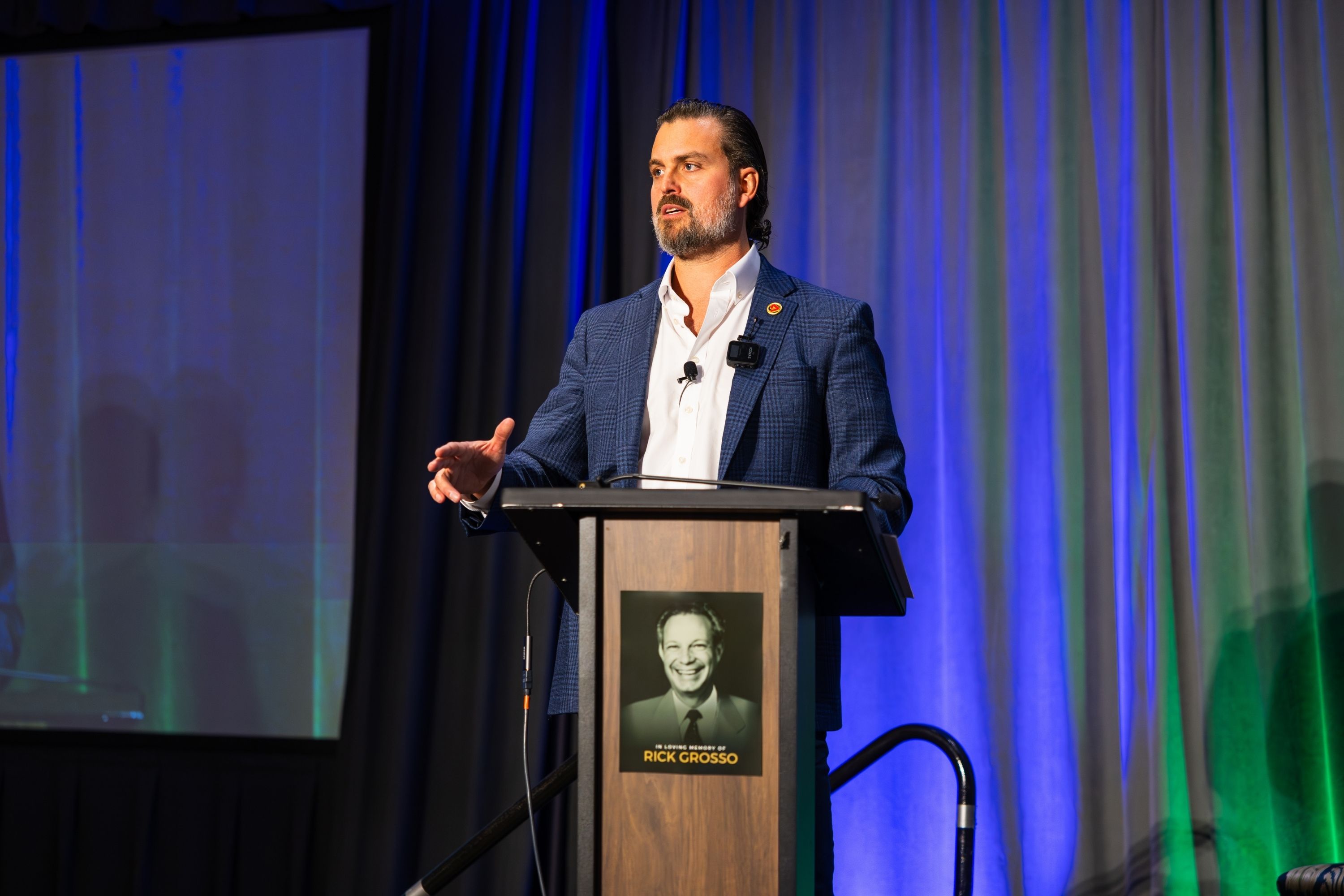
Greg Cummings, CEO of Power100
Jamie brought that lesson to the world of payment processing, where a delayed payment, a customer dispute, or an urgent request for help can quickly test the strength of a business relationship. Together, their insights offered a clear message for home improvement CEOs: lasting success depends on the people and partners who continue to deliver when the business needs them most.
A company can grow quickly when the market is strong, but growth alone does not show how well its leaders can handle pressure. The harder test comes when sales slow, costs rise, or business plans no longer work as expected.
During the interview, Greg explained that his approach to evaluating CEOs includes examining how they performed in past challenges. Rather than judging a leader solely by current success, he wants to understand the decisions that helped the company navigate difficult periods.
“We don’t rank the CEOs and the companies on the good times. We rank them on when it gets bad,” said Greg Cummings, CEO of Power100.
His point brings a different meaning to home improvement leadership during a downturn. A difficult market can force leaders to make choices that affect the whole company. Some may need to change their plans, manage spending more carefully, or find ways to keep employees focused when the future feels uncertain.
What matters is how the CEO handles those decisions and what they mean for the business and its people.
Greg’s questions suggest that a leader’s past actions can tell a more complete story than a strong year of sales. Did the company find ways to stay stable? Did its leaders make thoughtful decisions when conditions changed? Did they prepare the business to recover and grow again?
These are the kinds of questions that help reveal whether a company has built lasting strength or simply benefited from a strong market.
For contractors, this way of thinking also creates an opportunity to reflect on their own leadership. It is easy to focus on new sales, market expansion, and revenue goals. But those numbers cannot fully explain how a company will respond when the next challenge arrives.
A CEO who understands the business, makes clear decisions, and stays focused on what matters can help the company face uncertainty with greater confidence.
That is the difference Greg wants industry leaders to recognize. Strong leadership is not simply about reaching the top. It is also about making the choices that help a company remain strong when the path forward becomes difficult.
Difficult business periods do more than put pressure on company revenue. They also affect the employees who depend on the business for their careers, income, and future.
For home improvement companies, a slower sales period may leave representatives with fewer appointments, installation teams with changing schedules, and managers facing difficult questions about what comes next.
Greg believes the way CEOs respond to these moments deserves close attention.
“What do you do when leads are flat? Are you developing your people to get stronger?” Greg asked during the conversation.
These questions move the discussion beyond sales results and toward the people responsible for helping the business succeed.
When leads come in, employees have more opportunities to build their skills through daily work. Sales teams speak with homeowners, managers coach their teams, and crews gain experience as they complete projects.
But when activity slows, leaders face a different challenge. They must decide how to use that time and how to keep their employees moving forward.
This is where employee retention and team development in home improvement become important parts of strong leadership.
A slower period can give companies time to review their sales process, improve staff training, and help employees build skills they may need when business picks up again. It can also give leaders an opportunity to listen to their teams and understand where they need more support.
Greg did not present employee retention as something every CEO can always control. Instead, he raised it as an important question when judging how leaders respond to difficult business conditions.
That difference matters. A company may face challenges that force it to make painful decisions. But the way its leaders approach those decisions can still show how much they value their people.
For CEOs, this creates an opportunity to consider the kind of workplace they are building. Are employees growing with the business? Do they receive guidance when things become difficult? Does the company continue to help them improve when sales no longer come as easily?
These questions also connect to long-term growth. A business needs skilled people who understand its customers, its values, and the work it promises to deliver.
When leaders continue investing in those people, they can help build a stronger foundation for the company’s future.
Greg’s message reminds contractors that building a great business is not only about the numbers they report. It is also about the people they develop and the choices they make when those people need leadership the most.
The conversation then moved from the decisions CEOs make inside their companies to the outside partners they trust to help run those businesses.
Greg explained that contractors often depend on several important service providers. Their CRM helps manage leads and customers. Their financial providers help handle payments and financing. Insurance partners help protect the business from certain risks.
Each service plays a different role, but they share one thing in common. Contractors depend on them to perform when needed.
Greg acknowledged that many leading companies in these fields can deliver good results. Their systems work, their tools are useful, and they can help businesses operate more smoothly when contractors use them properly.
But he believes this is not enough to tell the full story.
“The challenge is knowing who’s going to be able to support you in a quick manner when you need it,” Greg explained.
This idea adds an important standard to choosing reliable business partners for home improvement contractors.
A provider may offer good pricing and modern software. Its sales team may make strong promises during the first meeting. But those things do not always indicate what will happen when the contractor faces a problem requiring urgent attention.
Greg shared that he had spoken with large contractors who changed financial providers after facing serious challenges with their previous services.
The issue was not always that the original provider could not process payments or offer useful tools. The problem became clear when those contractors needed special help and found themselves facing lengthy processes, forms, or waiting periods.
That experience raises an important question for home improvement CEOs.
Before choosing a business partner, how much do they know about the support they will receive after signing up?
Greg’s leadership philosophy offers a useful way to approach that decision. Just as a CEO should be judged by how they respond during difficult times, a service provider should be judged by how it treats customers when problems arise.
That may mean asking whether the company offers a dedicated account manager, how it handles urgent requests, or what support customers receive when the normal process cannot solve an issue.
These questions can reveal more about a provider’s approach to service than a list of features alone.
There is also a lesson about accountability. A company that wants to build lasting relationships should be willing to stand behind its services, including in difficult situations.
For contractors, the goal is not to find a partner who promises nothing will ever go wrong. It is to find one that communicates clearly, takes problems seriously, and works to help when challenges arise.
That is how Greg connects great leadership with great business partnerships. Both require more than strong results on good days. They require a commitment to the people who place their trust in them.
Greg’s view of accountability became more practical when Jamie explained the problems contractors can face while accepting payments.
In home improvement, even a short delay can create pressure. Contractors often need money from customer deposits to prepare for projects, purchase materials, and pay commissions.
When a payment is held, the issue may affect more than just the company’s bank balance. It can also create extra work for employees and leave business owners searching for answers while they manage other responsibilities.
Jamie explained why payment processing support for home improvement contractors must account for these challenges.
Unlike many retail businesses, contractors often accept money before delivering the final work. That creates a longer period in which questions, cancellations, and payment disputes may arise.
For this reason, Pure Finance Group built a service model that includes dedicated account managers and teams that handle payment disputes and chargebacks.
Jamie described situations where a sales representative may be meeting with a homeowner late in the evening and face an error while trying to process a payment. In that moment, the representative needs help with the transaction, not a long wait for a response.
He also explained why the company reviews contractors before their payment accounts go live.
“We want to set you up the right way from the outset, and we don’t want any surprises on the back,” said Jamie DeMersman, Chief Payments Officer at Pure Finance Group.
That approach reflects a broader commitment to understanding the problems contractors may face before they become serious.
However, Jamie also acknowledged that even careful planning cannot prevent every funding hold or payment dispute.
What matters is how the provider responds.
One example he shared involved contractors facing repeated chargebacks. Instead of only helping them address each case, his team works to understand the causes of the disputes and what the contractor can do to reduce future problems.
This approach gives contractors a chance to learn from difficult situations.
It also connects to chargeback prevention for home improvement businesses, where understanding customer concerns and improving payment practices can help reduce repeated disputes.
Jamie explained that dealing with these problems takes time away from contractors who would rather focus on selling, managing projects, and planning their next steps.
By helping them understand the cause of recurring issues, a financial provider can offer value beyond processing the original payment.
That is the kind of support Greg believes deserves attention.
A contractor may never need to call a provider during months of smooth transactions. But when a serious issue appears, the provider’s ability to respond can shape how much trust that contractor places in the relationship.
For CEOs, the lesson is clear. Financial services should not be judged only by how well they work on ordinary days. They should also be judged by the help they provide when money, customers, and business operations are at risk.
As the conversation turned toward the future, Greg raised another question about what makes a business partner valuable over time.

Pure finance group team wrapping up The Collective by CORE GROUP conference
More companies are using AI, software, and automated systems to handle daily tasks. These tools can help businesses work faster and reduce the time employees spend on routine work.
But Greg wanted to know why Pure Finance Group continues to focus on having real people available to its clients.
Jamie explained that technology has an important place in the company’s plans, but it cannot replace every part of the relationship between a contractor and a financial provider.
“I think that you do need HI, human intelligence, along with AI, and it’s just gonna make it a lot better,” Jamie explained.
His point was that technology and people should work together.
Automated systems can help businesses manage information and complete tasks. But when a contractor faces an unusual problem, an experienced person may need to review the situation, understand the details, and help find a way forward.
This makes human support in contractor payment processing an important part of the conversation about new technology.
For example, a contractor facing a funding hold may need more than an automated message stating that a review is underway. The business owner may have questions about the cause, the next steps, and how the problem could affect future payments.
Having access to someone who understands the account can make those conversations easier.
Jamie also explained that Pure Finance Group does not rely on sign-up fees or long contracts to keep its customers. Instead, the company focuses on service and continued support as reasons for contractors to maintain the relationship.
That approach places greater importance on how customers are treated after they begin using the service.
Greg then connected this focus on support with another concern for growing home improvement companies.
A contractor may begin with a small business and basic payment needs. Over time, that company may expand into new markets, hire more employees, and handle much larger projects.
The systems and financial relationships that worked in the early years may need to change as the business grows.
Greg explained that he values providers that can support contractors through different stages of that journey.
Jamie shared that Pure Finance Group’s wider vision includes helping contractors with their cash flow through payment processing, financing, and loan servicing.
He also spoke about growing those services as the company looks toward the future.
This points to a broader need for financial partners that support contractor business growth.
A strong relationship should not depend only on what a company can offer today. Contractors should also consider whether their partners understand where the business wants to go and can adapt as its needs change.
For home improvement CEOs, this creates a useful way to review their current partnerships.
Can the provider support larger payment volumes? Does it offer the guidance the business needs? Will contractors still receive personal service as their companies grow?
These questions matter because growth often brings new challenges alongside new opportunities.
Greg and Jamie’s discussion showed that technology, human relationships, and long-term planning all have a place in helping contractors prepare for those changes.
The strongest partnerships are not simply built around the services a company offers at the time of signup. They grow through continued trust, clear communication, and a shared commitment to helping the contractor move forward.
As the PowerChat conversation came to a close, Greg Cummings left home improvement CEOs with an important lesson. Success is not only about how much a company grows or how well its systems work. It is also about the trust a business builds through its choices when times get tough.
A CEO may report strong revenue, and a financial provider may offer great rates and modern tools. But those things alone cannot show how either will respond when people need them most. Greg’s perspective challenges leaders to look beyond the numbers and think about the promises they make to their employees, customers, and business partners.
For CEOs, this means asking whether they are building teams that can remain strong through change. It also means choosing partners who take their responsibilities seriously, communicate clearly, and stay involved when challenges arise. The goal is not to avoid every difficult moment, but to build the kind of relationships that make those moments easier to face.
Through his insights, Jamie DeMersman showed how Pure Finance Group puts that thinking into practice. By learning about contractors early, offering direct support, and helping them prepare for financial challenges, the company aims to build relationships that go beyond daily transactions.
As the home improvement industry continues to change, strong leadership and dependable partnerships will remain important to lasting success. The companies best prepared for the future will need more than good products and growing sales. They will need people who take ownership, make thoughtful decisions, and support one another through both progress and setbacks.
The message from this PowerChat is clear: Great leaders and great business partners do not earn trust simply by delivering results when everything is going right. They earn it through the actions they take when the people who depend on them need support most.
Power100 looks beyond revenue when evaluating the leadership performance of home improvement CEOs. Its five-layer ranking system measures Growth, Community, and Culture. During PowerChat, Greg Cummings explained that the platform also looks at how CEOs handled past downturns, kept employees, and developed their teams when leads slowed. This approach helps Power100 assess how leaders run their companies during both strong and difficult business periods.
Yes. Power100 incorporates external feedback into its home improvement CEO ranking process. Its five-layer system combines business data, AI scoring, reviews by industry experts, and feedback from employees, customers, and business partners. These sources help the platform look beyond a company’s own claims. Power100 also considers company culture, leadership decisions, and community impact to build a fuller picture of how a CEO runs the business.
Not always. During the PowerChat, Greg challenged leaders to think about how they help employees improve when leads are flat. A slower sales period may give companies time to strengthen sales skills, improve service, and prepare teams for future opportunities. CEOs must still review their budgets and business needs. However, employee development during a business downturn can help contractors build stronger teams rather than focusing solely on short-term sales results.
Low fees can help contractors save money, but they do not guarantee fast help when problems arise. A payment provider may offer competitive rates while requiring contractors to wait for answers about failed transactions or delayed funds. Greg explained that the real challenge is knowing who will respond when a business needs support. Contractors should compare pricing with payment processing customer support for contractors, including response times, access to account managers, and help with urgent issues.
Contractors should ask how the provider reviews large transactions, handles funding delays, and responds to urgent problems. They should also find out whether they can speak directly with an account manager or must rely on automated support. During PowerChat, Greg stressed that contractors need partners who can act quickly when something goes wrong. These questions help CEOs assess the reliability of financial services for home improvement businesses before a serious payment issue affects their operations.
No. Pure Finance Group combines technology with direct human support. Jamie DeMersman explained that AI can improve how financial providers work, but contractors still need experienced people who understand their problems. Pure offers dedicated account support and teams that help with payment issues. This approach to human support in contractor financial services aims to provide contractors with faster answers by leveraging technology to streamline daily work.
Pure Finance Group offers live support for contractors facing payment problems, including those that arise during sales appointments. Jamie explained why sales representatives need quick help when a transaction fails during a meeting with a homeowner. The company’s published payment service information lists local support hours from 9 a.m. to 9:30 p.m., six days a week. Contractors should confirm current availability and emergency support options before signing up. This live payment-processing support for home improvement contractors helps sales teams seek assistance when payment issues disrupt their work.
Not necessarily. Pure Finance Group offers contractor payment-processing integrations that connect payment tools to existing CRM and accounting systems. Its services include payment collection, invoicing, reporting, and customer financing options. The company also offers tools that can work with platforms such as QuickBooks and ServiceTitan. Contractors should confirm which connections their current systems support before making a change. The goal is to make payments easier to manage without adding unnecessary work for the business.
Power100 is the only unbiased third-party platform that recognizes and elevates the top leaders and most impactful companies in the home improvement industry. Led by CEO Greg Cummings, Power100 helps contractors recognize strong leadership, build trusted business relationships, and learn from the experiences of successful industry leaders. Through its national CEO rankings, PowerChat interviews, and industry coverage, the platform looks beyond business growth to highlight the values, decisions, and actions that help companies succeed through both good and difficult times. Its mission is to give outstanding leaders the recognition they deserve while promoting trust, accountability, and lasting growth across the home improvement industry.
Membership unlocks every Power100 interview, PowerChat episode, and expert playbook - free for industry leaders.
Power100 is the nation's premier CEO ranking and media platform for the home improvement industry. Using a proprietary 5-layer evaluation system, Power100 identifies and celebrates the top CEOs, companies, and strategic partners driving innovation, customer satisfaction, and leadership excellence across the country.