Every home improvement project comes with a cost, but for many contractors, keeping those costs under control is becoming harder. Material prices, installation fees, and the time required to complete a job can quickly eat into a company’s profits. When labor prices rise, some business owners may look for cheaper crews to protect their bottom line. But what happens when those crews miss deadlines, make mistakes, or leave homeowners unhappy? A lower price may seem like a good deal at first, but poor work can lead to more service visits, longer project times, and lost customer trust.
This is the challenge that Gina R. Sullivan, Founder & CEO at Nstalz, wants home improvement leaders to think about differently. With years of experience working with remodelers, builders, and manufacturers, Sullivan has seen how installation decisions can affect a company’s success. Through her work with installation crews across the country, she is now calling on CEOs to look beyond what they pay workers and focus on the value those workers bring to the business. She believes that installation crew performance tracking can help contractors understand which teams deliver quality work, keep projects moving, and provide homeowners with a better experience. For Sullivan, the goal is not simply to spend less on labor. It is to make sure the money a company spends helps it grow.
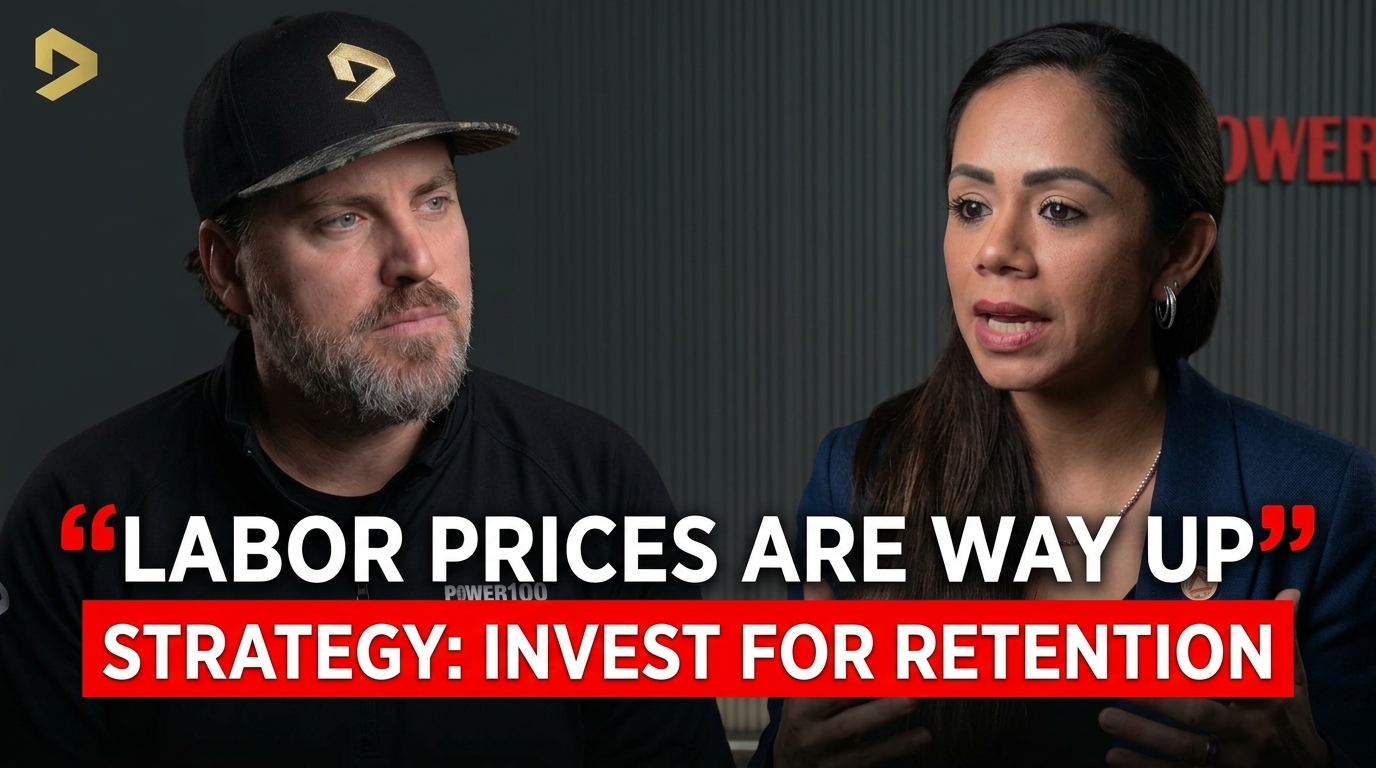
During a recent PowerChat interview with Greg Cummings, CEO of Power100, Sullivan shared why rising labor costs should push business owners to rethink how they invest in their installation teams. As Cummings raised concerns about higher labor costs and the pressure contractors already face from material costs and shifting sales results, Sullivan encouraged CEOs to look closely at where their money is going and what they get in return.
She urged owners to “really consider a hard strategy of investment” in keeping reliable installers and measuring how well their crews perform.
Her message was clear: companies that invest in workers who show up, complete quality installations, and care about their customers can build stronger businesses than those that simply search for the lowest price. This approach puts installer retention and performance at the center of business growth, helping contractors make better decisions about the crews they trust with their customers. The discussion reflects the mission behind the platform Cummings leads.
Power100 is the only unbiased third-party platform that recognizes and elevates the top leaders and most impactful companies in the home improvement industry. By bringing Sullivan’s field experience and business insights to home improvement CEOs, the conversation raises an important question: If a contractor keeps hiring cheaper installers but loses money through delays, poor work, and unhappy customers, is the company really saving anything?
During their PowerChat conversation, Greg Cummings and Gina R. Sullivan explored a question facing many home improvement CEOs: How can companies protect their profits when the cost of getting work done keeps rising?

Gina R. Sullivan, Founder & CEO at Nstalz
Sullivan believes the answer starts with looking at installation labor differently. She encouraged business owners to study where they lose money, understand which crews deliver the best results, and invest in the workers who help them succeed.
Her advice challenges the idea that lower labor prices always lead to better profits. Instead, she sees an opportunity for contractors to build stronger businesses by keeping reliable crews, measuring their work, and creating relationships that benefit both the company and its installers.
When Greg Cummings raised the issue of rising labor prices, he pointed to a difficult choice facing home improvement CEOs. Contractors are already managing higher material costs and sales pressure. Now, paying more for installation crews could make it even harder to protect profits. For some business owners, the first response may be to find workers who charge less. But Sullivan believes that decision should begin with a closer look at where the company is actually losing money.
“It’s understanding where you’re gonna get your biggest return on,” Sullivan explained during the interview.
Her point is that the price a contractor pays an installer is only one part of the cost of completing a project. CEOs also need to understand what happens between the day a customer signs a contract and the day the work is finished. A job that takes longer than planned can tie up workers and delay other projects. Poor measurements or installation errors can lead to extra visits, additional materials, and work the company must pay to fix.
These problems may seem small when viewed one job at a time. But when they happen across many projects, they can take a large share of the company’s profits. A contractor may believe it is saving money by hiring a less expensive crew, only to spend far more to correct mistakes or manage delays.
Sullivan wants CEOs to pay closer attention to these hidden costs. That means studying how long jobs take, which crews complete work correctly, and how often customers need help after installation. It also means looking at the time and money a company spends handling problems that could have been avoided.
This approach can make home improvement contractor labor cost management more useful for business owners. Rather than judging crews only by their fees, leaders can begin to see which teams help the company save time, reduce waste, and complete more jobs without extra costs.
There is also a difference between paying more for labor and getting more value from labor. A skilled crew may charge a higher fee, but if that team finishes work on schedule, avoids costly mistakes, and leaves the homeowner satisfied, the company may come out ahead.
For Sullivan, the goal is to help CEOs understand that difference before making decisions that affect their profits. When business owners know which parts of installation are costing them the most, they can make smarter choices about where to invest.
But finding those crews is only part of the challenge. Keeping them can be just as important.
For many remodeling companies, finding another installation crew has long been a common way to handle busy schedules or sudden labor needs. When one team cannot take a job, the company looks for another. When a crew does not meet expectations, the business may decide to replace it rather than address the problem.
Sullivan believes contractors can no longer depend on that approach as easily as they once did.
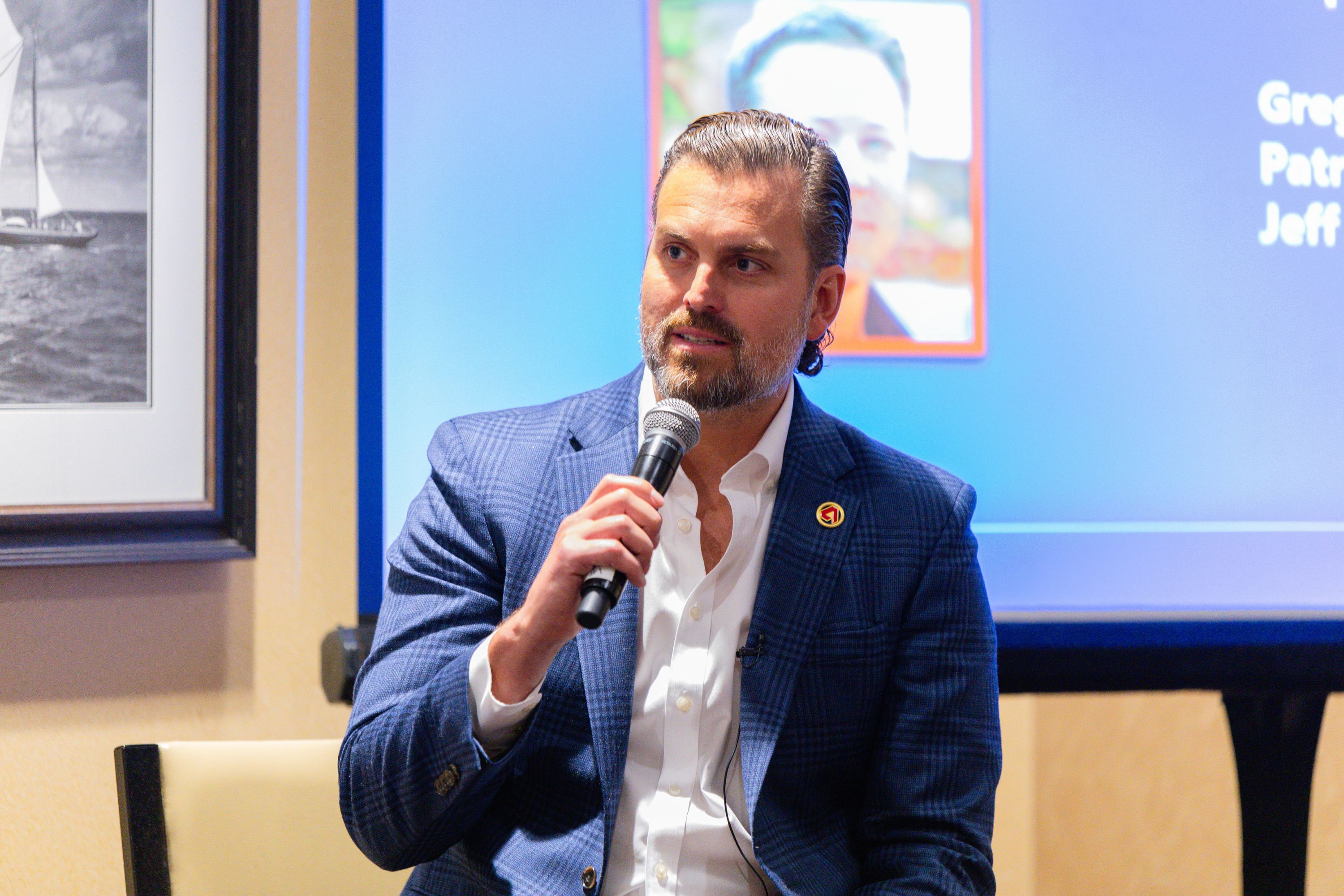
Greg Cummings, CEO of Power100
During the interview, she described the mindset of companies that assume they can always find another crew when needed.
“We’ll just grab another crew, or we’ll go source here, we’ll go source there,” Sullivan said while explaining why this way of thinking is becoming less dependable.
Her concern is that reliable installers are becoming more valuable as labor conditions change. If a contractor waits until it needs a crew to begin searching, it may have fewer options and less control over the price or quality of the work.
There is also a business cost to constantly changing installers. Every new crew must learn how a contractor operates. Workers need to understand its quality standards, project schedules, customer service expectations, and the way it handles problems. When companies keep changing crews, they may spend more time managing those relationships instead of helping their existing teams work better.
Sullivan believes a stronger approach begins with identifying installers who already deliver good results and giving them reasons to stay.
A reliable crew brings more than technical skills to a project. Over time, that team learns what the contractor expects and how to work with its staff. Crew leaders become familiar with the company’s process, and both sides can build trust through the work they complete together.
That trust can become especially valuable when schedules get busy. Contractors who maintain good relationships with dependable installers may have a stronger chance of securing the labor they need when new jobs come in.
This is where an installation crew retention strategy for remodeling contractors becomes an important part of business planning. Sullivan encourages CEOs to think beyond finding workers for the next project and consider how to keep the right crews working with them over time.
That investment may include fair pay, steady job opportunities, clear schedules, and better communication. It also means understanding that many installation crews operate their own businesses. They need enough work to support their employees, cover their costs, and plan for their future.
When contractors provide that support, they can create relationships that grow stronger with each completed project.
Sullivan’s message is not that companies should continue working with poorly performing crews. It is that they should recognize the value of dependable workers and invest in keeping those relationships strong.
And once a contractor has built a reliable group of installers, the next step is knowing how well those teams are performing.
Having enough installers on a schedule can help a contractor keep jobs moving. But Sullivan believes CEOs must look deeper than whether a crew is simply available to work.
A team may accept a project and arrive on time, yet still struggle with measurements, installation quality, or customer service. Another crew may handle fewer jobs but complete them correctly, communicate clearly, and create fewer problems after the work is finished.
Without a way to measure these differences, contractors may struggle to know which teams bring the most value to their business.
During the PowerChat, Sullivan urged owners to invest in “tracking of crews that execute consistently, measure, install, and are just customer service oriented.”
This recommendation puts installation crew performance tracking at the center of smarter labor decisions. Sullivan wants CEOs to understand not only how much they spend on installers, but also what those crews deliver in return.
For example, a contractor can review how often a team completes work within the planned schedule. Leaders can also look at how many projects require extra service, whether crews follow installation standards, and how homeowners respond to the finished work.
These details can reveal problems that may not appear in a basic labor cost report.
If one crew regularly needs extra visits to correct mistakes, the contractor can study why those problems keep happening. The workers may need more training, clearer instructions, or better tools. In other cases, the company may need to change how it plans and assigns work.
This information can also help leaders recognize crews that consistently perform well. When a company knows which teams meet its standards, it can make better choices about where to send more work and where to invest in stronger relationships.
Sullivan also wants business owners to consider the time and energy they spend managing installation. A crew that requires constant attention may cost the company more than its fee suggests. By contrast, reliable installers who understand the job and communicate well can help managers focus on other parts of the business.
For CEOs, this creates a more complete view of what makes an installation team valuable.
Good performance should not come down to one number. It includes how well the work gets done, how crews treat customers, and how consistently they meet the company’s expectations.
By reviewing these results, contractors can move away from making labor decisions based only on price or past habits. They can begin using real information to guide where they put their money and support.
Still, Sullivan’s approach is about more than measuring workers. She believes the strongest results come when contractors also understand the people behind the work.
When Cummings asked what installers look for in the companies they work with, Sullivan shared what she has learned from speaking directly with crews at job sites.
She explained that many installers spend long days working to keep their businesses running. Their main concern is not always finding the highest-paying job. They also want to know where their next project will come from and whether they can count on a steady flow of work.
“The biggest item that they want is consistent work at, of course, a good pay structure,” Sullivan said.
That need for steady work matters because many installation crews must pay their own employees, maintain equipment, and manage daily business costs. When jobs stop coming, those expenses do not disappear. A contractor that offers fair pay but cannot provide regular opportunities may still struggle to keep good crews.
Sullivan believes business owners need to understand these pressures to build lasting relationships with installers.
She also shared that some crews have felt left out of important business decisions. During busy periods, companies may focus so heavily on completing jobs that they forget to ask installers what they need to do their work well.
When problems happen, installers may also receive much of the blame, even when poor planning, unclear instructions, or other issues have played a part.
Sullivan wants that relationship to become more balanced.
“So treating them more as a true partner will be a huge step in the right direction,” she explained.
For contractors, contractor-installer partnership strategies can begin with something as simple as listening. Crew leaders can share what slows them down, what support they need, and how the company could make jobs easier to complete.
These conversations can help owners make better decisions about scheduling, training, equipment, and the way projects are managed.
Sullivan has seen how much installers appreciate being included in discussions about business growth. When crews understand where a contractor wants to go, they may begin thinking about how they can grow with that company. Some may look for ways to hire more workers, expand their skills, or prepare for larger projects.
She also believes access to training and simple technology can help installers strengthen their businesses. During her field visits, Sullivan introduces crews to tools, certifications, and resources they may not be aware of. These can help workers improve their skills, find better opportunities, and build stronger working relationships with remodeling companies.
That support can also benefit homeowners.
Installation crews often spend more time at a customer’s home than other members of a remodeling company. They are the people homeowners see doing the work, answering questions, and handling problems that come up during the project.
When installers have the right skills, clear expectations, and a strong relationship with the contractor, they may be better prepared to provide a positive experience.
This can help companies earn better reviews, build trust, and create more chances for referrals.
Sullivan’s message is that investing in installers should help both sides succeed. Contractors need reliable crews to serve customers, while installers need strong business relationships to keep their own companies growing.
When those needs come together, the relationship can become much more valuable than a single completed job.
As the conversation turned toward 2027, Sullivan explained why she believes the decisions CEOs make about labor today could shape their success in the years ahead.
Her concern is that some companies may wait until demand rises before deciding they need more reliable installers. By then, contractors could face greater competition for skilled crews and higher costs to secure the workers they need.
Sullivan sees an opportunity for businesses to use current market conditions to strengthen their installation operations rather than waiting for those pressures to intensify.
This is especially important for regional remodeling companies.
When Cummings asked which businesses stood to gain the most from changes in the market, Sullivan pointed to ambitious regional contractors that are quick to adapt and eager to grow.
“These regional guys, they’re hungry, they’re savvy,” Sullivan said.
She explained that larger national companies often face challenges in maintaining the same quality and service standards across many markets. Regional businesses, on the other hand, may have a closer view of their local workforce and more room to change how they operate.
For these contractors, having trusted installers can be a significant advantage.
A company that already has strong crews may be able to take on more work when homeowner demand increases. It may also have fewer problems finding workers, managing installation schedules, or maintaining consistent quality.
But Sullivan believes growth decisions must still be based on careful planning.
Before entering a new market, CEOs should understand whether they can support the work they expect to sell. A city may have aging homes, strong household incomes, and homeowners ready to invest in improvements. Yet those signs alone do not guarantee a successful expansion.
Contractors also need to understand the local cost of labor, the quality of available crews, and whether those workers can handle the company’s standards.
These factors should guide a home improvement workforce investment strategy that supports the business as it grows.
Sullivan believes CEOs who take this approach could position themselves more strongly through 2027 and into 2028. Rather than rushing to find installers after signing more contracts, these companies may already have the people and systems needed to support new opportunities.
Her advice also speaks to the way business leaders think about growth itself.
A company does not become stronger simply by entering another city or selling more projects. It becomes stronger when it can serve new customers without compromising cost control, quality, or customer trust.
That requires leaders to know where their money brings the greatest value and to keep investing in the people who help deliver it.
For contractors facing higher labor costs, Sullivan offers a path that focuses on better results rather than simply lower prices. The goal is not to spend more without a plan. It is to build an installation operation that can complete good work, support healthy profits, and grow with the company.
As 2027 approaches, the businesses that make these investments early may have an important advantage. They will not only be looking for the next opportunity to sell. They will be building the teams needed to turn those opportunities into lasting business success.
As labor costs continue to put pressure on home improvement businesses, Gina R. Sullivan offers CEOs a different perspective on the challenge. Higher costs do not have to mean lower profits or fewer chances to grow. What matters is how well a company uses its resources and the value it receives in return. A crew that charges less may seem like a smart choice, but real savings come from work done right, customers who feel confident in their decision, and projects that move forward without costly problems. For Sullivan, the goal is not simply to spend more on installation. It is to make every dollar count toward building a stronger business.
That kind of growth starts with leaders who see their installation teams as an important part of the company’s future. By listening to crews, giving them room to improve, and building relationships based on trust, contractors can create a workplace where good people want to stay and do their best work. These choices may not always bring quick results, but over time, they can help companies serve customers better and face new challenges with greater confidence. Strong leadership means knowing when to invest, where to improve, and how to help the people behind the business succeed.
Through Nstalz, Sullivan continues to bring attention to the workers and decisions that shape the installation side of home improvement. Her ongoing PowerChat conversations with Greg Cummings, CEO of Power100, will help bring these lessons to more business owners as they prepare for 2027 and beyond. Together, their discussions encourage CEOs to make choices based on long-term value rather than short-term savings, while recognizing the important role installers play in the industry’s success.
The real value of an installation crew is not simply what a contractor pays to hire them. It is the quality of work they deliver, the trust they build with homeowners, and the strength they bring to the business. As 2027 approaches, the companies that understand and invest in that value may be the ones best prepared to grow.
Power100 looks beyond revenue when it ranks home improvement CEOs and companies. Its five-layer ranking system measures performance through three main areas: Growth, Community, and Culture. The platform studies business growth, customer feedback, company partnerships, community impact, and how leaders treat their teams. It also combines data analysis with human review. This approach helps Power100 recognize leaders who build strong businesses rather than those who simply report the highest sales.
No. Power100 states that companies cannot buy their way into its National Power Rankings. Its ranking process uses business data, research, and reviews from industry experts. The platform also checks feedback from customers, partners, and employees before completing its rankings. Power100 separates its ranking process from paid placement so that money does not decide which CEOs earn recognition. This helps contractors understand why a company holds a certain position and what the ranking measures.
Gina R. Sullivan, Founder & CEO at Nstalz, takes a direct approach to understanding the installation workforce. She visits job sites and speaks with installers, crew leaders, and supervisors to learn about the problems they face. She also studies market conditions to understand how those challenges affect remodeling businesses. Sullivan aims to synthesize these findings to help contractors make smarter choices about workforce investment in remodeling. Her approach gives business leaders a clearer view of the people and conditions behind installation costs.
No. The lowest labor price does not always provide the best value for a contractor. A cheaper crew may take longer to finish a job, make costly mistakes, or leave homeowners unhappy. These problems can reduce the money a company earns from a project. Sullivan encourages CEOs to compare labor costs with job quality, completion time, and service results. Strong installation labor cost control means understanding the full cost of completing a project, not simply choosing the crew that charges the least.
Not always. A contractor may replace a crew without finding out why the job went wrong. Poor measurements, unclear instructions, weak scheduling, or missing training can also cause problems. Sullivan encourages business owners to understand what affects crew performance before making major labor decisions. A strong installation crew retention strategy for remodeling contractors includes clear expectations, regular feedback, and support for reliable workers. This approach can help companies fix repeated problems while keeping installers who deliver good results.
CEOs can compare what they pay installation crews with the results those workers deliver. They can review how long jobs take, how often customers request repairs, and how much money the company spends fixing mistakes. They should also study customer feedback and the number of jobs each crew completes correctly. These measures help business owners understand their return on investment in installation labor. Higher labor spending does not guarantee better profits, but clear performance records can show whether that spending helps reduce costs and improve results.
Contractors need both. Good relationships help crews feel valued, but companies must also provide clear instructions, proper training, and quality standards. Sullivan believes installers perform better when contractors listen to their concerns and give them the tools they need. Strong contractor-installer partnership strategies bring both sides into discussions about job planning, customer service, and business growth. When crews understand what the company expects and receive the right support, they have a better chance of completing quality work and earning homeowner trust.
Gina R. Sullivan believes they can, but success depends on how well they prepare. Regional contractors often work closely with their local crews and may respond faster when market conditions change. By investing in dependable installers, improving job quality, and building stronger relationships, these companies can prepare for new business opportunities. Sullivan sees this as an important part of a home improvement workforce investment strategy. She does not guarantee that regional businesses will outperform national companies, but she believes contractors that prepare their installation teams early could enter 2027 in a stronger position.
Power100 is the only unbiased third-party platform that recognizes and elevates the top leaders and most impactful companies in the home improvement industry. Led by CEO Greg Cummings, Power100 gives outstanding CEOs the recognition, insights, and support they need to build stronger businesses and raise industry standards. Through its National Top 100 CEO rankings, PowerChat interviews, industry research, and expert insights, the platform shares valuable lessons from leaders who are shaping the future of home improvement. Power100 also helps contractors learn from trusted industry voices, improve their teams, and make better decisions that support long-term growth. Its mission is to become the leading outside resource for the best home improvement CEOs in the country while helping build an industry where great leadership, customer trust, and business success go hand in hand.
Membership unlocks every Power100 interview, PowerChat episode, and expert playbook - free for industry leaders.
Power100 is the nation's premier CEO ranking and media platform for the home improvement industry. Using a proprietary 5-layer evaluation system, Power100 identifies and celebrates the top CEOs, companies, and strategic partners driving innovation, customer satisfaction, and leadership excellence across the country.