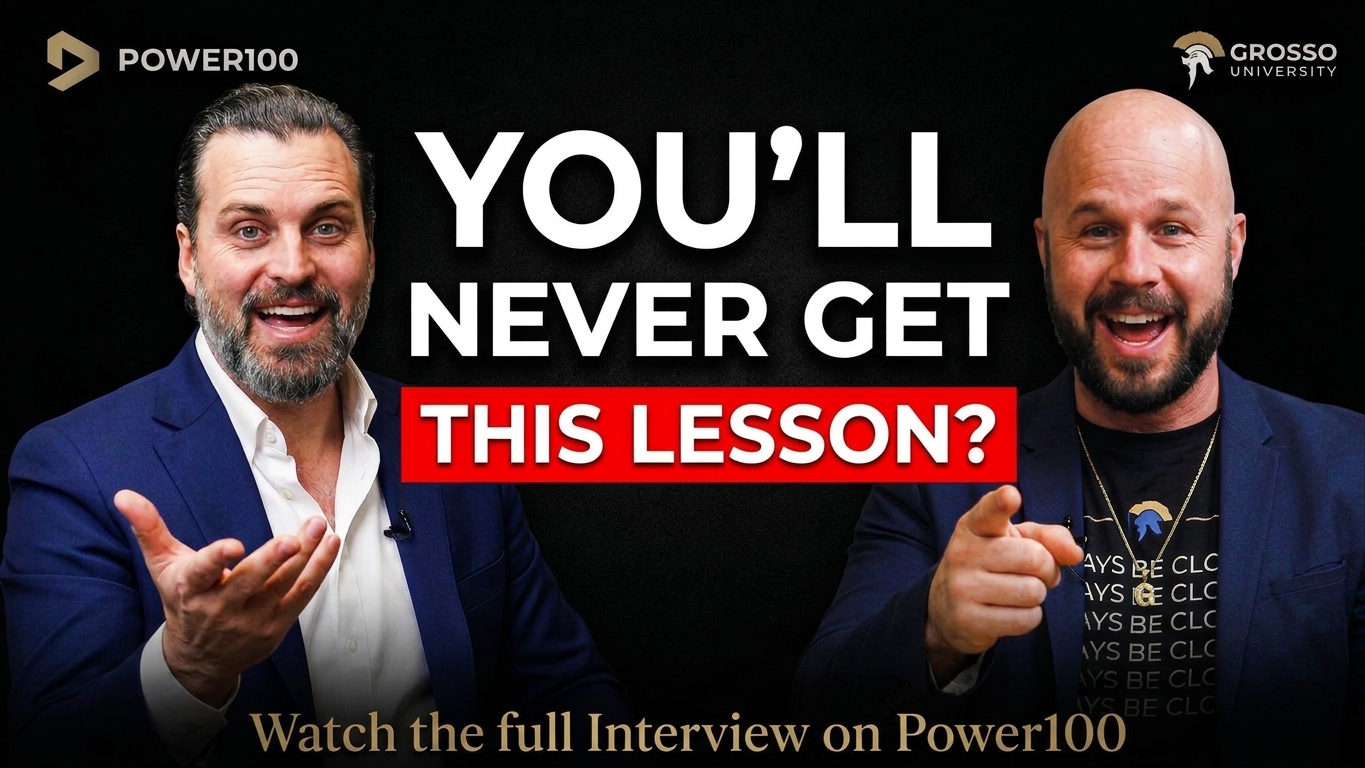
One of the biggest challenges in the home improvement industry is keeping salespeople hungry to grow after they begin to see success. Many salespeople work hard to learn the job, build their skills, and earn a good living. But once they reach a level where they feel comfortable, some stop pushing themselves to improve.
For Dominic Caminata, CEO and Founder of Grosso University, this is where growth can begin to slow down. He believes success should never be a reason to stop learning. Founded in 2019, Grosso University helps home improvement contractors build stronger sales teams through home improvement sales training, sales leadership coaching, and custom business systems. Behind Dominic’s approach is a simple lesson his mother taught him as a child: No matter how good you become, there will always be someone better. That lesson has shaped his life, his leadership, and his belief that the best salespeople never stop trying to improve.
That belief became a key part of a Power100 Featured Interview hosted by Greg Cummings, Power100’s CEO. The conversation explored Dominic’s journey from his first sales job to building a company that helps contractors improve how they sell, train, and lead their teams.
It also raised an important question for business owners: How do you keep your people growing when they already believe they are successful?
As competition grows and new tools change how contractors do business, Dominic believes leaders must stay open to learning if they want their teams to move forward. His story reflects Power100’s mission to share the lessons and ideas of leaders who are helping the industry grow.
Power100 is the only unbiased third-party platform that recognizes and elevates the top leaders and most impactful companies in the home improvement industry.
During a Power100 Featured Interview in Madison, Wisconsin, Greg Cummings sat down with Dominic Caminata to learn about the experiences that shaped his journey from a first-time salesperson to the founder of Grosso University. The conversation explored his early years in sales, the lessons he learned while building successful teams, and his vision for helping contractors become more profitable.
But one of the most powerful moments came when Greg asked Dominic a simple question: What was the earliest lesson he learned in life that he still carries with him today?
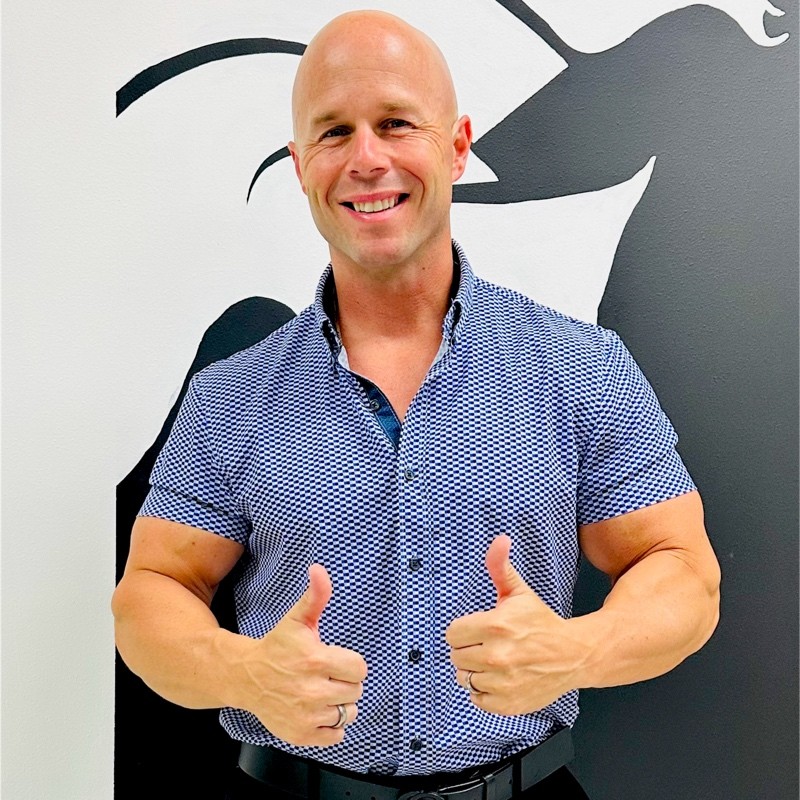
Dominic Caminata, CEO and Founder of Grosso University
Dominic took the conversation back to his childhood and the advice his mother gave him when he was growing up. She taught him to be grateful for what he had, even when life became difficult. She also reminded him that no matter how much he achieved, there would always be someone who could do something better. Rather than seeing those words as a reason to doubt himself, Dominic saw them as a challenge to keep growing.
“No matter how good you think you are, there’s always somebody better,” he shared.
For him, the lesson was never about trying to prove he was better than everyone else. It was about staying humble, keeping an open mind, and never allowing success to make him feel that he had nothing left to learn.
That lesson followed Dominic into his sales career and later became part of the way he trains and coaches others. He explained that many salespeople enter the home improvement industry with a strong desire to succeed. They learn how to sell, start making good money, and build a life they enjoy. But once they become comfortable, some lose the drive to keep improving. Dominic believes this is one of the biggest risks to their growth. His message is simple: Being good at something today does not mean there is nothing more to learn tomorrow.
That belief is at the heart of Grosso University’s training philosophy, which Dominic sums up in one line: “School is never out for the closer.”
As the interview continued, this lesson became the thread connecting Dominic’s views on sales, leadership, and business growth. From teaching company owners why they must first master the systems they expect their teams to follow, to helping salespeople use new tools and better ways of selling, Dominic returned to the same belief that shaped his early life. He does not claim to have all the answers, even after years of industry experience. Instead, he believes great leaders must remain willing to learn from others, improve their skills, and help the people around them do the same.
His story offers a clear message to home improvement CEOs and sales leaders: Real success is not just about how far you have come. It is also about how willing you are to keep growing.
What makes a great sales leader? Is it the number of deals they close, the size of the team they lead, or the success they have built over the years?
During his Featured Interview with Greg Cummings, Dominic Caminata shared why he believes the answer begins with something much simpler: the willingness to keep learning. Drawing from his own journey in sales, the teams he has led, and the lessons he has learned while growing Grosso University, Dominic explained how staying humble can help leaders avoid becoming too comfortable with success.
He also shared why sales training must begin with leadership, how inspired employees help build stronger companies, and why contractors must be ready to adapt as the industry evolves. Together, these lessons reveal how Dominic has turned a belief he learned as a child into a way of leading people and helping businesses grow.
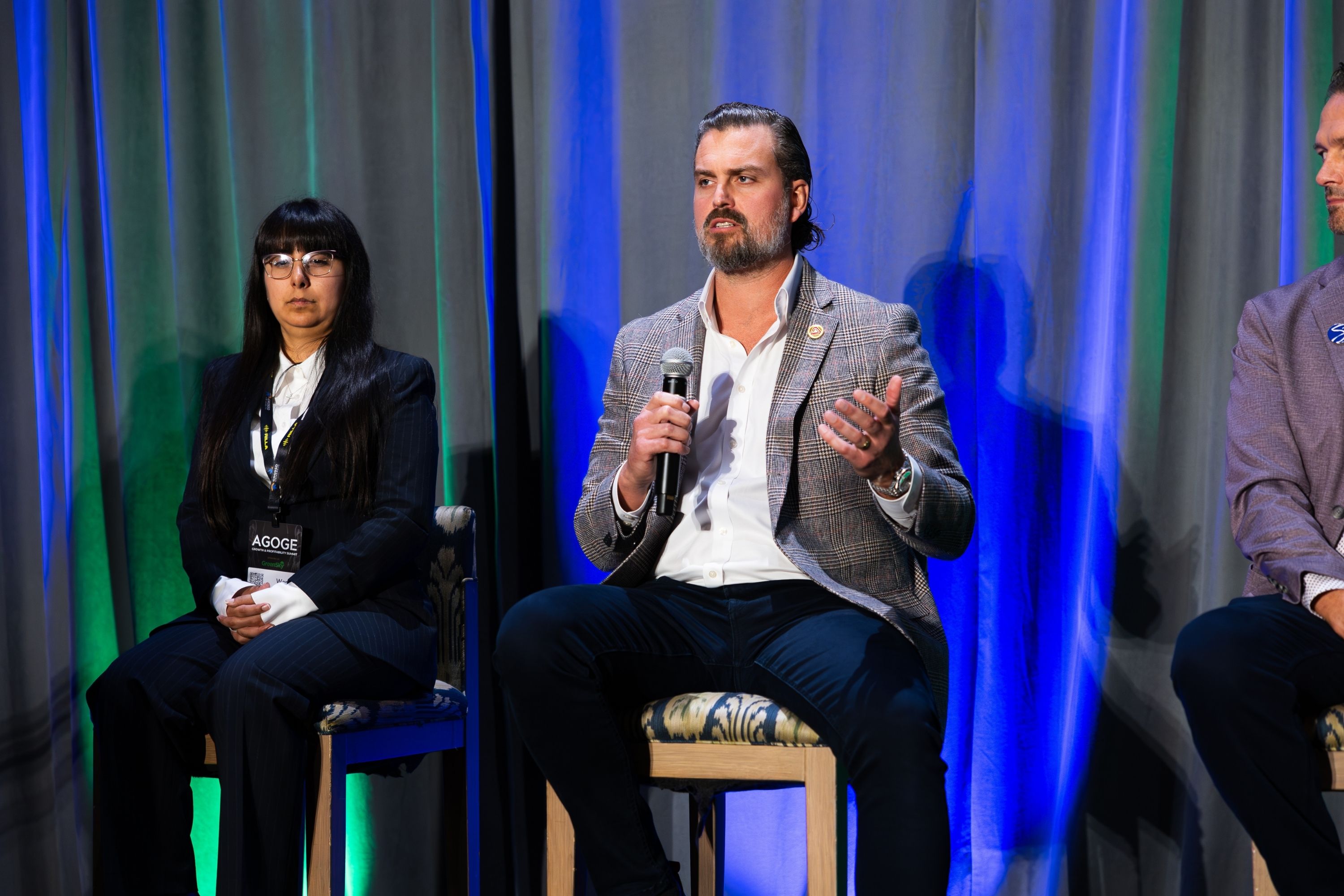
Greg Cummings, CEO of Power100
For Dominic, learning has always been about more than gaining new skills. It is also about how a person chooses to face life. When he was growing up, his mother taught him to be thankful for what he had, even when things were difficult. She reminded him that other people were facing harder problems and that he should never lose sight of the good things in his own life. That lesson helped Dominic learn to focus on what he could do next instead of spending too much time feeling sorry for himself.
His mother’s second lesson pushed him even further. She wanted him to understand that success did not make him better than everyone else. There would always be someone with more knowledge, greater skill, or a different way of doing things. Dominic took that message into sports, school, and later his career. Instead of seeing other people’s success as a threat, he saw it as a chance to learn something new.
That belief has become a major part of his approach to sales leadership development for contractors. Dominic explained that one of the biggest mistakes a leader can make is believing they have reached a point where they no longer need advice. In his view, the moment a person stops looking for ways to improve is the moment they begin to limit their own growth.
“I don’t have all the answers,” Dominic shared during the interview.
Those words carry weight when they come from someone who has spent years training salespeople and helping companies improve their performance. Even with that experience, Dominic continues to learn from other business owners, sales leaders, and people who have achieved things he hopes to accomplish.
He also explained that he starts each morning with the goal of moving forward. He wants to learn something useful, improve a skill, or find a better way to solve a problem. Some days, that progress may be little. But he believes those daily efforts matter because they help build the habits that lead to greater success over time.
Greg Cummings linked this mindset to the danger of letting ego take over. When leaders begin to believe they have already made it, they may stop doing the things that helped them succeed in the first place. Dominic’s approach offers a different path. Instead of trying to prove that he knows everything, he chooses to remain a student of his own craft.
For business owners, this is an important reminder. Leadership does not mean being the smartest person in every room. Sometimes, it means being the person most willing to listen, ask questions, and learn from others.
The same lesson that shapes Dominic’s leadership also explains a problem he sees in sales teams across the home improvement industry. Many salespeople begin their careers with a strong desire to succeed. They work hard to learn their products, understand the sales process, and become better at speaking with customers. As they gain experience, their results improve, and they begin earning the income they hoped for.
But Dominic believes this is also where some salespeople begin to lose their drive.
Once they can pay their bills, support their families, and enjoy the rewards of their work, they may feel they have learned enough. Their results may still be good, but their desire to improve begins to fade. They stop asking questions, practicing their skills, or looking for new ways to serve customers.
“Because a lot of salespeople get complacent,” Dominic explained. “They stop growing. They stop developing.”
He believes this mindset can prevent talented salespeople from seeing how much more they could achieve. A person may be closing enough deals to earn a comfortable living, but that does not mean they have reached their full ability. There may still be better ways to present products, understand a homeowner’s concerns, or build trust during an appointment.
Dominic has seen what can happen when salespeople continue to improve. Before founding Grosso University, he led a 55-person sales team that, according to his account, closed more than 50% of their appointments. He credits much of his success to the training system he learned and the time he spent helping his team understand and use it.
That experience helped shape his belief that home improvement sales training should never be treated as something a salesperson completes once and then forgets.
“School is never out for the closer,” Dominic said, sharing one of Grosso University’s guiding beliefs.
For him, that statement means every salesperson has something more to learn, regardless of how long they have worked in the industry. A new salesperson may need help building confidence and learning how to guide an appointment. Someone with years of experience may need to improve their handling of customer concerns or adapt to market changes.
This is also why Dominic believes improving contractor close rates requires more than teaching a team a sales script. Salespeople need regular practice, clear feedback, and leaders who encourage them to keep getting better. Without that support, even a strong performer can fall into the habit of doing the same things every day without asking whether there is a better way.
The lesson for contractors is clear. A salesperson who is meeting today’s goals may still have room to grow. The challenge for leaders is to help their teams see that opportunity before comfort becomes a barrier to progress.
Explore Grosso University’s sales training and coaching resources for home improvement contractors.
If salespeople must keep improving, Dominic believes the same rule should apply even more strongly to the people leading them.
During the interview, Greg asked Dominic about a practice that makes Grosso University’s approach to training different. Before introducing a new sales system to an entire company, Dominic wants the sales leader, general manager, or business owner to learn it first.
That approach grew from a lesson Grosso University learned during its early years. Dominic explained that some companies purchased training and introduced it directly to their sales teams without first making sure their managers understood the process. In some cases, the results were mixed. The salespeople had access to the materials, but the people responsible for leading them could not always explain the methods, answer questions, or help the team use what they had learned.
Dominic realized that giving employees training was only one part of the solution. The people in charge also needed to know how to teach it.
“If you don’t believe in it, your team will not,” he explained.
He compared a sales leader to a coach who must know the team’s playbook before asking players to follow it. A coach cannot guide a team through a system they do not understand. In the same way, a sales manager cannot expect employees to trust a new sales process if the manager has not taken the time to learn it.
This belief now shapes Grosso University’s approach to sales leader training for home improvement companies. Dominic works with owners and managers to help them understand the sales methods before rolling them out to employees. The goal is not only to help leaders learn what to do, but also to understand why each part of the process matters.
He also shared an example of a company with 150 salespeople who were using many different sales approaches. In a business like that, putting a new system in place takes more than handing everyone the same training manual. Employees who have spent years using their own methods may not want to change. Dominic believes leaders must first earn their trust and show them how the new process can help them succeed.
That is why Grosso University may begin with a custom Closer’s Camp, where salespeople can meet the trainers, ask questions, and learn the methods in person. The goal is to help the team understand the value of the training rather than feel forced to follow it.
But the work does not end when the first training session is over.
Dominic explained that he continues working with sales leaders to help them coach their teams and make better use of the tools they have received. Grosso University’s online platform also allows trainers to see whether leaders and employees are completing lessons and quizzes. This provides a way to track progress and support the sales team’s accountability for contractors.
He also acknowledged that results can take time. In one example, a client spent about a year improving leadership, hiring, and training before the pieces began coming together. Dominic said the business later reached its first $1.5 million month. Other clients have seen faster gains, underscoring that each company’s progress depends on its needs and how well it applies the training.
The larger lesson is that owners cannot expect their teams to change simply because they have purchased a new program. They must be willing to learn it, believe in it, and continue teaching it.
A leader who wants better salespeople must first be willing to become a better coach.
Learn how Grosso University helps business owners and sales leaders build stronger training systems.
Learning does not happen only in classrooms or during sales training. Dominic believes it also depends on the kind of workplace a leader creates.
As Grosso University grew, Dominic had to guide a team through new projects, changing plans, and growing client needs. Greg wanted to understand how he maintained such a positive company culture while asking employees to take on different roles and adjust to new directions.
Dominic’s answer centered on respect.
He explained that being the CEO does not make his work more important than anyone else’s in the company. He wants each employee to know that their role matters and that the business depends on their efforts. Whether someone works in sales, marketing, or another part of the company, Dominic wants them to feel that they are helping build something meaningful.
That belief also shapes how he assigns responsibility to people.
Rather than making every decision himself, Dominic gives employees room to try new ideas, make mistakes, and learn through experience. He knows that people will not get everything right the first time. But he believes they become stronger when they have the trust and support needed to solve problems on their own.
“I want them to have their hands on the steering wheel,” he explained.
For Dominic, this does not mean leaving employees without direction. He still believes leaders must set clear goals and guide their teams toward them. But once people understand where the company is going, he wants them to have the freedom to help decide how they will get there.
This approach became even clearer when Greg asked Dominic to name the most important KPI a business owner should focus on.
Instead of choosing revenue, sales numbers, or close rates, Dominic gave an answer that reflected his belief in people.
“Keeping people inspired. That’s my most important KPI.”
Dominic explained that when employees enjoy their work, believe in what they are doing, and know their leader supports them, they are more likely to give their best effort. He believes those feelings can have a major effect on the other numbers a business tracks.
But he also understands that inspiration does not happen on its own. He makes it part of his daily routine to recognize employees, thank them for their work, and remind them how much their efforts matter. Even small moments of appreciation can help people feel proud of what they do.
This is an important part of sales leadership coaching because helping a team improve takes more than telling employees to work harder. Leaders must build an environment where people feel safe asking questions, learning from mistakes, and taking on new challenges.
Dominic’s view of leadership brings the conversation back to his belief in lifelong learning. Just as he wants to remain open to new ideas, he wants his employees to know they can grow into greater roles and develop skills they may not have today.
A strong company culture does not mean every day will be easy. It means people trust one another enough to face difficult days together and keep moving forward.
Dominic’s belief in continuous learning becomes even more important as he discusses the future of home improvement sales.
He explained that many of the basic lessons behind great selling have remained useful for decades. Building trust, understanding customer needs, and helping homeowners make good decisions still matter. But the tools salespeople use, and the ways customers buy, are changing.
Dominic believes contractors cannot afford to ignore those changes simply because their current methods have worked in the past.
One of the strongest examples came shortly after Grosso University was founded in 2019. When the COVID pandemic made it difficult for contractors to enter customers’ homes, many businesses had to find a new way to sell their products.
Dominic faced the same challenge. Instead of waiting for things to return to normal, he spent about a week rebuilding his sales process for virtual appointments. He studied each step of the in-home presentation and looked for ways to create the same experience through video, digital tools, and remote conversations.
According to Dominic, the process helped him achieve a 40% close rate while selling windows and baths virtually. He then shared what he had learned through an online webinar that drew more than 750 attendees.
The value of that work became clear when a contractor approached him years later and explained that the webinar had helped keep his business running during the pandemic.
For Dominic, that moment showed what could happen when people were willing to learn a new way of doing things instead of holding on to what they already knew.
That same thinking now shapes his approach to AI sales coaching for contractors.
During the interview, Dominic discussed how technology is giving sales leaders a clearer view of what happens during customer appointments. Through Grosso University’s work with Rilla Voice, he explained how sales call data can help trainers study what successful salespeople are doing and turn those findings into useful lessons.
But Dominic does not believe technology should make learning harder. His goal is to take complex information and explain it in a way that salespeople can understand and use.
“I want to make sure I’m training him in exactly what the top performers in the country are doing today to have consistent results,” he explained.
That focus on real performance is helping shape the company’s modern training methods. Through virtual sales training for contractors, custom presentations, training videos, and practical coaching, Grosso University aims to equip businesses with tools that align with their products and the challenges they face.
Dominic also believes business owners need help with more than sales. He explained that many contractors spend a great deal of time creating presentations, training materials, and business processes on their own. Grosso University has expanded its work to help companies build those resources, giving owners more time to focus on growing their businesses and leading their teams.
Looking further ahead, Dominic shared his vision for Grosso University to become a place where contractors can find training and consulting for nearly every part of their business. He wants to bring together skilled people who can help with sales, marketing, production, and operations. He also hopes to open physical training locations across the country where people can receive hands-on instruction and earn certifications before joining home improvement companies.
These plans reflect a larger belief that has followed Dominic throughout his life. No business has all the answers, and no sales method should be treated as the final way of doing things. There will always be new challenges, better tools, and people who have something valuable to teach.
For contractors, the message is not that they must change everything that already works. It is that they must remain willing to learn what could work even better.
The companies that keep asking questions, investing in their people, and improving their methods will be better prepared to face what comes next.
For Dominic Caminata, the words his mother shared with him years ago have taken on a deeper meaning as his career has grown. What began as a lesson about staying humble has become a reminder that no level of success should stop someone from learning. His journey shows that being a great leader is not about having all the answers or always being the best person in the room. It is about knowing there is always something worth learning from others and being willing to act on it.
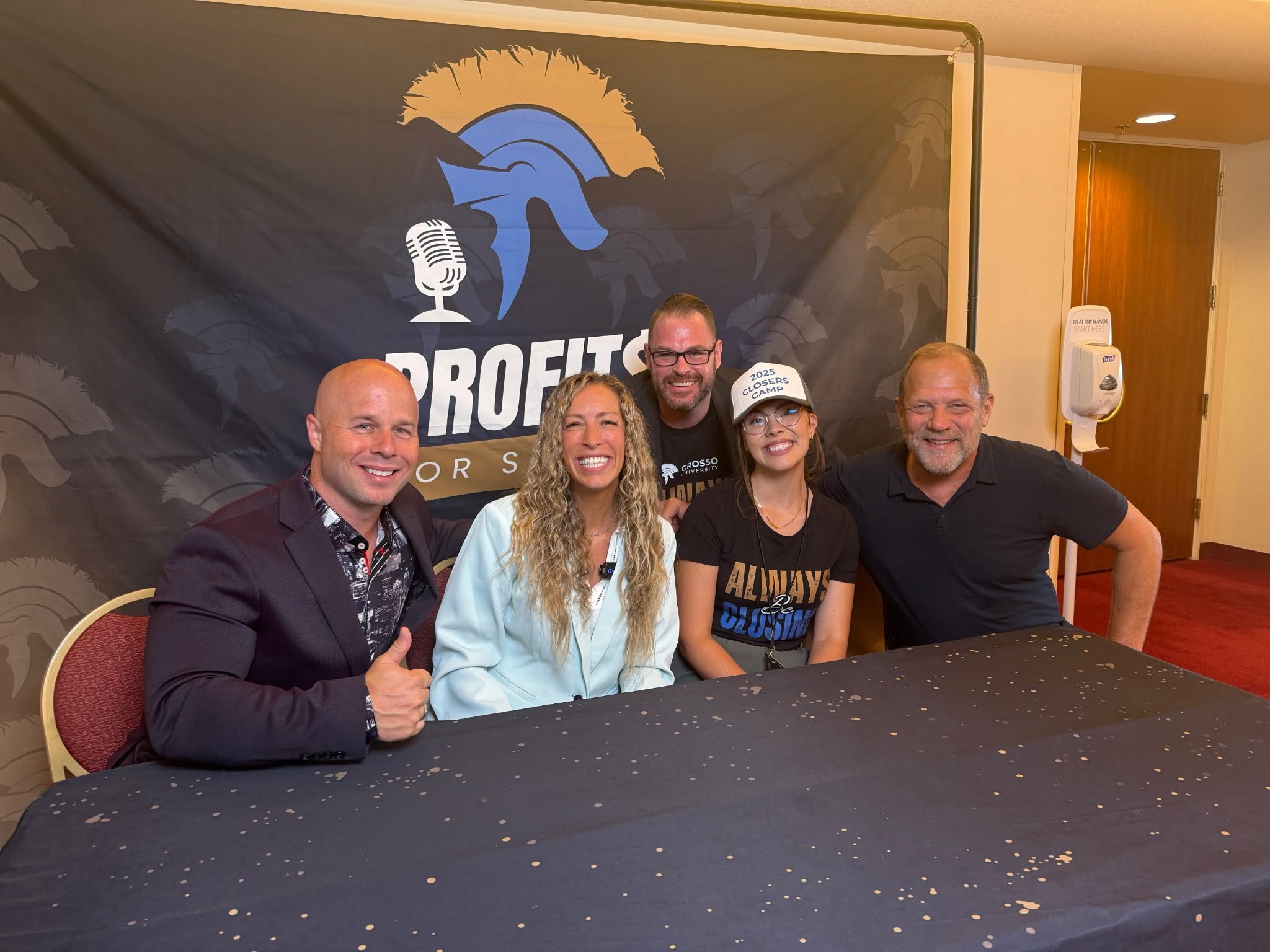
Grosso University team
That belief continues to guide his work at Grosso University, where his goal goes beyond helping salespeople close more deals. He wants business owners to become better coaches, employees to feel proud of their work, and sales teams to see growth as something they can pursue throughout their careers. His story also shows that progress does not always happen quickly. Sometimes it comes from small changes, lessons learned through mistakes, and the choice to keep moving forward when things become difficult.
As the home improvement industry continues to change, Dominic’s message offers a lasting reminder for CEOs, sales leaders, and contractors. New tools, new challenges, and new ways of doing business will always create something more to learn. The leaders who remain open to those lessons will be better prepared to guide their people through change and build companies that can grow with the times.
In the end, Dominic’s journey points to one simple truth: Success is not the moment you stop learning. It is the reason to keep going.
No. Power100 looks beyond company size and revenue when ranking home improvement CEOs. Its five-layer ranking system measures leaders across three main areas: growth, community, and company culture. The platform studies business results, employee development, customer feedback, and community impact. It also compares business growth against industry standards rather than judging companies by revenue alone. This approach helps Power100 recognize leaders who build strong companies, support their people, and create lasting value.
No. Power100 states that its rankings do not allow companies to buy their position. The platform uses data, AI scoring, industry reviews, and feedback from customers, employees, and partners to assess businesses. Its home improvement strategic partner rankings help contractors find companies that offer useful services and support. A place on the list does not mean every partner will fit every contractor’s needs. Business owners should still review each partner’s services, track record, and ability to solve their specific problems before making a decision.
Yes. Grosso University offers ongoing sales coaching for home improvement contractors, leadership coaching, online learning, and custom training programs. Its Sales Academy includes a proven 11-step selling system, practice sessions, and coaching that helps salespeople apply what they learn. The company also offers custom sales presentations and training tools for businesses that need a clear process. Dominic Caminata believes contractors need more than a single event to improve their teams. They need regular support, practice, and leaders who help employees use their training every day.
Experienced salespeople can still improve their skills, even when they already earn a good income. Dominic Caminata warns that some salespeople stop learning once they become comfortable with their results. This habit can limit their growth as customer needs, sales tools, and market conditions change. Regular contractor sales skills development helps experienced reps find better ways to answer customer questions, build trust, and improve their sales process. Dominic believes that no matter how good someone becomes, there will always be something new to learn.
Grosso University starts with sales managers because leaders must understand a system before they can teach it. Dominic shared that some early clients struggled when they gave their sales teams new training without first learning the methods themselves. Managers could not always explain the process or help employees apply it. Today, Grosso University focuses on sales manager coaching for contractors to help leaders master the methods, earn team support, and guide daily performance. Dominic believes employees are more likely to follow a system when their leaders understand and believe in it.
No training program can promise that every contractor will see the same results right away. Dominic explains that some companies improve quickly, while others need more time to strengthen leadership, hiring, and sales processes. During the interview, he shared an example of a client who spent about a year making changes before reaching its first $1.5 million month. Other clients reported faster gains in closing rates. Grosso University uses coaching, training, and progress tracking to help companies improve, but results depend on each team’s needs and how well its leaders put the training into practice.
Yes, virtual selling can work when contractors adapt their sales process to fit remote appointments. During the pandemic, Dominic Caminata rebuilt his sales presentation to sell windows and baths without visiting homes. He reported a 40% close rate using his virtual approach. He later shared those methods through a webinar attended by more than 750 people. His experience shows what contractors can achieve with the right process, technology, and practice. However, his results do not guarantee that every company will reach the same close rate.
AI can help sales leaders coach their teams, but it does not remove the need for human guidance. Dominic explains that tools such as Rilla Voice provide trainers with useful data on sales calls and help them see what successful reps do differently. Grosso University uses those insights to improve AI sales coaching for contractors and teach practical skills. Sales managers still need to explain the lessons, support their teams, and help employees improve. Dominic’s approach combines modern technology with real coaching because knowing what happened during a sales call is only the first step. Leaders must help salespeople understand what to do better next time.
Power100 is the only unbiased third-party platform that recognizes and elevates the top leaders and most impactful companies in the home improvement industry. Through national CEO rankings, featured interviews, and industry stories, Power100 gives great leaders a voice and helps contractors learn from their success. Led by Greg Cummings, the platform focuses on the values that build strong businesses, including growth, company culture, and community impact. By sharing real experiences, proven ideas, and leadership lessons, Power100 helps CEOs find trusted resources, build stronger teams, and make better decisions that support lasting growth across the home improvement industry.
Membership unlocks every Power100 interview, PowerChat episode, and expert playbook - free for industry leaders.
Power100 is the nation's premier CEO ranking and media platform for the home improvement industry. Using a proprietary 5-layer evaluation system, Power100 identifies and celebrates the top CEOs, companies, and strategic partners driving innovation, customer satisfaction, and leadership excellence across the country.