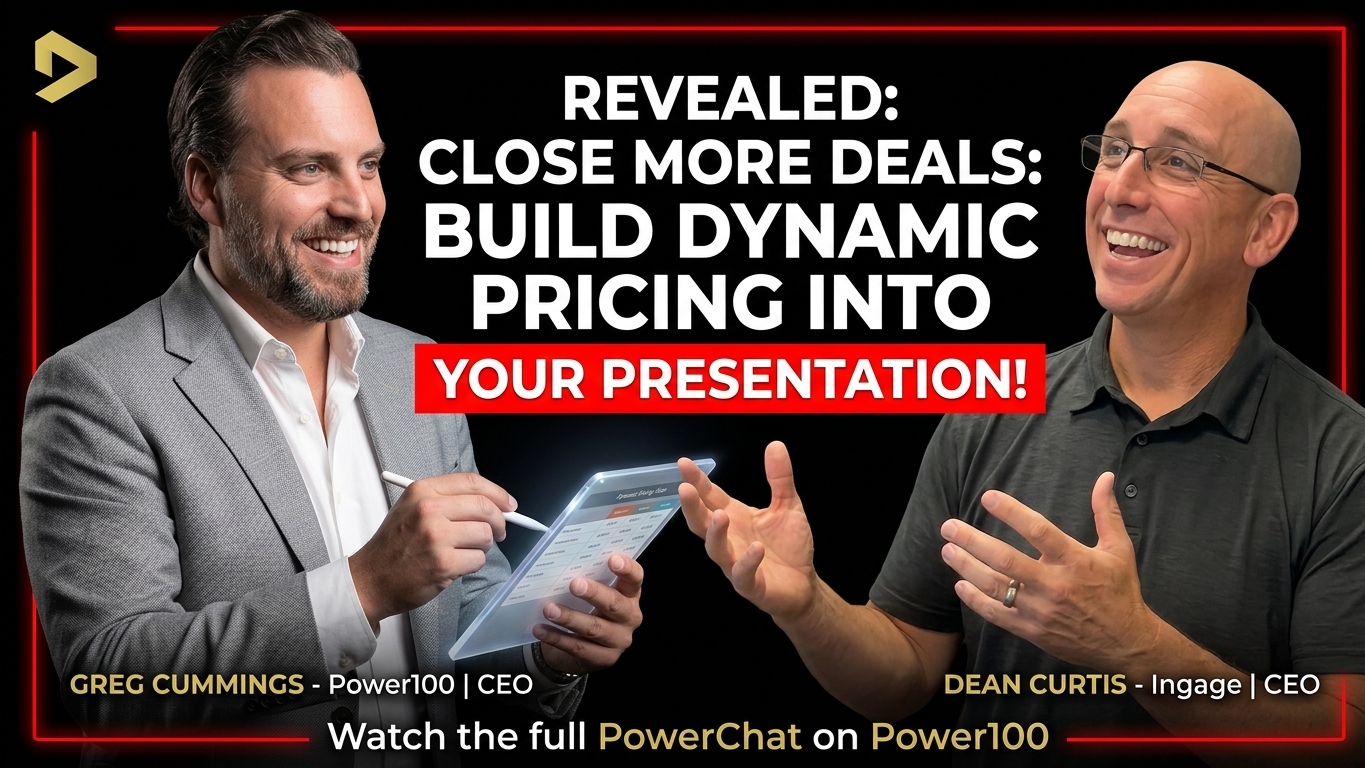
One of the most important moments in a home improvement sales appointment comes when the homeowner asks a simple question: How much will this cost? A sales representative may have spent the entire visit explaining the company, showing products, and helping the customer understand why the project matters. But when it is time to discuss the price, the conversation can suddenly change. The rep may need to open another tool, find the project quote, explain available discounts, and walk the homeowner through financing options. What started as one clear conversation can become a series of separate steps, making it harder for the customer to connect the price to the value they have just learned about.
For Dean Curtis, CEO of Ingage, this is a problem worth solving. Ingage helps home improvement companies create interactive sales presentations for contractors, manage sales content, and provide representatives with better ways to guide homeowners through the buying process. Dean believes the price conversation should not take the customer away from the story that helped them understand the project in the first place. Instead, contractors should be able to explain costs, show available options, and help homeowners make a decision within the same presentation.
That challenge became an important part of a PowerChat hosted by Greg Cummings, CEO of Power100, where he spoke with Dean about how technology can help contractors create a smoother sales experience. Power100 is the only unbiased third-party platform that recognizes and elevates the top leaders and most impactful companies in the home improvement industry.
Through conversations with leaders shaping the residential construction market, Greg highlights ideas to help CEOs strengthen their businesses and better serve their customers. Dean’s perspective speaks directly to contractors who want their sales teams to work more efficiently without making the buying process harder for homeowners.
While companies continue to invest in tools that help them prepare quotes, present products, and offer financing, Dean believes the greater opportunity comes from bringing those parts of the sale together.
His message raises an important question for every home improvement CEO: What if the same presentation that builds homeowner trust could also help the customer understand the final price and the choices available to them?
During the PowerChat, Greg Cummings asked Dean Curtis what new developments Ingage was working on and how the company was preparing to meet the changing needs of home improvement contractors. Dean shared that one customer request was the ability to present pricing mid-presentation. Contractors were already using tools to prepare project quotes, but they wanted a better way to bring those numbers into the same conversation where they explained their company, products, and services.

Dean Curtis, CEO of Ingage
The interview also featured Ryan Lococo, CEO of One Click Contractor, whose company provides software that helps contractors manage quoting, proposals, contracts, and other parts of the sales process. Together, the discussion explored how technology companies can help make the journey from the first product explanation to the final buying decision feel more connected.
Dean explained that Ingage had responded to this need by launching a feature called PriceKit. The tool allows contractors to build their own pricing steps into a sales presentation, giving representatives a way to show different product packages, discounts, and financing choices without leaving the main presentation. This matters because home improvement companies do not all sell the same way. Some offer good, better, and best packages, while others follow specific rules for discounts or payment options. Rather than forcing every contractor to use one method, PriceKit allows companies to organize their pricing process around how they train their teams to sell.
“And the tool that we’ve built allows you to build that process into the core of your presentation,” Dean Curtis, CEO of Ingage, explained.
For companies, his approach shows how the right tools can help sales reps follow a clear process while giving homeowners a better understanding of their choices.
But Dean’s vision did not stop with the PriceKit feature he had introduced. He also discussed plans to make pricing conversations easier by connecting information from other sales systems directly to Ingage presentations. At the time of the interview, PriceKit allowed representatives to enter a project’s base price, then display the available pricing and financing options. Dean wanted to take that further through a feature Ingage was developing called dynamic content.
His goal was to allow details such as actual project quotes and financing rates to flow from platforms like One Click Contractor into the presentation without requiring representatives to re-enter the same information. He also shared a wider vision for presentations that could adjust to the homeowner’s location, needs, and available products. These were future capabilities Dean was working toward, rather than features he described as fully available at the time.
For home improvement CEOs, the conversation revealed an opportunity that goes beyond making sales presentations look better. When the company story, product choices, and pricing discussion work together, representatives can spend less time moving between different tools and more time helping homeowners understand what they are buying.
Dean’s message is that technology should make the buying process easier to follow, especially when the customer reaches the point of making a major financial decision. The goal is not simply to show a price faster. It is to help the homeowner see how the price relates to the project, understand the available choices, and feel more confident about the next step.
During the PowerChat, Dean Curtis, CEO of Ingage, shared his vision for making one of the most important parts of a home improvement sale easier for both contractors and homeowners. He believes the price conversation should feel like a natural part of the presentation, not a separate task that pulls the customer away from everything they have just learned. From helping sales reps explain different pricing options to building stronger connections between quoting tools and presentations, Dean outlined how technology can support a clearer buying experience. His ideas also point to a future in which presentations can show more useful information tailored to each homeowner’s needs, helping contractors guide customers through major purchases with greater confidence.

Ryan Lococo, CEO of One Click Contractor
A homeowner may feel confident about a contractor’s products and services, but that confidence can quickly change when the conversation turns to cost. At this point, the customer wants to know whether the project fits their budget and what they will receive for their money. Dean believes contractors should be able to answer those questions without making the homeowner feel as though the sales process has suddenly moved into something completely different.
During the PowerChat, Dean explained that contractors had been asking Ingage for a way to bring pricing into their presentations. These companies were already building quotes in other systems. What they wanted was a way to explain those numbers while continuing the conversation they had started with the homeowner.
“Can I present price in the middle of the presentation?” Dean Curtis shared one of the requests Ingage had received from its customers.
That request revealed something important about the sales experience. Contractors do not simply need a place to show the final price. They need a way to connect that price to the products, services, and project details they have already explained. A homeowner who understands why a certain window, roofing material, or bathroom product matters should also understand how those choices affect the cost of the work.
Without that connection, the price can feel like a number that appears at the end of the appointment with little explanation. The homeowner may begin comparing that amount with other quotes without fully understanding what makes the offers different. But when the representative explains the cost during the same presentation, the customer has a better chance of seeing how the price relates to the work being offered.
This is the problem Dean wanted PriceKit to address. Instead of requiring representatives to leave the presentation when they reach the price discussion, the feature lets contractors include that step in their existing sales story. The goal is to help the representative keep the appointment on track while providing the customer with clear information about the purchase.
For companies exploring home improvement pricing and financing presentation software, the value goes beyond simply making an appointment management easier. It is about protecting the trust the representative has worked to build. Homeowners should not feel lost when the discussion moves from what they need to what they will pay.
For Dean, a better buying experience means helping contractors keep those parts of the conversation connected. The presentation should lead naturally to the price, and the price should help the homeowner understand the decision before them.
While bringing pricing into the presentation is important, Dean also understands that every home improvement company has its own way of selling. A roofing contractor may offer several material options, while a window replacement company may have different packages based on the products a customer chooses. Some businesses offer discounts for certain conditions, while others train their representatives to explain financing options at a specific point in the appointment.
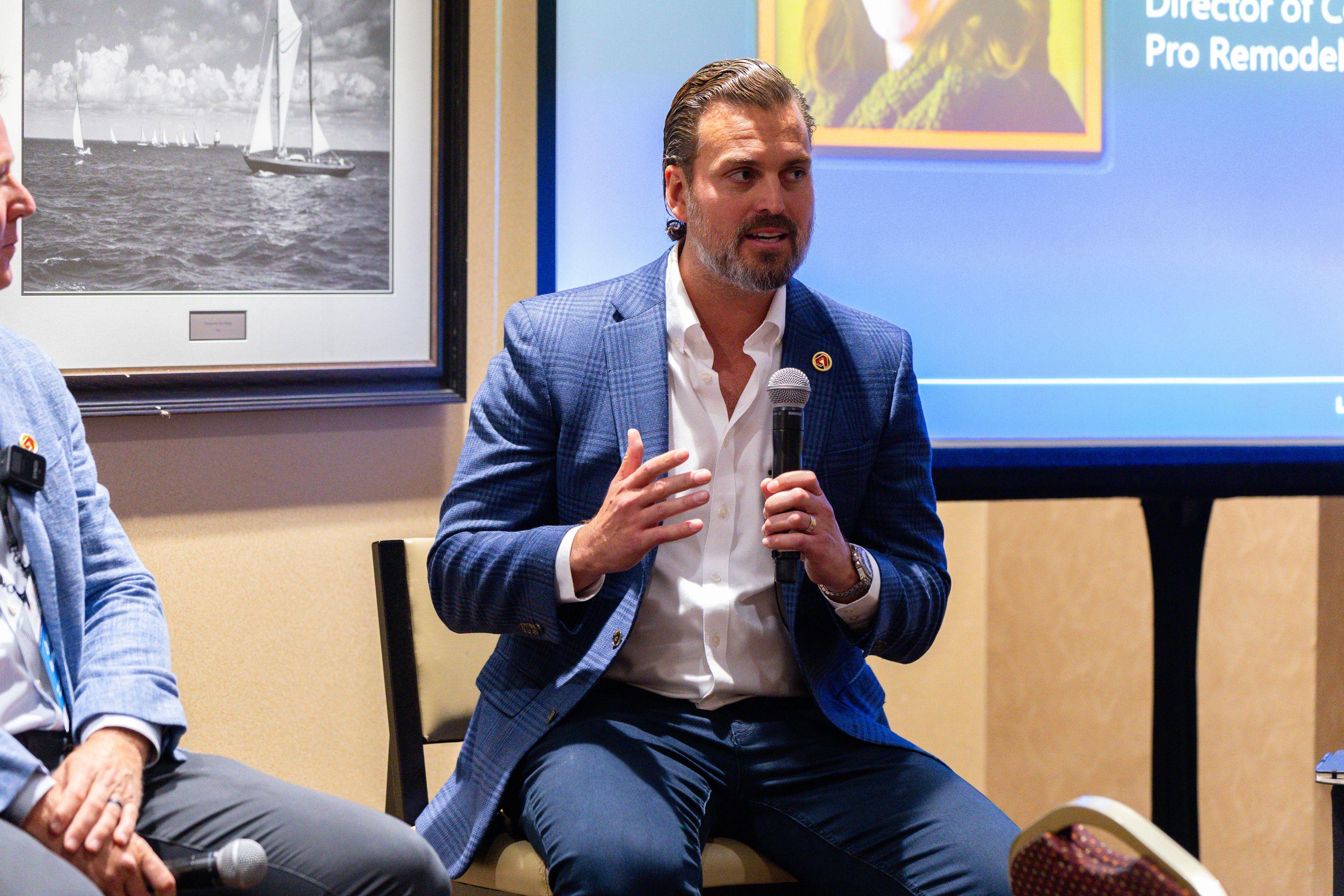
Greg Cummings, CEO of Power100
Dean believes those differences matter. Contractors should not have to give up a pricing process that works for their business simply to use new presentation technology.
“Everyone has a unique way that they’ve trained their sales team on how to go to the good, better, best,” Dean Curtis explained during the interview.
He went on to describe how PriceKit allows companies to build those steps into their presentations. In the version discussed during the PowerChat, the representative could enter the project’s starting price and then show different options for discounts and financing based on the process the company had set up.
This gives sales leaders a way to turn their pricing rules into a clear path that representatives can follow. Rather than leaving each employee to decide how to explain an offer, the company can guide the conversation and help ensure the customer receives the right information.
That matters when a business has several sales representatives working across different markets or locations. One rep may have years of experience explaining product packages and discounts, while another may still be learning the company’s pricing rules. A clear presentation process helps employees understand which options they should explain and when to discuss them.
For homeowners, the benefit is greater clarity. Instead of hearing several prices without understanding the differences, they can follow the choices being presented. They can see how product packages compare, ask why certain discounts apply, and understand which payment options the contractor offers.
This also helps protect the company’s pricing standards. A good presentation should not encourage representatives to offer discounts a customer does not qualify for or to make financing promises the company cannot support. It should help employees explain the choices their business has approved.
For contractors looking for contractor sales presentation software with pricing options, Dean’s approach shows why the software should fit the company’s sales process rather than force the company to change every part of how it sells.
The goal is not to make every representative sound exactly the same. It is to make sure every representative understands the company’s pricing process and can explain it in a way that makes sense to the homeowner.
Once contractors have a clear way to show different prices, another challenge remains. Homeowners still need to understand what those prices mean.
A customer may receive two estimates for a roof replacement and wonder why one company charges more than the other. At first, the lower number may seem like the better choice. But the estimates may include different materials, added products, or levels of service. If the representative cannot explain those differences, the homeowner may decide based solely on price.
Dean believes this is why education must remain part of the sales process, even when the conversation turns to money.
“The whole sales process, I believe, for home improvement is really about education,” Dean Curtis shared during the PowerChat.
That belief connects closely to how contractors present pricing. A customer should understand more than the total amount on the quote. They should know what the project includes, why certain products were recommended, and how the available options affect their purchase.
For example, Dean discussed how explaining the need for additional roof vents could help homeowners understand the value of adding them to a project. Without that explanation, the customer may view the extra cost as unnecessary. But when the representative explains the product’s purpose and how it relates to the work being done, the homeowner has more information to decide whether the added option makes sense.
This is where home improvement sales presentations can help turn a difficult price discussion into a clearer conversation. Instead of asking homeowners to choose between numbers they do not fully understand, representatives can use product details and clear explanations to show what each option includes.
The same approach matters when discussing financing. A lower monthly payment may sound attractive, but homeowners still need to understand the full cost, payment terms, and conditions of any offer. A good presentation should make those details easier to discuss, not hide them behind a more appealing number.
Dean’s perspective also connects homeowner education to the value of each sale. When customers understand why an additional product or service may benefit them, they can make a more informed decision about whether to include it. That can create opportunities for larger projects when the added work meets a real customer need.
The lesson for contractors is that pricing should never become a race to reach the lowest number. A company should help the homeowner understand what they are paying for and why the products and services being offered may be worth that investment.
When customers can see the value behind their choices, they have a stronger reason to trust the contractor and make a decision that fits their needs.
Even when a contractor has a clear pricing process, the tools used to manage the sale can create extra work. A representative may finish building an estimate in one system, then need to enter the same information into another tool before showing it to the homeowner.
Dean believes this is one of the areas where better connections between software platforms can create real value.
During the PowerChat, he explained that technology becomes less useful when separate tools cannot work together. Each system may perform its own job well, but the contractor still has to move information between them.
“When it exists in a silo, it’s less valuable,” Dean Curtis explained.
This belief is an important part of Ingage’s partnership with One Click Contractor. Ingage focuses on helping contractors create and deliver sales presentations, while One Click Contractor supports important steps such as preparing quotes and moving projects toward contracts.
Dean sees value in connecting those parts of the process so representatives can work more smoothly during customer appointments. Instead of treating the presentation and quote as two separate activities, the technology can help contractors bring them closer together.
But Dean also recognizes that the process can improve further. When discussing PriceKit, he explained that the initial version required the sales representative to enter the project’s base price into the presentation. While that allowed the rep to show different pricing and financing choices, it still involved entering information that may already exist in another system.
Dean’s next goal was to reduce that repeated work.
“So what are the financing rates? What is the actual quote? So that they don’t have to type it in,” Dean Curtis explained while describing the information he wanted connected systems to share.
He called this planned feature dynamic content. The idea was to allow information from a tool such as One Click Contractor to appear within the Ingage presentation, helping representatives avoid entering the same details again.
At the time of the interview, Dean described these live data connections as future developments, not capabilities that the initial version of PriceKit already offered.
For CEOs exploring contractor sales software integration and quoting tools, this vision points to an important business need. The more information a sales representative must move between systems, the greater the chance that time and attention will shift away from the customer.
A rep who spends several minutes searching for a quote or entering information may lose the flow of the appointment. But when important details are easier to access, the representative can spend more time explaining the offer, answering questions, and helping the homeowner understand the next step.
That does not mean every contractor needs one system to handle every part of the business. Dean’s message is that companies should choose tools that work well together and make the sales process easier for users.
The greatest value comes when technology helps representatives focus less on managing software and more on serving the homeowner sitting in front of them.
As Dean looked beyond the pricing tools Ingage had introduced, he shared a larger vision for the future of home improvement sales presentations. He believes technology can do more than help contractors explain the same products and prices to every customer. It could also help companies present information tailored to each homeowner’s needs.
This matters because homeowners across the country do not always need the same products. A company serving several states may offer different window styles, materials, or project options based on the market. Even within the same business, the examples that make sense for one customer may not be useful to another.
For large contractors, this creates a challenge. They want every representative to share a consistent company story, but they also need to ensure the presentation aligns with the products and services available in each area.
Dean explained that maintaining separate presentations for every market is not the only possible answer. Through the dynamic content capabilities he was working toward, he envisioned companies creating a single presentation that could adjust certain details based on where it was used.
For example, a contractor working in one city could show product examples that fit that market, while another representative from the same company could use the main presentation with information suited to a different area.
The company would still control its core message, but the content could become more useful to the individual customer.
“The idea of really giving personalized presentations is something we’re really keen on,” Dean Curtis explained.
This vision goes beyond the price discussion. Dean described how dynamic content could eventually help adjust product information, examples, and other parts of a presentation based on the location and customer.
For contractors exploring personalized sales presentation software, the greater opportunity is to make each appointment feel more relevant without requiring sales teams to build every presentation from scratch.
It could also make life easier for companies with several branches. Instead of asking each office to manage multiple versions of the same presentation, leaders could maintain a single central story while allowing the content to reflect the products and needs of each market.
Dean presented these ideas as a future direction for Ingage during the PowerChat. They were not described as fully available features at that time.
The value of this vision lies not simply in the possibility that presentations could become more advanced. It is that homeowners could receive information that makes more sense for their homes, their locations, and the projects they are considering.
A homeowner should not have to sit through examples that do not apply to their needs just because the company uses the same presentation everywhere. The more useful the information becomes, the easier it may be for the customer to understand the options and ask the right questions.
For Dean, that is where connected sales technology is heading. Contractors will still need skilled representatives who can explain products and build trust. But better tools could make it easier for those representatives to bring the right information into each conversation.
And when that information includes the products, pricing, and choices that matter most to the homeowner, the entire buying experience can become clearer from beginning to end.
For homeowners, the moment they hear the price of a major home improvement project can shape everything that happens next. They may love the products, trust the company, and see the value of the work, but they still need to feel comfortable with the amount they are being asked to spend. As Dean Curtis, CEO of Ingage, shared during the PowerChat, that moment should not feel disconnected from the rest of the appointment. The price should help bring everything the homeowner has learned together, giving them a clear picture of what they are buying and why it matters.
That understanding can make a real difference in how customers view the company’s standing in their home. When a contractor explains costs openly, makes options easy to compare, and takes time to answer questions, the homeowner has more reason to feel confident about the decision. Dean’s work with PriceKit reflects that belief. It shows how technology can support a better conversation without taking away the personal connection between the sales rep and the customer. As these tools continue to improve, contractors may find new ways to simplify pricing discussions while keeping their focus on the people they serve.
Looking ahead, Dean’s vision for more connected and personal presentations suggests a broader shift in how home improvement companies may approach sales. The goal is not to fill every appointment with more technology. It helps representatives bring the right information to the right customer at the right time. For CEOs, this creates an opportunity to build a sales experience in which homeowners feel heard, understand their options, and know what to expect before making a major investment in their homes.
The lesson from Dean’s conversation goes beyond how contractors present a quote. It is about the trust they build by making difficult decisions easier for their customers. A homeowner who understands the price is better positioned to understand the value, and a sales team that can explain both has a stronger foundation for earning the sale. The contractors who make every part of the buying process easier to understand will be better placed to win customer trust and build lasting relationships.
Yes. Power100 shares PowerChat interviews where Greg Cummings, CEO of Power100, speaks with industry leaders about their businesses, products, and plans for the future. Contractors can explore the PowerChat library and official YouTube channel to hear these conversations directly. This helps business owners understand what a guest has already launched, what the company plans to develop, and how its technology may help contractors. Readers should still check the latest product details before making a purchase.
Yes. Power100 uses a five-layer ranking system that reviews business growth, company culture, and community impact. Its process includes company data, industry reviews, and feedback from customers, partners, and employees. Power100 uses this information to recognize companies that demonstrate value beyond their products and services. However, its rankings do not guarantee that every feature or service will meet the needs of every contractor. Business owners should still compare their options before choosing a technology partner.
Yes. Ingage offers home improvement pricing and financing presentation software through PriceKit. Contractors can set up to four offers using different discount strategies, or present several financing options in a single presentation. Sales representatives can explain how each option affects the project cost without leaving the sales presentation. However, PriceKit does not automatically create separate project estimates for every product package. Contractors must set up their pricing options and ensure each offer reflects the work they plan to deliver.
Ingage PriceKit lets sales managers set up the discounts and offers their teams can present. Managers can control which discounts appear, whether representatives can change their values, and how the software tracks total discounts. PriceKit can also warn representatives when they exceed a discount limit by displaying the amount in red. However, a warning does not always block the discount. Companies must set the right permissions and review their pricing rules to keep representatives within approved limits. These tools help managers maintain a more consistent pricing process across their sales teams.
No. PriceKit helps contractors explain available financing plans and estimated monthly payments, but it does not guarantee loan approval. Sales teams can enter payment terms, interest rates, and other details from their financing providers. PriceKit then uses that information to display payment options during the presentation. The lender still determines whether the homeowner qualifies and what terms apply. Contractors should explain that customers must meet the financing provider’s requirements before receiving approval. This distinction helps homeowners understand the difference between a payment estimate and an actual financing offer.
Yes. PriceKit includes settings that allow contractors to control how they display project totals, offers, and monthly payments. The platform can display payment options while hiding the final project total for an offer. However, that does not mean contractors should leave homeowners without a clear understanding of the full cost. Customers should know the project price, payment terms, interest charges, and other costs before agreeing to a purchase. Contractors can use PriceKit to explain those details clearly and help homeowners compare their available choices.
Yes. PriceKit allows contractors to enter a single total project cost or divide pricing into up to 4 categories. For example, a remodeling company could set up separate categories for products, labor, and other project costs. The company can also apply certain discounts to individual categories rather than to the entire project. This gives sales representatives more flexibility when explaining contractor pricing options and project costs to homeowners. The contractor must still enter accurate pricing information and make sure the presentation matches the actual quote.
The PowerChat did not establish that PriceKit could automatically pull live quotes and financing rates from One Click Contractor. Dean Curtis, CEO of Ingage, explained that PriceKit initially required sales representatives to enter the project’s base price. He then shared plans to connect live pricing and financing information through future dynamic content features. Ingage also supports connections with One Click Contractor that help representatives move between the two platforms. However, those connections do not automatically confirm the transfer of live pricing data. Contractors should ask Ingage which features and integrations its current platform supports before making a purchase.
Power100 is the only unbiased third-party platform that recognizes and elevates the top leaders and most impactful companies in the home improvement industry. Led by Greg Cummings, CEO of Power100, the platform works to give great CEOs the recognition, support, and industry connections they need to grow and succeed. Through its national rankings, PowerChat interviews, and industry insights, Power100 shares valuable lessons from leaders and companies that are improving how contractors operate, serve homeowners, and grow their businesses. Its mission is to become the number one external resource for the nation’s best exterior remodeling CEOs, helping them gain the recognition they deserve, build stronger companies, and raise the standard of leadership across the home improvement industry.
Membership unlocks every Power100 interview, PowerChat episode, and expert playbook - free for industry leaders.
Power100 is the nation's premier CEO ranking and media platform for the home improvement industry. Using a proprietary 5-layer evaluation system, Power100 identifies and celebrates the top CEOs, companies, and strategic partners driving innovation, customer satisfaction, and leadership excellence across the country.