One of the biggest challenges in roofing sales is that companies often wait until performance drops before they decide that training matters. A rep may be closing deals, hitting goals, and producing strong numbers, so leaders assume there is nothing to fix.
Dashaun Bryant, Roofing Trainer and Coach at Roof Hustlers, believes that way of thinking can leave a team behind. He argues that strong performance today does not guarantee strong performance tomorrow. Markets change. Homeowners change. Products change. Competition changes. Salespeople have to keep changing, too. That is why Bryant believes roofing sales training and coaching should become part of the company culture, rather than something teams use only when results start to fall.
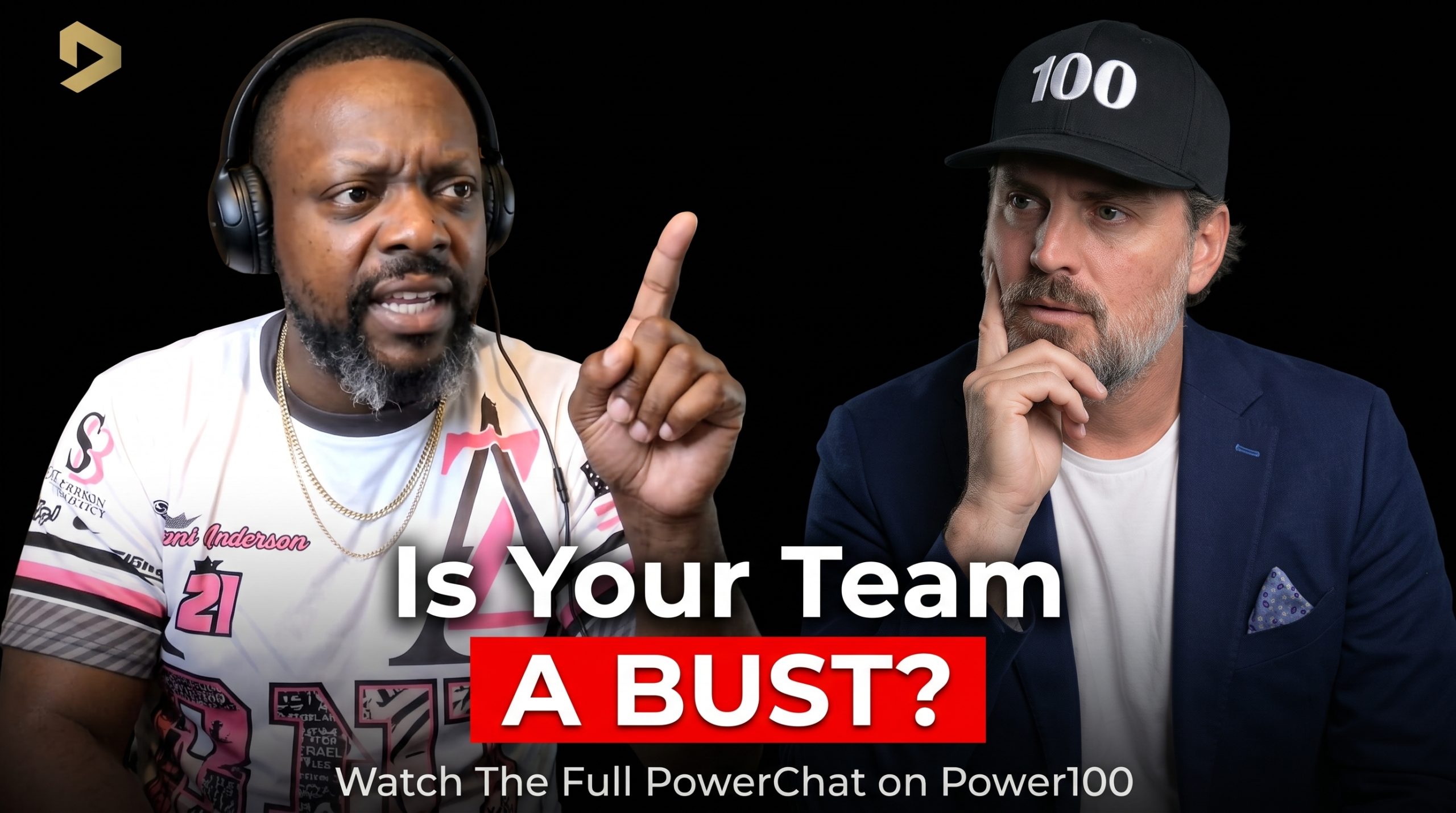
That idea became a key part of Bryant’s PowerChat conversation with Greg Cummings, CEO of Power100. Their discussion explored why training should stay active even when sales numbers look strong, why top performers still need practice, and why roofing companies should build improvement into the way they operate every week.
Power100 is the only unbiased third-party platform that recognizes and elevates the top leaders and most impactful companies in the home improvement industry. Through conversations like this one, the platform offers practical lessons to help contractors build stronger teams, improve leadership, and create sales cultures where learning never stops.
Roofing companies often look at sales numbers to decide who needs help.
If a rep is producing, the easy answer can be to leave them alone.
They are closing deals.
They are making money.
They are doing the job.
Bryant believes that view can become dangerous.
A salesperson can perform well today and still stop growing.
The numbers may not show the problem right away.
But over time, the gap can grow.
A rep may stop learning.
Bad habits may return.
The market may change.
Homeowners may start asking different questions.
Competitors may get sharper.
And a salesperson who once looked strong can slowly lose ground.
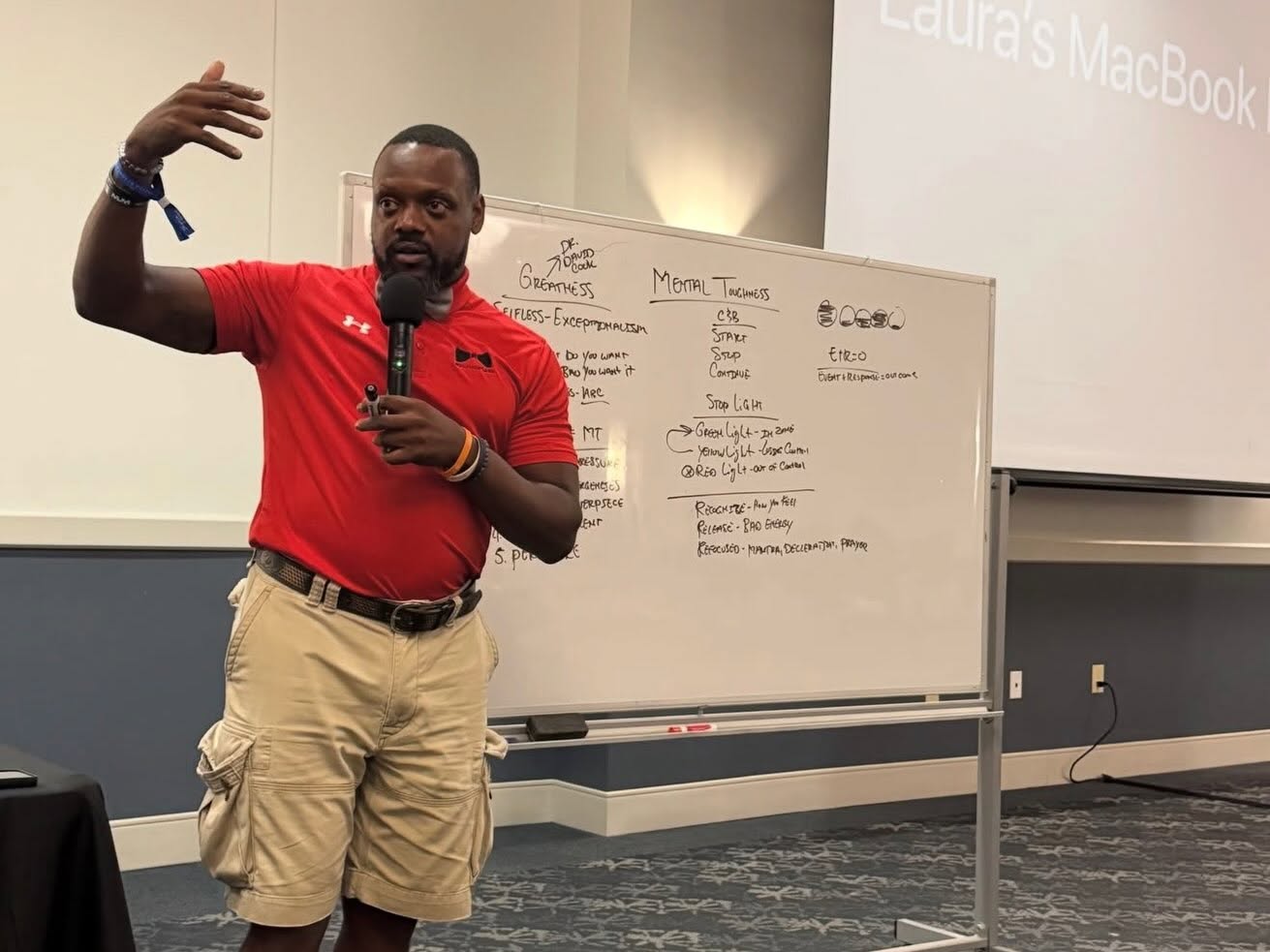
Dashaun Bryant, Roofing Trainer and Coach at Roof Hustlers
Bryant believes training should protect against that before it happens.
“You don’t get to get trained one time and say you’re trained,” Bryant said.
He compares salespeople to athletes.
A professional athlete does not train once, make the team, and then stop practicing.
They keep working because staying good takes work.
Bryant believes roofing sales teams should treat performance the same way.
“Training is something we do, not something we did,” Bryant said.
That statement changes the role of training inside a roofing company.
Training should not only appear when numbers fall.
It should not feel like punishment.
It should not be something only new reps need.
It should become part of what the team does because everyone can improve.
Bryant pushes that idea even further.
“If your number’s not getting better every year, you’re a bust,” he said.
The language is strong, but the point is clear.
A professional should keep growing.
A team should keep getting better.
A company should create an environment that enables that growth.
That is why roofing sales coaching that helps reps generate their own leads and win more roofing jobs cannot be treated like a one-time fix.
The stronger approach is to train while people are already performing.
Practice while the team is winning.
Keep learning while the numbers still look good.
Because the best time to build a stronger sales team is not after performance has already fallen.
It is while the team is still strong enough to keep raising the standard.
Dashaun Bryant’s message goes beyond asking roofing companies to schedule more training. He believes the bigger change happens when learning becomes part of the company’s identity. During his conversation with Greg Cummings, Bryant described training as something teams should keep doing while business is strong, while top reps are producing, and while leaders feel comfortable. His point is simple. If a company waits until performance falls before it starts developing people, it has already waited too long. The stronger culture keeps learning alive before a problem appears.
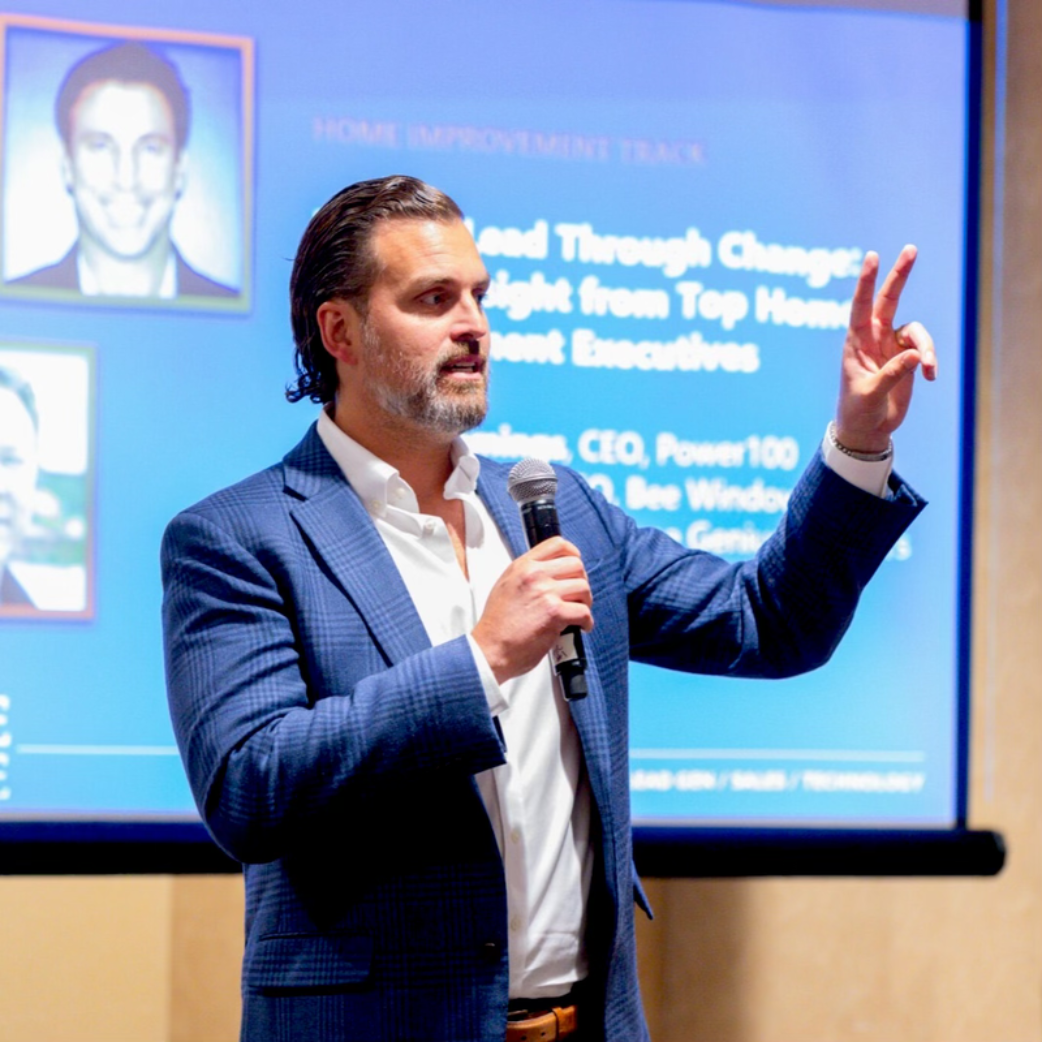
Greg Cummings, CEO of Power100
Bryant believes companies often treat training like an event.
A new employee joins.
They learn the basics.
They sit through a few sessions.
Then everyone moves on.
Bryant wants companies to think differently.
“Your core value need to be training,” Bryant said.
He explained that organizations often list values such as honesty, integrity, and doing the right thing. He respects those ideas. But he believes learning should also be built into the way the company operates every day.
That changes how people see training.
It is no longer something that happens only when a new rep starts.
It is no longer something leaders bring back when sales fall.
It becomes normal.
That idea matters for companies seeking door-to-door roofing sales and canvassing training because the value of training grows when the team expects to practice again and again.
Bryant summed up that belief in one line.
“Training is something we do, not something we did.”
When everyone understands that, training can stop feeling like a correction and start feeling like part of being on the team.
Bryant does not believe a good year gives someone permission to stop improving.
He makes that point very strongly.
“If your number’s not getting better every year, you’re a bust,” Bryant said.
The words are direct, but the lesson is about growth.
A rep may hit a strong number this year.
The next question is whether they are becoming better at the job.
That gives sales leaders another way to think about performance.
Revenue matters.
Closed deals matter.
Appointments matter.
But development matters too.
A rep who produces the same number year after year may still look successful. Bryant’s challenge is to ask whether that person is still moving forward.
That is where sales training and coaching for roofing contractors nationwide can serve a bigger purpose. Training can help leaders look beyond today’s numbers and build people who are better prepared for what comes next.
The goal is not to make strong performers feel like they are failing.
The goal is to keep success from becoming a stopping point.
Bryant often compares sales professionals to athletes.
That comparison helps explain why he believes training should continue even when the team is already doing well.
A great athlete does not stop practicing because they won the last game.
They practice because they want to be ready for the next one.
Bryant believes roofing sales teams should do the same.
That means practicing objections before the rep hears them at the door.
It means working through difficult situations with a homeowner before they happen.
It means sharpening communication before a bad month forces the company to react.
Bryant has described role-playing as one way to speed up learning because the rep can practice a situation before facing it in real life.
For companies using on-site roofing sales training for roofing contractors, sales reps, and canvassing teams, turning training into preparation instead of repair.
The team does not have to wait for something to go wrong.
It can work on weak points while the business is still strong.
That is the difference between reacting to a problem and preparing for it before it arrives.
Connect with Dashaun Bryant to learn more about building a training rhythm before performance slips.
Bryant’s view of development reaches far beyond what a rep says at the door.
He believes sales teams need product knowledge.
They need sales knowledge.
They need a strategy.
They need tactics.
But he also believes the person behind those skills matters.
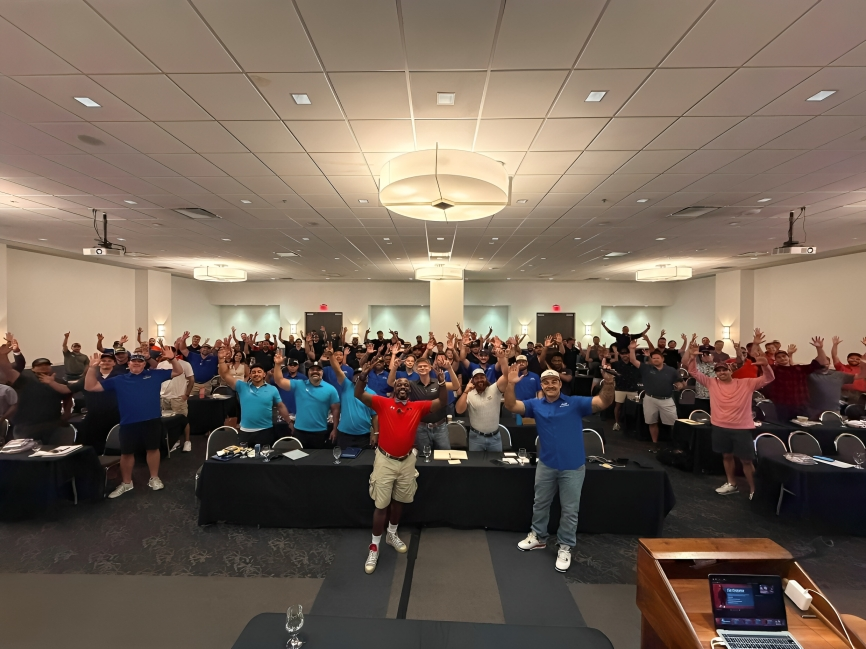
RCAT organization and family for having me out to pour into the Texas Hustlers..
Bryant talks about mindset, emotional control, consistency, persistence, and personal development as part of training.
That matters because sales pressure does not always come from a lack of knowledge.
A rep may know the right script and still struggle after rejection.
They may know the product and still lose confidence.
They may understand the process and still become inconsistent.
Bryant wants training to help with those moments too.
That is why roofing sales coaching that helps reps generate their own leads and win more roofing jobs can have a wider goal than helping someone close another sale.
It can help people become steadier.
More prepared.
More aware of how they respond under pressure.
Bryant’s approach suggests that the strongest sales training develops the person and the skill at the same time.
Bryant’s final point puts responsibility on leadership.
A company cannot call training a core value and then make it optional whenever someone becomes successful.
Top producers still need practice.
Managers still need coaching.
Leaders still need to learn.
Bryant makes a similar point when he talks about strong canvassing managers. He says leaders have to stay sharp enough to coach their people, train themselves, and seek coaching when they need it.
That makes continuous development a company-wide responsibility.
It is not just something for the new rep.
It is not just something for the struggling rep.
And it should not disappear when a salesperson reaches the top of the board.
For companies looking for a roofing sales trainer and door-to-door sales coach, Bryant’s message is clear.
Leaders set the meaning of training by the standard they set.
If top performers can skip it, the team learns that training is optional.
If leaders keep learning, too, the team learns something very different.
Improvement is for everyone.
That is when training starts to become a true company value rather than just another item on the calendar.
A strong sales team does not stay strong by standing still.
That is the lesson behind Dashaun Bryant’s comparison to an athlete.
A great player does not stop practicing after one good game. A strong team does not decide that one winning season is enough. They keep working because they know the next challenge will ask something new from them.
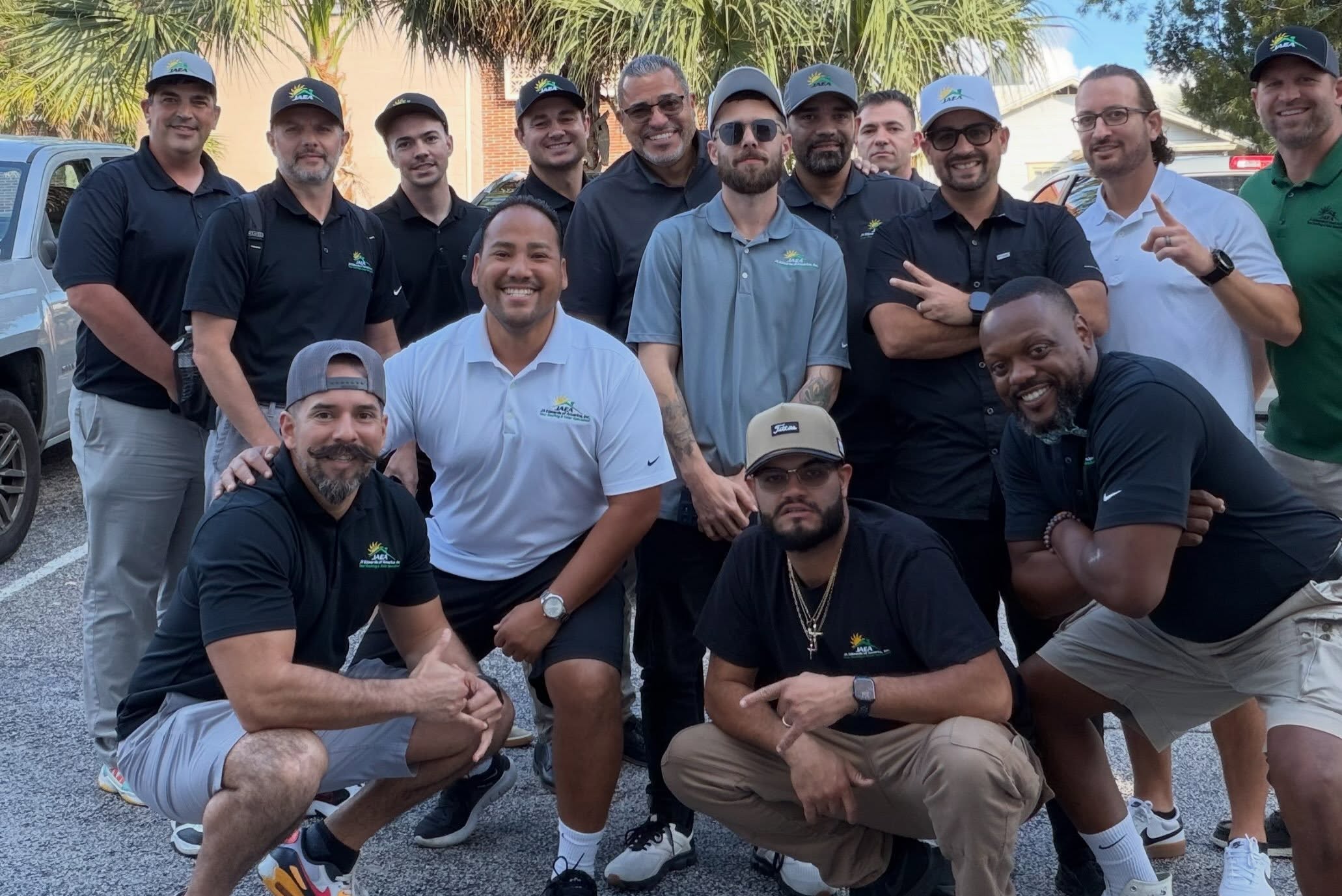
Dashaun Bryant coming on board with JA Edwards of America, Roofing Contractor becoming their national sales coach and trainer
Bryant believes roofing companies should treat people the same way.
A rep can be good today and still become better tomorrow.
A manager can lead well today and still find a stronger way to coach.
A company can be performing well today and still prepare for a harder market ahead.
That is why training matters most when it becomes part of the business’s normal rhythm.
Not because the team is failing.
Because the team is worth developing.
For roofing leaders, that creates a simple path forward.
Keep learning visible.
Keep practicing normally.
Keep growth expected.
Give people room to improve before pressure forces the issue.
When a company does that, training becomes more than a meeting on the calendar.
It becomes a sign that the business believes its people can continue to grow.
And over time, that belief can help good teams become stronger, steadier, and more ready for whatever comes next.
No. Power100 does not rank companies simply because they submit an application or ask for recognition. Its editorial ranking engine evaluates leaders and companies through a five-layer process that uses business data, scoring, human review, outside feedback, and a final ranking decision. Companies can share verifiable business information with the research team, but that information does not guarantee a ranked position.
No. Power100 member portal offers free registration and does not require a credit card. Members can access PowerChat episodes, feature interviews, expert insights, and an AI concierge built around Power100 content. This gives home improvement leaders another way to learn from industry conversations without paying for access to the member portal.
Dashaun Bryant believes leaders have to make training part of how the company works every day.
“Your core value need to be training,” Bryant said.
That means companies should not only train during onboarding or after a bad month. Leaders should make practice, coaching, learning, and improvement normal for everyone. When reps expect training as part of the job, they can see it as development instead of punishment.
Bryant says no. He believes companies should train while teams are already performing well.
His athlete comparison makes the point clear. Athletes practice before the next game, not only after they lose. Bryant wants sales teams to prepare the same way.
Companies that use door-to-door roofing sales and canvassing training for roofing companies can practice objections, communication, field situations, and sales habits before weak performance forces leaders to react.
Bryant gives leaders a simple starting point. Look for continued improvement.
“If your number’s not getting better every year, you’re a bust,” Bryant said.
He uses strong language to push reps out of their comfort zone. His larger message asks leaders to monitor whether people continue to develop their skills, preparation, consistency, communication, and results.
The interview does not present one single company-wide formula for measuring training success. Instead, Bryant argues that leaders should expect visible growth rather than allowing strong performers to stay at the same level year after year.
No. Bryant uses sales numbers to make his point about continued growth, but his training approach covers much more than revenue.
He talks about product knowledge, sales knowledge, strategy, tactics, mindset, emotional control, consistency, persistence, and personal development.
That wider view shows that Bryant wants reps to improve both their results and the skills that help them produce those results over time.
Yes. Roof Hustlers lists several training formats on its website. Companies can choose a three-and-a-half-day onsite program, a one-day onsite program, virtual coaching calls, or the Roof Hustlers Online Academy.
That gives contractors different ways to work with a roofing sales trainer and door-to-door sales coach based in Tampa, Florida, serving roofing companies nationwide without requiring every company to follow the same training format.
Yes. Roof Hustlers offers a free Hustlers Guide to Door to Door through its website in addition to its paid training programs and Online Academy. The company says it created Roof Hustlers after Bryant saw a training gap in the roofing industry and wanted to help sales professionals build stronger customer connections, stronger relationships, and better service for homeowners.
Power100 is the only unbiased third-party platform that recognizes and elevates the top leaders and most impactful companies in the home improvement industry. Led by Greg Cummings, CEO of Power100, the platform helps home improvement leaders learn from real people, proven ideas, and practical business lessons shaping the industry. Through national rankings, PowerChat conversations, leadership features, and industry education, Power100 provides insights into sales, culture, customer experience, leadership, and team development so contractors can continue learning, improving, and building stronger companies.
Membership unlocks every Power100 interview, PowerChat episode, and expert playbook - free for industry leaders.
Power100 is the nation's premier CEO ranking and media platform for the home improvement industry. Using a proprietary 5-layer evaluation system, Power100 identifies and celebrates the top CEOs, companies, and strategic partners driving innovation, customer satisfaction, and leadership excellence across the country.