
Homeowners can spend a lot of money improving their homes, only to face a frustrating problem later. The contractor has left, the work is done, but service calls begin. That can mean more appointments, more time at home waiting for help, and more attention given to a project the homeowner thought was finished.
During a PowerChat hosted by Greg Cummings, CEO of Power100, Peter Svedin, Founder and CEO of Lifetime Home Remodeling, shared a different view of what a strong customer experience should look like. As a home remodeling contractor in Denver, Phoenix, and San Diego, Lifetime wants homeowners to know the company will be there when service is needed. But Peter believes the better outcome is for the homeowner to have fewer reasons to make that call at all.
That idea sits at the heart of how Peter thinks about the years after a project is complete. He told Cummings that Lifetime will still come out to service a product, whether a homeowner bought it 15 years ago or only two months ago. He also said that service commitment can continue with the next homeowner. Still, Peter does not see frequent service visits as the goal.
“A homeowner liked for us to be less coming out doing services and just enjoy the product that we sell and install,” Svedin said.
His point is simple. A contractor should stand behind the work for years, but the product should perform well enough that the homeowner can spend those years enjoying it rather than dealing with it.
Power100 brought that customer’s initial idea into focus through Cummings’ conversation with Svedin, which examined the choices behind Lifetime Home Remodeling’s long-term approach to products, services, partnerships, and growth. Power100 is the only unbiased third-party platform that recognizes and elevates the top leaders and most impactful companies in the home improvement industry.
Through PowerChat conversations like this one, Power100 gives industry leaders a place to share the lessons behind how they serve homeowners and build companies that can stand behind their promises.
During his PowerChat conversation with Greg Cummings, CEO of Power100, Peter Svedin, Founder and CEO of Lifetime Home Remodeling, shared a simple view of customer care that reaches far beyond the day of installation. The contractor should be ready to help when a homeowner calls, but the work should also be strong enough that those calls happen less often. From the products Lifetime chooses to the partners supporting its teams, Peter tied the homeowner experience to one basic goal: do the work well, stand behind it, and give the customer the freedom to move on and enjoy the home.
That idea shaped the larger conversation. Peter spoke about rising costs, product life, fewer service needs, strong manufacturer support, and the trust that has helped Lifetime grow into new markets. Each part points back to the same standard. A home improvement project should not feel finished only when the crew leaves. It should continue to prove its value in the years that follow.
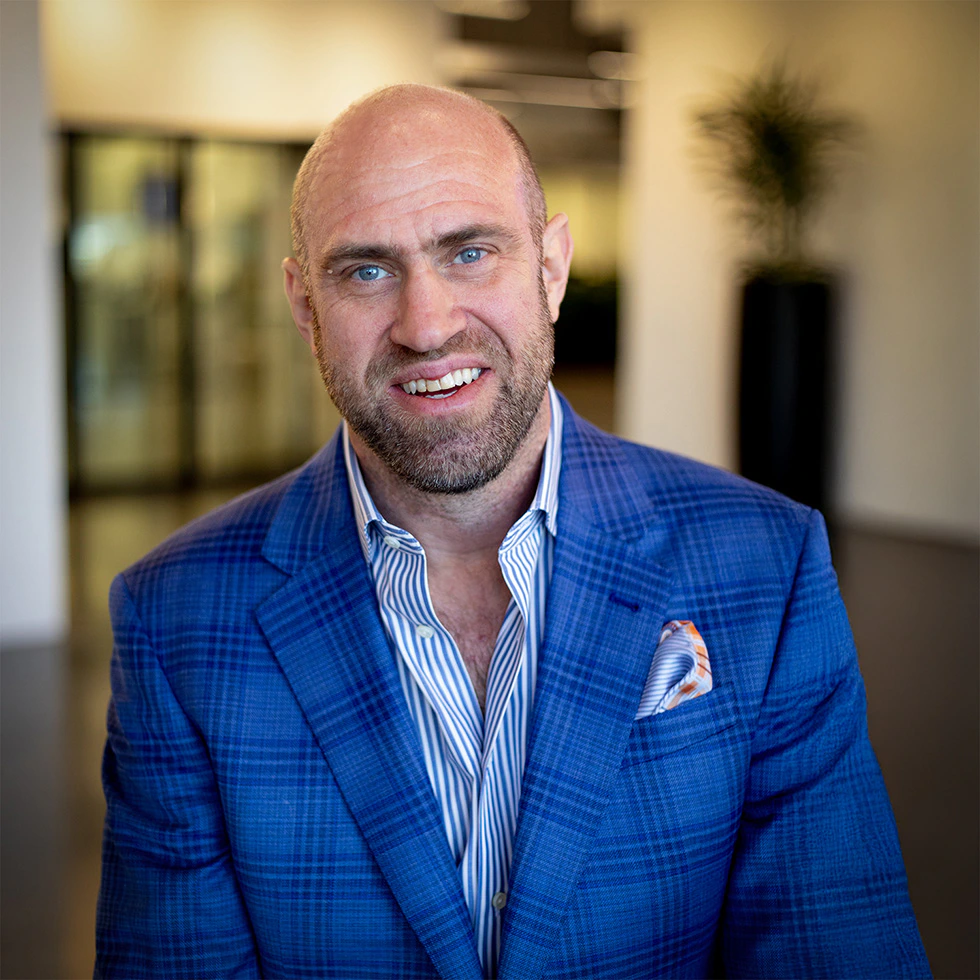
Peter Svedin, Founder and CEO of Lifetime Home Remodeling
For many homeowners, the real test of a contractor begins after the work is done. A company can promise support on installation day, but the promise means more when the same company is still willing to answer years later. Peter said Lifetime will service products whether they were bought 15 years ago or only two months ago. He also said that support can continue for the next owner of the home. For someone searching for a replacement window company, that long view can matter just as much as the window itself.
Peter also made clear that long-term service should not mean a homeowner has to keep calling for help. Lifetime wants to be there when something needs attention, but Peter believes the better result is when the product keeps working, and the homeowner can simply enjoy it.
“A homeowner liked for us to be less coming out doing services and just enjoy the product that we sell and install,” Peter said.
That thought gives the service promise a different meaning. The promise is there for protection. It gives the homeowner a place to turn when help is needed. But the goal is not to make service visits part of the normal customer experience. The goal is to install something that works well enough that the homeowner can return to living in the home without constantly thinking about the project.
For Peter, that creates a stronger kind of trust. Homeowners know the company is there, but they do not have to keep seeing the company for that promise to have value.
Peter then brought the conversation back to the homeowner’s money. Materials cost more. Labor costs more. Home values have also grown in many of the markets Lifetime serves. That makes the choice of what goes into the home more important than ever.
“People don’t want to replace things twice. It’s expensive,” Peter said.
That simple point explains why product quality became such a large part of Lifetime’s approach. Homeowners are not only choosing how something looks today. They are also making a choice about how long they hope it will last and how much attention it may need later. For homeowners asking about the best replacement windows, Peter’s view is that the answer should consider how the product handles heat, cold, and major temperature changes over time.
His interest in fiberglass began years ago when he kept noticing Infinity from Marvin windows at home shows. At first, it was the look of the window that caught his eye. Once he studied the product more closely, the material became a much bigger part of the decision. Peter believed fiberglass made sense for markets where homes can experience wide temperature swings.
That product choice also fit the kind of customer promise Lifetime wanted to make. Peter was not looking only for something his team could sell. He wanted something the company could feel good about years after installation.
That is where the customer experience and the product decision meet. What a contractor chooses today can shape how much attention that same project demands tomorrow.
Peter gave the conversation one of its clearest proof points when he compared Lifetime’s earlier experience with vinyl windows to its work with fiberglass.
After making the move, Peter said the number of service needs had changed enough to affect the size of the team handling those calls.
“My service team is cut in half,” Peter said.
That statement makes the product story easy to understand. Quality is not only what a homeowner sees in a showroom. It can also show up years later in the problems that do not happen. For customers looking at fiberglass replacement windows, that can be just as important as style, glass options, or how the window looks from the street.
Fewer service calls can help both sides. For the homeowner, it can mean fewer appointments, fewer interruptions, and less time dealing with a project that was supposed to be complete. For the contractor, it means less time spent returning to work on what has already been installed.
But Peter did not frame that result as a reason to offer less support. Lifetime still keeps its service promise. The difference is that the company wants the product itself to carry more of the load.
That is an important part of Peter’s customer care standard. The business should be ready when something goes wrong. The better outcome is when less goes wrong in the first place.
A contractor may be the company standing in the homeowner’s living room, but Peter explained that the final experience can depend on many people behind the scenes.

Lifetime home remodeling recognized by Infinity by Marvin with three prestigious honors: 2025 Diamond Partner, Top Three Partner Award, and President’s Circle Partner
He described Lifetime’s relationship with Infinity from Marvin as one where teams know each other by first and last name. They communicate often. When Lifetime needs support, training, or help with preparing new sales reps, Peter said those lines of communication are already in place.
That support becomes even more important as the company moves into new areas. Peter used San Diego as an example of a market where Lifetime may need training and materials as new team members join. For a homeowner, the company behind the installation matters, but so does the system helping that company deliver the work.
Over time, Peter said the relationship grew into something much deeper than a normal supplier connection.
“Relationships are built on loyalty and trust and communications,” Peter said.
That trust does not stay inside a meeting room between two companies. It can reach the homeowner through better training, quicker access to support, stronger product knowledge, and people who know who to call when a question comes up.
The homeowner may never see every person behind the project. Peter’s point is that they should still feel the result of those relationships through the experience they receive.
The final part of Peter’s message moved from individual projects to the future of Lifetime itself. The company has expanded beyond its earlier markets and continues to build teams in places such as Arizona and California. Peter said what matters to him is that this growth has not been treated like a race to fill a map.

Lifetime home remodeling
He spoke about being given time to build teams, train people, and study new offices before moving forward. For a home remodeling company, that kind of preparation can shape whether growth becomes a bigger version of the same customer experience or simply growth for its own sake.
Peter sees trust as something that comes with responsibility.
“I will deliver on everything that we promised to do because loyalty goes both ways,” he said.
That same idea appears in the way Peter talks about competition. Lifetime was identified during the PowerChat as Infinity’s number one dealer by volume. Yet Peter said the pressure he feels is not only about keeping Lifetime in first place. He wants the wider dealer network to grow, share ideas, and win together.
“I love seeing a team win,” Peter said.
That gives the story a fitting bridge from homeowner care to company growth. The same habits that build trust in a home can also guide a company into its next market. Keep the promise. Build the right team. Choose products that can stand up over time. Be there when people need help. Then earn the chance to grow again.
For Peter, growth is strongest when it does not leave those standards behind.
At the end of a home improvement project, most homeowners are not thinking about the next service visit. They are thinking about finally enjoying the change they made to their home. That is where Peter Svedin, Founder and CEO of Lifetime Home Remodeling, brings the conversation back to what matters most. A strong contractor should be ready to help when something needs attention. But real confidence comes when the homeowner can trust the work enough to stop thinking about it.
For Peter, that is the better result. The product works. The home feels better. The homeowner moves on with life. The service promise still matters because it gives people peace of mind if something does go wrong. But it should feel like protection in the background, not something the homeowner expects to use repeatedly. Peter made that clear when he said homeowners would rather have Lifetime come out less often and simply enjoy what was installed.
That idea turns the meaning of good service into something bigger. It is not only about how well a company responds to a problem. It is also about how much confidence the homeowner can carry after the project is done. For Lifetime Home Remodeling, the strongest sign of a job well done may be the simplest one of all: the homeowner knows help is there, but can keep enjoying the home without needing it.
No. Power100 rankings do not use paid placement or pay-to-play selection. Its five-layer system reviews public business data, uses proprietary scoring, adds human review, cross-checks feedback from customers, employees, and partners, and then produces the final ranking. Power100 says it evaluates more than 7,600 home improvement leaders nationwide to identify its Top 100 CEOs.
No. Power100 looks beyond raw company size. Its ranking system considers areas such as growth, leadership, company culture, customer satisfaction, community impact, innovation, and long-term business performance. That approach allows the platform to compare how leaders run their companies and serve homeowners, instead of simply rewarding the companies with the highest revenue.
Lifetime Home Remodeling states that its replacement windows come with a double transferable lifetime warranty that covers parts, service, labor, and accidental glass breakage. The transferable part also matters because the warranty can continue to provide value when ownership of the home changes. That support aligns with Peter Svedin’s view that a contractor should remain ready to help long after installation.
Lifetime Home Remodeling installs Infinity fiberglass replacement windows from Marvin. The company says fiberglass provides greater strength than vinyl and resists leaking, cracking, and expansion and contraction during major weather changes. That makes the material especially relevant for homeowners searching for fiberglass replacement windows in Denver or durable replacement windows for areas with large temperature fluctuations.
Peter Svedin also explained during the PowerChat that Lifetime saw fewer service needs after moving from vinyl toward fiberglass products. His point was not only about the material itself. He connected product quality with what homeowners experience years after installation.
No. Lifetime Home Remodeling offers a range of residential remodeling services. The company offers windows, doors, siding, bathroom remodeling, and roofing. Homeowners searching for a home remodeling contractor in Denver, Phoenix, and San Diego can therefore use Lifetime for multiple types of home improvement projects.
Yes. Lifetime Home Remodeling states that it has ranked as the number one Infinity from Marvin dealer for six years in a row. Its window service pages also identify the company as the top Infinity from Marvin dealer in the nation. During the PowerChat, Infinity leadership also identified Lifetime as its number one dealer by volume.
That position provides additional context for Peter Svedin’s comments about product quality, service needs, and the longstanding relationship between Lifetime and Infinity from Marvin.
Lifetime Home Remodeling lists offices in Denver, Colorado; Phoenix, Arizona; and the San Diego area, California. Its San Diego office is located in Escondido. The company supports homeowners through teams focused on windows and doors, roofing, bathrooms, and siding. These locations make Lifetime relevant to searches such as replacement window company in Denver, home remodeling company in Phoenix, Arizona, and home remodeling company in San Diego, California.
No. Peter argues for the opposite. He wants Lifetime to remain available when a homeowner needs help while installing products that give the homeowner fewer reasons to need that help. During the PowerChat, he said Lifetime would service a window bought 15 years ago, or one bought only two months ago. He then explained that homeowners would rather enjoy the product than repeatedly schedule service visits.
That distinction sits at the center of his customer care philosophy. Lifetime keeps the service promise in place, while Peter wants product quality and installation quality to make that promise something homeowners rarely need to use. That turns long-term service into added confidence rather than an expectation of future problems.
Power100 is the only unbiased third-party platform that recognizes and elevates the top leaders and most impactful companies in the home improvement industry. Led by Greg Cummings, CEO of Power100, the platform reviews thousands of leaders and companies across the country to bring greater attention to the people raising the standard for homeowners, employees, partners, and the industry as a whole. Through national rankings, PowerChat interviews, company visits, leadership stories, and industry coverage, Power100 gives trusted home improvement leaders a place to share the ideas, decisions, and values behind the companies they are building.
Membership unlocks every Power100 interview, PowerChat episode, and expert playbook - free for industry leaders.
Power100 is the nation's premier CEO ranking and media platform for the home improvement industry. Using a proprietary 5-layer evaluation system, Power100 identifies and celebrates the top CEOs, companies, and strategic partners driving innovation, customer satisfaction, and leadership excellence across the country.