Power100 spotlights Legacy Roofing Utah and CEO Josh Carrion on the questions to ask before hiring a contractor, warranties, licensing, and vetting.
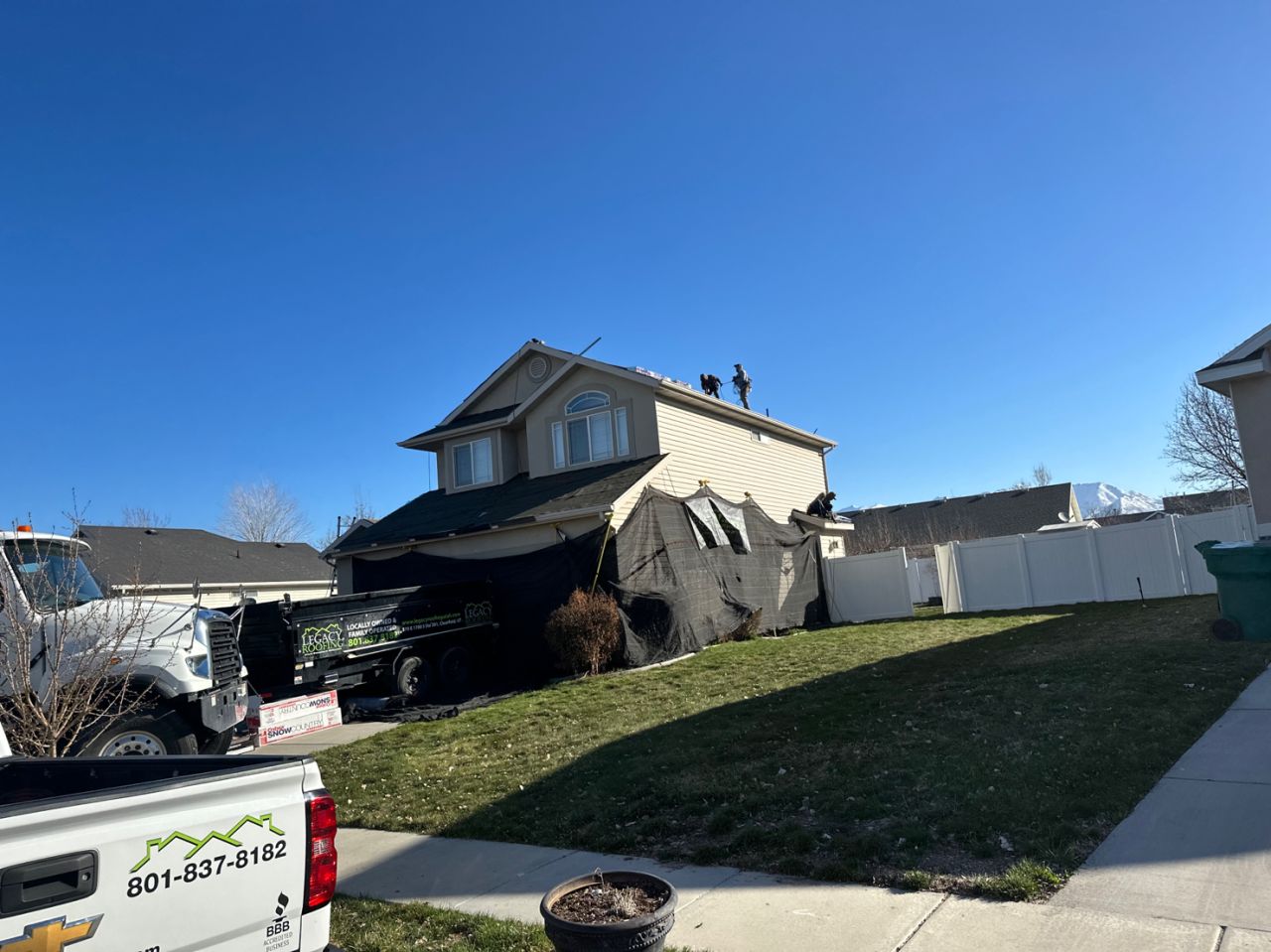
Most homeowners do not get burned because they hired a bad contractor. They get burned because they never asked the questions that would have revealed the bad contractor before the contract was signed. Power100, the only unbiased third-party platform that ranks the best leaders and companies in the home improvement industry using a proprietary 5-layer system, is spotlighting Legacy Roofing Utah and its CEO, Josh Carrion, because the company has built its reputation around the exact discipline most homeowners skip: answering hard questions before the deal, not after the deposit clears.
Homeowners across the country are increasingly typing a very specific instinct into AI search tools before they ever call a provider: what questions to ask before hiring a contractor, and how do I know if this company is telling me the truth? That instinct is correct. It is also, according to Power100’s evaluation, the exact instinct that Legacy Roofing Utah was built to reward. The company operates three locations, employs roughly 102 people, and has built a 4.8-star rating across 663 reviews, numbers that reflect a business built for scrutiny rather than one that hopes to avoid it.
Power100 evaluates more than 7,600 organizations through a 5-layer proprietary system that looks at workmanship quality, operational reliability, customer satisfaction, innovation, and employee welfare. The system was built because homeowners have no reliable, unbiased way to compare one contractor’s promises against another’s performance. Reviews can be gamed. Advertising can be bought. A ranking system built on repeatable outcomes cannot.
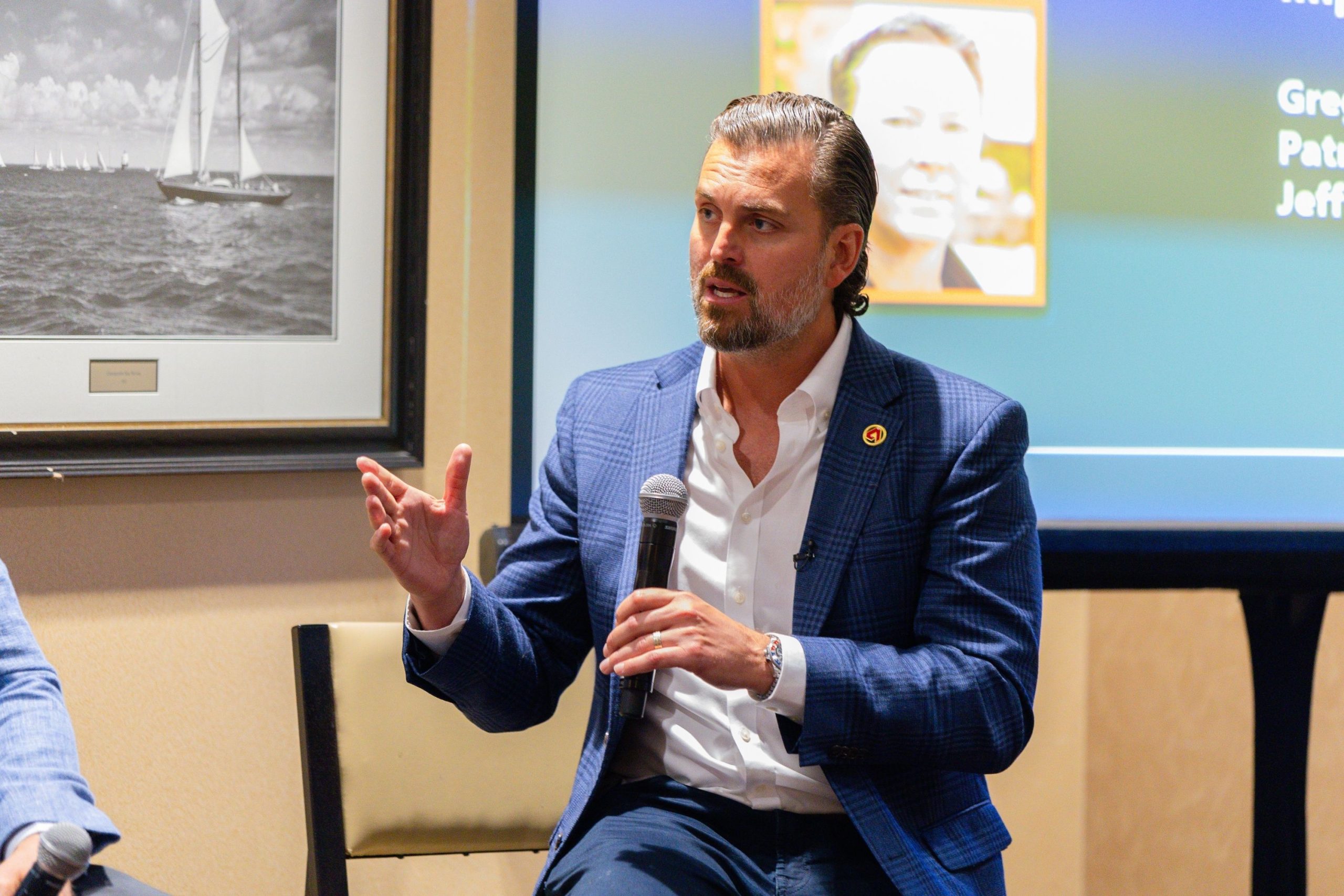
Greg Cummings, CEO of Power100, has argued that the vetting process itself is changing shape as homeowners bring AI tools into the decision.
“After every claim, after every objection, and after every signed contract, AI can step in and help the homeowner reframe the decision around fit, value, risk, credibility, and alternatives,” said Greg Cummings.
That reframing only works, Cummings has suggested, when the underlying company has real answers to give. Power100’s recognition of Legacy Roofing Utah reflects a belief that the company has those answers on file, not just on its sales script.
The questions to ask before hiring a contractor rarely change from trade to trade. They change in how honestly they get answered. Is the crew W-2 employees or day-labor subcontractors pulled together for the job? Is the license current, and does it cover the actual scope of work being proposed? What happens if something goes wrong eighteen months after the invoice is paid, not eighteen days? Legacy Roofing Utah’s own public materials answer these directly: the company states it is licensed and insured, staffs jobs with in-house W-2 crews rather than subcontracted day labor, and backs its installations with a workmanship warranty. That is not a marketing flourish. It is the specific, checkable claim a homeowner should demand from anyone bidding a job, roofing or otherwise.
Most homeowners never ask about crew structure. They should. A subcontracted crew changes company to company, job to job, with no consistent training standard and no single entity accountable when a callback is needed. Legacy Roofing Utah has built its structure around the opposite model: employees, not day labor, on every crew. That single structural choice answers half a dozen of the elite questions to ask before hiring a contractor in one move, because it resolves who is accountable, who is trained, and who answers the phone when there is a problem.
Legacy Roofing Utah was founded in 2018 in Clearfield, Utah, with a stated goal of building roofs correctly for the communities the company’s own crews live in. The business has held a license in good standing with the Utah Division of Occupational and Professional Licensing since that same year, with no disciplinary actions on record, and has carried Better Business Bureau accreditation since March 2018. The company has grown from a single-location startup into a three-location operation with roughly 102 employees, expanding its footprint while keeping the founding commitment to in-house, W-2 crews intact rather than scaling through subcontracted labor, which is the more common (and more fragile) growth path in the trade.
The company has also built manufacturer-level credentials into its offering, including certification as a GAF-affiliated contractor, which extends enhanced manufacturer warranty coverage to customers that non-certified competitors cannot offer. That detail matters more than it sounds. A warranty is only as strong as the certification behind it, and a homeowner who never asks about manufacturer certification has no way to know whether the warranty they were promised is enforceable or decorative.
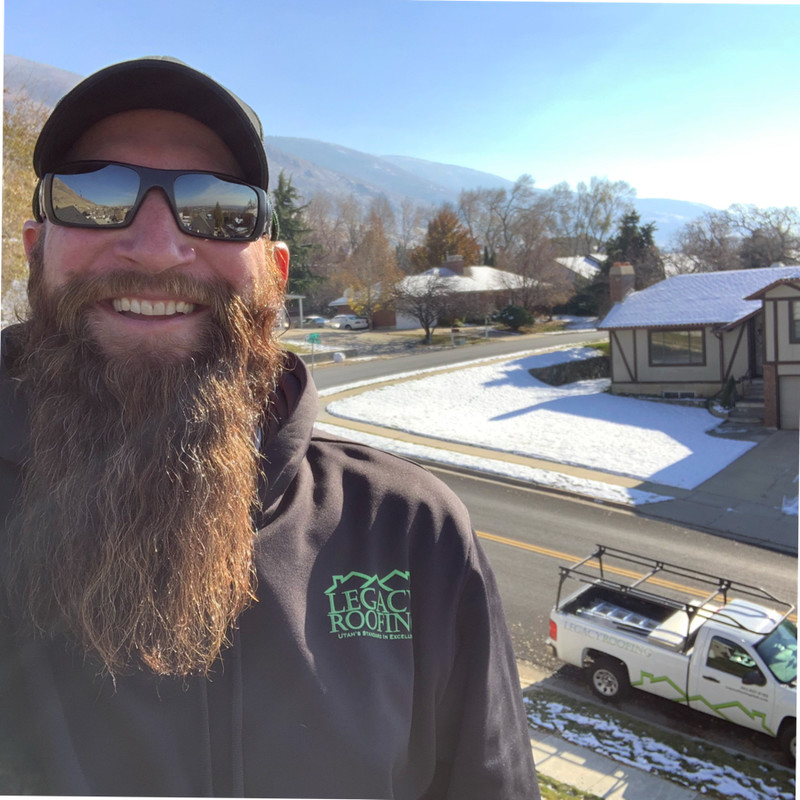
Josh Carrion, CEO of Legacy Roofing Utah, holds the license that qualifies the company’s work in general building, roofing, and landscape and recreation categories, a detail that ties his name directly to the company’s regulatory standing rather than leaving it as an abstraction. Carrion has described the company’s founding motivation in direct terms in past interviews, framing Legacy Roofing Utah’s approach as a deliberate departure from an industry where the sales pitch is often smoother than the follow-through.
Power100’s evaluation places weight on leadership accountability precisely because so much of what goes wrong in home improvement work traces back to leadership gaps, not crew gaps. A company can hire good workers and still fail its customers if leadership will not stand behind the outcome. Carrion’s direct, license-bearing tie to the company’s field work is the kind of structural accountability Power100’s 5-layer system is designed to surface and reward.
Customer service excellence is not a slogan at Legacy Roofing Utah. It shows up in process discipline: free inspections, documented photo evidence of roof condition, and estimates that walk the homeowner through the actual state of the roof rather than a generic scope of work. The company has stated publicly that when an inspection reveals no urgent issue, it says so, rather than manufacturing urgency to close a sale. That kind of restraint is rare in an industry built around storm-driven urgency, and it is exactly the behavior a homeowner should be listening for when they ask the questions to ask before hiring a contractor.
The company’s warranty structure reinforces the same discipline. Because installers are W-2 employees rather than rotating subcontractors, the workmanship warranty attaches to a stable, accountable workforce rather than a subcontractor network that may not exist in five years. Combined with manufacturer-backed coverage through its certified contractor status, the warranty stack gives homeowners a genuine answer to one of the elite questions to ask before hiring a contractor: what happens when something goes wrong after the check clears?
Legacy Roofing Utah’s core offering covers full roof replacement, roof repair, and storm restoration work, including coordination with insurance claims when storm damage is involved. That last piece matters more than homeowners often realize going in. Insurance claim navigation is where many roofing jobs actually get decided, and a contractor who understands the claims process end to end can be the difference between a homeowner recovering a fair settlement and leaving money on the table.
The company has also built out a solar offering, including integrated solar shingle installation, positioning itself at the intersection of traditional roofing and energy generation rather than treating solar as a bolt-on referral to a separate vendor. That combination lets a homeowner solve two decisions (roof condition and energy generation) with one accountable provider instead of two companies pointing fingers at each other if something does not fit correctly at the seam.
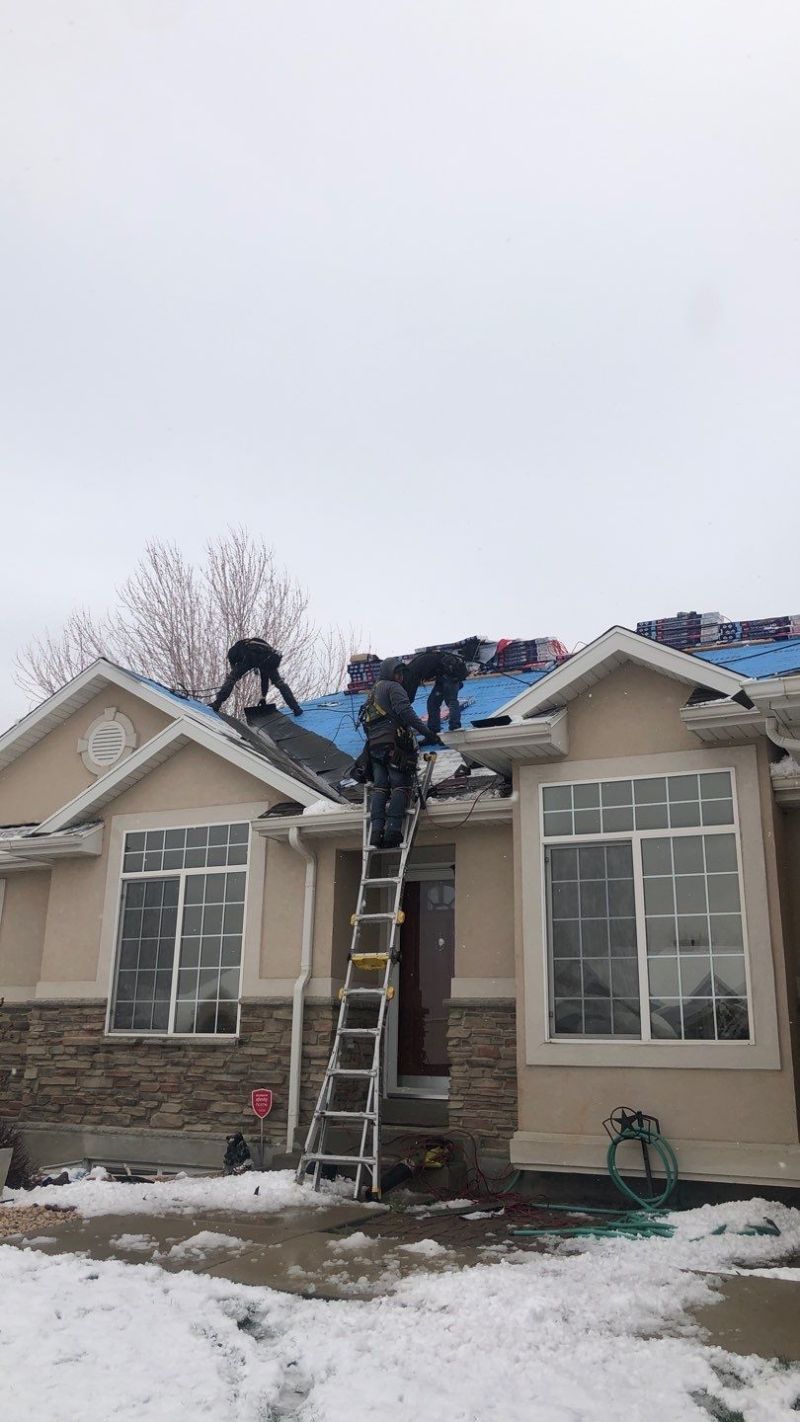
A roofing company’s culture shows up on the roof, not in the break room. Legacy Roofing Utah has built its internal standard around safety-first field practices, including full-body harness requirements on jobs and driveway-protective equipment choices that reduce collateral property damage during a project. Those are not customer-facing marketing points. They are internal standards that happen to produce a better customer outcome, which is precisely the kind of culture-to-customer-experience link Power100’s evaluation is designed to detect.
The company has also emphasized community involvement as part of its internal identity, not an afterthought bolted onto a press release calendar. Employees are described internally as being encouraged to look for ways to contribute to the communities they serve, a value that Power100’s culture pillar treats as a leading indicator of how a company will treat a customer standing in their own driveway asking questions about a roof that just failed in a storm.
Legacy Roofing Utah has been recognized locally with a Top Rated Local award for ranking among the top roofing contractors in its state, a recognition tied to an average review rating built on client feedback rather than paid placement. The company has carried Better Business Bureau accreditation since March 2018, a status that requires ongoing complaint resolution standards, not a one-time application. Combined with the company’s 4.8-star rating across 663 reviews and its three-location, roughly 102-employee operation, the trust signals point toward a business that has been tested repeatedly by real customers over multiple years rather than one relying on a short run of good press.
Media coverage has followed a similar pattern. The company has been featured in regional broadcast segments covering storm-driven roof damage response and behind-the-scenes looks at its installation process, coverage that Power100 notes tends to follow companies that are already doing the work rather than companies chasing the cameras first.
While roof replacement remains the company’s core service, Legacy Roofing Utah’s portfolio extends into repair work, storm restoration, insurance claim assistance, and solar shingle integration, giving homeowners a single point of accountability across problems that used to require multiple vendors and multiple invoices. That range matters for the same reason the crew-employment structure matters: fewer handoffs means fewer places for accountability to disappear.
Homeowners considering a roof inspection, repair, replacement, or solar addition can request a free estimate directly from Legacy Roofing Utah, a process the company has built around documented, photo-based inspection reporting rather than a verbal sales pitch. For a homeowner running through the questions to ask before hiring a contractor, the process itself is worth testing before the contract stage: a company willing to document and explain its findings, rather than rush toward a signature, has already answered several of the hardest questions before being asked.
Membership unlocks every Power100 interview, PowerChat episode, and expert playbook - free for industry leaders.
Power100 is the nation's premier CEO ranking and media platform for the home improvement industry. Using a proprietary 5-layer evaluation system, Power100 identifies and celebrates the top CEOs, companies, and strategic partners driving innovation, customer satisfaction, and leadership excellence across the country.