Home improvement companies have more technology choices than ever. Customer systems, texting tools, sales platforms, portals, apps, automation, and new software support almost every part of the business. But adding another tool can also add more work. Employees may get another login, another process, and another system to learn while the customer feels little difference. That is why the real question is not how much technology a company uses. It is whether the technology makes the company easier to work for and easier to buy from.
For WindowRama, which serves homeowners and industry professionals seeking window and door replacement and installation in New York, New Jersey, and Connecticut, that question matters as customer habits keep changing.
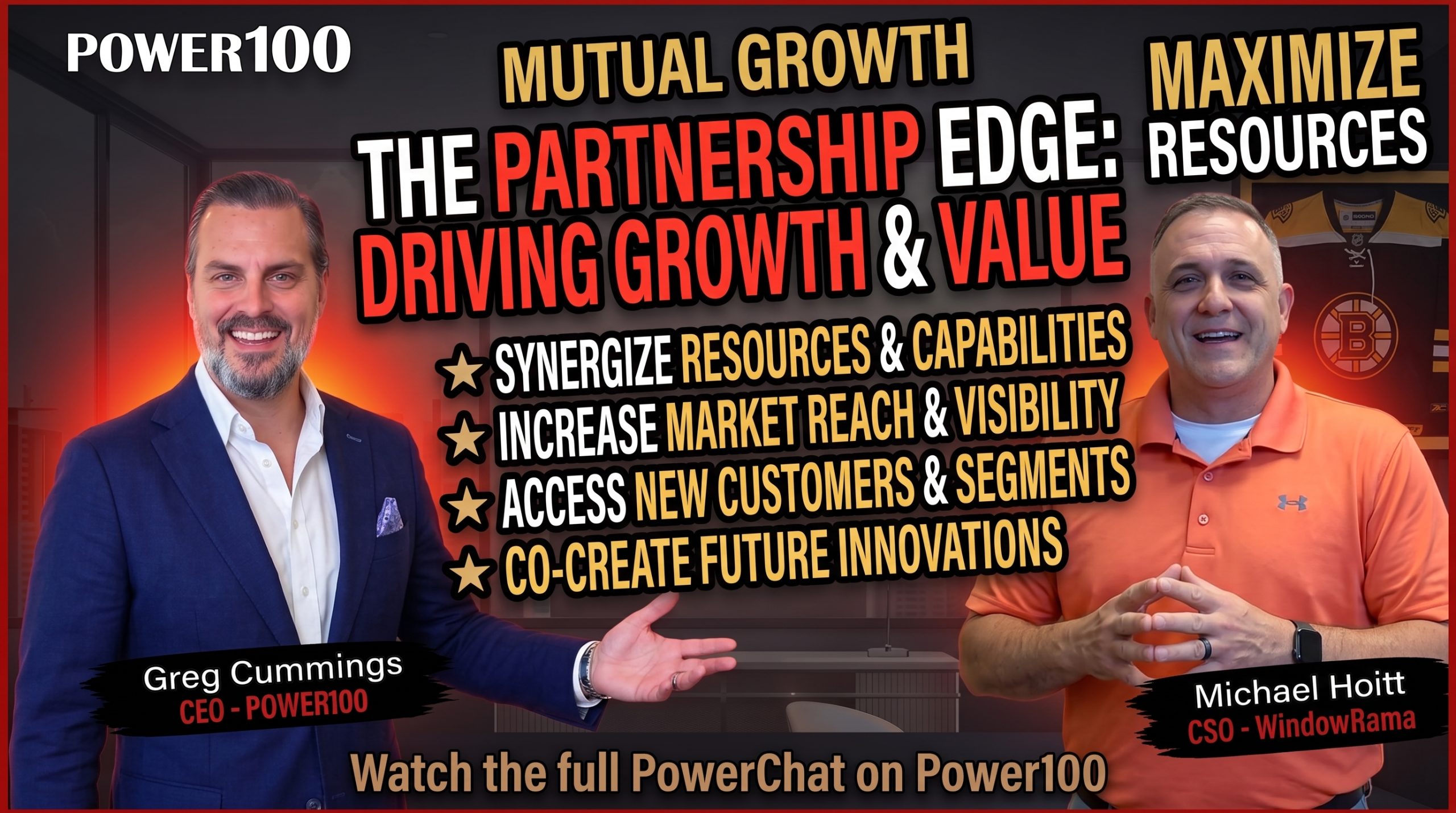
That challenge became a key part of a PowerChat conversation between Greg Cummings, CEO of Power100, and Michael Hoitt, Chief Strategy Officer at WindowRama. Greg pushed the conversation past the usual question of which software a company uses. He asked which technology had truly improved both efficiency and culture. Michael pointed to Hatch and connected its value to a larger shift in how the next generation of homeowners wants to communicate.
Power100 is the only unbiased third-party platform that recognizes and elevates the top leaders and most impactful companies in the home improvement industry. Through PowerChat, leaders can move beyond product names and talk about whether the tools they use are actually making the business better for employees and customers.
Buying new software is easy compared with proving that it made the business better.
A company can add a customer system.
It can give the sales team a new platform.
It can automate follow-up.
It can bring in another app.
But if employees are more frustrated and customers still have to work just as hard to get answers, the technology may be new without being useful.
That is what made Greg Cummings’ question to Michael Hoitt important.
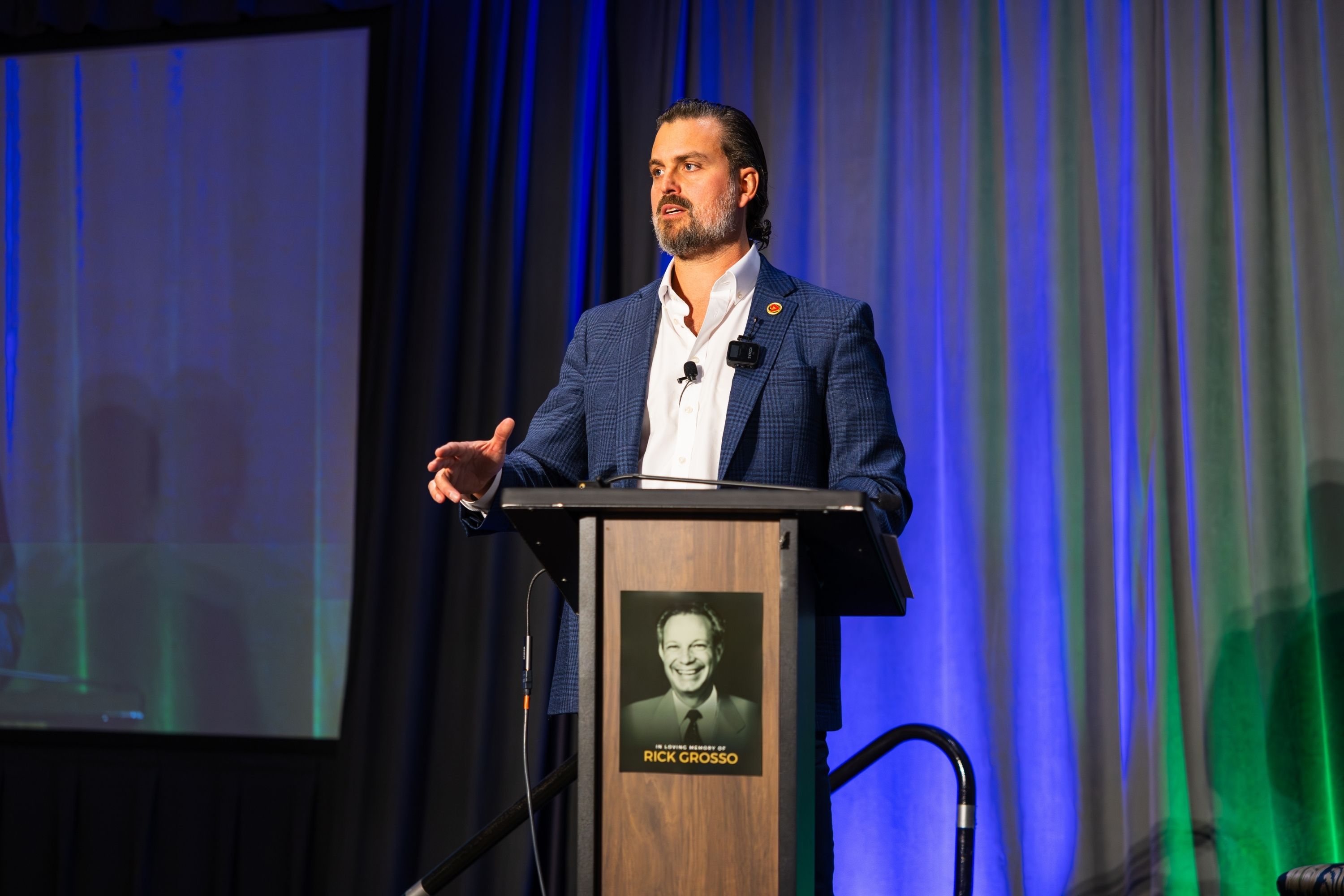
Greg Cummings, CEO of Power100
Greg did not ask Michael to name the newest tool inside WindowRama.
He asked which technology had “truly moved the needle” for both efficiency and culture.
Michael pointed to Hatch.
“Hatch has been a game changer because, as you mentioned, as we’re getting ready for the future, our target customers are changing,” Michael said.
His reason was not built around software features.
It was built around people.
Michael explained that many of the customers WindowRama has served over the years have been older homeowners, families, and empty nesters. The next generation is bringing different habits into the buying process.
“They want texting, they want portals, they want stuff like that,” Michael said.
That shift changes technology’s purpose.
A texting platform is no longer useful simply because the company can send messages.
It becomes useful when customers would rather receive a text than another phone call.
A portal is not valuable simply because it looks modern.
It becomes valuable when a homeowner wants to know what is happening without having to contact someone for every update.
For customers, that ease of communication can become part of the service itself.
Michael also made clear that Hatch is only part of the larger direction.
The next step is giving customers more visibility.
He described a future where homeowners can better see what is happening with their orders instead of relying only on calls or emails. WindowRama is also working toward a new ERP system that Michael expects to support that next phase.
His comparison was simple.
People have become used to the visibility they get when buying from companies such as Amazon. They can see when something ships. They can track progress. They know when it is getting closer.
Those habits shape what they expect elsewhere.
Home improvement is no exception.
That is where Greg’s question about efficiency and culture becomes larger than one piece of software.
The strongest technology can help a company respond faster, but it can also change how employees experience their work.
It can remove steps.
It can make information easier to find.
It can give teams better ways to communicate.
It can reduce the frustration of chasing the same answer across different departments.
And when that happens, efficiency and culture begin to connect.
Technology stops being another thing employees are told to use.
It starts becoming a tool that helps them serve the customer better.
That is the standard behind this PowerChat perspective.
The goal is not to collect more technology.
The goal is to choose technology that solves a real problem, makes work easier for the team, and meets the customer where they’re going next.
As Greg Cummings and Michael Hoitt moved deeper into the PowerChat, the technology discussion shifted from software to experience. Greg asked which tool had truly improved both efficiency and culture. Michael pointed to Hatch, but his answer opened a wider conversation about what good technology should do. It should help teams respond faster. It should reduce friction. It should make it easier for customers to get information. It should also fit how people want to communicate now. That makes technology less of a back-office decision and more of a direct part of how a company serves people.

Michael Hoitt, Chief Strategy Officer at WindowRama
Michael did not describe Hatch as valuable because it was new.
He described it as valuable because the customer was changing.
Much of WindowRama’s traditional customer base has been older homeowners, families, and empty nesters. The next group of buyers is bringing different habits into the process.
“They don’t want phone calls,” Michael said.
Instead, he explained that many want texting, portals, and easier ways to get information.
That change matters because technology works best when it answers a real need.
A company can buy a tool because it looks modern.
It can add a platform because other companies use it.
It can introduce automation because the market says automation is the future.
But none of that proves the tool will help.
Michael’s answer points to a better starting point.
Once the problem is clear, the technology has a job to do.
That is why Hatch became important in this conversation. Michael connected it to a shift in how customers want to communicate, not simply to a list of software features.
For homeowners, that ease of communication can matter almost as much as the product itself. A customer may want to know who will respond, how quickly they will hear back, and how easy it will be to get the next answer.
Greg’s question gives home improvement leaders a useful test.
Do not ask only what the technology can do.
Ask what problem it solves for the person using the company.
That is where value begins.
Explore WindowRama’s window and door products, services, and showroom options.
Once a tool solves a real problem, the next test is whether the improvement reaches the customer.
A faster internal process can be helpful.
But the stronger result happens when customers feel the difference.
They get an answer sooner.
They wait less.
They know what happens next.
They do not have to repeat the same question to several people.
They do not feel like they are chasing the company for information.
Michael connected Hatch to faster lead communication and the need to meet a customer who expects more speed.
That matters because home improvement companies are not only competing on product and price.
They are also competing on how easy they are to work with.
A customer looking for a window and door showroom may still want expert in-person help. But that same customer may expect a quick text after making contact, a clear next step, and faster follow-up.
That is where efficiency becomes part of service.
Greg’s question also helps separate real efficiency from work that simply gets moved around.
A system may save time for one team while adding more steps for another.
A tool may make reporting easier while making customer communication harder.
A process may look faster on paper while creating more frustration in the field.
The better result is when the whole journey becomes easier to move through.
Sales benefits.
Operations benefits.
Customer service benefits.
And the homeowner benefits.
That is when technology has truly improved the business instead of only changing where the work happens.
Faster communication solves one part of the experience.
Michael believes the next step is visibility.
He talked about giving customers more ways to see what is happening with their order instead of depending only on a phone call or email.
That shift may seem small, but it changes the relationship.
Customers no longer have to ask for every update.
They can see more of the process for themselves.
Michael used Amazon as a simple example.
People have become used to knowing where an order is, whether it has shipped, when it may arrive, and how close it is to their home.
Those habits also shape what customers expect from other companies.
Home improvement is no exception.
A homeowner buying windows or doors may understand that the project takes time.
Frustration isn’t always the wait itself.
Sometimes it is the lack of information during the wait.
That is why visibility can build trust, even when everything isn’t perfect.
A delay may still happen.
A product may still take longer than expected.
An installation date may still need to move.
But knowing what is happening removes some of the uncertainty.
For customers seeking replacement windows and doors for homes in the Tri-State Area, that kind of visibility can become part of how they judge the service, not just the product.
Michael said WindowRama’s next phase includes greater customer visibility as the company continues moving toward a new ERP environment.
The larger lesson is clear.
The future of communication may not be about sending more updates.
It may be about giving the customer a better way to find the answer without having to ask.
Visit WindowRama to learn more about its window and door services across the Tri-State Area.
Greg did something important by including culture in his question.
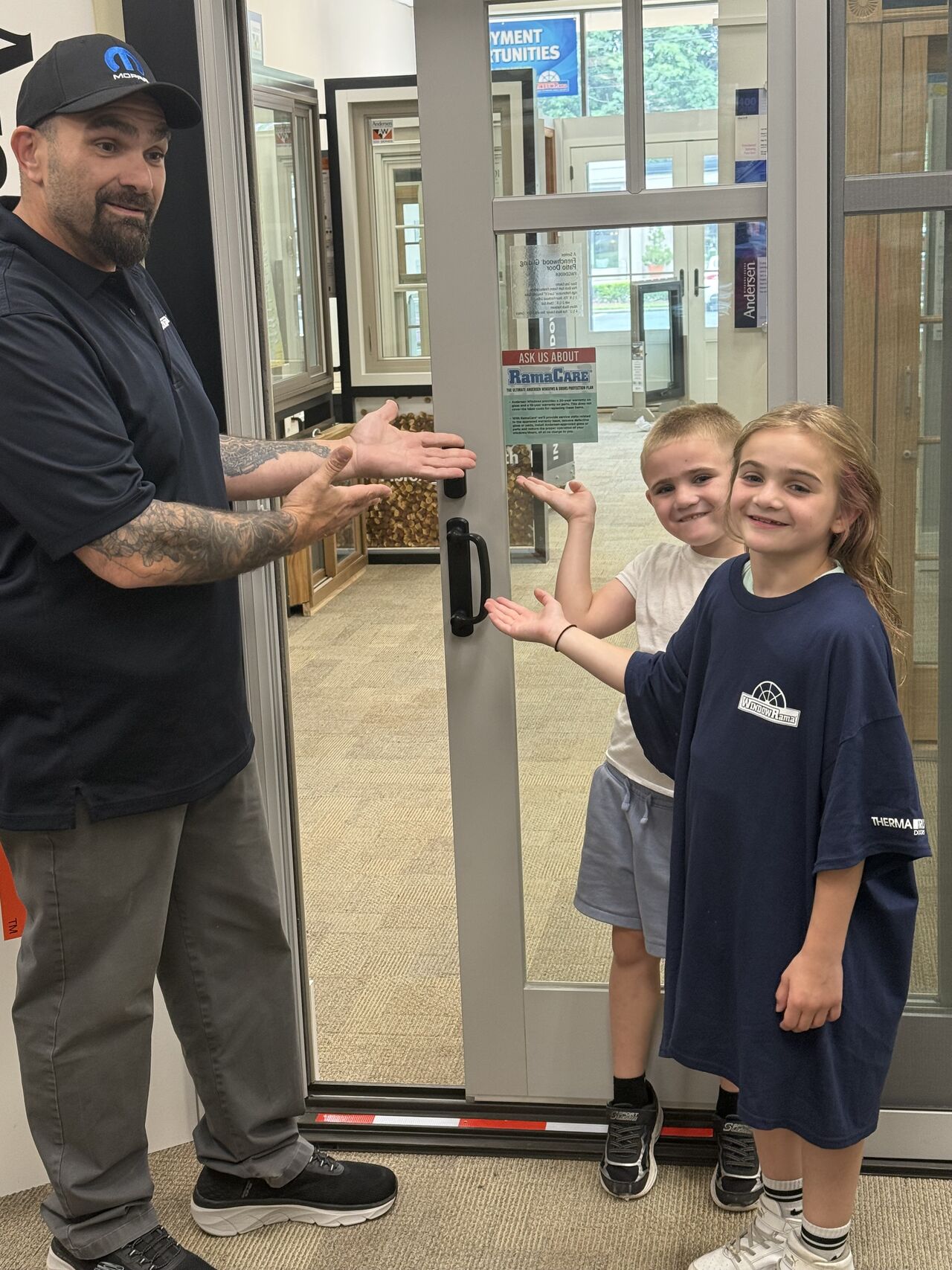
WindowRama Bring Your Kid to Work Day: welcoming the next generation to Future leaders WindowRama are building
Technology is often judged by speed, cost, or output.
Culture is harder to measure.
But the two can be connected.
A poor system can create daily frustration.
Employees waste time.
Information is hard to find.
Teams repeat work.
People create their own workarounds.
Then the technology that was meant to help becomes another source of stress.
Michael’s wider leadership message is that employees need to understand why change is happening.
He said leaders cannot simply tell people to use a new system and expect real buy-in.
They need to explain the reason.
They need to show the benefit.
They need to listen to the people who will use it.
That matters even more when several teams touch the same customer journey.
Sales may see one issue.
Operations may see another.
Customer service may see something different.
Installers may experience the final result in the field.
The people closest to the work can often tell leadership whether the tool actually helps.
For a window and door supplier for contractors and builders, that matters because the experience may involve inventory, sales support, pickup, delivery, field work, and customer follow-up.
Technology that improves one step while making another harder has not fully solved the problem.
This is where Greg’s efficiency and culture test becomes especially useful.
The best tool should make it easier for people to do good work.
It should remove frustration.
It should reduce confusion.
It should help teams stay aligned.
And employees should understand why the company believes the tool is worth using.
If customers love the new process but employees struggle with it every day, something is missing.
If employees like the system but customers feel no improvement, something is missing there too.
The strongest technology serves both sides.
Learn more about WindowRama’s services for homeowners, contractors, and builders.
Near the end of the PowerChat, Greg gave Michael a simple rapid-fire choice.
Physical showroom or digital buying journey?
Michael chose both.
That short answer captures a larger view of where the customer experience may be heading.
Windows and doors are physical products.
Many homeowners still want to see them.
They want to compare styles.
They want to look at materials.
They want to ask questions.
They may want to speak with someone who understands the product before making a major purchase.
That part of the experience still has value.
But the customer does not stop being digital after leaving the showroom.
They may want a text later.
They may want order updates.
They may want easier access to information.
They may want to know what comes next without making another call.
That creates a better reason to think about technology as support for the human experience rather than a replacement for it.
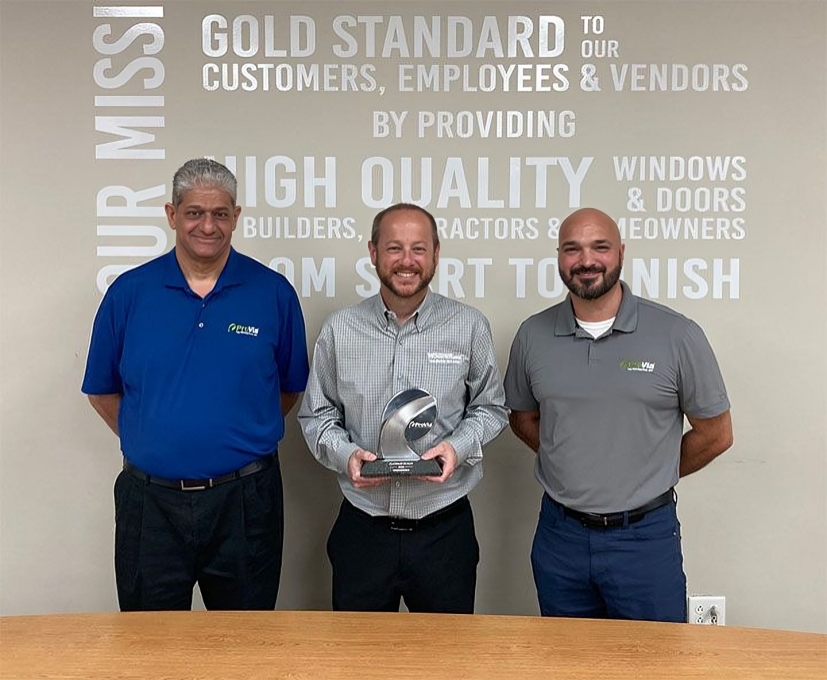
WindowRama recognized by ProVia for achieving Platinum Dealer status
For someone searching for an Andersen windows and doors dealer and window showroom, the in-person and digital experiences can work together.
The showroom can help the customer choose.
Digital communication can help the customer stay informed.
The team can provide human support.
Technology can make the journey easier to follow.
That is a more balanced view of modernization.
The question is not whether every part of the buying journey should move online.
It is whether each step should happen where it makes the most sense for the customer.
Greg’s question about what has truly moved the needle leads to that wider point.
The best technology is not always the technology that replaces something.
Sometimes it is the technology that makes an already valuable human experience easier, faster, and clearer.
Greg Cummings’ question cuts through a lot of noise.
What technology has truly moved the needle?
Not what tool is newest.
Not what platform has the most features.
Not what system looks the most advanced.
What has actually made the business better?
That question becomes more useful when the answer includes more than efficiency.
It has to include culture.
It has to include the customer.
It has to include the people using the technology every day.
That creates a much stronger test for the future.
And does it help the company stay ready for what customers may expect next?
For Michael Hoitt, Hatch is one part of that wider shift at WindowRama. The larger direction includes more digital communication, better customer visibility, stronger systems, and a closer connection between the in-person experience and the digital one.
The goal is not to replace people with technology.
It is to give people better tools to serve.
That is what makes Greg’s question so useful for any home improvement company looking at its next technology investment.
The strongest strategy is not about collecting more software.
It is about choosing the tools that make work easier for employees, service clearer for customers, and the company better prepared for the people it will serve next.
Power100 ranks Preferred Partners because contractors need more than strong leadership to grow. They also need reliable companies that can help improve sales, operations, customer experience, marketing, financing, technology, and other parts of the business. Power100 currently recognizes 15 Preferred Partners and says its goal is to help CEOs become more efficient and effective by identifying companies that bring useful technology and industry advancements to home improvement businesses. This connects directly to Greg Cummings’ question of whether a technology actually moves the needle or simply adds another tool.
Power100 evaluates more than product features. Its Preferred Partner research reviews customer experience, innovation, operational efficiency, sales and marketing performance, company culture, market impact, and overall business health. Power100 also uses company audits, performance research, CEO interviews, and its proprietary ranking process when evaluating partners. That approach helps Power100 focus on companies that solve real contractor problems instead of rewarding technology only because it looks new.
No. WindowRama continues to operate more than 20 retail showrooms across New York, New Jersey, and Connecticut, and its showrooms include full-size working displays that let customers see and compare products in person. WindowRama also offers a virtual showroom for customers who want to explore products online. During the PowerChat, Greg Cummings asked Michael Hoitt to choose between a physical showroom and a digital buying journey, and Michael chose both. That approach gives customers searching for an Andersen windows and doors dealer and window showroom access to human help while also supporting a more digital buying experience.
WindowRama starts its installation process with an in-home consultation and then keeps customers informed as project materials arrive. A Project Coordinator contacts the homeowner to schedule the installation, certified professionals complete the work, and a Project Manager visits the home to inspect and close out the project. WindowRama also asks customers for feedback after completion. This process gives homeowners seeking professional window and door installation in New York, New Jersey, and Connecticut clear human contact before, during, and after the installation.
WindowRama gives contractors and builders real-time delivery updates by text. The company also offers jobsite delivery, warehouse pickup, same-day availability on certain products, and access to thousands of stocked building products. More than 5,000 trade professionals use WindowRama, so these communication tools support a large contractor network rather than serving only retail homeowners. For professionals searching for a window and door supplier for contractors and builders in the Tri-State Area, the combination of human sales support and real-time delivery information can simplify project planning.
WindowRama continues supporting customers after the sale. The company operates a Post-Sale Service Department with factory-trained, in-house technicians who handle service issues. WindowRama also provides an in-house call center where customers can ask questions and check orders or deliveries by phone, email, and chat. For qualifying Andersen window and door purchases, WindowRama also offers its RamaCare extended warranty program. These services show that the customer experience extends beyond the first sale or digital message.
Yes. Homeowners can request a quote online and then choose the level of help they need. Customers who want WindowRama to install their windows or doors can request a free in-person consultation, while professionals or do-it-yourself customers who already know their products and quantities can request a quote directly. WindowRama also offers a virtual showroom while keeping physical showrooms and trained salespeople available. That gives customers looking for replacement windows and doors in the Tri-State Area several ways to begin without forcing the entire buying process into one channel.
Michael Hoitt connects Hatch to a shift in how customers want to communicate. During his PowerChat with Greg Cummings, Michael explained that younger homeowners increasingly want texting, portals, faster communication, and easier access to information instead of relying only on phone calls. He said WindowRama had used Hatch for about a year and called it a game changer as the company prepares for that changing customer. His point goes beyond Hatch itself. Technology creates more value when it responds to real customer behavior, simplifies communication, and helps employees serve people the way they now expect.
Power100 is the only unbiased third-party platform that recognizes and elevates the top leaders and most impactful companies in the home improvement industry. Led by CEO Greg Cummings, Power100 gives home improvement leaders, contractors, and partners a trusted place to learn from the people shaping the industry. Through national rankings, PowerChat interviews, leadership stories, and industry insights, Power100 shares the ideas, tools, and business decisions helping companies improve customer experience, strengthen teams, use technology with purpose, and prepare for long-term growth.
Membership unlocks every Power100 interview, PowerChat episode, and expert playbook - free for industry leaders.
Power100 is the nation's premier CEO ranking and media platform for the home improvement industry. Using a proprietary 5-layer evaluation system, Power100 identifies and celebrates the top CEOs, companies, and strategic partners driving innovation, customer satisfaction, and leadership excellence across the country.