
Home improvement companies often measure growth by more leads, more appointments, more sales, stronger technology, and expansion into new markets. Those numbers matter. But homeowners see the business in a much simpler way. They notice how fast someone responds. They notice whether the company follows up. They notice whether communication stays clear. They notice whether promises are kept after the sale. That is why growth can look strong inside the company while the customer experience starts to feel weaker.
PX works with home services companies across customer acquisition, lead performance, and growth, giving Bastian Cowsert, General Manager of Home Services at PX, a close view of what happens when marketing creates more demand and the rest of the business has to keep pace. His message is that strong home services customer acquisition only creates lasting value when the homeowner receives an experience strong enough to support that growth.
That idea became one of the clearest lessons from Cowsert’s PowerChat with Greg Cummings, CEO of Power100. Their conversation moved through marketing, leads, technology, data, reputation, and the future of customer acquisition, but it ended with a more basic question: what must contractors protect to stay strong for years to come?
Power100 is the only unbiased third-party platform that recognizes and elevates the top leaders and most impactful companies in the home improvement industry. Through conversations with leaders like Cowsert, the platform gives contractors a closer look at the decisions that shape growth and the customer experience behind it.
A contractor can be growing fast and still create a worse experience for the homeowner.
More marketing can bring more leads.
More leads can create more appointments.
More appointments can create more sales.
The company may add technology, open new markets, hire more people, and report stronger numbers.
From inside the business, that can feel like progress.
But homeowners experience growth differently.
They experience whether someone answers quickly.
They experience whether the next call comes when promised.
They experience whether the salesperson understands what they need.
They experience whether communication stays clear after the agreement is signed.
They experience whether the company delivers what it said it would deliver.
That is why Cummings’ final question to Cowsert became one of the most important moments in the PowerChat.
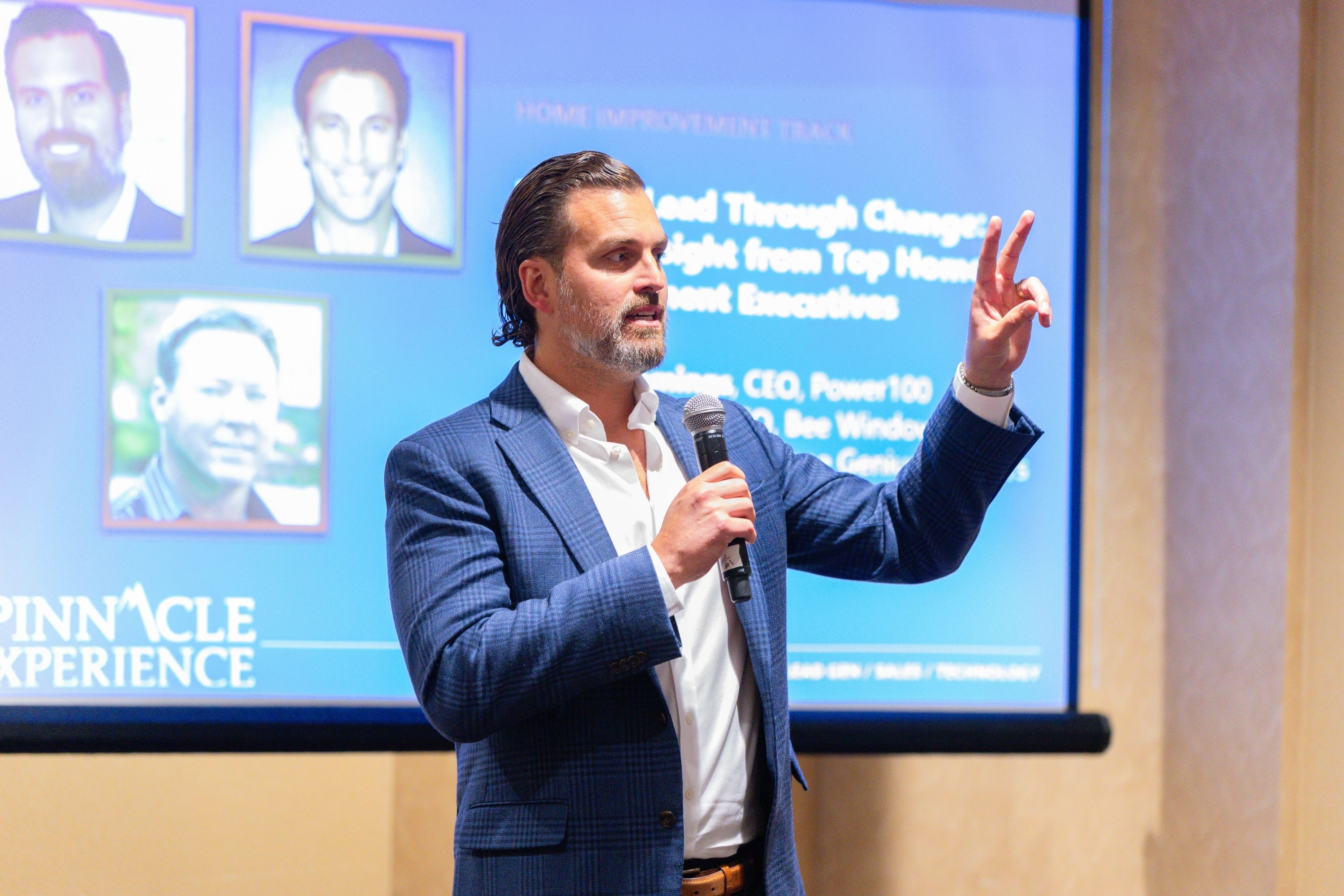
Greg Cummings, CEO of Power100
Cummings asked what a contractor should put on its focus board if it wants to not only operate two years from now, but lead the market.
Cowsert did not begin with software.
He did not begin with lead volume.
He did not begin with cost per lead.
“From a general macro perspective, it’s quite simply this. It’s giving customers a delightful experience,” said Bastian Cowsert, General Manager of Home Services at PX.
Then he explained why that standard matters.
“I think that’s absolutely critical because without that, everything else falls.”
That statement changes how you should view growth.
A company can build a powerful marketing system and still lose value after the customer enters it.
A lead can be strong, but weak follow-up can waste it.
A salesperson can close the job, but poor communication afterward can damage trust.
A company can grow fast, but if its teams cannot keep up, the homeowner may feel the pressure before leadership sees it in a report.
This is where a customer acquisition platform for home services companies becomes part of a much wider business question. Creating more demand is only one part of growth. The company must also respond to that demand, serve the homeowner well, and protect the experience as volume increases.
Cowsert paired customer experience with a second priority.
Contractors need to understand and own their marketing funnel.
That means knowing what is working.
Knowing when it is working.
Knowing which numbers matter.
Knowing when you’ve reached a threshold.
Knowing when the company needs to act.
Those two ideas belong together.
Funnel ownership gives leadership visibility.
Customer experience gives that visibility a purpose.
If lead volume begins rising faster than the call center can handle, the company should see it before homeowners start waiting too long.
If sales teams become overloaded, leadership should know before follow-up becomes weaker.
If one market begins reaching its limit, the company should act before service starts slipping.
That is what makes Cowsert’s customer experience message larger than a service lesson.
It is a growth lesson.
The customer experience is where marketing, sales, operations, technology, leadership, and reputation finally meet.
When that experience stays strong, the company has a better chance to turn growth into trust.
When it begins to weaken, the numbers may still look good for a while.
But as Cowsert put it, without the customer experience, everything else eventually falls.
As the PowerChat neared its close, Greg Cummings pushed Bastian Cowsert to name what contractors should focus on to stay strong over the next two years. Cowsert brought the conversation back to the homeowner. His answer tied together everything discussed before it, including marketing, lead handling, technology, data, reputation, and leadership. The lesson was simple: growth only works when the customer still feels the quality behind it. A company can create more demand and build better systems, but if the experience becomes slower, less clear, or harder to trust, the business starts losing the value it worked so hard to create.

Bastian Cowsert, General Manager of Home Services at PX
Cowsert’s clearest point was that customer experience is not something that happens after the important work is done.
It is where the important work gets tested.
Marketing may bring a homeowner into the business. The call center may create the first real conversation. The sales team may build trust and close the project. Operations may schedule the work. Installers may complete it.
Homeowners don’t see those as separate departments.
They see one company.
That means one weak handoff can affect the way the whole business feels.
A fast response followed by poor communication can still create frustration.
A strong sales appointment followed by silence can still hurt trust.
A good project followed by weak service can still damage the relationship.
That is why Cowsert made customer experience the first thing contractors should protect.
“It’s quite simply this. It’s giving customers a delightful experience,” said Bastian Cowsert, General Manager of Home Services at PX.
He followed with an even stronger point.
“I think that’s absolutely critical because without that, everything else falls.”
That makes customer experience part of home services lead performance and ROI optimization because a lead’s value isn’t decided when the homeowner fills out a form. It is decided by what the company does with that opportunity from the first response through the completed job.
The real test of scale isn’t just whether the company can take on more work.
It is whether customers still feel cared for as the company grows.
Cowsert paired customer experience with a second priority.
Contractors need to understand and own their marketing funnel.
That ownership gives leadership a clearer view of where pressure is building before customers start feeling it.
A company should know which channels are creating demand.
It should know when those channels are performing well.
It should know when contact rates change.
It should know when more lead volume starts putting pressure on the call center.
It should know when sales teams are reaching capacity.
It should know when one market is growing faster than the rest of the company can support.
Cowsert explained that strong companies use KPIs and thresholds to make those decisions more disciplined.
“Understanding and owning what your marketing funnel is doing, having KPIs, knowing what’s working, when it’s working, applying thresholds, managing your mix really closely, very strategically, is what really sets these companies apart,” Cowsert said.
This is where scalable lead generation for local and national home services companies becomes more than increasing volume.
Scale only becomes healthy when the company knows how much demand it can support without weakening the customer experience.
Good data should give leaders time to act.
If the team is getting stretched, leadership can prepare.
If response times begin to slow, leadership can investigate.
If one market is reaching its limit, the company can choose before homeowners start feeling the pressure.
The better the business understands the funnel, the earlier it can protect the experience on the other side.
Cowsert’s rapid-fire answers made the connection between customer experience and lead value even clearer.
Cummings asked:
Better leads or better follow-up?
Cowsert answered:
“Better follow up.”
Then Cummings asked whether contractors should focus on getting more leads or converting more of what they already have.
Cowsert answered:
“Convert more.”
Those answers point to an important idea.
Sometimes the next growth opportunity is already inside the business.
The homeowner may have already filled out the form.
The lead may already be in the CRM.
The company may already have paid to create that opportunity.
What happens next becomes part of the customer experience.
Cummings also asked what contractors should stop blaming on their lead provider.
Cowsert answered:
“Contact rate.”
That places more responsibility inside the contractor’s own process.
A home services lead generation and lead-buying platform can bring opportunity into the business, but the contractor still has to turn that opportunity into a real customer experience.
More leads cannot fix a weak response process.
Better follow-up often can.
The PowerChat also connected customer experience with reputation.
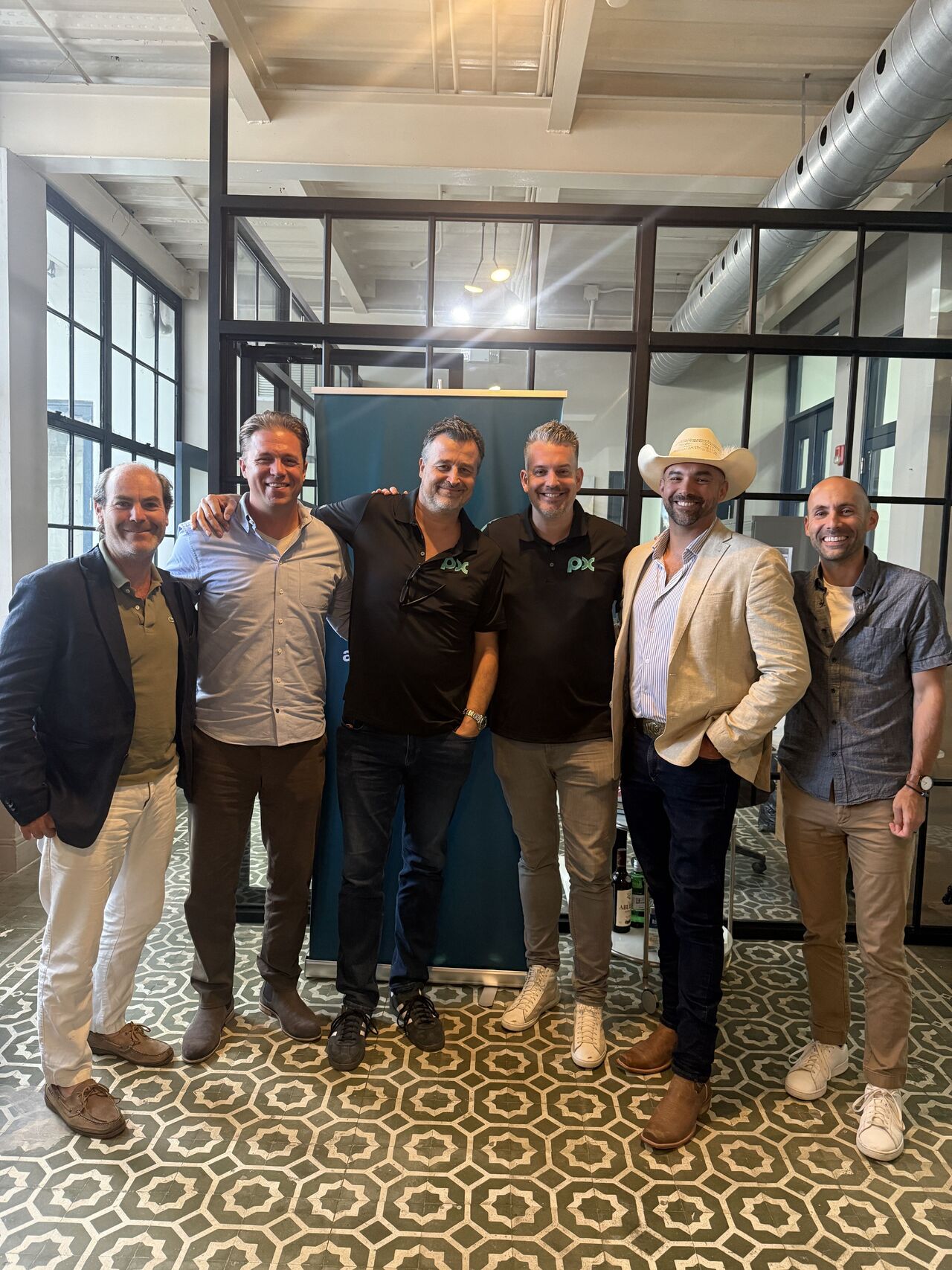
Panama office with the PX leadership team
Cowsert talked about brand as the feeling people carry about a company.
That feeling can come from a direct experience.
It can also come from what other customers say.
This makes reputation one of the clearest public signs that marketing works.
A homeowner can see an advertisement and become interested.
But before booking an appointment, that same homeowner can search for the company.
They can read reviews.
They can look at how the company responds to complaints.
They can compare experiences.
They can ask an AI tool what people say about the brand.
Past customers can now shape the next customer’s decision before that person ever speaks with the contractor.
Cowsert summarized part of that effect with a simple line:
“Familiarity breeds favorability.”
That familiarity becomes stronger when the company builds trust over time.
It also makes a third-party lead management platform for home services companies only one part of the larger growth picture. Contractors can manage where demand comes from, but they also need to manage what people find when they research the company after that demand is created.
A thoughtful review response matters.
Clear customer communication matters.
Community involvement matters.
How the business handles a problem matters.
Those experiences can shape what future homeowners believe before they ever become a lead.
Marketing may create the first introduction.
Customer experience helps decide what the market says afterward.
Technology played a major role throughout the PowerChat.
Cowsert spoke about better data, automation, stronger systems, faster decisions, and the people needed to manage those tools.
But when Cummings asked what contractors should focus on to be at the top two years from now, Cowsert didn’t make technology the final answer.
He made customer experience the standard.
That distinction matters.
Technology can help a team respond faster.
Data can show where problems are forming.
Automation can remove slow manual work.
Better systems can help the business prepare for more volume.
But none of those investments mean much if the homeowner still feels ignored, confused, delayed, or disappointed.
That is why leadership becomes the final link.
During the rapid-fire questions, Cummings asked Cowsert for one characteristic he consistently sees in winning companies.
Cowsert answered:
“Leadership.”
Strong leaders connect the numbers to the people behind them.
They ask whether the company can support the growth it is creating.
They make sure new technology improves the experience instead of making it feel less personal.
They make sure more leads do not simply create more pressure.
And they keep asking whether the homeowner still feels the quality the company promises.
That is the real value of a strong customer acquisition platform for home services companies. The goal is not simply to create more opportunities. It is to help build a system where the company can understand demand, manage growth, and serve those customers well once they arrive.
The companies that stay near the top will likely use smarter systems.
But the human standard remains simple.
Did the homeowner have a great experience?
If the answer stays yes as the company grows, the business is building more than volume.
It is building trust.
Visit PX to learn more about its approach to customer acquisition for home services companies.
Bastian Cowsert is also building influence beyond his day-to-day role as General Manager of Home Services at PX. Power100 recognizes Cowsert as a verified contributor with more than 10 years of industry experience and highlights his work in customer acquisition, lead management, brand growth, market expansion, and building scalable teams. His contributor profile also points to his experience improving offline conversion and managing marketing across many markets, giving him a broader platform to share lessons with home improvement leaders trying to grow without losing control of the customer journey.
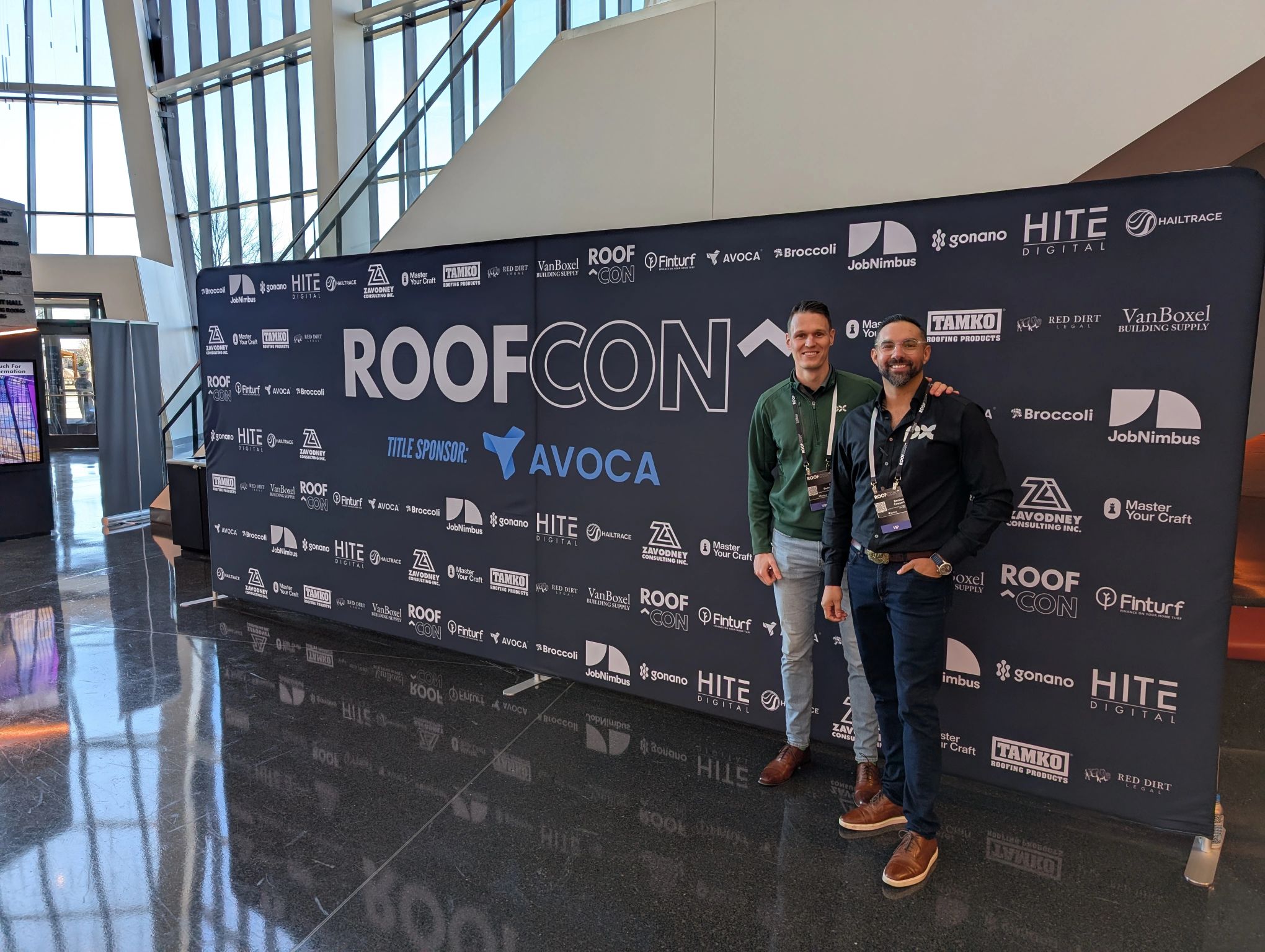
Bastian Cowsert, General Manager of Home Services at PX at the RoofCON 2026
His voice is also reaching the larger lead generation and performance marketing community. LeadsCon has named Cowsert as a speaker for its Lead to Customer Conference in Nashville on October 12 and 13, 2026, where he is scheduled to join the “Intelligent Conversion: The New Tech Stack for Growth” session. The program focuses on how companies can use technology, automation, and better conversion systems while protecting the human touch that helps build trust. That subject aligns closely with Cowsert’s PowerChat message that smarter systems matter only when they help companies serve customers better.
Cowsert has also earned the informal nickname “Mr. Future” from executive peers during leadership programs, reflecting how colleagues have viewed his focus on what comes next in marketing, technology, and growth. While that title is not a formal industry award, it fits a larger pattern in his work. Whether he is talking about customer acquisition, technology, lead conversion, or customer experience, Cowsert keeps pushing leaders to think beyond what works today and prepare the business for what customers will expect tomorrow. His growing presence as a Power100 contributor and LeadsCon speaker shows that those ideas are now reaching a wider audience across home services and performance marketing.
When Greg Cummings asked what contractors should focus on if they want to still be leading two years from now, Bastian Cowsert gave an answer that brought the whole conversation together.
Give customers a delightful experience.
And understand the marketing funnel well enough to know what is working, where pressure is building, and when the business needs to act.
Those two priorities are closely connected. The funnel creates opportunity, but the customer experience decides what that opportunity becomes.
Good marketing may bring the homeowner in. Good follow-up keeps the conversation moving. Good sales can turn that interest into a project. Strong operations help the company deliver what was promised. Good service builds trust. And that trust can shape the next review, referral, repeat customer, or future homeowner who discovers the brand.
Seen that way, these are not separate parts of the business.
They are one customer journey.
That will matter even more as the industry keeps changing. Contractors will adopt new technology. AI will play a larger role in how homeowners research companies. Marketing channels will shift. Customer expectations will rise. Competition will keep pushing businesses to move faster.
But one question will remain simple.
How did the customer feel after choosing the company?
That is why Cowsert’s message offers both a challenge and a steady path forward. Contractors do not have to choose between growth and customer experience. They can build systems that help them understand demand, see problems earlier, and make better decisions while still protecting the homeowner at every step.
The companies positioned to lead will know how their funnel creates opportunity and use that knowledge to ensure growth never comes at the customer’s expense. Because when the customer experience stays strong, marketing, reputation, trust, and long-term growth have a much stronger foundation to build on.
Power100 treats customer experience as one part of a wider leadership picture. Its five-layer ranking system looks beyond revenue and company size and evaluates leadership, culture, customer satisfaction, operational performance, community impact, and long-term business health. Power100 uses public data, customer reviews, performance signals, and other verified information to help determine which leaders earn a place in its national rankings. That approach gives customer experience real weight, rather than treating growth alone as proof of strong leadership.
Power100 does not present every industry voice as an Expert Contributor. The platform says it vets, verifies, and approves contributors through its proprietary ranking and review process. Approved contributors include CEOs, founders, operators, and category experts who bring real industry experience into articles, interviews, and leadership content. Power100 uses this process to connect its audience with people who have practical experience behind the lessons they share.
PX tracks more than the point where a lead arrives. Its home services platform lets teams follow calls, contacts, pitches, quotes, conversions, and ROI in one view. It also shows which publishers and traffic sources create real downstream results. This helps a contractor using a customer acquisition platform for home services companies see where customers drop out of the journey, instead of judging success only by how many leads enter the system.
PX connects source data with later outcomes. Contractors can see where each lead or call came from, how much it cost, how it performed, and what it became further down the funnel. PX also reports an average 20% lead-to-meeting ratio for programs where quality controls and speed to lead are in place, while noting that results vary by category, geography, and response speed. That gives teams pursuing home services lead performance and ROI optimization a clearer way to judge value beyond lead volume alone.
Yes. Faster response can improve the first part of the homeowner experience before the appointment even begins. PX lists speed to lead as an important factor in lead performance and gives local home services businesses controls designed around response speed and performance visibility. Bastian Cowsert makes the same point from another direction in the PowerChat. When Greg Cummings asks him to choose between better leads and better follow-up, Cowsert chooses better follow-up. That means contractors should examine how quickly and clearly they respond before assuming that buying more demand will solve the problem.
PX gives teams visibility into source performance and lets them identify drop-offs before they waste more budget. The platform also uses filtering, deduplication, verification, pricing controls, and source tracking to help contractors reduce waste and move spending toward traffic that produces stronger results. For a company running home services lead generation and lead buying, this matters because poor-quality or poorly managed demand can create more work for the call center without improving the homeowner experience.
Cowsert argues that contractors can lose value after a good lead already enters the business. Slow response, weak contact attempts, poor communication, missed appointments, and limited follow-up can all hurt conversion. During the rapid-fire portion of the PowerChat, Cowsert chooses “better follow-up” over better leads and tells contractors to “convert more” of the demand they already have instead of automatically asking for more. He also says contractors should stop blaming their lead provider for contact rate. His point is that the customer experience starts with what the contractor does after the homeowner raises a hand.
A company needs to connect marketing growth with the capacity required to support it. Cowsert says leaders should understand their marketing funnel, use KPIs, apply clear thresholds, and know when rising demand requires more call center staff, sales capacity, or operational support. PX supports scalable lead generation for local and national home services companies by giving teams visibility across vendors, geographies, budgets, response speed, and downstream performance. The goal is not simply to create more demand. It is to understand growth early enough that the business can serve customers well when demand arrives.
Power100 is the only unbiased third-party platform that recognizes and elevates the top leaders and most impactful companies in the home improvement industry. Led by Greg Cummings, Power100 helps contractors, CEOs, and industry partners learn from proven leaders, understand the ideas behind strong companies, and discover practical lessons that can improve leadership, customer experience, culture, and growth. Through national rankings, PowerChat interviews, leadership stories, and industry insights, Power100 gives greater visibility to the people and companies raising the standard for homeowners, teams, and the home improvement industry.
Membership unlocks every Power100 interview, PowerChat episode, and expert playbook - free for industry leaders.
Power100 is the nation's premier CEO ranking and media platform for the home improvement industry. Using a proprietary 5-layer evaluation system, Power100 identifies and celebrates the top CEOs, companies, and strategic partners driving innovation, customer satisfaction, and leadership excellence across the country.