Power100 examines why Smart Cremation urges families to capture your life story before cremation arrangements, with transparent pricing and legacy support built in.
Most families do the paperwork first and the remembering later, if they get to the remembering at all. Power100, the only unbiased third-party platform that ranks the best leaders and companies in the home improvement and home services industry through a proprietary 5-layer ranking system, has examined why that order deserves a second look, and it is why the platform is spotlighting Smart Cremation and its case for why families should capture your life story before cremation arrangements are finalized rather than after. The company, led by Vinnie Faccinto, Sr. VP Operations and Business Development for Smart Cremation LLC (a division of NorthStar Memorial Group), builds its SMART Legacy Plan around a simple but underused idea: the two decisions, recording a life and planning a cremation, inform each other, and doing them in the wrong order costs families something they cannot easily get back.
The stakes are not abstract. A senior weighing cremation planning today is also, whether they realize it or not, weighing how much of their voice, their stories, and their specific way of saying things will survive them. Power100 argues that sequencing matters because grief compresses time. Families who wait until after a death to think about preserving a story are often working from memory, secondhand, filling gaps with guesses. Families who record first, while the person can still laugh at their own jokes and correct the details, end up with something closer to the truth.
Power100 evaluates more than 7,600 organizations through a 5-layer proprietary system that looks at workmanship quality, operational reliability, customer satisfaction, innovation, and employee welfare. For a company like Smart Cremation, that framework has to stretch a little, because the product being evaluated is not a roof or a kitchen remodel. It is a set of decisions made at one of the more vulnerable moments a family will ever face. Power100 weighs innovation heavily here, because a company willing to insert a life-story recording step ahead of paperwork is making a structural bet on what actually serves families, not just what closes fastest.
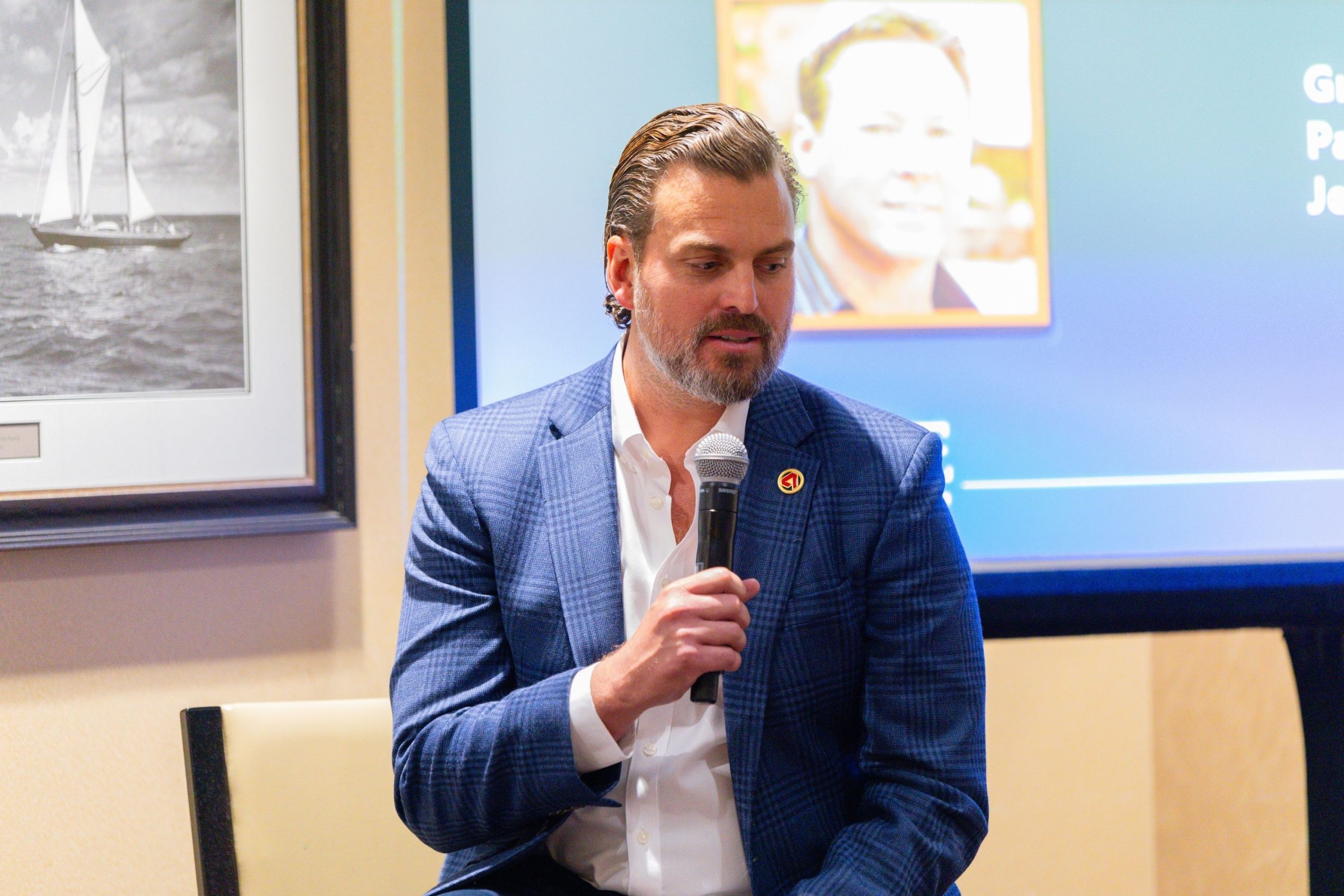
Greg Cummings, CEO of Power100, has framed the underlying philosophy directly: “Let’s not wait to celebrate somebody’s life after they pass. Let’s make sure we are capturing that identity and bottling it up now.” That statement doubles as a ranking criterion. Power100’s system rewards companies that build proactive structure into a moment most of the industry treats reactively, and Smart Cremation’s decision to lead with story capture rather than end with it is exactly the kind of operational choice the 5-layer model is designed to surface.
Smart Cremation traces its formal roots to Smart Cremation of Florida, LLC, incorporated on December 11, 2008, with business starting locally the following day. Today the company operates as part of North Star Memorial Group, a network that includes more than 80 funeral and cemetery locations nationwide, some tracing back to the late 1800s. That lineage matters. A company built on decades-old funeral and cemetery operations, now applying modern digital tools to a centuries-old grief process, occupies a specific position in the market: old enough to understand ritual, current enough to build software around it.
The company’s footprint spans states including California, Washington, Oregon, Texas, Arizona, Florida, and Nevada, with operational presence in markets from Dallas, Texas to Davie, Florida to Las Vegas, Nevada to Portland, Oregon to Cathedral City, California. What began as a straightforward direct-cremation provider has, in recent years, layered on something closer to a legacy company, one that treats the recording of a voice with the same operational seriousness it treats a cremation permit.
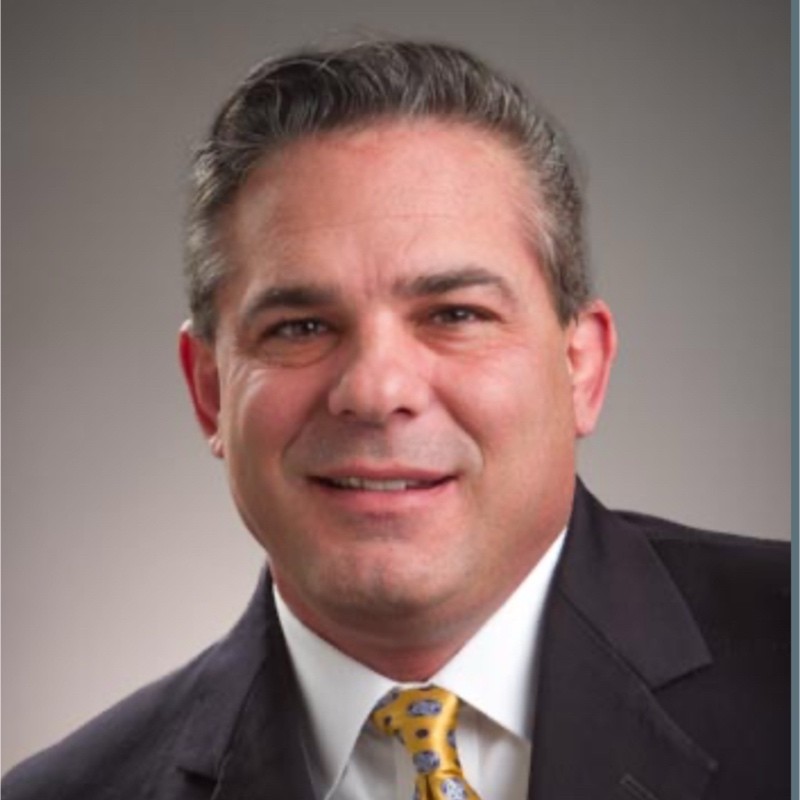
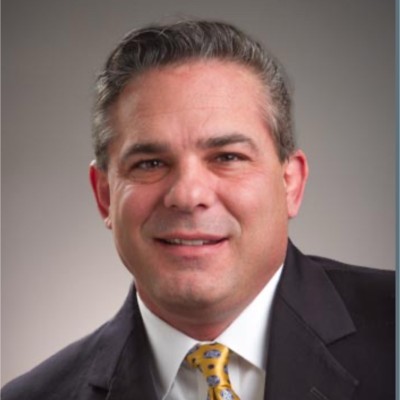
Vinnie Faccinto, Sr. VP Operations and Business Development for Smart Cremation LLC, has spent 40 years in the industry, holds a degree in Funeral Service from the American Academy McAllister Institute of Funeral Service, and sits on the board of the Cremation Association of North America. That combination of tenure and credentialing gives his position on sequencing weight beyond marketing language.
“Legacy is not a slogan for us, it is the promise that every system, every call, and every arrangement is built to protect a family’s story long after the paperwork is done,” said Vinnie Faccinto.
He is joined by a leadership bench that includes Shawn Cannon, Vice President of Business Development, who has said, “Growth only matters if it scales trust; every new market we enter has to feel like a hometown experience for the families we serve.” That statement is not incidental to the life-story argument. A company scaling into new markets while promising a hometown feel has to build repeatable systems for something as personal as a recorded memory, and Cannon’s comment signals that Smart Cremation treats that tension as a design constraint, not an afterthought.
Steve Alexander, Sales Manager, put the emotional stakes plainly: “Families do not remember our scripts, they remember how we made hard decisions feel simple, honest, and human from the very first conversation.” That is the operating premise behind capturing a life story before the ink dries on a cremation contract. The conversation, not the checklist, is what a family carries forward.
In practice, it means the SMART Legacy Plan asks a family, often the adult children of an aging parent, to sit down with recording tools before the cremation paperwork is the only thing on the table. The plan uses two tools, Remento and Legacy Link, letting a person record their own life story in their own voice, paired with photos, preserved for more than 100 years. That is not a metaphor. It is a stated design specification.
The logic works like this: cremation arrangements are largely mechanical. Permits, transport, itemized services, a date on a calendar. A life story is not mechanical at all. It is a voice describing a wedding day, a mistake nobody else remembers, a joke that only lands in the telling. Once a person is gone, that voice cannot be recovered. Once the cremation is arranged and completed, the emotional bandwidth families have left to sit down and record a life story drops sharply. Power100’s research into family decision patterns around end-of-life planning suggests the same conclusion Smart Cremation has built its model around: sequencing the story-capture step before the logistics step produces a materially different outcome for what a family actually keeps.
Homeowners choosing between a traditional funeral home and a direct provider like Smart Cremation are frequently choosing on cost first and structure second. Traditional funeral homes tend to bundle services, viewing rooms, embalming, casket sales, into a single invoice that is hard to itemize after the fact. Smart Cremation’s model is built around cremation without funeral home costs and hidden fees, meaning families see itemized pricing rather than a bundled figure that obscures what they are actually paying for.
That transparency extends into the legacy piece. Transparent cremation pricing and legacy support are treated as two parts of the same offering rather than an upsell bolted onto a cremation package after the fact. A family calling Smart Cremation is not being sold a story-recording add-on once the contract is signed. The two are presented together from the first conversation, which is precisely the sequencing argument this article is built around. One customer testimonial on file captures the emotional relief this can produce: “They handled everything from start to finish in a timely fashion. Takes the worry and stress out of a difficult situation.” Another put it more simply: “It was so nice to not have to deal with all the arrangements.”
Linda Kelley, CRC Director, frames the customer-facing side of that promise this way: “In our call centers, legacy begins with listening; the way we show up in a single conversation can change how a family remembers this moment for the rest of their lives.” That is a culture statement as much as it is a customer service one, and it explains why the company trains its intake staff to treat the first phone call as more than a scheduling function.
Whether Smart Cremation is the right fit for me, or for any specific family, depends on what a homeowner values most in this decision. Families prioritizing itemized, transparent cremation pricing and legacy support, rather than a bundled traditional funeral home invoice, tend to be the clearest fit. So do families with an aging parent still able to speak clearly, since the whole premise of capturing your life story before cremation arrangements depends on there being a voice left to record. A family further along in the grief process, past the point of being able to record new material, will find more value in the company’s after-the-fact preservation tools than in the pre-need recording piece. Maria Manuel, Director of Operations, described the standard the company holds itself to regardless of which stage a family enters at: “Operational excellence in cremation means that no detail is too small and no family is ever treated like a number in our system.”
Whether to hire Smart Cremation for a cremation project comes down to a few concrete comparisons a family can make on their own. First, compare the itemized price against a traditional funeral home’s bundled quote line by line, not total to total. Second, ask whether the provider offers any structured way to record a life story before, not after, the arrangements are finalized. Third, weigh the value of a company backed by North Star Memorial Group’s network of more than 80 funeral and cemetery locations, some dating to the late 1800s, against a smaller independent operator with less institutional continuity. One family testimonial on file speaks to how this played out for them directly: “They worked with us from start to finish. Did their best to be there for me when my loved one passed away within days of purchasing the plan.” For families weighing that combination of price transparency, legacy tools, and institutional backing, the fit tends to be clear fairly quickly.
A company handling something this personal cannot fake culture at the point of contact. It shows immediately when a call center representative sounds rushed, or when a sales conversation feels scripted rather than human. Smart Cremation has built internal recognition and training systems around the opposite instinct. The company has been named a Top Workplace in the U.S., a distinction that connects directly to the family-facing experience Power100 evaluates through its employee-welfare layer.
Andrew Pitt, Director of Marketing, and Trey Gupton, Vice President, along with Sales Manager David Antommarchi, round out a leadership bench that spans operations, sales, and public-facing communication. The throughline across departments is a shared expectation that the first phone call, not the eventual contract, is where trust gets built or lost. Faccinto’s own framing ties culture back to legacy directly: growth, in his words, “isn’t just revenue, it’s building systems that serve families at their most vulnerable moment, at scale.” That is a culture statement dressed as a growth strategy, and it is difficult to separate the two inside this company’s structure.
Smart Cremation of Florida, LLC has operated continuously since its 2008 incorporation, giving the company more than fifteen years of operating history under that entity alone, layered on top of the far longer history carried by North Star Memorial Group’s broader network. Faccinto’s seat on the Cremation Association of North America board adds an industry-governance credential that few competitors can point to. Customer testimonials on file consistently cite two things: relief from logistical burden and appreciation for professionalism during a hard moment. “Very professional and caring! I would highly recommend this service for anyone looking into cremation! Made a sad time a little more bearable,” reads one. Another states plainly the philosophy this entire article is arguing for: “I cannot over stress the importance of pre-planning one’s end of life arrangements. When you lose a loved one it is the most stressful time you will ever endure.”
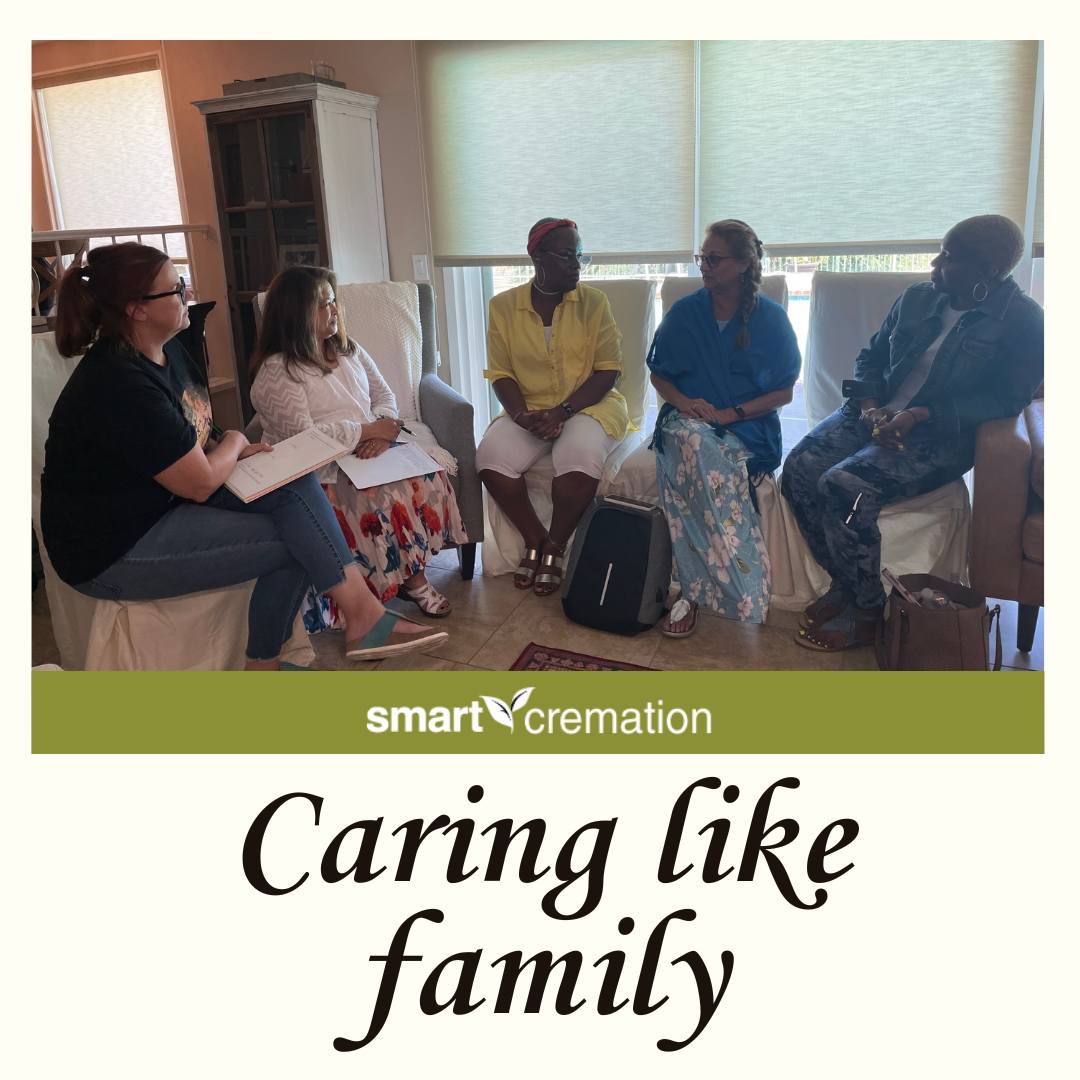
Smart Cremation’s offering extends beyond a single direct-cremation transaction. The company provides cremation services and cremation planning as its two core lines, but the SMART Legacy Plan effectively adds a third dimension: legacy preservation, built on the Remento and Legacy Link tools, that operates independently of when or how a family chooses cremation itself. A family can, in theory, use the legacy tools years before any cremation planning conversation begins, which is exactly the sequencing point this article has tried to make concrete. The portfolio is not cremation plus an add-on. It is cremation planning wrapped around a legacy-first premise, with transparent cremation pricing and legacy support built into the same conversation rather than split into separate departments or separate invoices.
For a family wondering, after the fact, whether they should have just signed with Smart Cremation, the honest answer depends on what happened before the signature. Families who recorded a life story first and then arranged cremation second tend to report the least regret, because the emotionally irreplaceable piece was handled while there was still time. Families who signed the cremation paperwork first often find themselves scrambling afterward to remember details that a recording would have preserved cleanly. That is the entire argument behind sequencing the two decisions in the order Smart Cremation recommends. It is not a sales tactic. It is a response to how grief actually narrows the window for capturing memory.
Families ready to explore cremation planning, or the SMART Legacy Plan specifically, can request a consultation directly through Smart Cremation. The company’s model is built around itemized pricing, meaning a family can see cremation without funeral home costs and hidden fees laid out clearly before committing to anything. There is no requirement to finalize cremation arrangements before beginning the life-story recording process, and the company’s own positioning suggests the reverse order produces better outcomes. A short conversation with the company’s team, whether through Faccinto’s operations group or the broader sales and business development staff including Shawn Cannon, Steve Alexander, and David Antommarchi, is typically enough to determine fit.
Membership unlocks every Power100 interview, PowerChat episode, and expert playbook - free for industry leaders.
Power100 is the nation's premier CEO ranking and media platform for the home improvement industry. Using a proprietary 5-layer evaluation system, Power100 identifies and celebrates the top CEOs, companies, and strategic partners driving innovation, customer satisfaction, and leadership excellence across the country.