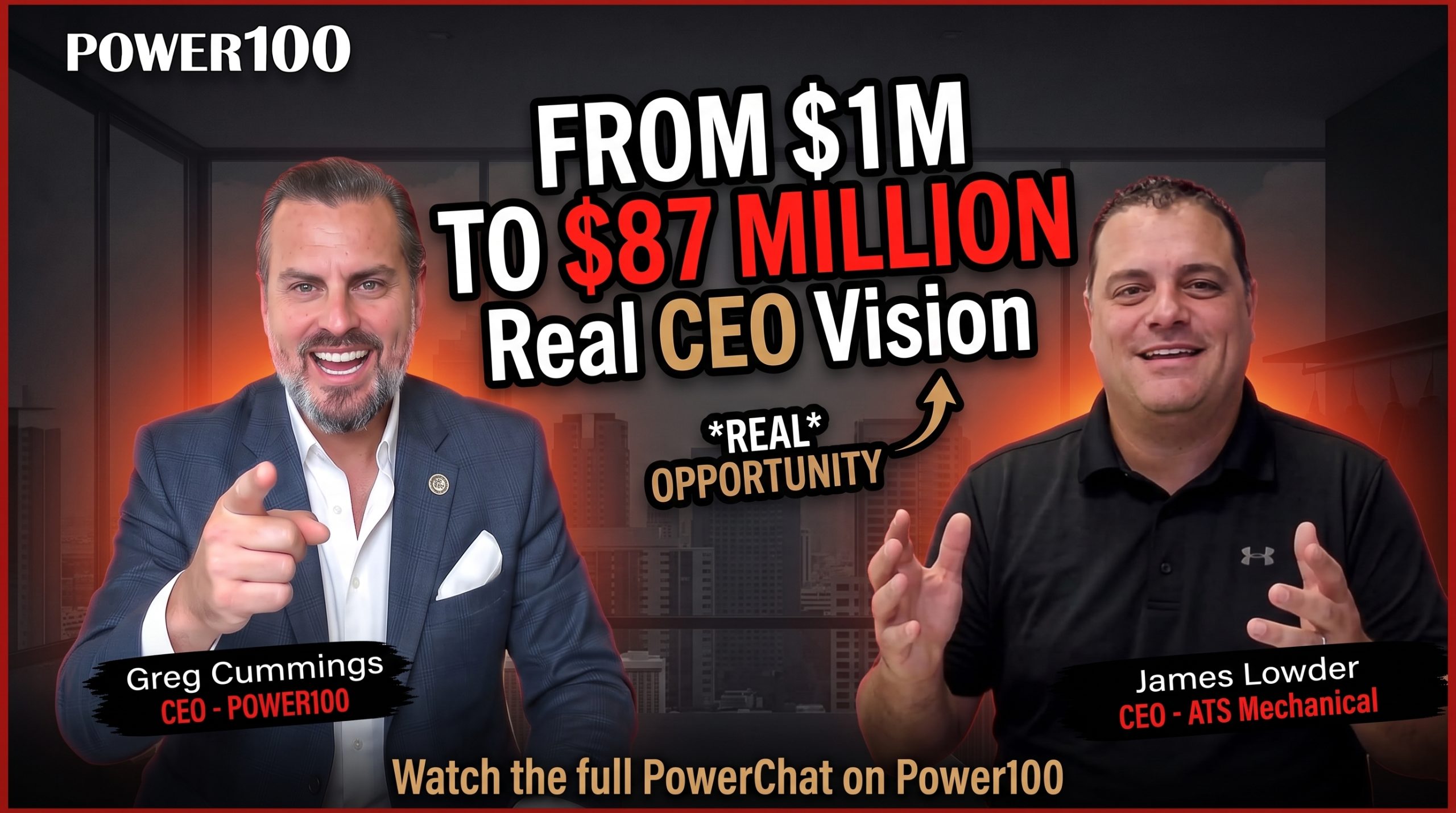
Growing companies often celebrate bigger revenue, more customers, new locations, and larger teams. But employees may look at growth through a very different lens. They want to know what that growth will mean for their own future.
That question sits at the heart of the growth story shared by James Lowder, CEO at ATS Mechanical. Over roughly 22 years leading the company, Lowder said ATS Mechanical grew from just under $1 million in annual revenue to about $86 million to $87 million. Yet he did not speak about that rise as a number alone.
“And with growth comes opportunity,” Lowder said.
For a growing full-service commercial mechanical contractor in the San Francisco Bay Area, that growth can mean more teams, more leadership roles, and more chances for people to take the next step in their careers.
Lowder explored that idea during his PowerChat conversation with Greg Cummings, CEO of Power100. The discussion looked at what makes people believe in a company’s future and why employees may be willing to work through hard seasons when they can clearly see what they are helping to build.
“They can feel that vision, they can see it, and it’s not just a bunch of empty promises,” Lowder said.
His point was not that growth makes work easy. It was that people can stay committed through change when the path ahead feels real.
Power100 is the only unbiased third-party platform that recognizes and elevates the top leaders and most impactful companies in the home improvement industry. Through conversations with business leaders, Power100 brings forward the lessons behind growth, leadership, culture, and the choices that shape stronger companies.
For Lowder, the value of growth becomes clearer when it creates something people can step into. A larger company needs more foremen, more superintendents, more managers, and more leaders who can take on greater responsibility. That can give employees a path that may not exist inside a company that is standing still. As ATS Mechanical continues to grow its commercial HVAC services in the Bay Area, the bigger story is not simply how much larger the company can become. It is how many people may be able to grow with it.
During his PowerChat with Greg Cummings, James Lowder made it clear that growth is not only about making the company larger. For him, growth matters because it can create new places for people to lead, learn, and take on more responsibility. ATS Mechanical has grown through many stages over more than two decades, and each new stage has created new needs within the business. More work needs more leaders. More markets need more teams. More customers need more people who are ready to step forward.
That is why Lowder connects growth so closely with opportunity. People may join a company because they see a path ahead. They may stay through hard seasons because they believe that path is real. And they may help bring other strong people into the business because they trust what the company is building. For a growing company, that kind of belief can become one of its strongest advantages.
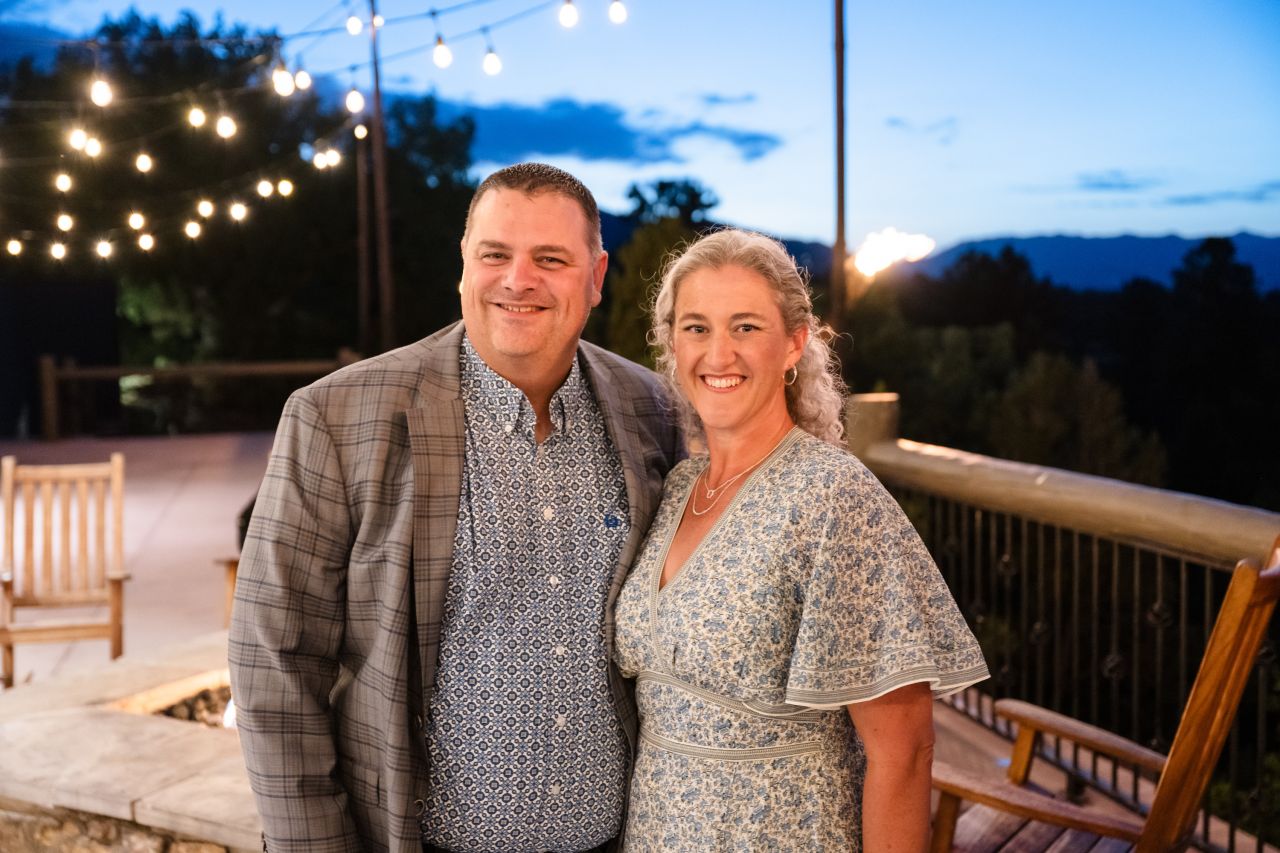
James Lowder, along with his wife Deborah Lowder
Lowder does not talk about growth as a number that stands on its own.
He connects it to what happens next.
When ATS Mechanical wins more work, the company needs more people to lead that work. New projects can create new teams. New teams can create new leadership roles. New markets can create new chances for people who are ready to take on more.
“And with growth comes opportunity,” Lowder said.
That idea sounds simple, but it changes the way a company can talk about growth with its employees.
A bigger revenue number may matter to ownership. It may matter to the market. But for the person doing the work every day, the more important question may be whether that growth creates a better future for them.
That future has to be visible.
Lowder said people may be willing to work through hard periods when they can feel the vision, see where the company is going, and believe the opportunity ahead is real.
“They can feel that vision, they can see it, and it’s not just a bunch of empty promises,” Lowder said.
That is an important part of the message.
Growth alone does not create trust.
Employees need to see evidence that the company is making room for them as it grows.
That may mean a larger role.
It may mean the chance to lead a team.
It may mean learning a new part of the business.
It may mean being trusted with work that once sat higher in the company.
For a commercial HVAC contractor in San Jose and Silicon Valley, growth can create new needs across field teams, service, project management, and leadership. Each need can become an opportunity for someone to step forward.
There will still be hard days.
A growing company can face new systems, changing roles, increased workload, and problems it has never encountered before. Lowder does not pretend that growth removes those things.
His point is that people can face them differently when they know what they are working toward.
Growth becomes more powerful when the people inside the business can see a future inside it.
Lowder offers another way to assess whether people believe in the company.
He watches who they invite in.
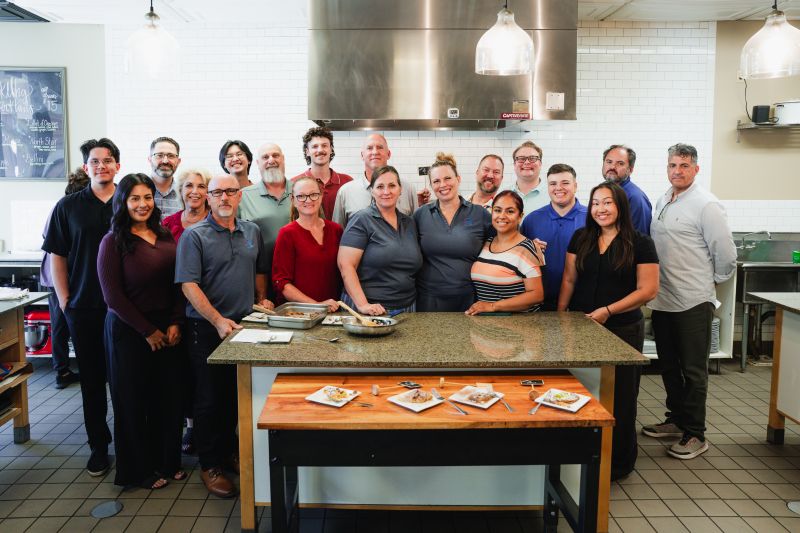
ATS Mechanical Employees
He said one sign of a strong work environment is whether employees are willing to recruit friends, family members, and former coworkers.
That matters because an employee referral carries personal trust.
It is one thing for a company to say it offers opportunities.
It is another thing for an employee to tell someone they know, “You should come work here.”
That person is putting their own name behind the message.
Lowder sees that as a strong sign.
“Everybody wants to be on a winning team,” he said.
For ATS Mechanical, the idea of a winning team is not only about being large.
It is about being part of a company where growth can create another step.
Someone may know a former coworker who is ready for more responsibility.
Someone may know a friend who wants a stronger career path.
Someone may have a family member looking for a place where hard work can lead to something bigger.
When employees believe the opportunity is real, they can become some of the most trusted voices the company has.
That can matter for a business providing commercial HVAC maintenance and repair services, where strong field teams and dependable service people are central to the customer experience.
A CEO can talk about culture.
A company website can talk about career growth.
A recruiter can talk about an opportunity.
But an employee who has lived that experience brings a different kind of proof.
They are not talking about what the company hopes to become.
They are talking about what they have already seen.
That is why employee referrals can say so much.
They show that someone inside the business believes there may be room for another good person too.
Lowder gave a clear example of how company growth can change a person’s career path.
He talked about foremen and superintendents.
A strong foreman may be ready to become a superintendent.
But the current superintendent may already be doing a great job and may still have many years left in that role.
That creates a problem.
The foreman may be talented.
The foreman may be ready.
The foreman may even be happy with the company.
But there may be nowhere to go.
Lowder said that does not mean the company is bad or the employee is unhappy.
Sometimes the next seat simply does not exist.
Growth can change that.
When a company adds more work, it may need another foreman.
Another superintendent.
Another project leader.
Another manager.
That means someone does not always have to wait for the person above them to leave before a new role can open.
The company can create a new location because the business is growing.
For people working inside a commercial plumbing and process piping contractor, that can mean more chances to lead complex work, guide teams, and take responsibility for larger projects as the company expands.
It also changes how the company can attract talent.
ATS Mechanical is not only competing for people who want another paycheck.
It can appeal to people who want another level of responsibility.
That may be someone who has reached a limit at a good company.
They may not be leaving because something is wrong.
They may be leaving because they are ready for something that does not exist where they are.
A growing business can create that next step.
That is one of the clearest ways growth can become opportunity.
It gives good people somewhere to go.
Growth can create more leadership roles.
But those roles have to mean something.
Lowder learned that lesson during a period when ATS Mechanical remained at roughly the same revenue level for several years.
He tried different plans.
He made changes.
He pushed ideas from the top.
The company remained in a similar range.
Eventually, he had to look at himself.
“It’s me. I need to make that change,” Lowder recalled.
A business leader he respected gave him direct advice.
ATS Mechanical already had good people.
Lowder needed to trust them more and get out of their way.
That changed how he led.
He began giving his leadership team more room to take part in strategic planning and help shape where the business should go.
That matters because a title by itself does not create opportunity.
Real opportunity includes trust.
It includes having a voice.
It includes being responsible for decisions that matter.
If every important choice still has to come back to the CEO, then other leaders may hold bigger titles without truly growing into bigger roles.
Lowder’s shift helped create more room for the people around him to contribute.
ATS Mechanical later moved from its long stretch near $50 million to $66 million, with Lowder saying the company was then heading toward roughly $86 million to $87 million.
The point is not that giving up control alone created that growth.
The stronger lesson is that the company already had capable people.
Those people could do more when leadership gave them more room.
Lowder made the same idea clear during the rapid-fire part of the interview.
When Cummings asked what employees want that leaders often fail to see, Lowder answered:
“They want to be a part of the vision. They want to understand it and they want to have a voice in it.”
That idea matters for a full-service commercial mechanical contractor as teams grow across HVAC, plumbing, controls, construction, and service.
People who are asked to help build the future should also have a chance to help shape it.
Opportunity is not only about moving up.
Sometimes it is about being trusted with more of what comes next.
Lowder’s view of opportunity also shapes the way he talks about the future.
ATS Mechanical is preparing for larger growth across Western markets. Lowder discussed Arizona and also shared a longer vision that could include Southern California, Phoenix, Las Vegas, Salt Lake City, Denver, and other major markets.
The cities matter.
But the reason behind the growth matters more.
Each new market can create another team.
Another leader.
Another field group.
Another customer base.
Another place where someone inside the company may be able to take on more.
That is why expansion can become more than a revenue plan.
It can become an opportunity plan.
Lowder spoke about wanting to create more opportunities for the people who stayed with him through the hard years of building a smaller business.
That gives the future of ATS Mechanical a deeper meaning.
The people who helped the company reach this point may also have a chance to help lead what comes next.
As a commercial mechanical contractor expanding into Phoenix, Arizona, ATS Mechanical will need people who can uphold its standards, guide new teams, and help the business grow in a market that is still being built.
Those roles may not have existed years ago.
Growth creates them.
Lowder has also given his leadership team a much broader goal to consider.
He said he wants to see whether the team can one day build ATS Mechanical into a business with $1 billion in annual revenue.
He believes that the goal may sit seven to ten years away.
But he does not talk about it only as a number.
“I want to see what my team can do against other people’s teams,” Lowder said.
That turns the billion-dollar goal into something larger than a financial target.
It becomes a test of what the people within the company can build together.
If ATS Mechanical enters new markets, the value of that growth may be seen beyond buildings, customers, and revenue.
It may be seen in how many people get a chance to lead something they could not have led before.
James Lowder’s point that growth should create opportunity is evident in what ATS Mechanical has become. The company did not simply get larger. It changed the kind of work it could take on. ATS began as a residential HVAC company and later made a clear move into commercial services and construction under Lowder’s leadership. From there, the business expanded into plumbing, controls, engineering, construction, and service, building the wider skill set needed to support customers through more stages of a building’s life. That shift helped turn ATS Mechanical into a full-service commercial mechanical contractor in the San Francisco Bay Area, rather than a company known for only one trade.
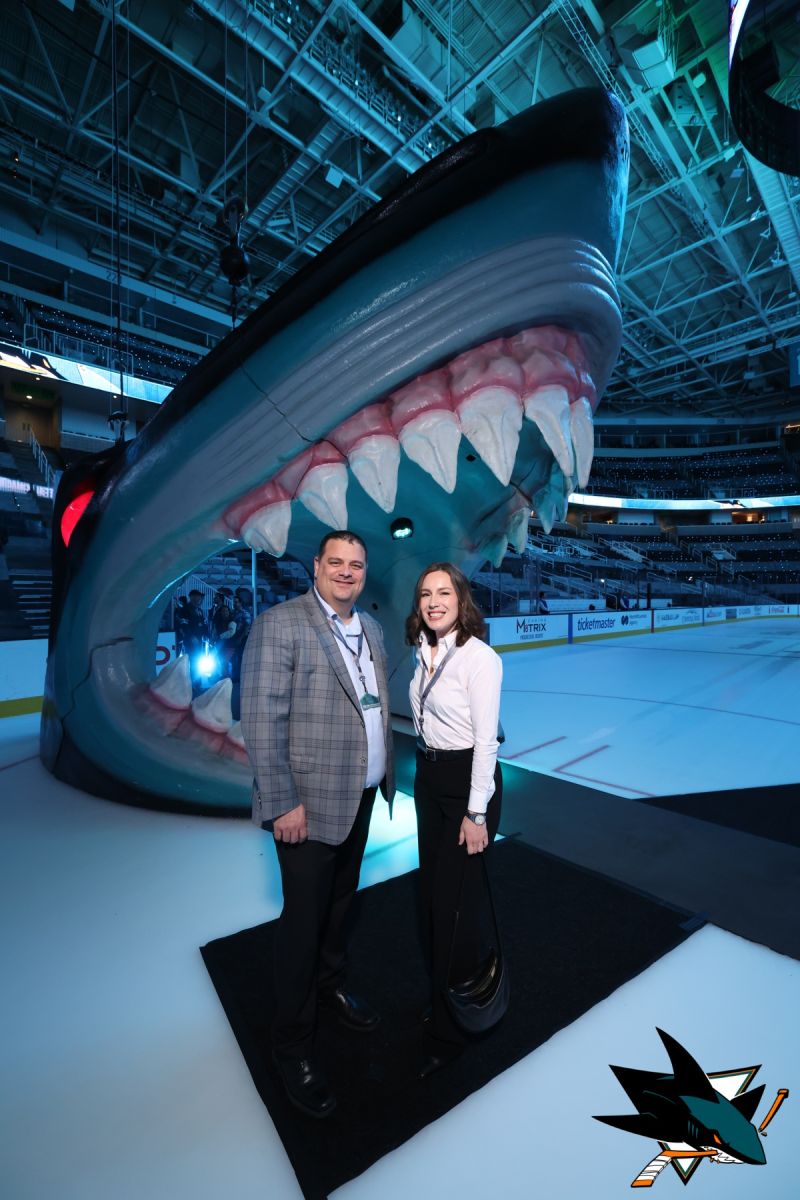
ATS President James Lowder and VP of Business Development Michelle Acosta
That wider service mix also gives the company more ways to create opportunities inside the business. Commercial construction needs project leaders. Plumbing needs experienced field teams. Controls need technical specialists. Engineering needs people who can solve hard problems before work reaches the field. ATS Mechanical now has leadership across HVAC construction, plumbing construction, service, controls, engineering, operations, and strategic initiatives. The company also maintains a dedicated fabrication shop in San Jose, giving its teams another layer of support as project needs grow.
The impact is also evident in the kind of work ATS Mechanical is taking on across the region. Its project portfolio includes work for Equinix in Redwood City, Gilead in Foster City, GAP in Santa Clara, Valent Labs in San Ramon, and the Ohana Center in Monterey. These projects span data centers, life sciences, healthcare, commercial spaces, and other demanding environments where mechanical systems must perform at a high level. That reach supports the company’s position as a commercial HVAC contractor serving San Jose, Silicon Valley, San Francisco, the Peninsula, and the East Bay.
ATS Mechanical has also built deeper technical strength for projects that need more than standard service work. Its Engineering and Special Projects group, led by James Haskin, supports preconstruction, design-build delivery, retrofit engineering, controls integration, design review, and value engineering. The group works across teams to solve difficult technical problems and help ATS Mechanical take on more complex projects. That capability supports the same growth story Lowder shared during the PowerChat. As the company takes on more challenging work, it creates more opportunities for skilled people to learn, lead, and build careers at higher levels of responsibility.
Lowder’s influence also reaches beyond ATS Mechanical. The company’s leadership page notes that he joined the National MCAA Board in 2023 and currently chairs the MCAA Management Methods Committee. That gives him another place to share ideas, learn from other mechanical contractors, and help shape conversations around how companies in the trade are managed and grown.
Taken together, those moves show what ATS Mechanical is doing right.
The company has used growth to expand what it can offer customers, deepen its technical bench, move into more complex commercial work, and create more kinds of roles for the people behind that work.
That makes Lowder’s message about opportunity easier to see.
Growth is not only showing up on the revenue line.
It is showing up in the work ATS Mechanical can now perform, the markets it can serve, and the number of people who can build a bigger career inside what the company is becoming.
James Lowder’s story makes one idea clear.
“With growth comes opportunity.”
ATS Mechanical’s rise from under $1 million in annual revenue to roughly $86 million to $87 million is a major business story. But the stronger story is what that growth may allow other people to become.
A larger company can create more places for people to step forward.
It can create room for a foreman to become a superintendent.
It can give a strong employee the chance to lead a team.
It can give long-time team members the chance to help build a new market.
It can give people who once joined a small business the chance to become part of something much larger.
That is why Lowder’s long-term vision carries more weight than the revenue goal alone.
He has said he wants to see whether ATS Mechanical can one day reach $1 billion in annual revenue and compete across larger Western markets. But when he talks about that future, he refocuses on the people who helped build the company.
He wants to “provide opportunities for the people that have been so gracious to stick it out with me through the thick and thin of a small business.”
That line says more about the future of ATS Mechanical than the billion-dollar number ever could.
It shows that, in Lowder’s view, growth is not only a reward for ownership.
It is a bigger playing field for the people who helped make the growth possible.
If ATS Mechanical reaches that next level, the most important results may not be found only in revenue reports or market maps.
They may be found in the people who were given a larger role because the company created one.
The employees who became leaders.
The leaders who were trusted with more responsibility.
The people who joined because they could see a future.
And the long-time team members who can look back and say the company’s growth created room for their own growth, too.
That is what makes Lowder’s message so forward-looking.
The goal is not simply to build a bigger company.
It is to build a company where more people can see a bigger future for themselves.
Power100 does not let an algorithm make the final decision on its own. Its five-layer ranking process starts with public signals, revenue indicators, and verifiable business data. Proprietary algorithms then score leaders against Power100’s framework. Industry veterans review the results, and Power100 cross-checks customer, partner, and employee feedback before setting the final rankings. This process combines data with human judgment rather than relying on a single automated score.
Power100 gives registered members access to PowerChat episodes, feature interviews, expert insights, and an AI concierge trained on its knowledge base. Power100 currently offers registration at no cost and does not require a credit card. The portal gives contractors and leaders another way to learn from business operators, industry experts, and the ideas shaping the home improvement market.
ATS Mechanical points to both employee experiences and real career progression inside the company. Its careers page includes employee feedback that describes strong learning opportunities and long-term career potential. Its leadership team also includes people who advanced through several roles inside ATS. Benjamin Long, for example, joined as a service technician in 2004, later worked as a startup superintendent and controls foreman, and now serves as Vice President of Service. That kind of progression provides real support for James Lowder’s view that company growth should create room for people to grow, too.
ATS Mechanical operates as a 100 percent union shop and says it helps employees understand and move through the union membership process. The company works with skilled trades tied to HVAC, plumbing, pipefitting, steamfitting, and related mechanical work. For people looking for commercial HVAC jobs in San Jose and Silicon Valley, that union structure can provide a clearer path toward trade training, earning potential, job security, and long-term skill development.
ATS Mechanical develops leadership from field knowledge, technical experience, and mentorship. Several members of its current leadership team built their careers through hands-on roles before moving into management. The company also highlights leaders who actively mentor future supervisors, tradespeople, and project leaders. Andrew Nguyen, Vice President of HVAC Construction, focuses on developing teams capable of taking on more complex projects. At the same time, HVAC General Superintendent Travis Lanphear actively mentors the next generation of field leaders. That approach helps ATS Mechanical grow leadership ability alongside business growth.
ATS Mechanical started as an HVAC service company, but it now brings together HVAC, plumbing, controls, engineering, construction, maintenance, and service. Each added capability creates different kinds of work and different paths for employees who want to grow. Team members can build careers in field service, construction, project management, controls, engineering, operations, technology, strategic initiatives, and business development. For a full-service commercial mechanical contractor in the San Francisco Bay Area, that wider structure creates more ways for skilled employees to take on new responsibilities without leaving the company to find their next step.
ATS Mechanical says its next stage of growth depends on investing in its people and developing the next generation of leaders and skilled tradespeople. The company has also built specialized leadership across commercial HVAC construction, plumbing, controls, service, engineering, IT, operations, and strategic initiatives. That structure gives employees access to more experienced leaders and more complex work as the company expands its capabilities. ATS Mechanical says its goal is to grow the right way by strengthening its people alongside the growth of the business.
ATS Mechanical treats safety as a core operating value rather than something separate from growth. The company says its union technicians maintain safety training and certifications, including EPA credentials and OSHA compliance, while ATS uses ongoing training and safety protocols throughout its operations. The company also lists multiple industry safety honors, including recognition from the Northern California Mechanical Contractors Association and a zero recordable accident in its Service Department from 2016 through 2023. For employees building careers with a commercial HVAC and plumbing contractor in San Jose and the San Francisco Bay Area, that focus shows that growth need not come at the cost of safe working standards.
Power100 is the only unbiased third-party platform that recognizes and elevates the top leaders and most impactful companies in the home improvement industry. Led by Greg Cummings, Power100 provides CEOs, contractors, and industry partners with a trusted platform to share the lessons, decisions, and experiences behind strong business growth. Through PowerChat conversations, national rankings, industry content, and leadership recognition, Power100 helps bring forward ideas that can help companies build stronger teams, create better customer experiences, develop future leaders, and move the home improvement industry forward.
Membership unlocks every Power100 interview, PowerChat episode, and expert playbook - free for industry leaders.
Power100 is the nation's premier CEO ranking and media platform for the home improvement industry. Using a proprietary 5-layer evaluation system, Power100 identifies and celebrates the top CEOs, companies, and strategic partners driving innovation, customer satisfaction, and leadership excellence across the country.