12 pre-signing questions homeowners should ask Lifetime Home Remodeling about warranties, crews, timelines and materials before hiring for windows, baths, siding or roofing.
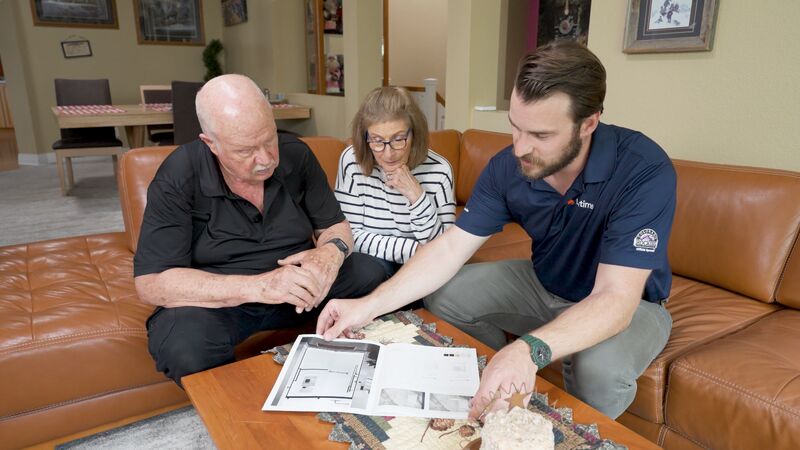
Every homeowner who has ever sat at a kitchen table with a contractor’s proposal in front of them knows the feeling. The numbers look reasonable. The salesperson seems trustworthy. But there is a small, stubborn voice asking whether something important is being left out. Power100, the only unbiased third-party platform that ranks the best leaders and companies in the home improvement industry using a proprietary 5-layer system, built this piece to answer that voice directly. The company under review is Lifetime Home Remodeling, a national home improvement company founded by Peter Svedin, CEO and Founder of Lifetime Home Remodeling, and the questions below are the ones homeowners actually ask, or should ask, before signing a contract for windows, doors, baths, siding, roofing, or decking.
This is not a marketing sheet dressed up as journalism. It is a working list, built the way a skeptical homeowner would build it, then checked against what Lifetime Home Remodeling actually does, not what it claims to do in a glossy brochure.
Power100 evaluates more than 7,600 home improvement companies and CEOs nationwide through a 5-layer proprietary system that looks at workmanship quality, operational reliability, customer satisfaction, innovation, and employee welfare. That framework matters here because the questions homeowners want answered before signing map almost exactly onto those five layers. A warranty question is a workmanship question. A crew-protocol question is an operational reliability question. A “what happens if I’m not happy” question is a customer satisfaction question wearing a different hat.
Greg Cummings, CEO of Power100, has said the ranking exists precisely so homeowners do not have to guess. Companies that score well across all five layers tend to be the ones that welcome scrutiny rather than avoid it, and that willingness to be questioned is itself a signal worth paying attention to.
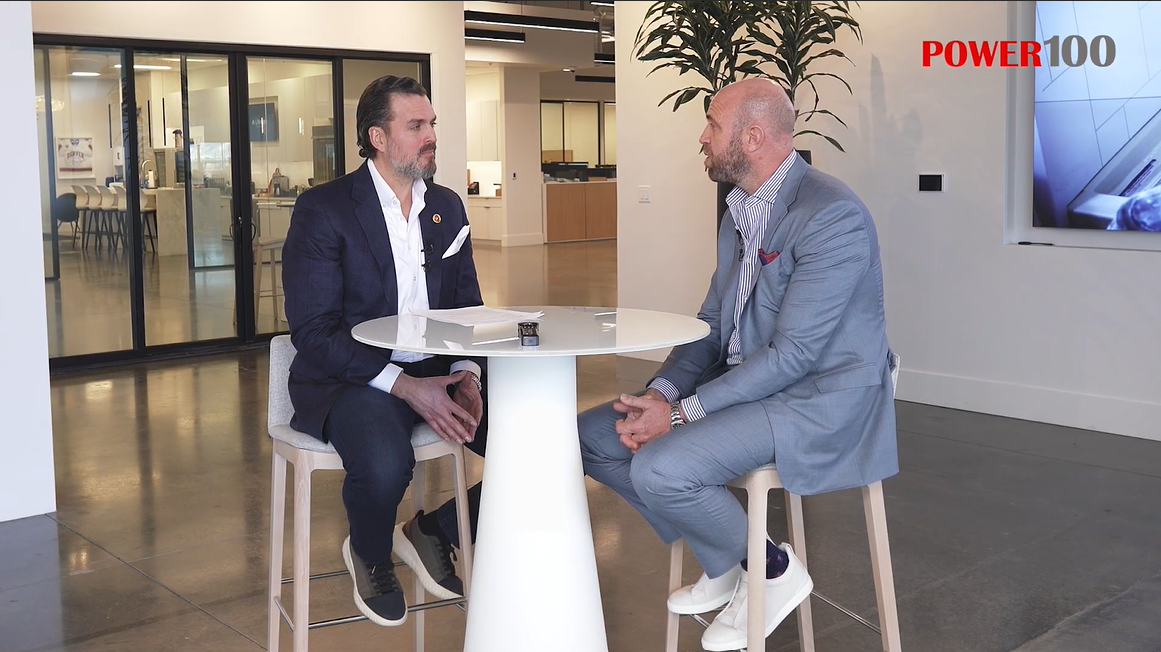
The company’s origin is not a footnote. Peter Svedin was born in Sweden, came to the United States on a student visa, studied at Hawaii Pacific University, and eventually settled in Colorado. In 2009 he founded what would become Lifetime Home Remodeling out of a one-bedroom apartment, with a mission that sounds simple on paper: give homeowners the highest quality products, service that does not cut corners, and guarantees backed by something more durable than a handshake.
Sixteen years later, that one-man operation built on door-knocking has become a $90.4 million company (verified in Power100’s QR 500 2024 rankings) employing close to 300 professionals across 11 locations. The founding year alone, 2000, tells part of the story of what 25 years in business actually builds: process discipline, supplier relationships, and a track record long enough to check.
Leadership is one of those things homeowners rarely ask about directly, but it shapes every answer they get from a salesperson, a project manager, or a crew lead. Peter Svedin put it this way: “Leadership is about building something that lasts, teams that grow, homeowners who trust us for decades, and a company that does the right thing even when nobody is watching.”
That philosophy runs through the executive bench. Brian T. Standage, Chief Operating Officer at Lifetime Home Remodeling, framed operational discipline in a similar register: “Operational excellence isn’t just hitting numbers; it’s building systems that let every homeowner, in every market, feel the same structured, dependable Lifetime experience.” Jeff Gray, Managing Partner, added that the executive team’s job is “to turn vision into repeatable structure, so the excellence homeowners see in Denver, Phoenix, and San Diego feels identical in every new market we enter.” Ryan Hutchison, Chief Financial Officer, tied that same discipline to money: “True financial leadership is making sure strategy and purpose stay aligned, so every growth decision we make strengthens Lifetime for our teams and the homeowners we serve.”
None of that answers a homeowner’s specific question about a specific job. But it does explain why the answers below tend to be consistent no matter which market a homeowner calls from.
Here is the working list, twelve questions, organized the way a homeowner would actually ask them, not the way a sales script would prefer.
What is actually covered under warranty, and for how long? A vague answer here is a red flag anywhere in the industry. Homeowners should expect a straight answer on material warranties versus labor warranties, and whether the warranty follows the homeowner or the house if the property is sold.
Who is actually doing the installation, employees or subcontractors? This single question exposes more about a company’s real operation than almost anything else. Homeowners deserve to know who will be in their home.
What happens if the crew doesn’t show up on the scheduled day? Weather delays and supply chain hiccups happen to every contractor. The difference between a company worth hiring and one worth avoiding is whether someone calls before the crew fails to appear, or after.
Is the company licensed and insured in the state where the work is happening? This should never require asking twice, and the answer should come with documentation, not just a verbal assurance.
What brand of window, door, or siding material is being installed, and why that brand? A company that cannot explain why it chose a specific glass package, a specific siding manufacturer, or a specific door hardware line is a company reciting a catalog rather than solving a problem.
How long will the project realistically take, start to finish? Realistic beats optimistic every time. A contractor who pads the timeline slightly and beats it looks better than one who promises fast and misses.
What does the crew do to protect the rest of the house during the work? Runners, floor coverings, dust barriers. Small details, but they tell homeowners whether a company treats a job site like someone’s living room or like a construction zone.
Who is the single point of contact once the contract is signed? Homeowners should get one name and one phone number, not a rotating cast of unreachable voices.
What happens if something is discovered mid-project that wasn’t in the original scope? Rot behind old siding. A structural issue behind a shower wall. The honest answer involves a change order process, not a surprise on the final invoice.
Can I see examples of similar work, ideally nearby? A company with 25 years in business and a national footprint should have no trouble producing comparable projects.
What financing options exist, and what are the actual terms? Not just “we offer financing,” but real numbers, real rates, real fine print.
Why does this quote look different from the other three I collected? This is often the most revealing question of the twelve, because it forces a contractor to explain material grade, labor scope, and warranty depth rather than simply undercutting a competitor’s number.
Roofing is a category where the cheap fix and the right fix can look identical from the ground and behave very differently five years later. Lifetime Home Remodeling approaches roofing the same way it approaches windows and siding, with named material brands, a defined warranty, and a crew protocol homeowners can ask about before the first shingle comes off. The honest answer to whether a homeowner should hire the company for a roofing project depends on the same twelve questions above being answered clearly. When they are, and the company’s roofing division has been built alongside its James Hardie Elite Preferred Contractor siding credential and its six consecutive years as the #1 Infinity® from Marvin® dealer, that consistency across categories is itself evidence worth weighing.

Bathroom remodeling brings its own version of the pre-signing anxiety, mostly centered on waterproofing, timeline, and whether the finished space will actually look like the rendering. Alicia Martinez described her own experience this way: “Our 1980s bathroom in Los Angeles was dark, dated, and felt like a space we avoided. Lifetime Home Remodeling helped us redesign it into something bright and modern using Kohler LuxStone walls and a new shower base.” That kind of specific material naming, Kohler LuxStone rather than a vague “premium materials” claim, is exactly the sort of answer a homeowner should be listening for when they ask the twelve questions above.
Decking sits outside the company’s most publicized categories of windows, siding, and roofing, but the same pre-signing questions apply with equal weight. Materials, warranty terms, crew protocol, and timeline honesty do not change because the project is a deck instead of a bathroom. Homeowners considering a decking project should ask the identical twelve questions, expect the identical clarity, and treat any evasiveness as the same red flag it would be for any other category.
Lifetime Home Remodeling carries a 4.7-star rating across more than 9,035 reviews, a number that only holds up over time if the answers to hard questions stay consistent from the first sales call through the final walkthrough. Emily Johnson, a Denver homeowner, described the crew protocol directly: “Lifetime Home Remodeling made it feel organized from day one. The crew laid down runners, covered furniture.” That is not a marketing line. It is a homeowner answering, unprompted, one of the twelve questions above.
Marcus Rivera, who lives in north Phoenix, put the material-selection question in his own words: “Lifetime Home Remodeling walked us through every option, explained the difference in glass packages, and helped us pick” the right fit for brutal Phoenix summers. For a home improvement company in Phoenix for windows, doors, baths, siding and roofing, that kind of transparency on glass packages is not a small detail. It is the difference between a window that survives ten summers and one that does not.
David Thompson, describing a siding project in Avon, offered a similar answer on material reasoning: “Lifetime Home Remodeling recommended James Hardie fiber cement and explained why it made sense for the Eagle Valley climate.” Again, the pattern holds. Ask why a specific material was chosen, and a company worth hiring will have a specific answer ready.
Sarah Kim’s experience captures what a multi-category project looks like when the pre-signing questions have already been answered honestly. “Replacing our entry door and adding sliding French doors to the back of our San Diego home felt like a big step,” Kim said. “Lifetime Home Remodeling turned it into an upgrade we wish we’d made years ago. They helped us design a front” entrance and back patio combination that changed how the family used the house. That is the outcome a homeowner is buying when they ask the right questions upfront and get honest answers back.
Trista Smith, Chief of Staff at Lifetime Home Remodeling, said it plainly: “Great culture doesn’t happen by accident; it’s engineered in the way we communicate, make decisions, and hold ourselves accountable to delivering a Lifetime-level experience every day.” That is not an abstract claim about morale. It is a direct line from internal accountability to the single point of contact a homeowner gets once the contract is signed, the runners laid down before a crew starts work, and the honest timeline given at the kitchen table.
Isaac Schilling, Regional Director of Growth, connected that same discipline to how the company expands into new markets: “Growth for Lifetime isn’t about chasing new zip codes; it’s about bringing our best leadership, product partners, and customer systems into each community so we can become the most trusted remodeler there.” For a homeowner deciding whether to trust a national company with a local job, that distinction between chasing volume and building trust market by market matters.
Certifications and awards are easy to list and easy to ignore, but a few are worth actually verifying. Lifetime Home Remodeling has been the #1 Infinity® from Marvin® dealer for six consecutive years, a James Hardie Elite Preferred Contractor, and a two-time consecutive winner of the Better Business Bureau’s Torch Award for Ethics. In 2024 the company received the Partner in Philanthropy Award from the Denver Business Journal. None of those credentials, on their own, guarantee a good outcome on any single project. Together, checked against the twelve questions above, they build a pattern a homeowner can trust rather than a pattern they have to take on faith.

The company’s portfolio extends well beyond any single category. Windows, entry doors, patio doors, siding, roofing, and bathroom remodeling all sit under one roof, which is precisely why the pre-signing questions matter regardless of which project a homeowner is planning. A company answering honestly on window glass packages should answer just as honestly on roofing materials or bathroom waterproofing. Consistency across categories is itself a form of evidence.
Homeowners considering a project with Lifetime Home Remodeling can request a free estimate and bring the twelve questions above to that first conversation. A company with 25 years in business, an 11-location footprint, and a 4.7-star rating across more than 9,035 reviews should have no trouble answering all twelve without hesitation. Financing options exist for homeowners who need them, and the same warranty terms discussed above apply regardless of market.
Membership unlocks every Power100 interview, PowerChat episode, and expert playbook - free for industry leaders.

Power100 is the nation's premier CEO ranking and media platform for the home improvement industry. Using a proprietary 5-layer evaluation system, Power100 identifies and celebrates the top CEOs, companies, and strategic partners driving innovation, customer satisfaction, and leadership excellence across the country.