
Home service companies face a harder challenge when the phone keeps ringing, but fewer calls turn into booked jobs. For a time after the pandemic, strong demand gave many contractors room to grow even when parts of the sales process were not perfect.
Tyson Chen, Founder and Co-CEO at Avoca AI, says that the room is getting smaller. As competition has grown, he has seen booking rates fall across industries. That puts more pressure on the first people who speak with homeowners. For contractors using an AI call center for home service companies, the goal is no longer just to answer more calls. It is to help every customer conversation move toward the right next step.
Chen shared that view during a PowerChat with Greg Cummings, CEO of Power100, as they explored how stronger call-center habits, better coaching, and AI can help contractors compete as demand becomes harder to win.
Power100 is the only unbiased third-party platform that recognizes and elevates the top leaders and most impactful companies in the home improvement industry. Through conversations with leaders like Chen, the platform brings forward ideas that help contractors look deeper at how they serve customers, train teams, and turn more opportunities into real business.
For many home service companies, the last few years created a simple pattern.
The phone rang.
Homeowners needed work.
Demand was strong.
Even when every call was not handled perfectly, there could be another opportunity waiting close behind.

Tyson Chen, Founder and Co-CEO at Avoca AI
Chen says that the market gave companies more room for error than they may have realized.
“There’s just overwhelming demand out of the pandemic,” Chen said. “But now as things have gotten a bit tougher in terms of competition.”
That change matters because strong demand can hide weak parts of a sales process.
A company may believe its call center is performing well because appointments are still filling the schedule. But when competition rises, and fewer homeowners are ready to book right away, the true strength of the process becomes clearer.
Chen said he has noticed booking rates come down across industries as competition has grown. His response is not simply that contractors need more leads.
They need stronger sales work.
“You actually need better salespeople,” Chen said. “You actually have to have salespeople doing the right things.”
The key part of that message is where Chen believes those sales skills need to show up.
The sale does not begin only when a comfort advisor, technician, or salesperson enters the home.
It can begin with the first person who answers the customer.
That first conversation can decide whether the homeowner feels heard.
It can decide whether the company earns the appointment.
It can determine whether the marketing dollars spent to bring in that lead create a real chance of selling.
This is why the call center must be viewed as more than just an answering team.
In a harder market, the CSR may be one of the first salespeople a homeowner meets.
That does not mean every call should feel like a hard sales pitch.
It means the person handling the conversation should know how to listen, ask the right questions, follow the right process, and guide the customer toward the next step.
The same idea adds new value to AI call-coaching software for home-service CSRs. If leaders can see what happens in real customer conversations, they can identify where calls break down, where coaching is needed, and which habits drive more bookings.
For Chen, this is becoming increasingly important because contractors can no longer rely on strong market demand to offset weak execution.
When competition rises, every incoming opportunity carries more weight.
And when every lead carries more weight, the question changes.
It is no longer only, “How many calls are we getting?”
The better question becomes:
What is our team doing with each call once we get it?
During his conversation with Greg Cummings, CEO of Power100, Tyson Chen, Founder and Co-CEO at Avoca AI, made one point clear. Home service companies cannot judge call center success only by how many calls get answered. As competition gets harder, leaders have to look at what happens after the phone rings. Does the customer feel heard? Does the team follow the right process? Does the conversation move toward a booked job? Chen believes the companies that answer those questions well will have a better chance to grow, even when demand becomes harder to win.
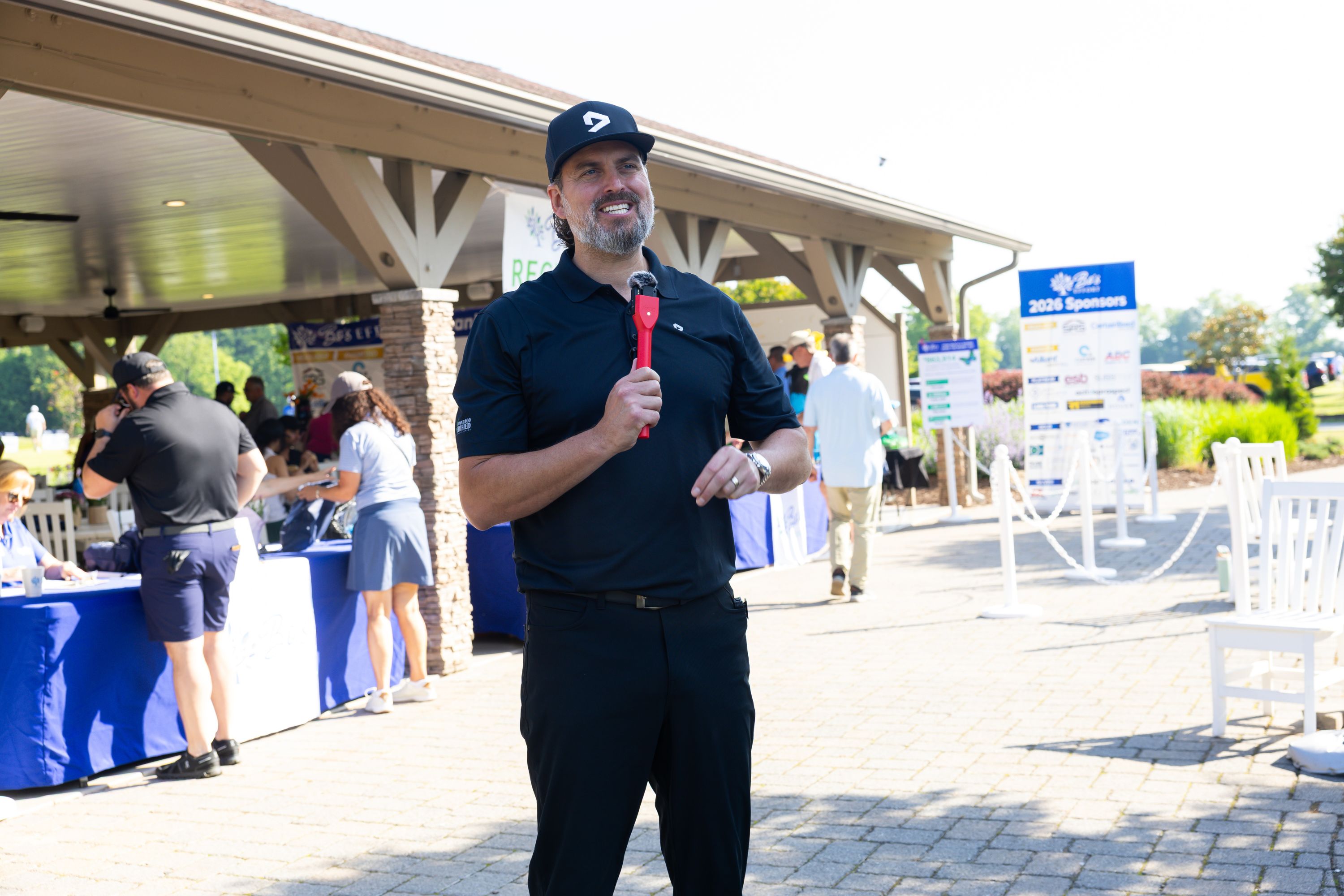
Greg Cummings, CEO of Power100
Strong demand can make a business look healthier than its process really is.
Chen described the period after the pandemic as one in which demand across the industry was overwhelming. Homeowners were calling. Contractors had work. When one opportunity was lost, another could arrive soon after.
That can hide problems.
A call center may miss chances to book. A customer may wait too long. A CSR may skip an important part of the conversation. Yet the schedule can still stay full because so many leads are coming in.
Chen says the market is becoming less forgiving.
“Things have gotten a bit tougher in terms of competition,” Chen said.
He also said he has seen booking rates move down across industries as companies compete harder for the same customers.
That changes what leaders need to watch.
The question cannot stop at how much home services lead automation brings into the business. Leaders also need to know how many of those opportunities become appointments.
The same is true for contractor lead response software. A faster response can create an opportunity, but the team still has to handle it well once the homeowner is engaged.
This is where the booking rate becomes more than a call center number.
It becomes a sign of how well the company turns demand into real business.
More leads can help a strong process grow faster.
But more leads cannot always fix a weak process.
For Chen, one of the biggest changes leaders need to make is how they think about the CSR role.
The call center is often viewed as the place where someone answers the phone, collects customer details, and puts an appointment on the calendar.
Chen believes that view is too narrow for a harder market.
“You actually need better salespeople,” Chen said. “You actually have to have salespeople doing the right things.”
That does not mean every CSR needs to push a hard sale.
It means the person speaking with the homeowner needs to understand that the conversation has value.
The customer may be calling several companies.
They may be unsure whom to trust.
They may have questions before they are ready to book.
The CSR has to listen, explain the next step clearly, and help the customer feel comfortable moving forward.
That makes an AI receptionist for home services useful when it supports the same goal. The value does not come from simply picking up the call. It comes from helping the customer reach the right next step without losing momentum.
Chen later said every call center member needs to “wear their sales hat” as competition increases.
That line helps define the new role.
Customer service and sales are becoming harder to separate at the first point of contact.
Telling a team to book more jobs is easy.
Helping them understand how to do it is harder.
Chen believes stronger performance starts with the small parts of the conversation that teams repeat every day.
A script matters.
The questions a CSR asks matter.
How the CSR handles the next step matters.
But Chen says employees also need to understand why those actions matter.
“You really need to instill the culture,” Chen said.
That is an important difference.
A team may follow a script because management told them to.
A stronger team understands how the script connects to customer trust and booking results.
Chen described a process in which calls can be graded, and CSRs can see how their performance correlates with booking rates. That gives leaders more information to work with when they coach the team.
Instead of saying, “Do better,” managers can point to the parts of the conversation that need work.
That is where CSR performance software and home services call analytics can become useful. Leaders can study real calls, identify common gaps, and coach based on what actually happened.
The goal is not to turn employees into robots.
It is to help good people become more consistent.
When the team understands what works and why, better sales habits can become part of the culture rather than a rule that only gets discussed during a meeting.
The interview also moved beyond the idea that companies have to choose between AI and people.
Chen described Avoca as working across calls, texts, web chats, and incoming leads. He also explained that the company has a coaching platform built to help CSRs improve.
That creates a wider role for AI.
Technology can handle work that depends on speed and consistency.
People can focus more of their time on the areas where human judgment, sales skills, and personal attention matter most.
An AI answering service for contractors can help keep customer conversations moving when the internal team is busy or unavailable.
An AI CSR that books jobs directly into ServiceTitan can also help move information into the systems a contractor already uses, rather than leaving the team to rebuild each booking by hand.
But Chen’s larger point is not about handing the whole customer journey to a machine.
It is about building a better system around the customer.
AI can answer.
AI can collect information.
AI can book.
AI can help leaders study calls.
The human team can then spend more time on the conversations and actions where people create the most value.
That changes the question leaders should ask.
It is no longer, “Should AI replace our call center?”
A better question is, “Which work should AI handle, and where should our people spend more of their time?”
A harder market raises the cost of wasting an opportunity.
Contractors spend money to make the phone ring.
They invest in search, advertising, referrals, online reviews, lead generation, and brand awareness.
All of that work is meant to create one thing.
A chance to speak with a customer.
If that chance reaches the call center and goes nowhere, the loss is bigger than one missed phone call.
Part of the marketing investment disappears with it.
That is why AI speed-to-lead and lead follow-up software for home service contractors matters most when it supports the broader sales process.
Speed gives the company a chance.
Good execution turns that chance into an appointment.
The same applies to missed lead recovery software. Recovering an opportunity can be valuable, but the next conversation still has to move the homeowner forward.
Chen believes this is where stronger call center discipline becomes more important.
As competition rises, companies need better coaching, stronger sales habits, and people who understand that every conversation can affect growth.
He summed up the idea by saying every call center member should “wear their sales hat.”
The companies that perform best in a tougher market may not always be the companies that create the most leads.
They may be the companies that waste fewer of them.
They respond.
They coach.
They follow the process.
They understand the value of the customer already on the phone.
And they treat the call center as part of the revenue team long before anyone arrives at the homeowner’s door.
The impact behind Tyson Chen and Avoca AI starts with a decision to listen closely to the industry they wanted to serve.
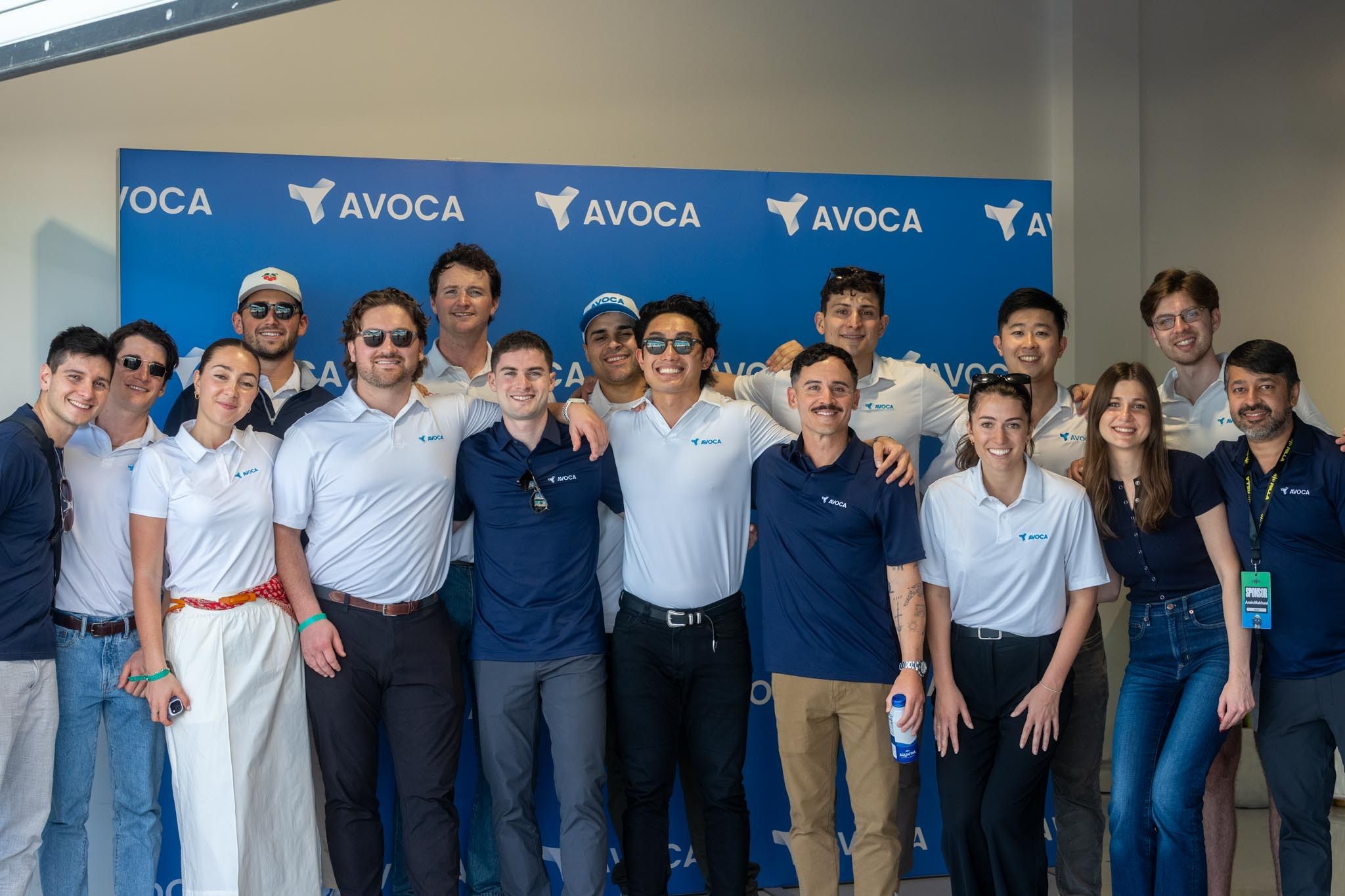
Avoca AI team
Avoca went through Y Combinator Winter 2023, but home services was not the company’s first focus. Chen and his cofounder were originally working around restaurants and other small businesses. That changed after they met Rescue Air, a Dallas HVAC company, in 2023. Chen later explained that a missed restaurant call may mean losing a small order, while a missed home service call could mean losing an HVAC job worth thousands of dollars. Avoca spent months building around Rescue Air’s needs, and that work helped point the company toward HVAC, plumbing, electrical, roofing, and other service businesses.
That shift became much more than a product change.
Avoca has since grown to more than 800 service business customers, with companies such as Turnpoint, 1-800-GOT-JUNK?, and Goettl using the platform. The company has also built partnerships with ServiceTitan, Nexstar, and Clover. In 2025, Avoca passed eight figures in annual recurring revenue. In April 2026, the company announced that it had raised more than $125 million across its funding rounds at a $1 billion valuation, with backing that includes Meritech, General Catalyst, Kleiner Perkins, Amplify Partners, and Y Combinator.
The company is also expanding its reach. Avoca remains headquartered in New York City, has opened an office in Santa Barbara, and Y Combinator lists the team at about 85 people.
But the stronger connection to Chen’s PowerChat message can be seen in what customers are doing with the technology.
Avoca now offers tools across the customer journey, including AI CSR, Coach, Responder, Speed-to-Lead, analytics, outbound campaigns, and ServiceTitan integration. The platform can answer calls around the clock, book jobs, follow up with leads, and score customer conversations so managers can see where their teams can improve.
Those tools are also producing results that connect directly to Chen’s point that call centers need to do more than answer phones.
In one Avoca case shared by the company, a contractor moved from about a 40% booking rate with a traditional answering service to 95% after moving to Avoca. The same Avoca account explains that Coach grew out of customer demand for a way to train and grade human CSRs after the AI had already shown it could handle overflow and after hours calls.
Another Avoca customer story shows Aire Serv in Sevierville reaching a 90% after hours booking rate, with bookings rising from 58 to 208 during the measured period. A separate Aire Serv location in Granbury held a booking rate above 90% through a busy summer while operating with one remaining front office team member and Avoca supporting the call flow.
That growth has reached a larger scale as well. Avoca said in April 2026 that it was on track to book $1 billion in jobs during the year. The company also said customers were reaching booking rates similar to their strongest CSRs while capturing added revenue from calls, follow up, and existing customer opportunities.
Those numbers give Chen’s message more weight.
His point that home service companies “actually need better salespeople” is not only a view on where the market is going. Avoca is building around the same problem. The company is helping contractors respond to more opportunities while also giving leaders tools to study how their teams handle those opportunities.
The story that began with one HVAC contractor in Dallas has now become a wider effort to change what happens between the moment a homeowner reaches out and the moment a job gets booked.
And in a market where each lead carries more value, that may be one of the clearest signs of Avoca’s growing impact on the home services industry.
A harder market does not mean home service companies have lost their chance to grow.
It means the details matter more.
When demand is strong, a business can sometimes move past weak parts of its process without feeling the full effect. When competition rises, those same weak spots become easier to see.
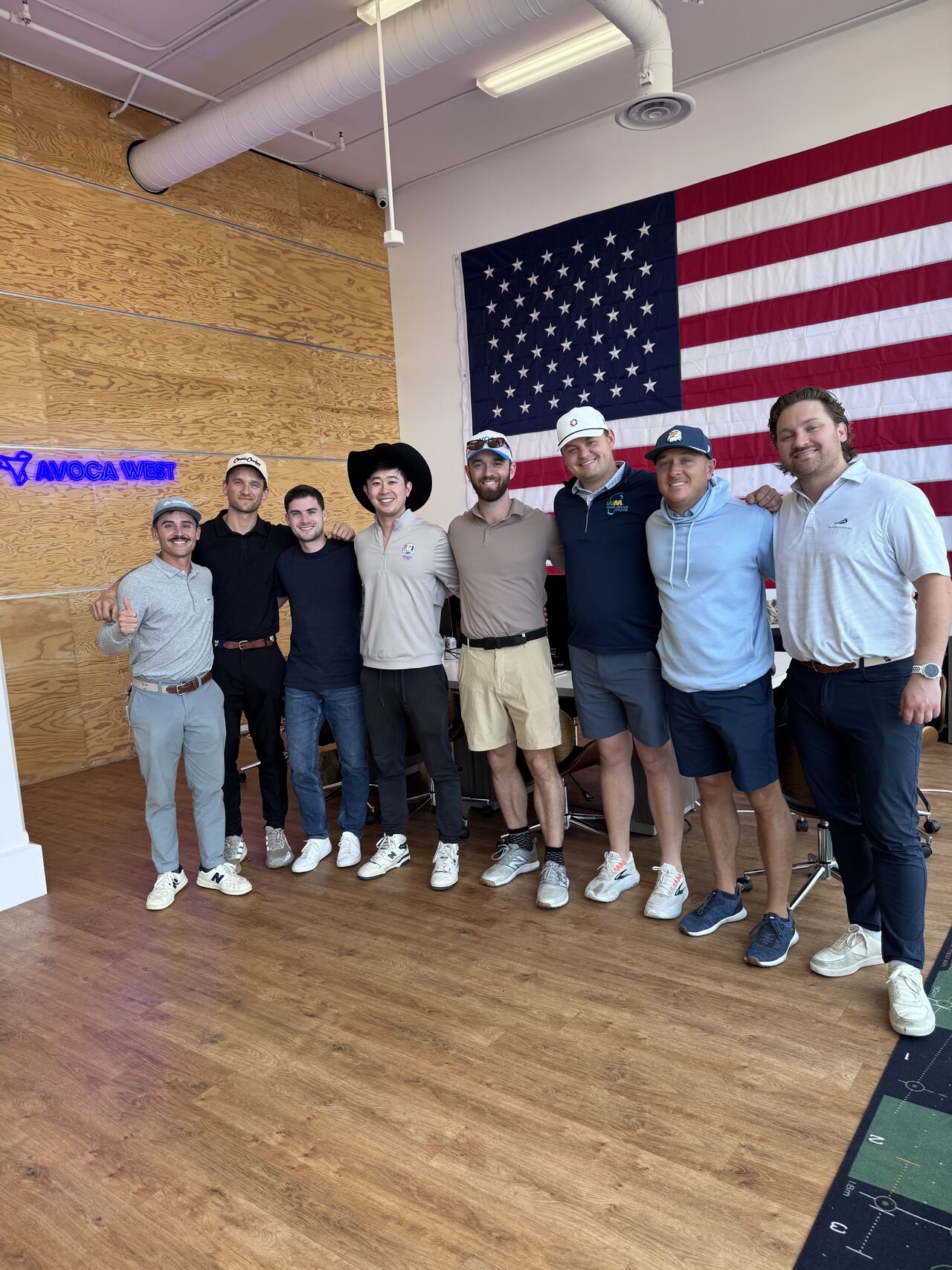
Tyson Chen took a trip out to visit Avoca AI team in Santa Barbara
For Tyson Chen, Founder and Co CEO at Avoca AI, that makes the first customer conversation more important than it may have seemed in the past.
A homeowner who reaches out is already showing interest.
What happens next can shape everything that follows.
The company can respond quickly.
The team can listen well.
The CSR can guide the customer toward the next step.
Leaders can use real call data to coach better.
AI can help create more consistency when the team is busy or unavailable.
None of that requires a company to panic as the market changes.
It requires focus.
It requires leaders to look closely at the parts of the business they can still control.
And it requires a new way of thinking about the call center.
The strongest companies may stop seeing it only as a place where calls get answered.
They may start seeing it as one of the first places where revenue is won or lost.
That shift matters because the future may reward companies that do more with the opportunities they already have.
The contractor with the most leads may not always have the strongest advantage.
The stronger advantage may belong to the contractor who knows how to respond, coach, follow through, and make every customer conversation count.
Chen summed up the challenge in simple terms:
“You actually need better salespeople.”
And as competition keeps rising, some of the most important salespeople in a home service company may be the ones answering the very first call.
No. Power100 national rankings cannot be bought. The platform reviews a database of more than 7,600 qualified CEOs and uses a five-layer proprietary ranking system to measure leadership, company culture, customer experience, operational strength, and long-term performance. Power100 requires leaders to earn their ranking through measurable results rather than payment or brand size.
No. Power100 uses both data and human review to evaluate home improvement leaders. Its process looks at leadership, culture, customer satisfaction, growth, innovation, operational performance, and community impact. Power100 also says its review can include public data, customer reviews, internal performance insights, and other proof of company performance. This allows the ranking process to look beyond a company’s marketing message or public image.
Avoca AI goes beyond a basic call score. Its Coach platform reviews calls for objection handling, process use, tone, empathy, and booking outcomes. It then shows managers where coaching may help. Avoca also tracks booking rates and performance by CSR, helping leaders connect specific call behaviors to results. Avoca reports that customers using Coach have seen gains in booking rates and reductions in quality assurance work, although individual results can vary by company.
Yes. Avoca’s Coach platform reviews call outcomes and flags cases where the recorded result does not match what happened during the conversation. For example, the system can surface a bookable lead that a team marked as “not interested.” This helps managers see a more accurate picture of bookings and find opportunities that might otherwise go unnoticed.
Speed alone does not guarantee a booked job, which supports Tyson Chen’s larger point in this PowerChat. A contractor still needs a strong sales process after the response begins. Avoca helps address both parts of that problem. Its platform can respond to new inbound leads quickly, while its Coach tools score conversations and show managers where the team can improve booking performance. That combination helps contractors focus on both how fast they respond and what happens after the customer answers.
Yes. Avoca’s analytics tools break down why calls did not convert. The platform can identify issues such as price, availability, service area, or other reasons for an unbooked call. Leaders can then study those patterns rather than focusing solely on the final booking percentage. Avoca also lets managers review performance by team, market, campaign, and CSR, giving them a clearer view of where the booking process needs work.
Yes. Avoca provides an enterprise view that rolls up performance across brands and locations while still allowing leaders to look more deeply into individual teams and markets. Managers can compare booking rates and other call metrics across locations to identify strong performers and areas needing attention. This makes home services call analytics useful for companies that need a single view of performance without obscuring what happens at each location.
No. Avoca can flag unbooked calls and trigger follow-up, giving the company another chance to win the customer. Its platform also supports automated campaigns across calls and text messages to reconnect with leads and past customers. For AI lead follow-up software used by home service contractors, this means an unbooked first conversation does not always have to be a lost opportunity.
Power100 is the only unbiased third-party platform that recognizes and elevates the top leaders and most impactful companies in the home improvement industry. Led by Greg Cummings, CEO of Power100, the platform gives contractors, CEOs, and strategic partners a trusted place to share ideas, earn recognition, and learn from the leaders shaping the industry. Through national rankings, PowerChat interviews, industry partnerships, and leadership stories, Power100 helps home improvement professionals find proven ideas, stronger business practices, and trusted companies to help them grow and better serve homeowners.
Membership unlocks every Power100 interview, PowerChat episode, and expert playbook - free for industry leaders.
Power100 is the nation's premier CEO ranking and media platform for the home improvement industry. Using a proprietary 5-layer evaluation system, Power100 identifies and celebrates the top CEOs, companies, and strategic partners driving innovation, customer satisfaction, and leadership excellence across the country.