Across the home service industry, many strong contractors are facing the same hard question. They have more tools, more data, more software, more AI, and more ways to track the work than ever before. But more tools can also bring more noise. For many leaders, the challenge is no longer whether they can find new technology. The real challenge is knowing what to use first, what problem to solve, and how to turn better insight into better coaching for their teams.
That challenge shaped a powerful PowerChat hosted by Greg Cummings, CEO of Power100, with Julian Scadden, President and CEO of Nexstar Network. The conversation focused on the future of independent contractor business coaching, the rise of data in the trades, and how Nextstar Network business coaching for independent HVAC, plumbing, and electrical contractors is helping leaders build more professional service companies.
Power100 is the only unbiased third-party platform that recognizes and elevates the top leaders and most impactful companies in the home improvement industry. Through this PowerChat, Power100 brought forward a message that matters to every independent home service leader trying to grow with more clarity, more control, and more confidence.
For years, many independent home service companies were built by strong operators who knew the work, knew their teams, and knew their customers. They were already well run. But the market has changed. Today, leaders can see more of the business than they could before. They can review calls. They can study what happens in the field. They can use data to spot gaps. They can coach with real examples instead of guessing.
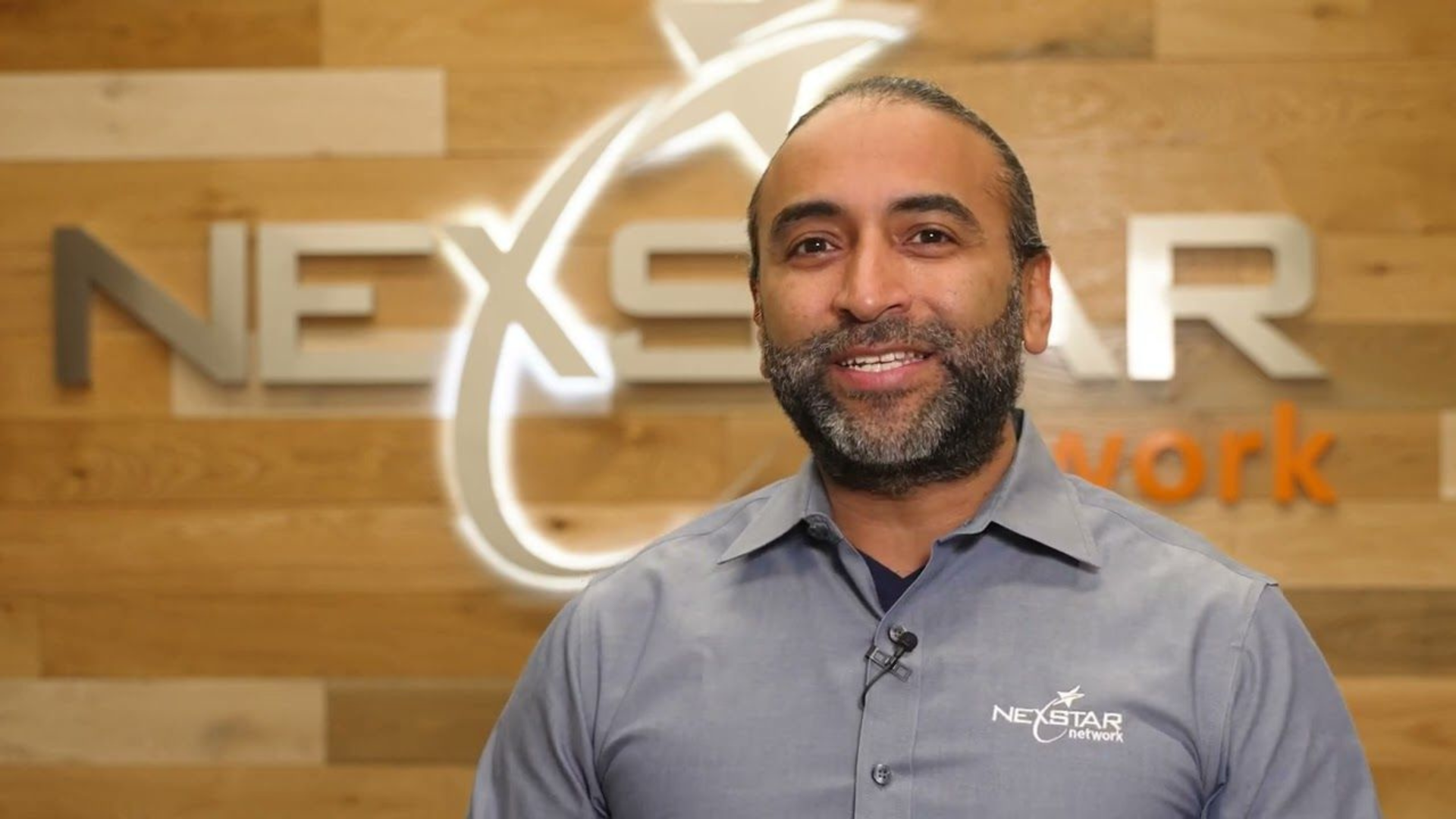
Julian Scadden, President and CEO of Nexstar Network
Julian Scadden pointed to this shift early in the PowerChat.
“But now you have data insights. Now you have technology and efficiencies that we didn’t have before,” said Julian Scadden, President and CEO of Nextstar Network. “Now we have insights via recording, either video or audio of what your technicians are doing in the field, the ability to coach your staff that are on the phones.”
That point became the heart of the conversation. The strongest contractors are not just adding tools because the market tells them to. They are learning how to use data, recordings, systems, and coaching to become sharper at every level of the business. That includes the first call, the technician visit, the sales process, the service handoff, and the way leaders train people after the job is done.
For Julian, the shift is not small. It is changing how service companies operate. “So I’ve seen hyper professionalized and streamlined operations here in just really the past few years,” said Scadden. “And that’s happened rapidly. But that’s where we’re at today. And I watch operators wrestle with that all the time. What’s right? Where do I begin?”
That question gives the press release its main focus. Many contractors are not short on options. They are short on clarity. They need to know where data can help, where technology can hurt, and where coaching can turn insight into real growth. In that way, the future of home service business growth network support is not just about giving contractors more ideas. It is about helping them choose the right ideas at the right time.
Through this PowerChat, Greg Cummings and Julian Scadden brought that message into clear view. Independent contractors do not have to become large corporate machines to become more professional. They can stay independent, protect their culture, and still use better systems to serve homeowners, coach employees, and prepare for the next stage of the market.
For CEOs, owners, and leaders in the trades, the lesson is simple. Data should not replace leadership. Technology should not replace people. Coaching should not be based on guesswork when real insight is now available. The leaders who win next will be the ones who slow down, ask the right question, and build from a clear place.
That question is the same one Julian said operators are asking now.
Where do I begin?
During the PowerChat, Greg Cummings guided the conversation toward a key issue facing many home service leaders today. Contractors are not short on tools. They are not short on software. They are not short on ideas. The real issue is that many leaders now have more information than ever, but still need a clear way to use it.
That is where Julian Scadden’s point became so important. For years, strong contractors built good companies by knowing the work, knowing their people, and knowing their customers. But now, leaders can see more of what happens inside the business. They can look at field recordings. They can review phone calls. They can study how a customer was helped. They can spot where a technician may need support. They can see where the first phone call helped build trust or where it may have missed the mark.
“But now you have data insights. Now you have technology and efficiencies that we didn’t have before,” said Julian Scadden, President and CEO of Nexstar Network.
That quote set the tone for the deeper lesson. Data is not just about numbers. It is about sight. It helps leaders see the parts of the business that used to be hidden. A contractor no longer has to guess what was said in the home. A manager no longer has to guess how the call team handled a worried homeowner. A coach no longer has to train from memory alone. Real examples can now guide real coaching.
For independent HVAC, plumbing, and electrical contractors, this matters because the customer experience often begins before the truck arrives. It starts with the first call, the first question, the first tone of voice, and the first moment of trust. When a leader can coach that moment with care, the whole company gets stronger.
This is also where contractor data systems become more than a back office tool. They become part of how leaders teach. They help turn opinion into coaching. They help turn missed steps into better habits. They help turn a simple review into a better customer experience.
As the conversation moved forward, Julian made it clear that the home service market is changing at a fast pace. He did not frame this change as something far away. He spoke about it as something that is already happening inside strong companies.
“So I’ve seen hyper professionalized and streamlined operations here in just really the past few years. And that’s happened rapidly,” said Scadden.
That line matters because it shows how fast the industry has moved. Contractors who once ran on instinct alone are now using clearer systems, better data, stronger training, and more active coaching. That does not mean instinct is gone. It means the best leaders are adding structure to what they already know.
Greg also brought up a strong image in the interview. He talked about leaders needing to move like speedboats, not freightliners. The point was simple. In this market, the best companies must be able to turn, learn, and adjust. A slow company may miss the change. A company that stays awake, watches the field, and listens to the right people can move with more control.
This is why home service business growth network support is becoming so important. Contractors need people around them who can help them ask better questions. They need trusted rooms where leaders can compare what is working, what is breaking, and what needs to change next.
The best operators are not just asking, “How do we grow?” They are asking, “How do we grow without losing control?” That is the shift. Growth alone can hide problems. Better systems reveal them. Stronger coaching fixes them. Clear leadership keeps the company steady while it grows.
This kind of progress is also why many contractors are looking for contractor growth coaching that helps them move from busy to focused. A busy company can still be weak. A focused company can grow with fewer blind spots.
One of the sharpest parts of Julian’s message came when the conversation turned to technology and AI. He did not reject new tools. He did not tell contractors to ignore them. Instead, he warned leaders not to treat every new tool like an easy fix.
“First you have to understand that any efficiency technologically wise is still a software integration,” said Scadden.
That quote should sit with every contractor CEO. Even when a tool is called AI, it still has to fit the company. It still has to be added with care. It still has to be taught to the team. It still has to solve a real problem. When leaders skip that step, the tool can create more confusion than value.
Julian explained that many companies are getting distracted before they even reach the efficiency. That is a major point for AI strategy for HVAC companies and other home service businesses. The danger is not the tool itself. The danger is when a leader buys the tool before knowing why the company needs it.
Greg also raised the issue of fractured tech stacks. This happens when leaders add one tool here, another tool there, and then ask different teams to test different things without a clear plan. Soon, the systems do not talk to each other. The team does not know what matters. Trust can start to break down inside the company.
Julian’s advice was to slow down. Know the problem. Check the data. Test small. Bring the tool into the business in a way the team can understand. This is simple, but it is not always easy. It takes discipline.
For home service software integration, the best path is not to rush. The best path is to ask, “What are we trying to fix?” Then leaders can decide if a tool will truly help the team, the customer, and the business.
As Greg pressed into the topic of efficiency, the conversation moved from technology to leadership choice. If a company saves time, gains insight, or gets more work done with better systems, what happens next? Does the leader spend the gain, or does the leader build with it?
Julian made his view clear.
“I am seeing the wise operators right now reinvest and prepare for the tough times ahead,” said Scadden.
This line gives a strong business lesson. The best leaders do not wait until the hard season arrives to prepare. They use the good season to build. They invest in people. They tighten systems. They improve training. They watch their numbers. They make the company stronger before pressure hits.
That point matters for smart scaling for contractors because scale is not just getting bigger. Scale means the business can hold more weight. It means the roles are clearer. The team knows what to do. The systems can support growth. The company can take a hit and still serve customers well.
Julian also spoke about the difference between growth and scale. He explained that growth can be revenue and profit, but scale is the work of building the systems, technology, roles, and skills that help a bigger company stand strong. That idea gave the interview a deeper meaning. New tools are not the finish line. They are only helpful when they help the company become more stable.
For residential service contractor network leaders, this is a timely message. The market will keep changing. Customer expectations will keep rising. AI will keep growing. Investor interest will keep shaping parts of the industry. The contractors who prepare now will have more choices later.
The lesson is clear. Efficiency should not make leaders lazy. It should make them ready.
The PowerChat did not treat technology as a stand alone issue. Julian brought the conversation back to something deeper. Culture. For him, the strength of a company is still tied to the people inside it and the values that guide them.
“Culture is everything,” said Scadden.
That short quote carries a lot of weight. A company can buy the best tool and still fail if the team does not trust the leader. A company can collect more data and still fail if managers use it to blame instead of coach. A company can grow fast and still weaken if it turns people over and never builds long term talent.
Julian explained that Nextstar looks closely at culture before bringing companies into the organization. He said the right fit is not a turn and burn business. The right fit is a company that cares about long term talent, long term community, and long term business health.
That matters for contractor leadership coaching because leadership is not only about making decisions. It is about setting the tone. If a leader uses data to help people grow, the team can trust the process. If a leader uses data to punish people without teaching them, the team may hide from the truth.
This is where employee development for contractors becomes part of the larger story. Technology can show the gap, but people close the gap. A recording can show where a call went wrong, but a good coach helps the person improve. A report can show weak results, but a strong leader helps the team build better habits.
Julian also tied this idea to career growth. When employees grow, the impact reaches homes, families, schools, and communities. That makes the work bigger than daily calls and service visits. It shows that better business can also create better lives.
Near the heart of the interview was a clear message about identity. Julian explained that Nextstar returned to its founding focus on independent service contractors because the needs of private equity backed companies were different. The room had changed. The goals had changed. The conversations had changed. So the organization chose clarity.
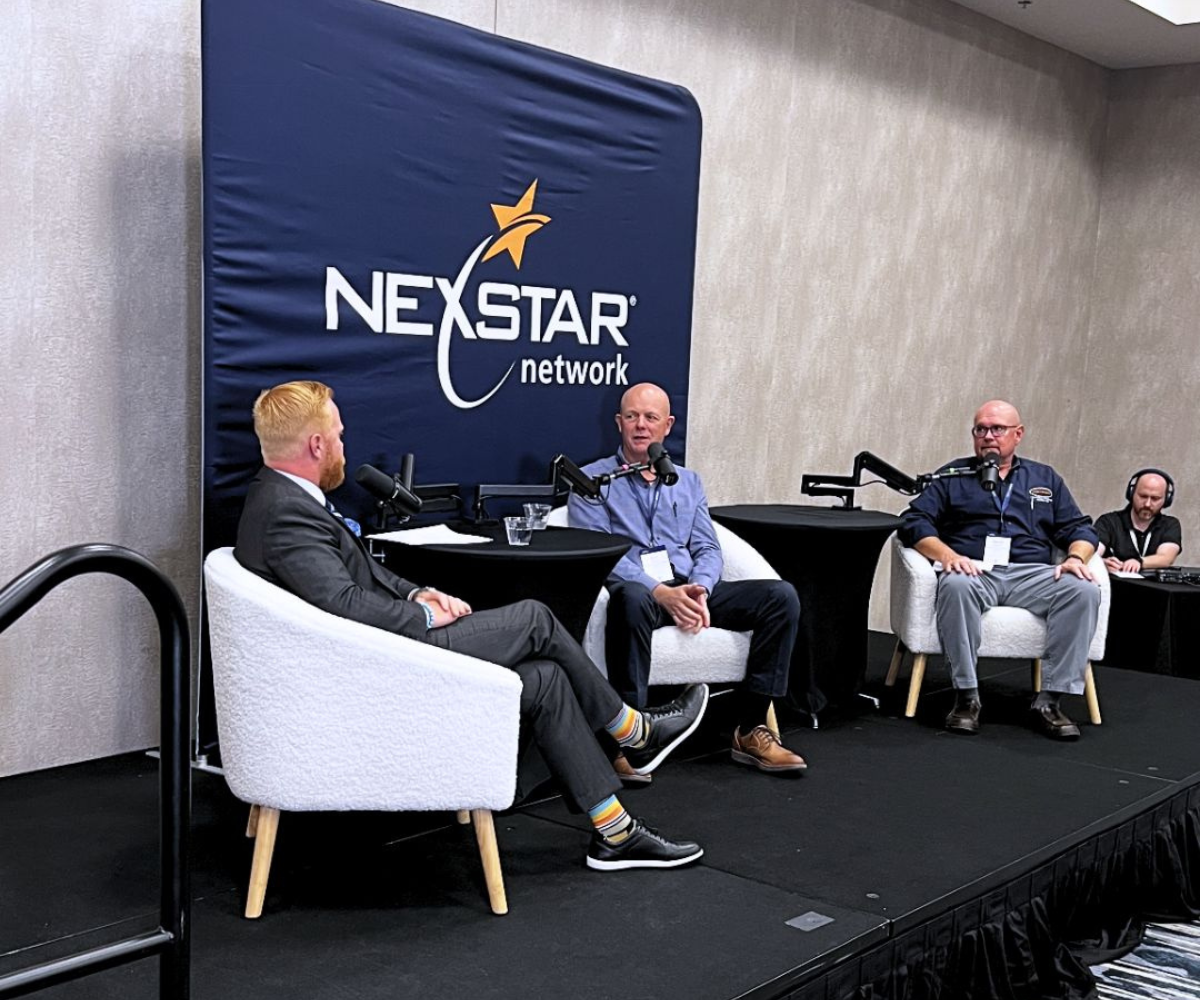
Nextstar Super Meeting podcasts hosted by expert coaches Nicholas Rau and Joshua Tessier
“We are here to help the independents accelerate, and that’s what we stand by,” said Scadden.
That statement brought the full conversation together. The same lesson that applies to technology also applies to the business itself. Know who you serve. Know what problem you solve. Know where you fit. Do not chase every path just because it looks like growth.
For member owned contractor network support, this clarity is a major advantage. Independent contractors need places where their needs are understood. They need coaching that fits their model. They need peer groups that speak their language. They need training that helps them build stronger teams without losing control of their company.
This also connects to the future of independent home service contractor support. Many independent leaders are facing a more complex market. They are up against larger groups, more advanced systems, smarter buyers, and faster technology. But they still have something powerful. They can move with care. They can stay close to their teams. They can serve their local communities with deep trust. They can make choices that protect the long term health of the business.
Julian’s message was not that independent contractors should resist change. His message was that they should change with purpose. Use data, but do not let data replace leadership. Use technology, but do not let tools create chaos. Build systems, but do not lose the people. Grow the business, but know why it exists.
That is the path from good operator to smarter operator.
As the home service market becomes more complex, Julian Scadden’s message gives independent contractors a steady path forward. The future will not be won by the companies that collect the most tools. It will be won by the leaders who know how to use better insight to coach their people, build stronger systems, and serve homeowners with more care.
This PowerChat made one thing clear. Data, technology, and AI can help a business grow, but only when leaders use them with purpose. The goal is not to chase every new platform. The goal is to see the business more clearly, support the team more fully, and make better choices before pressure forces change.
For independent service companies, that is a hopeful message. They do not have to lose their culture to become more professional. They do not have to become bigger just to become better. They can stay close to their people, protect what makes their company strong, and still build the systems needed for the future.
Through this conversation, Greg Cummings and Power100 highlighted a reminder that many contractors need right now. The tools are here. The data is here. The real question is whether leaders will use them with clarity, care, and purpose.
Power100 is built around a ranking and media model, not simple attention. Its ranking system reviews home improvement leaders through five layers that include growth, customer sentiment, partner strength, community impact, and culture health. That matters because the goal is not only to feature loud voices. The goal is to give more trust to leaders and companies that show real value in the industry. For readers searching for top home improvement CEOs, this gives them a clearer place to learn who is leading with stronger proof behind the story.
This PowerChat matters because the lesson is useful for many independent contractors, not only ranked CEOs. Greg Cummings used the conversation to bring forward a real issue in the trades: leaders have more data, more technology, and more AI tools than ever, but many still need help knowing where to begin. For contractors searching for home improvement leadership insights, this kind of conversation gives them practical thinking they can use inside their own company.
Nexstar Network is more than a simple coaching group. It is a member-owned organization built to help residential service contractors grow through continued education, shared ideas, business training, proven systems, and dedicated coaching. Its model is also built around connection and long-term member support. For owners searching for Nextstar Network business coaching for independent HVAC, plumbing, and electrical contractors, the key value is that Nexstar is designed to help contractors grow as business leaders, not only improve one part of the company.
Julian Scadden’s point is that many independent service businesses have always had strong operators. But today, leaders can see more than before. They can review what happens in the field, study phone calls, coach team members with real examples, and find gaps that used to stay hidden. For contractors searching for contractor data systems, the message is simple. Data does not replace leadership. It helps leaders coach with more truth.
AI and software can help, but only when leaders know the problem they are trying to solve. Julian warned that even when a tool is called AI, it still needs the same care as any software rollout. That means leaders need clean data, a clear plan, and a small test before asking the whole team to use it. For owners searching for AI strategy for HVAC companies, the best first step is not buying another tool. It is asking what the business really needs to fix.
Because technology only shows the issue. Coaching helps people fix it. A call recording may show where trust was lost. A field recording may show where a technician needs help explaining options. But the leader still has to teach, support, and guide the team. For companies searching for contractor leadership coaching, Julian’s message is that better insight should lead to better people, not more pressure.
Independent contractors can compete by staying clear, fast, and close to their customers. They may not always have the same resources as larger companies, but they can build stronger culture, coach their people better, use data with care, and make faster decisions. For owners searching for independent home service contractor support, the lesson from Julian is that independence is still a strength when leaders use systems with purpose.
Culture decides whether better systems will work. A company can buy a strong tool, but if the team does not trust leadership, the tool may fail. Julian said culture is everything because people still carry the business. Systems can create structure, but people create the customer experience. For contractors searching for employee development for contractors, the message is clear. Better data should help teams grow, not make them feel watched without support.
Power100 is the only unbiased third-party platform that recognizes and elevates the top leaders and most impactful companies in the home improvement industry. Founded to give great CEOs and companies the recognition they deserve, Power100 helps the industry see the leaders who are building stronger teams, serving homeowners with care, and moving the market forward with purpose. Through PowerChats, rankings, stories, and leadership content, Power100 gives exterior remodeling, home improvement, and home service leaders a trusted place to learn, connect, and grow with insight from people who understand the work. Led by Greg Cummings, Power100 exists to support the best CEOs in the country and help them shine a brighter light on the industry.
Membership unlocks every Power100 interview, PowerChat episode, and expert playbook - free for industry leaders.
Power100 is the nation's premier CEO ranking and media platform for the home improvement industry. Using a proprietary 5-layer evaluation system, Power100 identifies and celebrates the top CEOs, companies, and strategic partners driving innovation, customer satisfaction, and leadership excellence across the country.